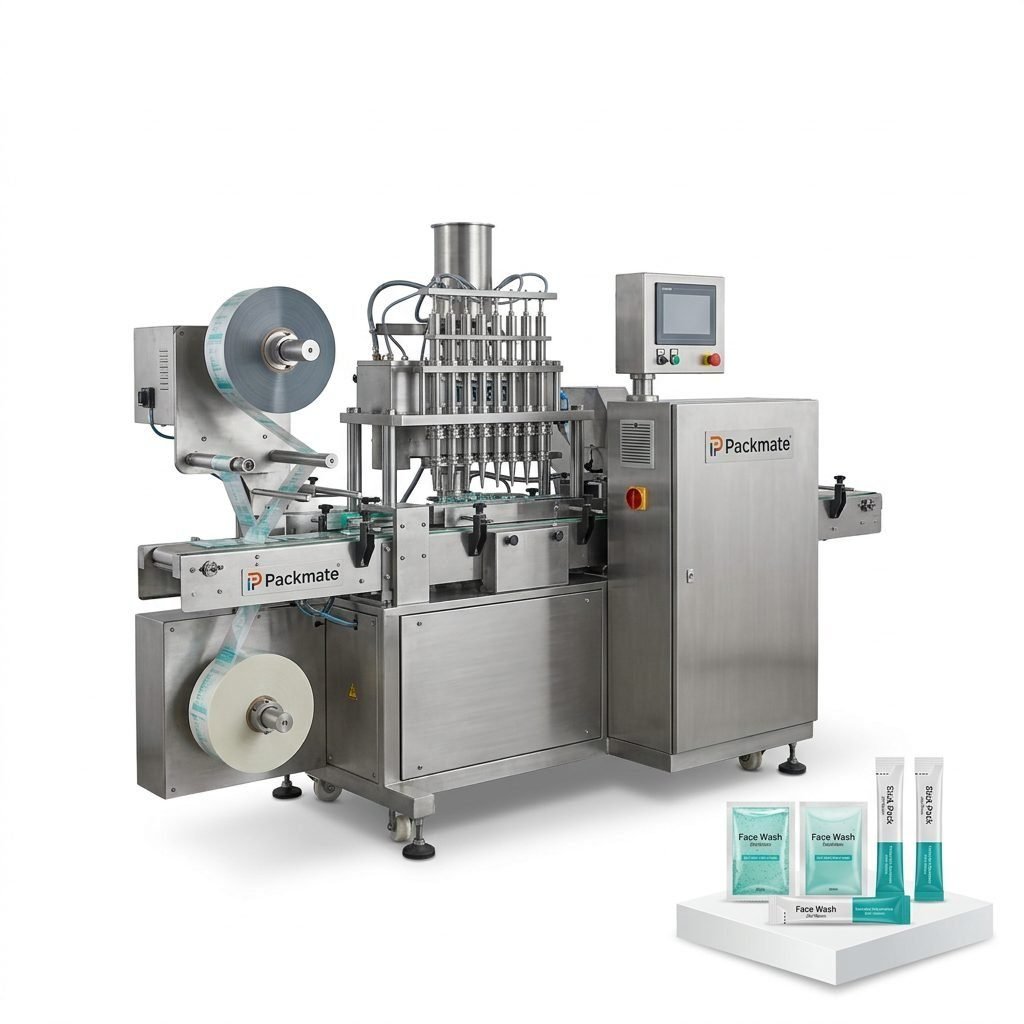
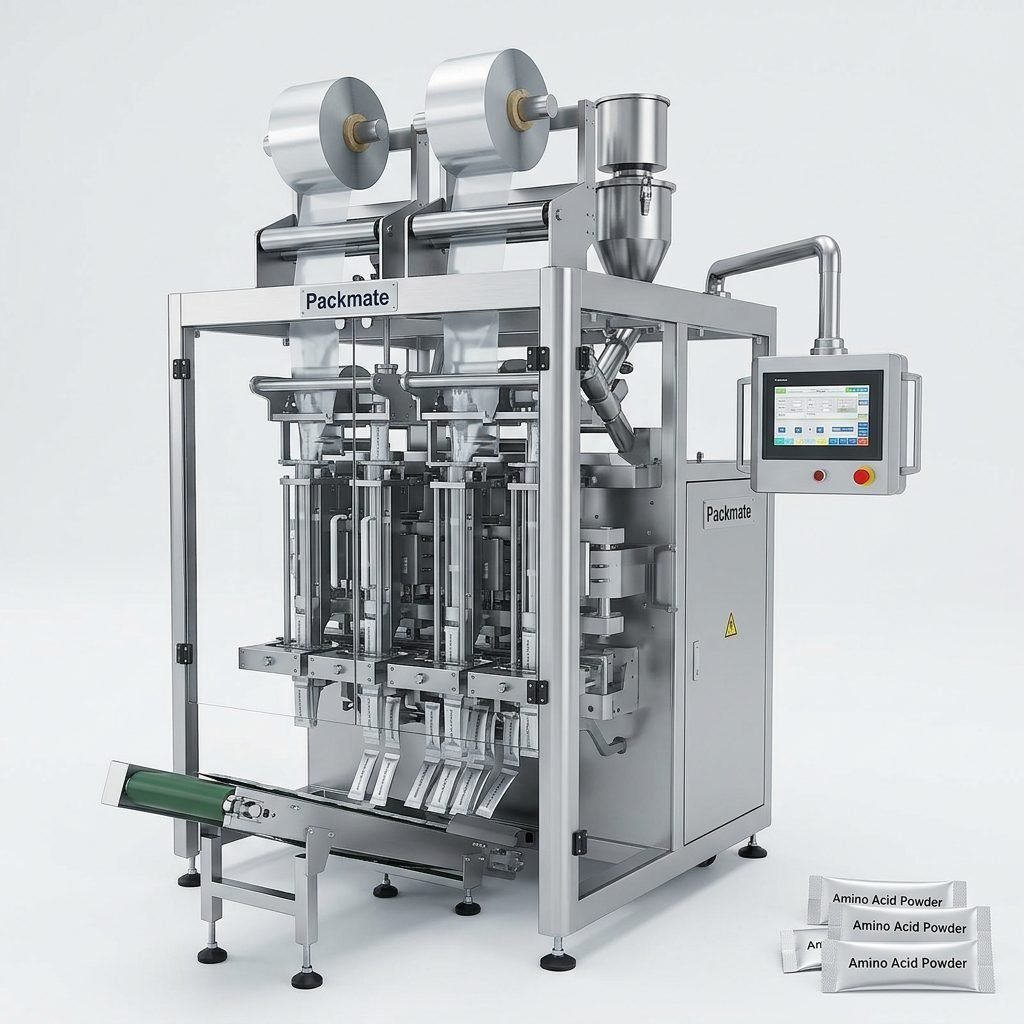
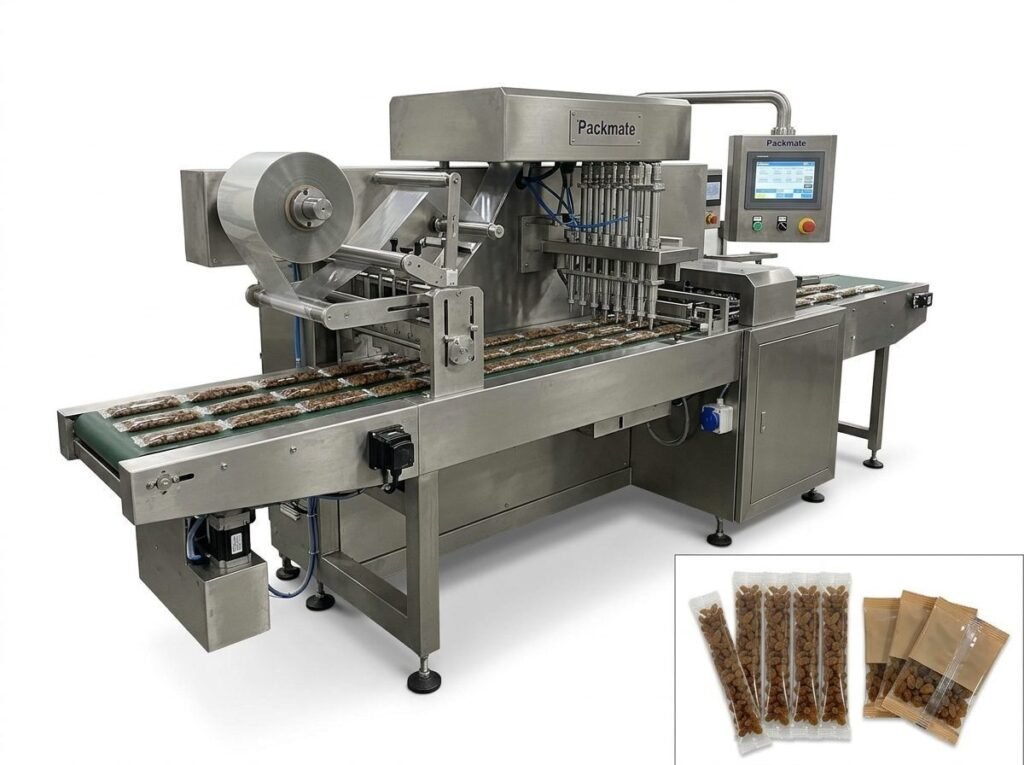
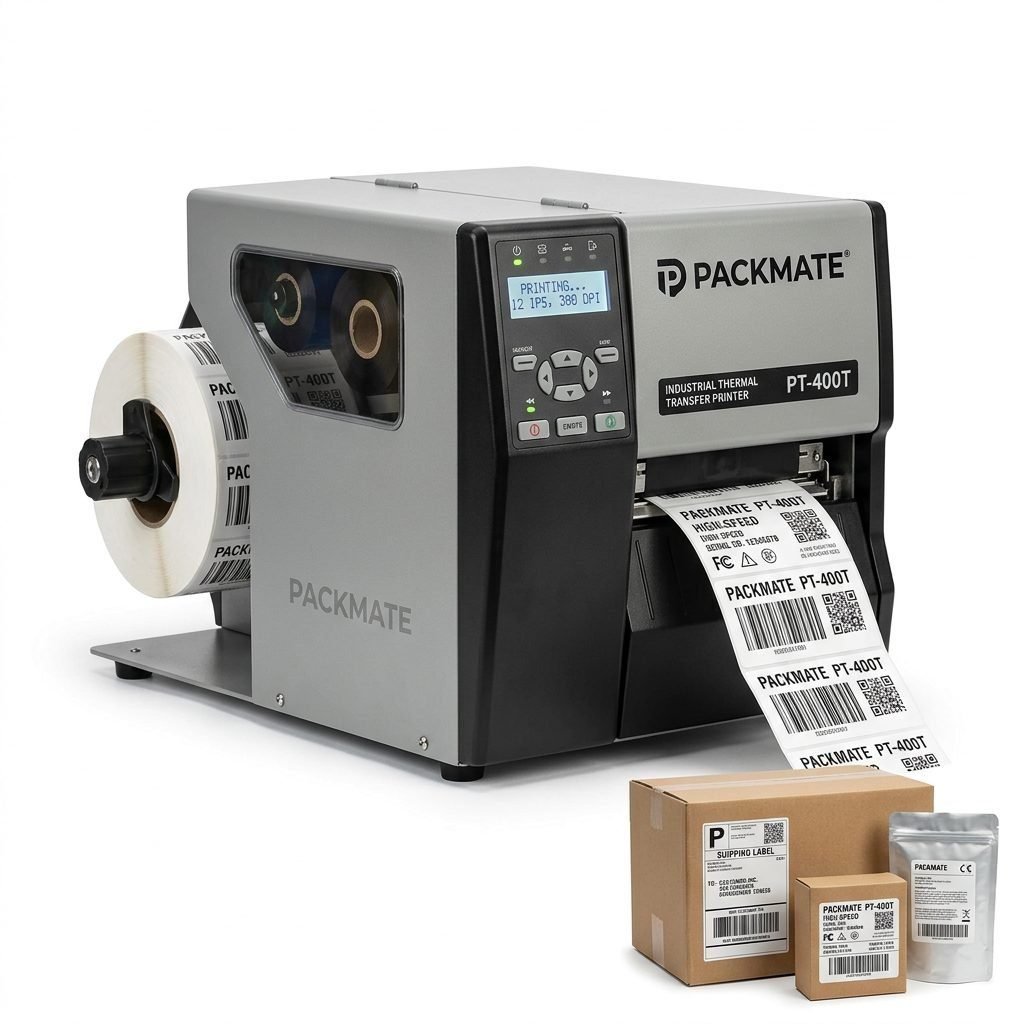
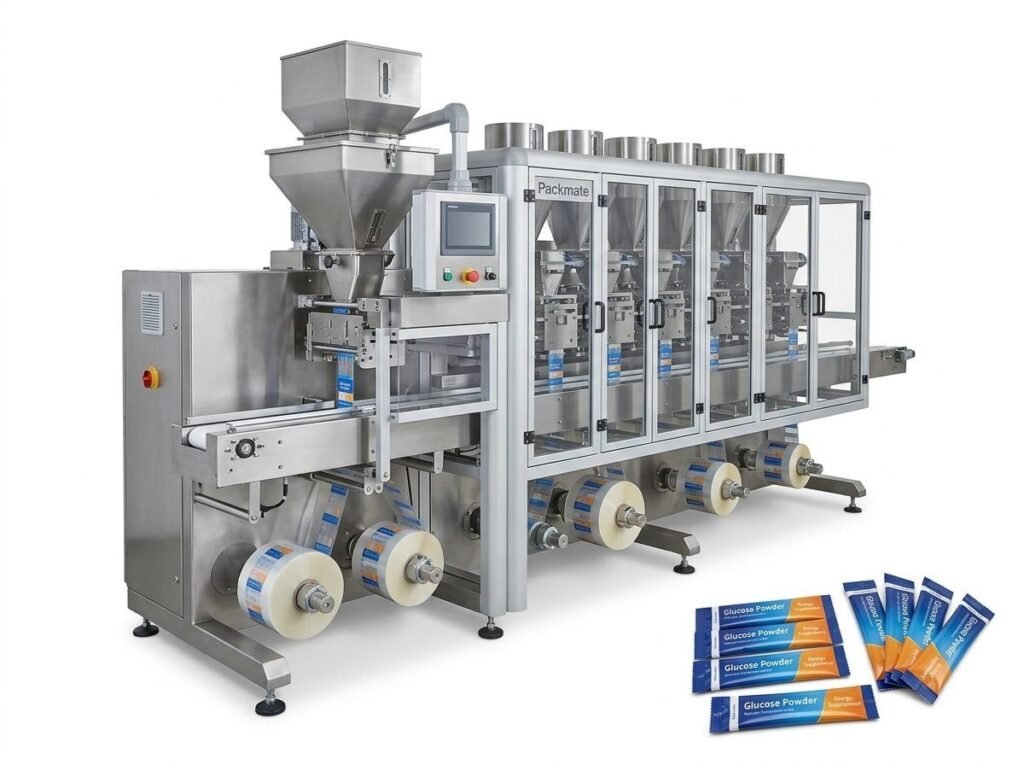
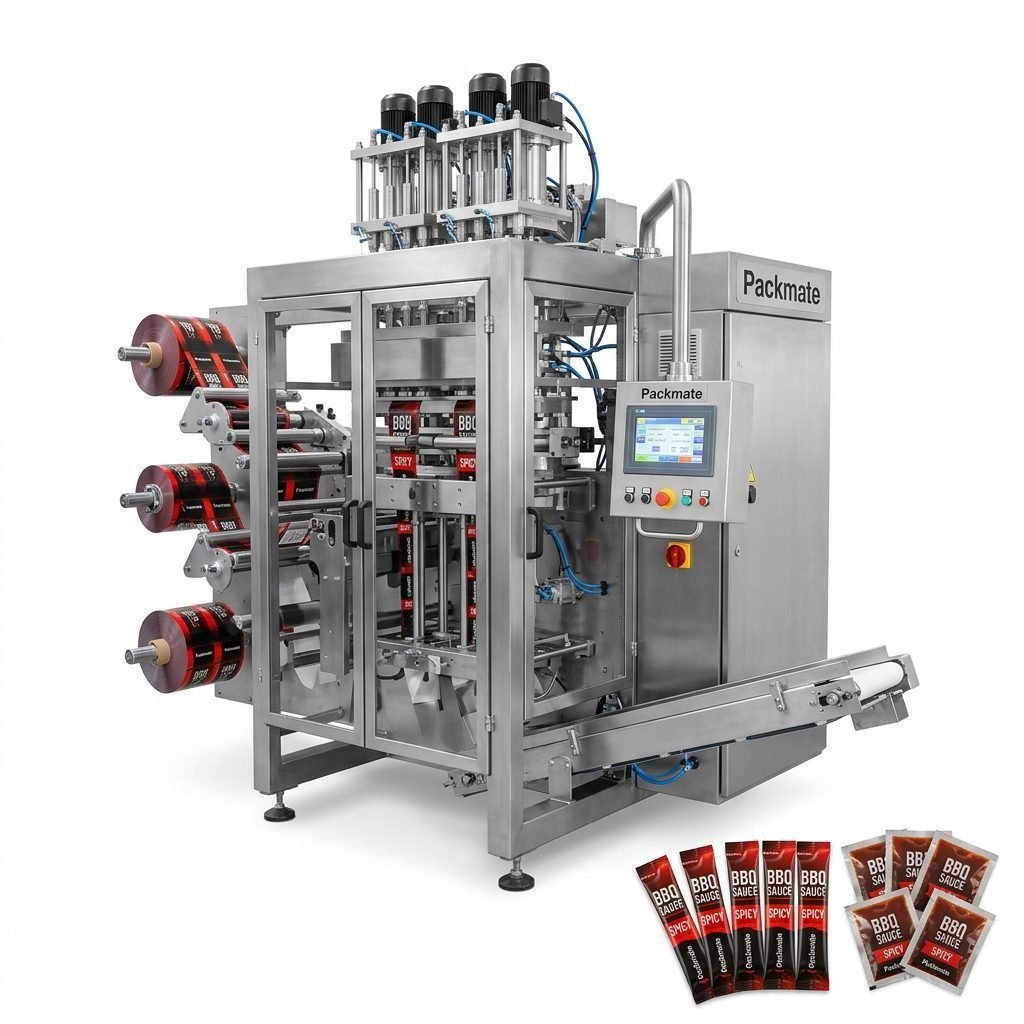
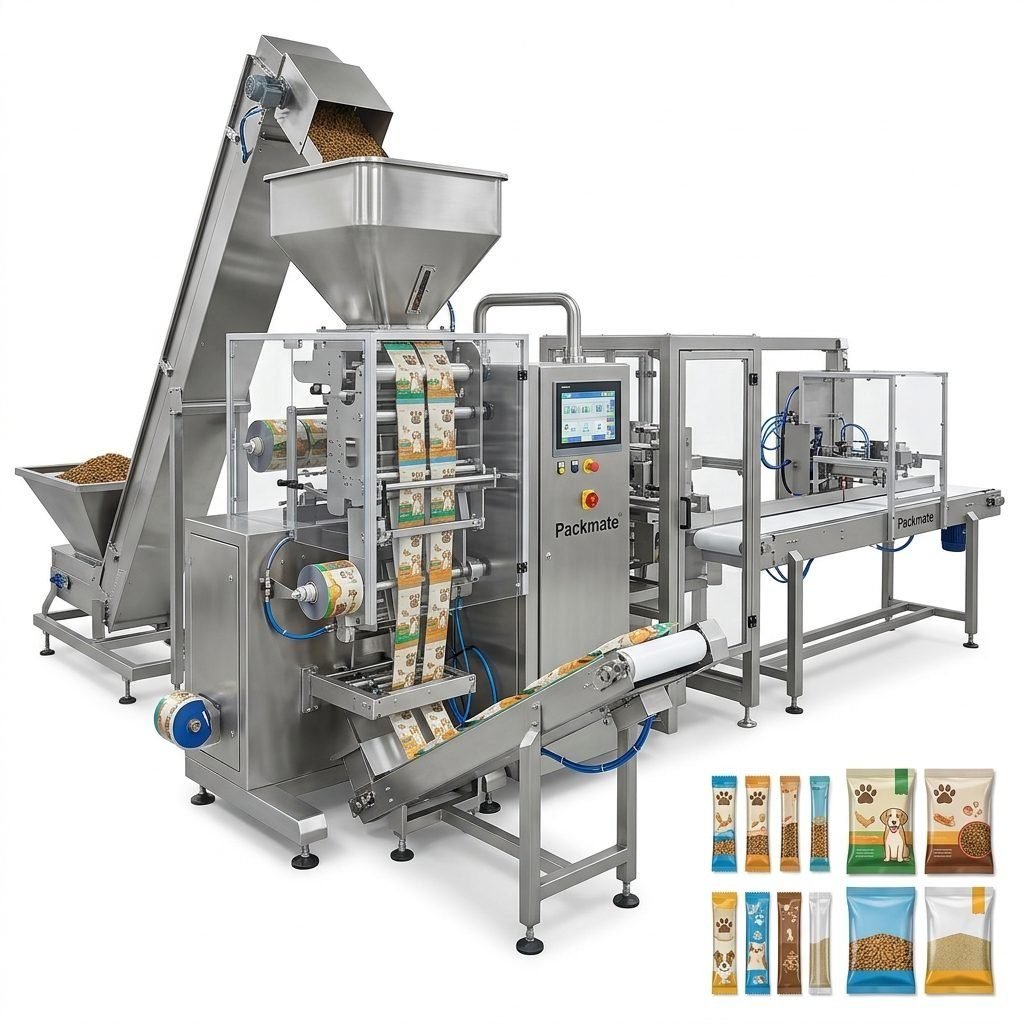
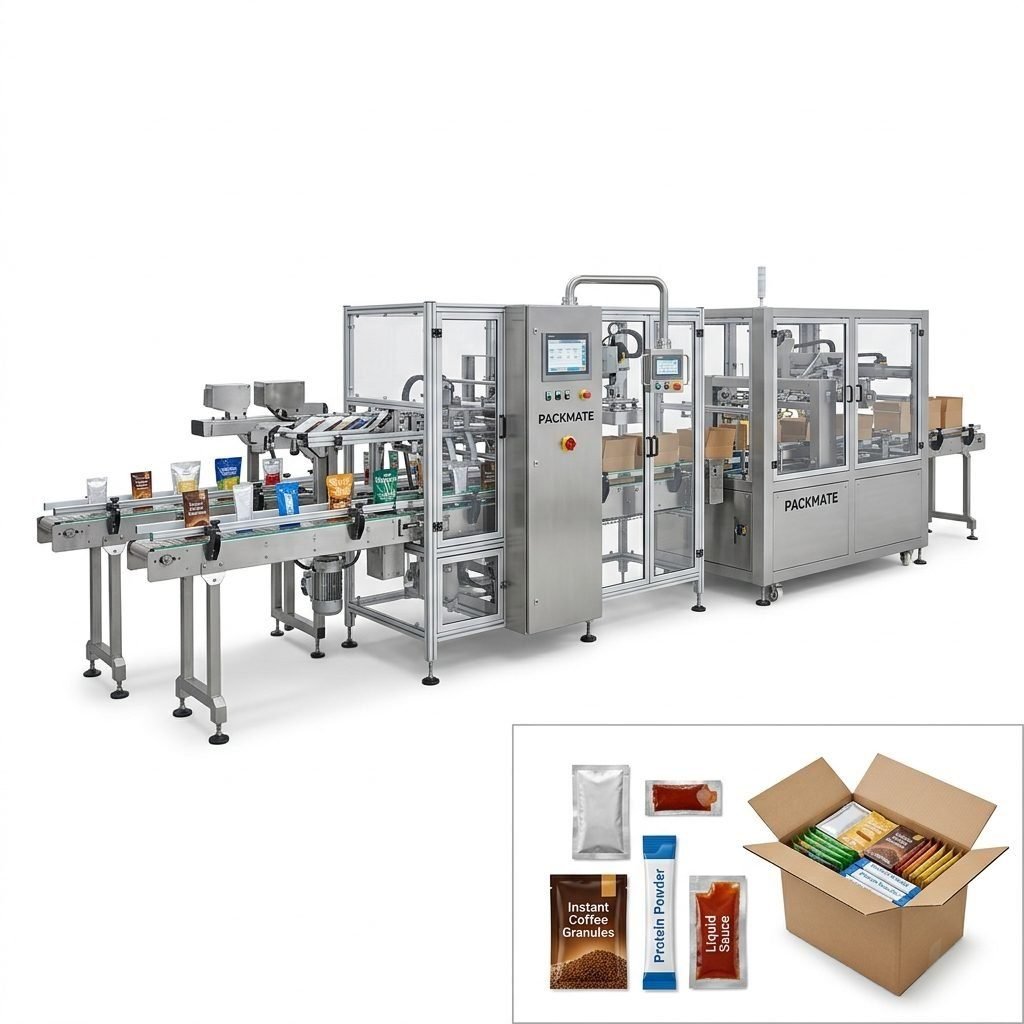
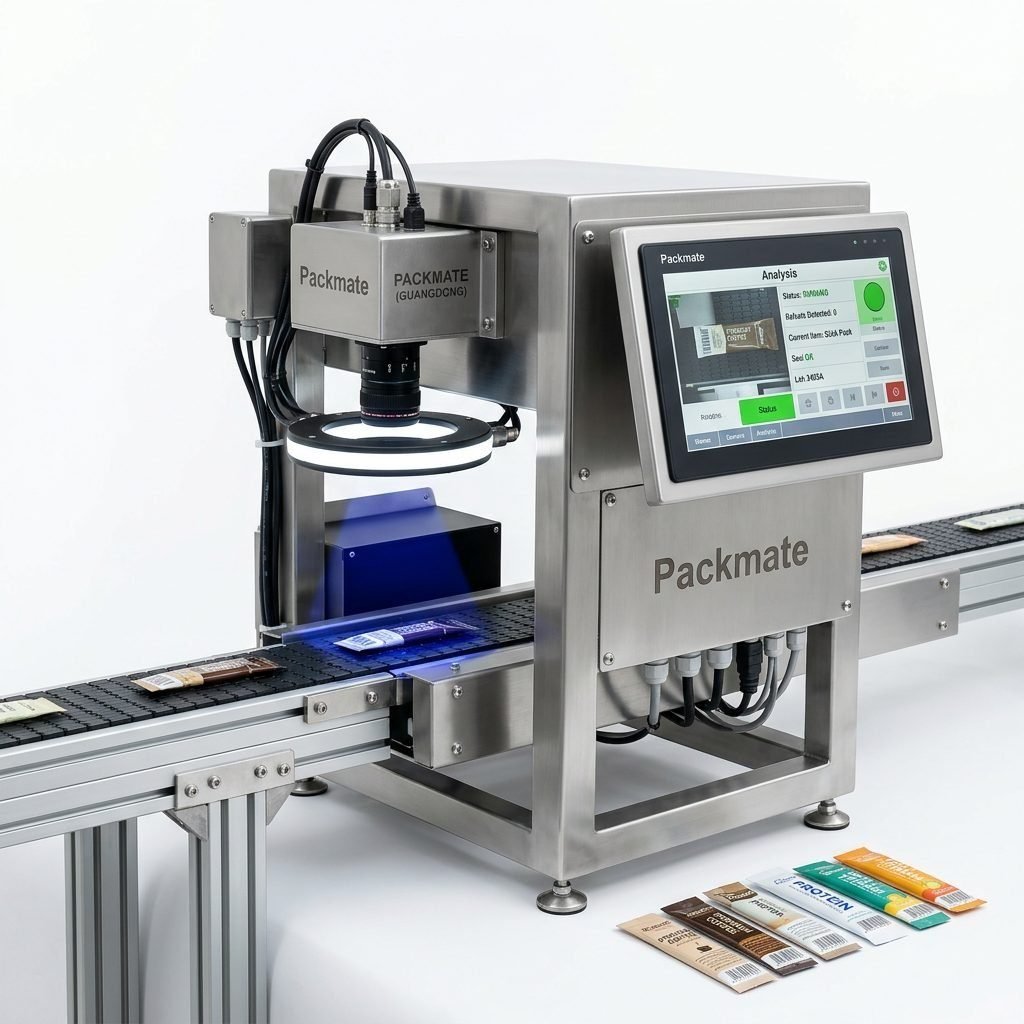
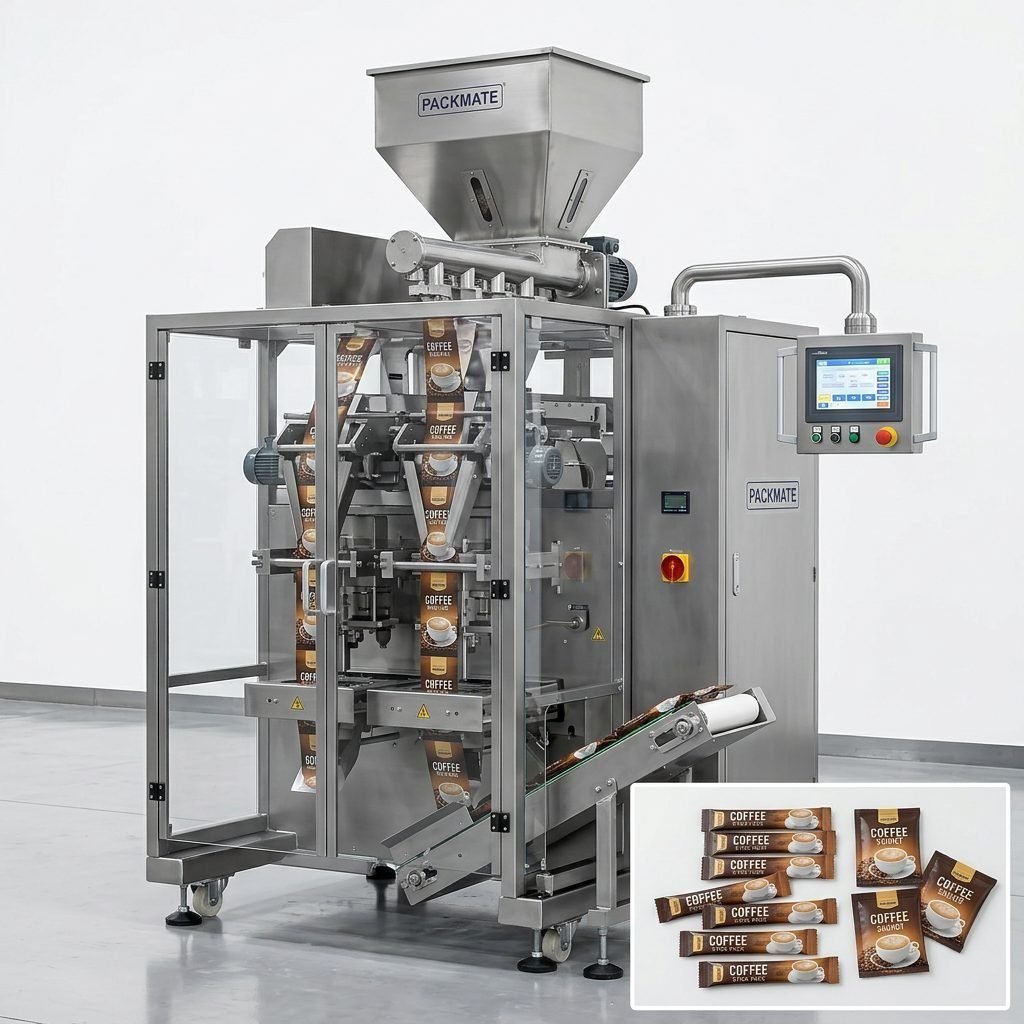
In the fast-paced world of product manufacturing, packaging is a critical final step that directly impacts product integrity, shelf appeal, and operational efficiency. For businesses handling powders, granules, or small solid items, the choice of packaging machinery is paramount. Among the various technologies available, the 3 Side Seal Packaging Machine stands out as a versatile and reliable workhorse for creating secure, attractive pouches. This comprehensive guide delves into the benefits, explores the different types available, and provides a clear framework for choosing the perfect machine for your production line.
Core Benefits of Using a 3 Side Seal Machine
The adoption of a 3 side seal packaging system brings a multitude of advantages to a production facility, translating into tangible business benefits.
Enhanced Product Protection
The primary function of any package is to protect its contents. A 3 side seal pouch, created by sealing material on three sides, forms a robust barrier against moisture, dust, and contaminants. This is crucial for products sensitive to environmental factors, such as food ingredients, pharmaceuticals, or chemical reagents. The hermetic seal ensures product freshness and extends shelf life, reducing waste and protecting your brand’s reputation for quality.
High Efficiency and Speed
Modern 3 side seal machines are designed for high-speed operation, capable of producing dozens to hundreds of pouches per minute. This automation significantly outpaces manual packaging, reducing labor costs and minimizing human error. The continuous motion of forming, filling, and sealing in one integrated process streamlines production, allowing you to meet large order volumes and tight deadlines with consistency.
Furthermore, these machines offer remarkable flexibility in packaging materials. They can handle a wide range of laminates, including PET/PE, OPP/CPP, and aluminum foil composites. This allows brands to choose the optimal material for their product’s needs, whether it’s requiring high-barrier properties, excellent printability for vibrant graphics, or transparency for product visibility.
Exploring the Types of 3 Side Seal Packaging Machines
Not all 3 side seal machines are created equal. They are categorized based on their operational mechanism and level of automation, each suited to different production scales and requirements.
Vertical Form Fill Seal (VFFS) Machines
This is the most common type for granular, powder, and small solid items. The machine forms a tube from a roll of flat packaging film, creates the vertical back seal, fills the product through a dosing system, and then creates the top and bottom horizontal seals, simultaneously cutting the finished pouch away. VFFS machines are known for their space efficiency and high output. You can explore advanced weighing and packaging systems that integrate seamlessly with such machines for precise filling.
Horizontal Form Fill Seal (HFFS) Machines
Ideal for more rigid or awkwardly shaped items, biscuits, or bars, HFFS machines form pouches in a horizontal plane. The film is drawn horizontally, and the product is placed into the pre-formed pouch before sealing. This method often allows for more sophisticated packaging styles and gentler handling of fragile products.
Manual, Semi-Automatic, and Fully Automatic Models
The spectrum of automation is key:
Manual Machines: Require an operator to place the product and initiate the sealing cycle. Suitable for very low-volume production, prototyping, or small businesses.
Semi-Automatic Machines: Automate the sealing process but require manual product loading. A good middle-ground for medium-scale operations.
Fully Automatic Machines: Integrate with upstream feeders and conveyors to perform the entire forming, filling, and sealing process without manual intervention. Essential for high-volume, continuous production lines seeking maximum efficiency.
How to Choose the Right Machine: A Step-by-Step Guide
Selecting the ideal 3 side seal packaging machine is an investment decision. Here’s a systematic approach to ensure you choose a machine that aligns with your current and future needs.
Step 1: Analyze Your Product Characteristics
Start with your product. Is it a free-flowing powder, abrasive granules, or delicate flakes? The product’s flowability, abrasiveness, and fragility will determine the type of filling system (auger, volumetric cup, weigh scale) and the film path design needed. Also, consider any special requirements like nitrogen flushing for snack foods or sterile packaging for medical supplies.
Step 2: Define Your Output Requirements
Be realistic about your required production speed (pouches per minute). Factor in not just current demand but projected growth over the next 3-5 years. Choosing a machine that can grow with you, perhaps through modular upgrades, is more cost-effective than an immediate replacement. Assess if you need a dedicated single-lane machine or a high-speed multi-lane stick pack machine for smaller portions.
Step 3: Evaluate Packaging Material & Design
What film structure do you plan to use? Confirm the machine’s compatibility with your chosen laminate’s thickness and composition. If you plan frequent changeovers for different pouch sizes or products, prioritize machines with quick-change features for sealing jaws and film guides. This drastically reduces downtime.
Step 4: Consider Integration and Support
The machine should integrate smoothly into your existing or planned production line. Consider space constraints, power requirements, and connectivity with checkweighers or cartoners. Crucially, partner with a reputable manufacturer. A supplier with a strong track record, like Packmate Machinery, offers not just reliable equipment but also comprehensive technical support, training, and readily available spare parts. Review their service and support offerings carefully.
Step 5: Total Cost of Ownership (TCO) Analysis
Look beyond the initial purchase price. Calculate the TCO by including estimated costs for energy consumption, routine maintenance, spare parts, and potential downtime. A slightly more expensive machine from a quality manufacturer often proves cheaper in the long run due to higher reliability, better efficiency, and longer service life.
Frequently Asked Questions (FAQs)
What is the main difference between a 3 side seal and a 4 side seal pouch?
A 3 side seal pouch is formed from a single sheet of film, sealed on two sides and the bottom, with the top open until filled and sealed. A 4 side seal pouch is typically made from two separate sheets of film sealed together on all four edges, often used for premade pouches or different material combinations.
Can a 3 side seal machine handle liquids?
Standard 3 side seal VFFS machines are designed for solids, granules, and powders. Packaging liquids requires specific liquid filling technology and often a different sealing method to prevent leakage. You would need to look for machines specifically engineered for liquid filling or consider alternative pouch styles.
How often does the machine require maintenance?
Maintenance frequency depends on usage hours and the product being packaged (abrasive materials cause more wear). Generally, daily cleaning and lubrication of key moving parts are essential. A more thorough preventive maintenance check should be performed weekly or monthly, as per the manufacturer’s manual, to ensure optimal performance and longevity.
What is the typical changeover time between different pouch sizes?
Changeover time varies greatly by machine design. Basic machines may require 30-60 minutes for manual adjustments. Modern machines with digital controls and quick-change tooling systems can reduce this time to 5-15 minutes, significantly improving flexibility for multi-product lines.
Is operator training complex for these machines?
Operating a basic semi-automatic machine is relatively straightforward. However, programming and troubleshooting fully automatic, computer-controlled machines require more in-depth training. A reliable supplier should provide comprehensive hands-on training for your operators and maintenance staff to ensure safe and efficient machine operation from day one.