The food industry is a dynamic and fast-paced sector where efficiency, hygiene, and consistency are paramount. In this environment, automated food packaging machines have become indispensable. These systems streamline the process of enclosing food products in protective materials, significantly boosting production rates while ensuring product safety and quality. From snacks and spices to liquids and powders, automation is reshaping how food reaches consumers.
Core Types of Automated Food Packaging Machines
The landscape of automated packaging is diverse, with machines designed for specific formats and product types. Understanding the main categories is the first step in identifying the right solution for your production line.
Vertical Form Fill Seal (VFFS) Machines
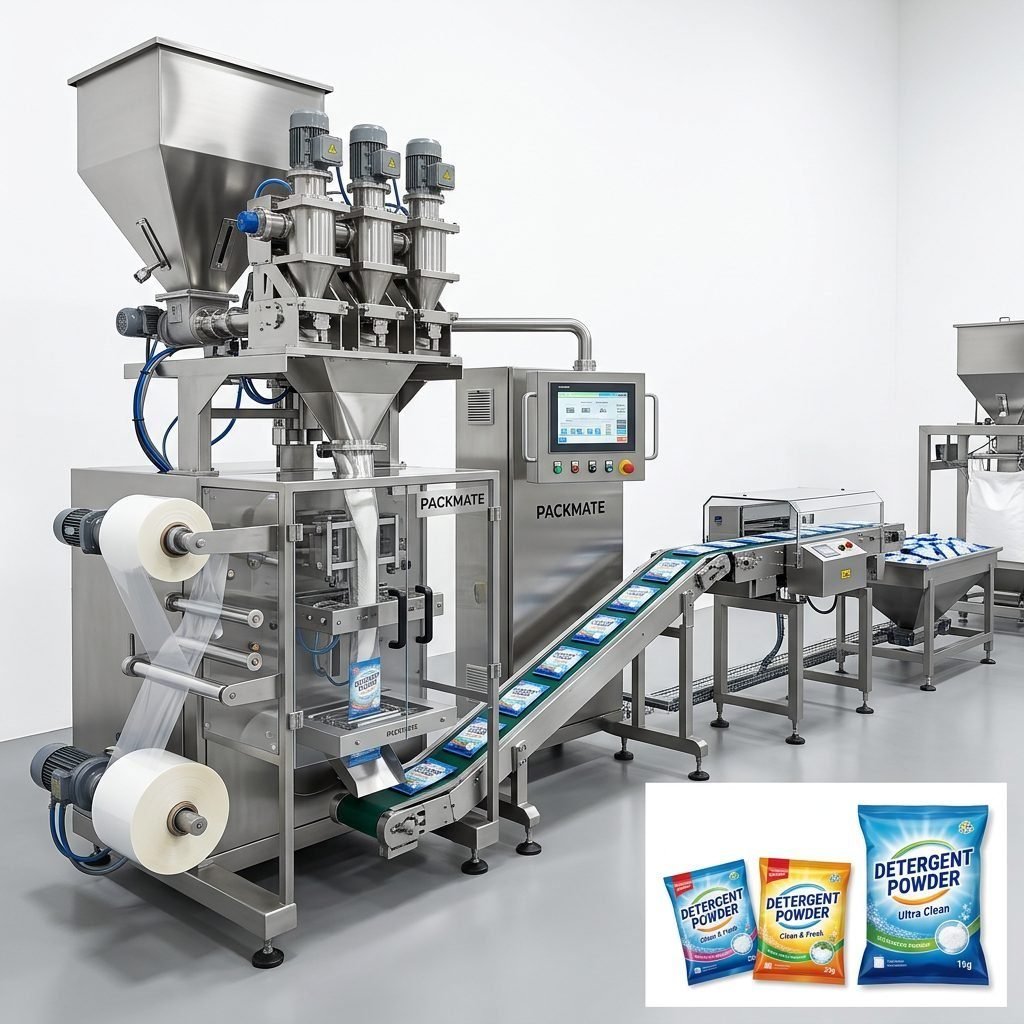
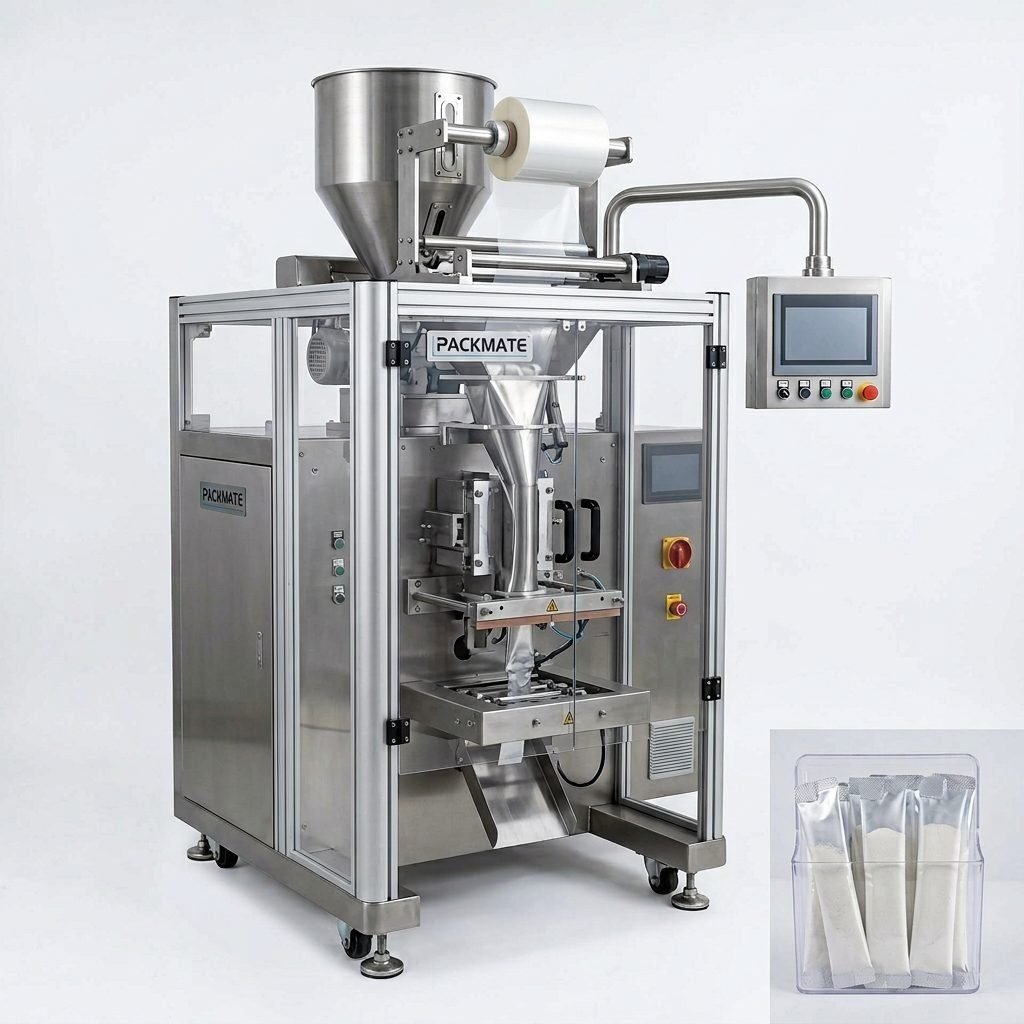
These are among the most common and versatile machines. A VFFS machine forms a bag from a roll of film, fills it with the product—be it granules, powders, or liquids—and then seals it. They are ideal for bag and pouch packaging of items like chips, nuts, and frozen vegetables, offering high speed and flexibility in bag size.
Horizontal Form Fill Seal (HFFS) Machines
HFFS machines are typically used for more rigid structures or when multiple items need to be grouped into a single package, such as candy bars, biscuits, or tea bags. The film is formed horizontally around the product, creating a pillow pack or a more complex carton-style package.
Sachet and Stick Pack Machines
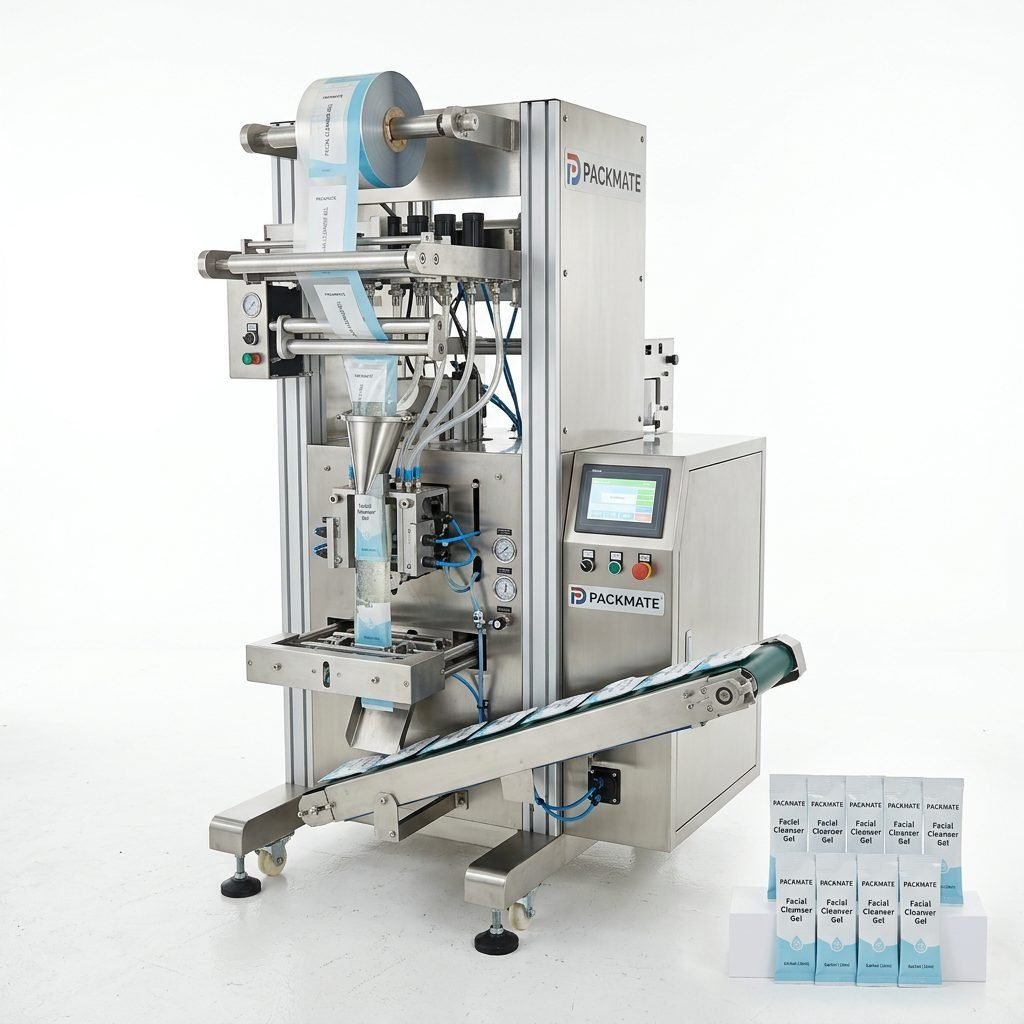
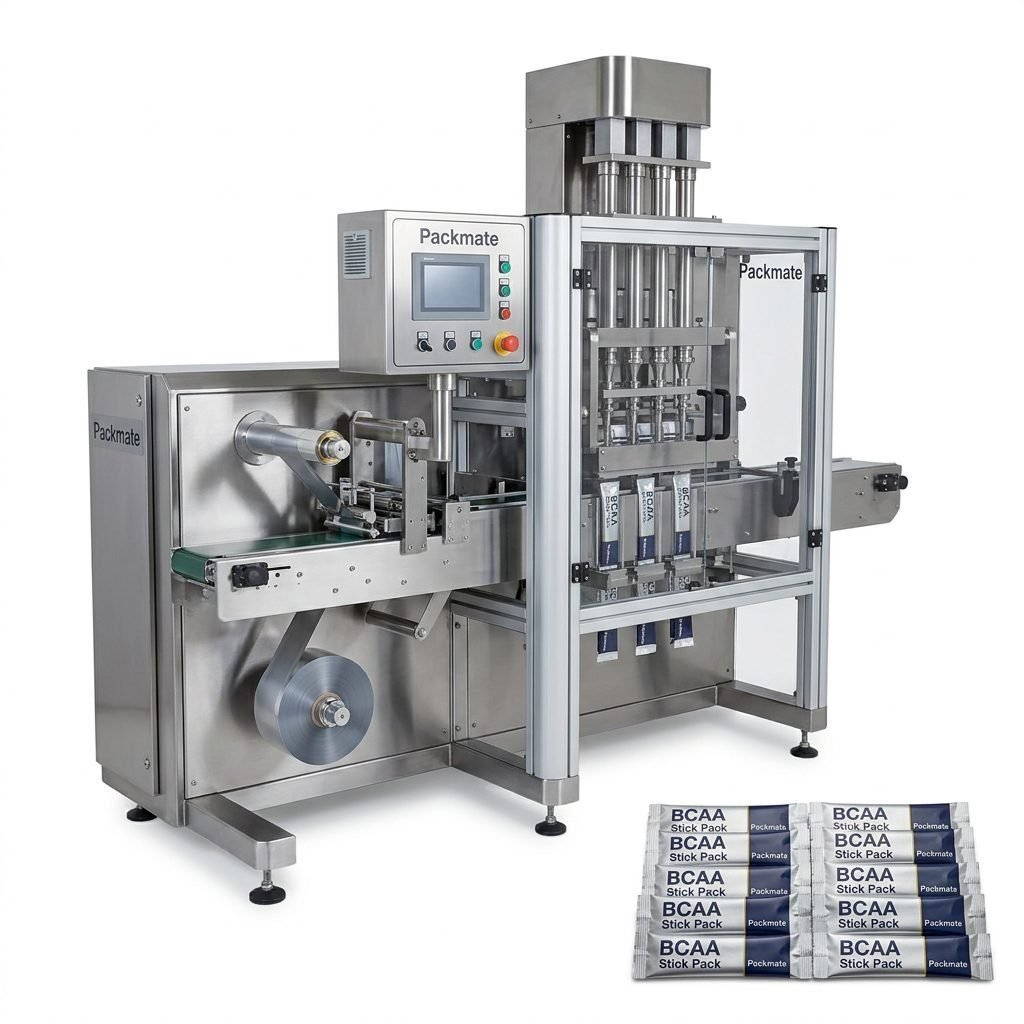
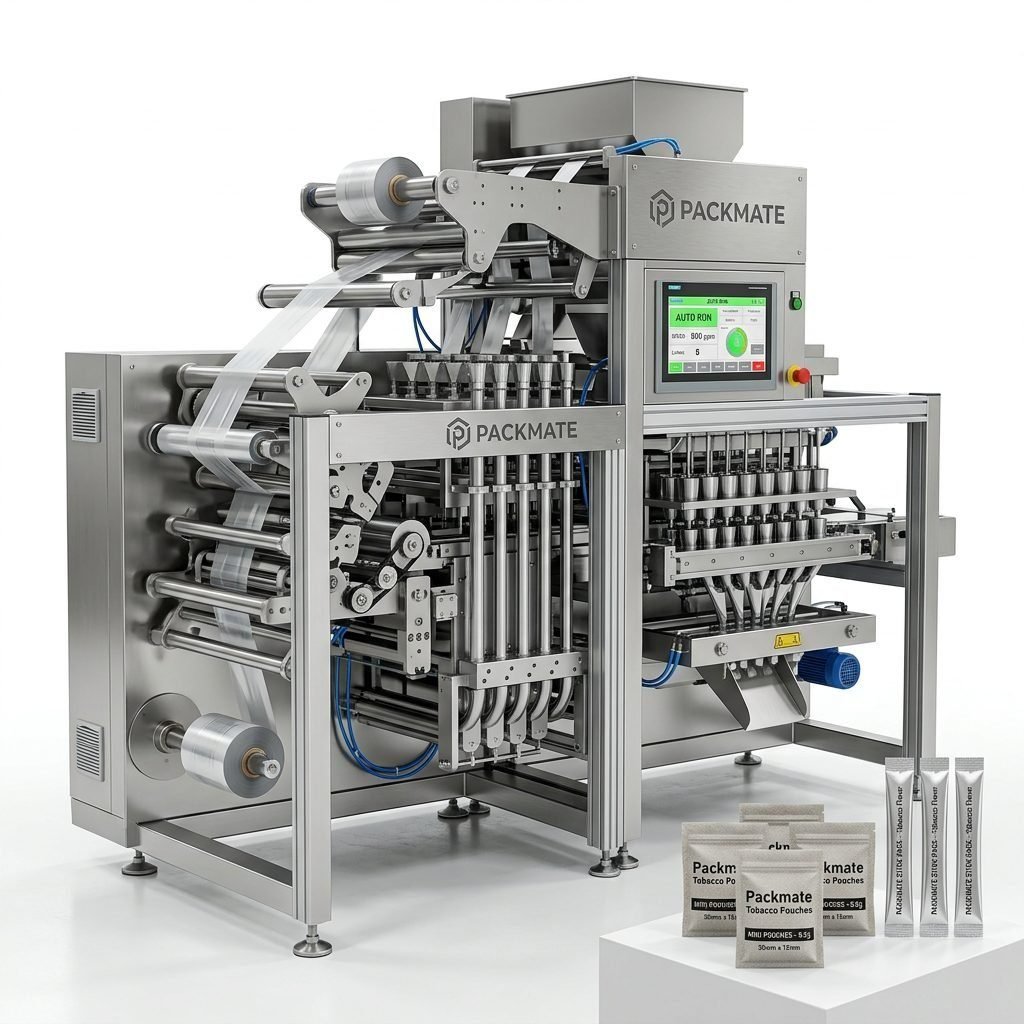
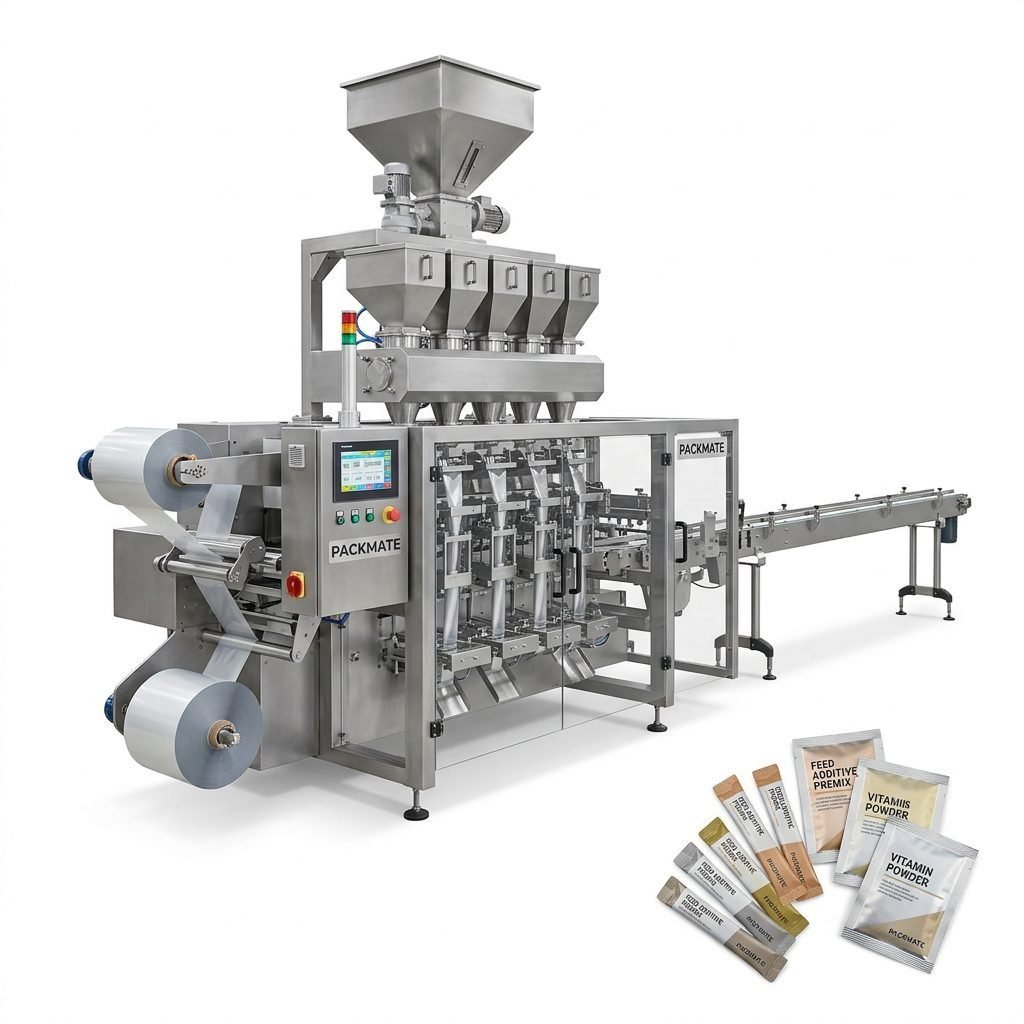
Designed for single-serve portions of products like sauces, condiments, sugar, coffee, or pharmaceutical powders, these machines are crucial for the foodservice and hospitality industries. They create small, sealed packets from roll stock. Companies like Packmate Machinery specialize in high-speed, multi-lane versions of these machines, which can produce thousands of sachets per minute, dramatically increasing output for products like ketchup, soy sauce, or instant drink mixes.
Liquid and Piston Filling Machines
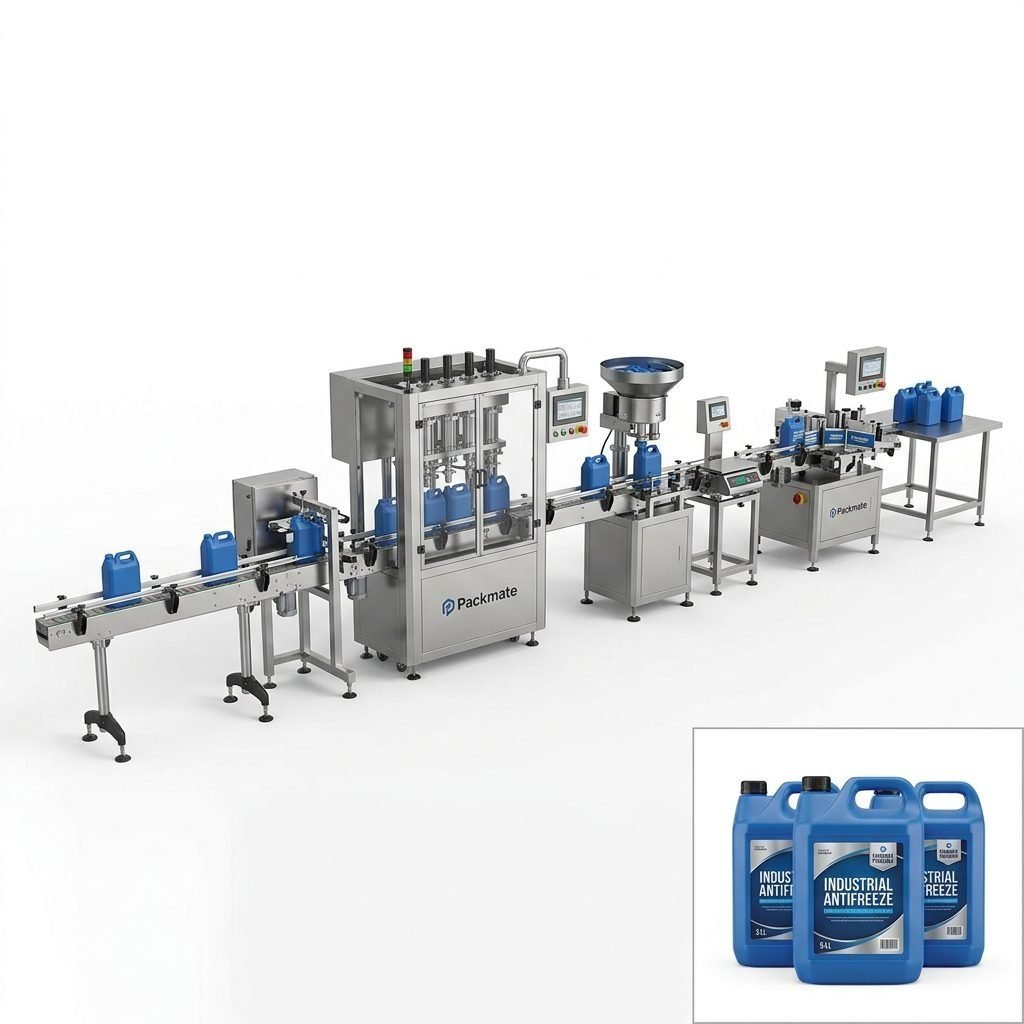
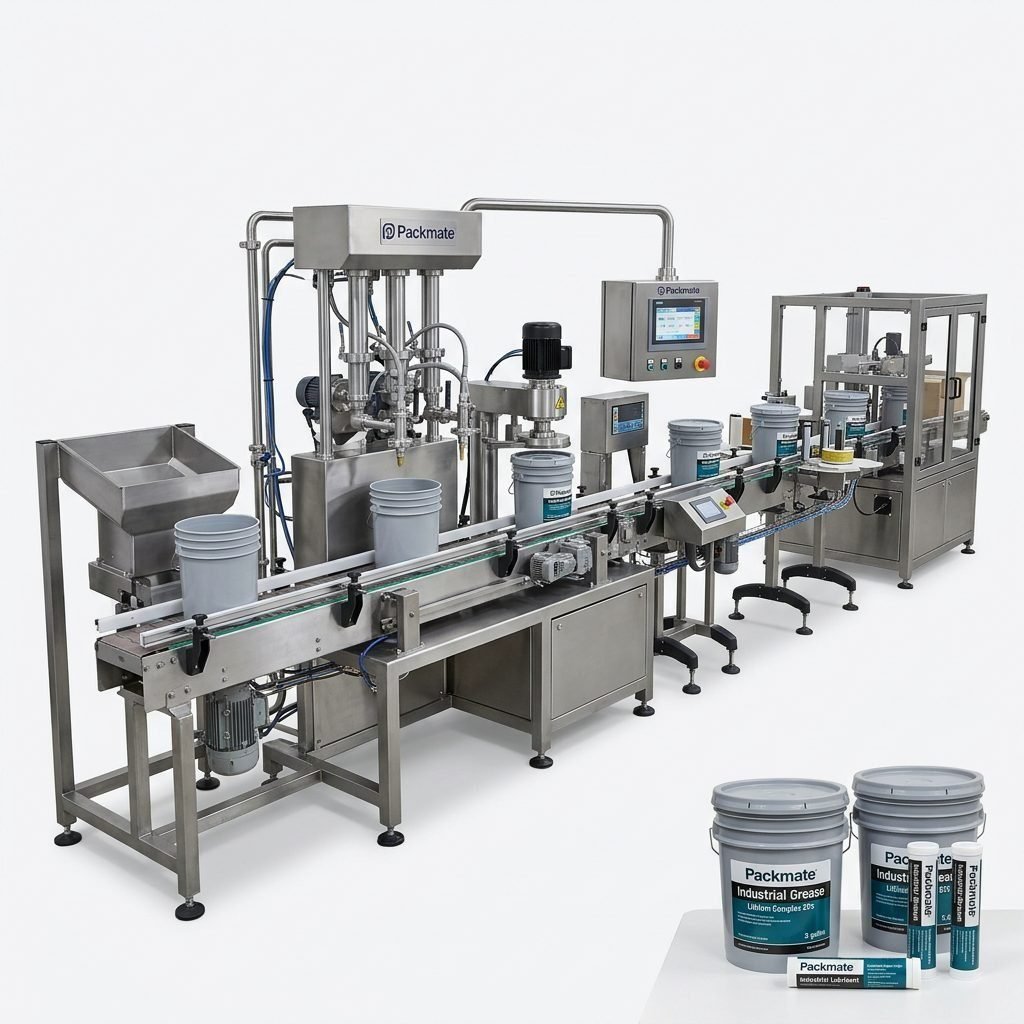
For beverages, oils, sauces, and dairy products, precise liquid filling is critical. Piston fillers use a cylinder and piston mechanism to draw a precise volume of product and dispense it into bottles, cups, or pouches. This technology ensures accurate fill levels, minimizes waste, and maintains hygiene standards.
Weighing and Dosing Systems
Accuracy is non-negotiable in food packaging. Multi-head weighers and auger filler systems provide precise weight control for free-flowing products like snacks, grains, and powders. These systems integrate seamlessly with filling and packaging lines to ensure every package meets the declared weight, complying with trade regulations and building consumer trust.
Key Takeaway:
The choice of machine depends heavily on your product form (solid, liquid, powder), desired package type (bag, sachet, bottle), and required production speed. A turnkey solution provider can help integrate these systems into a cohesive line.
Tangible Benefits of Automation for Food Businesses
Investing in automated packaging goes beyond mere speed. It delivers a comprehensive return on investment through multiple operational channels.
Enhanced Productivity and Output: Machines operate continuously at consistent speeds, far surpassing manual packaging. This allows businesses to scale production to meet demand spikes without a proportional increase in labor.
Superior Consistency and Quality Control: Automation eliminates human variability. Every seal is identical, every fill weight is precise, and every package is uniform. This reduces product giveaway and ensures a professional, reliable presentation on the shelf.
Significant Reduction in Labor Costs and Human Error: While skilled technicians are needed for operation and maintenance, the number of personnel required for repetitive packing tasks plummets. This also reduces errors like incorrect sealing or missing labels.
Improved Hygiene and Safety Compliance: Automated systems minimize direct human contact with food products, a critical factor in meeting stringent global food safety standards (like HACCP, FDA, and EU regulations). Enclosed systems also better protect products from environmental contaminants.
Material Savings and Sustainability: Advanced machines optimize film usage, reduce trim waste, and ensure precise dosing, leading to less material consumption. This not only cuts costs but also aligns with growing environmental and sustainability goals.
Essential Buying Guide: Selecting the Right Machine
Choosing an automated packaging machine is a significant capital decision. A methodical approach ensures you select equipment that delivers value for years.
1. Define Your Product and Packaging Needs
Start with the basics: What are you packaging? What is its physical state (size, shape, flow characteristics)? What is your target package format (size, material, seal type)? What are your daily/weekly output requirements? Clear answers here will narrow down the machine type immediately.
2. Evaluate Machine Specifications and Flexibility
Look beyond the brochure. Assess the machine’s speed (packages per minute), changeover time between different products or package sizes, and compatibility with various packaging materials. A machine that offers quick, tool-less changeovers can be a huge asset for producers with diverse SKUs.
3. Prioritize Build Quality and Reliability
The machine’s construction determines its lifespan and uptime. Look for robust frames, food-grade stainless steel in product contact areas, and high-quality components from reputable brands (e.g., Siemens or Mitsubishi for PLCs, SMC for pneumatics). A reliable machine minimizes costly production stoppages.
4. Assess the Manufacturer’s Support and Expertise
The manufacturer is as important as the machine. Do they offer comprehensive installation, training, and after-sales service? Do they have a proven track record? A manufacturer with deep experience, like Packmate with over 22 years in the industry, can provide valuable insights, reliable spare parts, and technical support, ensuring your investment is protected.
5. Consider Total Cost of Ownership (TCO)
The purchase price is just the beginning. Factor in installation costs, energy consumption, required maintenance, spare parts availability, and potential future upgrade costs. A slightly higher initial investment in a more efficient, durable machine often results in a lower TCO.
Critical Questions to Ask Suppliers:
Can you provide a live demonstration with a product similar to mine?
What is the expected machine uptime percentage?
What is the lead time for critical spare parts?
Do you offer training for our operators and maintenance staff?
Can you provide references from clients in the food industry?
Conclusion
Automated food packaging machines are a strategic investment that drives efficiency, ensures quality, and safeguards brand reputation in a competitive market. By understanding the different types available, recognizing their broad benefits, and following a disciplined purchasing process, food producers can select a system that not only meets today’s needs but also scales for future growth. Partnering with an experienced and supportive manufacturer is the final, crucial step in implementing a successful, long-term packaging automation solution.
Frequently Asked Questions (FAQs)
What is the typical payback period for an automated food packaging machine?
The payback period varies based on machine cost, labor savings, and output increase. For many small to mid-sized operations, a well-chosen machine can often pay for itself within 1 to 3 years through reduced labor costs, higher throughput, and material savings.
How difficult is it to maintain an automated packaging machine?
Modern machines are designed for maintainability. Daily cleaning and basic checks are straightforward for trained operators. More complex preventive maintenance should be performed by qualified technicians. Choosing a supplier with clear manuals, training, and readily available spare parts is key to minimizing downtime.
Can one machine handle multiple different products or package sizes?
Many machines offer flexibility through changeover parts. The ease and speed of this changeover are vital factors. Machines with quick-change features (like digital size adjustment, interchangeable forming tubes) allow for efficient production of multiple SKUs, making them ideal for businesses with diverse product lines.
What food safety certifications should I look for in a packaging machine?
Look for machines constructed with food-grade materials (e.g., 304 or 316 stainless steel) and designs that allow for easy cleaning without harboring bacteria. While the machine itself may not have a “certificate,” the manufacturer should be able to demonstrate compliance with relevant hygiene design principles and standards for the food industry.
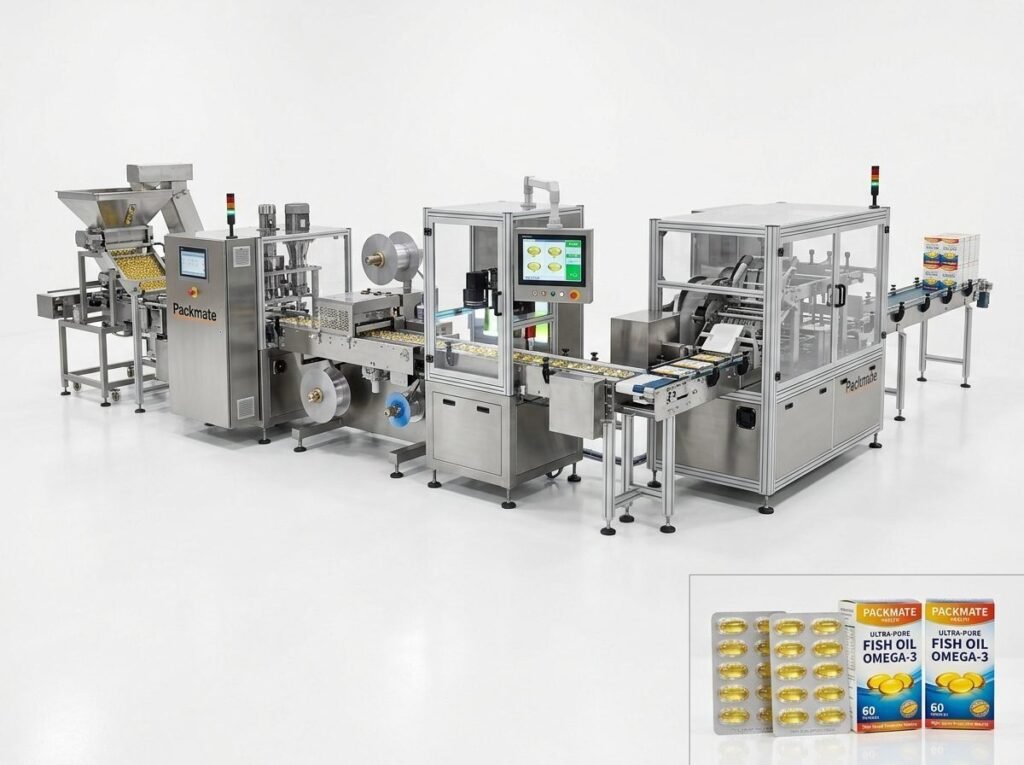
Is it better to buy a standalone machine or a complete integrated packaging line?
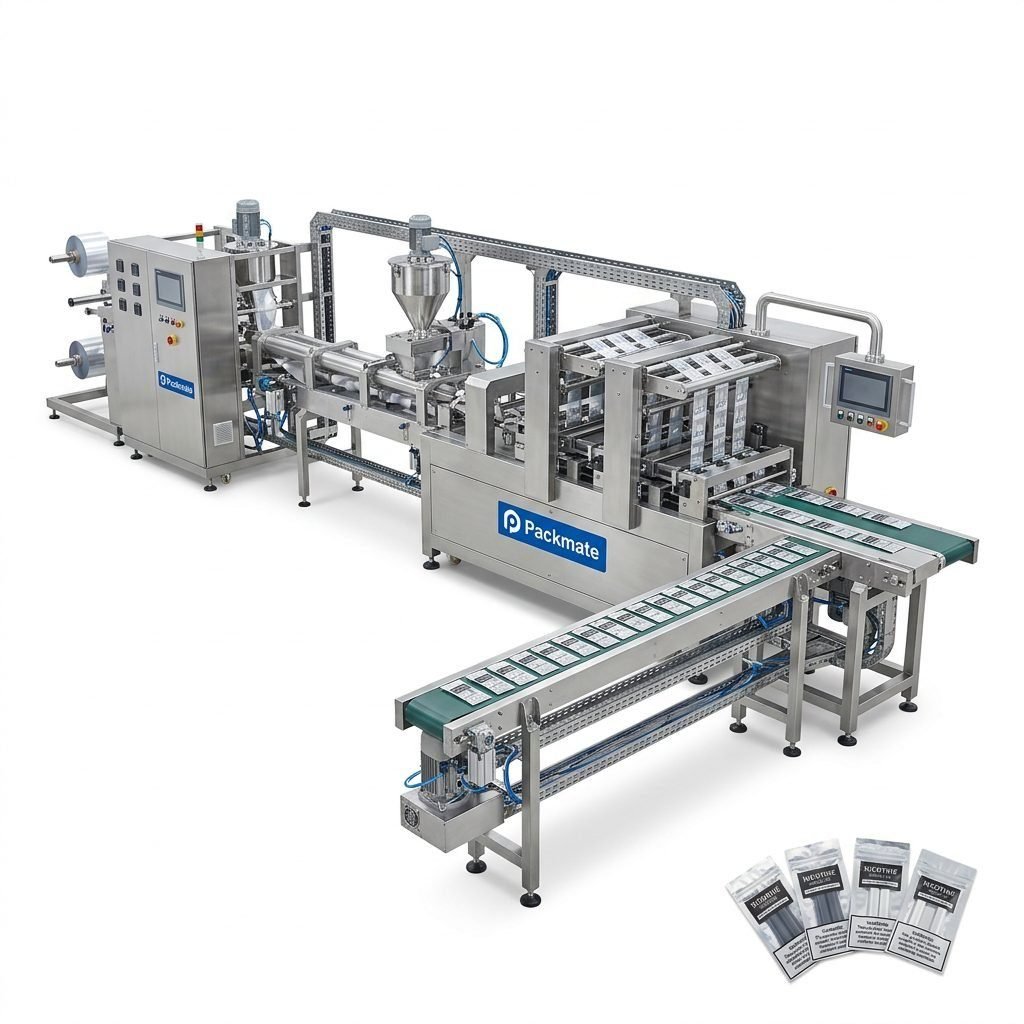
This depends on your scale and process. A standalone machine (like a VFFS weigher) is a good start for automating a single step. A complete integrated line (including conveying, filling, sealing, and labeling) offers maximum efficiency for high-volume, dedicated production. A reputable supplier can assess your needs and recommend the best approach.