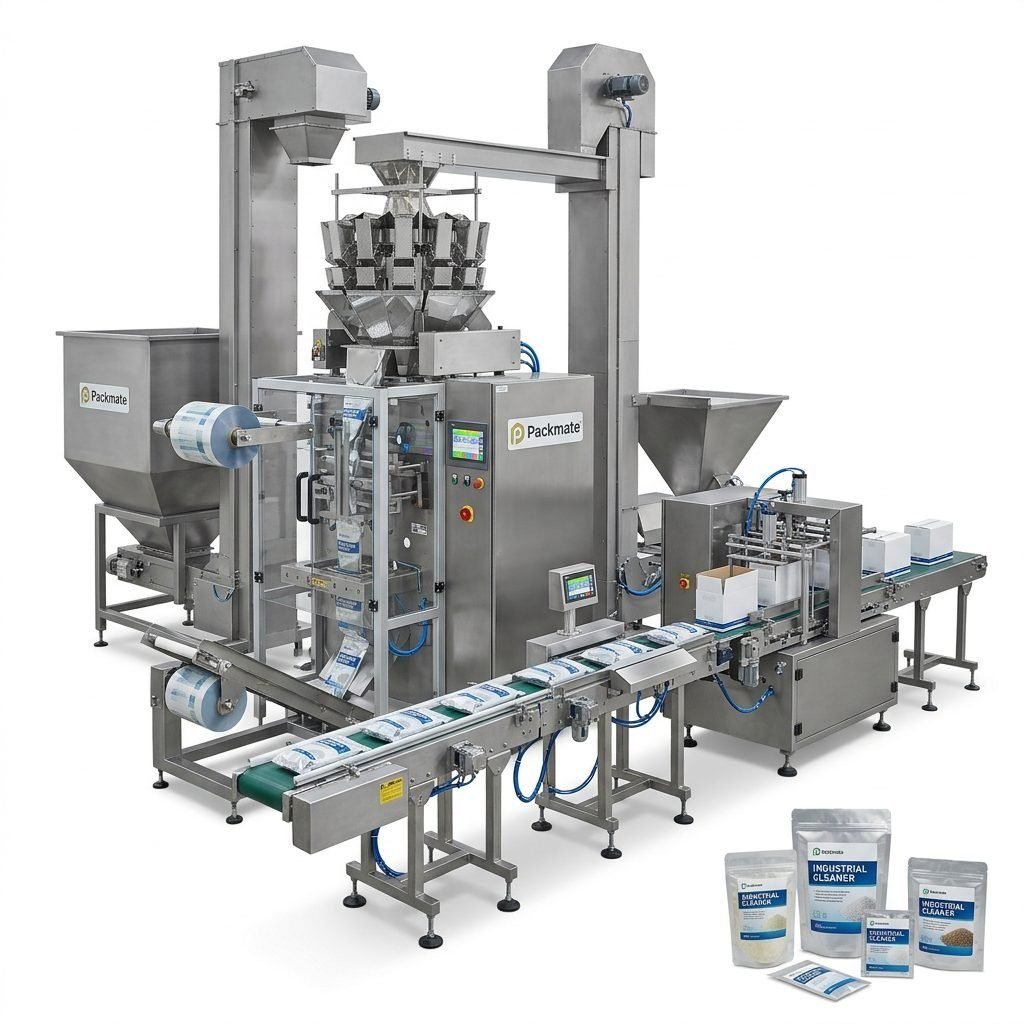
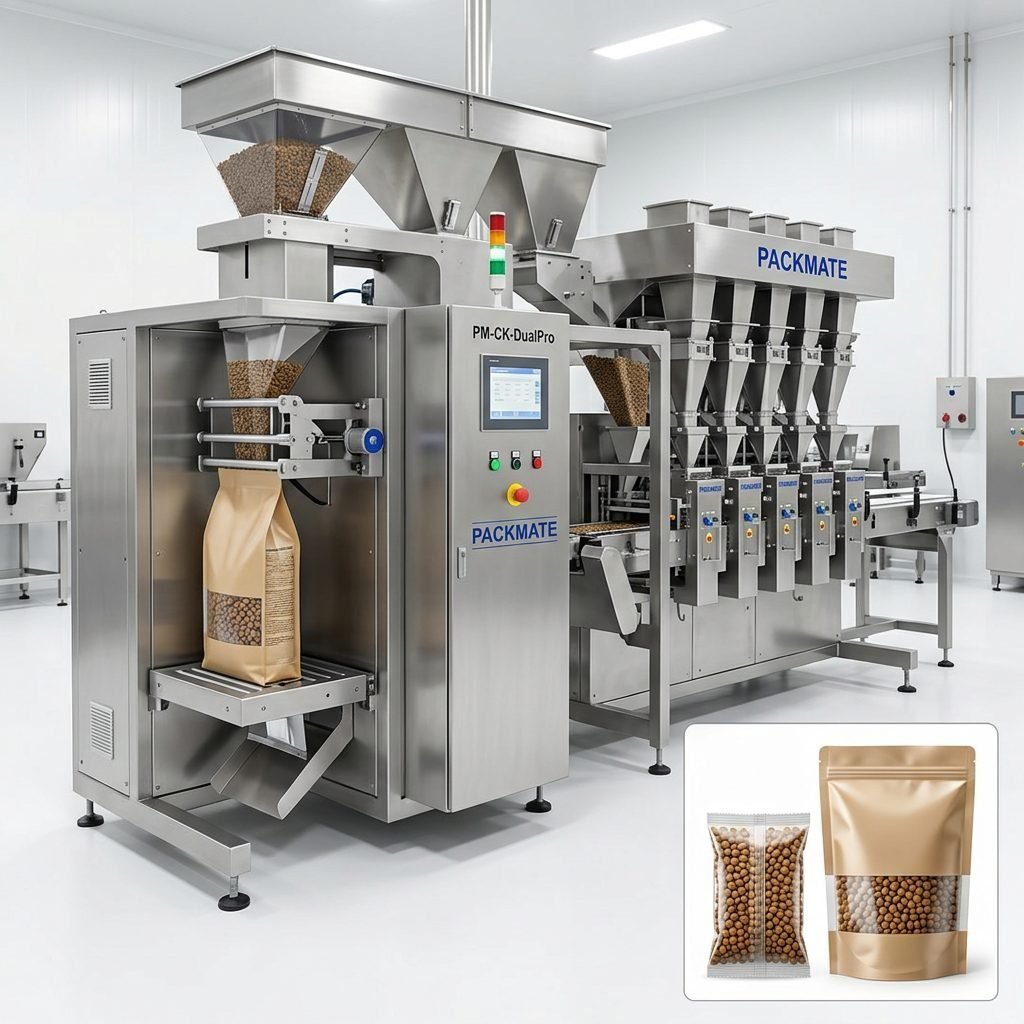
In the fast-paced world of modern manufacturing, efficiency, consistency, and product protection are paramount. For businesses packaging anything from food products and pharmaceuticals to hardware and consumer goods, achieving a professional, tamper-evident, and secure seal is non-negotiable. This is where the automatic heat shrink packaging machine becomes an indispensable asset. This comprehensive guide will explore the significant benefits of automating your shrink wrapping process and provide a detailed framework for selecting the perfect machine for your operational needs.
Understanding Automatic Heat Shrink Packaging
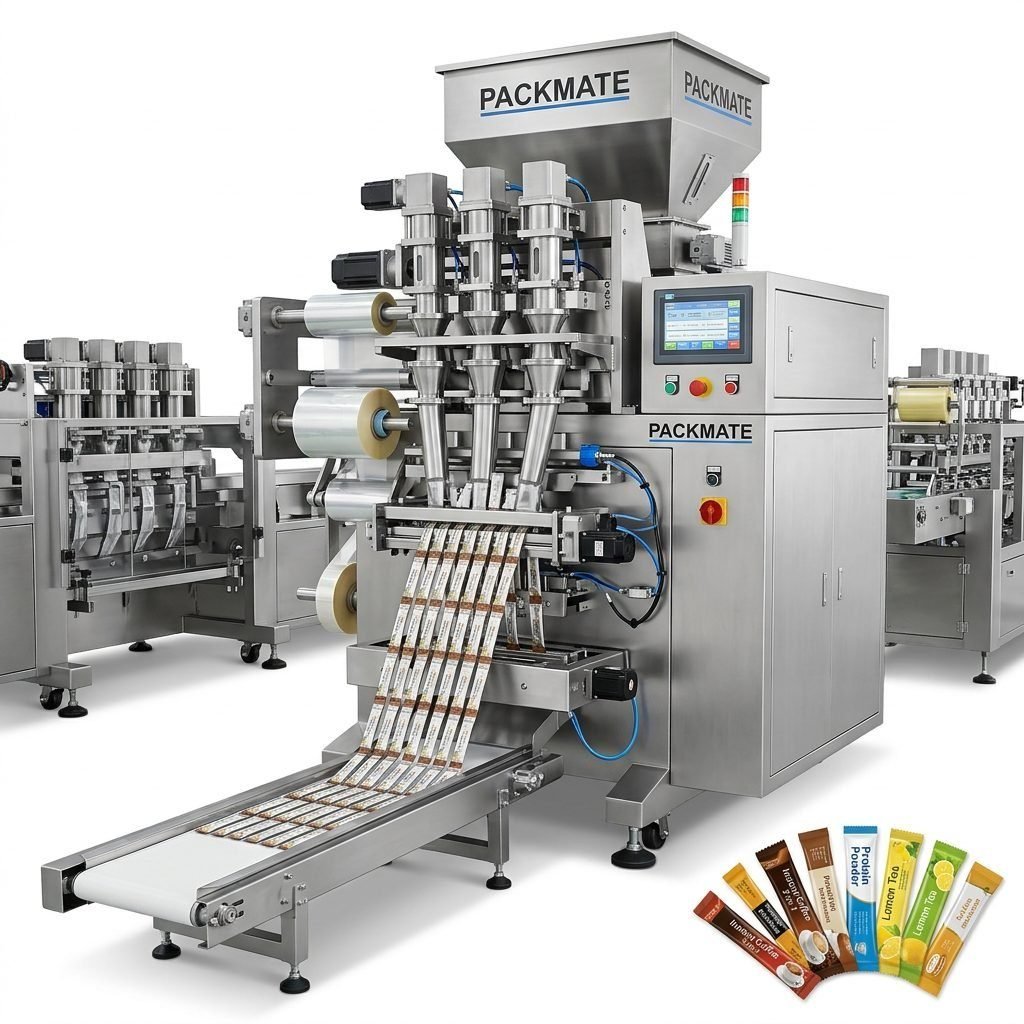
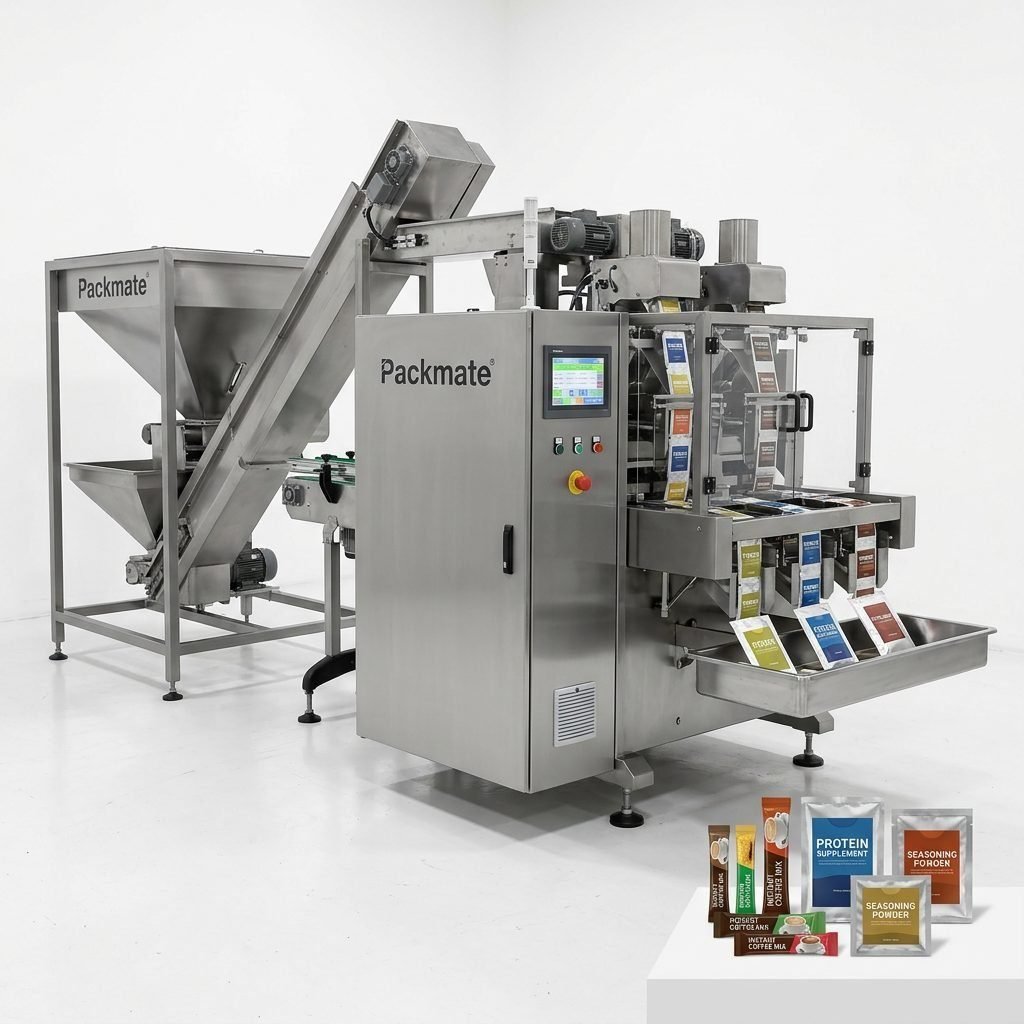
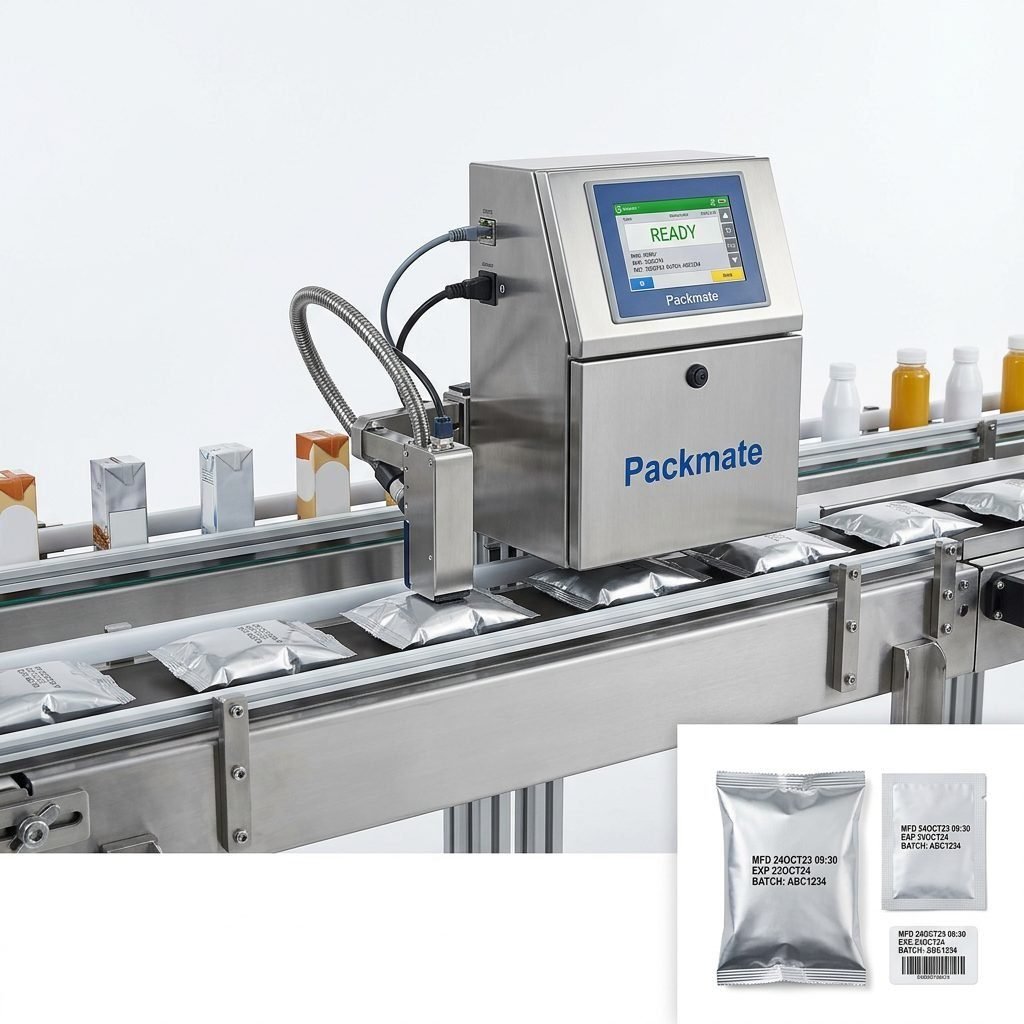
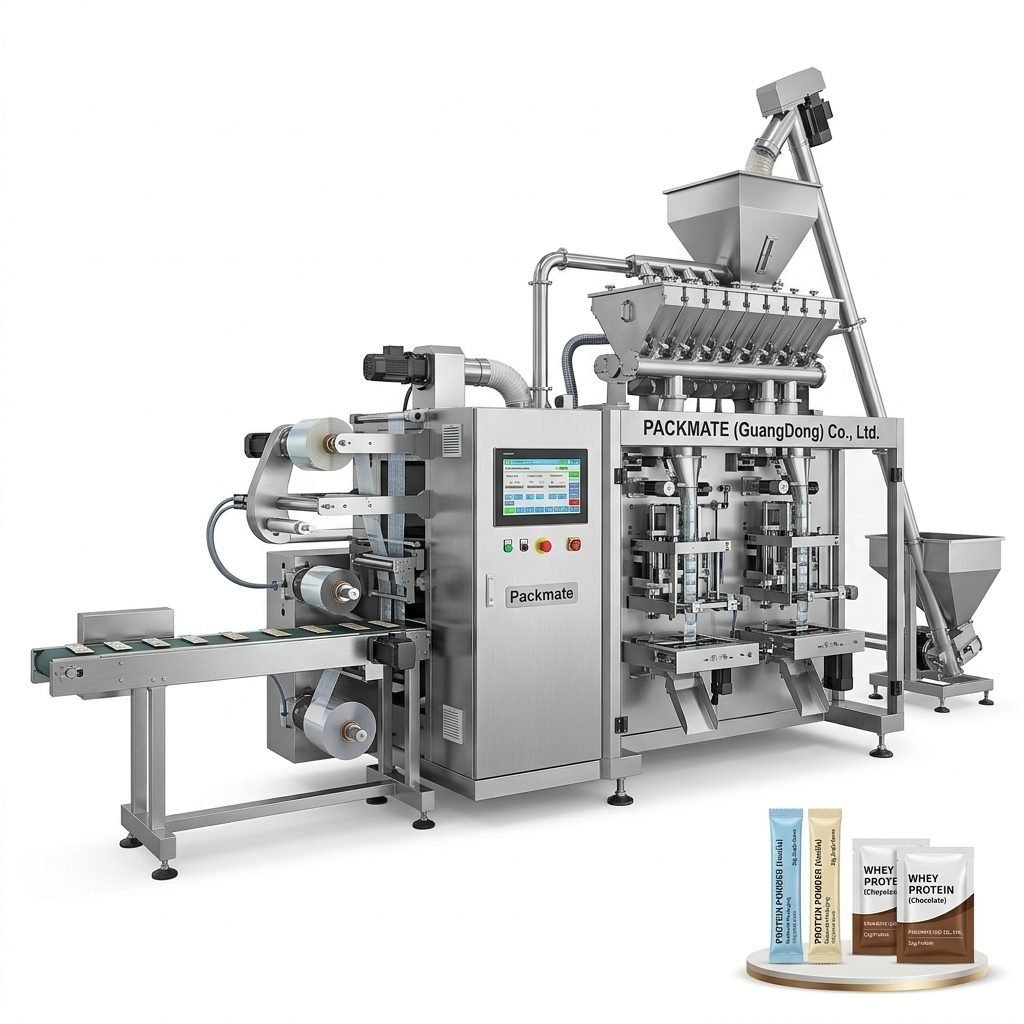
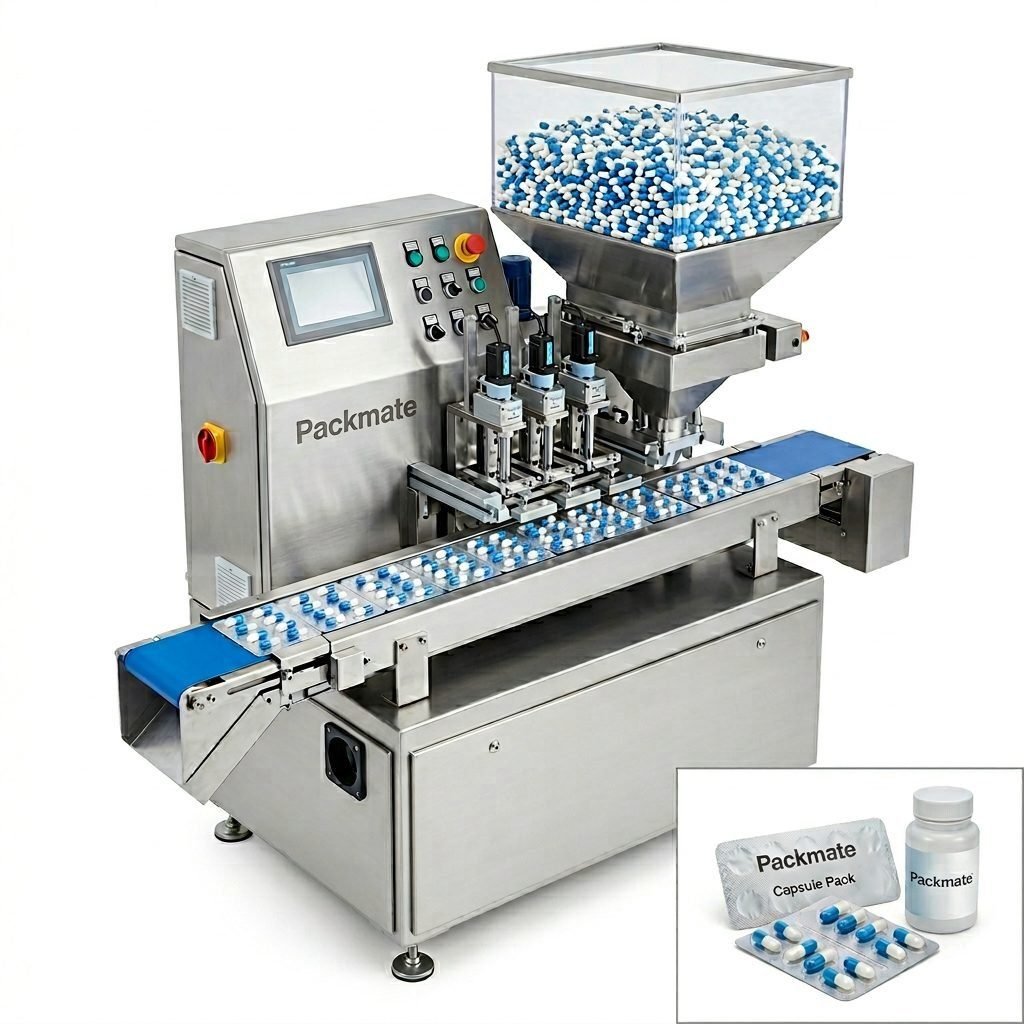
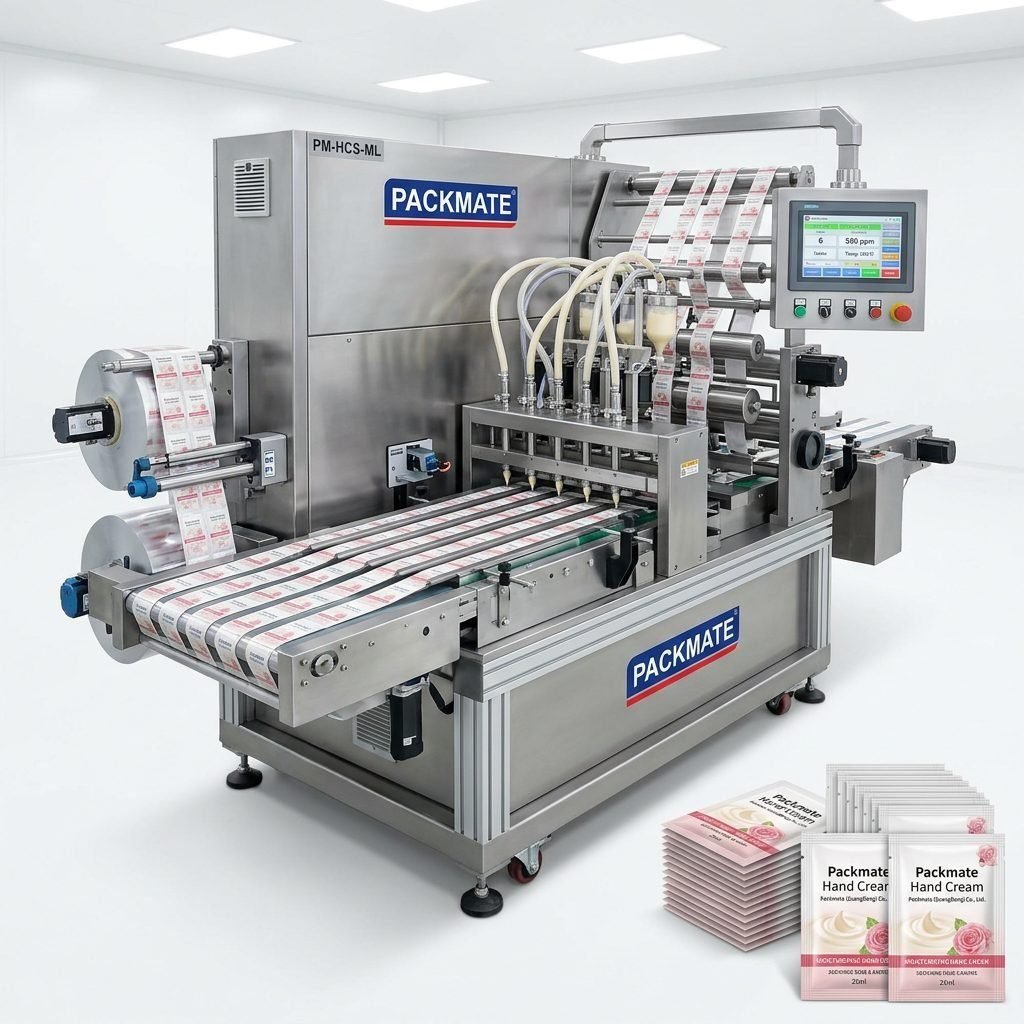
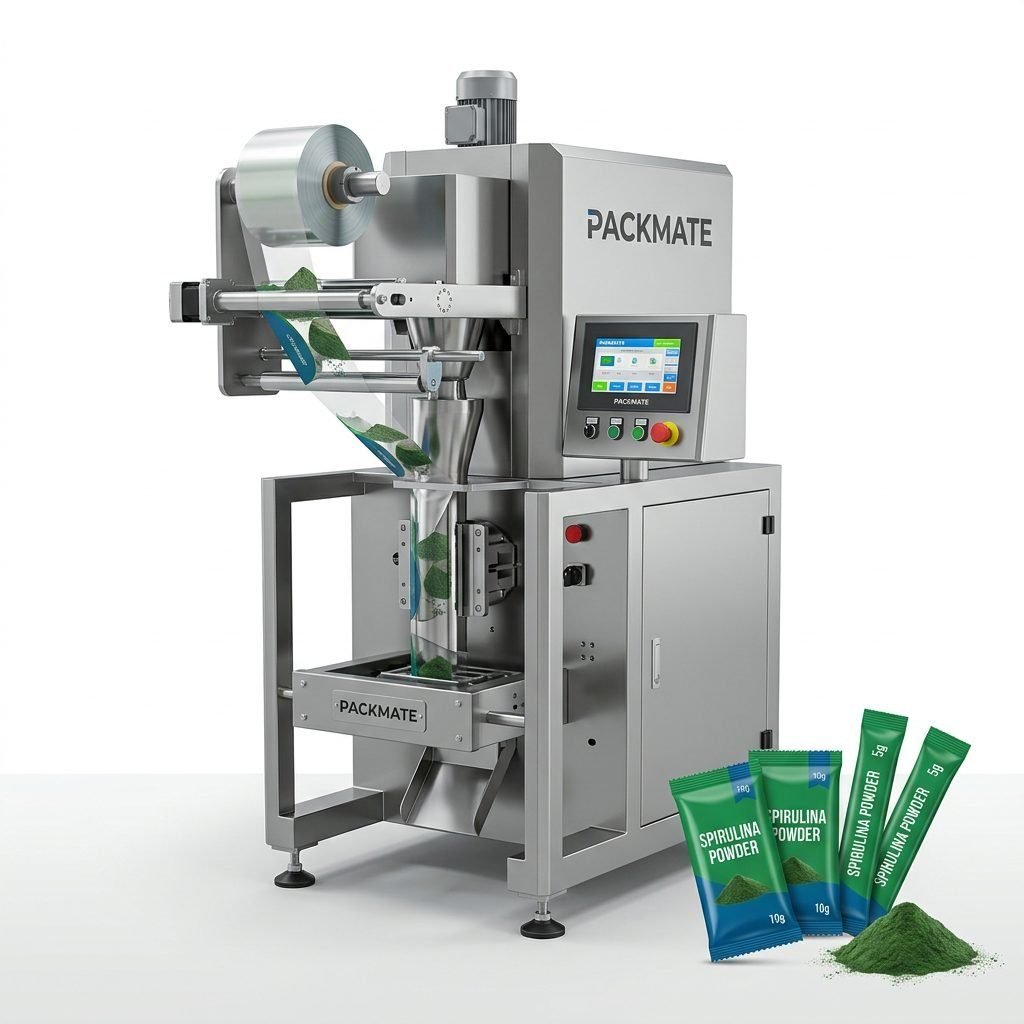
An automatic heat shrink packaging machine is a system designed to apply a loose-fitting sleeve or bag of shrink film around a product or group of products (a multi-pack), then apply heat to cause the film to contract tightly around the contours of the item. The process is fully automated, typically involving product infeed, film dispensing, sealing, and shrinking in a heated tunnel. This technology replaces manual labor with a consistent, high-speed process that yields professional results every time. Companies like Packmate Machinery, with decades of experience in intelligent packaging solutions, have refined this technology to suit various industries, ensuring reliability and integration into full production lines.
Core Benefits of Automation
The shift from manual shrink wrapping or semi-automatic methods to a fully automatic system delivers transformative advantages that directly impact the bottom line and brand perception.
1. Dramatically Increased Production Speed & Efficiency
Manual shrink wrapping is time-consuming and limits output. An automatic machine operates continuously at a predetermined speed, often packaging hundreds of units per hour. This exponential increase in throughput allows businesses to meet high-volume demands, fulfill large orders faster, and scale their operations without proportionally increasing labor costs. The machine handles the repetitive tasks, freeing your workforce for more value-added activities like quality control and logistics.
2. Unmatched Consistency and Professional Finish
Human operators can experience fatigue, leading to variations in seal quality, film tension, and overall appearance. An automatic machine performs the same sequence with precise repetition. Every package emerges with a tight, wrinkle-free, and professional shrink that enhances product presentation on the retail shelf. This consistency is crucial for brand integrity and consumer trust, especially in competitive markets.
3. Enhanced Product Protection and Security
A tightly shrunk film creates a robust barrier against dust, moisture, and minor abrasions during handling and shipping. More importantly, it provides excellent tamper evidence. Any attempt to open the package will visibly disturb the shrunk film, alerting consumers to potential interference. This is a critical feature for the pharmaceutical, food, and health product industries where safety is paramount.
4. Significant Material and Labor Cost Savings
While the initial investment is higher, automatic systems optimize film usage through precise cutting and sealing, reducing waste compared to manual methods. The major saving, however, is in labor. One automatic line can replace several manual stations, leading to substantial long-term savings on wages and associated costs. The return on investment (ROI) is often realized quickly through these efficiencies.
5. Improved Workplace Safety
Manual shrink wrapping often involves handling heat guns or working near hot seal bars, posing burn risks. Automatic systems enclose the heating and sealing processes, minimizing operator contact with heat sources. This creates a safer working environment and can help reduce workplace accidents.
How to Choose the Right Automatic Heat Shrink Machine
Selecting the ideal machine requires a careful analysis of your specific products, production goals, and operational environment. Here is a step-by-step guide to inform your decision.
Step 1: Analyze Your Product Specifications
The physical characteristics of your product are the primary deciding factor.
- Dimensions (L x W x H): Determine the maximum and minimum size of items you need to wrap. Machines have specific size ranges.
- Shape & Stability: Is the product uniform (like a box) or irregular (like a toolset)? Can it stand upright on a conveyor? Some machines handle unstable items better than others.
- Heat Sensitivity: While the heat is brief, extremely sensitive products may require a machine with precise temperature control in the tunnel.
Step 2: Determine Your Required Output Speed
Calculate your current and projected future packaging speed needs in packs per minute (PPM) or per hour (PPH). Be realistic about peak periods. Choosing a machine that matches your throughput requirements prevents bottlenecks and ensures you are not over-investing in excessive, unused capacity. A reputable supplier like Packmate can help model your production needs based on their extensive case study experience across different sectors.
Key Machine Configuration Considerations:
Type of Sealing: L-Sealers are common for automatic operation, creating a seal on three sides of the film before shrinking. Side Seal or Sleeve Wrappers create a continuous tube of film, sealed along one edge, and are ideal for high-speed bundling of cans or bottles.
Film Type & Thickness: The machine must be compatible with the shrink film you plan to use (e.g., Polyolefin, PVC, PET). Discuss this with both the machine manufacturer and your film supplier.
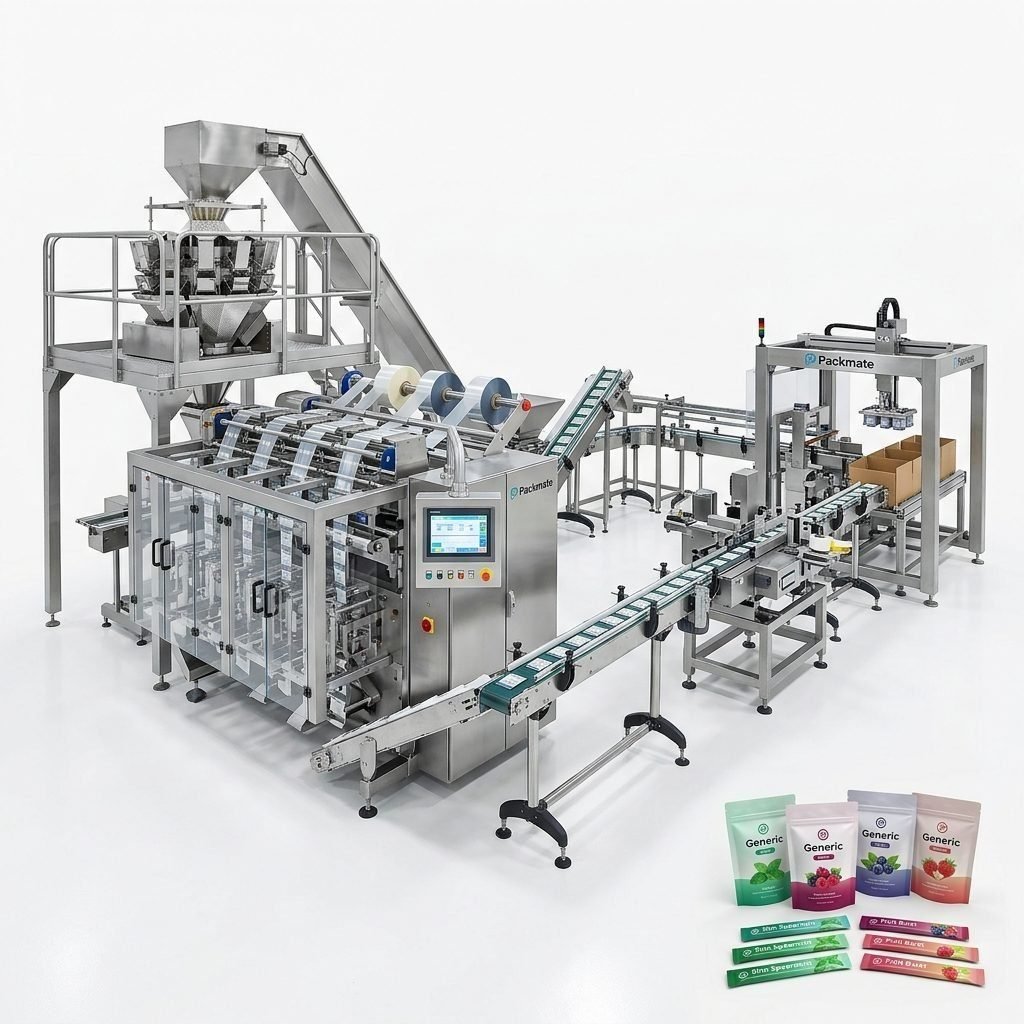
Integration Capability: Will the machine stand alone, or does it need to integrate seamlessly with your existing upstream (e.g., filling, cartoning) and downstream (e.g., labeling, case packing) equipment? Look for suppliers who offer complete turnkey packaging solutions.
Step 3: Evaluate Machine Features and Build Quality
Not all machines are created equal. Focus on durability and smart features.
- Construction: Look for a robust frame and food-grade stainless steel contact parts, especially for food or pharmaceutical use.
- Control System: A user-friendly, programmable logic controller (PLC) with a touchscreen interface simplifies operation, changeovers, and troubleshooting.
- Energy Efficiency: Modern machines with insulated heat tunnels and efficient heating elements can significantly reduce operating costs.
- Safety Features: Emergency stops, protective guards, and thermal overload protection are essential.
Step 4: Assess Supplier Support and Service
The machine is a long-term investment. The supplier’s post-purchase support is critical. Choose a manufacturer with a proven track record. For instance, Packmate (GuangDong) Co., Ltd. highlights over 30 years of expertise, a 20,000㎡ modern facility, and a commitment to quality and innovation. Key support aspects include:
- Comprehensive Warranty: Clear terms on parts and labor.
- Technical Training: On-site training for your operators and maintenance staff.
- Spare Parts Availability: Quick access to genuine spare parts to minimize downtime.
- Service Network: Availability of local or responsive remote technical support.
Frequently Asked Questions (FAQs)
1. What types of products are best suited for automatic heat shrink packaging?
This method is incredibly versatile. It is ideal for boxed items (books, software, cosmetics), multi-packs (bottles, cans, food pouches), promotional bundles, tools & hardware, stationery, and any product requiring a tamper-evident seal or protection from the elements. Industries from food and beverage to electronics and publishing widely use it.
2. How difficult is it to changeover the machine for a different product size?
Modern automatic L-sealers are designed for relatively quick changeovers. The process typically involves adjusting the film width, seal bar position, and conveyor guides. Machines with digital settings and tool-less adjustments can make this process take only a few minutes, enhancing flexibility for batch production.
3. What is the typical maintenance required for these machines?
Regular maintenance is straightforward but vital for longevity. Daily tasks include cleaning dust and debris from the sealing area and tunnel. Weekly or monthly checks involve inspecting and cleaning the seal bar, verifying temperature sensors, and lubricating moving parts as per the manufacturer’s manual. A proactive maintenance schedule prevents major breakdowns.
4. Can automatic shrink wrappers handle irregularly shaped or fragile items?
Yes, but it requires careful selection. For fragile items, a machine with a gentle infeed system and adjustable tunnel temperature is key. For irregular shapes, the use of a center-folded film and possibly a specialized jig or tray on the conveyor can help stabilize the product during the wrapping process. Discuss your specific product with the machine supplier for the best configuration.
5. How do I calculate the potential Return on Investment (ROI) for an automatic machine?
ROI is calculated by comparing the total investment (machine cost, installation, training) against the savings and gains it generates. Key factors to quantify include: labor cost reduction (hours saved x wage rate), increased output value (additional units packaged for sale), reduction in film waste, and lowered costs from improved package integrity (fewer damaged goods returns). Most reputable suppliers can provide an ROI analysis based on your input data.