In the highly regulated pharmaceutical industry, packaging is far more than just a final step in the production process. It is a critical safeguard for product integrity, patient safety, and operational efficiency. Selecting the right pharmaceutical packaging machinery is a strategic decision that impacts everything from production speed and cost-effectiveness to regulatory compliance and brand reputation. The ideal machines must deliver precision, reliability, and adaptability while upholding the stringent standards of Good Manufacturing Practices (GMP).
The Dual Pillars: Why Efficiency and Safety are Non-Negotiable
Pharmaceutical packaging serves two primary, interconnected masters: operational efficiency and uncompromising safety. Efficiency in this context translates to high-speed production with minimal downtime, accurate dosing, reduced material waste, and seamless integration into existing production lines. This directly affects a company’s bottom line and its ability to meet market demand.
Safety, however, is paramount. It encompasses the protection of the product from contamination, moisture, and light. It ensures tamper-evidence for the end-user and provides clear, accurate labeling. A single packaging failure can lead to product recalls, regulatory penalties, and, most importantly, a loss of consumer trust. Therefore, the best machines are engineered to excel in both domains simultaneously, creating a robust and compliant packaging operation.
Key Features of Top-Tier Pharmaceutical Packaging Machines
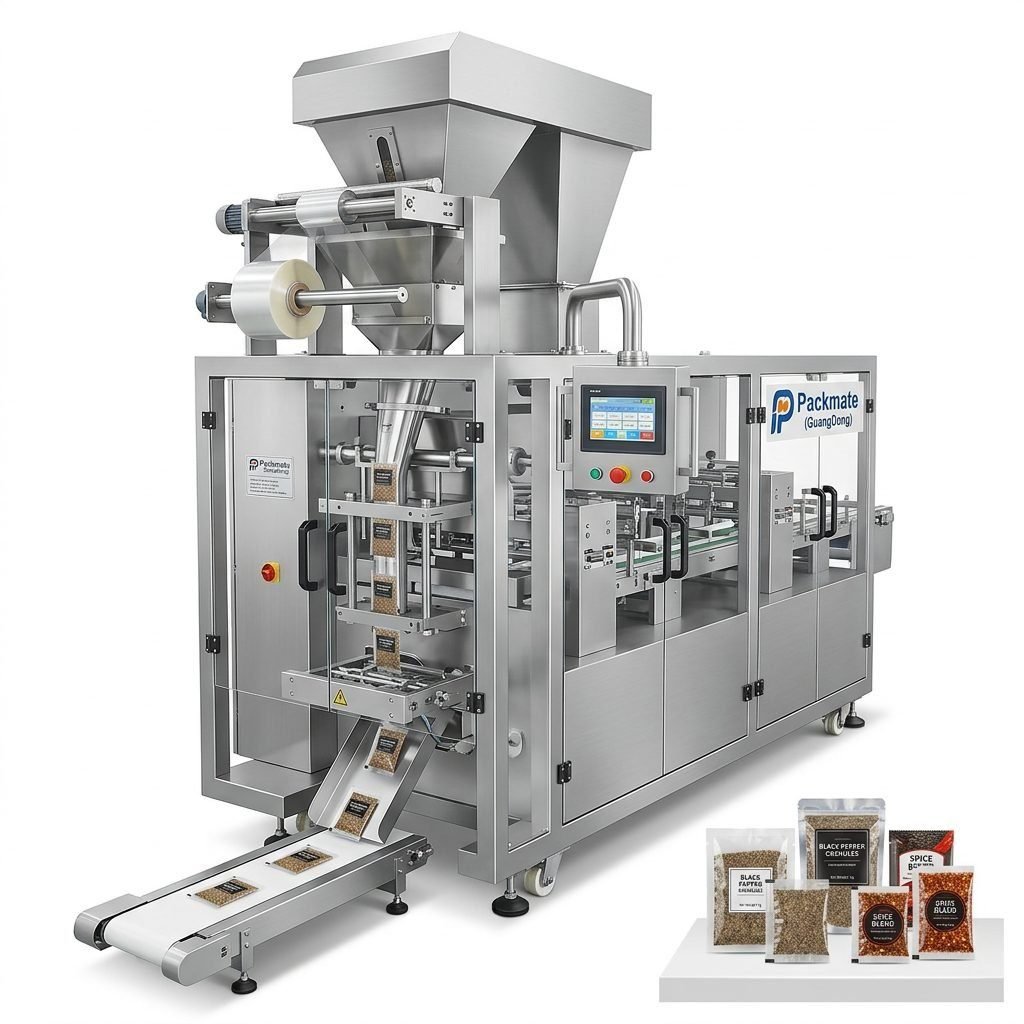
When evaluating equipment, several core features distinguish exceptional machines from standard ones. Look for systems constructed from high-grade, corrosion-resistant stainless steel (e.g., 304 or 316L) for easy cleaning and sanitization. Closed-system designs are crucial for powders and potent compounds to protect operators and prevent cross-contamination.
Modern machines offer advanced servo-driven technology for unparalleled precision in forming, filling, and sealing. This ensures consistent pouch or blister quality and accurate fill weights, which is critical for dosage integrity. Furthermore, integrated vision inspection systems and real-time monitoring with data logging capabilities are indispensable for quality assurance and traceability, providing a digital record of every packaged unit.
Exploring Primary Machine Types for Different Needs
The pharmaceutical packaging landscape features specialized equipment for various product forms and requirements. Understanding these types is the first step in making an informed selection.
Blister Packaging Machines
Ideal for solid oral dosages like tablets and capsules, blister machines form cavities from a roll of thermoformable film, insert the product, and seal it with a lidding material (often foil). The primary advantage is excellent product protection, unit-dose integrity, and patient compliance. High-speed rotary models are common for large-volume production. The sealed blisters provide a strong barrier against moisture and are easily integrated into secondary packaging lines.
Bottle Filling and Capping Lines
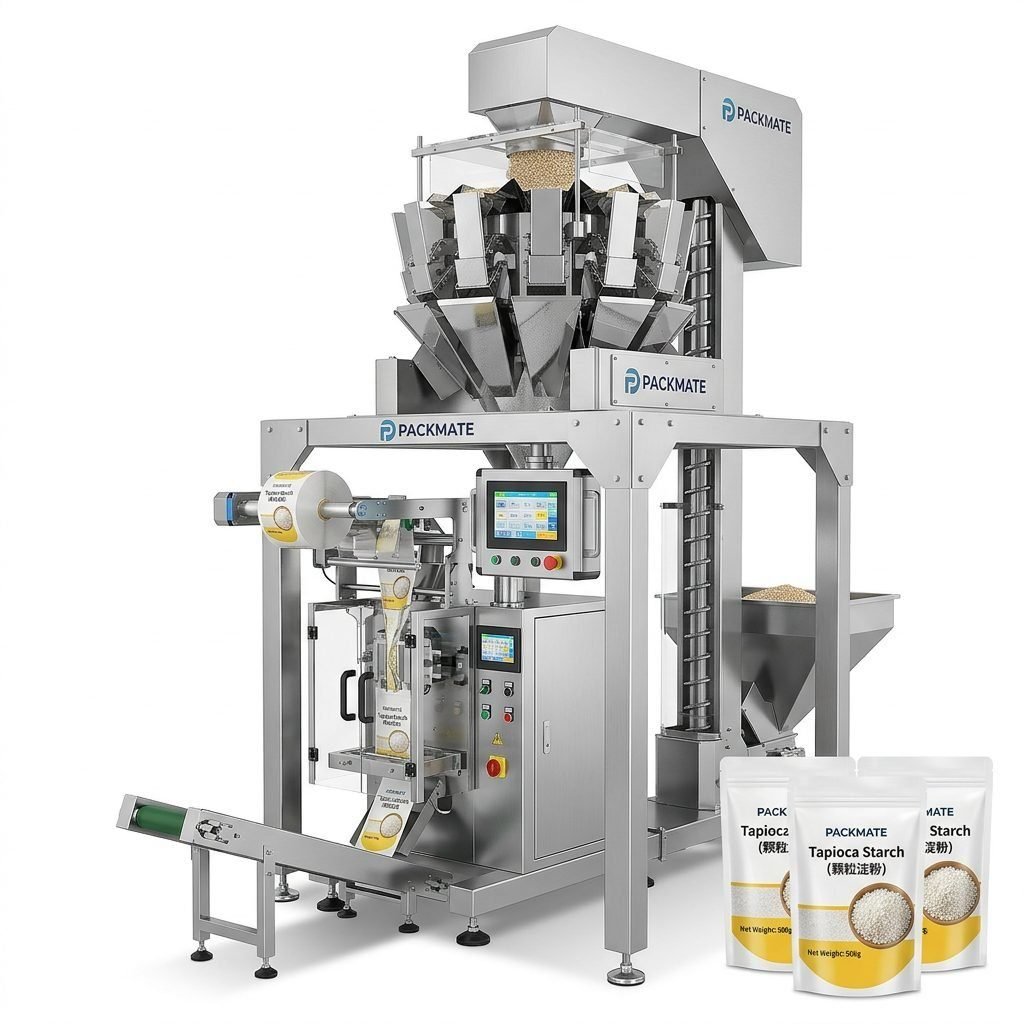
For liquids, syrups, and bulk solid doses, automated bottle handling systems are essential. These integrated lines typically involve unscrambling, cleaning, filling, capping (screw-capping or snap-capping), and labeling. Precision liquid fillers using peristaltic or piston pump technology ensure accurate volumetric filling. Choosing a line that offers quick changeover parts is vital for manufacturers who package multiple product SKUs on the same equipment.
The Rise of Flexible Packaging: Stick Packs and Sachets
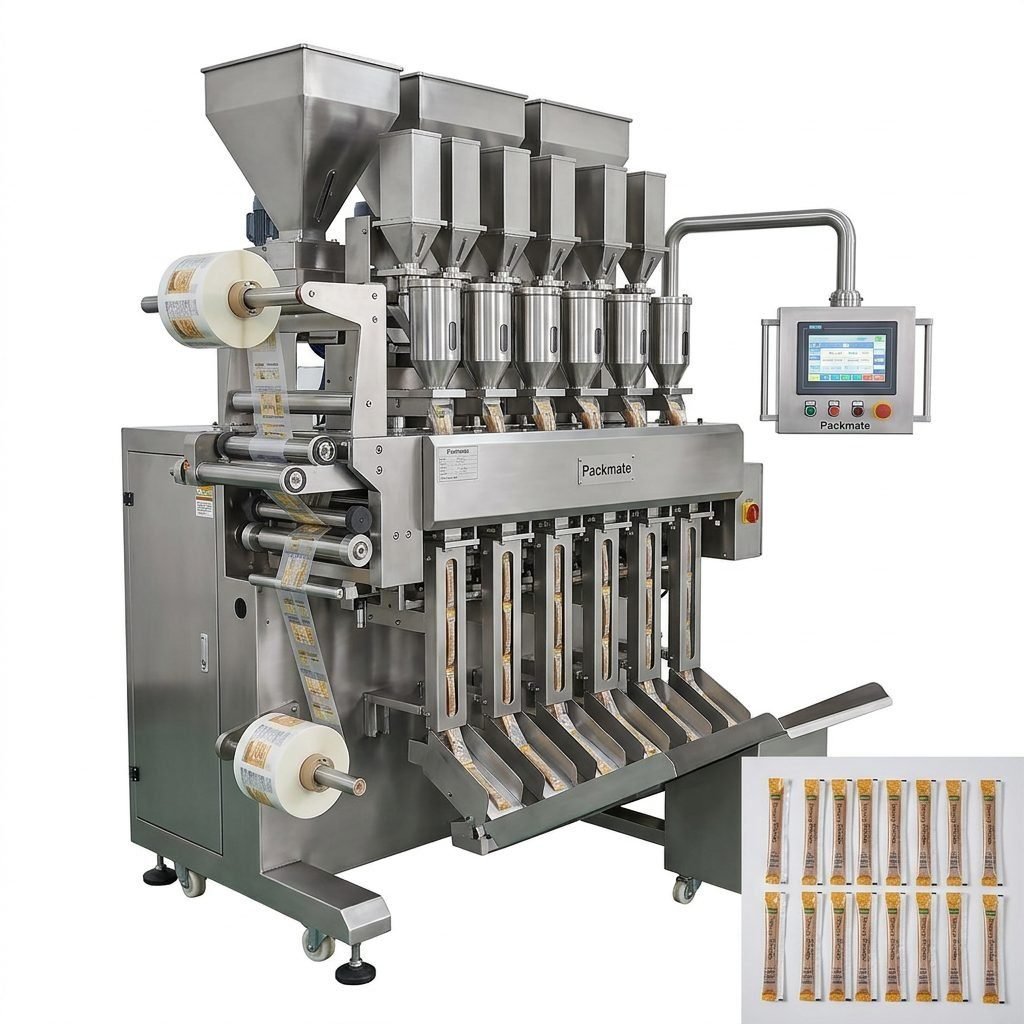
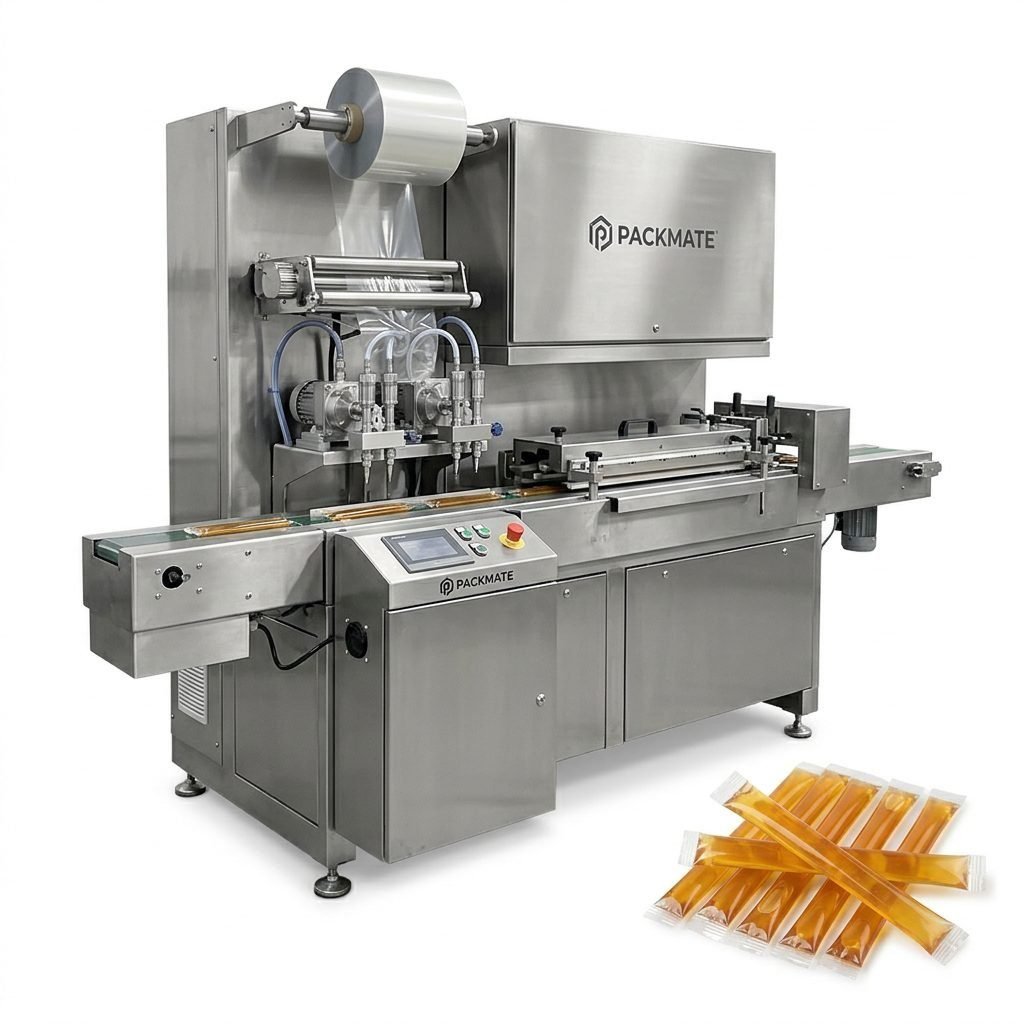
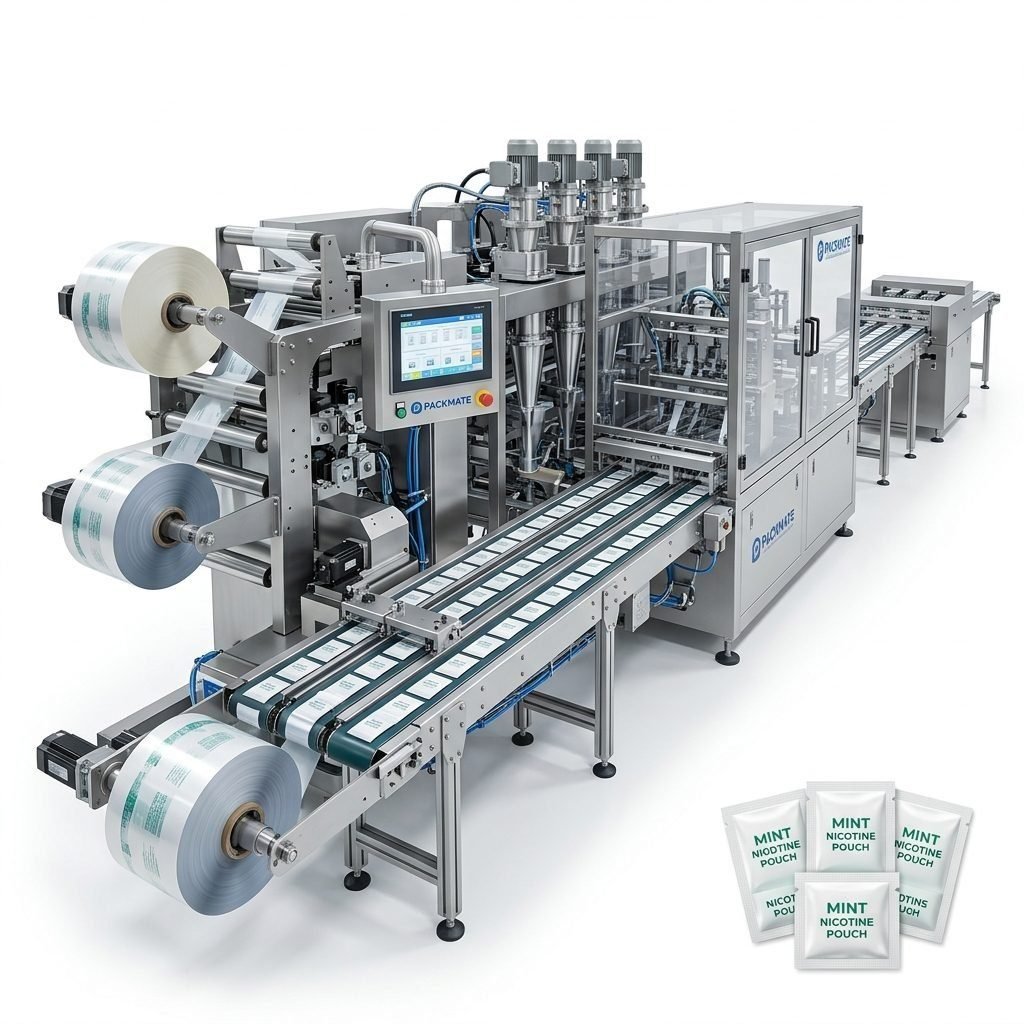
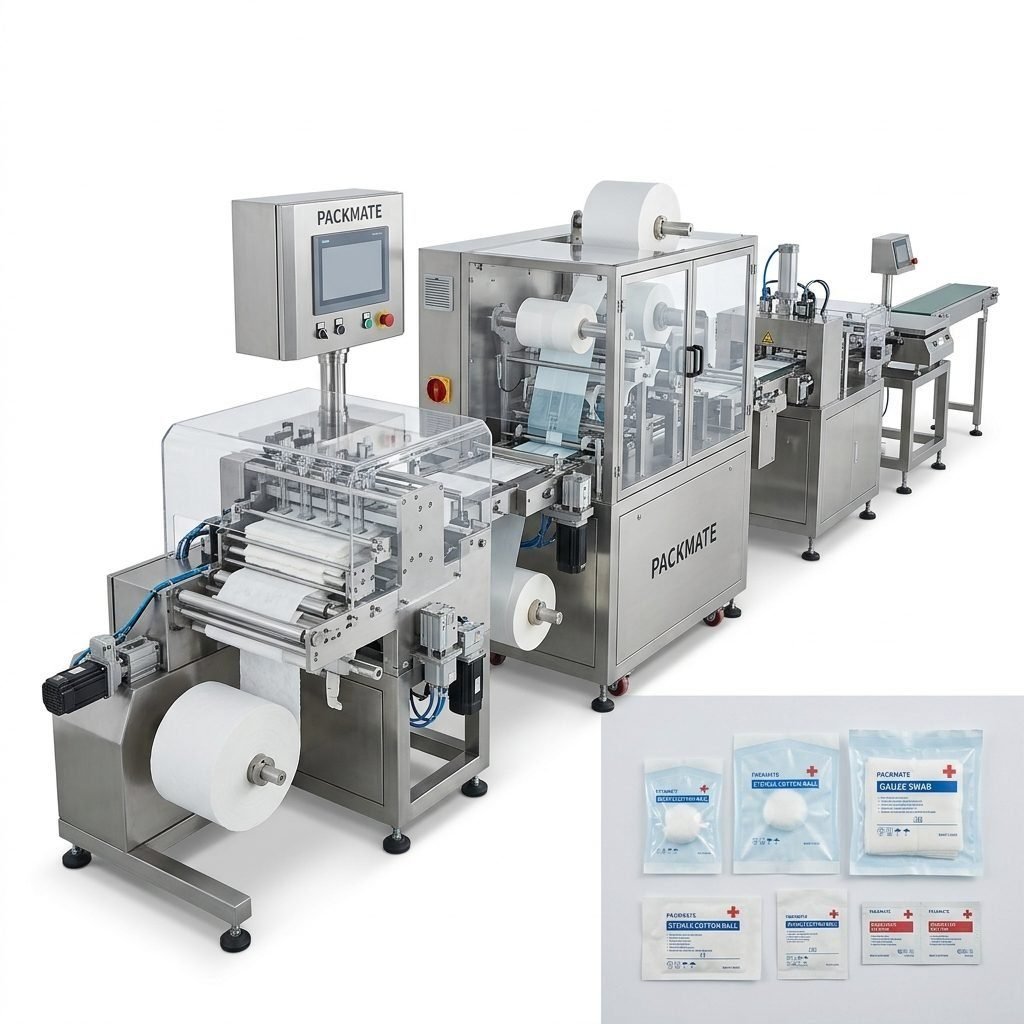
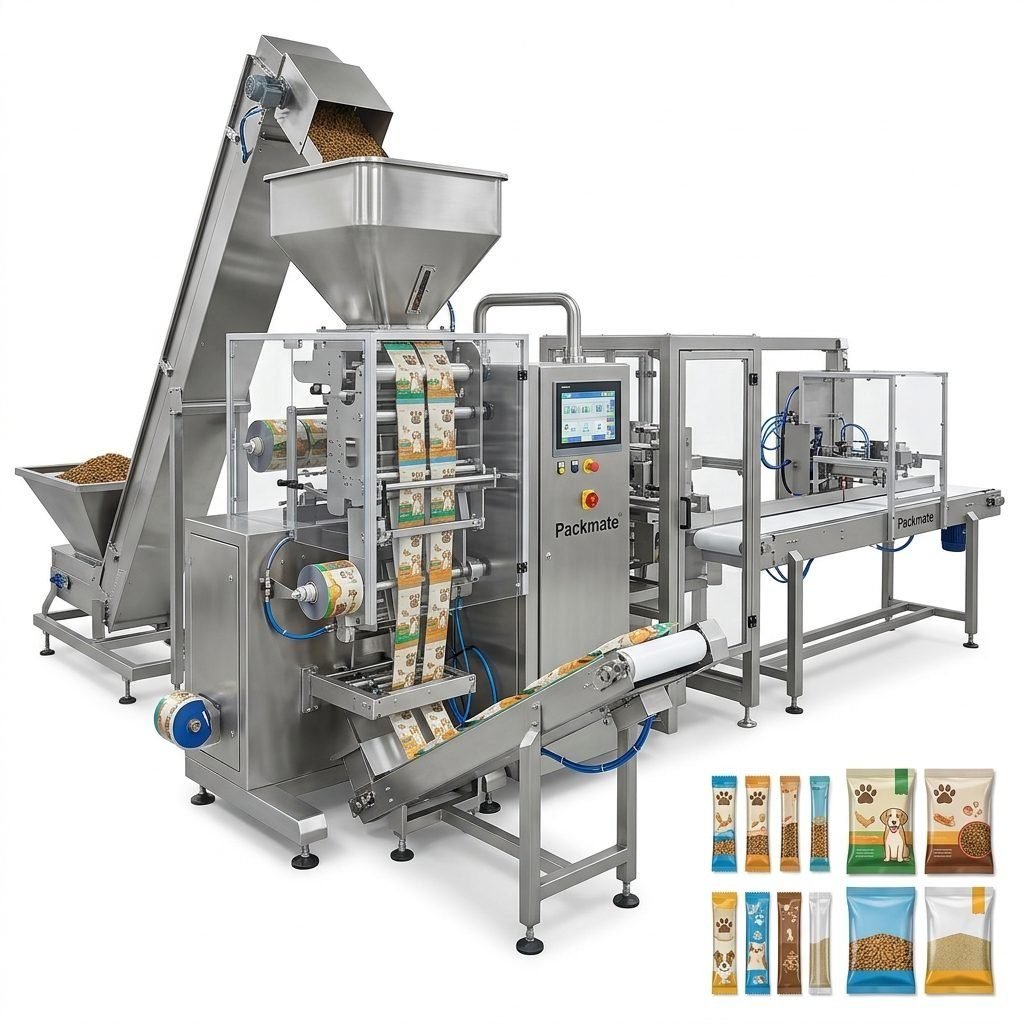
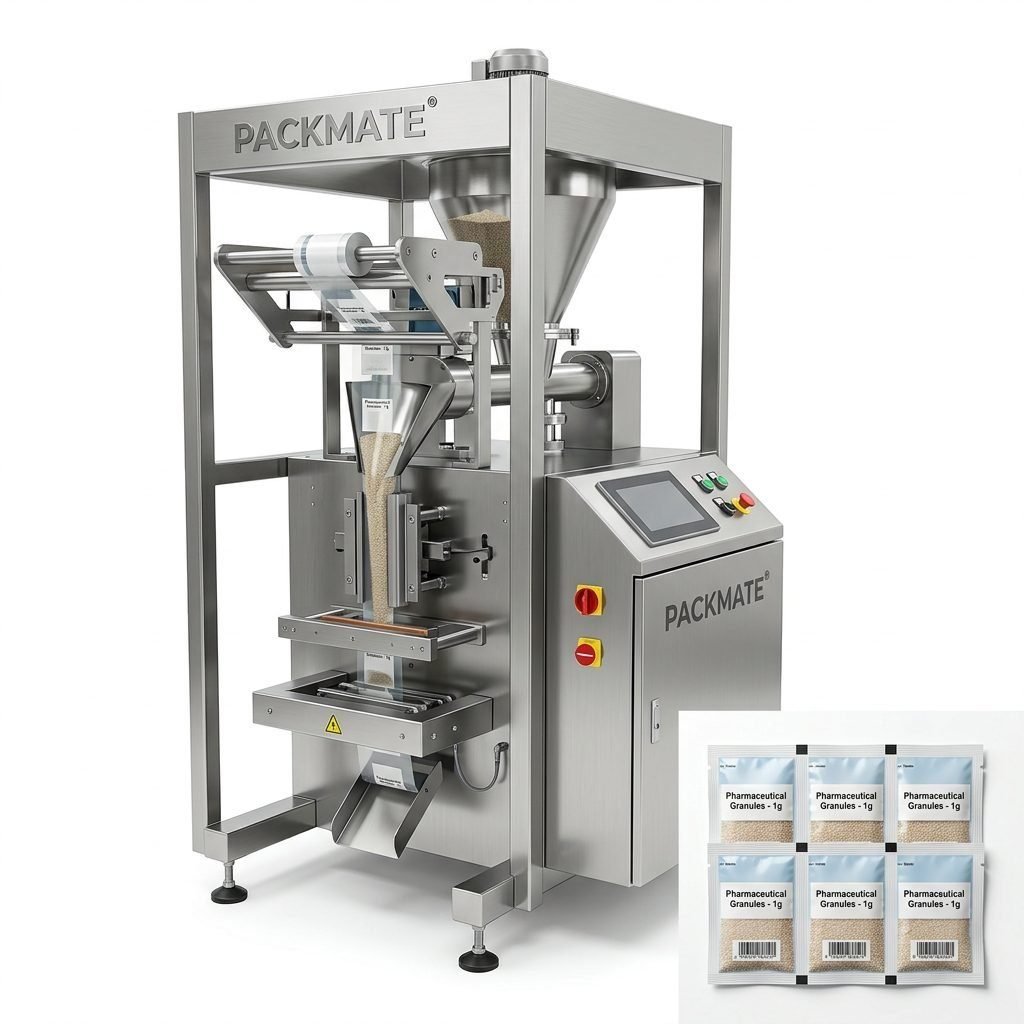
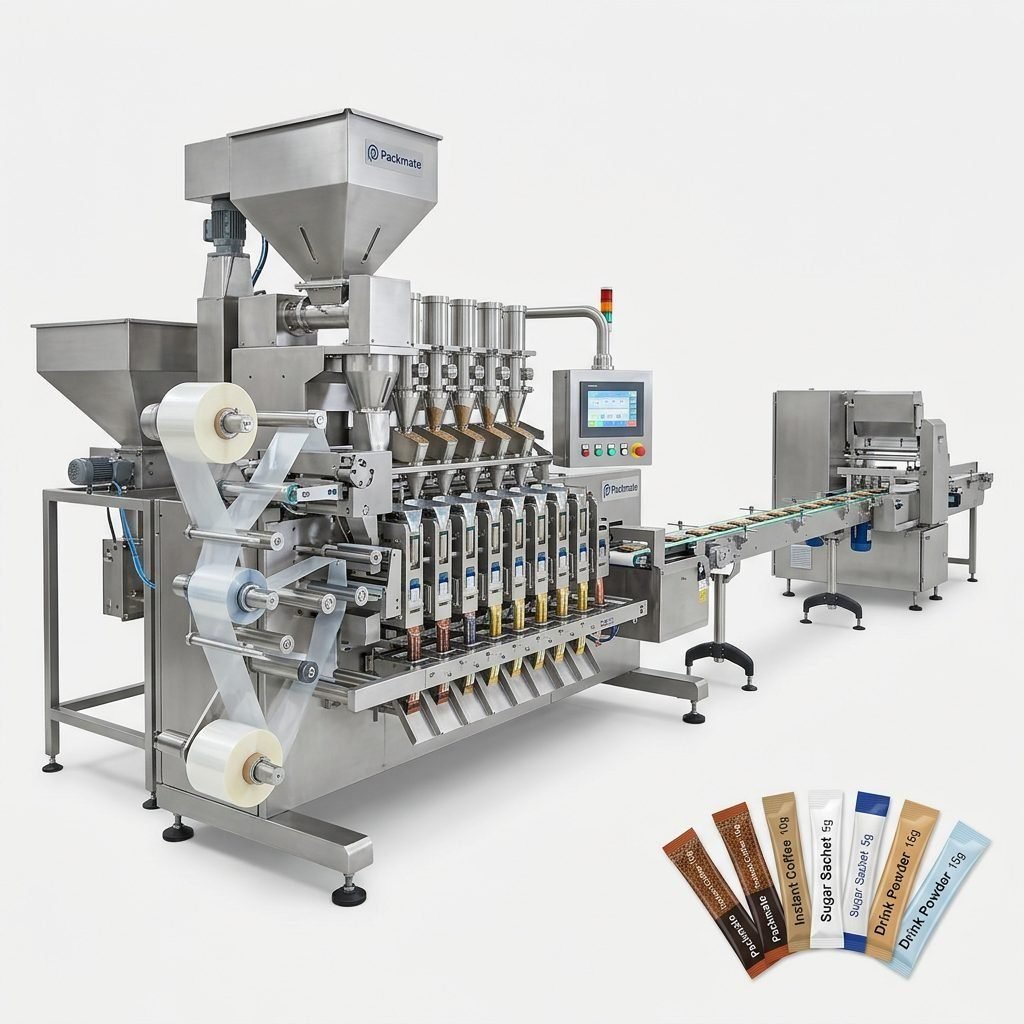
Unit-dose packaging for powders (e.g., electrolytes, pain relievers) and liquids has seen massive growth. Sachet and stick pack machines are perfect for this demand. They create the pouch from roll stock, fill it with a precise dose, and seal it in a continuous motion. These packs are cost-effective, portable, and reduce product waste. For high-output requirements, multi-lane stick pack machines can produce dozens of packs per minute, making them exceptionally efficient for pharmaceutical samples or OTC products.
Cartoning and Secondary Packaging Equipment
After primary packaging, products often need to be bundled into cartons for distribution. Automatic cartoners erect boxes, insert leaflets or instructions, load the primary packs (blisters, bottles, sachets), and close the carton. This stage is also where serialization and aggregation often occur—printing unique codes on packs and cartons to meet track-and-trace regulations like the U.S. DSCSA or the EU Falsified Medicines Directive.
Critical Selection Criteria Beyond the Machine Specs
While technical specifications are vital, several broader factors determine long-term success with your packaging investment.
Regulatory Compliance & Validation Support: The manufacturer must understand GMP, FDA, and other regional regulations. They should provide comprehensive documentation, including Installation Qualification (IQ), Operational Qualification (OQ), and Performance Qualification (PQ) protocols, to streamline your validation process.
Supplier Expertise and After-Sales Service: Partnering with an experienced manufacturer like Packmate Machinery makes a significant difference. With over 30 years in packaging automation, such a partner offers not just a machine but a solution. Evaluate their technical support, availability of spare parts, training programs, and service network. A reliable service commitment minimizes costly production halts.
Flexibility and Scalability: Can the machine handle different pack sizes with quick changeovers? Is it designed to allow for future upgrades or integration with other line equipment? Investing in flexible technology protects your investment as your product portfolio evolves.
The Future: Smart Packaging and Sustainability
The future of pharmaceutical packaging is intelligent and eco-conscious. Industry 4.0 integration is becoming standard, with machines offering IoT connectivity for predictive maintenance, remote monitoring, and seamless data flow into Manufacturing Execution Systems (MES).
Simultaneously, sustainability pressures are driving innovation in materials. While barrier properties cannot be compromised, machine designers are now creating equipment that can run efficiently with newer, thinner, or mono-material recyclable films, helping pharmaceutical companies reduce their environmental footprint without sacrificing safety.
Choosing the best pharmaceutical packaging machine is a complex but crucial endeavor. It requires balancing cutting-edge technology with proven reliability, all within a framework of rigorous safety standards. By prioritizing features like GMP-compliant design, precision engineering, and smart connectivity, and by partnering with a seasoned equipment provider, pharmaceutical companies can build packaging operations that are not only efficient and safe today but are also ready for the challenges and opportunities of tomorrow. A robust packaging line is the final, critical guardian of product quality, ensuring that vital medicines reach patients exactly as intended.
Frequently Asked Questions (FAQs)
What are the most important GMP considerations for a pharmaceutical packaging machine?
The machine must be made of cleanable, non-shedding materials (like stainless steel), have a design that prevents contamination (enclosed areas, easy access for cleaning), and provide reliable, repeatable performance that can be thoroughly documented and validated. Smooth surfaces with rounded corners (coving) are a key design feature.
How can I improve the efficiency of my existing packaging line?
Conduct a line audit to identify bottlenecks. Often, upgrades like adding automated vision inspection systems, integrating auxiliary equipment for automatic feeding or carton erection, or retrofitting older machines with modern servo drives for better speed and accuracy can yield significant efficiency gains without a full line replacement.
What is the difference between a sachet machine and a stick pack machine?
Both create flexible pouches from roll film. The main difference is the pack shape and typical application. Sachets are usually wider and shorter, ideal for single-use portions of creams, gels, or liquids. Stick packs are long, narrow, and tubular, designed for free-flowing powders like instant drinks or supplements, and they often stand upright for display.
Why is validation so important, and what does it involve?
Validation is a regulatory requirement that provides documented evidence the machine consistently performs as intended in your specific environment. It involves a series of tests: Installation Qualification (IQ) to verify correct setup, Operational Qualification (OQ) to test functions under load, and Performance Qualification (PQ) to prove it can package your actual product to specification over a sustained period.
Can one machine handle different pharmaceutical product types?
Some machines offer high flexibility with quick-change parts for different pouch sizes or filling systems (e.g., switching from a powder auger filler to a liquid pump). However, significant changes in product form (e.g., from tablets to liquid vials) typically require dedicated, specialized equipment to ensure optimal safety, accuracy, and compliance.