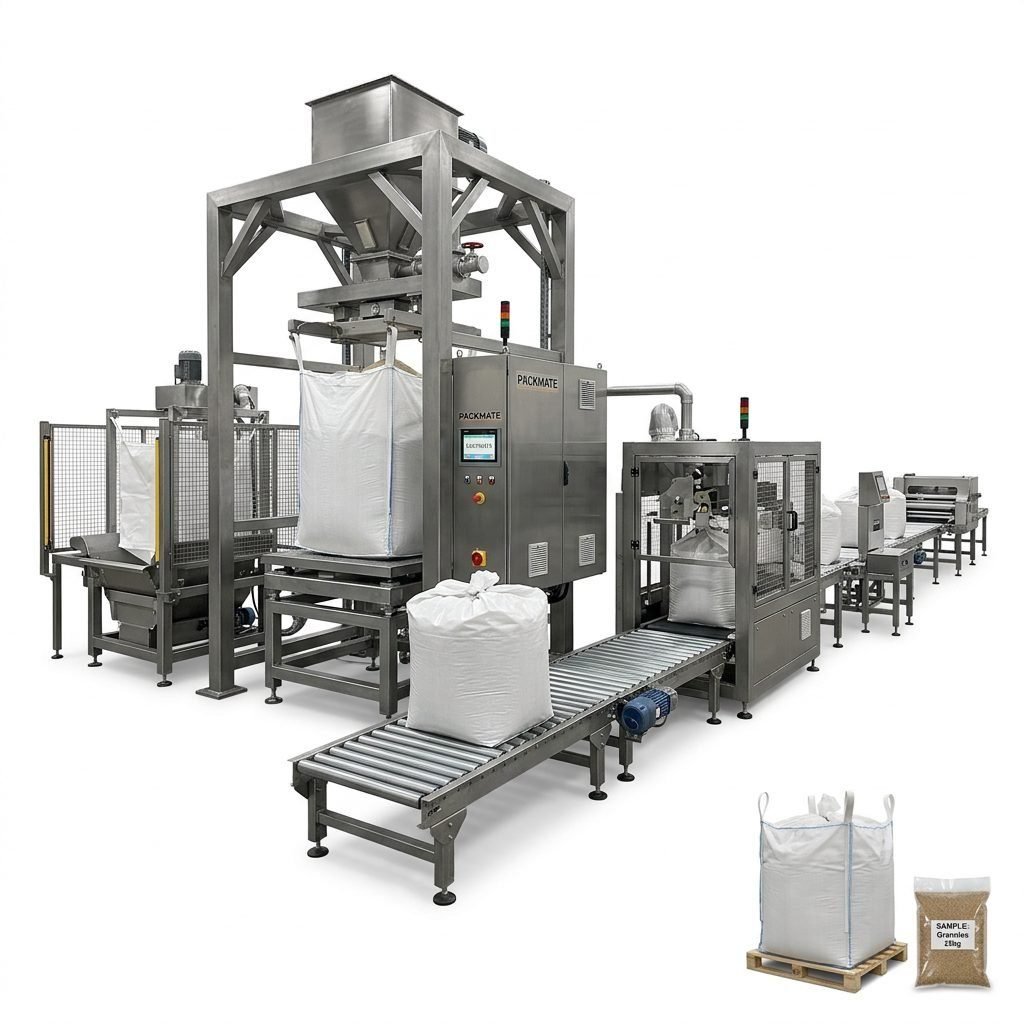
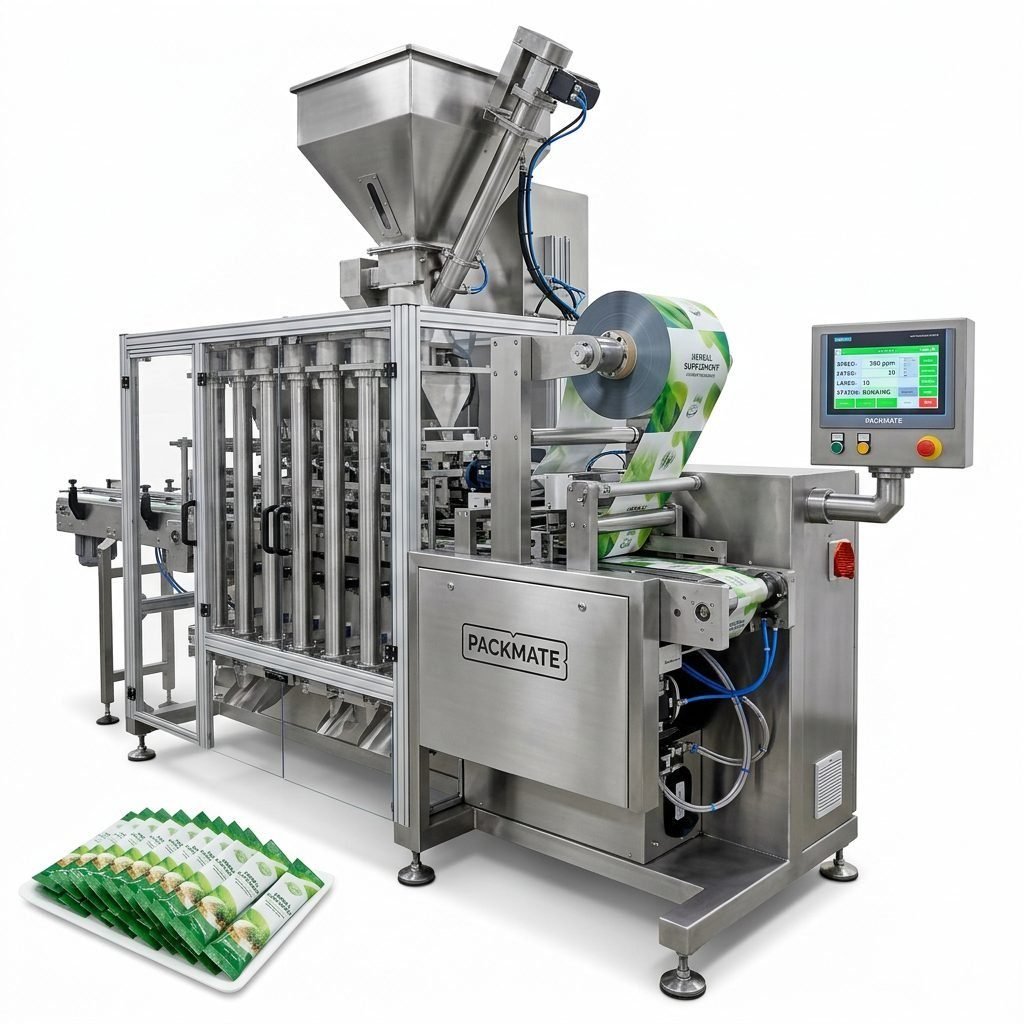
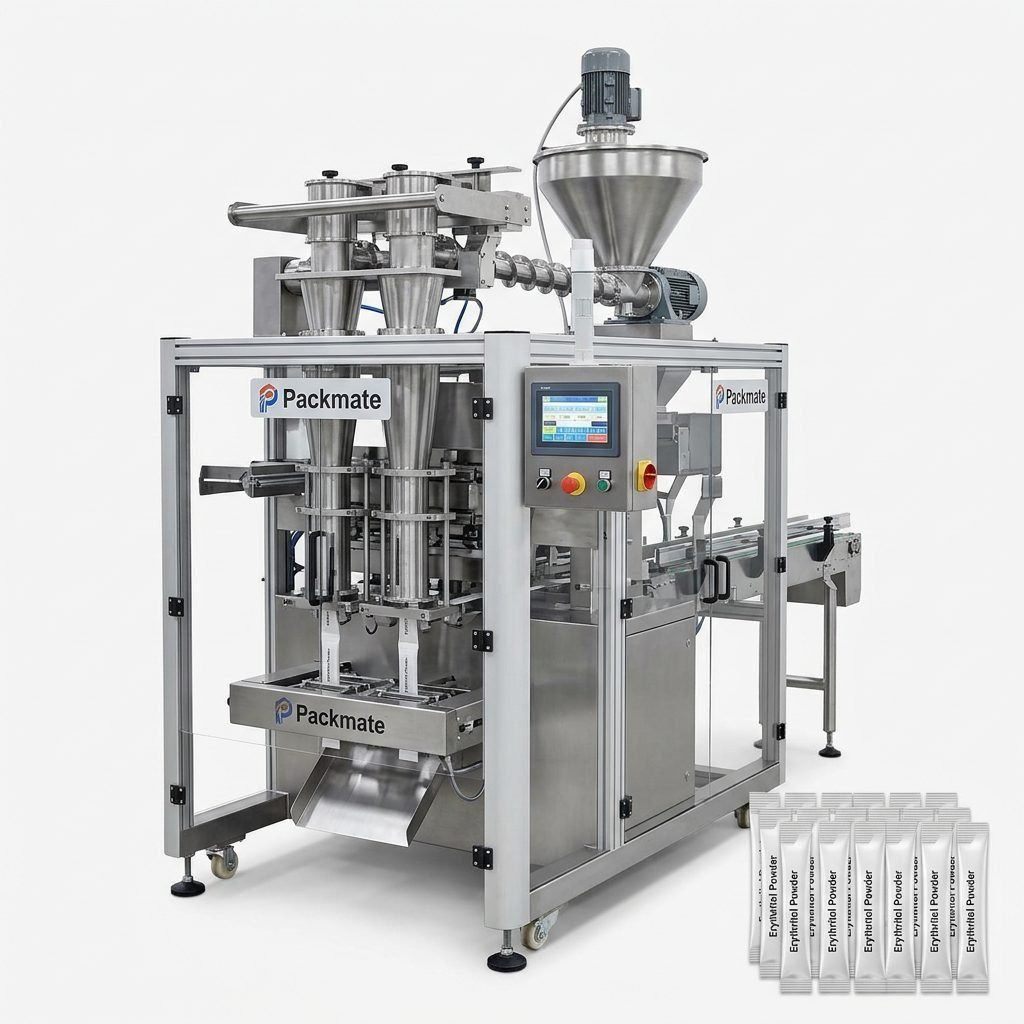
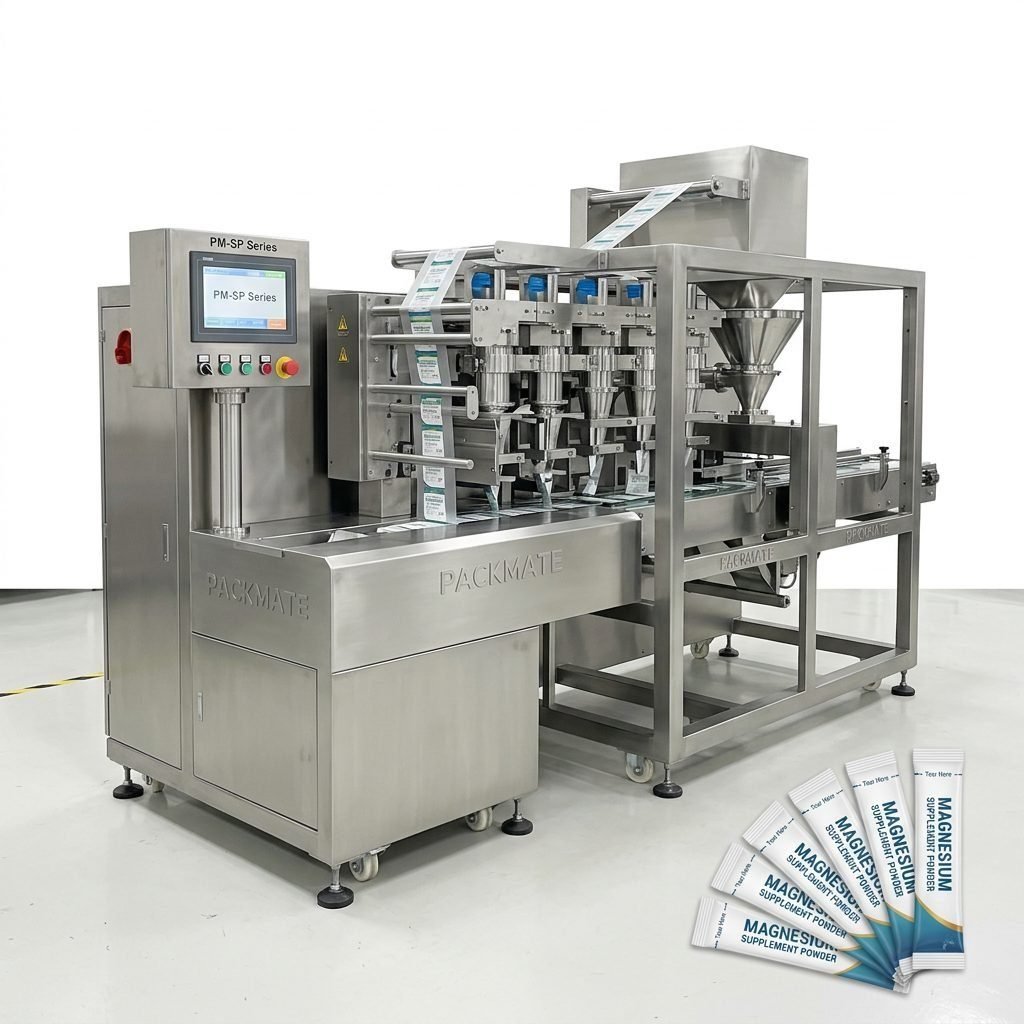
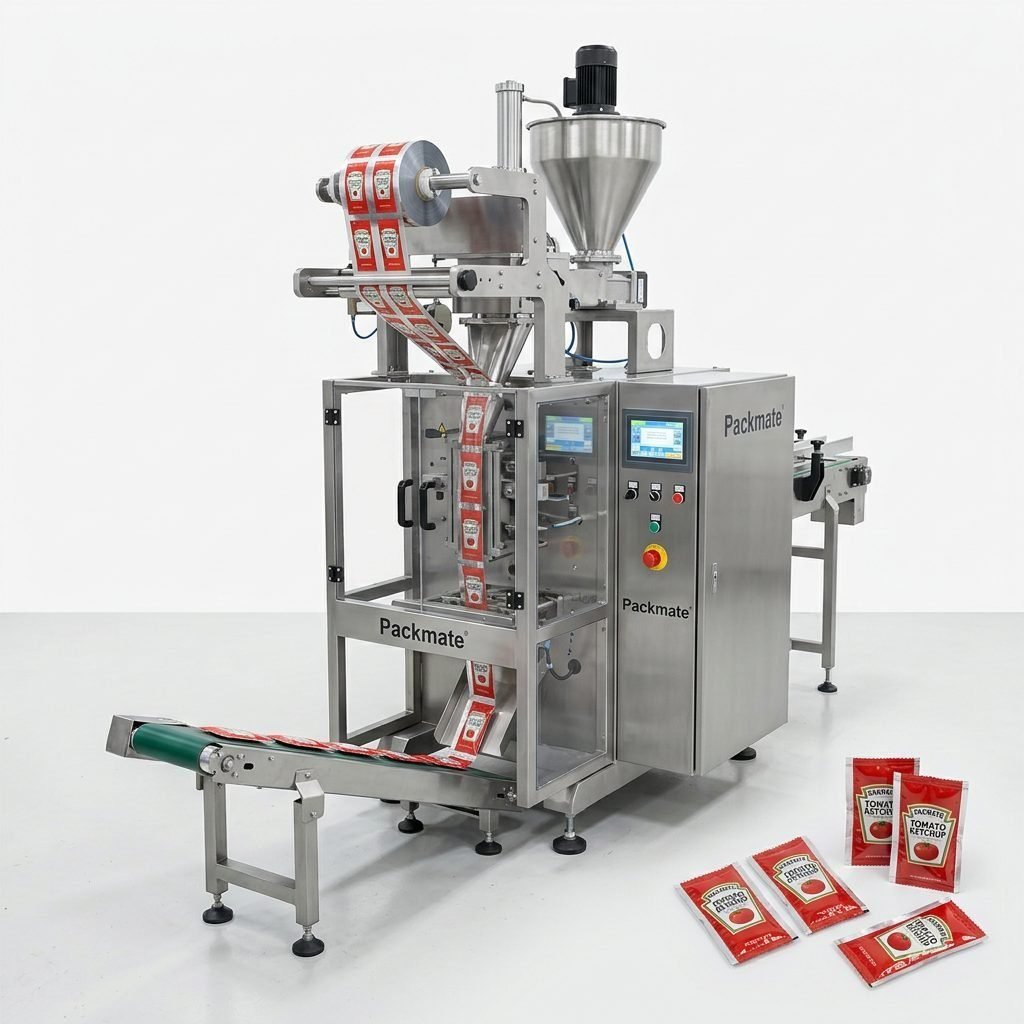
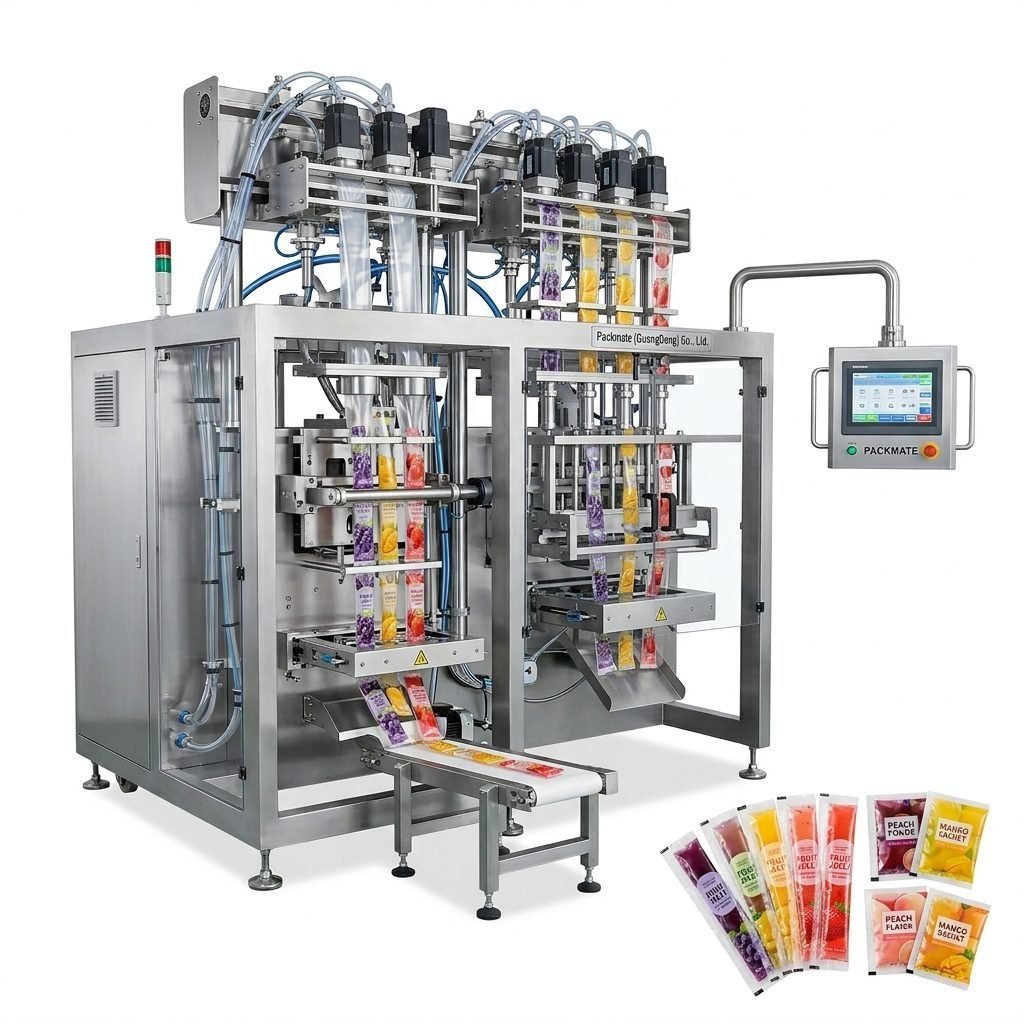
In the fast-paced world of food manufacturing, efficiency is not just a goal—it’s a necessity for survival and growth. The packaging stage, often the final touchpoint before a product reaches the consumer, is a critical area where efficiency gains translate directly into cost savings, product consistency, and market agility. For products like cheese, which require careful handling to preserve freshness, flavor, and texture, the choice of packaging equipment becomes paramount. Specialized cheese packaging equipment is engineered to meet these unique demands, integrating speed, precision, and hygiene to streamline the entire food processing workflow.
The Role of Packaging in Modern Food Processing
Modern food processing is a symphony of coordinated steps, from preparation and mixing to cooking and preservation. Packaging serves as the final, protective movement in this symphony. It does more than just contain the product; it safeguards it from contamination, extends its shelf life, maintains its quality, and presents it attractively to the end-user. Inefficient packaging can create bottlenecks, increase waste through product damage or spillage, and lead to inconsistent portioning—all of which erode profitability. Therefore, investing in efficient, automated packaging lines is a strategic decision that impacts the entire supply chain.
Key Demands for Cheese Packaging
Cheese presents specific challenges that packaging machinery must address. It can be soft, hard, shredded, sliced, or crumbled. Each form requires a different handling approach. The machinery must prevent crushing or deforming the product, especially for soft cheeses. It must also operate in environments that may require specific temperature or humidity controls. Furthermore, packaging must create a reliable barrier against oxygen and moisture to prevent mold and preserve taste. Equipment that can gently yet swiftly handle various cheese consistencies while ensuring an airtight seal is essential for high-quality output.
Core Components of Efficient Cheese Packaging Lines
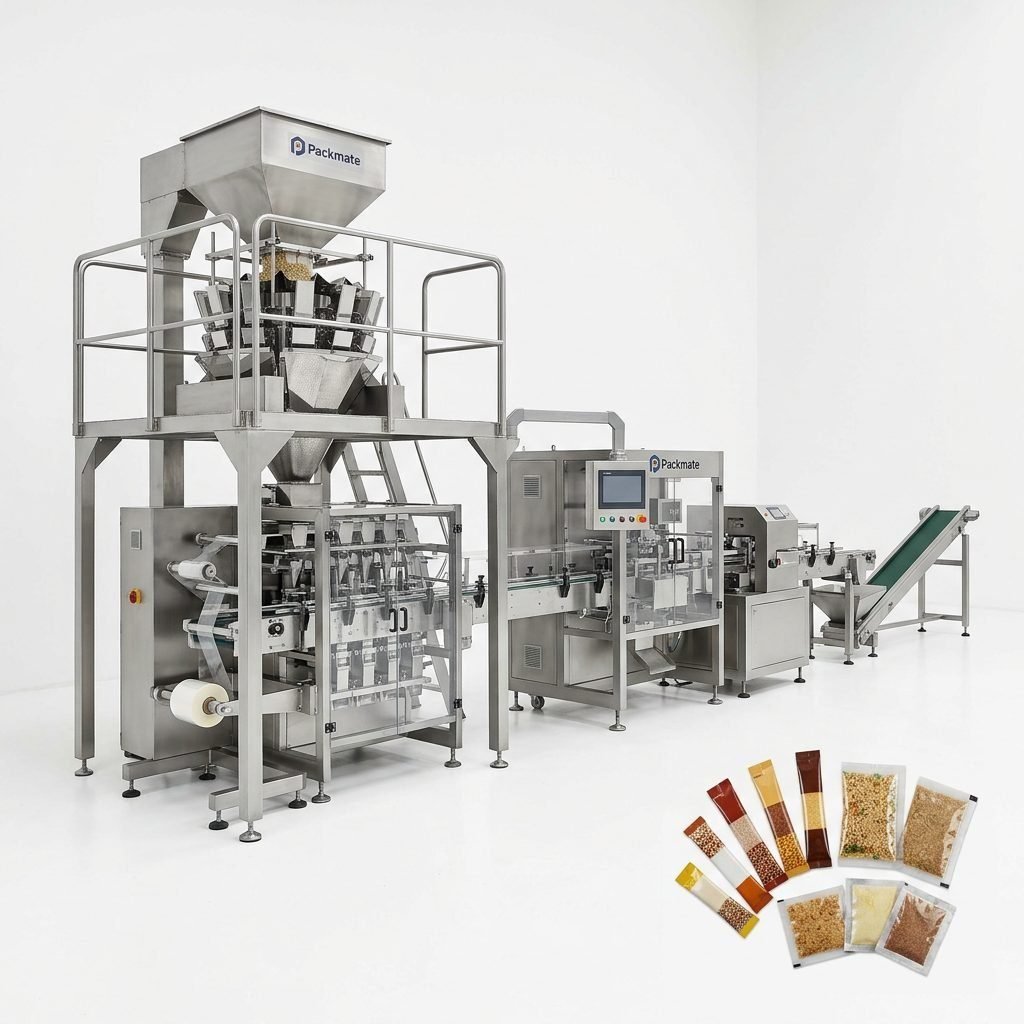
A comprehensive and efficient packaging line for cheese is not a single machine but an integrated system. Each component plays a vital role in achieving seamless operation.
1. Weighing and Filling Systems
Accuracy is non-negotiable. Overfilling cuts into profits, while underfilling violates consumer trust and regulations. Advanced multi-head weighers or volumetric fillers are used to dispense precise amounts of shredded, grated, or cubed cheese into bags or pouches. For sliced or block cheese, precise cutting and placement mechanisms are employed. The goal is to achieve high-speed filling with minimal giveaway, ensuring every package contains the exact weight promised on the label.
2. Form-Fill-Seal (FFS) Machines
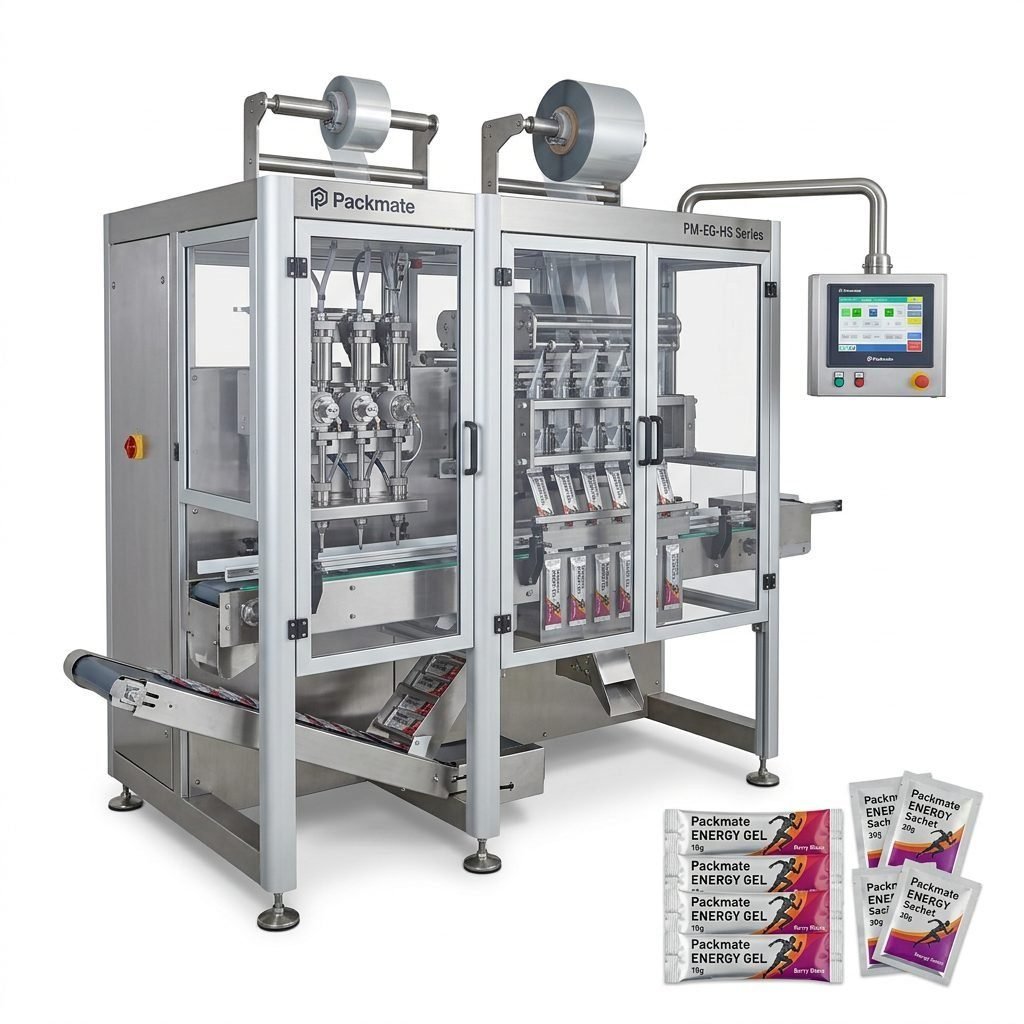
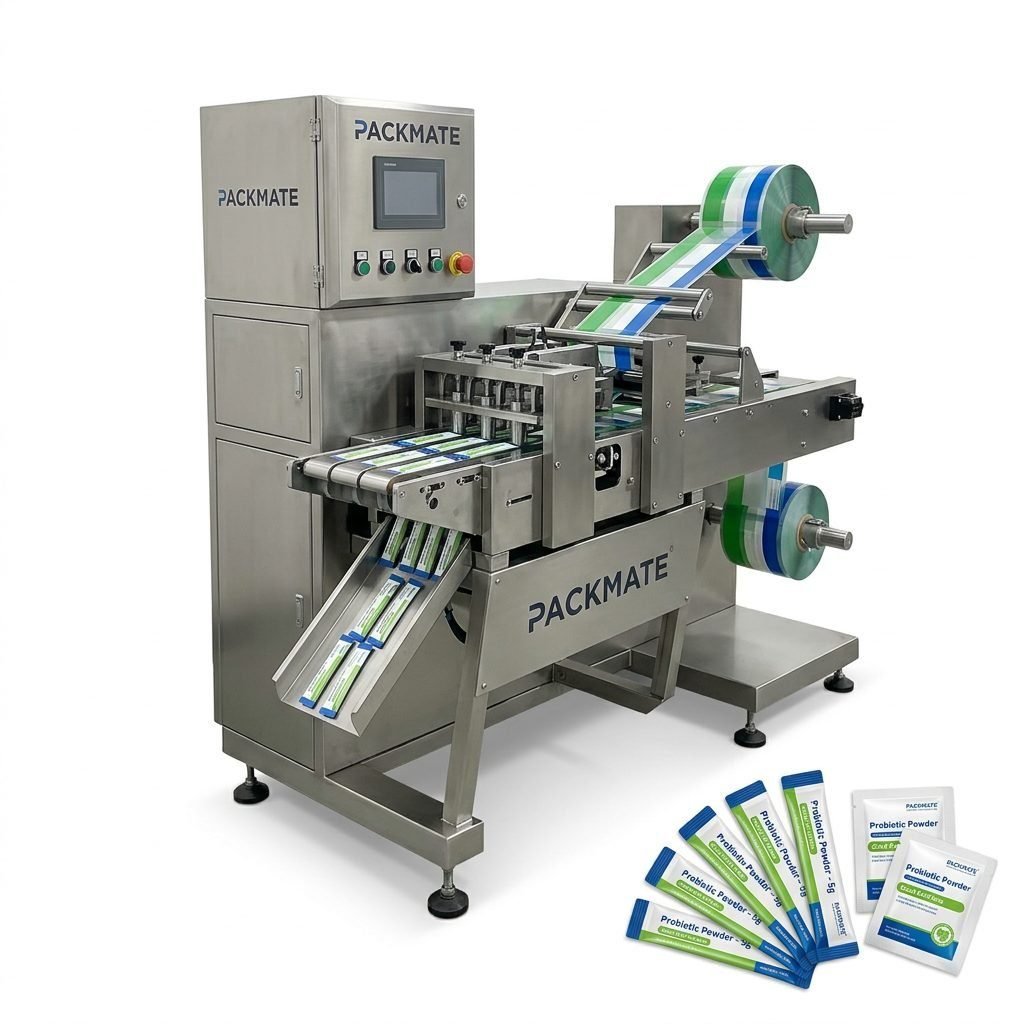
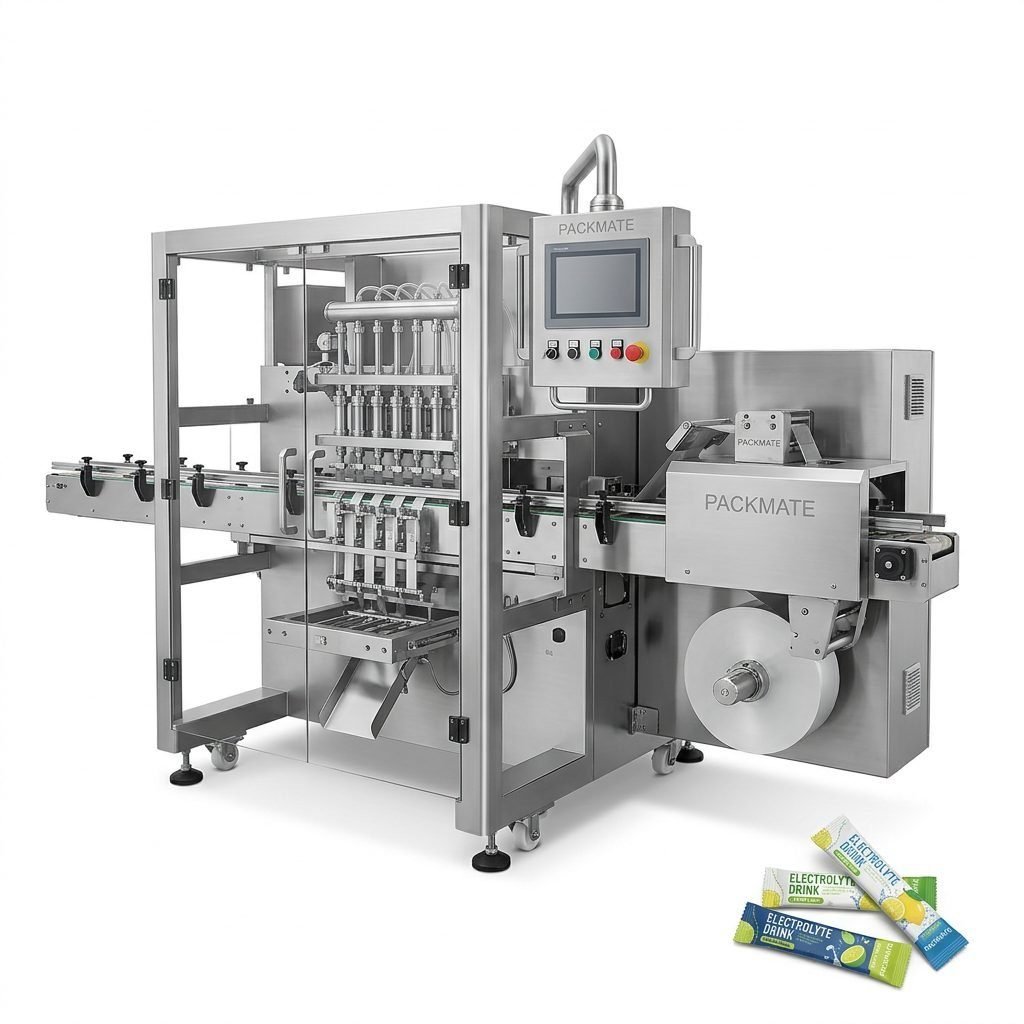
This is the workhorse of flexible packaging. FFS machines form packaging from a roll of film, creating the pouch, filling it with the product, and sealing it—all in one continuous, automated process. For cheese packaging, these machines can be configured to use high-barrier films that protect against oxygen and light. They offer tremendous flexibility, allowing quick changeovers between different package sizes and shapes, which is ideal for producers offering a range of cheese products. You can explore advanced bag and pouch packaging machines that incorporate these FFS principles.
The Advantage of Automation
Automating the packaging process with integrated lines eliminates manual handling, which reduces labor costs and minimizes the risk of human contamination. Automated lines can operate at constant, high speeds 24/7, significantly boosting throughput. They also provide superior consistency in package appearance and seal integrity compared to manual methods. This reliability is crucial for building a strong brand reputation on store shelves.
3. Modified Atmosphere Packaging (MAP) Technology
For fresh cheeses like mozzarella, feta, or shredded cheese blends, Modified Atmosphere Packaging is a game-changer for shelf life. MAP equipment flushes the air out of the package and replaces it with a controlled mixture of gases (like nitrogen and carbon dioxide). This inert atmosphere drastically slows down oxidation and bacterial growth, keeping the cheese fresher for much longer without artificial preservatives. Integrating MAP into the packaging line is a mark of a high-end, quality-focused processing operation.
4. Labeling, Coding, and Inspection
Downstream equipment adds the final touches. Automatic labelers apply product information, branding, and barcodes. Inkjet or laser coders print crucial data like batch numbers and expiry dates. Most importantly, vision inspection systems use cameras to check every package for seal defects, incorrect labeling, or foreign particles, ensuring that only perfect products are shipped. This stage guarantees regulatory compliance and traceability.
Benefits of Investing in Specialized Equipment
Transitioning to or upgrading to specialized cheese packaging machinery delivers a compelling return on investment through multiple channels.
Enhanced Product Quality and Safety: Automated, hygienic systems reduce human contact, lowering contamination risks. Consistent, secure seals protect the cheese’s organoleptic properties (taste, smell, texture) from farm to fork.
Dramatic Increase in Output and Efficiency: Machines work faster and longer than human teams, eliminating bottlenecks. A streamlined line from filling to casing can multiply daily production volumes, allowing businesses to scale and meet larger orders. For insights into complete system integration, consider reviewing filling and packaging lines solutions.
Significant Reduction in Material and Product Waste: Precision filling minimizes product “giveaway.” Accurate sealing reduces the rate of leaky packages that would spoil and be discarded. This optimization directly improves the bottom line.
Improved Operational Flexibility: Modern equipment with quick-change features allows producers to switch between packaging different cheese types or sizes with minimal downtime. This agility is key to responding to market trends and running smaller, customized batches profitably.
Data Collection and Process Optimization: Many advanced machines are equipped with IoT sensors and software that collect data on speed, downtime, and output. This data is invaluable for performing predictive maintenance, identifying inefficiencies, and making informed decisions to fine-tune the entire process.
Choosing the Right Partner for Packaging Solutions
Selecting packaging equipment is a major capital decision. It’s vital to partner with a manufacturer that offers not just machines, but holistic solutions. A reliable partner will have deep industry experience, a proven track record, and the engineering capability to customize equipment to your specific needs—whether you’re packaging hard Parmesan blocks or delicate cream cheese portions. They should provide comprehensive support, from installation and training to after-sales service and spare parts. Companies with a strong global presence, like Packmate Machinery, bring decades of expertise in creating intelligent packaging systems for the food industry, ensuring you get a reliable and future-proof investment.
Future Trends in Cheese Packaging
The landscape is continuously evolving. Sustainability is driving demand for machinery compatible with recyclable or compostable mono-material films. Smart packaging with QR codes that tell a product’s story or indicate freshness is on the rise. Furthermore, the push for hyper-efficiency is leading to more compact, energy-saving machines and greater integration of artificial intelligence for real-time quality control and self-optimization. Staying abreast of these trends through resources like a company’s homepage or news section can provide a competitive edge.
In conclusion, efficient cheese packaging equipment is the linchpin of a modern, profitable, and quality-driven food processing operation. It transcends mere automation to become a strategic asset that protects product integrity, maximizes throughput, minimizes waste, and provides the flexibility needed in today’s dynamic market. By understanding the core technologies—from precision filling and Form-Fill-Seal to MAP—and partnering with an experienced equipment provider, cheese producers can build a packaging line that not only meets today’s demands but is also ready for the challenges and opportunities of tomorrow.
Frequently Asked Questions (FAQs)
1. What types of cheese can be packaged with automated equipment?
Virtually all types! Modern equipment is highly adaptable. It can handle hard cheeses (for slicing and vacuum packing), shredded/grated cheeses (using multi-head weighers), soft cheeses (with gentle handling systems), cream cheese (in tubs or tubes), and even specialty cheeses in brine. The key is choosing or customizing the right filling and handling modules for your specific product’s consistency.
2. How does Modified Atmosphere Packaging (MAP) extend the shelf life of cheese?
MAP works by replacing the oxygen inside the package (which promotes spoilage and oxidation) with a mixture of inert gases like nitrogen (N2) and carbon dioxide (CO2). This controlled atmosphere significantly inhibits the growth of aerobic bacteria and molds, slows down fat oxidation (which causes rancidity), and helps maintain the cheese’s original color, texture, and flavor for weeks longer than traditional air-packed products.
3. What is the typical ROI (Return on Investment) for a new cheese packaging line?
The ROI period varies based on the scale of the line, the level of automation, and current production volumes. However, benefits like labor reduction, increased output speed, and dramatic decreases in product giveaway and waste often lead to a payback period of 1 to 3 years. The long-term gains in product quality, brand reputation, and scalability provide ongoing value well beyond the initial investment.
4. Can one packaging line handle different cheese formats and package sizes?
Yes, this is a key feature of flexible, modern equipment. Many machines offer “quick-change” capabilities where changeover parts (like forming tubes, filler nozzles, and film rolls) can be swapped out in minutes rather than hours. This allows a single production line to run multiple SKUs (Stock Keeping Units) efficiently, making it ideal for manufacturers with a diverse product portfolio.
5. How important is after-sales service when purchasing packaging machinery?
Extremely important. Packaging equipment is a long-term investment. Reliable after-sales service—including readily available spare parts, remote technical support, on-site maintenance, and operator training—is crucial for minimizing unplanned downtime. A supplier with a strong service network ensures your line remains productive and your investment is protected for its entire lifecycle. Always inquire about the service and support structure before purchasing.