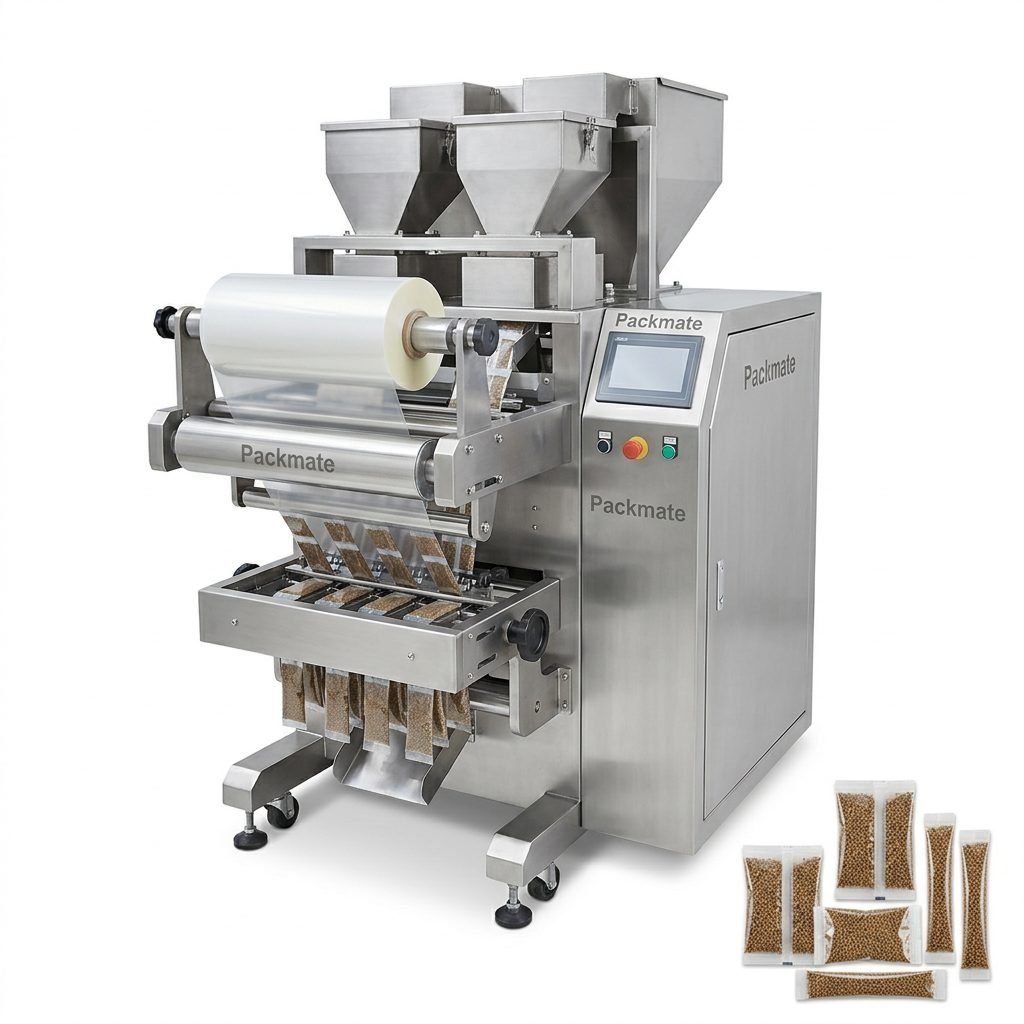
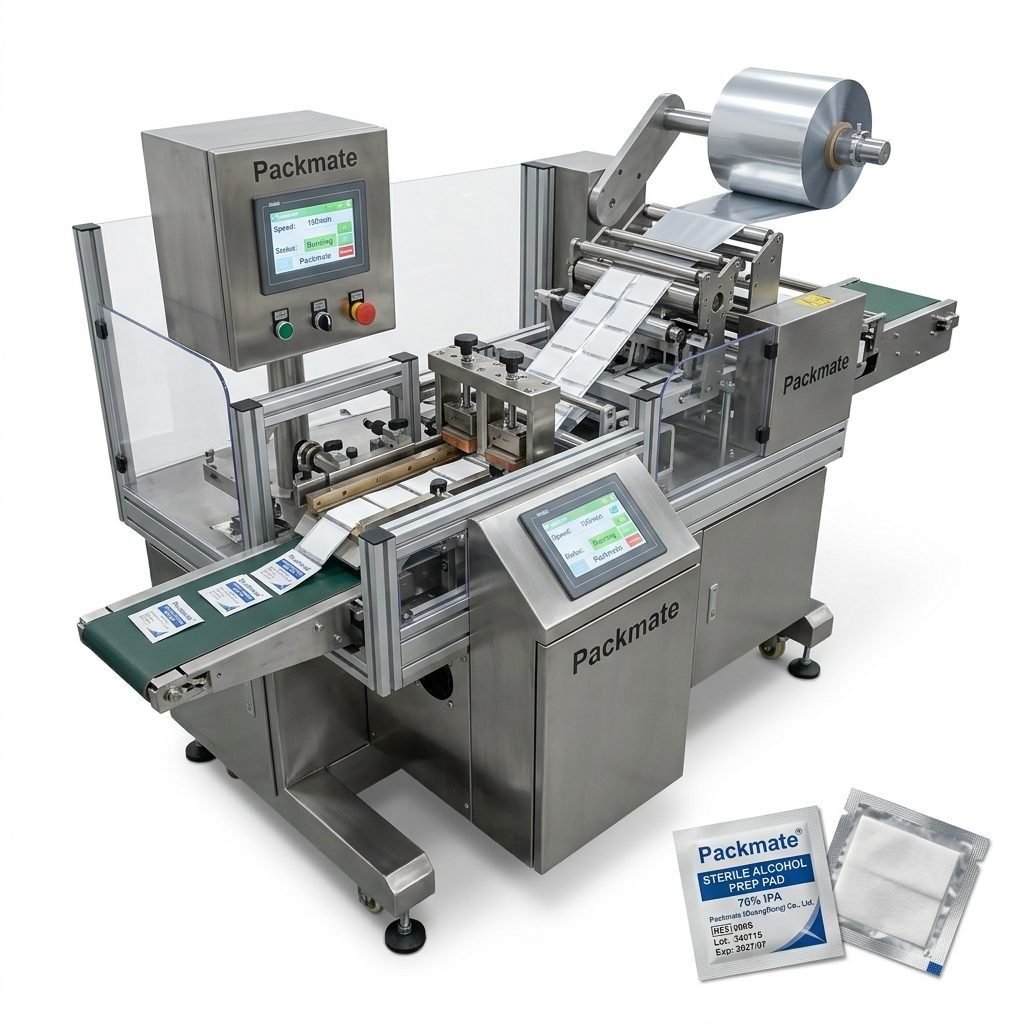
In the fast-paced world of manufacturing, efficiency and reliability are paramount. For businesses handling powders, granules, or liquids, choosing the right packaging machine is a critical decision that impacts productivity, product integrity, and ultimately, the bottom line. CMC (Cartoning, Multi-lane, and Continuous) packaging machines represent a sophisticated category of equipment designed to automate and streamline the packaging process for a wide range of products.
Understanding the Core Types of CMC Packaging Machines
The term “CMC” encompasses several key machine configurations, each suited to specific packaging formats and production needs. Understanding these types is the first step in making an informed selection.
Vertical Form-Fill-Seal (VFFS) Machines
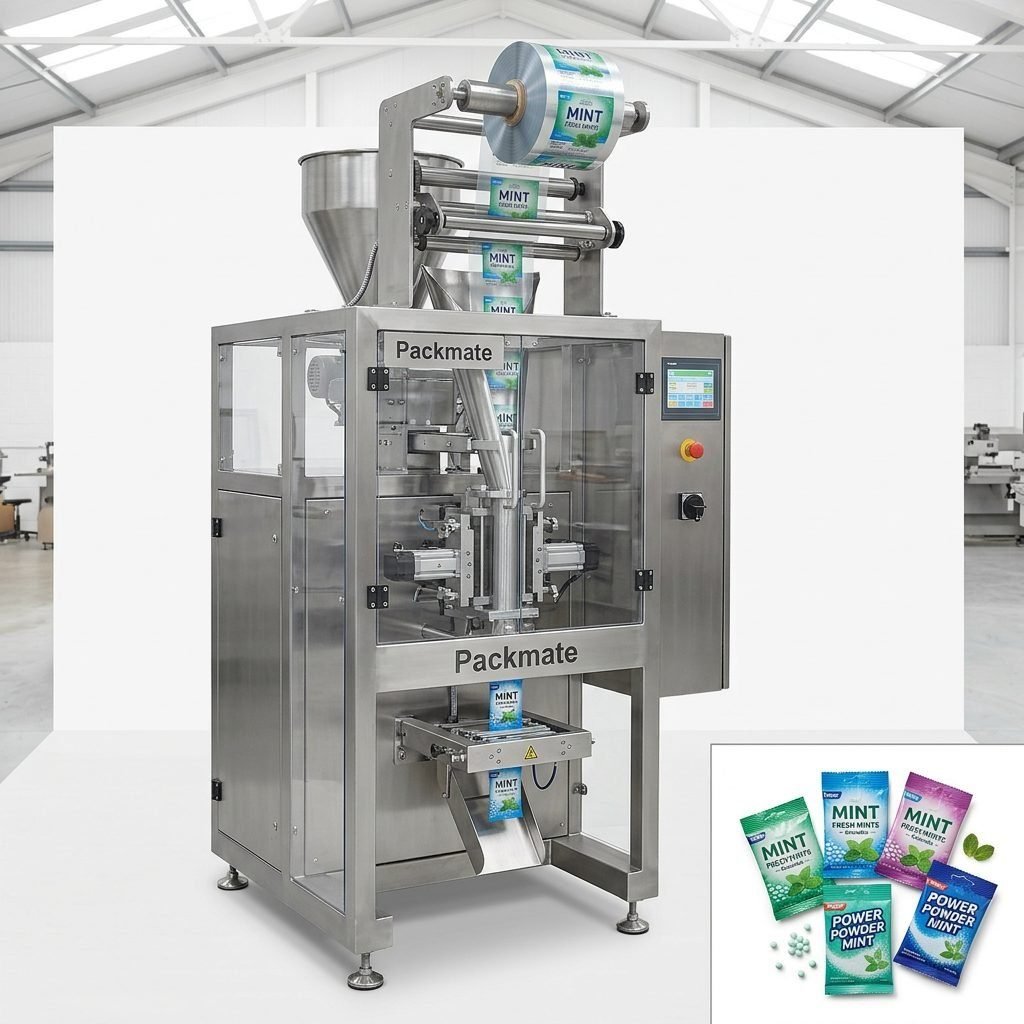
These are the workhorses of the packaging industry for creating bags and pouches from a roll of film. The machine forms a tube from the flat film, fills it with the product, and then seals and cuts it to create individual packages. They are incredibly versatile for a variety of products, from snacks and coffee to hardware and pet food. Their continuous operation makes them ideal for high-volume production lines.
Horizontal Form-Fill-Seal (HFFS) Machines
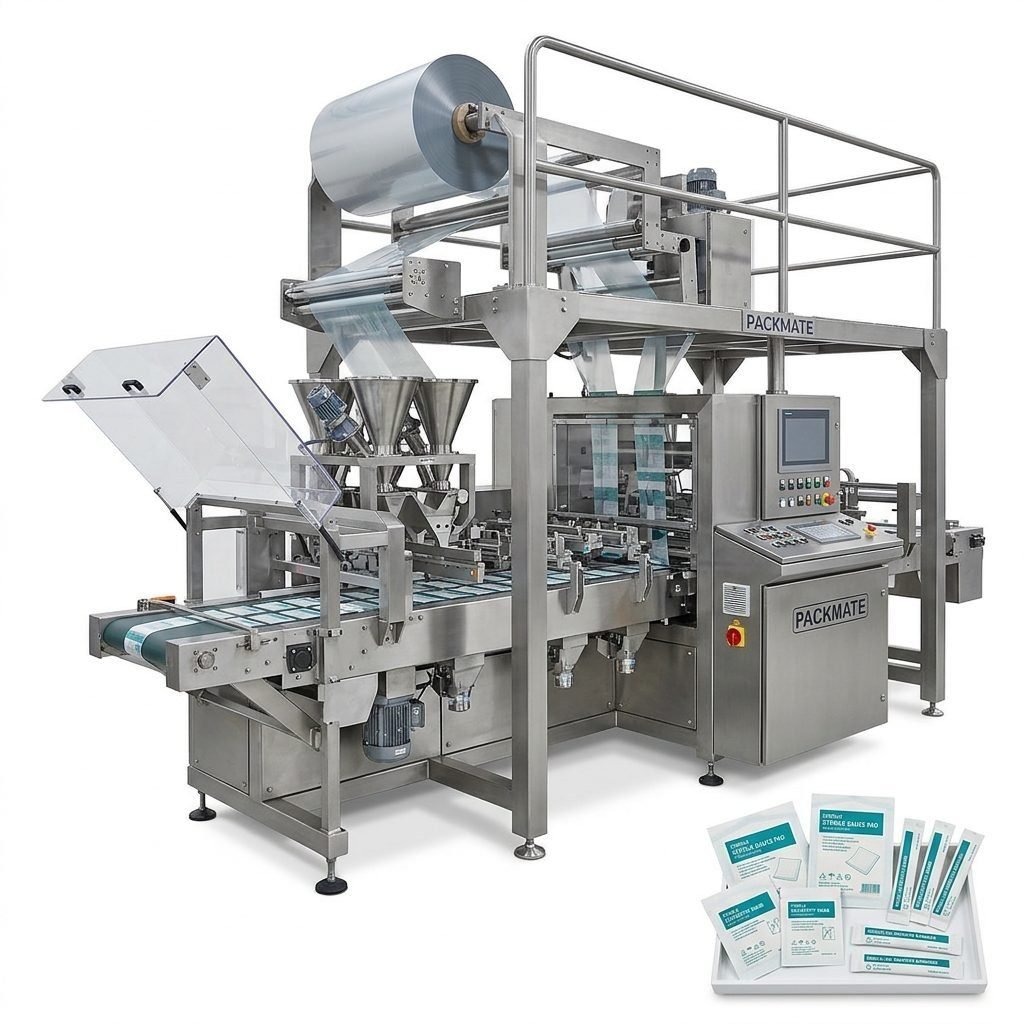
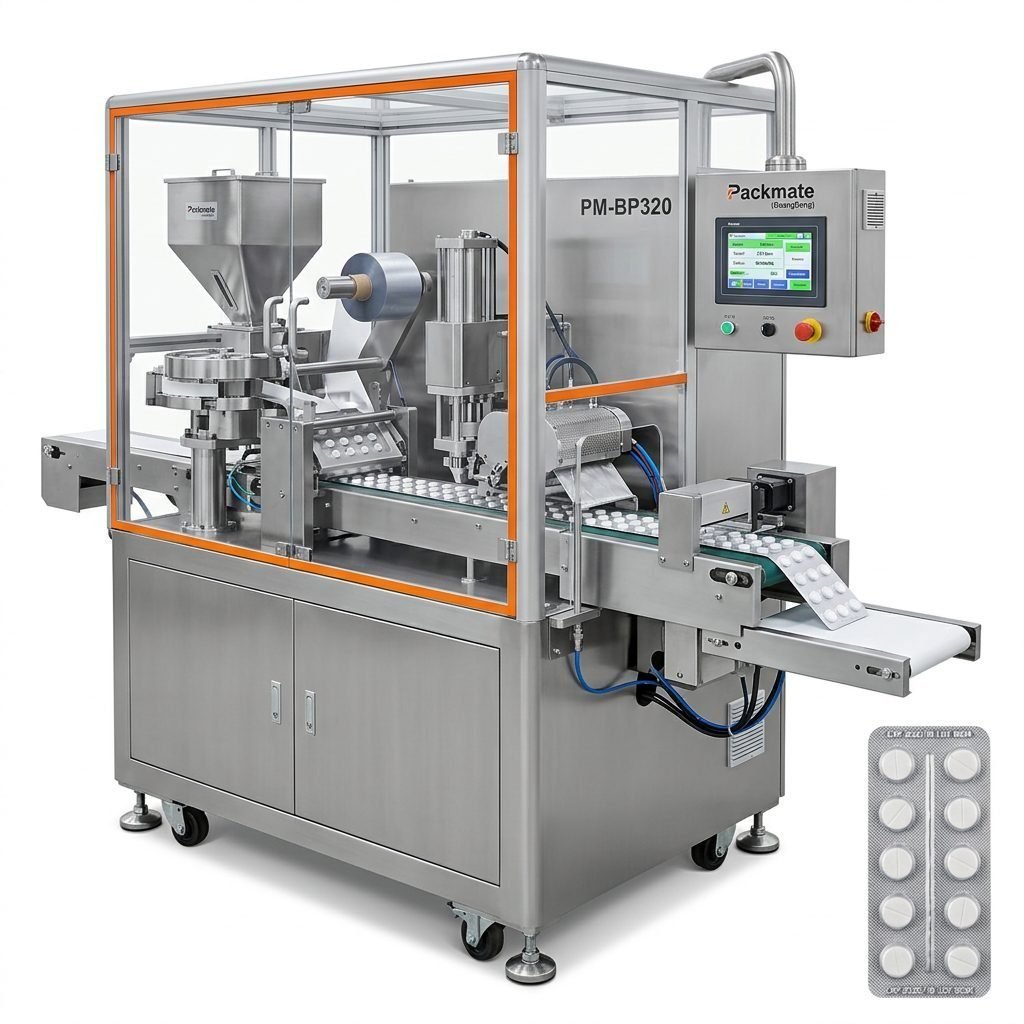
Often used for more rigid structures or specific product presentations, HFFS machines form the package around the product. This method is commonly used for items like candy bars, biscuits, or medical devices that require a specific tray or carton style. They offer excellent product visibility and can create complex, high-quality packaging.
Multi-Lane Stick Pack & Sachet Machines
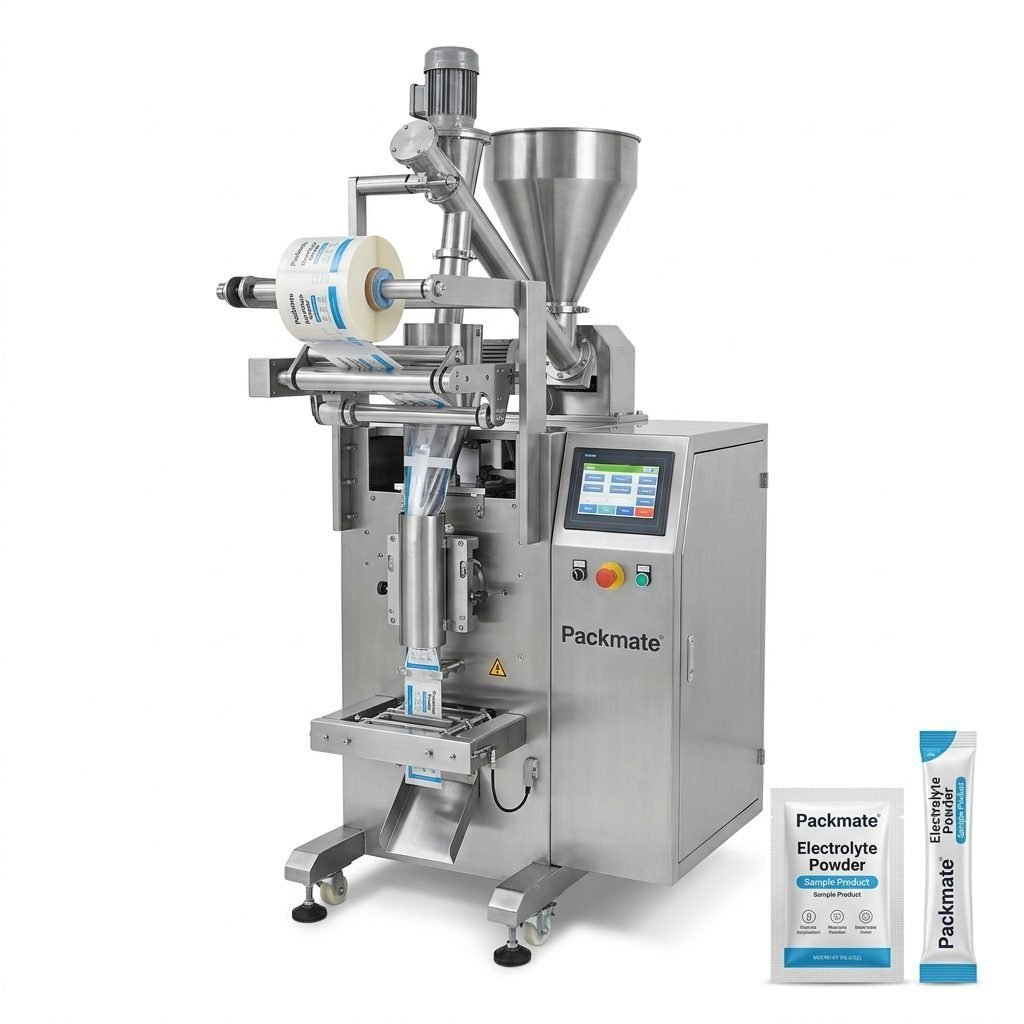
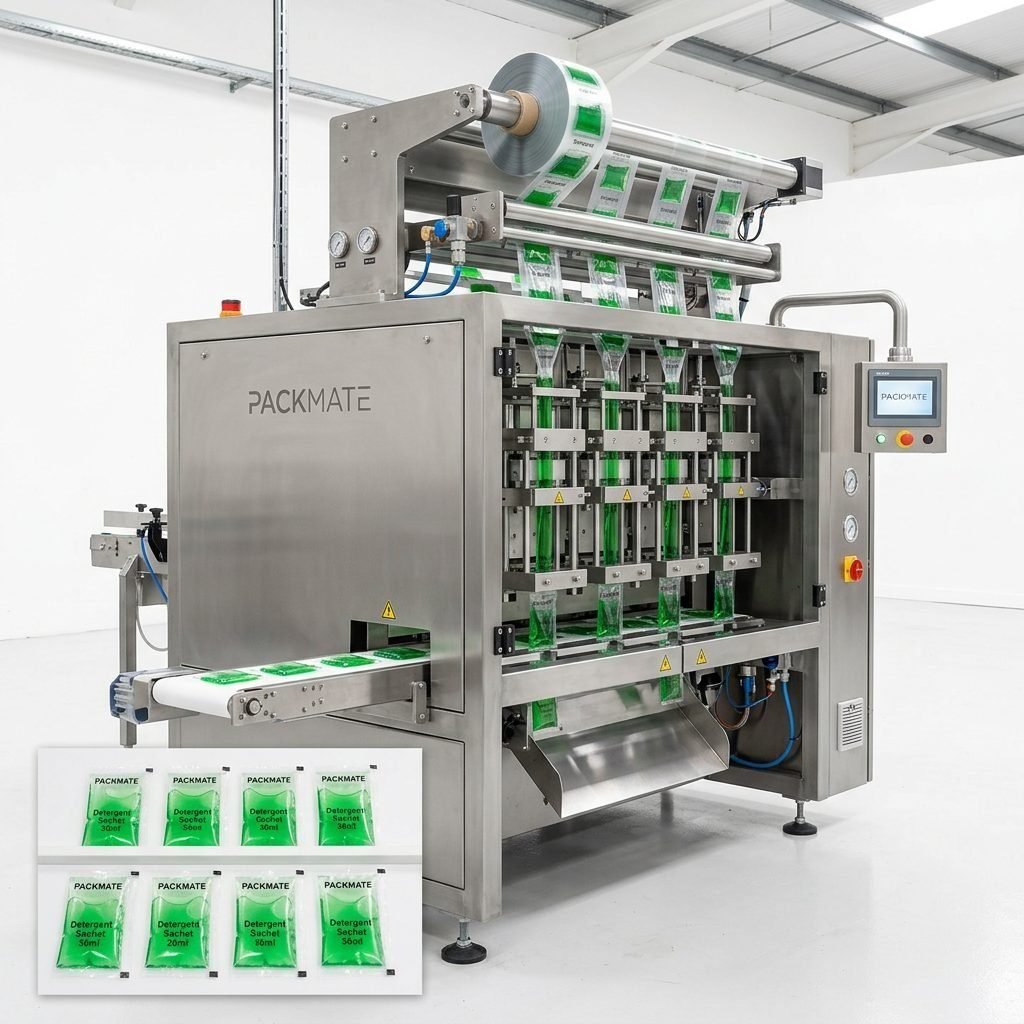
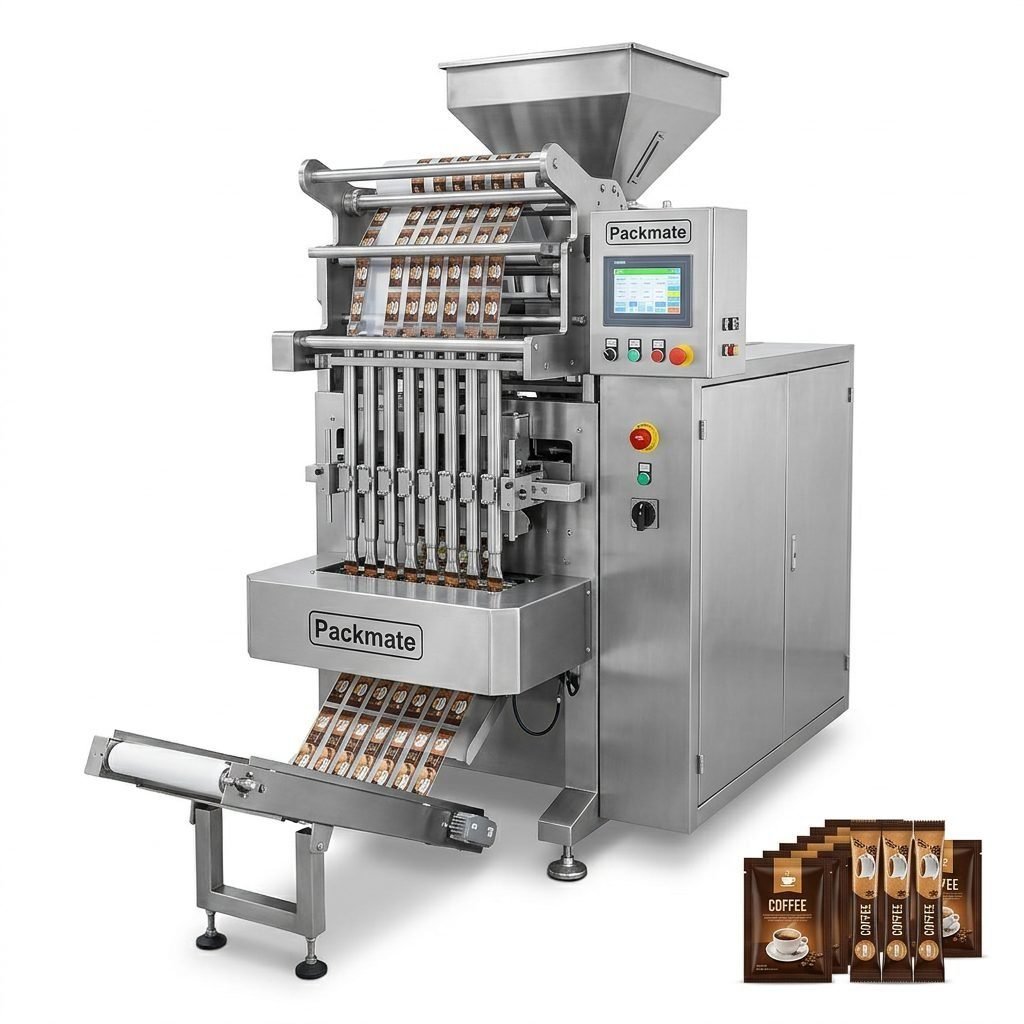
For packaging small quantities of product—such as condiments, sugar, instant coffee, or pharmaceutical powders—multi-lane machines are the solution. They operate multiple lanes simultaneously, dramatically increasing output for small-portion packaging. Sachet and stick pack machines are a prime example, capable of producing hundreds of packs per minute, making them essential for the foodservice and FMCG (Fast-Moving Consumer Goods) sectors.
Automatic Cartoning Machines
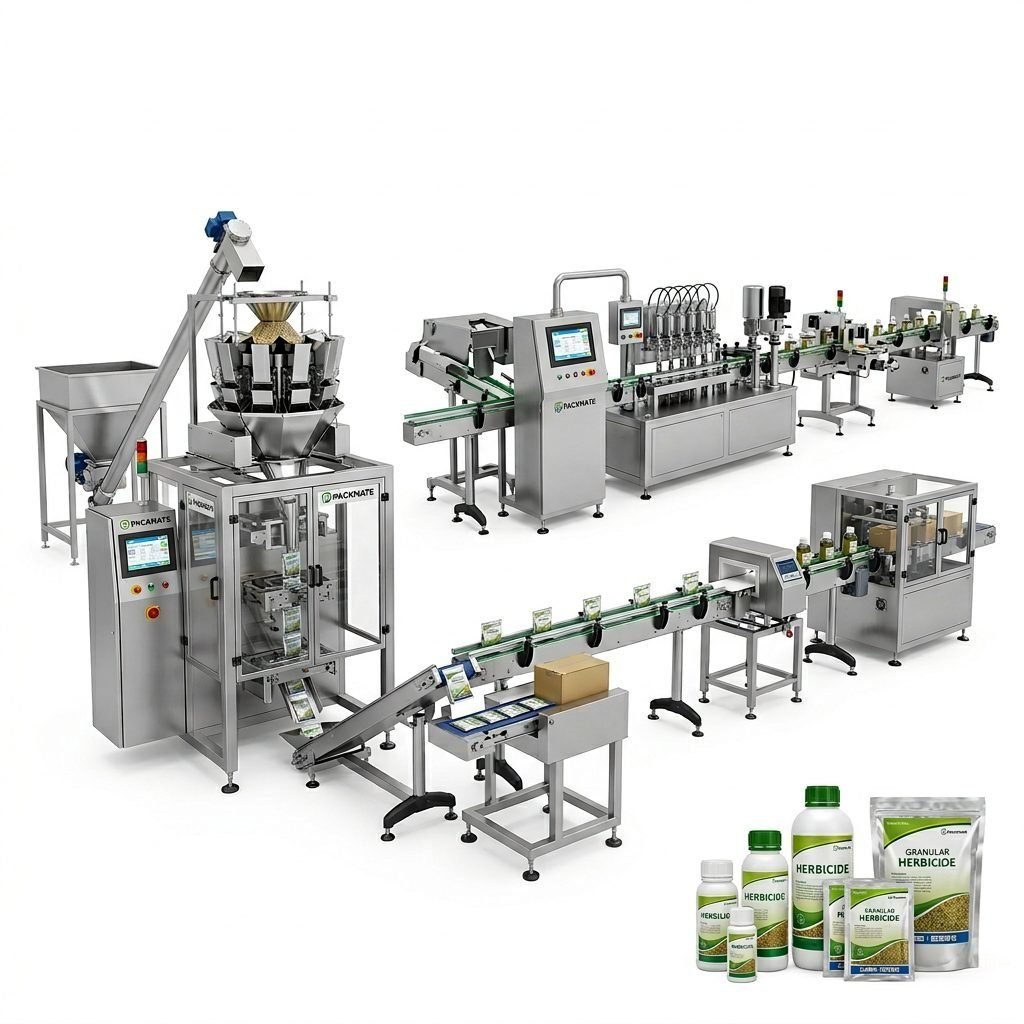
This segment handles the secondary packaging stage. These machines automatically erect cartons, insert the primary packaged product (like sachets or bottles), and close/seal the carton. They integrate seamlessly with upstream filling and sealing machines to create a complete, end-to-end packaging line, reducing manual labor and ensuring consistent presentation.
Key Takeaway: The choice between VFFS, HFFS, multi-lane, or cartoning systems depends entirely on your primary packaging format (pouch, stick pack, carton), product characteristics, and required production speed.
The Tangible Benefits of Investing in CMC Packaging Machinery
Upgrading to or investing in automated CMC packaging technology delivers a compelling return on investment through multiple channels.
1. Dramatically Increased Production Efficiency & Speed: Automation is the primary driver. Machines like our multi-lane models can operate 24/7 at consistent speeds far exceeding manual operations, significantly boosting your output capacity and meeting tight deadlines.
2. Enhanced Product Consistency & Quality: Human error in weighing, filling, and sealing is eliminated. Every package has precise weight control, uniform seal integrity, and a professional, consistent appearance, which strengthens brand reputation and reduces customer complaints.
3. Substantial Reduction in Labor Costs & Material Waste: While an initial investment, automation reduces long-term reliance on large manual packaging teams. Furthermore, precise control over film usage and reduced product spillage lead to significant savings on packaging materials and raw product over time.
4. Improved Hygiene and Safety Standards: For industries like food, pharmaceuticals, and healthcare, minimizing human contact is crucial. Automated, enclosed systems provide a more hygienic packaging environment, comply with stringent regulations like GMP, and enhance overall workplace safety by reducing repetitive strain injuries.
5. Unmatched Flexibility and Scalability: Modern CMC machines are designed for quick changeovers. With adjustable parts and programmable logic controllers (PLCs), you can switch between different package sizes or products with minimal downtime. This allows you to scale production up or down and respond agilely to market demands.
A Practical Guide: How to Choose the Right CMC Machine for Your Business
Selecting a packaging machine is a strategic decision. Here is a structured approach to guide your evaluation process.
Step 1: Conduct a Thorough Self-Assessment
Begin by answering fundamental questions about your own operation. What is your primary product (powder, granule, liquid, solid) and its characteristics (abrasive, hygroscopic, free-flowing)? What is your current and target production volume (packs per minute/hour)? What is your available factory floor space and power supply? What is your total project budget, including installation and training? Clear answers here will narrow down the field considerably.
Step 2: Define Your Packaging Specifications
Detail your exact packaging requirements. This includes the type (stand-up pouch, flat sachet, stick pack, carton), material (film type, thickness), and dimensions (length, width, seal type). If you require future flexibility, prioritize machines known for easy changeover. Consider if you need integrated weighing systems or other auxiliary equipment.
Step 3: Evaluate Machine Performance & Build Quality
Look beyond the brochure. Request live or video demonstrations with a product similar to yours. Assess the machine’s speed, accuracy (weighing tolerance), and ease of operation. Inspect the build quality—frames should be robust, and critical components like servos, seals, and cutting blades should be from reputable brands for durability and easy maintenance.
Step 4: Scrutinize Supplier Credentials and Support
The machine is only as good as the company behind it. Choose a manufacturer with a proven track record. For instance, Packmate Machinery brings over 30 years of expertise, with a 20,000㎡ modern facility and a portfolio of over 50 machine models. Evaluate their after-sales service: Is training provided? What is the warranty period? How quickly can they supply spare parts and offer technical support? A reliable partner is invaluable for minimizing downtime.
Step 5: Analyze Total Cost of Ownership (TCO)
Do not choose based on the lowest purchase price alone. Calculate the TCO, which includes energy consumption, expected maintenance costs, availability/cost of spare parts, and potential costs of downtime. A slightly higher initial investment in a more reliable, efficient machine from a supportive supplier often results in much lower long-term costs and higher profitability.
Checklist for Your Final Decision
- Does it handle my specific product reliably in a test?
- Does it meet my required output speed with consistent accuracy?
- Is the machine built with quality components for long-term use?
- Can the supplier provide strong references and case studies?
- Is the after-sales support package comprehensive and responsive?
- Does the Total Cost of Ownership align with my business case?
Frequently Asked Questions (FAQs)
What is the typical lead time for a CMC packaging machine?
Lead times vary significantly based on machine complexity, customization, and manufacturer backlog. For standard models, it can range from 8 to 16 weeks. For highly customized packaging solutions, it may take longer. Always confirm the detailed production and delivery schedule with your supplier during the quotation process.
Can one machine handle different package sizes?
Yes, most modern CMC machines are designed with changeover capabilities. The key factor is the “changeover time.” Look for machines with quick-release mechanisms and tool-less adjustments for common changes. For vastly different formats, some parts may need to be swapped, which the supplier should provide.
How important is after-sales service when purchasing?
It is critically important. Packaging machines are precision equipment that will require maintenance, occasional repairs, and parts replacement. A supplier with a responsive, knowledgeable service team and a readily available inventory of spare parts is essential for maximizing your machine’s uptime and lifespan. This support is a core part of Packmate’s offering to clients worldwide.
What training is provided for our operators and maintenance staff?
A reputable supplier should provide comprehensive training, typically at your facility during installation and commissioning. This should cover safe operation, routine maintenance, troubleshooting common issues, and proper cleaning procedures. Ensure this training is documented and included in your purchase agreement.
Are these machines suitable for export to different countries?
Yes, leading manufacturers like Packmate design machines to meet international standards (e.g., CE for Europe). However, you must inform your supplier of the destination country so they can ensure compliance with local electrical standards (voltage, frequency, plug type) and any specific safety or regulatory requirements for your industry in that market.