Selecting the right custom wafer packaging machine is a critical investment for any confectionery or snack food manufacturer. This comprehensive guide will walk you through every essential consideration, from technical specifications and automation levels to supplier selection and total cost of ownership. Whether you’re scaling production or launching a new product line, understanding these factors will ensure you choose equipment that maximizes efficiency, maintains product quality, and delivers a strong return on investment.
Understanding Your Production Requirements
Before evaluating machines, you must clearly define your production needs. This foundational step prevents overbuying or selecting underpowered equipment.
Key Questions to Answer:
- Output Speed: What is your required output in packs per minute (PPM)? Consider both current demand and projected growth for the next 3-5 years.
- Product Characteristics: What is the size, shape, and fragility of your wafers? Do they have coatings or fillings that require gentle handling?
- Packaging Format: Will you use stick packs, sachets, flow wraps, or stand-up pouches? The machine must be compatible with your chosen material (e.g., laminates, metallized films).
- Factory Environment: What are your available floor space, power supply (voltage, phase), and compressed air requirements?
Machine Types and Technologies
The core technology of the packaging machine determines its capabilities. For wafers, the primary concern is gentle product handling to prevent breakage.
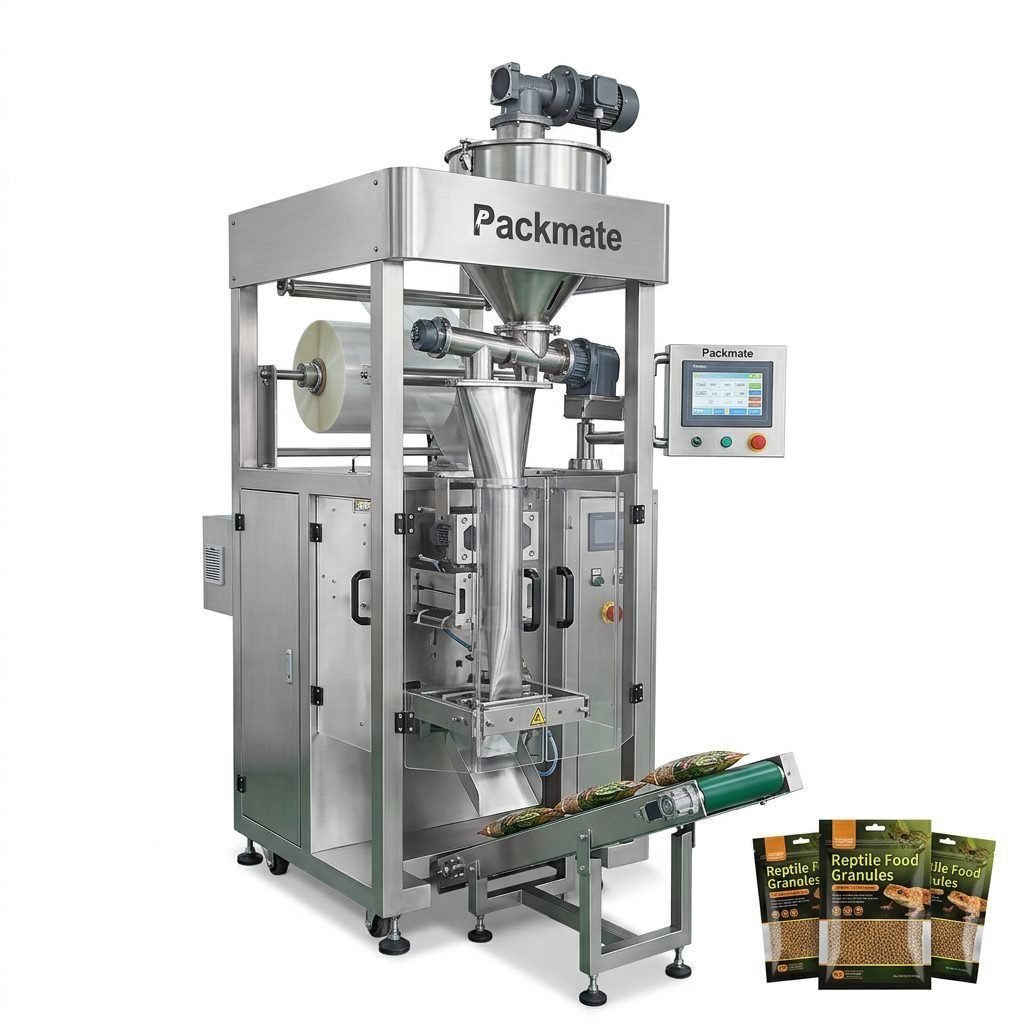
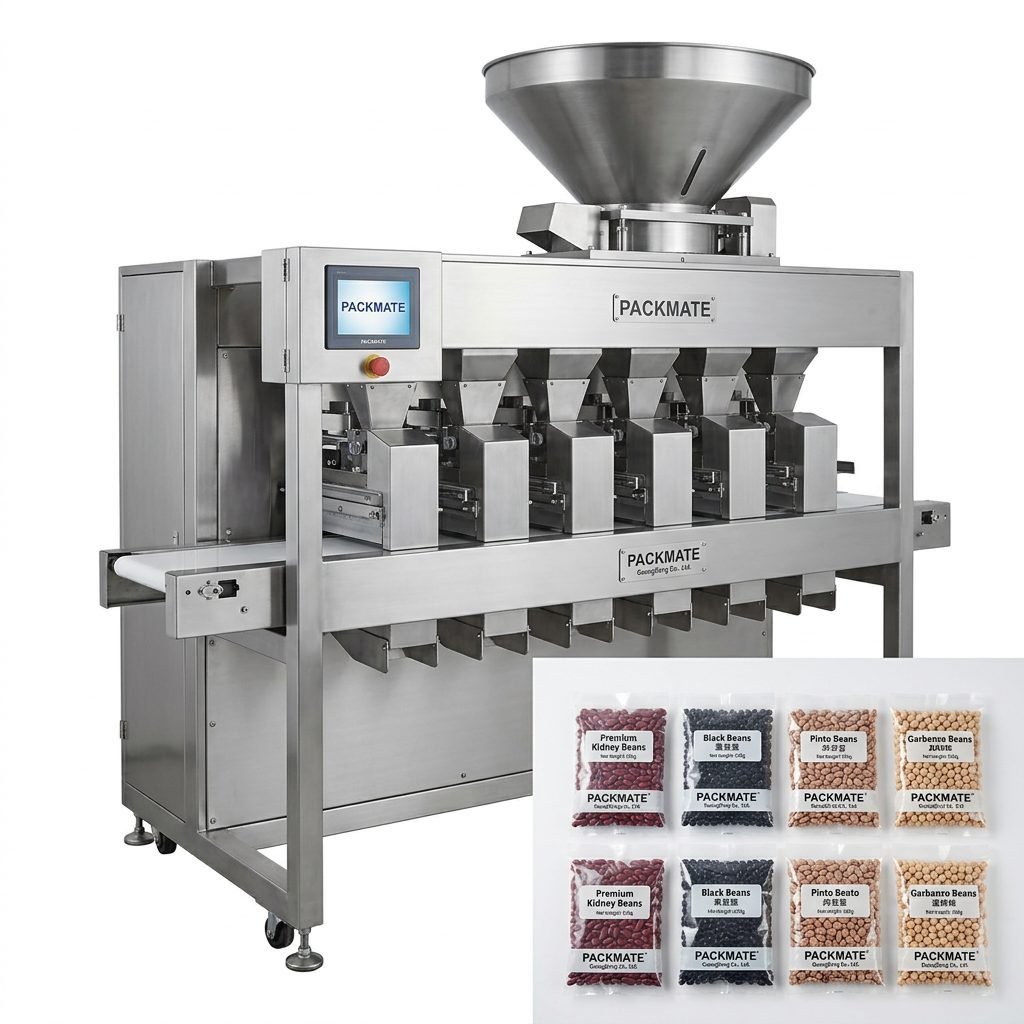
Vertical Form-Fill-Seal (VFFS) Machines: These are highly versatile and common for pouches. Product is fed into a forming tube, and the film is shaped around it. Look for models with low-drop or no-drop filling systems specifically designed for fragile items.
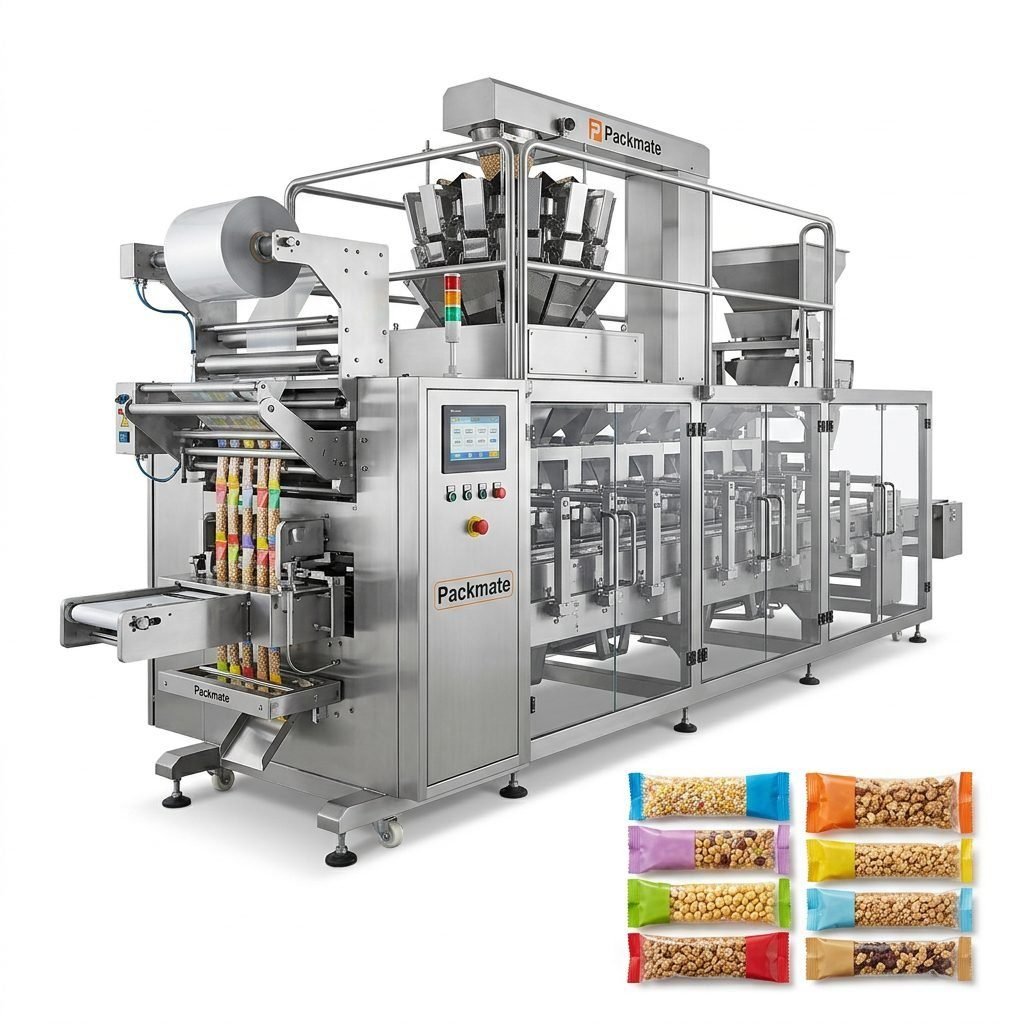
Horizontal Flow Wrappers: Ideal for individually wrapping single or multiple wafers in a pillow-style pack. They offer excellent speed and are perfect for bar-shaped wafers. The infeed system must be carefully calibrated to avoid crushing.
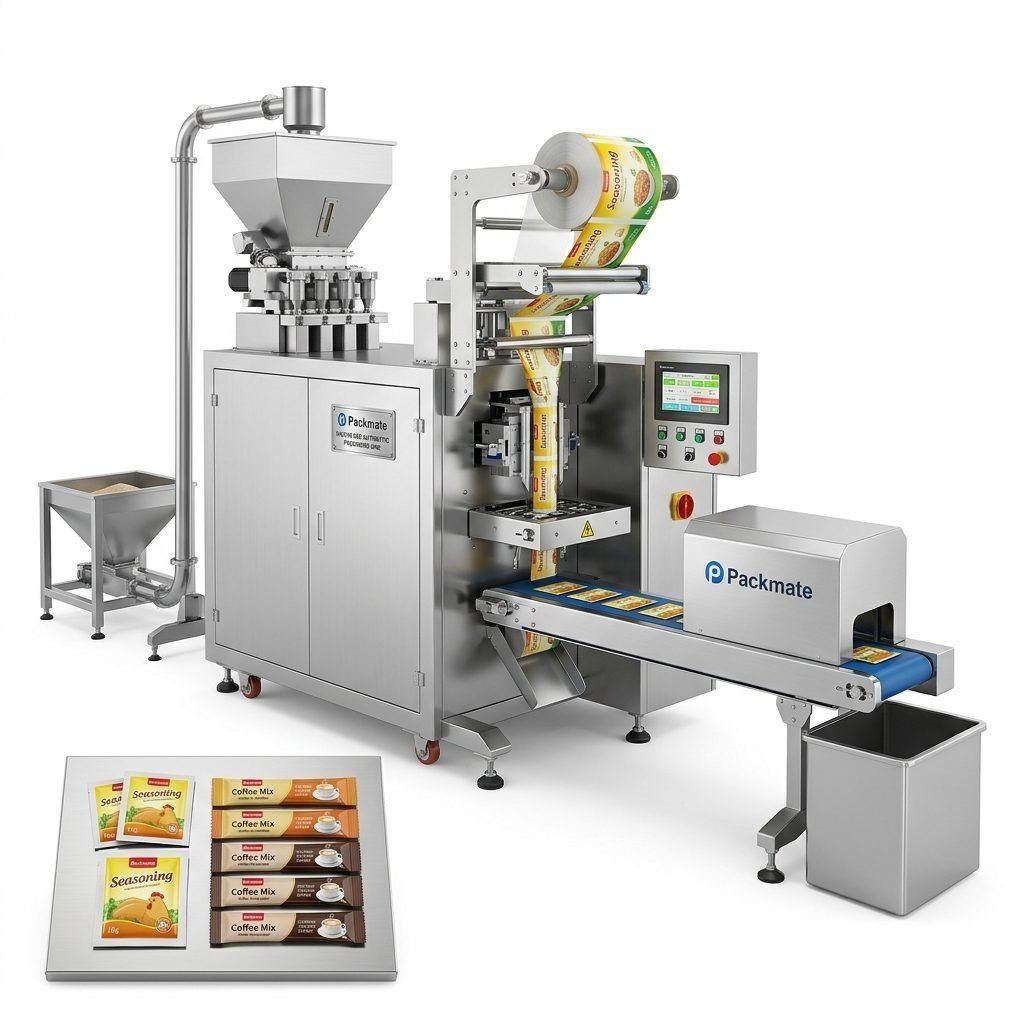
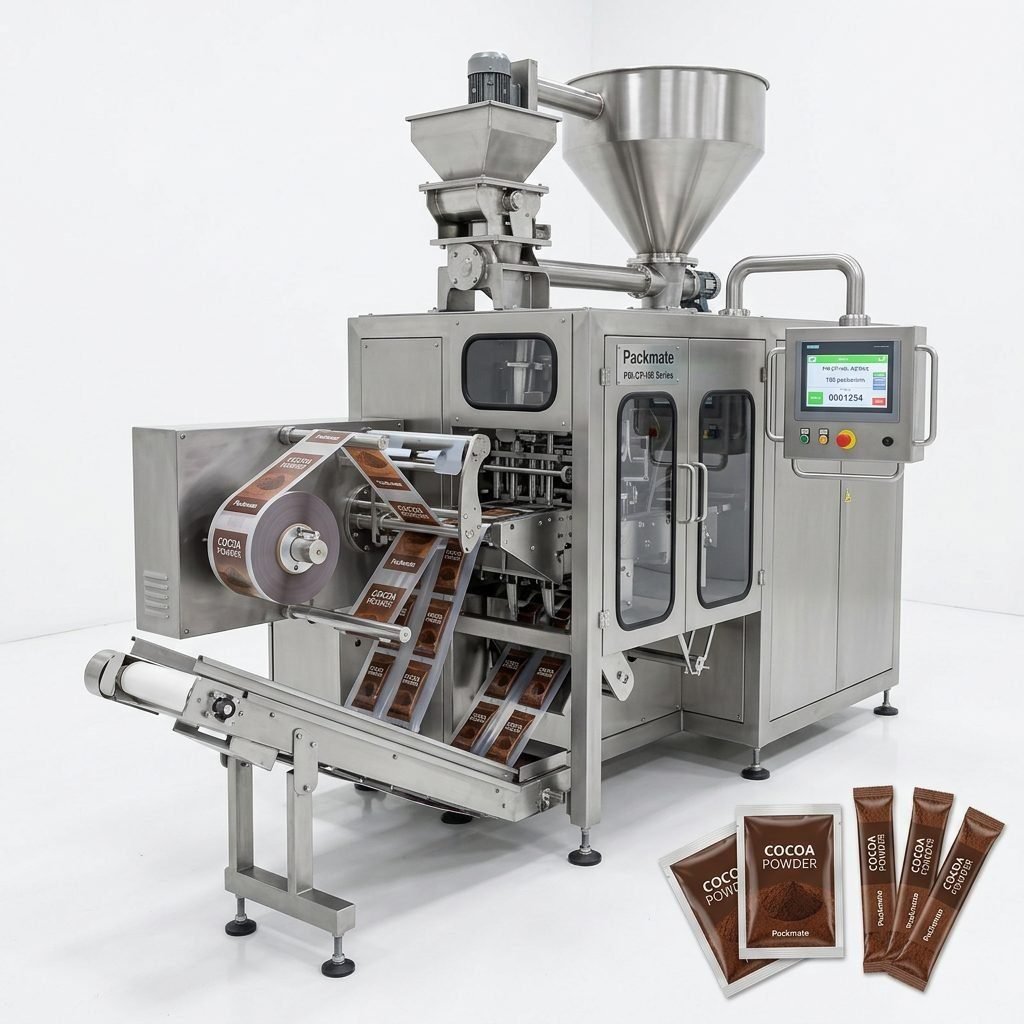
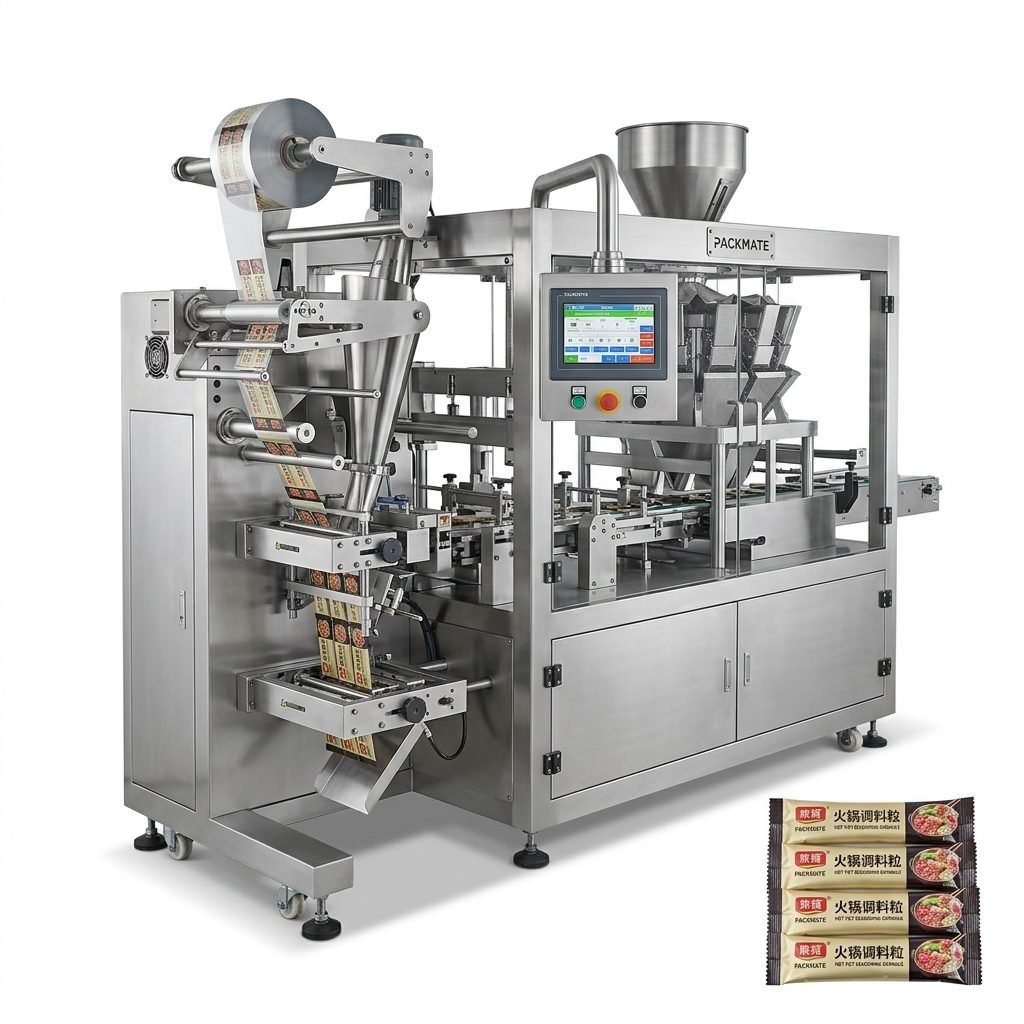
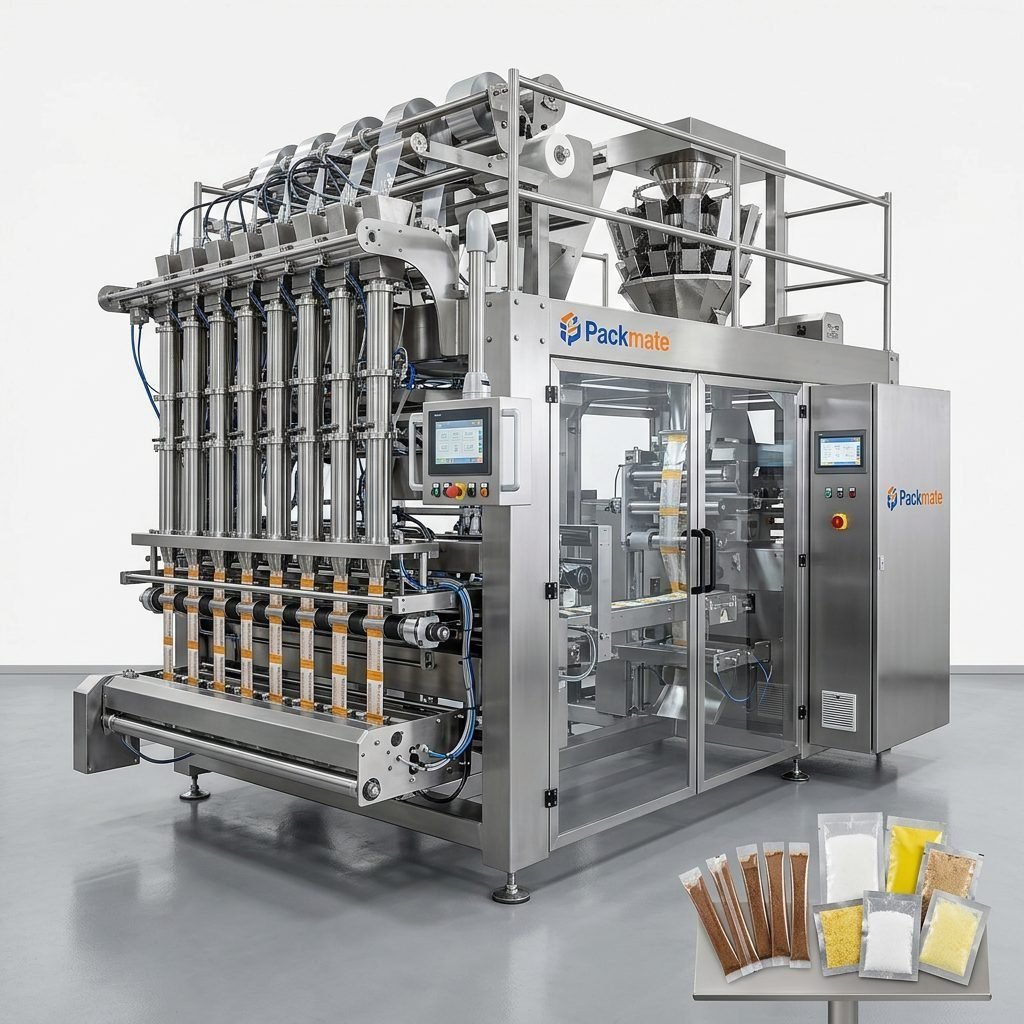
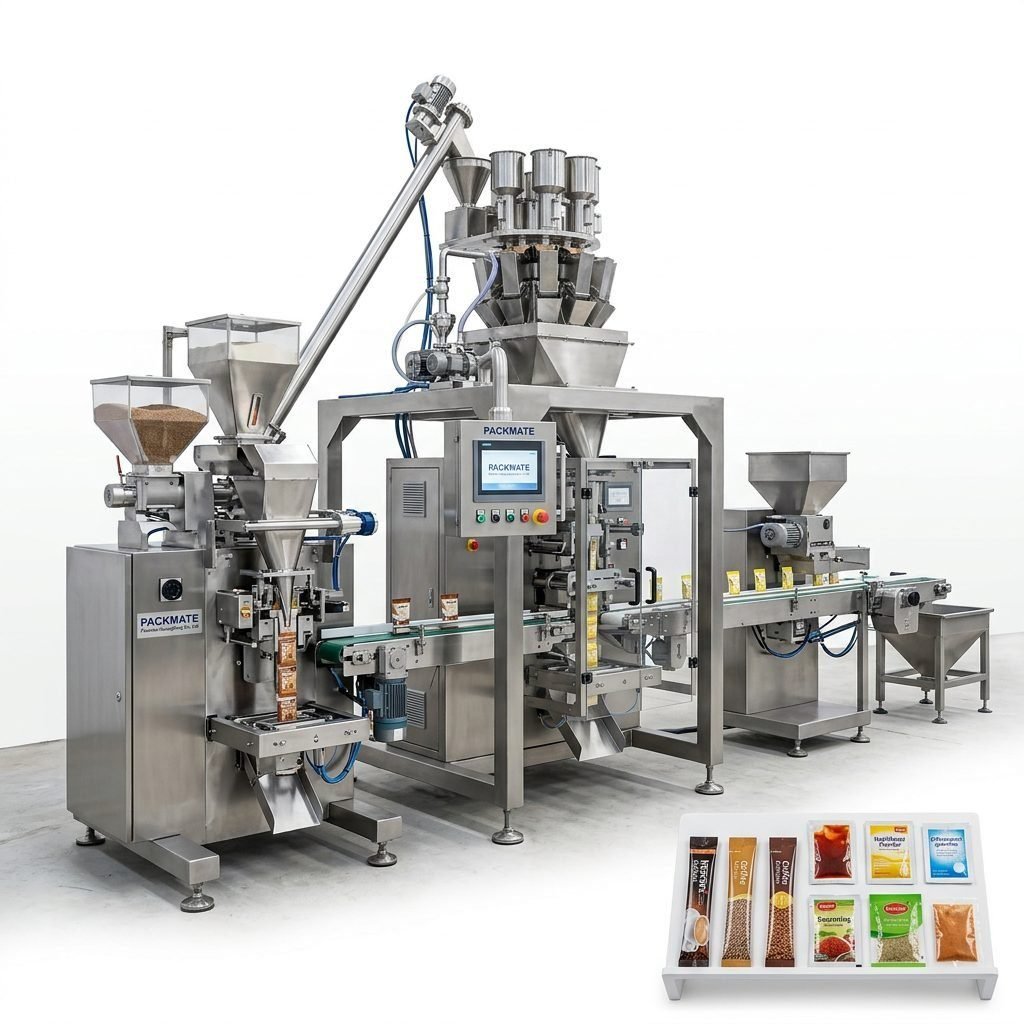
Stick Pack and Sachet Machines: For smaller, portion-controlled packs of wafer bits or crumbled product. These machines, like the advanced models offered by Packmate’s sachet & stick pack line, can handle powders and granules, which might be relevant for wafer-based dessert mixes.
Essential Features for Wafer Packaging
1. Gentle Handling Systems
This is non-negotiable. Seek machines with belt conveyors, soft paddles, or vacuum pick-and-place systems that cradle the wafer instead of pushing or dropping it.
2. Precision Weighing and Filling
Consistent fill weight is crucial for cost control and compliance. Multi-head weighers or volumetric cup fillers should be adjustable and highly accurate, even with irregularly shaped pieces.
3. Advanced Sealing Technology
Strong, hermetic seals protect wafers from moisture and staleness. Look for robust heat sealing jaws with precise temperature control and even pressure distribution.
4. Integrated Vision Inspection
Automated systems can check for seal integrity, correct labeling, and even count pieces in each pack, ensuring 100% quality control at high speeds.
5. Easy Changeover and Flexibility
If you run multiple products or pack sizes, quick-change parts and recipe storage on the HMI (Human-Machine Interface) can drastically reduce downtime.
Evaluating Machine Suppliers
Choosing the right manufacturer is as important as choosing the right machine. A reliable partner provides not just equipment, but ongoing support and expertise.
Experience and Reputation: Prioritize suppliers with a proven track record in food packaging, specifically with delicate products. A company like Packmate Machinery, with over two decades of experience developing intelligent packaging solutions, brings invaluable industry knowledge to the table.
Technical Support and Service: Inquire about installation, training, warranty, and the availability of spare parts. Global suppliers should offer responsive local or regional service networks.
Customization Capability: Since your needs are unique, the supplier must demonstrate the engineering skill to tailor a standard machine to your specific wafer product and line layout. Review their portfolio of successful case studies.
Factory Audit and Testing: Whenever possible, visit the manufacturer’s facility. Witnessing their production quality control and conducting a live product test with your actual wafers is the best way to verify performance claims.
Total Cost of Ownership (TCO) Analysis
Look beyond the initial purchase price. The true cost includes:
- Energy Consumption: Efficient machines lower utility bills.
- Maintenance and Spare Parts: Assess the cost and longevity of wear parts.
- Operational Labor: Higher automation reduces the number of operators needed.
- Material Waste: Precision machines minimize film and product giveaway.
- Uptime and Reliability: A robust machine that avoids breakdowns saves immense cost in lost production.
Integration and Future-Proofing
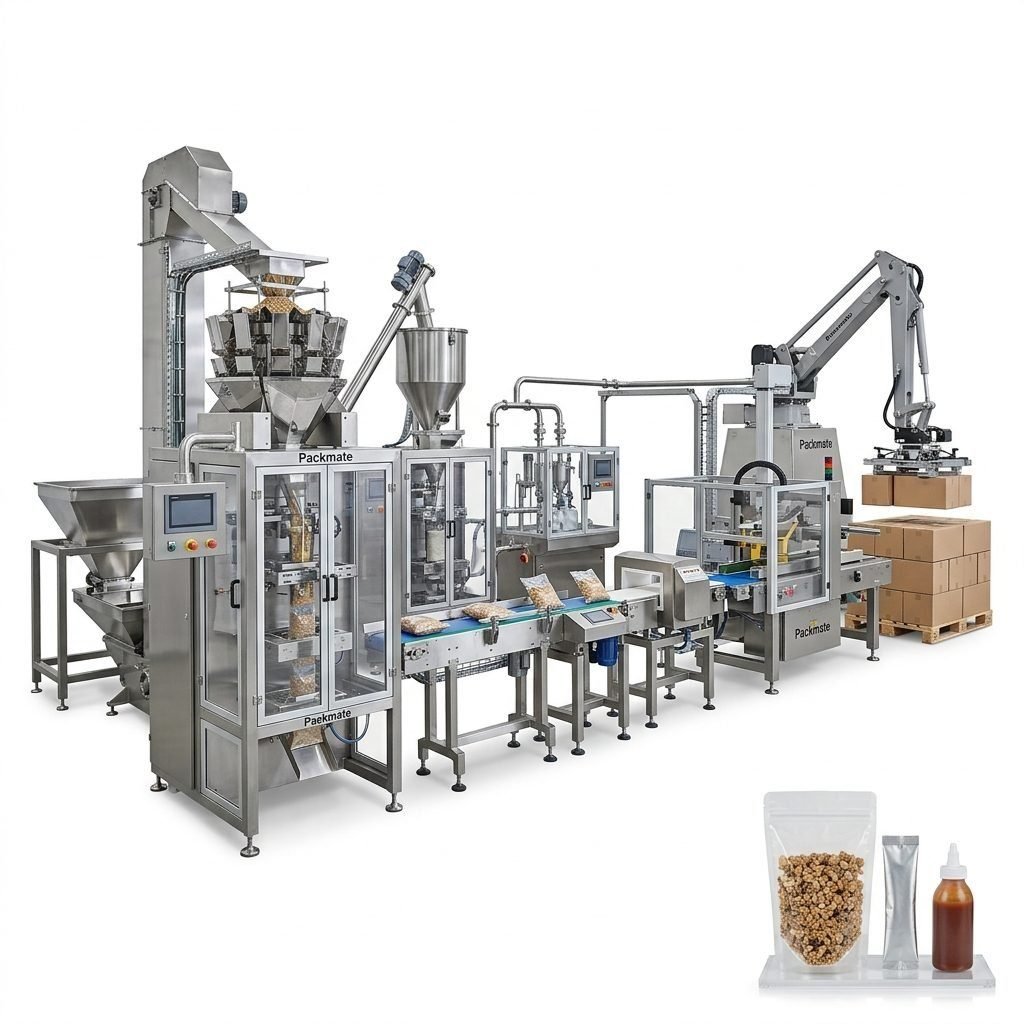
Your new machine shouldn’t be an island. Consider how it will integrate with upstream (mixers, ovens) and downstream (cartoning, case packing) equipment. Compatibility with Industry 4.0 principles—such as data collection for OEE (Overall Equipment Effectiveness), predictive maintenance alerts, and network connectivity—is a key future-proofing investment. Explore complete filling & packaging lines for a seamlessly integrated solution.
Final Steps Before Purchase
Request Detailed Quotations: Compare offers that break down all costs: machine price, optional features, shipping, installation, and training.
Check References: Speak to other clients, especially those in the bakery or snack sector, about their experience with the supplier and the machine’s performance.
Clarify Contract Terms: Ensure the warranty, payment schedule, delivery timeline, and performance guarantees (e.g., speed, accuracy) are clearly documented.
Frequently Asked Questions (FAQ)
What is the typical speed range for a custom wafer packaging machine?
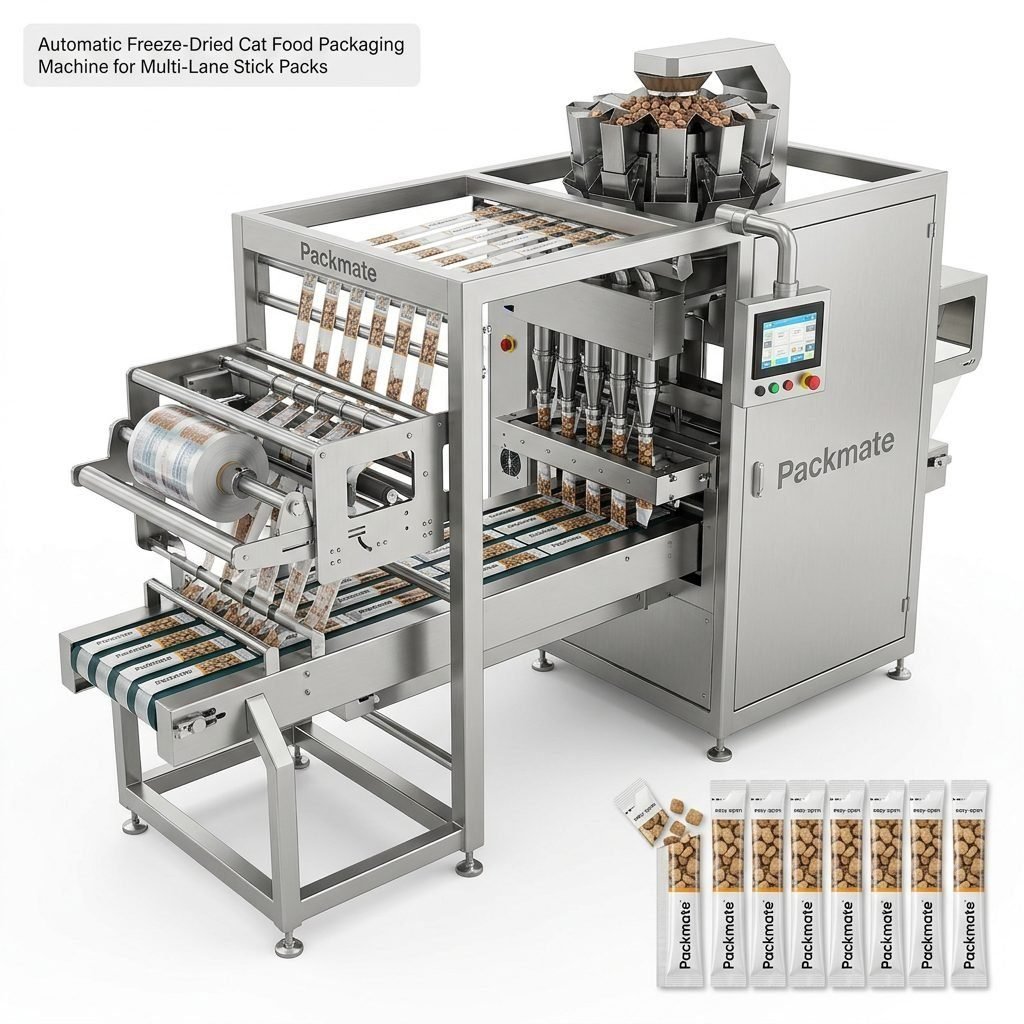
Speeds vary widely based on pack type and complexity. Standard horizontal flow wrappers for single bars can reach 200-400 packs per minute. More complex multi-lane stick pack machines for smaller pieces may operate between 80-150 sticks per minute per lane. The key is matching speed to your required output while maintaining gentle handling.
How can I minimize wafer breakage during packaging?
Minimizing breakage requires a machine designed for fragility. Critical features include: low-drop or horizontal product transfer systems, adjustable and cushioned infeed guides, and precise synchronization between all moving parts to avoid squeezing or impacting the product. Always conduct a product test before purchase.
Can one machine handle different wafer sizes and packaging formats?
Many machines offer format flexibility, but changeover time and complexity differ. Machines with quick-release mechanisms and digital recipe storage allow faster switches between similar pack sizes. Switching from a stick pack to a pouch format, however, often requires significant component changes and may not be practical on a single machine.
What kind of maintenance does these machines require?
Daily cleaning and lubrication of specific points are essential. Periodic maintenance includes checking and replacing wear parts like sealing jaws, cutters, and gaskets. Choosing a supplier with clear manuals, good training, and readily available service support is crucial for maintaining optimal performance and longevity.
How do I ensure the packaging film protects the wafer’s freshness?
Freshness depends on the barrier properties of the film (selected by you) and the quality of the seal (created by the machine). Work with your film supplier and machine manufacturer to test different laminates. The machine must provide consistent, strong, and hermetic seals to lock out moisture and oxygen, which are the main causes of wafer softening.