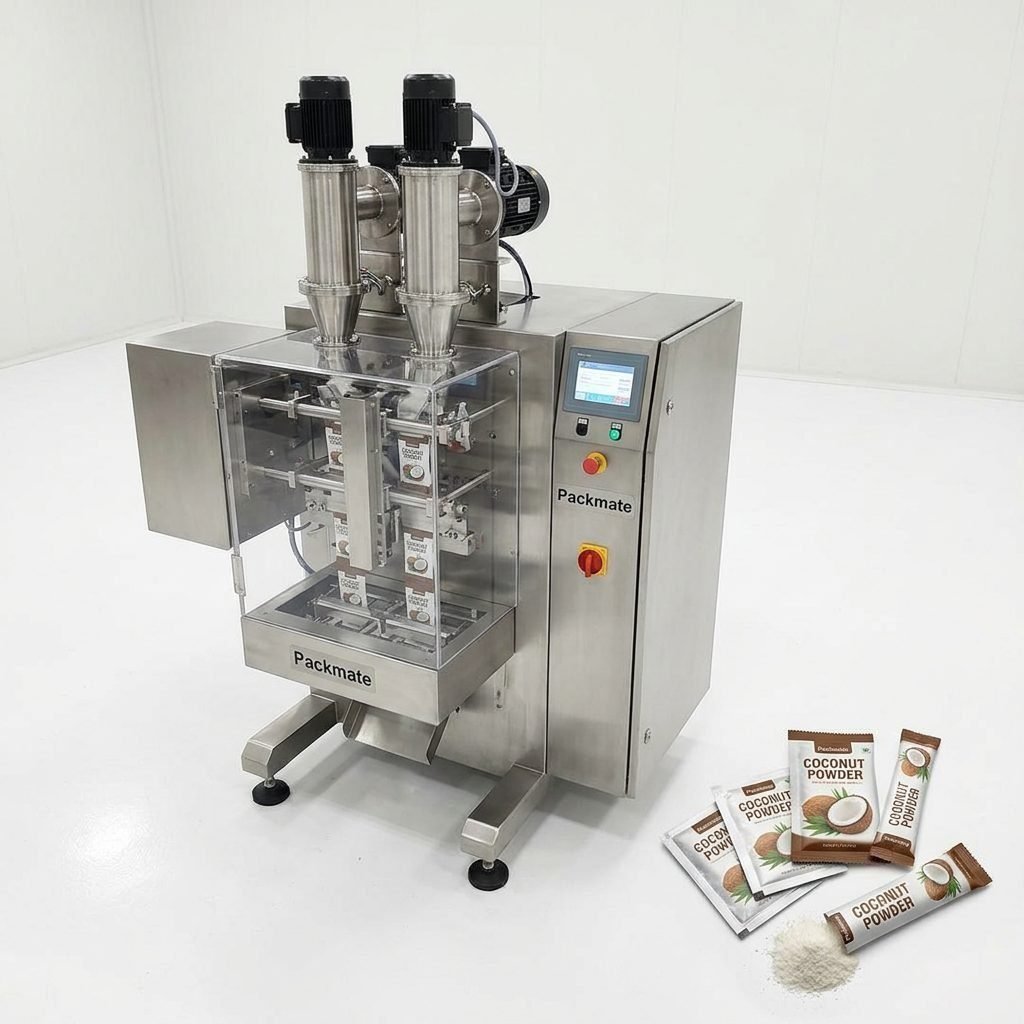
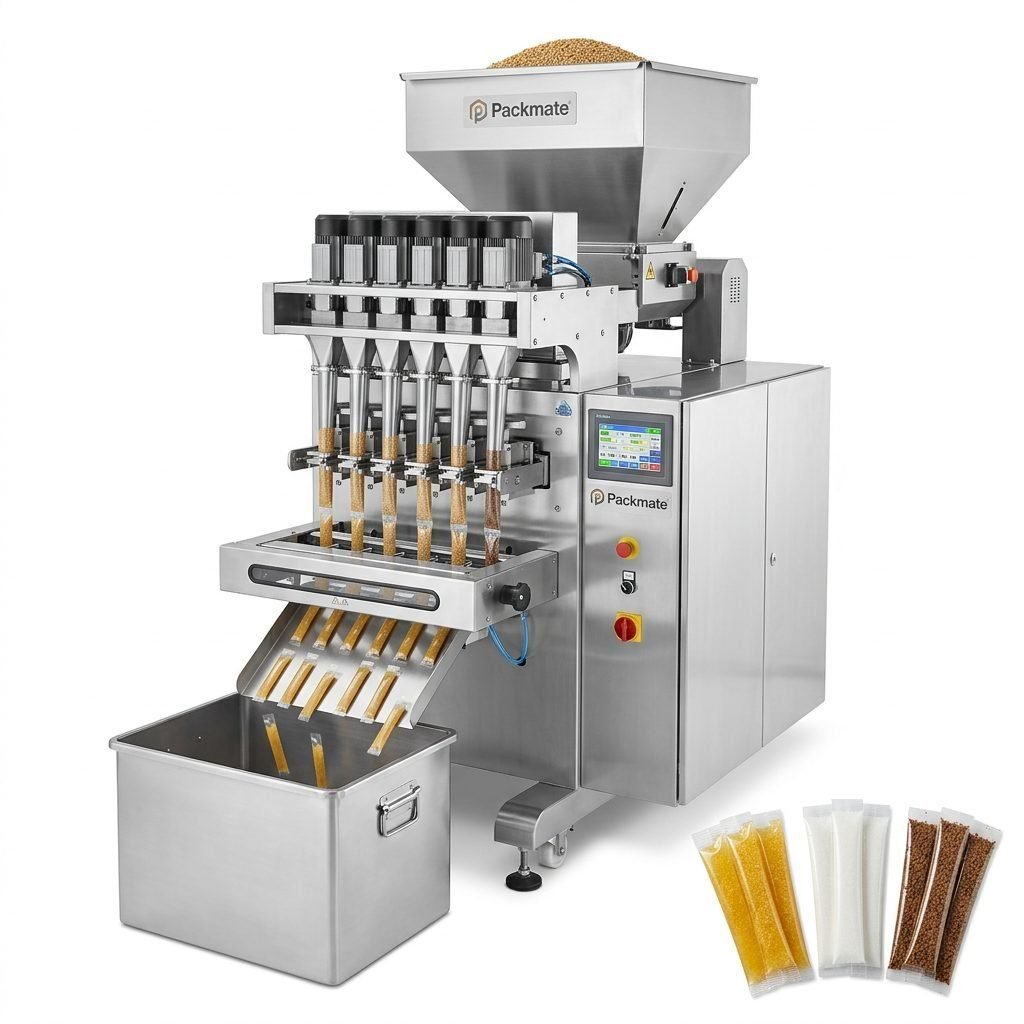
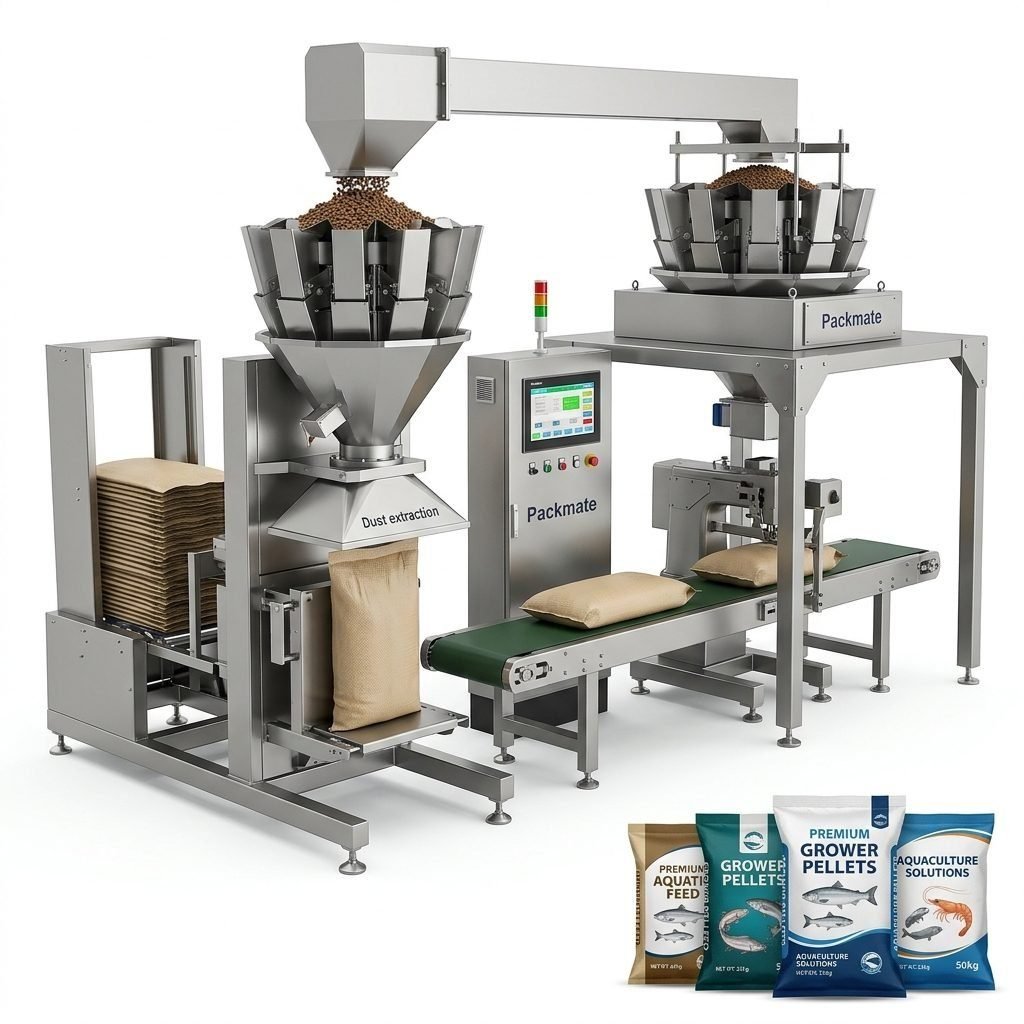
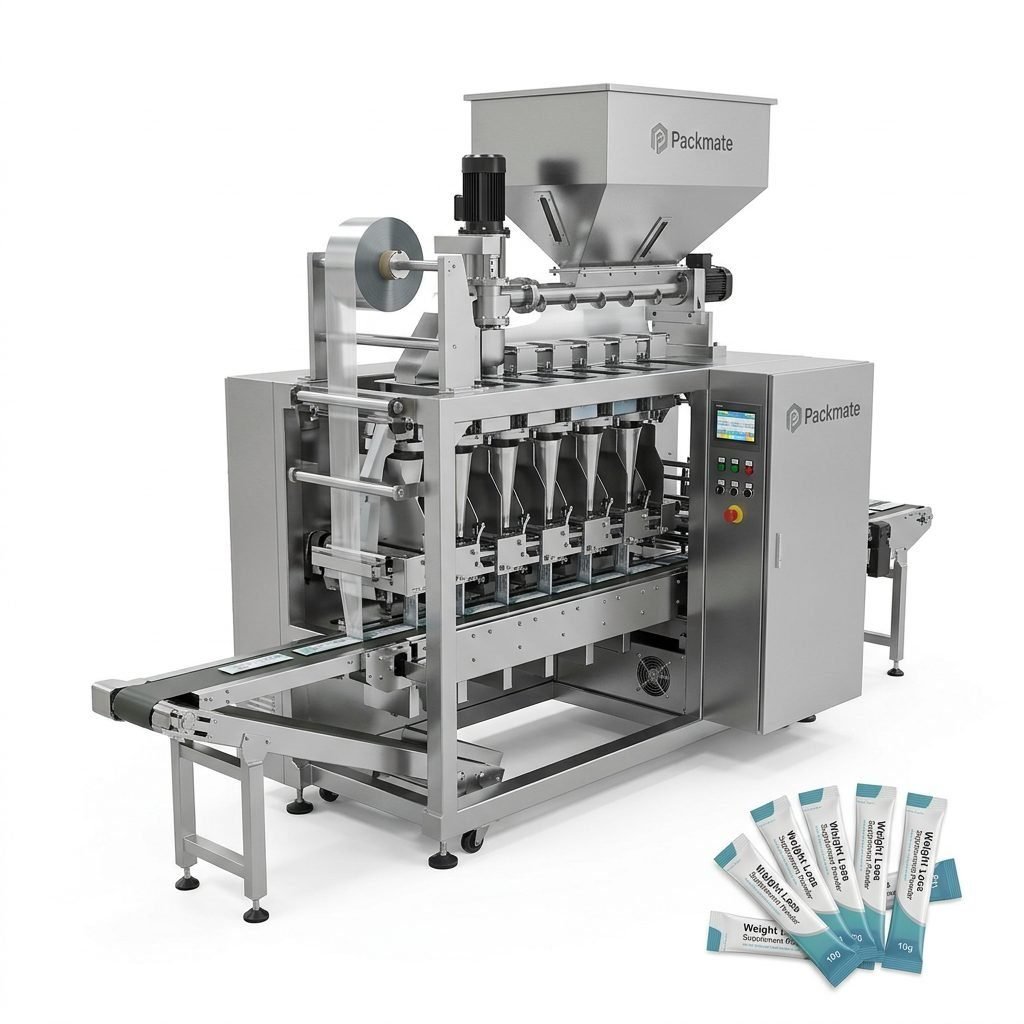
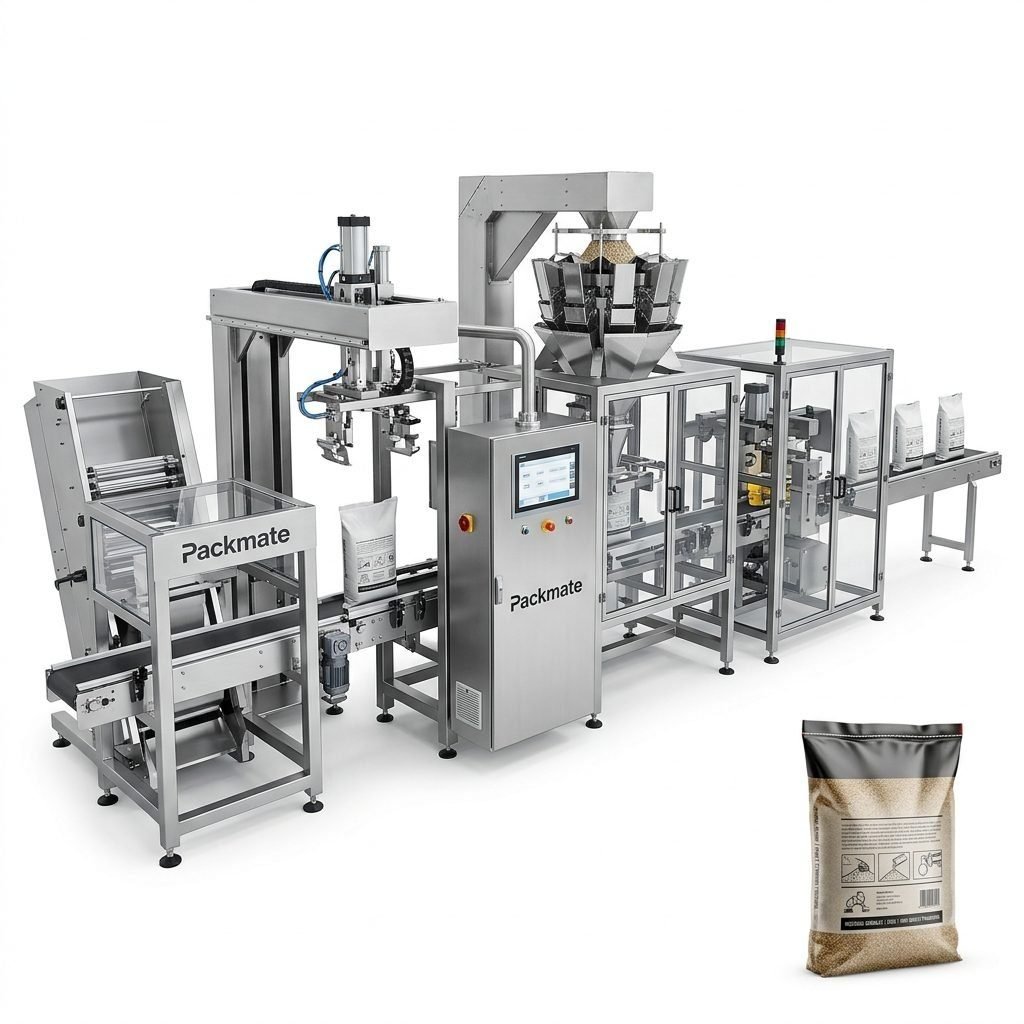
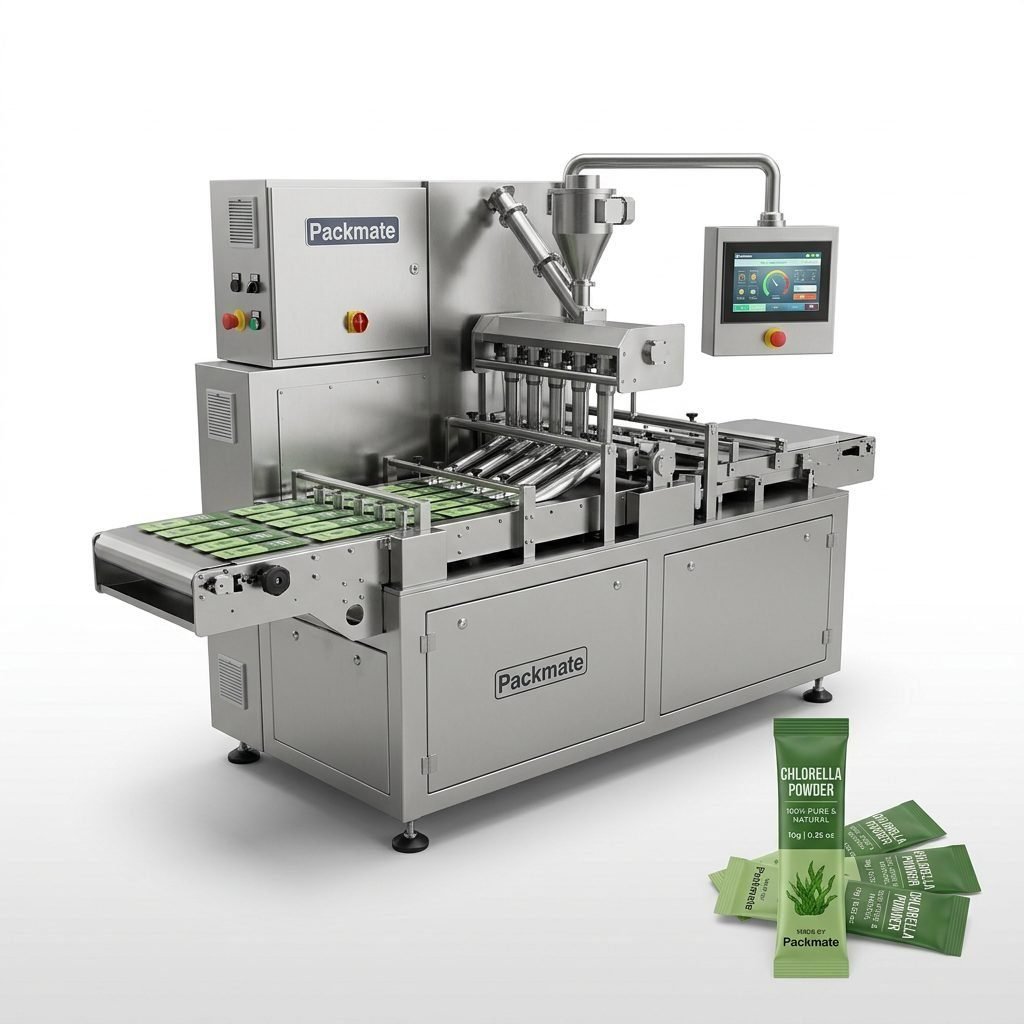
Designing a drawing packaging machine is a complex engineering task that requires balancing mechanical precision, material science, user ergonomics, and production efficiency. It’s not merely about creating a device that wraps a product; it’s about architecting a system that ensures product integrity, maximizes throughput, minimizes waste, and adapts to evolving market demands. For manufacturers like Packmate (GuangDong) Co., Ltd., with decades of experience, these principles are foundational to developing their range of sachet and stick pack machines and other intelligent packaging solutions.
Core Design Principles for Drawing Packaging Machines
The effectiveness of any packaging machine begins with its core design philosophy. Adhering to key principles ensures the machine is not only functional but also reliable, safe, and future-proof.
1. Precision and Accuracy in Film Handling
The heart of a drawing packaging machine is its ability to precisely handle packaging film. This involves controlled unwinding, precise longitudinal and transverse sealing, and accurate cutting. Any inconsistency can lead to product spillage, compromised seals, or film jams, causing costly downtime. Design must incorporate high-precision servo motors, robust tension control systems, and durable sealing jaws that maintain consistent temperature and pressure.
Key Focus: The sealing mechanism is critical. It must account for different film materials (laminate, polyethylene, etc.) and their varying melting points. Advanced designs feature adaptive temperature control and quick-change jaw assemblies to minimize changeover time between different packaging formats.
2. Operational Efficiency and Speed
Throughput is a primary metric for packaging lines. The design must optimize the machine cycle time without sacrificing accuracy. This involves streamlining the product infeed, film drawing, forming, filling, and discharging stages. Efficient mechanical motion design, minimized moving part inertia, and synchronized operations are essential. For high-speed applications like multi-lane stick pack production, the design must ensure perfect timing across all parallel lanes to prevent bottlenecks.
3. Flexibility and Quick Changeover
Modern production demands flexibility. A machine designed solely for one pouch size is obsolete. Best practice involves designing for modularity and tool-less changeover. Components like forming tubes, filling nozzles, and cutting units should be easily interchangeable to accommodate different product weights, pouch sizes (from small sachets to larger bags), and film types. This directly impacts a plant’s ability to respond to market trends and run smaller, customized batches economically.
4. Hygiene and Cleanability
Especially crucial for food, pharmaceutical, and health products, the machine design must adhere to strict hygiene standards. This means using food-grade stainless steel on contact surfaces, designing smooth, crevice-free exteriors to prevent material buildup, and ensuring easy access for cleaning and sanitation (CIP/SIP where possible). Rounded corners, sloped surfaces, and quick-release panels are not just features but necessities in compliant design.
5. Durability and Maintainability
A packaging machine is a long-term capital investment. Design for durability means selecting wear-resistant materials for high-friction components, protecting critical electronics from dust and moisture, and building a robust frame that resists vibration. Equally important is design for maintenance. Easy access to common service points, clear diagnostic systems, and standardized components reduce Mean Time To Repair (MTTR) and extend the machine’s operational life.
Best Practices in the Design Process
Translating these principles into a successful machine requires a structured and iterative design process informed by industry best practices.
A. Comprehensive Needs Analysis
Before any CAD model is started, a thorough analysis of the client’s needs is paramount. What is the product (powder, granule, liquid)? What are the required output speeds? What are the film material specifications? What level of automation is needed (stand-alone vs. integrated filling and packaging line)? This phase prevents costly redesigns later.
B. Modular and Scalable Architecture
Adopting a modular design approach allows for customization and future upgrades. A base machine platform can be configured with different modules: a high-accuracy weigh cell for spices, a liquid piston filler for sauces, or a nitrogen flushing system for coffee. This is how companies build a portfolio like Packmate’s over 50 machine models from core technological building blocks.
Simulation and Virtual Prototyping
Leveraging Finite Element Analysis (FEA) for stress points and Computational Fluid Dynamics (CFD) for powder or liquid flow paths within the filler is now a best practice. Digital twin technology allows engineers to simulate machine operation, identify potential interferences, and optimize kinematics before metal is cut, saving significant time and cost.
C. Integration of Smart Technology
The best modern designs are “smart.” This includes integrated PLCs with intuitive HMIs (Human-Machine Interfaces) for easy operation, connectivity for Industry 4.0 data collection (OEE, production counts, fault logs), and self-diagnostic capabilities. Sensors monitor temperature, pressure, tension, and presence, providing real-time feedback and enabling predictive maintenance alerts.
D. Rigorous Testing and Validation
A design is only proven under real conditions. Best practice involves building a prototype and running extended factory acceptance tests (FAT) with the actual product and film. This stage uncovers issues with film tracking, sealing quality at high speeds, or product degradation. It’s the final, crucial step before delivery, ensuring reliability as promised to the client.
E. User-Centered Design (UCD)
The machine operator and maintenance technician are key users. Controls should be logically arranged and accessible. Routine tasks like refilling film rolls or clearing a minor jam should be simple and fast. Good design reduces training time, minimizes operator error, and improves overall line productivity and safety.
Conclusion: The Synergy of Principle and Practice
Excellent drawing packaging machine design is not an accident; it is the result of meticulously applying fundamental engineering principles through a proven, thoughtful process. It balances the relentless pursuit of speed and efficiency with the non-negotiable demands of accuracy, hygiene, and robustness. For industry leaders, this design excellence is what transforms a machine from a simple tool into a strategic asset for their clients, enabling them to protect their products, delight their customers, and compete effectively in the market. The journey from a concept in a workshop, much like the origins of Packmate Machinery, to a reliable machine on a global production floor, is paved with adherence to these key principles and best practices.
Frequently Asked Questions (FAQs)
1. What is the most critical factor in ensuring a strong seal on my pouches?
The precise control of temperature, pressure, and dwell time on the sealing jaws is paramount. The design must ensure even heat distribution across the entire jaw surface and consistent pressure application, tailored to the specific laminate structure of your packaging film.
2. How can I reduce material waste (film and product) during production runs?
Optimized machine design minimizes waste through high-precision servo-driven film indexing (reducing trim waste), accurate filling systems (minimizing give-away), and reliable detection systems that reject poorly formed or underfilled pouches before they waste secondary packaging. Quick and smooth changeovers also reduce waste during product switches.
3. What design features are most important for easy cleaning and maintenance?
Look for designs with smooth, stainless steel surfaces, quick-release panels and guards, tool-less access to product contact zones, and CIP (Clean-in-Place) capabilities on liquid filling lines. A logical layout that provides clear access to common maintenance points is a sign of good design.
4. How does modular machine design benefit me as a manufacturer?
Modular design offers future-proofing and flexibility. You can start with a core machine and later add modules (e.g., a checkweigher, date coder, or vision inspection system) as needs grow. It also simplifies servicing, as individual modules can be worked on or replaced without disrupting the entire machine.
5. What should I consider when choosing a machine for high-speed, multi-lane production?
Beyond sheer speed, focus on design elements that ensure synchronization and stability. A rigid machine frame to dampen vibration, individual lane control systems to manage minor variations, and robust product handling systems that can keep pace with the packaging mechanism are critical. The goal is consistent quality at every lane, not just high average output.