Choosing the right dry food packaging machine is a critical decision for any food manufacturer, processor, or startup. The right equipment can dramatically increase production efficiency, ensure product freshness and safety, and enhance your brand’s presentation. This comprehensive guide will walk you through the different types of dry food packaging machines, their primary uses, and essential buying tips to help you make an informed investment.
Understanding the Core Types of Dry Food Packaging Machines
The world of dry food packaging is diverse, with machines designed for specific formats, speeds, and product characteristics. Understanding these types is the first step toward selecting the perfect machine for your operation.
Vertical Form Fill Seal (VFFS) Machines
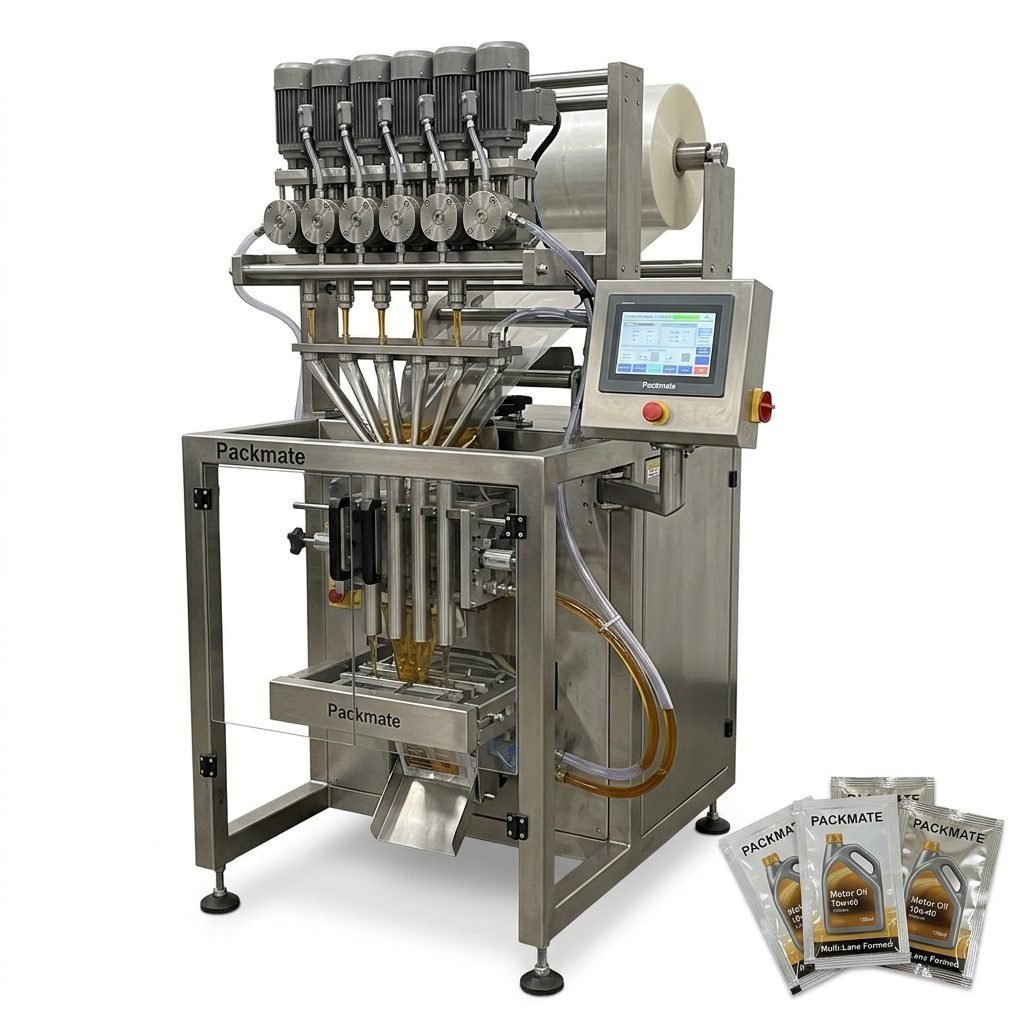
These are among the most common and versatile machines in the industry. A VFFS machine forms a bag from a roll of flat packaging film, fills it with the measured product, and then seals it. They are ideal for a wide range of dry foods like snacks, coffee, powdered drinks, grains, and pasta. Their flexibility in bag size and the ability to incorporate features like gas flushing for extended shelf life make them a popular choice. For a detailed look at our range, explore our bag & pouch packaging machines.
Horizontal Form Fill Seal (HFFS) Machines
HFFS machines are typically used for more rigid or structured packaging, such as boxes, trays, or cartons. The machine forms the package horizontally, fills it, and then applies a lid or seal. This type is excellent for products that require a more premium presentation or added protection, like biscuits, cereal bars, or delicate baked goods that could be crushed in a pillow bag.
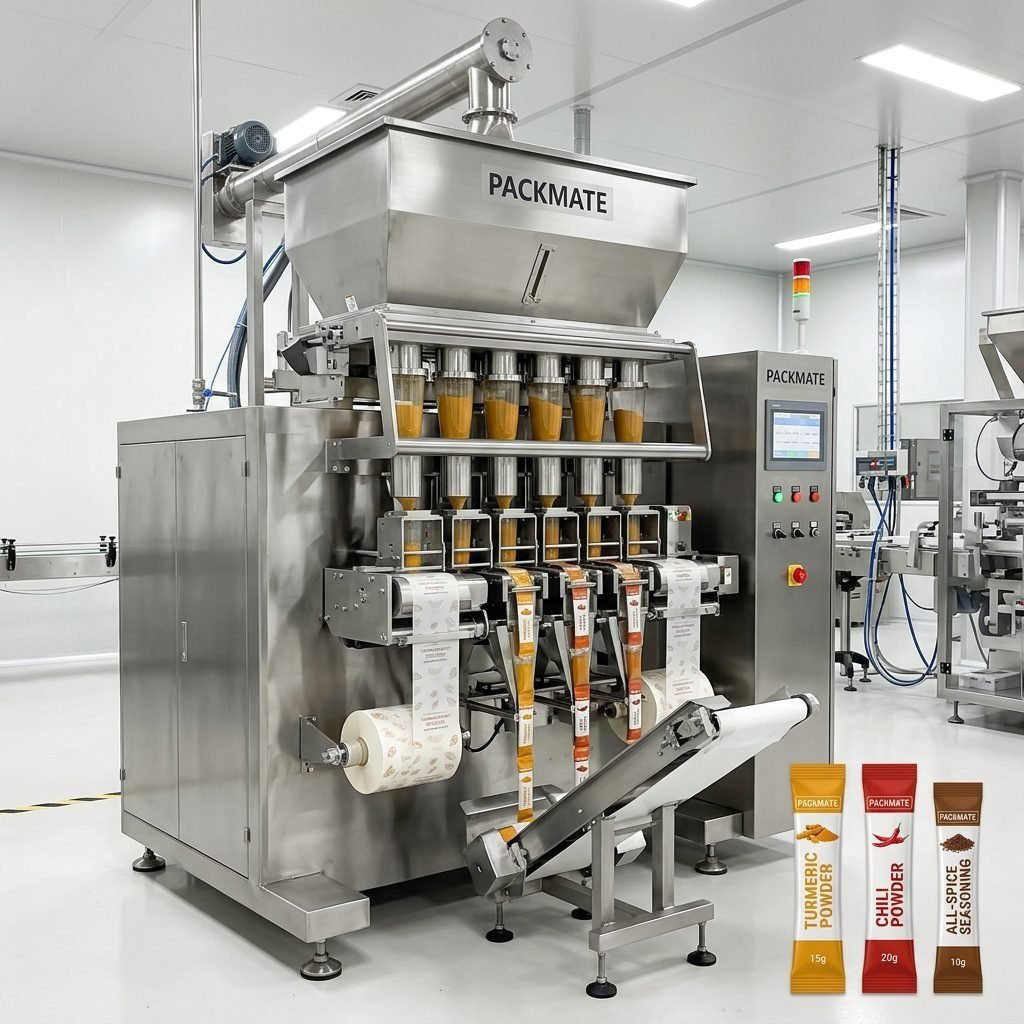
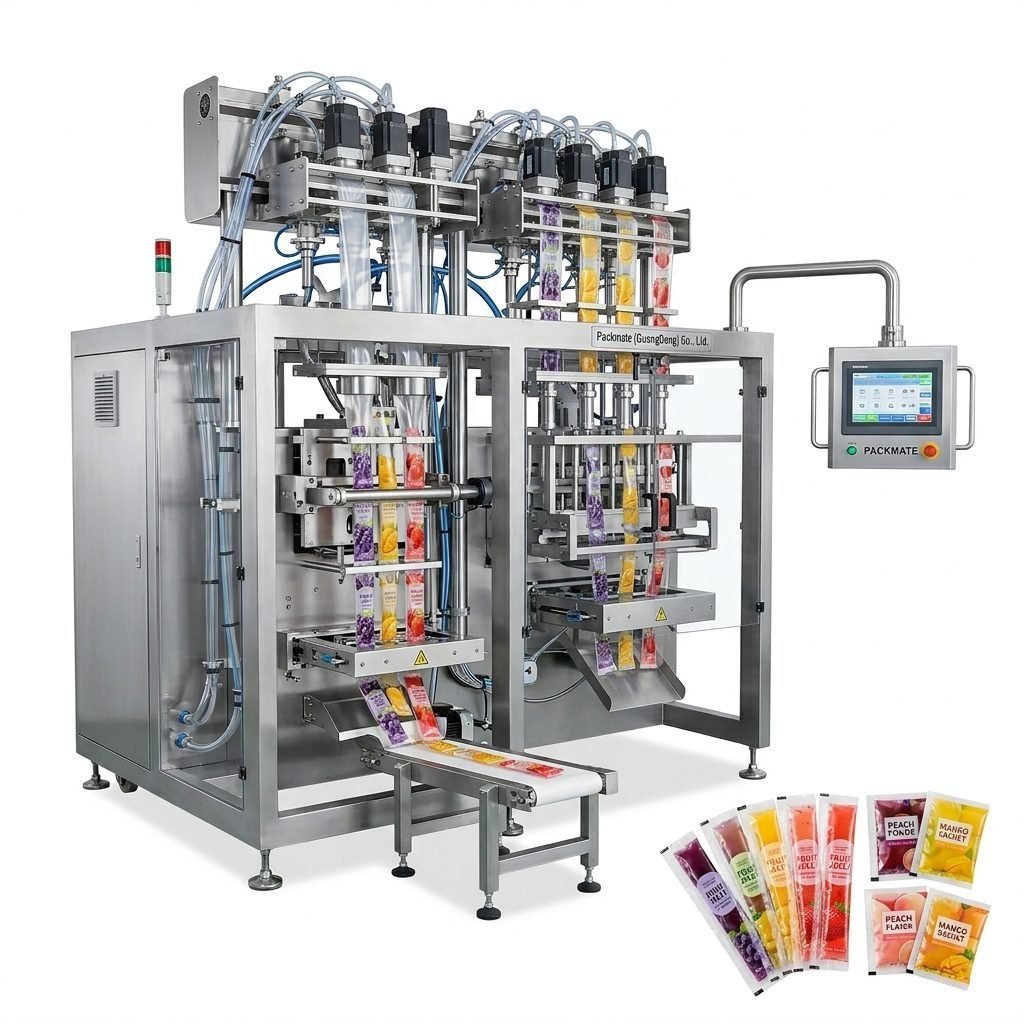
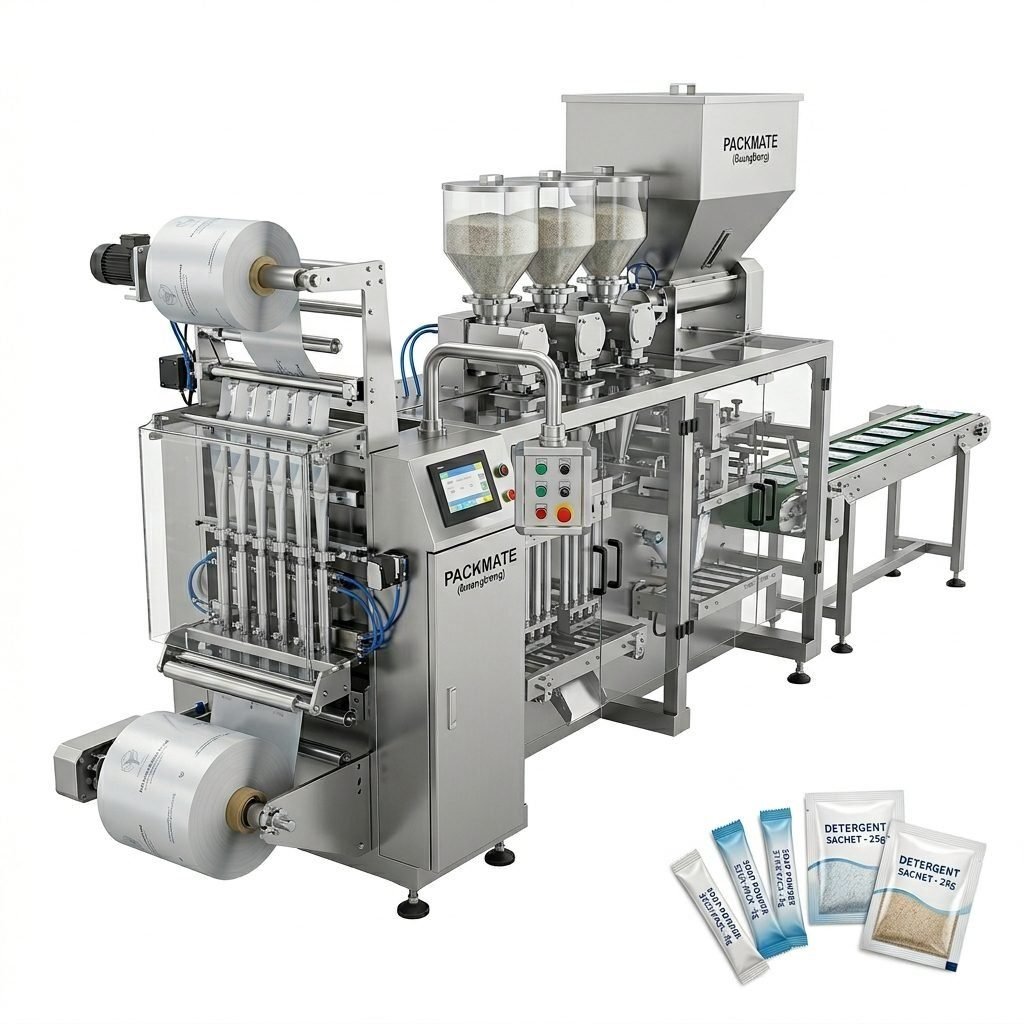
Sachet and Stick Pack Machines
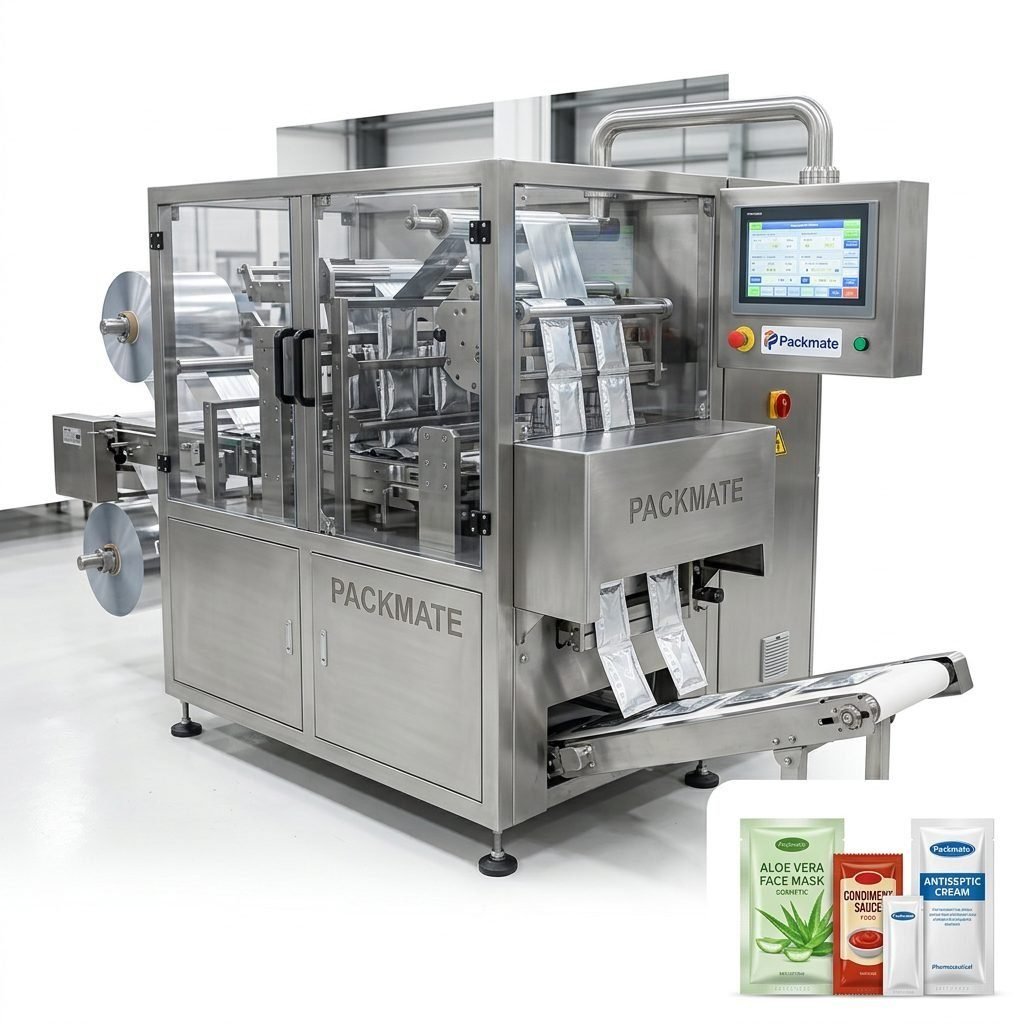
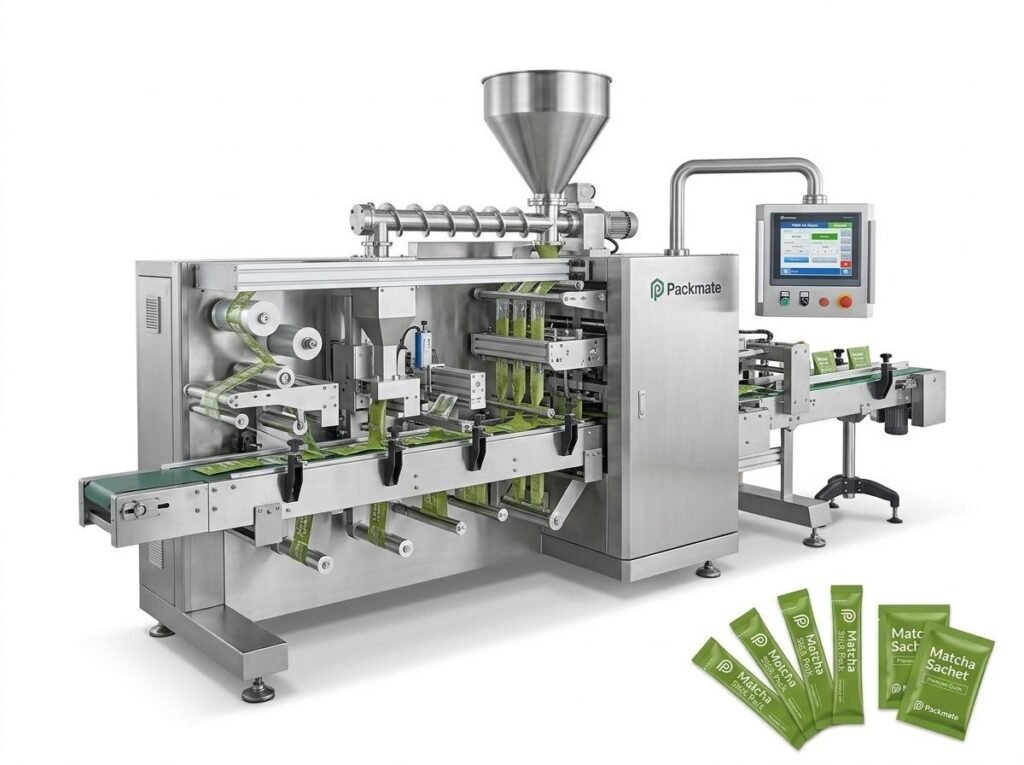
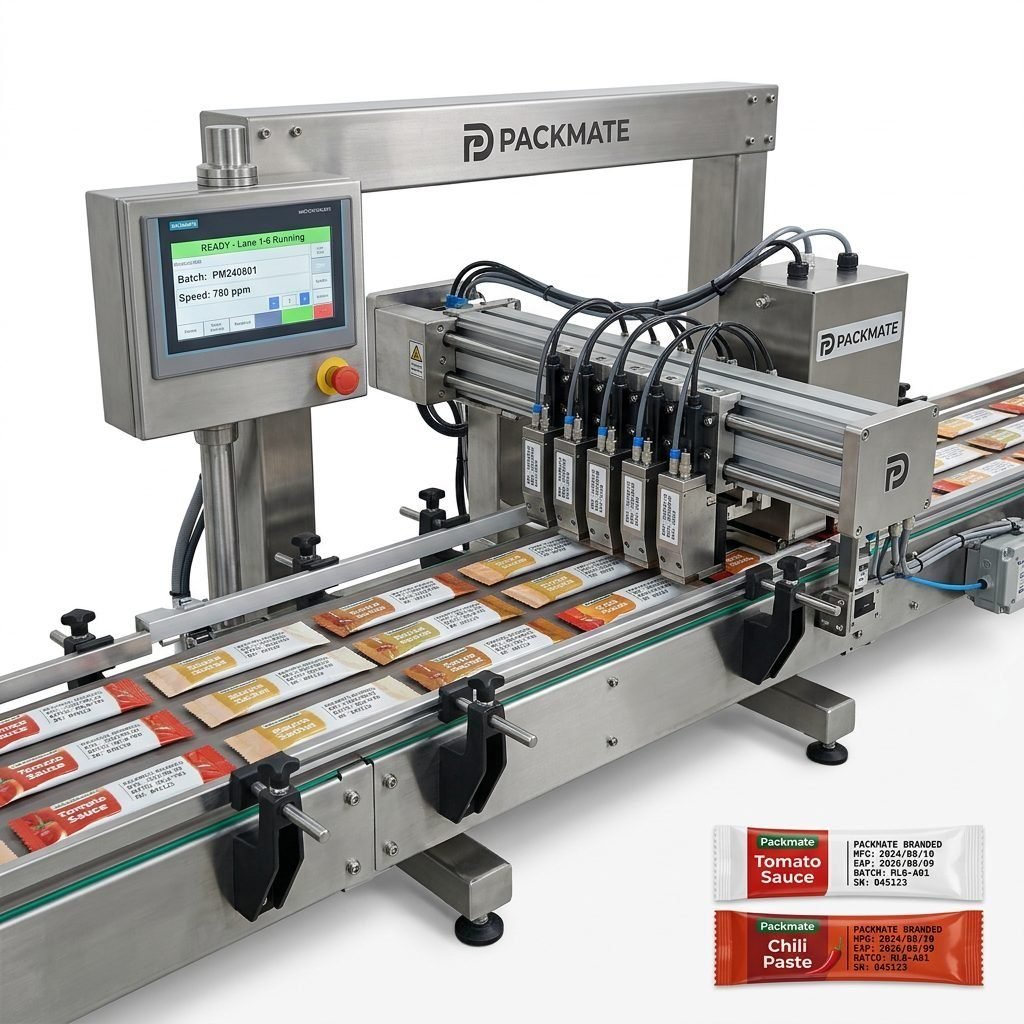
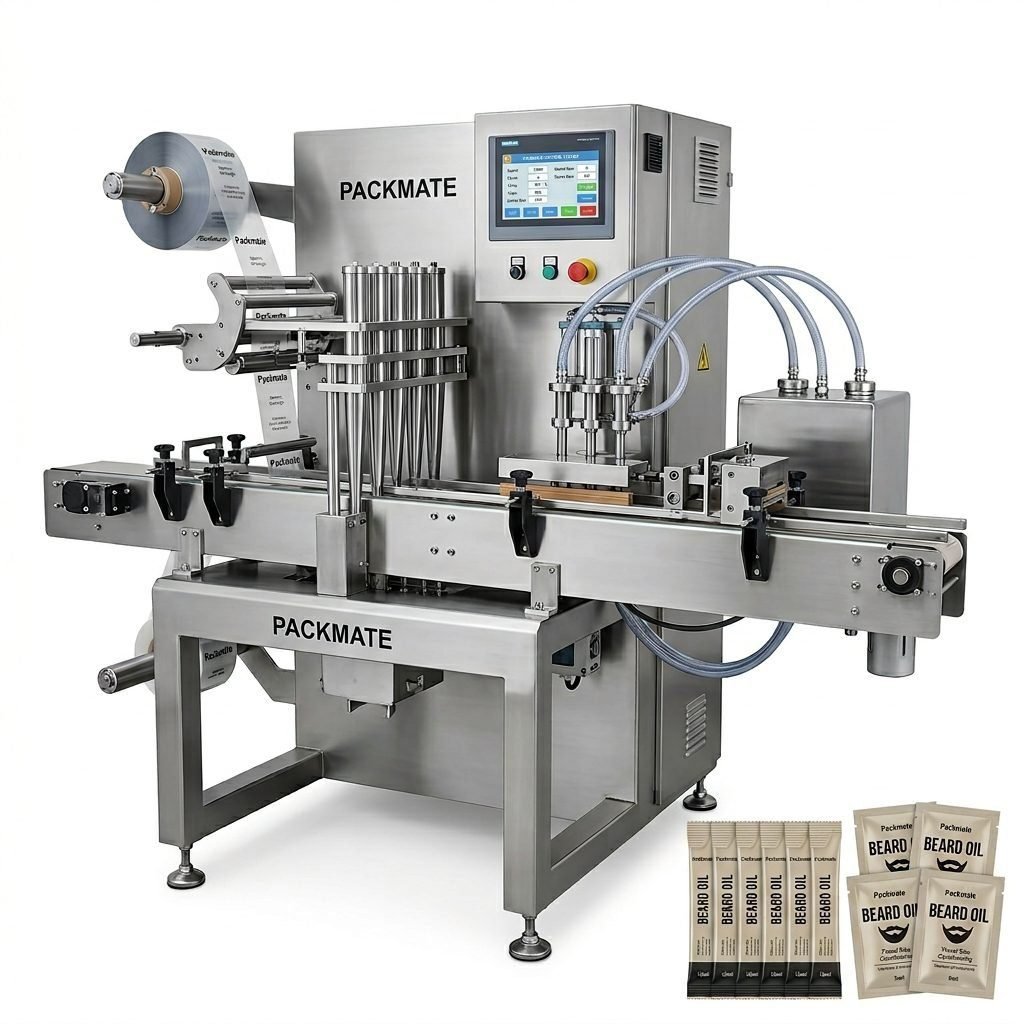
Designed for single-serve or small-quantity packaging, these machines produce small, flat pouches perfect for sauces, spices, sugar, instant coffee, or supplements. They offer high-speed production with multiple lanes, making them cost-effective for high-volume items. The compact and portable nature of sachets and stick packs is highly valued in markets like food service and retail. Discover our specialized solutions in sachet & stick pack machines.
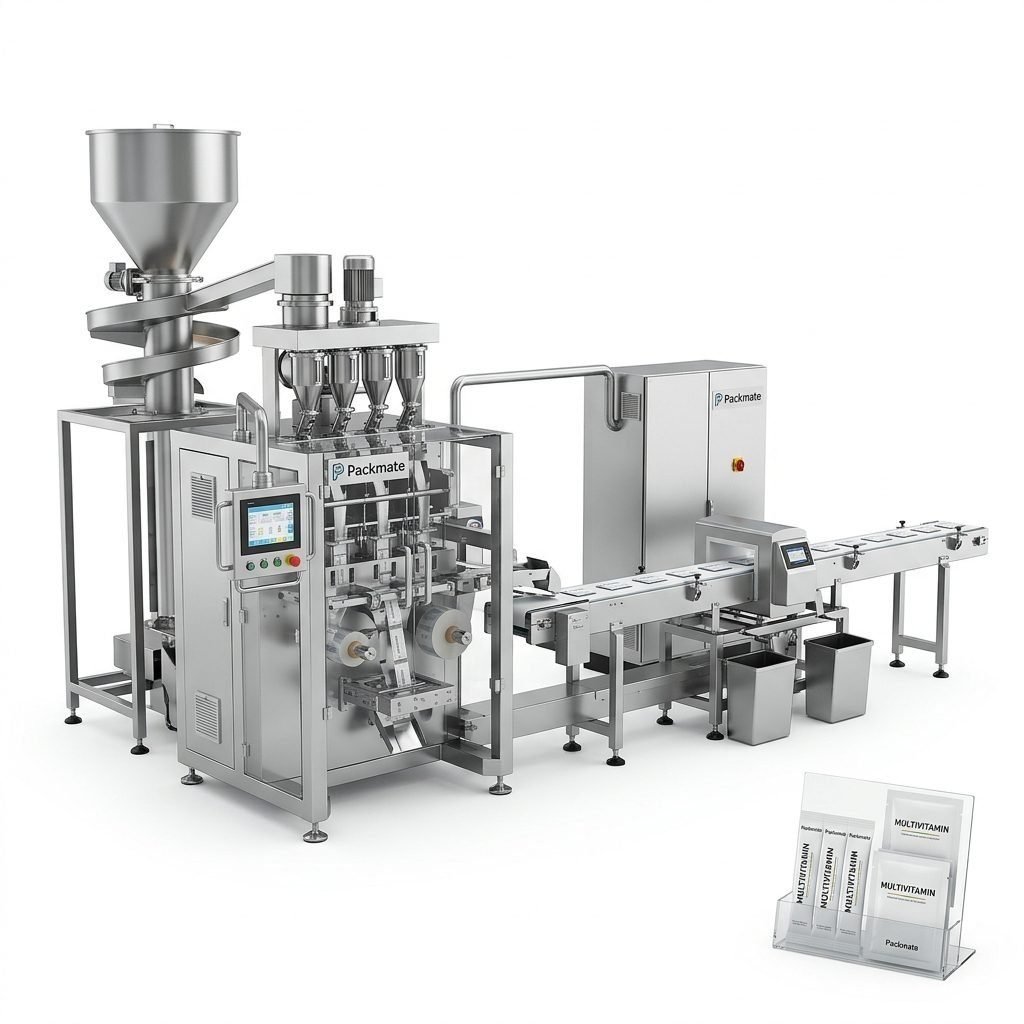
Weighing and Dosing Systems
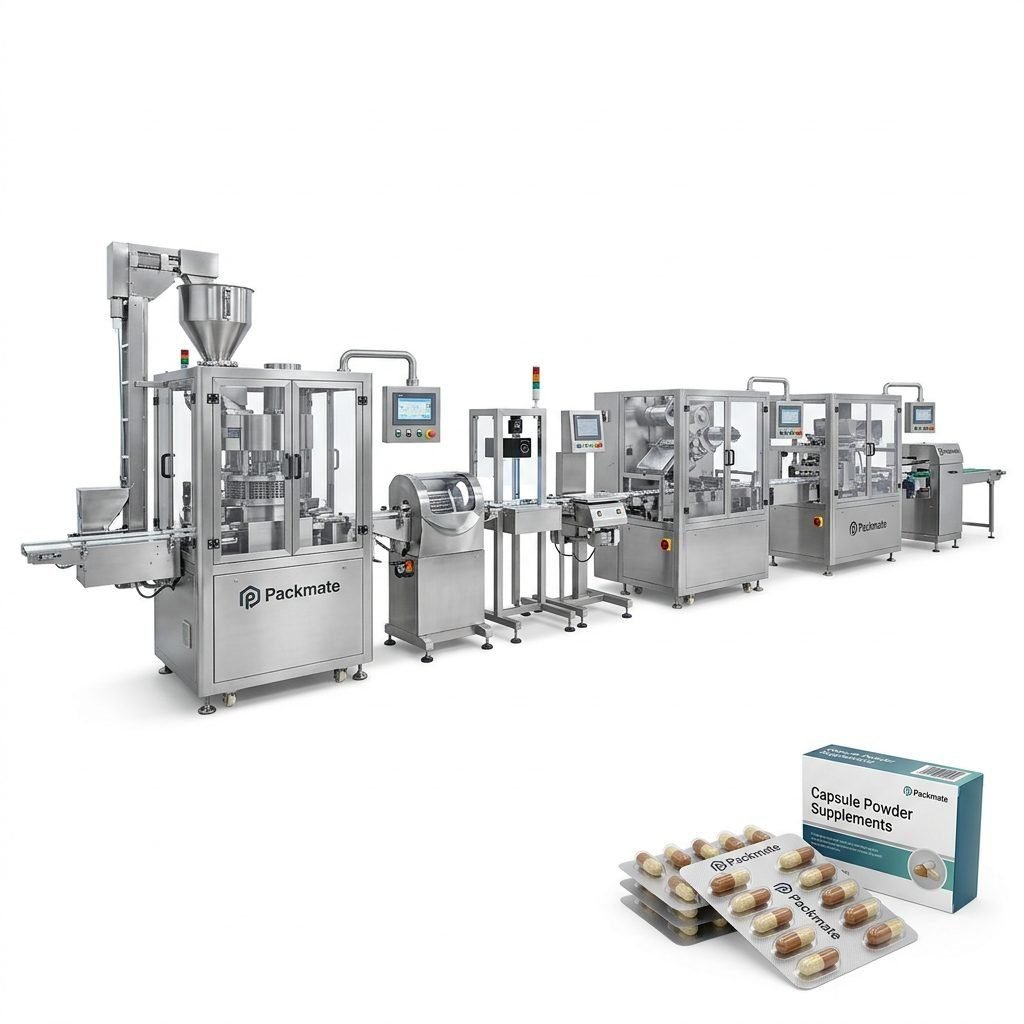
Accuracy is paramount in food packaging. Standalone multi-head weighers or volumetric cup fillers ensure each package contains the exact weight declared on the label. These systems are often integrated with VFFS or HFFS machines to create a complete, automated filling & packaging line. They are essential for compliance with trade regulations and maintaining customer trust.
Key Applications and Uses in the Food Industry
Dry food packaging machines are not one-size-fits-all; their application is closely tied to the product type and market needs.
Snacks and Confectionery
From potato chips and nuts to candy and chocolate, maintaining crispness and preventing staleness is key. Machines often incorporate nitrogen gas flushing to displace oxygen, significantly extending shelf life and preserving texture.
Powders and Granules
Products like flour, sugar, spices, protein powder, and instant soup mixes require machines that handle fine particles without creating dust or clogging. Specialized auger fillers and dust extraction systems are crucial here to ensure clean, accurate, and efficient packaging.
Grains, Pasta, and Legumes
These bulkier, free-flowing products are well-suited for VFFS machines with volumetric or net weighing systems. The focus is on high-speed filling and durable seals to handle the weight of the product during transport.
Coffee and Tea
Packaging for these products often requires a combination of barriers: against oxygen to prevent staleness, against moisture to prevent clumping, and sometimes against light to preserve flavor compounds. Machines capable of producing valve bags (for freshly roasted coffee) or high-barrier laminate pouches are commonly used.
Essential Buying Tips for Your Investment
Investing in a packaging machine is a significant decision. Here are critical factors to consider to ensure you choose a machine that delivers long-term value and reliability.
1. Precisely Define Your Product and Output Needs
Start with the basics: What are you packaging? What is your required bags-per-minute speed? What package size(s) do you need? Consider not just your current needs but also potential future product lines. A machine from a manufacturer like Packmate Machinery, with over 50 models, often offers scalability and flexibility to grow with your business.
2. Evaluate Machine Construction and Durability
Look for robust construction with stainless steel contact parts, especially for food-grade applications. A sturdy frame minimizes vibration at high speeds, leading to more consistent seals and longer machine life. The reputation of the manufacturer, backed by years of experience like Packmate’s 30+ years in the industry, is a strong indicator of build quality.
3. Prioritize Ease of Use and Changeover
Time is money. Machines with tool-less changeover features, intuitive touchscreen HMIs (Human-Machine Interfaces), and recipe storage can drastically reduce downtime when switching between different products or bag sizes. This flexibility is crucial for manufacturers running short batches or multiple SKUs.
4. Understand the Total Cost of Ownership
The purchase price is just the beginning. Factor in the cost and availability of spare parts, the quality and responsiveness of after-sales service, energy consumption, and required maintenance. A slightly higher initial investment in a reliable machine with strong service support can save substantial costs in downtime and repairs over its lifetime.
5. Verify Compliance and Safety Standards
Ensure the machine complies with relevant safety standards (e.g., CE, UL) and is constructed with food-grade materials. If you plan to export, check if the machine meets the regulatory requirements of your target markets.
6. Demand a Test with Your Product
Never buy a machine sight-unseen with your product. A reputable supplier will offer a live demonstration or product test run. This is the only way to verify the machine’s performance, filling accuracy, seal integrity, and actual output speed with your specific material.
Frequently Asked Questions (FAQs)
What is the typical lifespan of a dry food packaging machine?
With proper maintenance and operation, a well-built machine from a quality manufacturer can last 15 to 20 years or more. Regular servicing, using genuine spare parts, and operating within specified parameters are key to maximizing longevity.
Can one machine handle different types of dry food?
Many machines, especially VFFS models, are highly versatile. However, significant changes in product characteristics (e.g., switching from fine powder to large granules) may require different filling systems (auger vs. cup) or film feeders. It’s essential to discuss your full product range with the supplier during the selection process.
How important is after-sales service and support?
It is critically important. Even the best machines require maintenance and occasional repairs. Choose a supplier known for reliable technical support, readily available spare parts, and comprehensive training. This ensures minimal disruption to your production line.
What packaging materials can these machines use?
Most modern machines are compatible with a wide range of laminates, including PET/PE, OPP/CPP, MET-PET/PE, and paper composites. The choice depends on your product’s barrier requirements (moisture, oxygen, light) and the desired shelf life. Your machine supplier can often advise on suitable materials.
Is automation worth the investment for a small business?
Yes, automation can be beneficial even for smaller operations. It increases output consistency, reduces labor costs per unit, minimizes product waste from inaccurate filling, and improves overall hygiene. Starting with a semi-automatic or a compact, affordable automatic model can provide a strong return on investment by boosting efficiency and capacity.