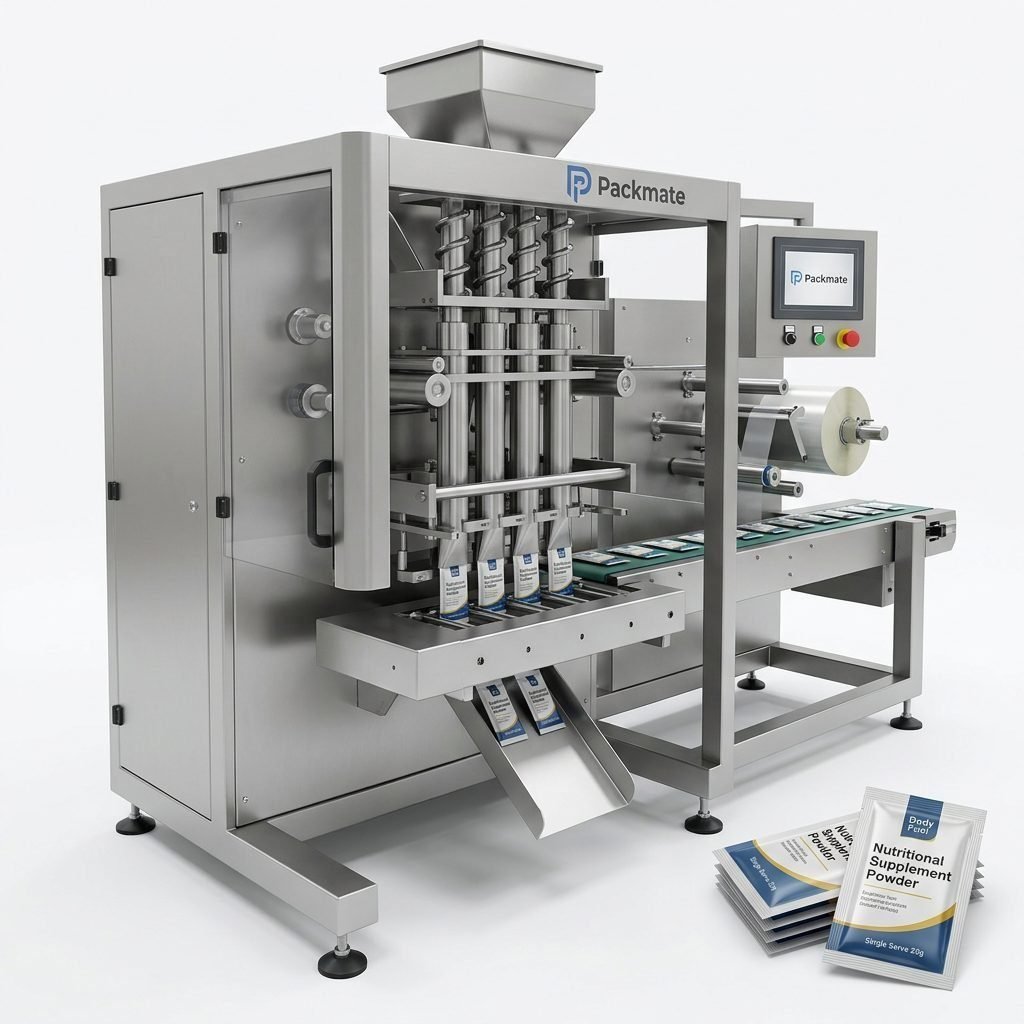
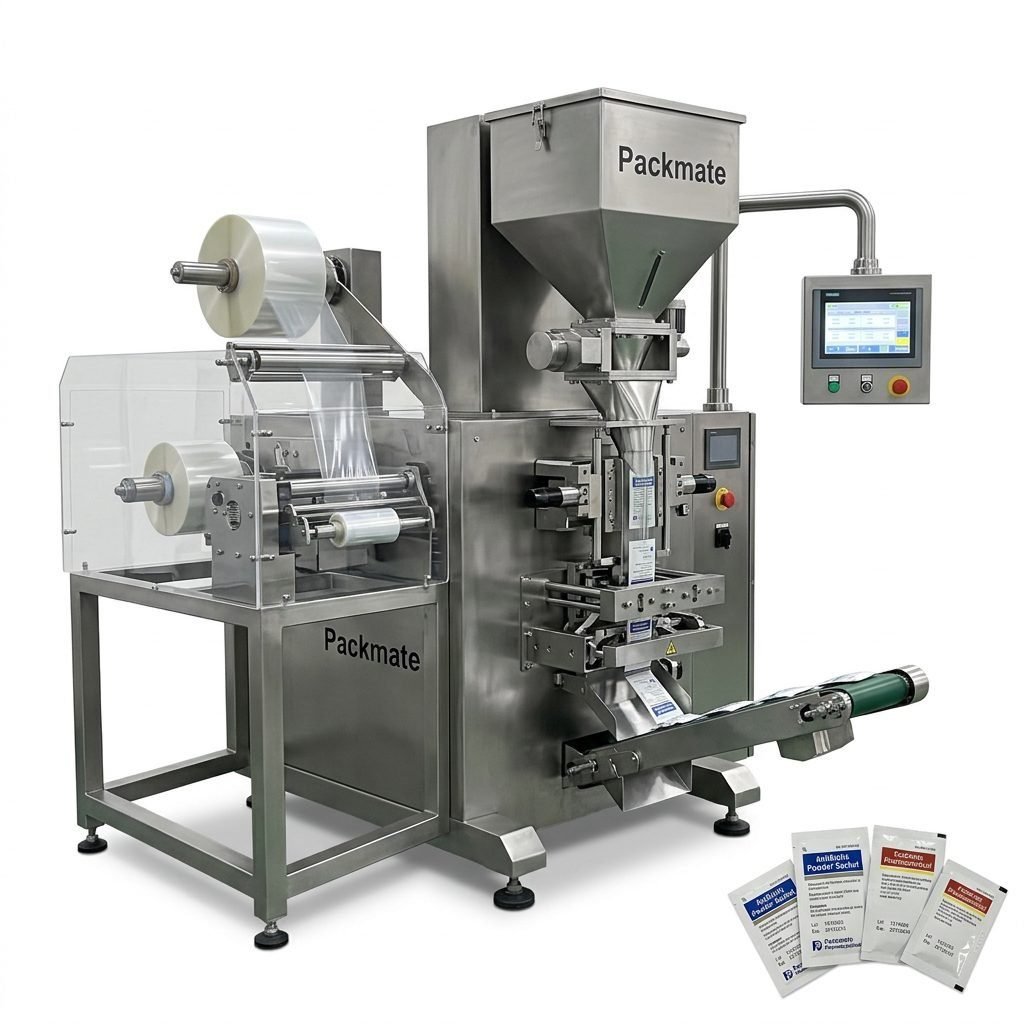
Selecting the right food product packaging machine is a critical decision that impacts production efficiency, product quality, and your bottom line. With a vast array of technologies available, from simple sachet fillers to complex multi-lane systems, making an informed choice requires a clear understanding of your needs and the market offerings. This guide will walk you through the primary types of packaging machinery and provide a structured framework for choosing the perfect equipment for your operation.
Understanding Core Packaging Machine Types
The first step in your selection journey is understanding the fundamental categories of packaging equipment. Each type serves a specific function and is suited for different product forms and production scales.
Vertical Form-Fill-Seal (VFFS) Machines
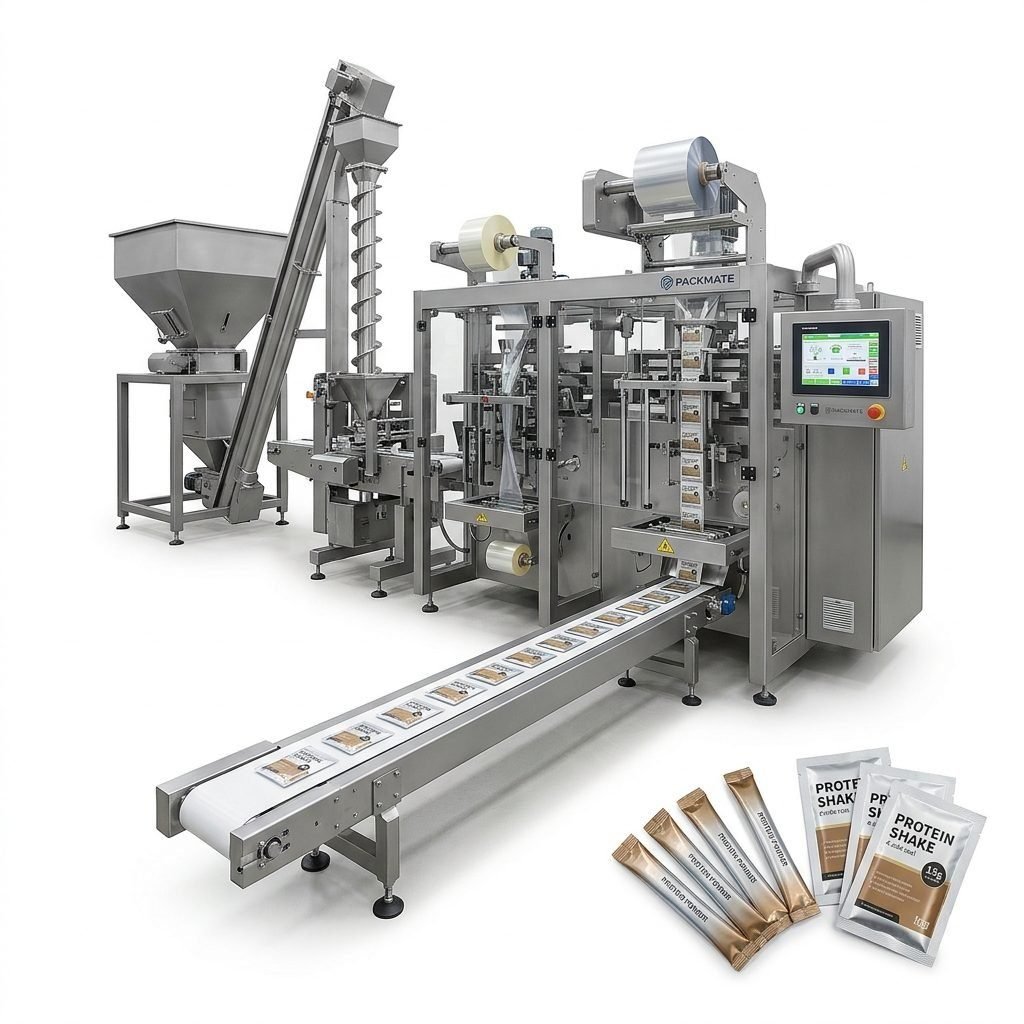
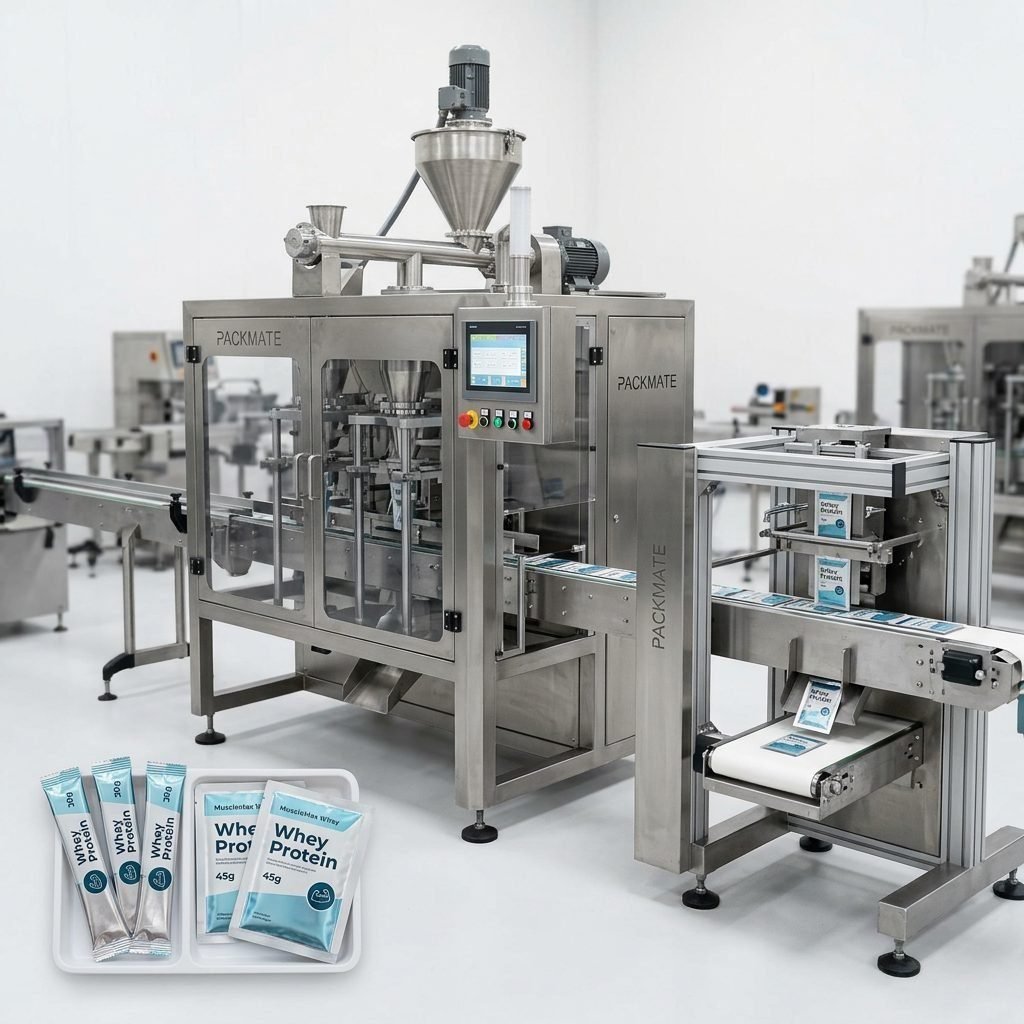
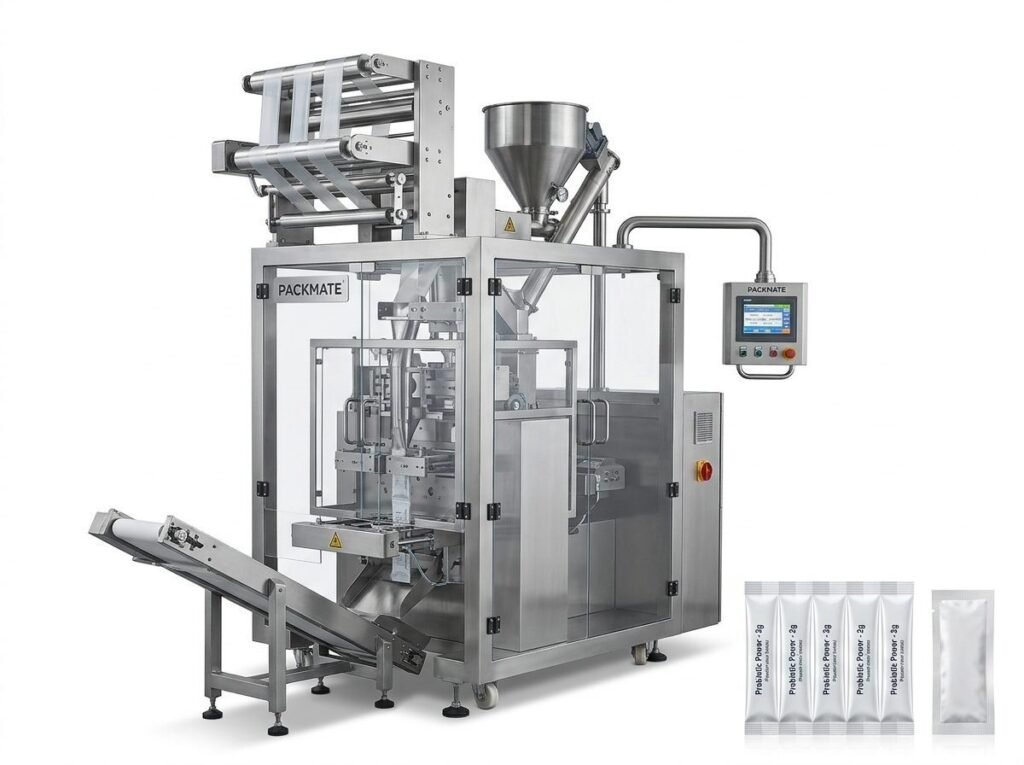
These are among the most common and versatile machines in the food industry. A VFFS machine forms a bag from a roll of film, fills it with product, and then seals it—all in a continuous vertical motion. They are ideal for packaging granules, powders, snacks, and liquids. Their flexibility in bag size and relatively compact footprint make them a popular choice for a wide range of applications.
Horizontal Form-Fill-Seal (HFFS) Machines
HFFS machines are typically used for more rigid or structured packaging, such as blister packs, cartons, or trays. The film is fed horizontally, formed around a mold, filled, and then sealed. This type is excellent for products that require high visibility, specific presentation, or additional protection, like cookies, candy bars, or sliced meats.
Pouch Packaging Machines
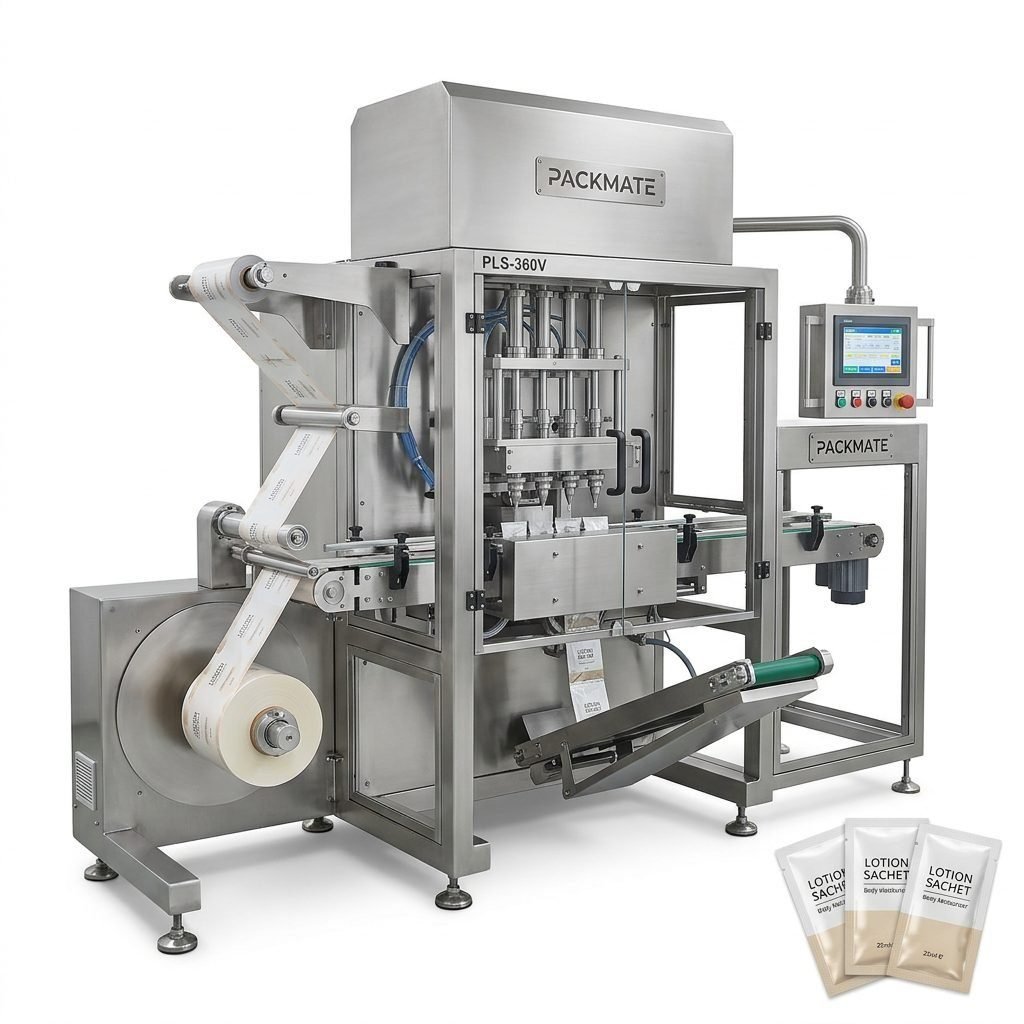
Dedicated to creating pre-made or form-fill-seal pouches, these machines handle everything from small sachets for sauces to large stand-up pouches for coffee or pet food. They often integrate advanced features like gas flushing for modified atmosphere packaging (MAP) to extend shelf life, which is crucial for fresh or sensitive food products.
Liquid Filling and Capping Lines
For beverages, oils, sauces, and dairy products, a dedicated liquid filling system is essential. These lines typically consist of a bottle unscrambler, a rinser, a precision filler (using piston, gravity, or pressure technology), a capper or sealer, and a labeler. Accuracy and hygiene are paramount here to prevent waste and ensure product safety.
Key Factors for Choosing Your Machine
Beyond understanding machine types, a successful investment hinges on a detailed analysis of your specific requirements. Consider these critical factors as your selection checklist.
1. Product Characteristics
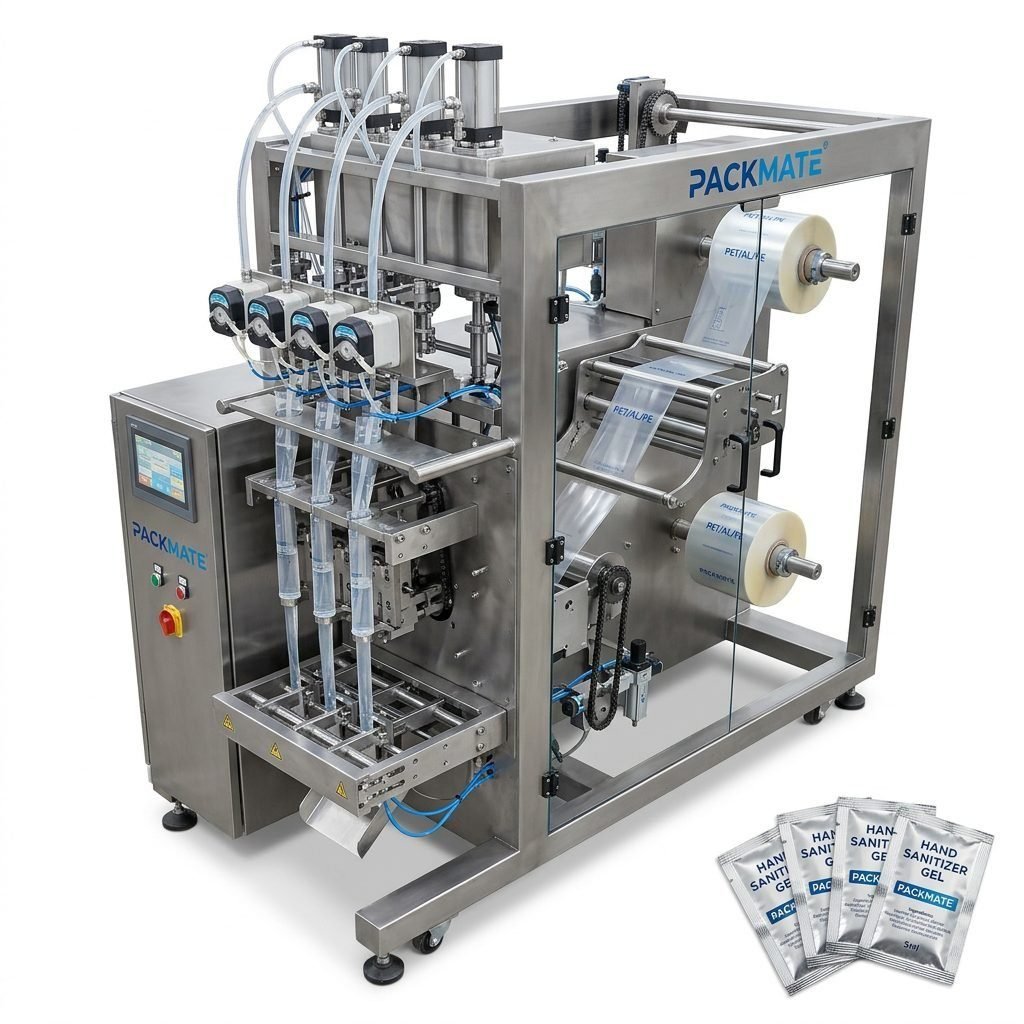
The nature of your product dictates the machine’s core functionality. Is it a free-flowing powder, sticky liquid, fragile solid, or abrasive granule? Each characteristic influences the choice of filling mechanism (auger, volumetric cup, weigh scale, pump), the material of contact parts (stainless steel grades, food-grade plastics), and the sealing method. For instance, oily products may require special film or sealing techniques.
2. Production Speed and Volume Requirements
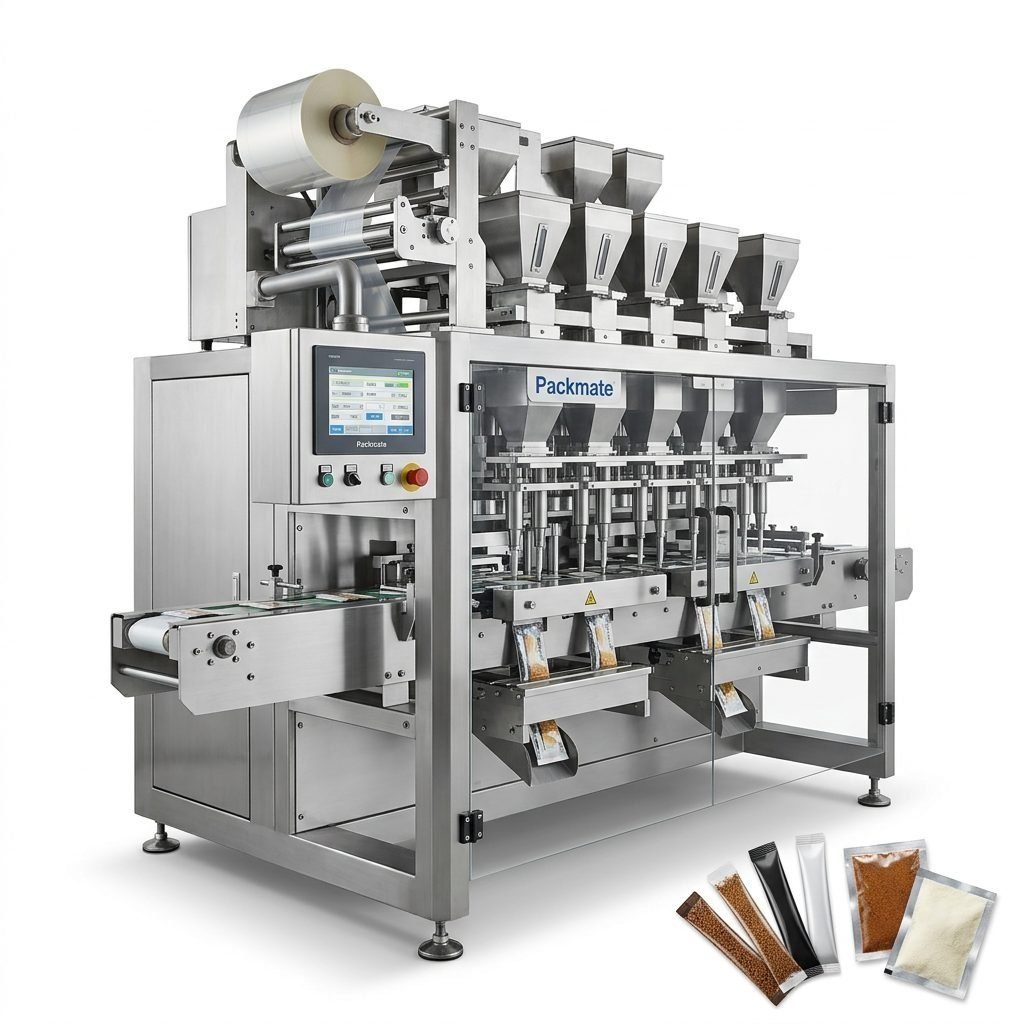
You must match the machine’s output to your current and projected production needs. Calculate your required bags-per-minute (BPM) or units-per-hour (UPH). A small startup might prioritize flexibility over speed, while a large-scale manufacturer will need a high-speed, multi-lane system like those offered by advanced weighing and packaging lines. Over-specifying can lead to unnecessary capital expenditure, while under-specifying creates bottlenecks.
3. Packaging Materials and Formats
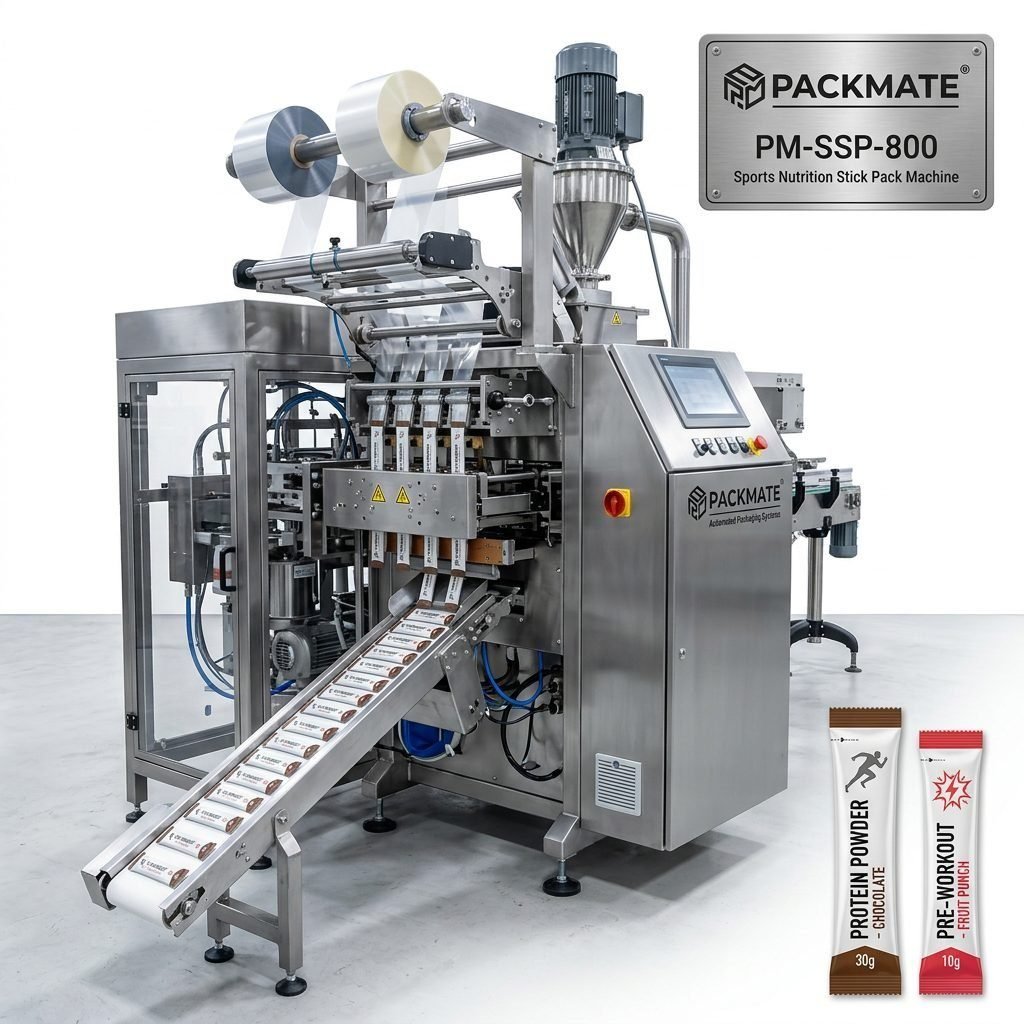
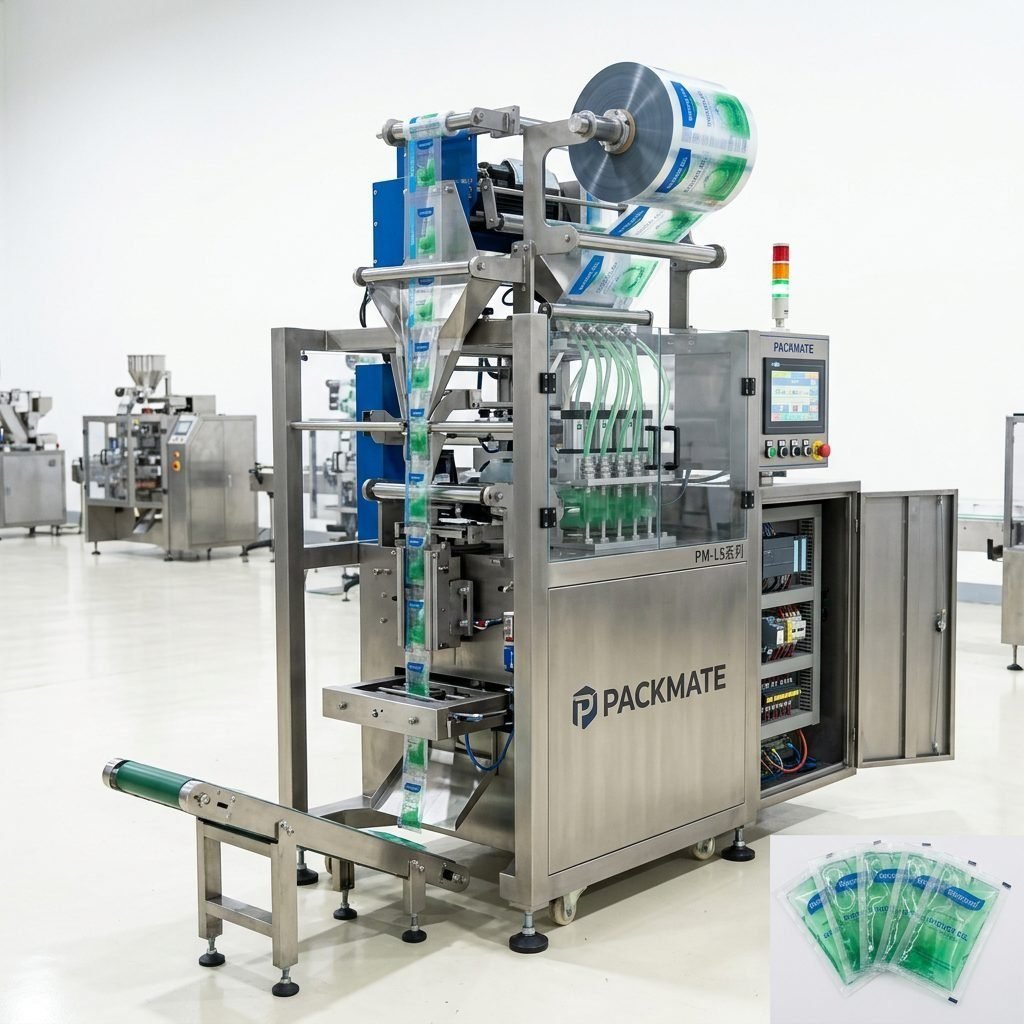
What type of film or pouch will you use? Consider barrier properties (moisture, oxygen), thickness, and sealability. The machine must be compatible with your chosen material, whether it’s laminated film for chips or recyclable mono-material for sustainability goals. Also, define your bag or pouch format: pillow bag, gusseted bag, stick pack, or spouted pouch. Some machines, like versatile bag and pouch packaging machines, can handle multiple formats with quick changeovers.
4. Automation Level and Integration
Determine how much manual intervention is acceptable. A basic semi-automatic machine requires an operator to place bags and initiate cycles, suitable for low-volume or artisanal production. A fully automatic system integrates with upstream and downstream equipment (like conveyors, checkweighers, and cartoners) for a seamless production line. Consider future-proofing by choosing a machine that can be integrated into a larger filling and packaging line as your business grows.
5. Hygiene, Safety, and Compliance
Food contact surfaces must be made of appropriate, easy-to-clean materials like 304 or 316L stainless steel. The machine design should prevent product entrapment and facilitate thorough cleaning (CIP – Clean-in-Place capabilities are a plus). Ensure the equipment complies with relevant food safety standards in your market, such as FDA, CE, or NSF regulations.
6. Supplier Reliability and Support
Your relationship with the manufacturer is as important as the machine itself. Evaluate their experience, reputation, and after-sales service. A supplier with a strong track record, like Packmate Machinery with over 30 years in the industry, can provide valuable application expertise, reliable spare parts, training, and technical support. Review their case studies to see real-world applications similar to yours.
The Selection Process: A Step-by-Step Approach
Armed with the knowledge above, follow this practical process to narrow down your options and make a confident purchase.
Step 1: Conduct an Internal Audit
Document everything about your product, desired package, output goals, factory space, utilities (air, power), and budget. This becomes your Request for Quotation (RFQ) foundation.
Step 2: Research and Shortlist Suppliers
Identify 3-5 reputable manufacturers whose product range aligns with your needs. Attend trade shows, read industry publications, and seek peer recommendations.
Step 3: Request Detailed Proposals
Submit your RFQ. A serious supplier will ask clarifying questions and may even request a product sample to test. Their proposal should include machine specifications, layout drawings, a detailed quote, and a list of optional accessories.
Step 4: Evaluate and Compare
Compare proposals not just on price, but on total cost of ownership (including energy consumption, changeover time, and expected maintenance). Pay close attention to the proposed machine’s efficiency, warranty terms, and delivery timeline.
Step 5: Witness a Factory Test (Highly Recommended)
If possible, visit the supplier’s facility to see a machine similar to your proposed model running. Better yet, conduct a live test with your actual product and packaging materials. This is the best way to verify performance, speed, and final package quality.
Conclusion: Investing in Your Future
Choosing a food packaging machine is a significant strategic investment. By thoroughly understanding the different machine types, meticulously evaluating your specific requirements against key selection factors, and following a disciplined procurement process, you can acquire equipment that boosts productivity, ensures product integrity, and scales with your business. Partnering with an experienced and reliable manufacturer provides the technological solution and the ongoing support necessary for long-term success in the competitive food industry.
Frequently Asked Questions (FAQs)
What is the typical lead time for a new packaging machine?
Lead times vary significantly based on machine complexity and customization. For a standard model from stock, it could be 4-8 weeks. For a fully customized, high-speed line, it may take 4-6 months or more. Always confirm the timeline with your supplier during the quotation process.
Can one machine handle different products and bag sizes?
Many modern machines are designed for flexibility. Look for models with quick-change parts (like augers, forming tubes, and sealing jaws) and programmable recipes that store settings for different products. However, there are always limits; a machine designed for fine powder may not handle large chunks effectively without modification.
How do I ensure the machine meets food safety standards?
Request documentation of compliance (CE, FDA declarations of conformity) from the manufacturer. Inspect the machine for sanitary design: smooth, crevice-free surfaces, easy disassembly for cleaning, and the use of food-grade lubricants. The supplier should provide a detailed cleaning and maintenance manual.
What kind of maintenance is required, and how often?
Daily maintenance typically involves cleaning and visual inspection. Weekly tasks may include lubricating specific points and checking for wear. More thorough preventive maintenance (checking seals, motors, drives) should be performed quarterly or annually, as outlined in the manual. Having a stock of common wear-and-tear spare parts is advisable.
Is training provided with the machine purchase?
A reputable supplier should include comprehensive training for your operators and maintenance technicians as part of the purchase. This usually occurs during installation and commissioning at your facility. Ensure this is specified in your purchase agreement.