In the dynamic world of frozen food production, efficiency, preservation, and presentation are paramount. The right packaging equipment is not just a line item; it’s the critical backbone that ensures product integrity from the production floor to the consumer’s freezer. For businesses seeking reliable frozen food packaging equipment suppliers, the journey involves finding partners who offer more than just machines—they provide custom solutions tailored to specific product needs, production volumes, and market demands.
The Critical Role of Specialized Packaging in the Frozen Sector
Frozen foods present unique challenges that standard packaging systems often cannot address. The equipment must handle products at low temperatures, prevent freezer burn, and maintain a robust seal against moisture and air ingress. Furthermore, the packaging must be durable enough to withstand the rigors of transportation and storage while being appealing on retail shelves. This demands a supplier with deep technical expertise and a proven track record in the frozen food niche.
Key Consideration: When evaluating suppliers, prioritize those with demonstrable experience in frozen food applications. Their equipment should feature materials and components resistant to cold brittleness and designed to operate consistently in chilled environments.
Core Equipment Types for Frozen Food Lines
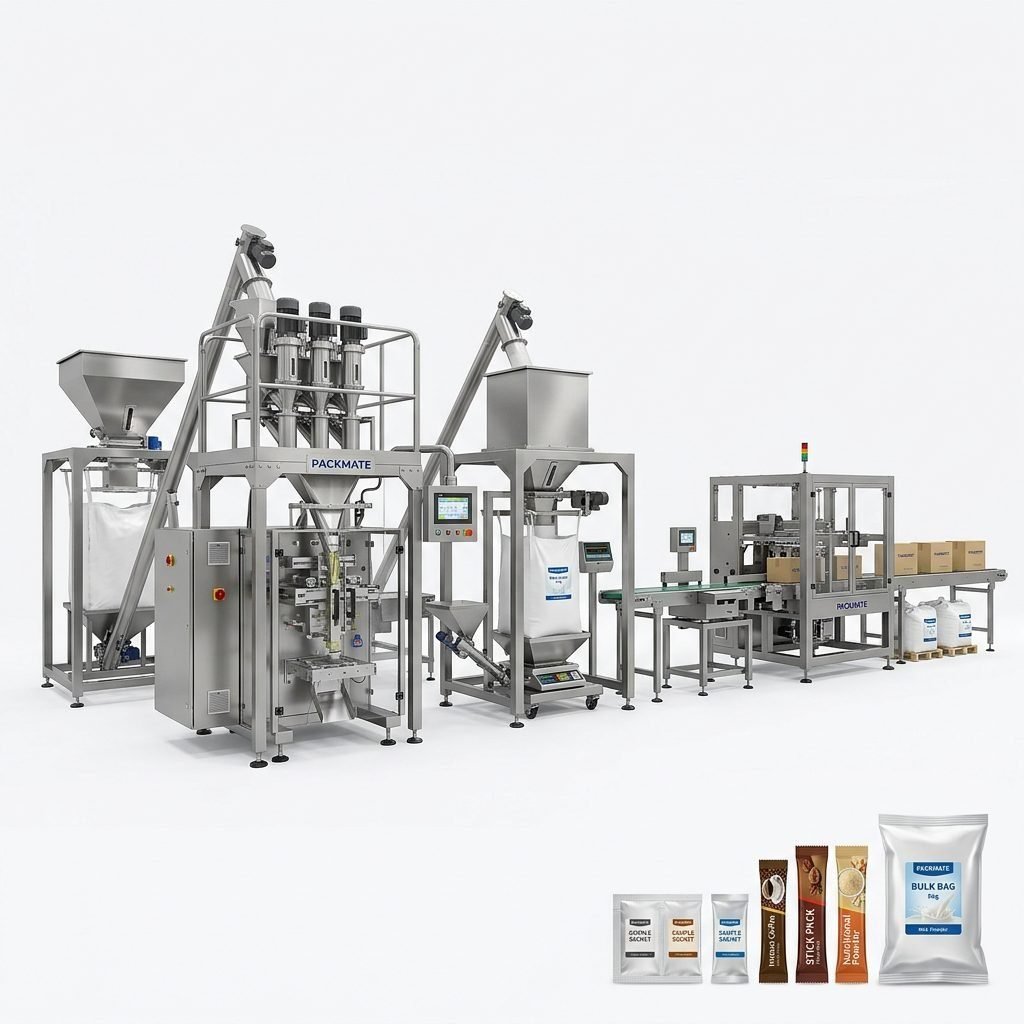
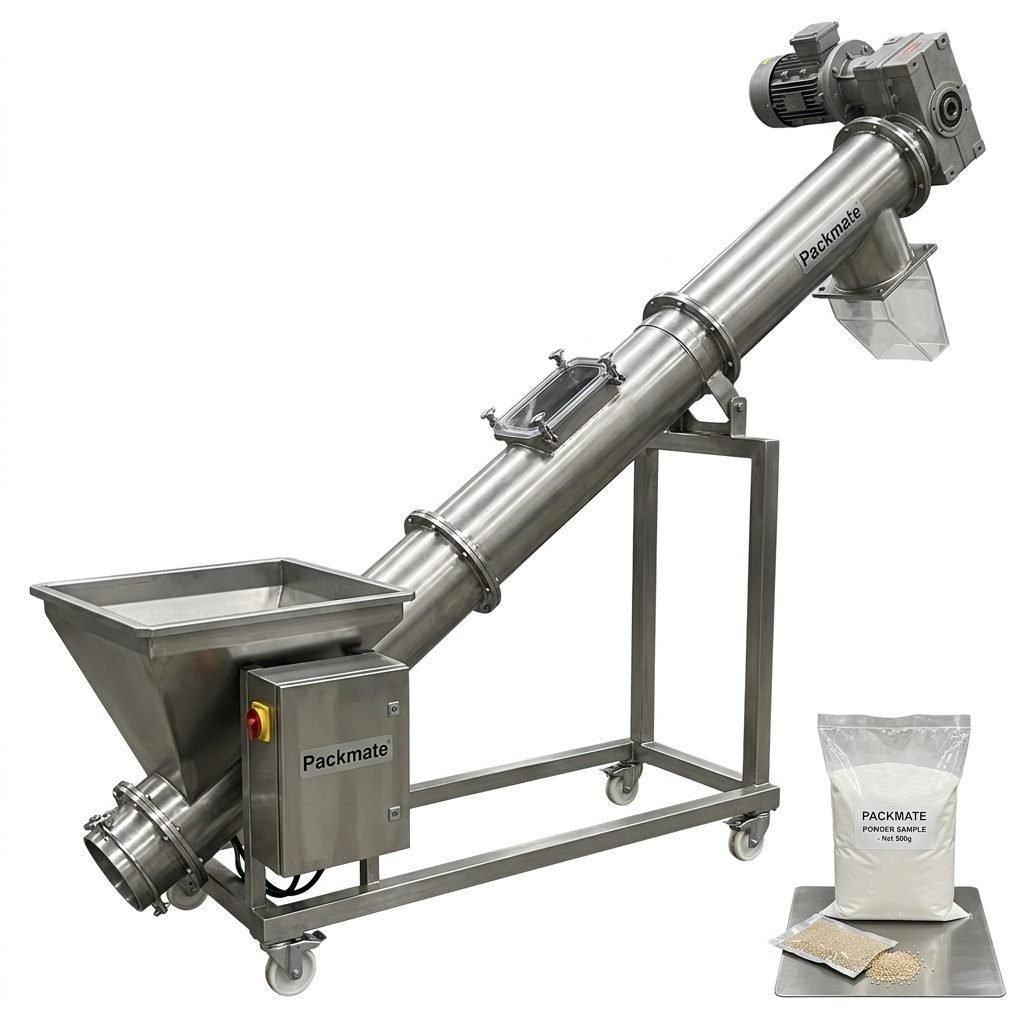
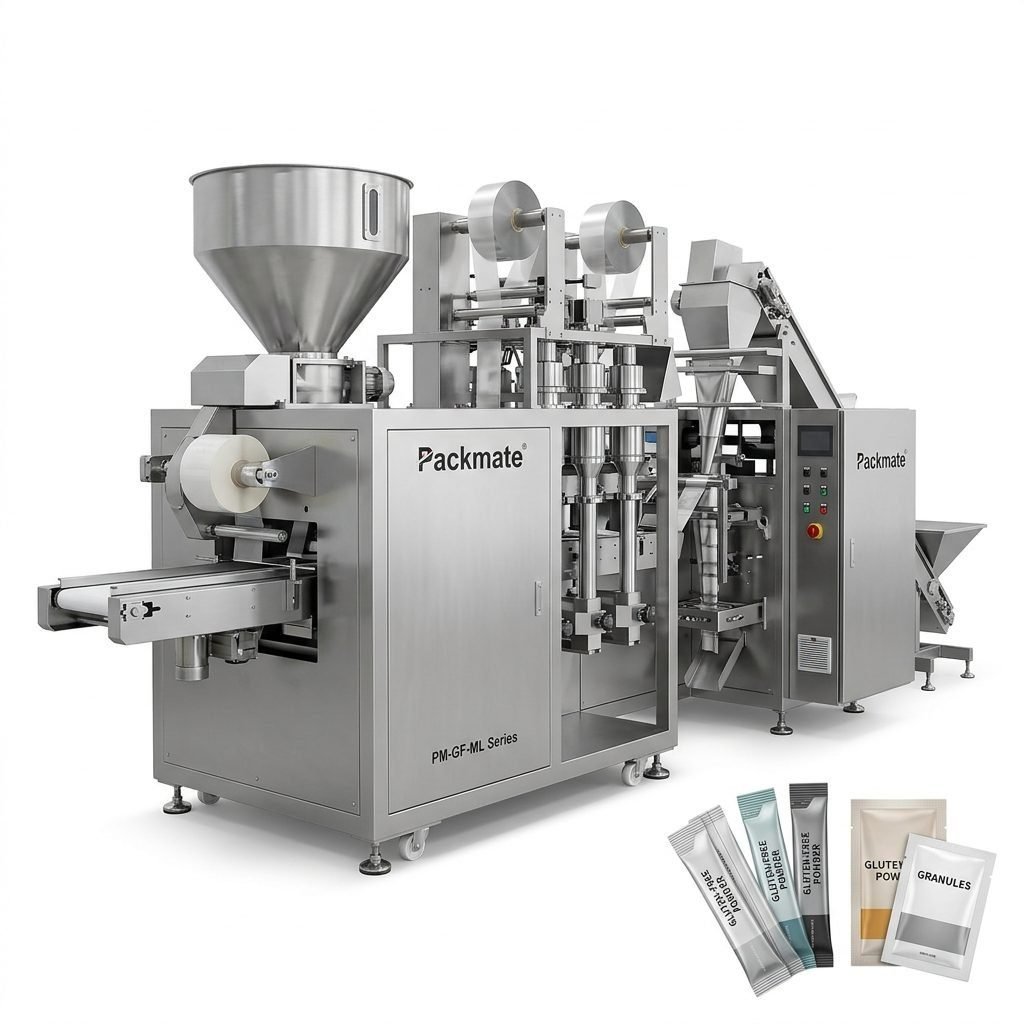
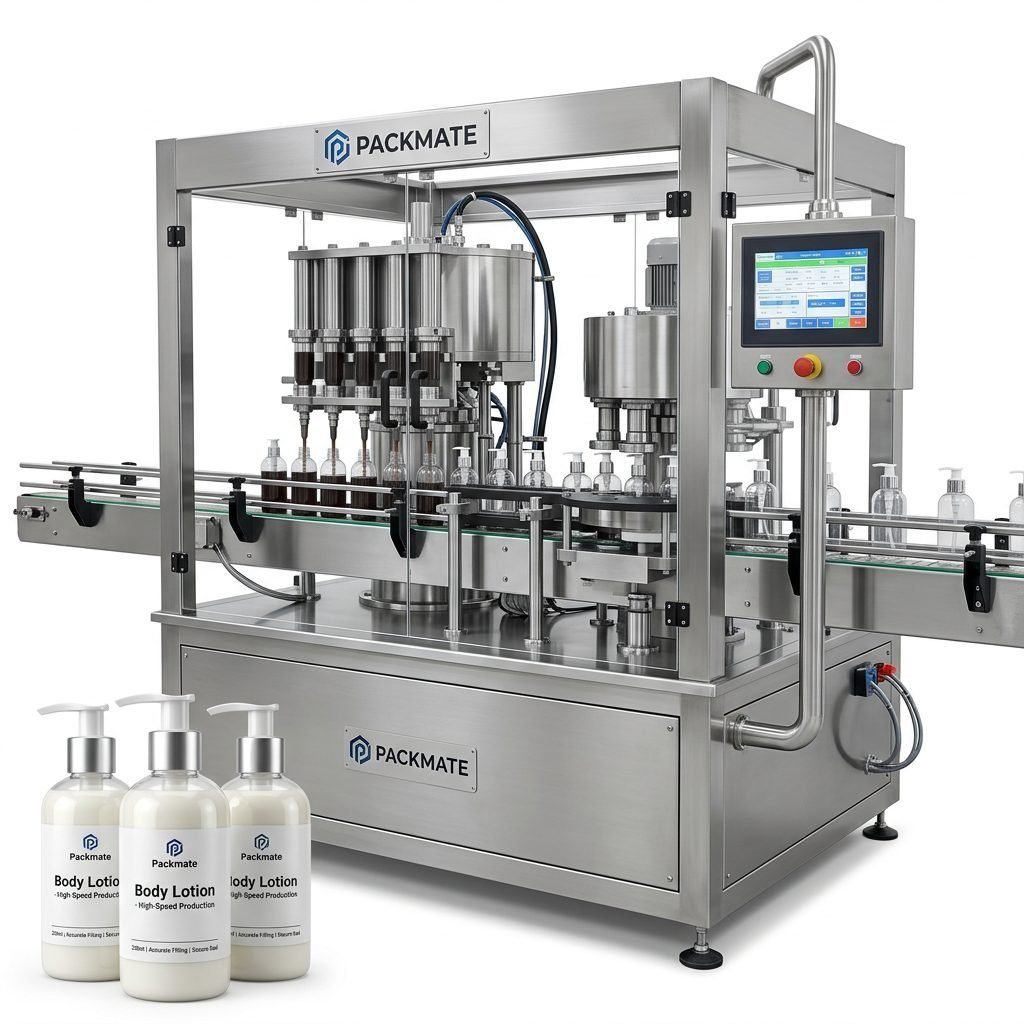
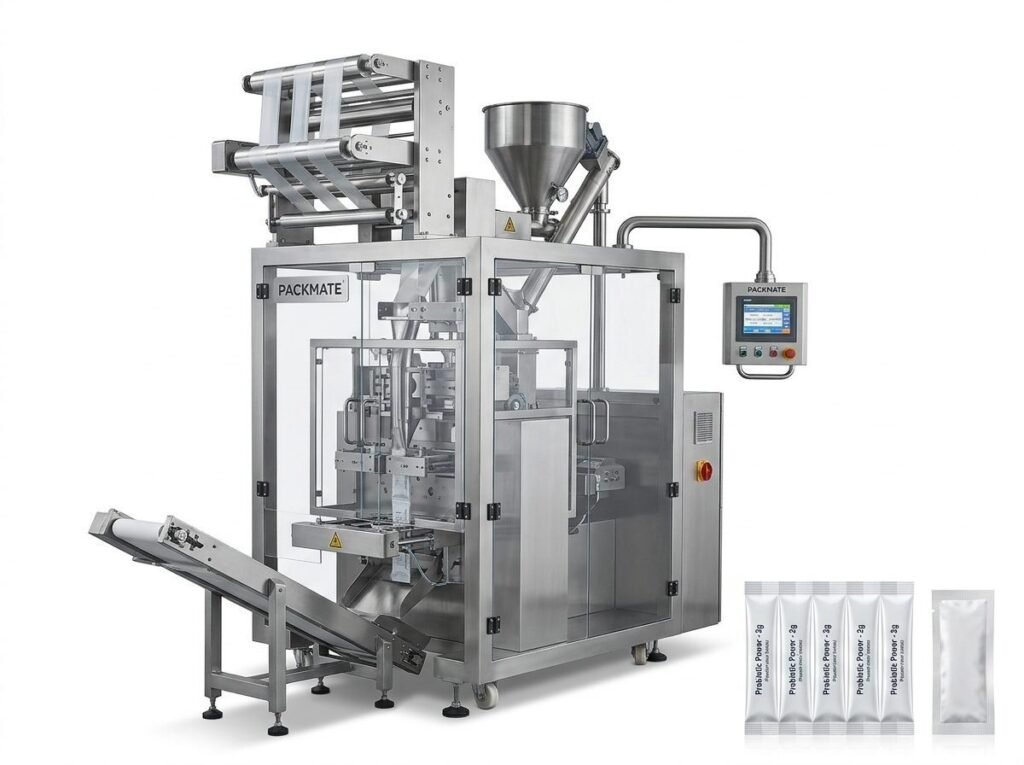
A comprehensive frozen food packaging line integrates several key machines. Weighing and packaging systems are crucial for portion control, ensuring accurate weight for products like vegetables, fruits, or ready meals. Vertical form-fill-seal (VFFS) machines are industry workhorses, creating bags from a roll of film and filling them with product—ideal for loose-fill items such as peas or fries.
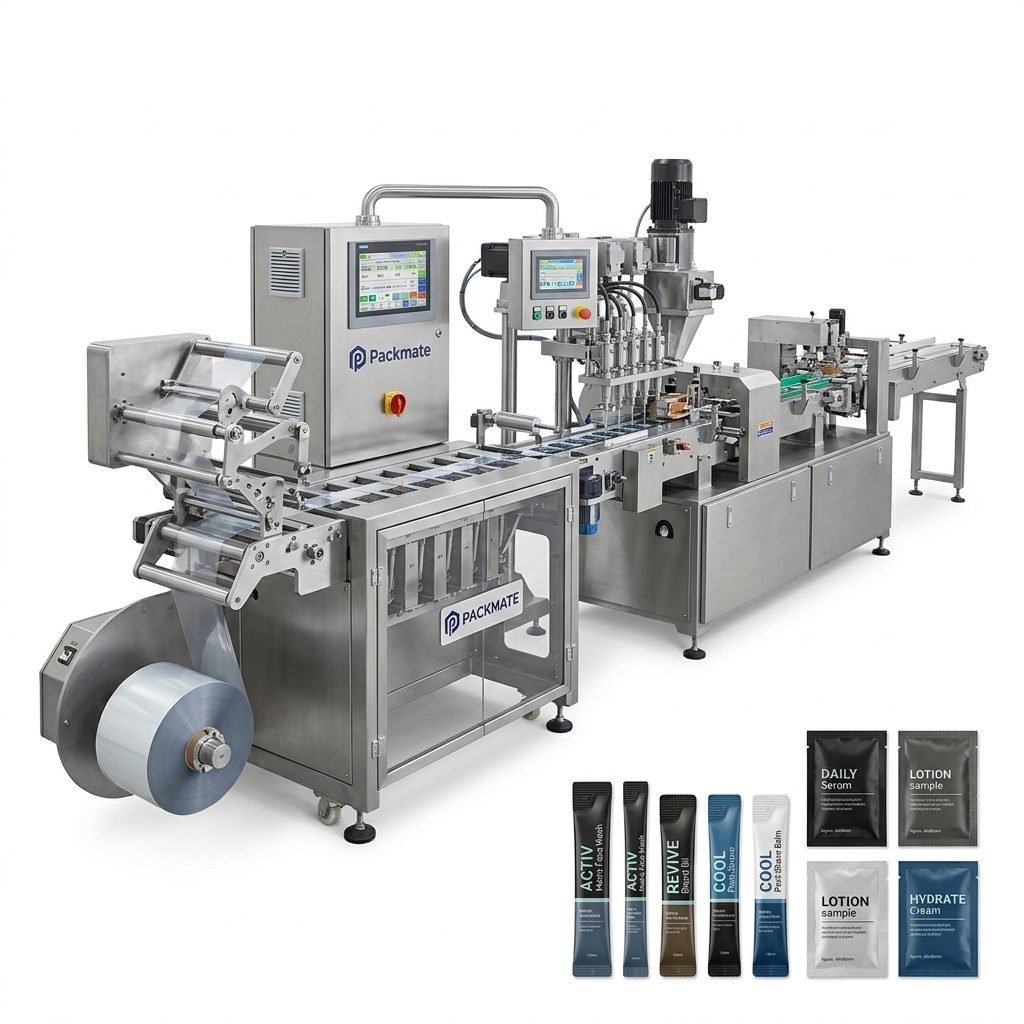
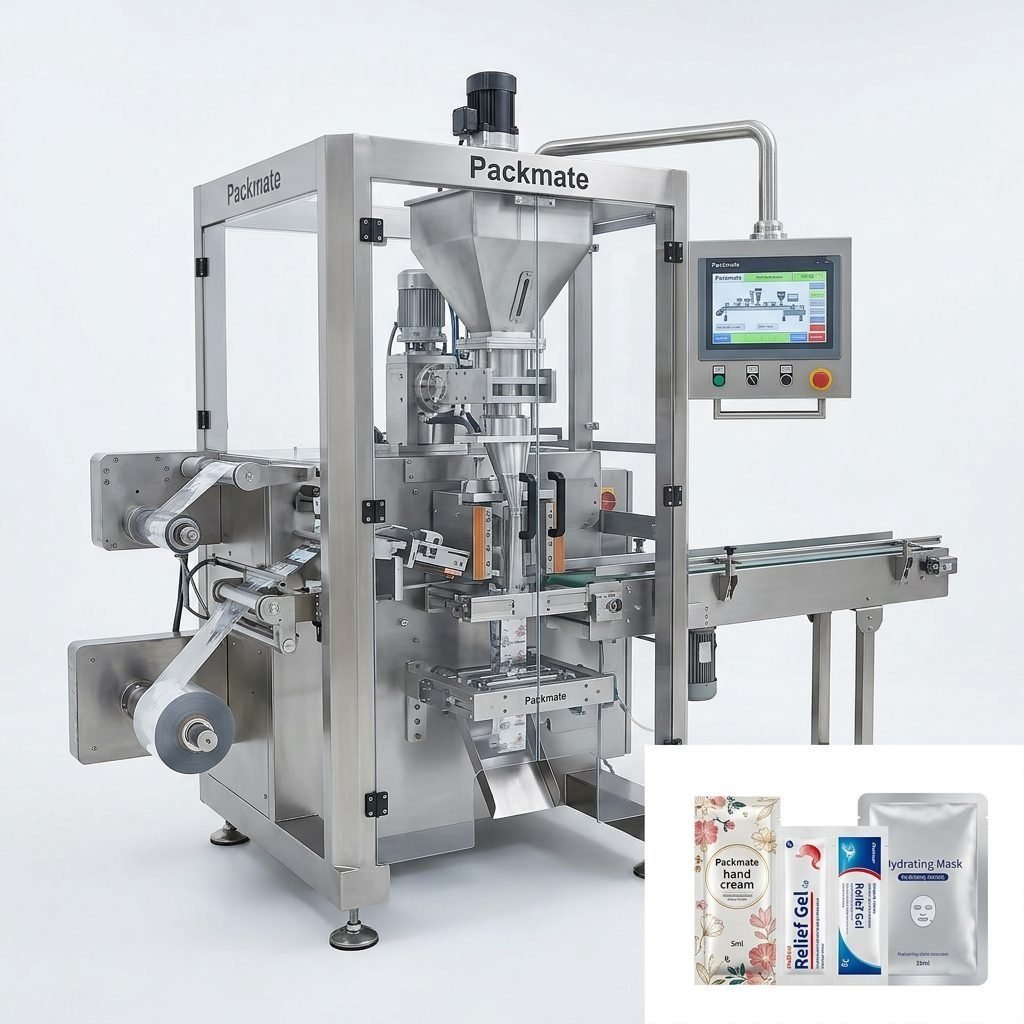
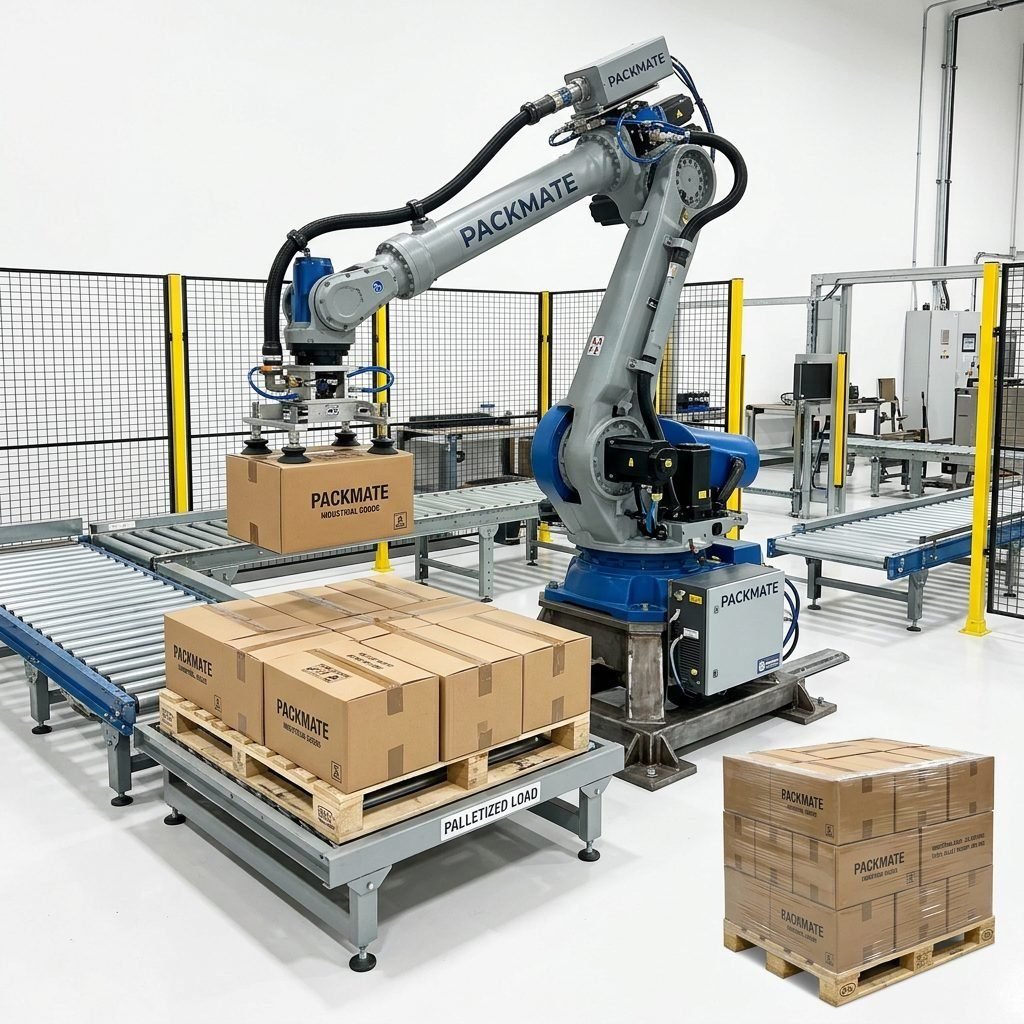
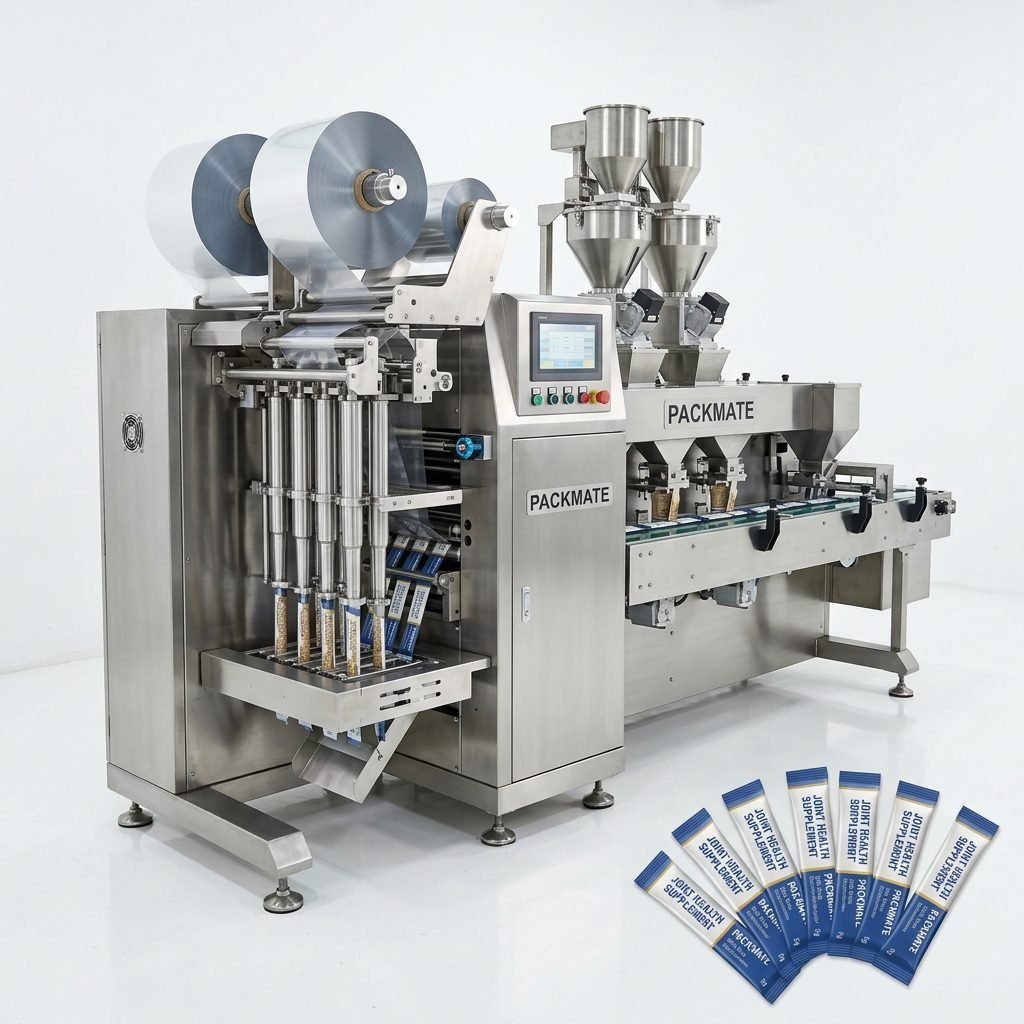
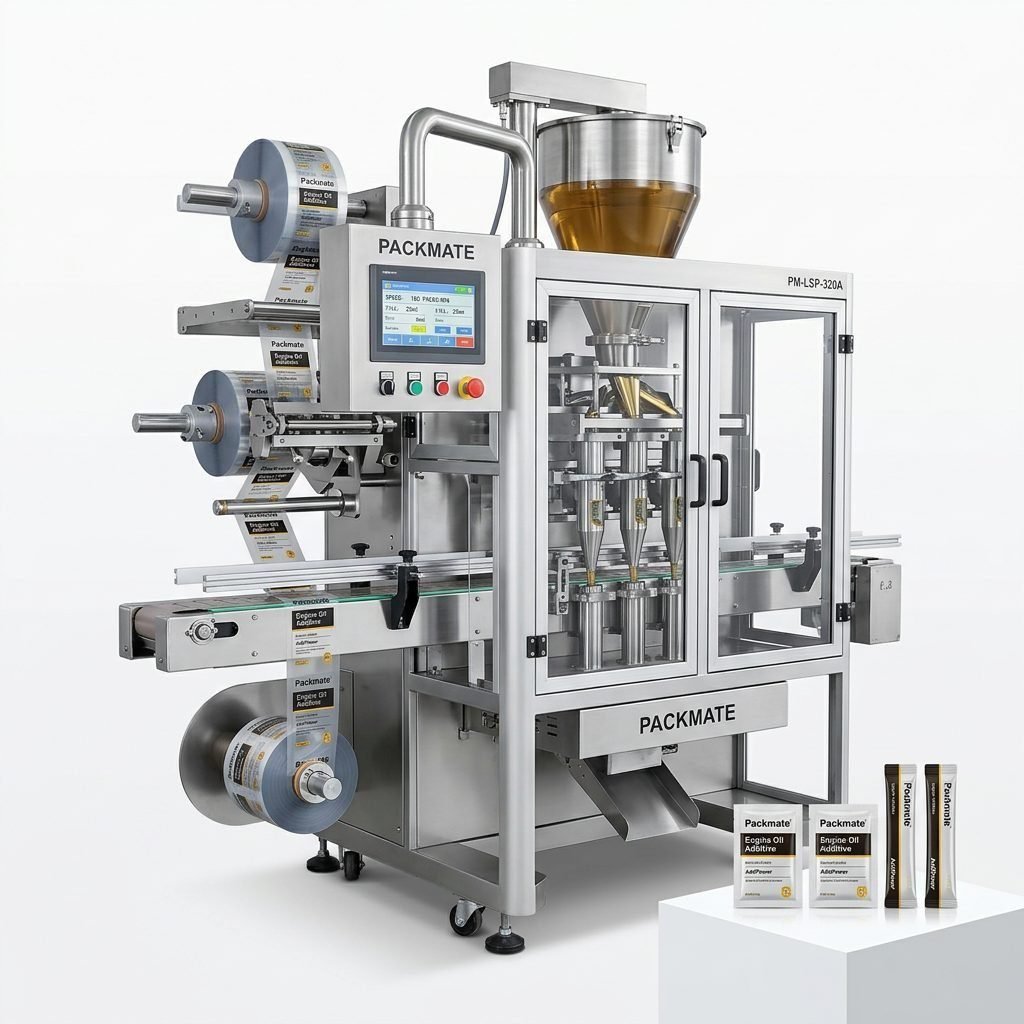
For pre-portioned items, sauces, or additives, sachet and stick pack machines offer precise, hygienic packaging. Tray sealing equipment is essential for ready-to-eat meals, providing an airtight seal that locks in freshness and prevents contamination. Finally, robust cartoning and case packing systems are needed for secondary packaging, ensuring efficient palletization and distribution.
Why Custom Solutions Are Non-Negotiable
No two frozen food operations are identical. A supplier offering only standard, off-the-shelf machines may force your process into a compromise. Custom solutions bridge this gap. This could involve modifying bag sizes and shapes, integrating specific gas flushing systems for modified atmosphere packaging (MAP) to extend shelf life, or engineering feed systems that handle delicate or irregularly shaped frozen products without damage.
The goal is a seamless, high-speed line that minimizes waste, maximizes uptime, and adapts to your product’s specific characteristics. A true partner will conduct a thorough analysis of your product, output goals, and factory layout to propose an integrated system, not just a collection of individual machines.
Evaluating a Supplier’s Capabilities
Choosing the right frozen food packaging equipment supplier requires looking beyond brochures. Key evaluation points include:
- Industry Experience & References: Request case studies or client references specifically within the frozen food sector.
- Technical Support & Training: Ensure they provide comprehensive installation, training, and readily available after-sales service.
- Compliance & Hygiene: Equipment should be designed for easy cleaning and comply with relevant food safety standards (e.g., FDA, EU regulations).
- Innovation & R&D: A supplier invested in research is more likely to offer cutting-edge solutions for efficiency and sustainability.
Packmate Machinery: A Partner for Turnkey Frozen Packaging
With over 30 years of expertise in intelligent packaging solutions, Packmate Machinery stands as a formidable partner for frozen food producers. Operating from a modern 20,000㎡ facility in Guangdong, China, the company has evolved from a specialist in sachet machines to a provider of complete turnkey lines.
Their journey, rooted in a passion for automation since 1993, reflects a commitment to solving complex packaging challenges. For frozen food applications, this expertise translates into robust systems built for reliability in demanding environments. Packmate’s portfolio, encompassing over 50 machine models, allows for the configuration of custom lines that can handle various frozen product formats efficiently.
From Vision to Volume: The Packmate Advantage
The company’s expansion into multi-lane stick pack machines and full filling and packaging lines demonstrates its capacity to scale with client needs. Their focus on quality and technological advancement ensures that the equipment integrates seamlessly, whether packaging frozen herbs in sachets or portioning frozen berries into stick packs. By offering end-to-end solutions—from primary packaging to secondary cartoning—Packmate reduces integration headaches for their clients.
Investing in the right frozen food packaging equipment is a strategic decision that impacts product quality, operational cost, and brand reputation. Partnering with a supplier that emphasizes custom solutions, backed by proven experience and comprehensive support, is the most direct path to a competitive and future-proof production line. It transforms packaging from a necessary cost into a value-adding asset for your brand.
Frequently Asked Questions (FAQs)
1. What are the most important features to look for in frozen food packaging equipment?
Prioritize equipment with cold-environment-rated components, reliable and strong sealing capabilities (especially for moisture/vapor barriers), hygienic and easy-to-clean designs, and flexibility to handle your specific product type and bag size. Integration potential with upstream and downstream systems is also critical.
2. Can standard packaging machines be used for frozen foods?
While possible, it is not recommended. Standard machines may use materials or lubricants unsuitable for low temperatures, leading to premature wear, seal failure, or hygiene issues. Equipment specifically designed or modified for frozen applications is far more reliable and cost-effective in the long run.
3. How does modified atmosphere packaging (MAP) work for frozen foods, and do I need it?
MAP replaces the air inside a package with a protective gas mix (like nitrogen or CO2). For frozen foods, it is primarily used to prevent oxidation and freezer burn, significantly extending shelf life and preserving color, texture, and flavor. It is highly recommended for sensitive products like seafood, premium vegetables, or prepared meals.
4. What kind of after-sales support should I expect from a supplier?
Expect comprehensive support including on-site installation and commissioning, detailed operator and maintenance training, readily available spare parts, and responsive technical assistance (remote and on-site). A clear warranty and service agreement are essential.
5. How can I ensure the packaging line is efficient and minimizes waste?
Efficiency stems from a well-designed, integrated line. Key factors include high machine uptime and speed, accurate weighing/filling to reduce giveaways, and advanced film tracking systems to minimize film waste. Your supplier should perform trials with your actual product to optimize these parameters before finalizing the line design.