Honey, a natural sweetener cherished globally, requires specialized packaging to preserve its quality, extend shelf life, and meet market demands. Selecting the right honey packaging machine is a critical investment for producers of all scales. This comprehensive guide explores the various types of honey packaging machines, analyzes cost factors, and provides essential buying tips to help you make an informed decision for your business.
Understanding Different Types of Honey Packaging Machines
The packaging process for honey can vary significantly based on the desired final product format. Here are the primary machine types used in the industry.
Liquid Filling Machines
These are the most common machines for bottling honey into jars, bottles, or squeeze bears. They ensure accurate, clean, and fast filling. Key variations include:
Gravity Fillers: Ideal for thin, free-flowing honey. They are simple, cost-effective, and suitable for low to medium production volumes.
Piston Fillers: Excellent for thick, viscous honey or products with particulates. They offer high precision by dispensing a measured volume per cycle, making them versatile for different container sizes.
Pump Fillers: Use rotary pumps or peristaltic pumps to transfer honey. They are gentle on the product and highly accurate, perfect for medium to high-speed production lines.
Sachet and Stick Pack Machines
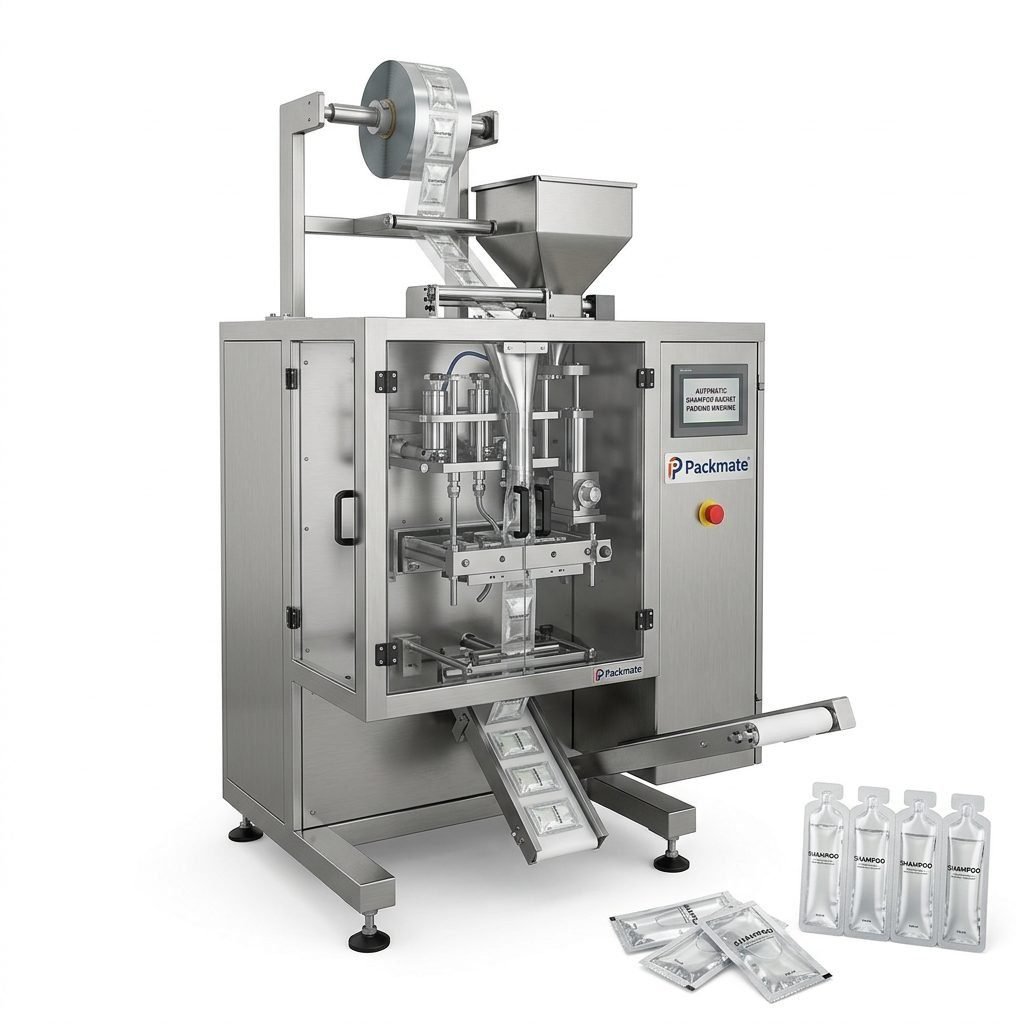
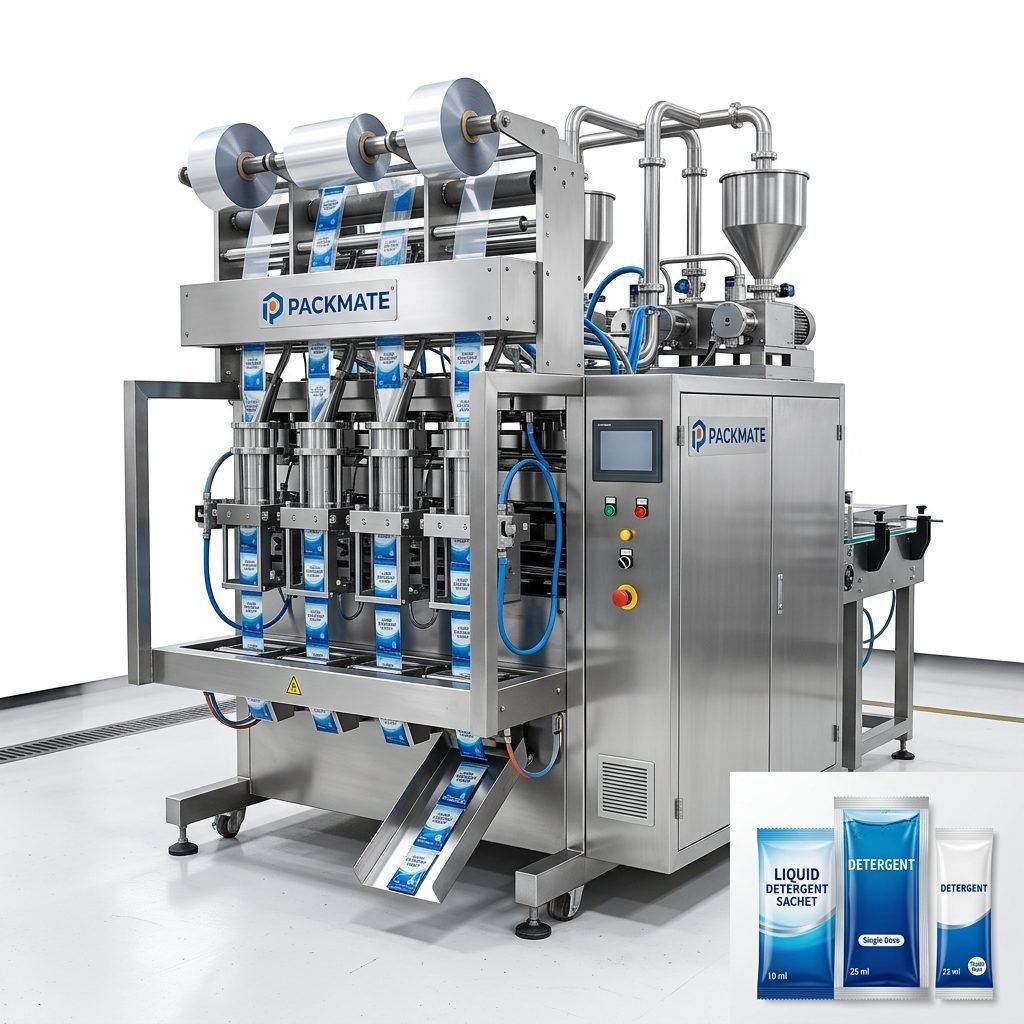
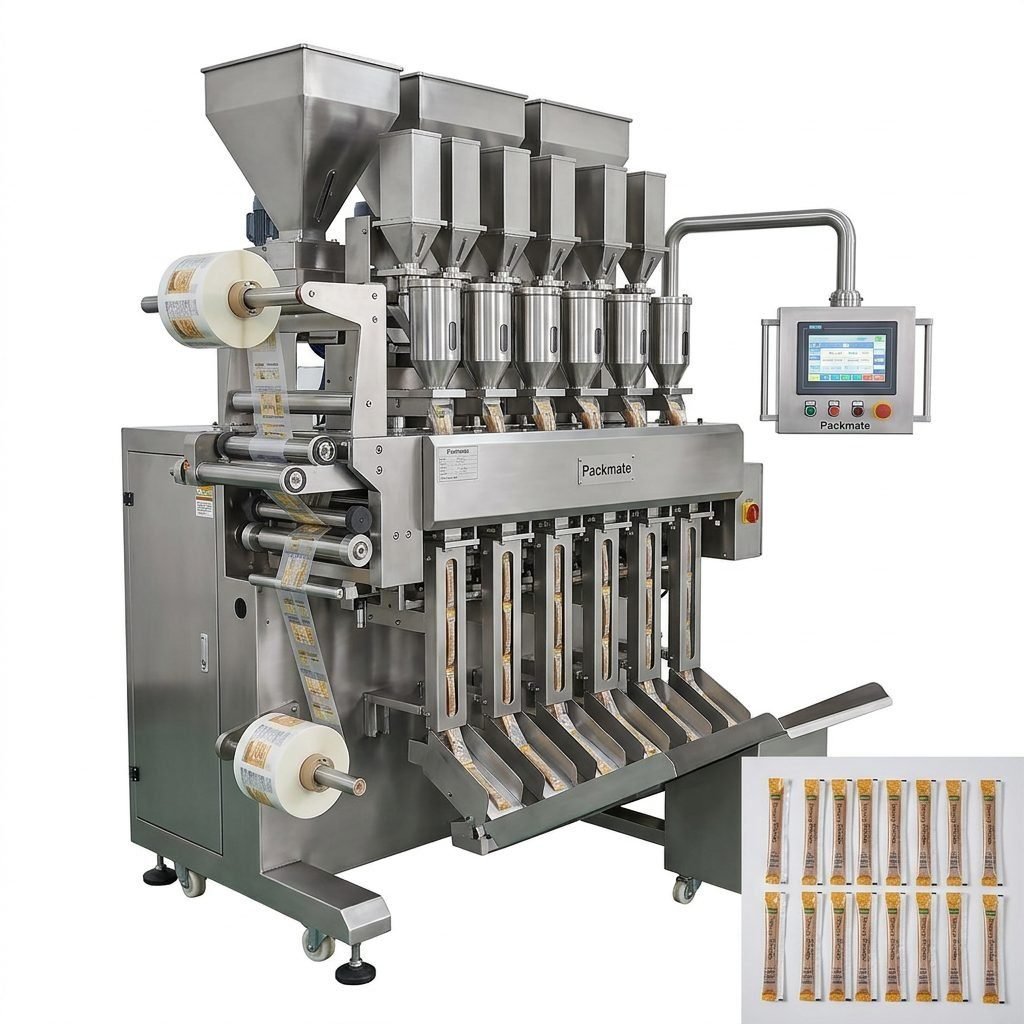
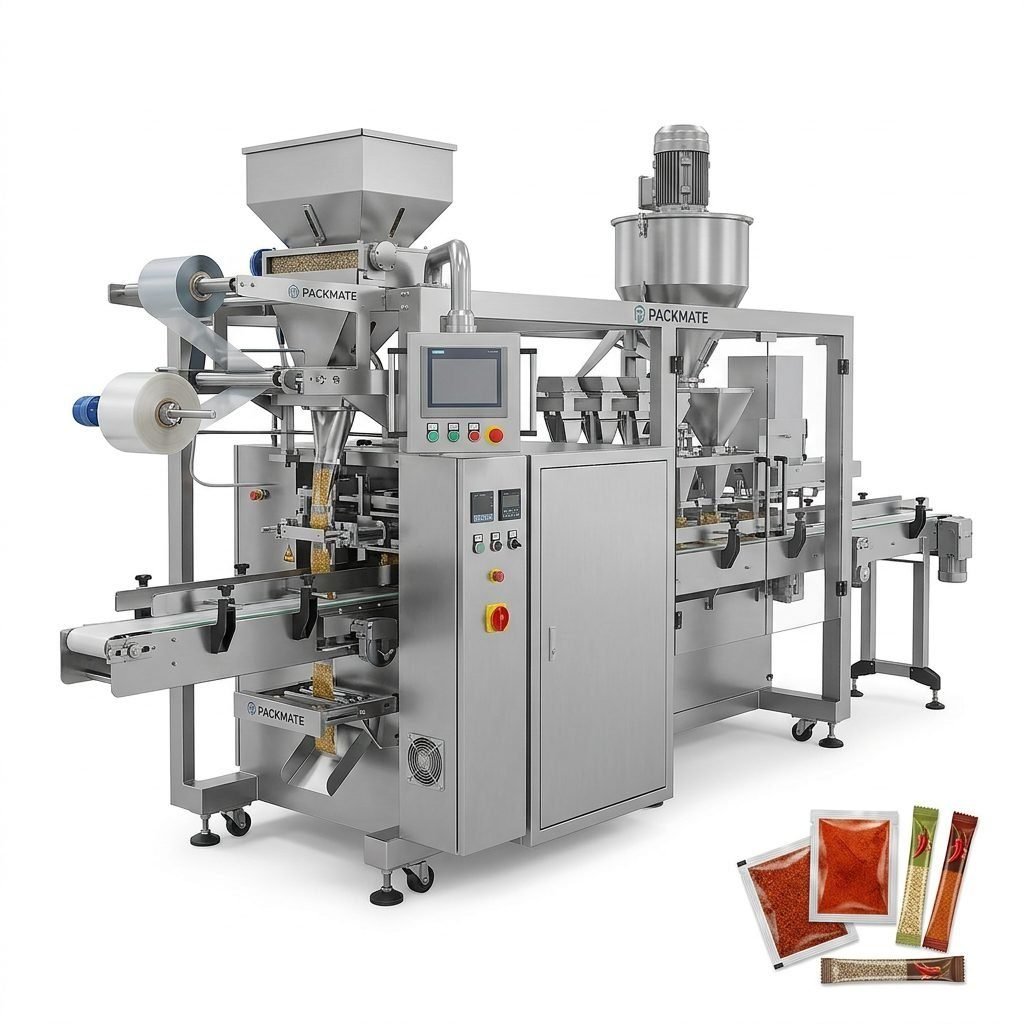
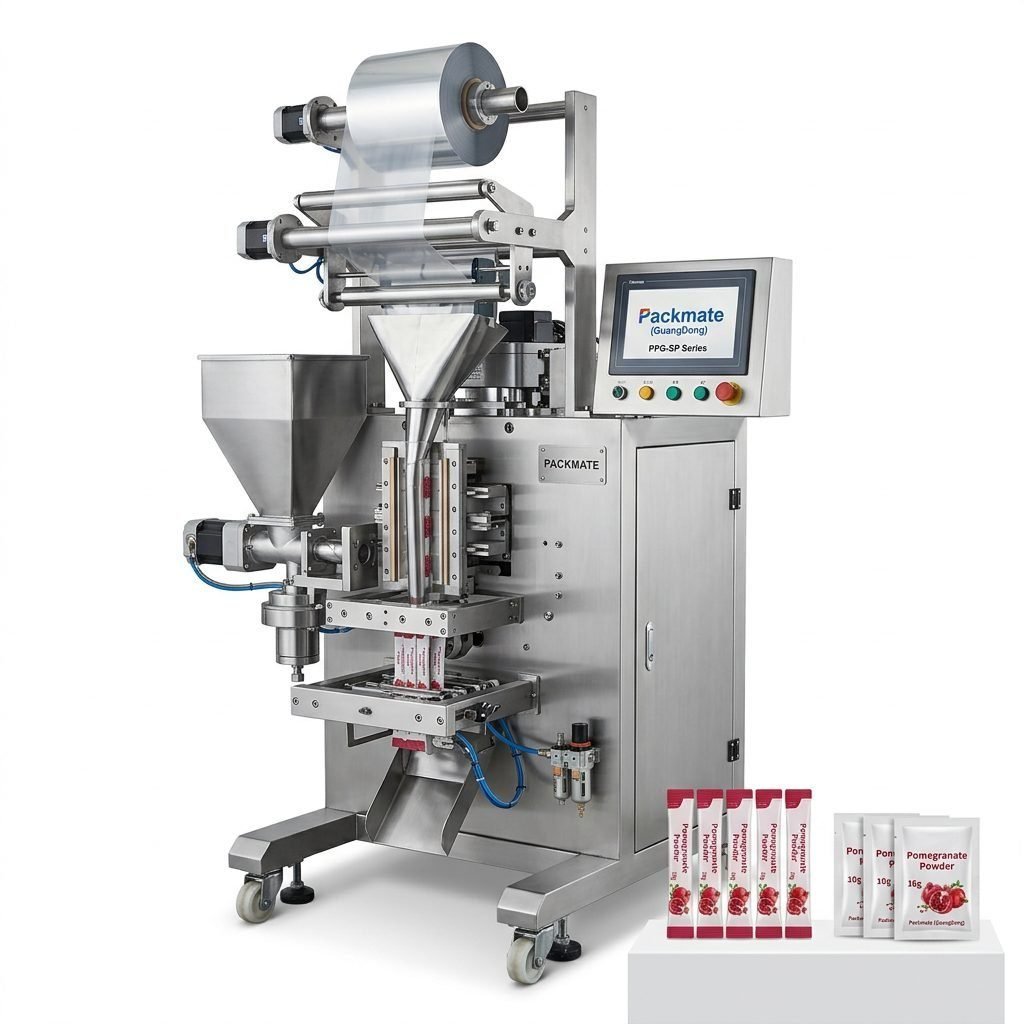
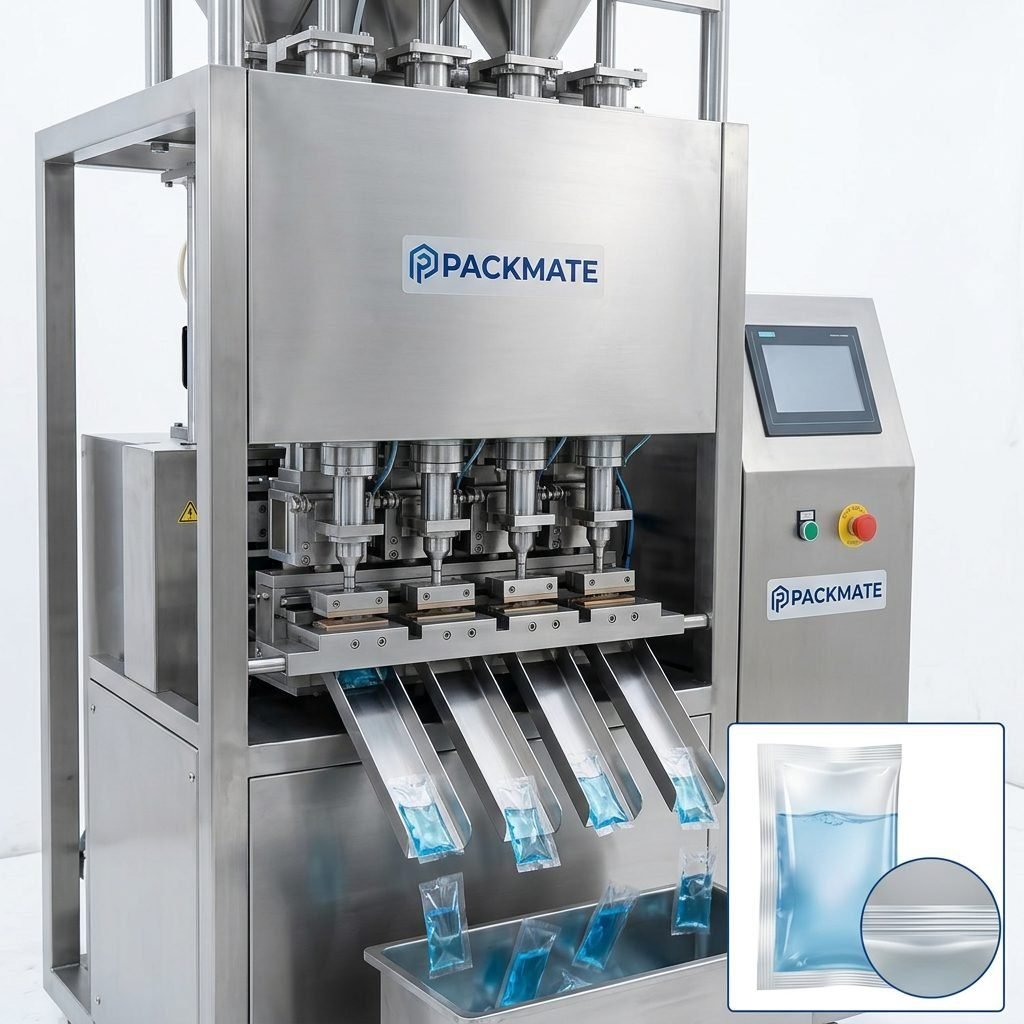
For single-serve portions, such as those used in food service, hotels, or promotional samples, sachet and stick pack machines are ideal. They form, fill, and seal individual pouches from a roll of film. This format is gaining popularity for its convenience and portion control. You can explore specialized options for this format on our Sachet & Stick Pack Machines page.
Automatic Bag-in-Box and Pouch Machines
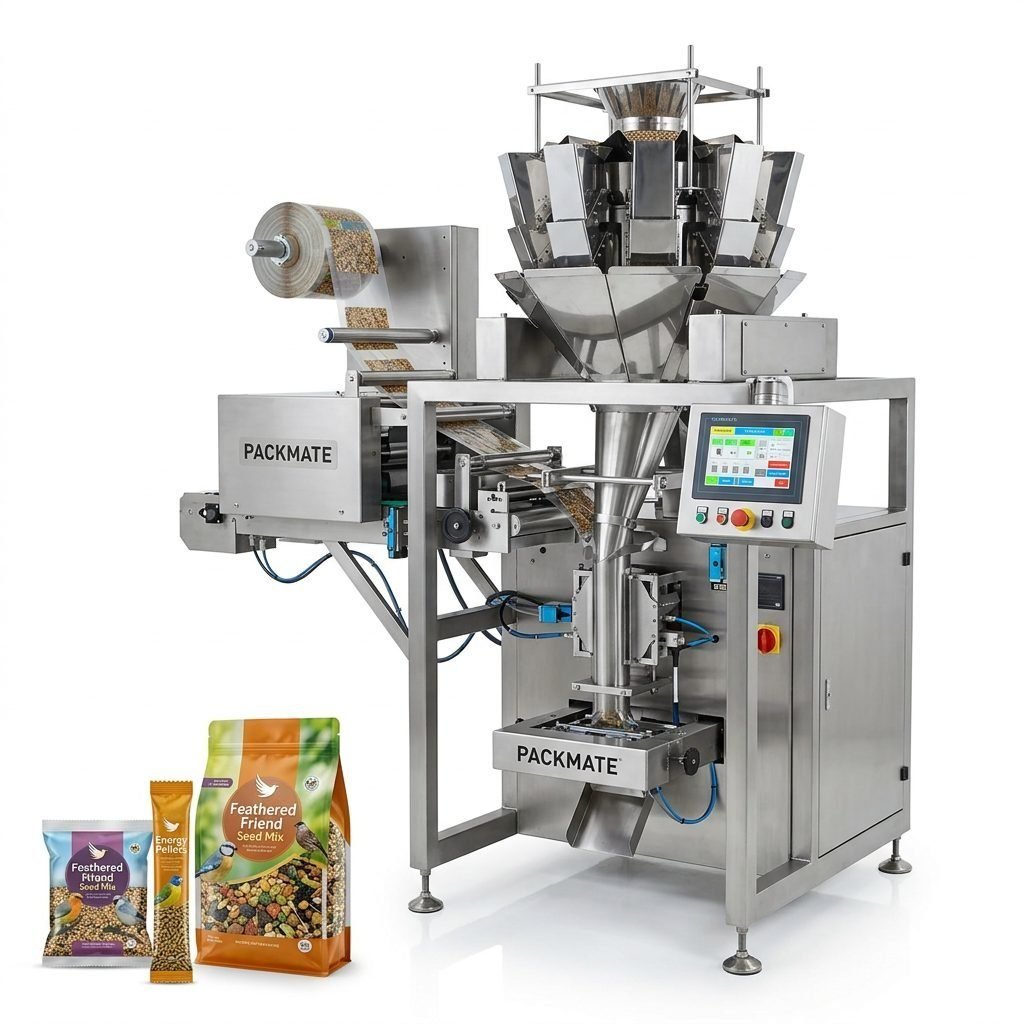
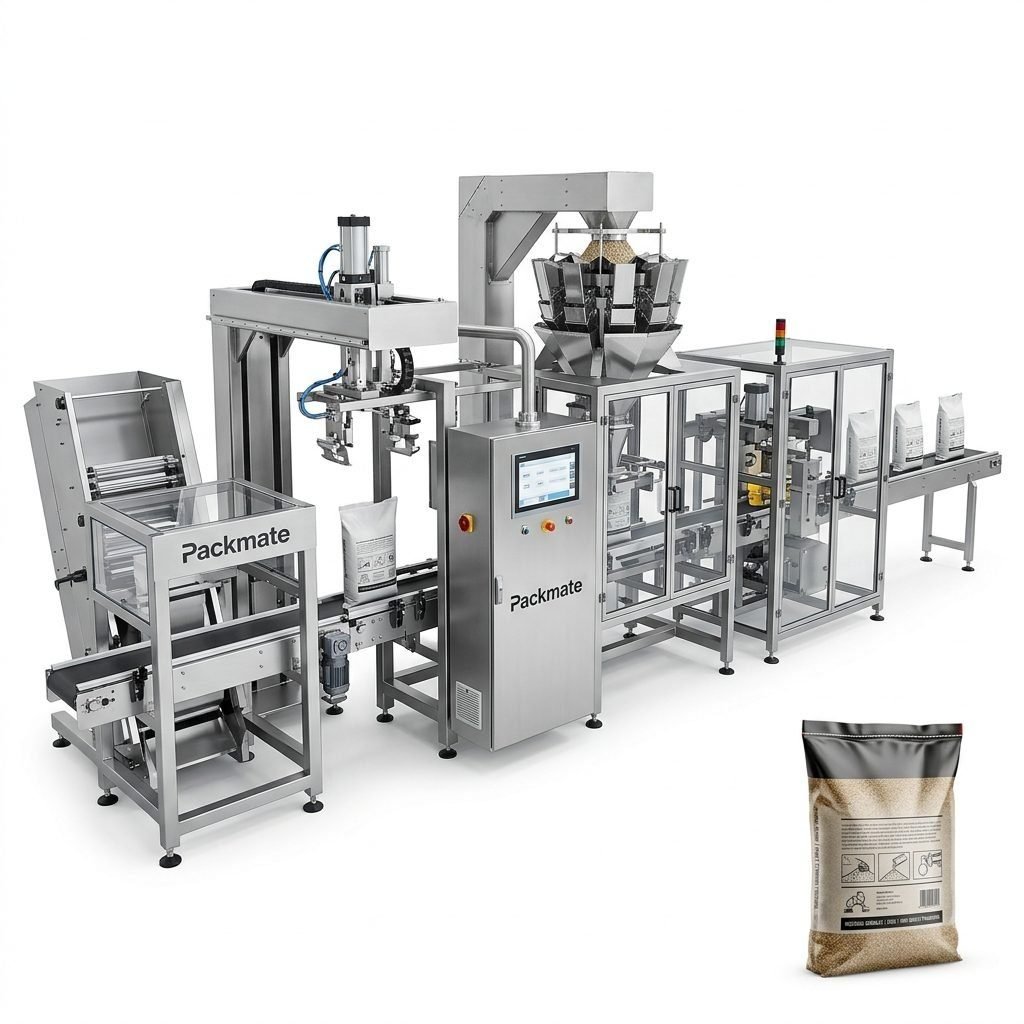
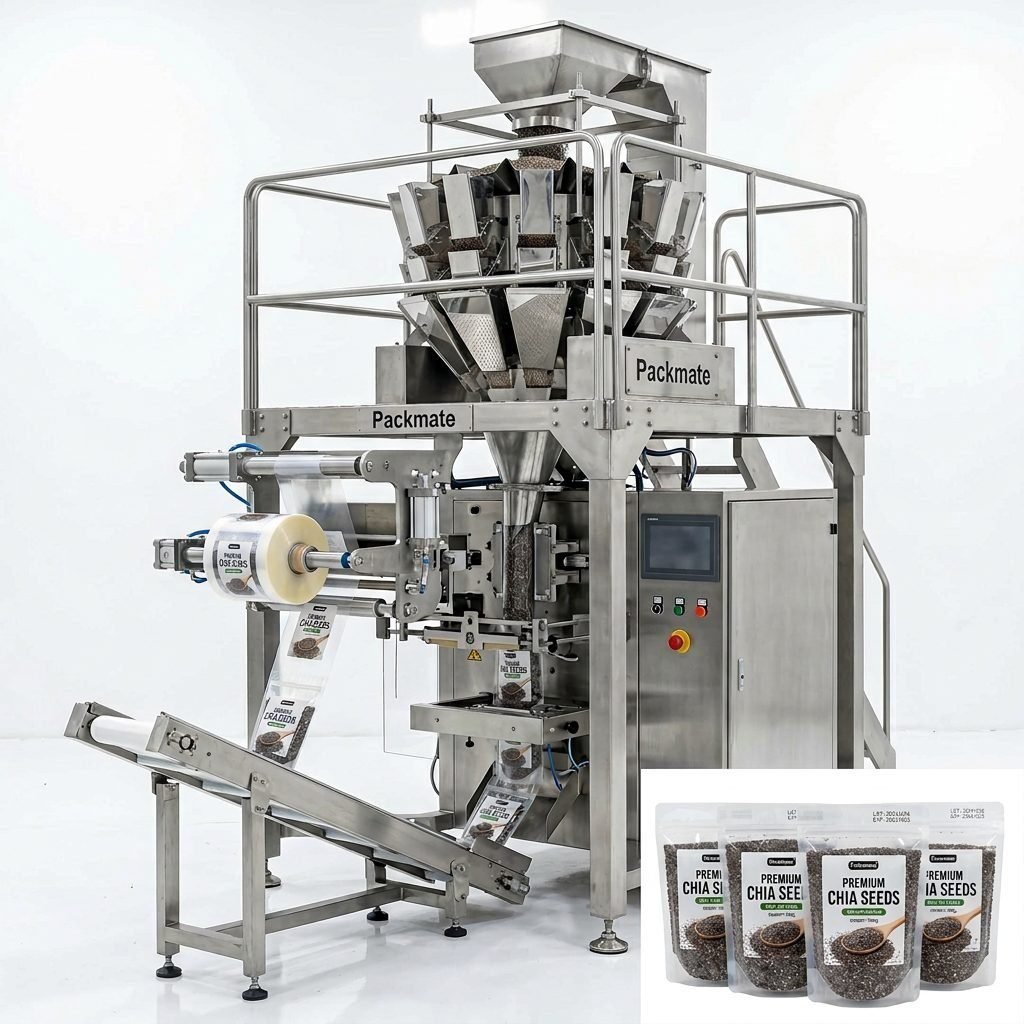
For bulk or retail sales in flexible packaging, automatic machines that fill and seal stand-up pouches or bags are used. These machines often integrate with weighing systems to ensure net weight accuracy before sealing. This format is excellent for larger consumer sizes and offers great shelf appeal.
Complete Packaging Lines
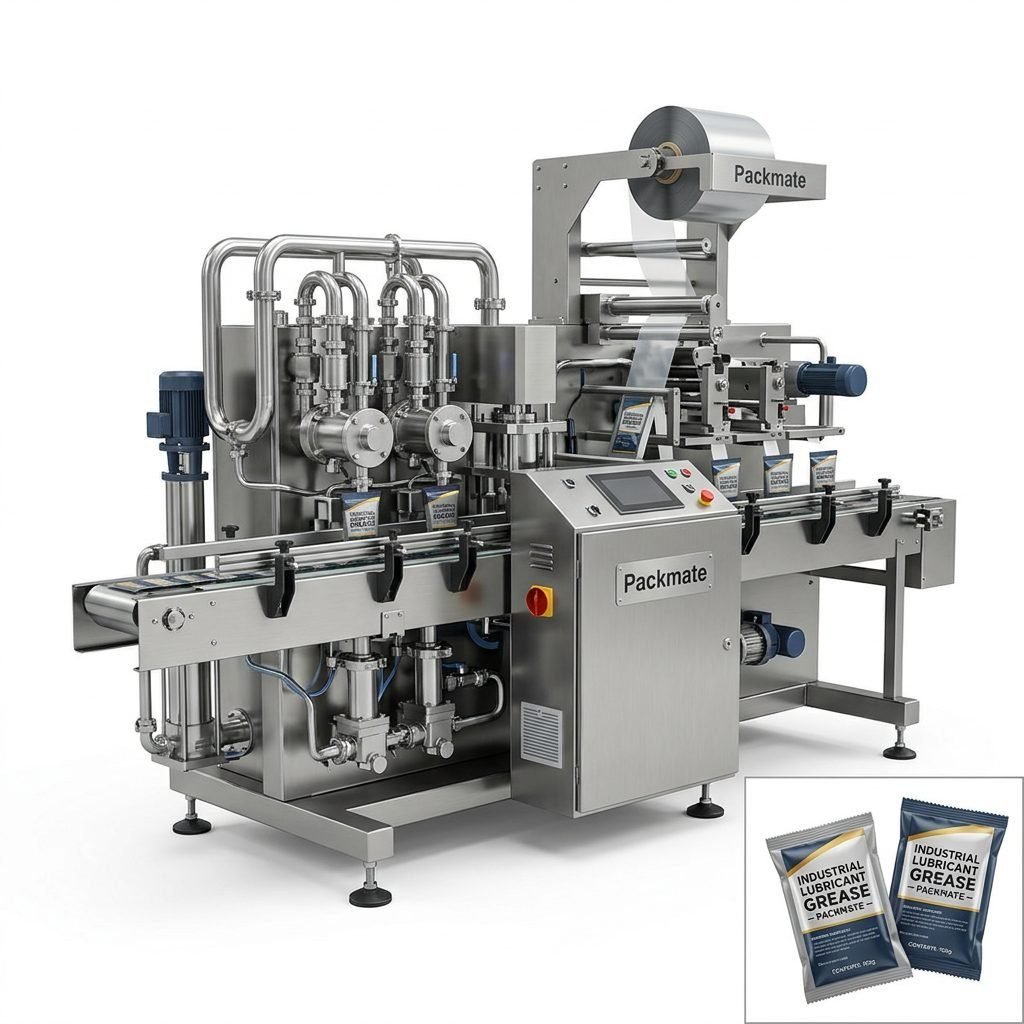
For large-scale operations, a fully integrated filling and packaging line is necessary. This typically includes a bottle unscrambler, filler, capper, labeler, and case packer. Investing in a complete line from a single supplier like Packmate ensures compatibility, efficiency, and streamlined after-sales support.
Key Factors Influencing Machine Cost
The price of a honey packaging machine is not a single figure but a range influenced by several interconnected factors.
Automation Level: Manual or semi-automatic machines are the most affordable, suitable for startups or low-volume producers. Fully automatic machines command a higher price but offer significantly greater output, consistency, and labor savings.
Production Speed and Capacity: Machines are rated by packages per minute (PPM). A machine capable of 60 PPM will cost more than one rated for 20 PPM. It’s crucial to match the machine’s speed with your current and projected future needs.
Machine Construction and Materials: Machines built with high-grade stainless steel (e.g., SS304 or SS316) for food contact parts are more durable, easier to clean, and compliant with hygiene standards, but they are more expensive than those with partial stainless construction.
Filling Accuracy and Technology: Systems with advanced servo motors, precision weighing scales, and touch-screen PLC controls offer superior accuracy and easier operation but add to the initial cost. This precision reduces product giveaway, saving money in the long run.
Brand and Supplier Expertise: Established manufacturers with a proven track record, like Packmate Machinery, often price their machines to reflect decades of R&D, reliable engineering, and comprehensive service networks. The peace of mind and reduced downtime they offer justify the investment.
Essential Buying Tips for Your Investment
Purchasing a packaging machine is a major decision. Follow these tips to ensure you select the right partner and equipment.
1. Clearly Define Your Requirements: Before contacting suppliers, document your needs: honey viscosity, target container types and sizes, required output (bags/bottles per hour), available factory space, and budget. This clarity will help suppliers provide accurate recommendations.
2. Prioritize Hygiene and Ease of Cleaning: Honey is sticky and can crystallize. Choose a machine with a simple, accessible design, minimal dead spots, and CIP (Clean-in-Place) capabilities if possible. Sanitary design is non-negotiable for food safety.
3. Request a Live Product Test: Never buy based on specifications alone. Send a sample of your actual honey to the manufacturer for a live demonstration or video test run. This is the only way to verify the machine’s performance with your specific product.
4. Evaluate Total Cost of Ownership (TCO): Look beyond the purchase price. Consider energy consumption, spare parts cost and availability, required maintenance, and the supplier’s technical support reputation. A reliable machine with good support minimizes lifetime costs.
5. Choose a Partner, Not Just a Vendor: Select a supplier with deep industry experience and a commitment to your success. Review their case studies and client testimonials. A good partner will offer training, comprehensive after-sales service, and be a resource for future growth.
Frequently Asked Questions (FAQs)
What type of filling machine is best for very thick, raw honey?
For thick, raw, or creamed honey, a piston filler is typically the best choice. Its positive displacement action handles high-viscosity products effectively and maintains excellent filling accuracy regardless of product flow characteristics.
Can one machine package honey into different container shapes and sizes?
Many modern machines are designed with quick-change parts (like nozzle plates, bottle holders, or pouch forming tools). This allows for relatively fast changeovers between different container types and sizes, enhancing production flexibility. Always confirm changeover time and complexity with the supplier.
How important is after-sales service when buying a packaging machine?
Extremely important. Even the most reliable machine may require maintenance, spare parts, or technical assistance. Choose a manufacturer known for a strong global service network, readily available spare parts, and responsive technical support to minimize costly downtime.
What are the key maintenance routines for a honey packaging machine?
Daily cleaning to remove honey residue is paramount. Regular lubrication of moving parts (as per manual), inspection of seals and gaskets for wear, and calibration of weighing or filling systems are essential routines to ensure long-term accuracy and machine life.
Is it worth investing in a fully automatic line for a small honey farm?
For a very small farm with limited volume, a semi-automatic machine is often a more sensible starting point. However, if you are experiencing rapid growth or have ambitions to scale, discussing a scalable solution or a modular automatic machine with a supplier like Packmate can be a strategic investment for the future.