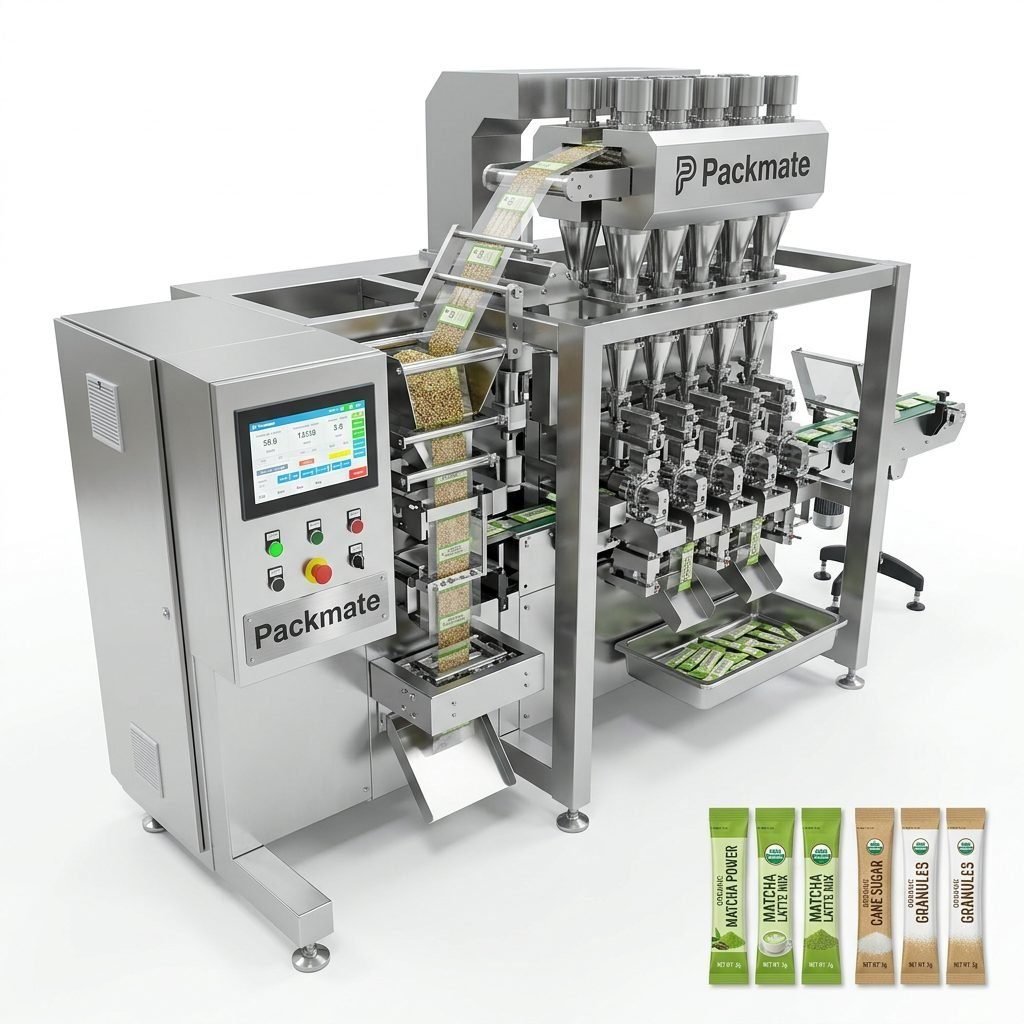
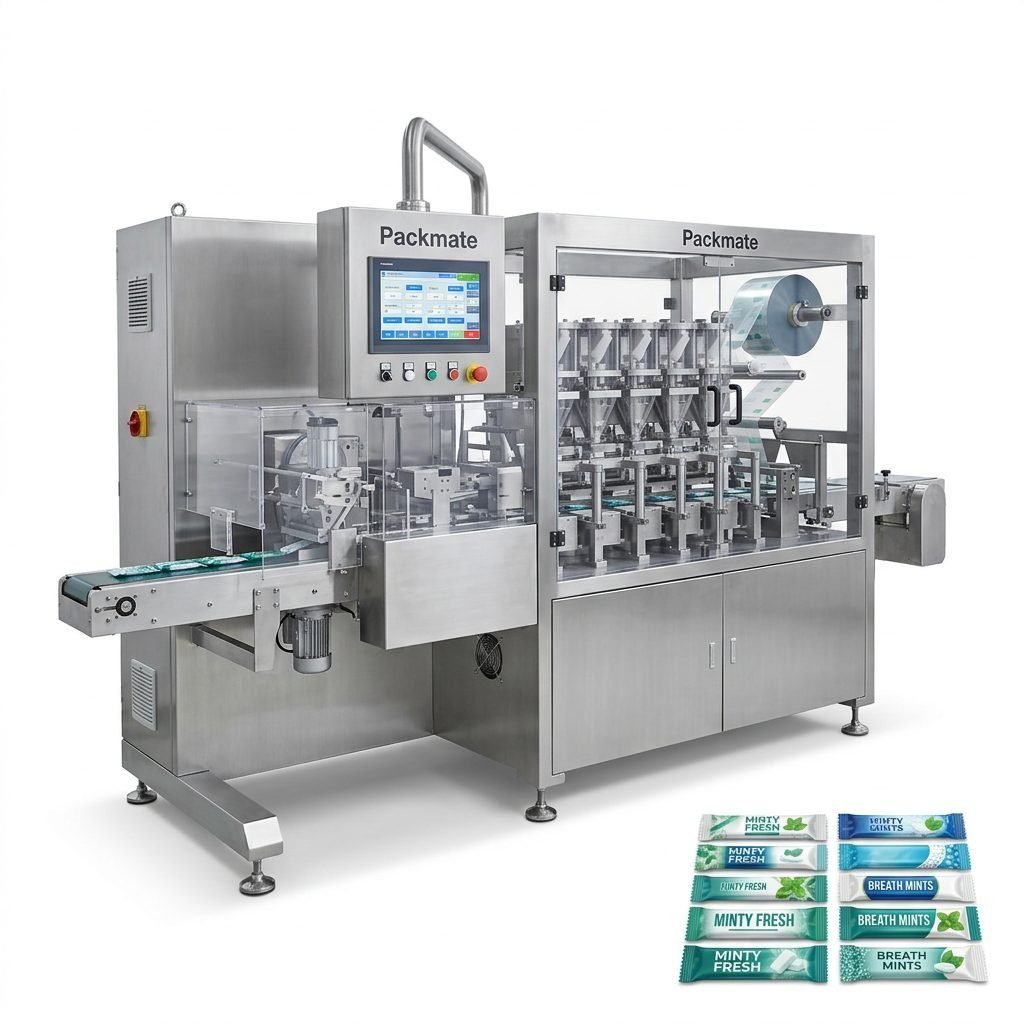
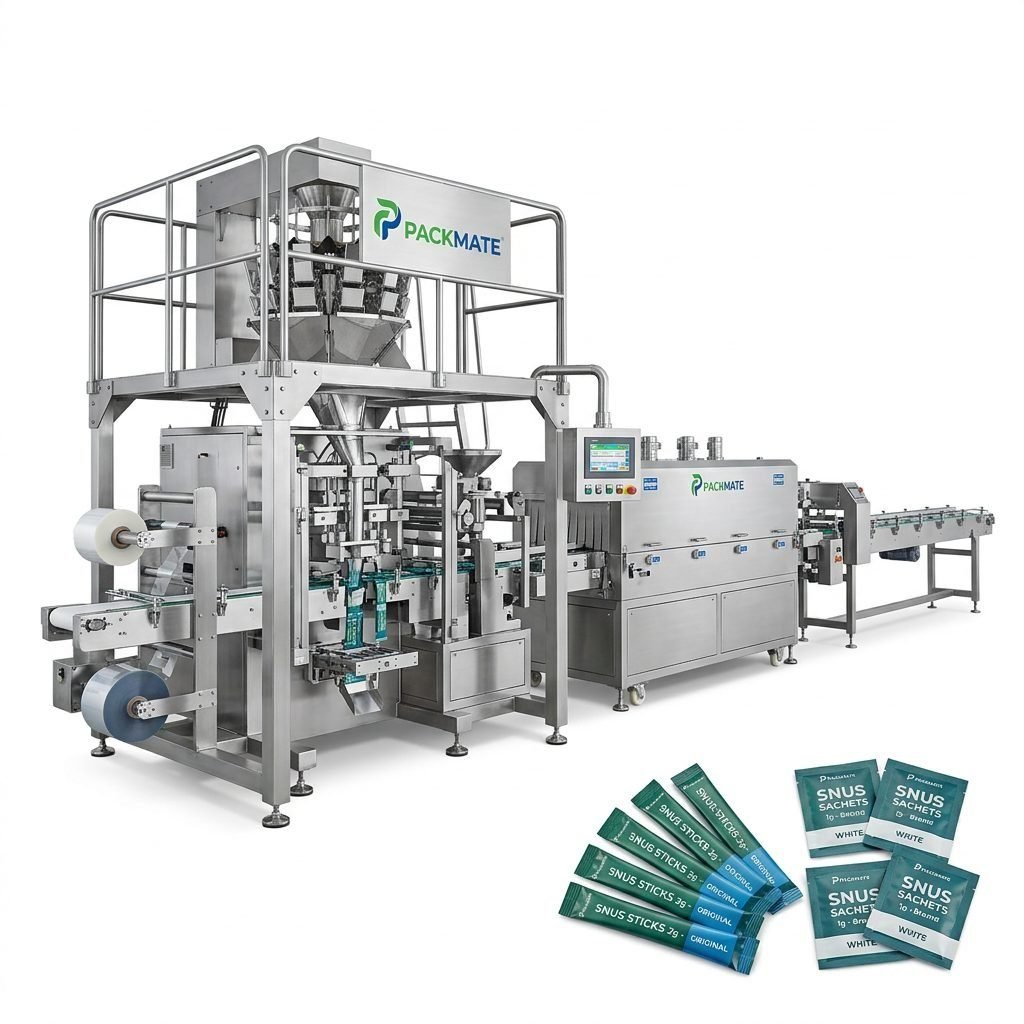
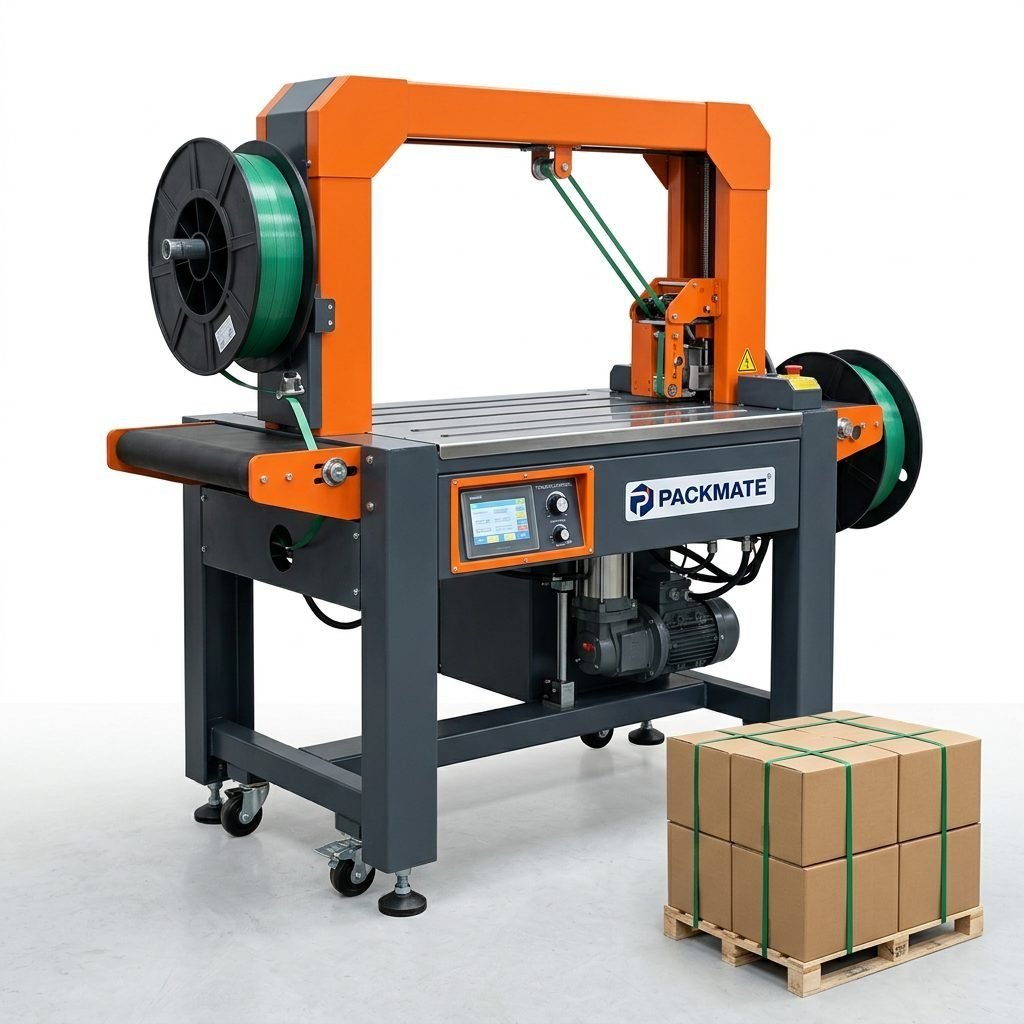
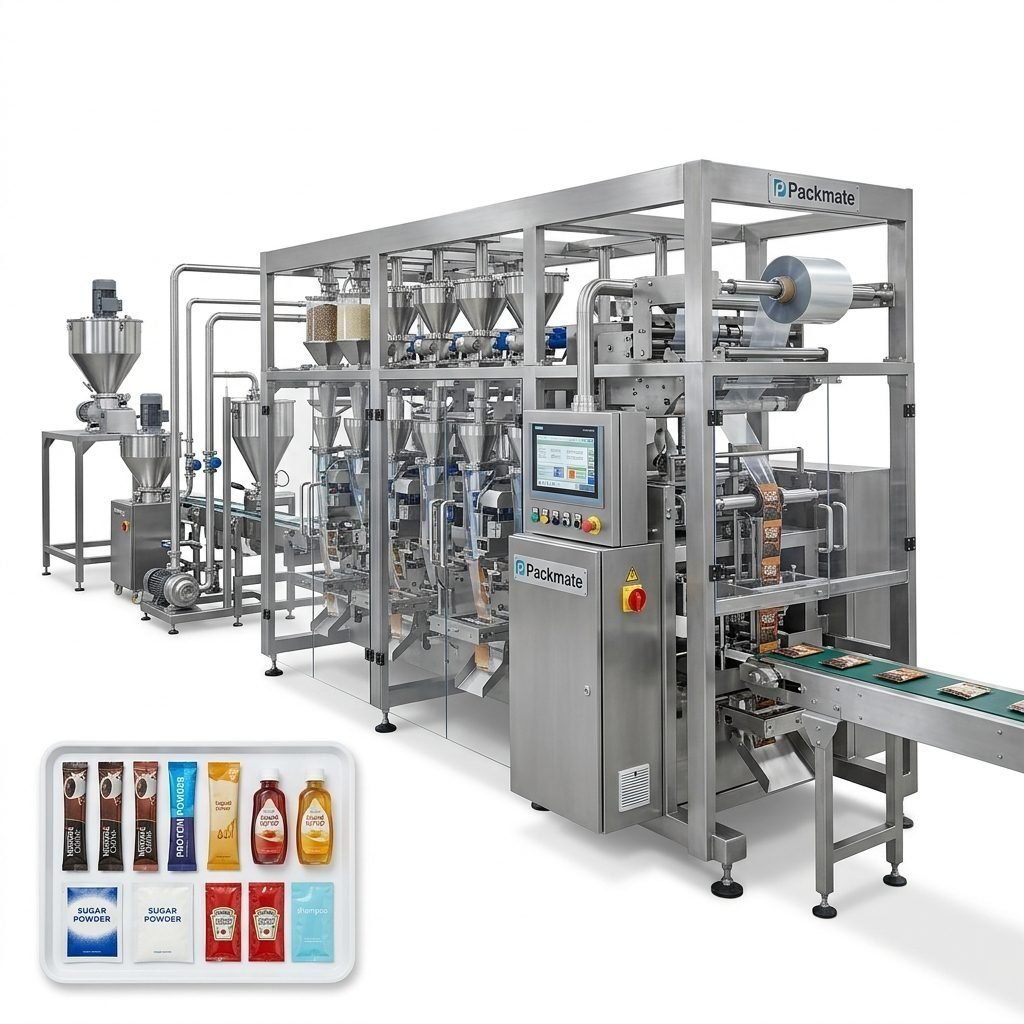
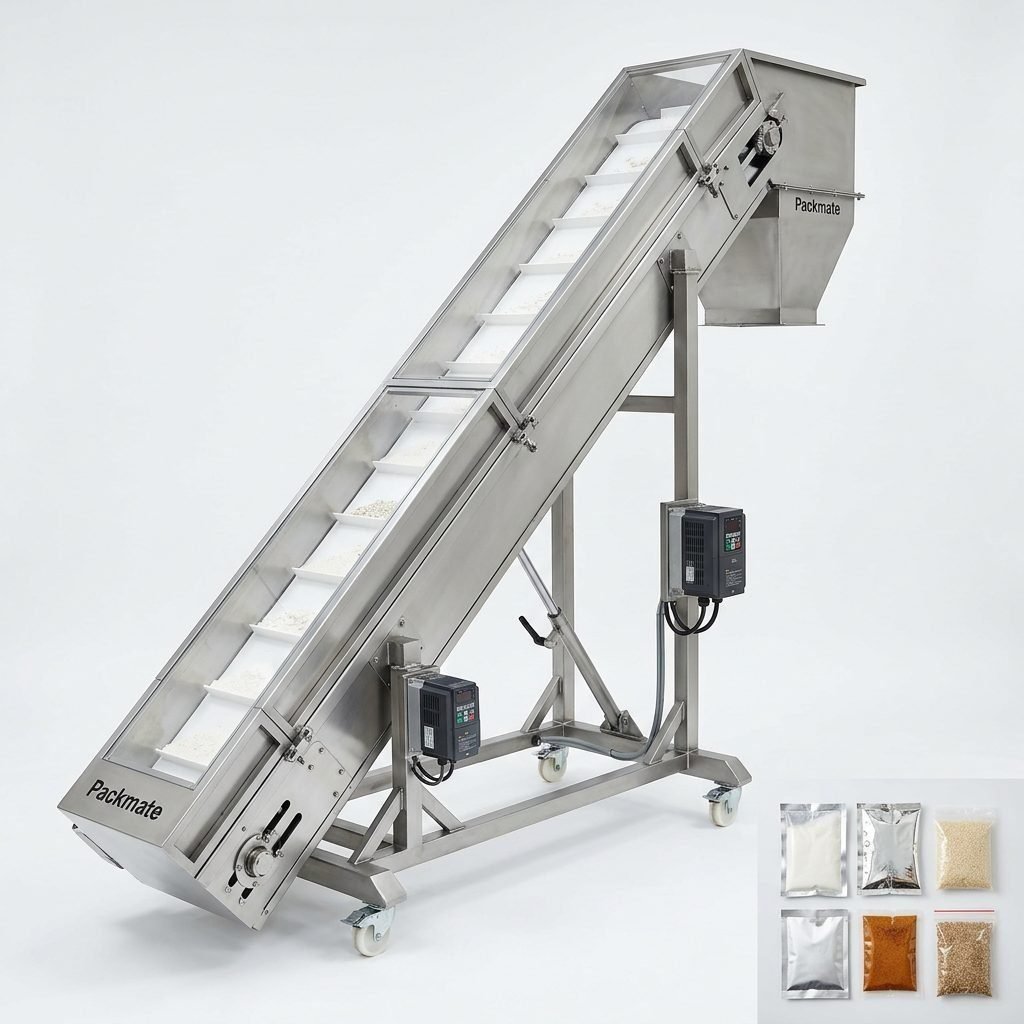
Selecting the perfect place packaging machine is a critical decision that directly impacts your production efficiency, product quality, and bottom line. With numerous options available, from sachet and stick pack machines to complex filling and packaging lines, the process can seem daunting. This comprehensive guide will walk you through the key factors to consider, ensuring you make an informed choice that aligns perfectly with your operational needs and business goals.
Understanding Your Core Packaging Requirements
The foundation of a successful selection lies in a deep and clear understanding of your own needs. Avoid the common pitfall of choosing a machine based on price or features alone without this crucial first step.
Product Characteristics
What are you packaging? The physical and chemical properties of your product dictate the machine’s core functionality. Is it a free-flowing powder, cohesive granules, a viscous liquid, or a delicate solid? Each type requires specific hopper designs, auger or pump systems, and handling mechanisms to ensure accurate, consistent, and gentle dosing.
Production Speed and Output Quantify your current and projected future needs. Determine your required bags-per-minute (BPM) or packs-per-hour (PPH) rate. A machine that is too slow creates bottlenecks, while an overly fast, complex machine for a small operation leads to unnecessary capital expenditure and underutilization.
Packaging Materials and Format
Your choice of film (e.g., laminated pouches, stick pack rolls, pre-made bags) and the final bag style (pillow bag, gusseted bag, stand-up pouch) are paramount. The machine must be compatible with your material’s thickness, coefficient of friction, and sealant layer. Consider if you need features like gas flushing for modified atmosphere packaging (MAP) or intricate zipper application.
Key Technical Specifications to Evaluate
Once your requirements are mapped, dive into the technical specifications of potential machines. This is where partnering with an experienced manufacturer like Packmate Machinery becomes invaluable, as they can translate your needs into precise technical terms.
Accuracy and Precision
For cost control and regulatory compliance (especially in food and pharmaceuticals), dosing accuracy is non-negotiable. Inquire about the weighing or volumetric filling system’s tolerance (e.g., ±0.5-1% for powders). High-precision multi-head weighers or servo-driven auger fillers are essential for high-value products.
Flexibility and Changeover
In today’s market, the ability to run multiple products or bag sizes on a single line is a significant competitive advantage. Assess the time and tooling required for changeovers. Look for machines with quick-release mechanisms, digital recipe storage, and easy-to-adjust forming tubes and sealing jaws to minimize downtime between production runs.
Beyond the Machine: The Total Solution Provider
The machine itself is only one part of the equation. The manufacturer’s support, reliability, and ability to provide a complete solution are equally important for long-term success.
Manufacturer Reputation and Support
Research the company’s history, like Packmate’s journey from a 1993 workshop to a modern 20,000㎡ facility. Examine their global installation base, client testimonials, and after-sales service structure. Do they offer comprehensive training, readily available spare parts, and responsive technical support? A reliable partner ensures your investment is protected for years.
Integration and Future-Proofing
Consider how the new machine will integrate with your existing upstream (e.g., mixing) and downstream (e.g., cartoning) equipment. A provider offering turnkey packaging solutions can ensure seamless integration. Furthermore, evaluate the machine’s connectivity for Industry 4.0—can it provide production data (OEE, downtime reasons) to your central system for analytics and process improvement?
Financial Considerations and ROI Analysis
The purchase decision must make clear financial sense. Look beyond the initial purchase price (CAPEX) to the total cost of ownership (TCO).
Operational Costs (OPEX): Calculate estimated costs for energy consumption, required compressed air, preventive maintenance kits, and spare parts. A slightly more expensive machine with higher energy efficiency and lower maintenance needs often has a better TCO.
Return on Investment (ROI): Project the ROI by quantifying gains from increased output speed, reduced material waste (from improved accuracy), lower labor costs due to automation, and decreased downtime. A detailed ROI analysis justifies the capital expenditure and guides you toward the most economically sound option.
Making the Final Decision
Request a product sample test run. The most reliable way to verify a machine’s suitability is to send your actual product and packaging materials to the manufacturer for a live demonstration. Observe the running process, check the final package quality, and measure the achieved speed and accuracy firsthand. This step mitigates the vast majority of post-purchase surprises.
Review all gathered information—your needs assessment, technical evaluations, manufacturer due diligence, and financial projections. Weigh the pros and cons of your shortlisted options. Remember, the right machine is the one that optimally balances performance, reliability, flexibility, and cost for your specific operation today and in the foreseeable future.
Frequently Asked Questions (FAQs)
1. What is the most important factor when choosing a place packaging machine?
While all factors are interconnected, a precise understanding of your product characteristics and production volume requirements is the absolute foundation. An inaccurate assessment here will lead to a poor machine choice regardless of other features.
2. How can I ensure the machine will work with my specific packaging film?
Always provide samples of your exact packaging material to the manufacturer for testing during the quotation and evaluation phase. They can assess its machinability, recommend optimal sealing parameters, and confirm compatibility with their equipment.
3. What kind of after-sales support should I expect?
You should expect and confirm the availability of detailed installation guidance, comprehensive operator and maintenance training, a clear warranty policy, access to genuine spare parts, and responsive remote and on-site technical support. For example, manufacturers with a strong global presence often provide more reliable support networks.
4. Is it better to buy a standard machine or a custom-configured one?
Start with a standard model that meets ~80-90% of your needs, as it benefits from proven design and easier part sourcing. Use customizable options or modules (like specific fillers, special sealers, or unique coding attachments) to tailor it for your remaining requirements. A fully custom machine is typically only necessary for highly unique applications.
5. How do I calculate the potential Return on Investment (ROI) for a new machine?
ROI is calculated by comparing the net benefits (savings + increased profit) to the cost. Key metrics to quantify include: labor cost reduction, increased production output value, reduction in product giveaway (from better accuracy), lower rejection rates, and savings from reduced downtime. Your machine supplier should be able to help you model this based on your current operational data.