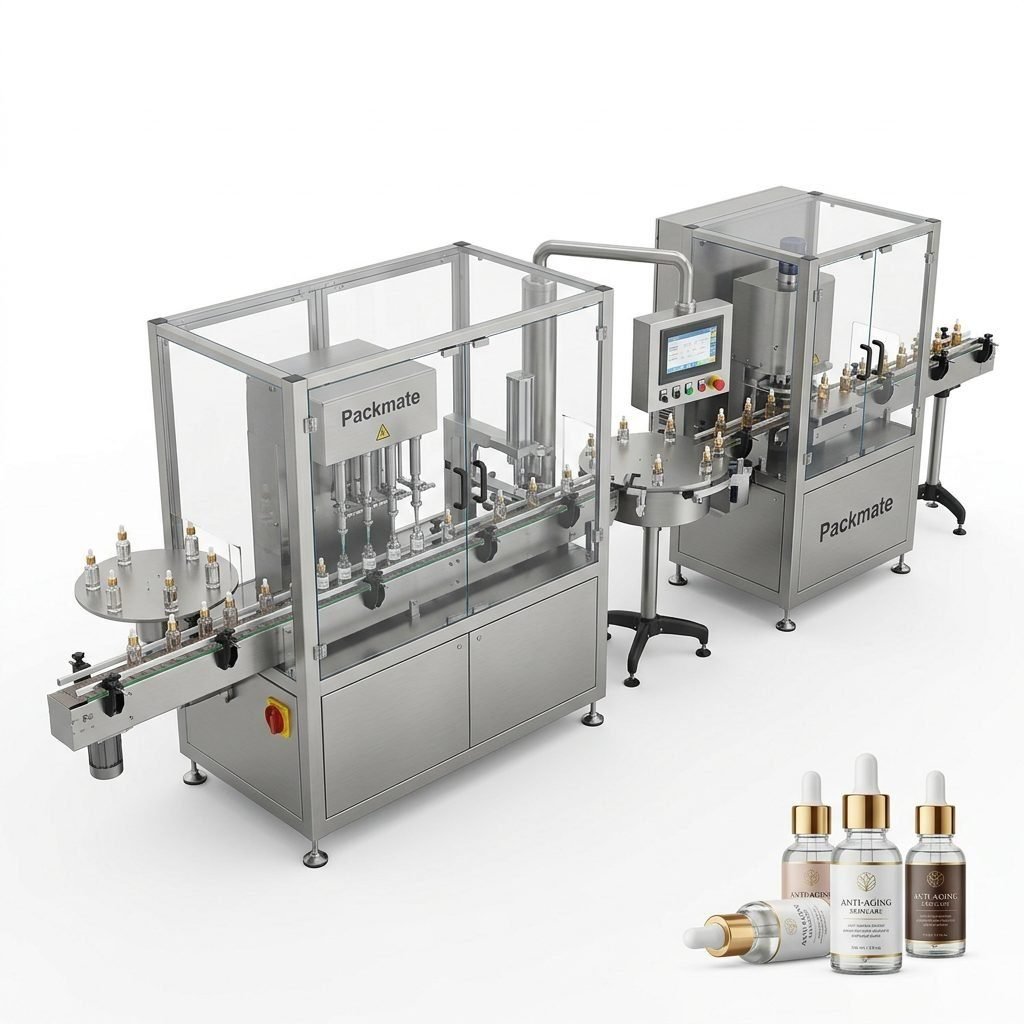
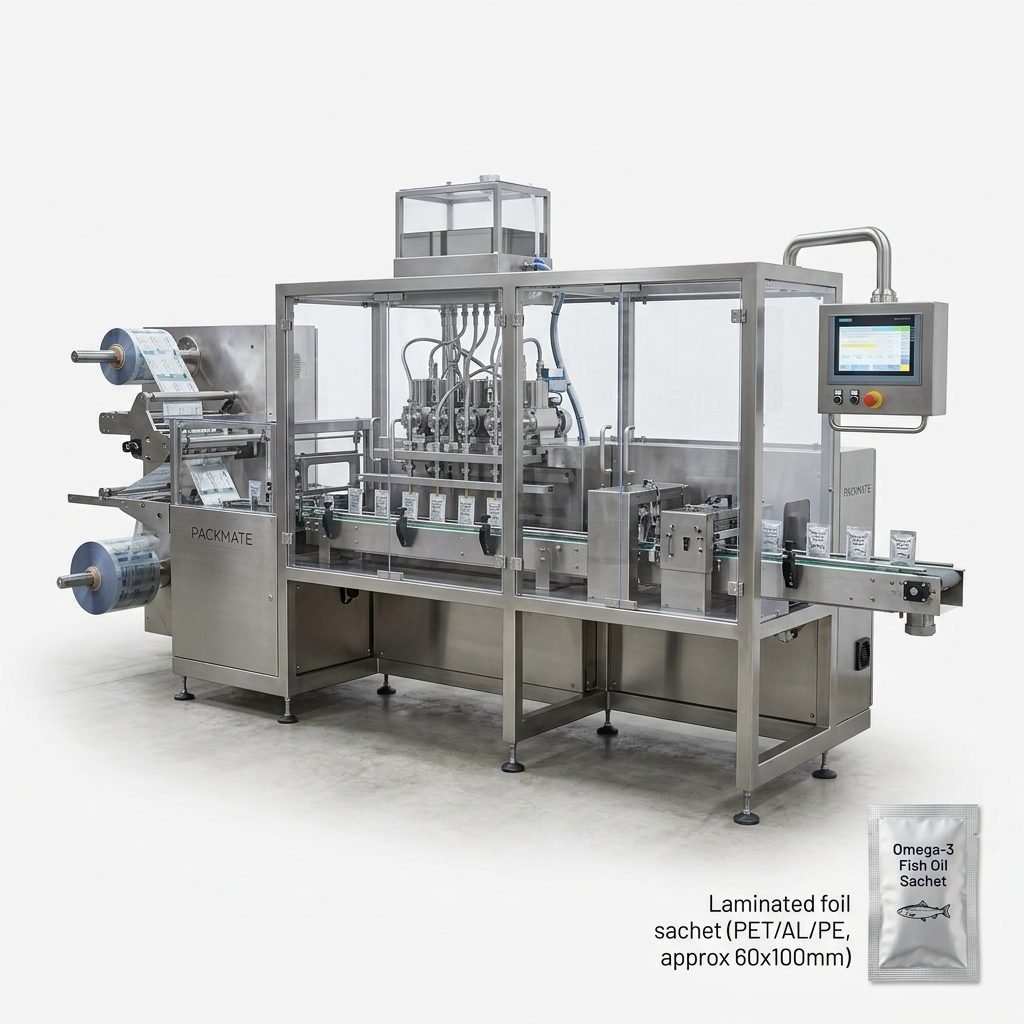
Choosing the right packaging machine is a critical decision that directly impacts your production efficiency, product quality, and bottom line. With a vast array of options available, from simple sachet fillers to complex multi-lane stick pack lines, the selection process can seem overwhelming. This guide will walk you through the essential factors to consider, ensuring you invest in a machine that perfectly aligns with your operational needs and business goals.
1. Define Your Product and Packaging Specifications
The journey begins with a deep understanding of what you are packaging. The machine must be compatible with your product’s physical characteristics and your desired package format.
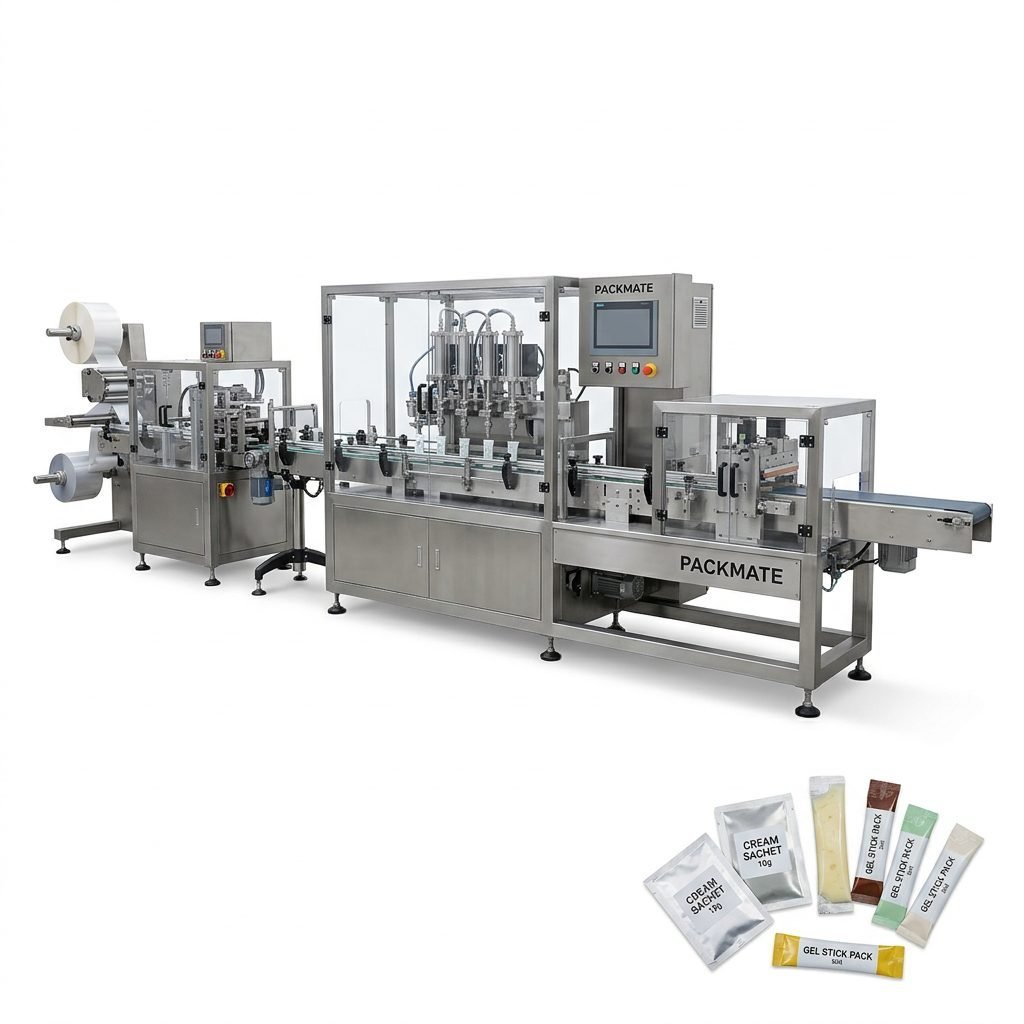
Product Type: Is your product a granule, powder, liquid, paste, or solid? Each type requires specific filling mechanisms. For instance, powders need auger fillers for accuracy, while liquids utilize piston or pump fillers.
Packaging Material: Determine the film type (e.g., laminated films for barrier properties), thickness, and whether it’s pre-made pouches or form-fill-seal (FFS) roll stock.
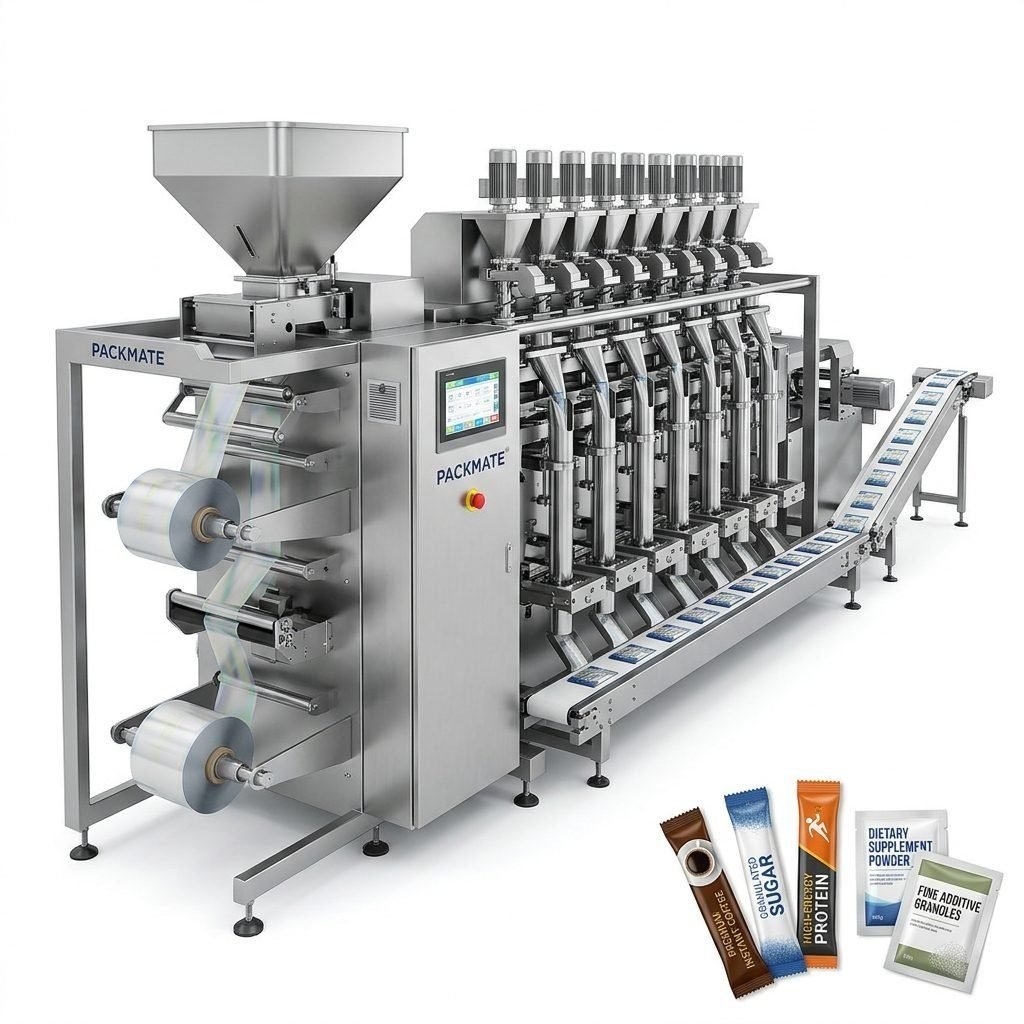
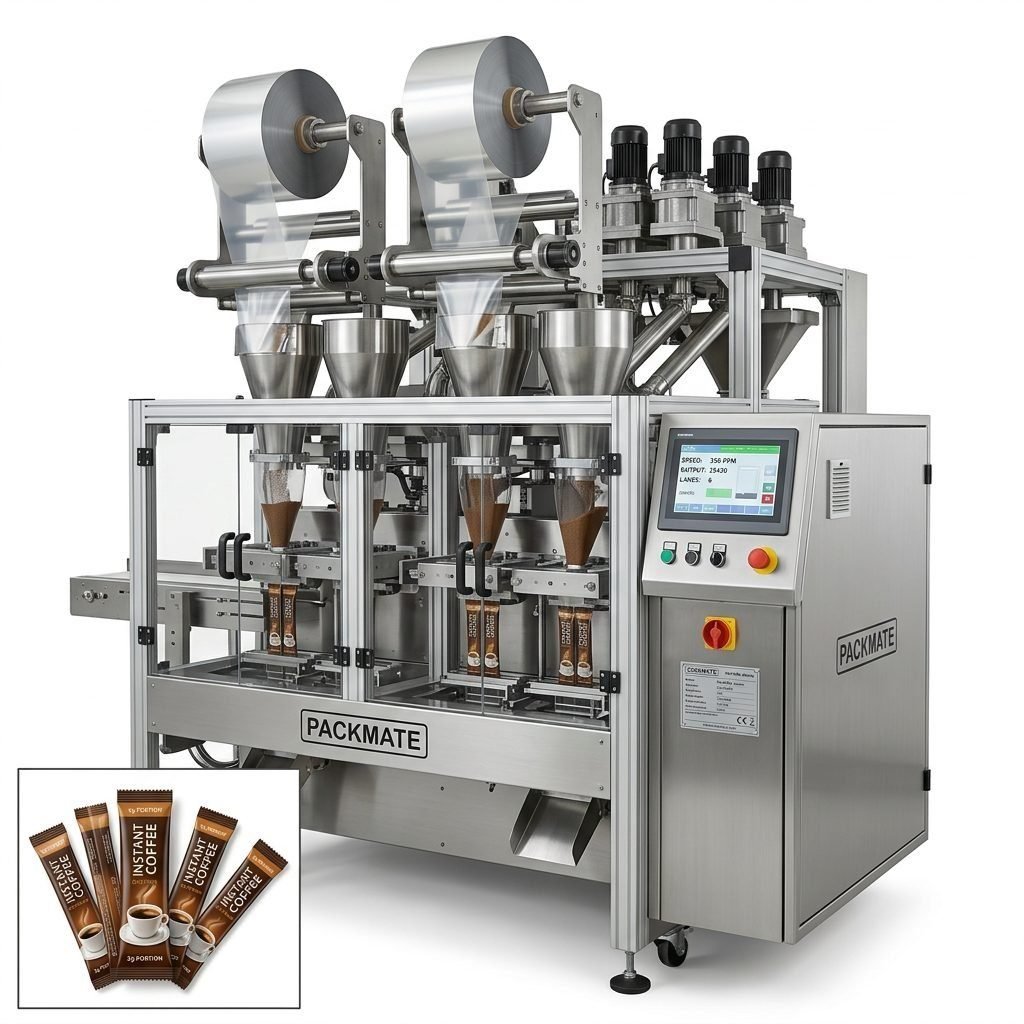
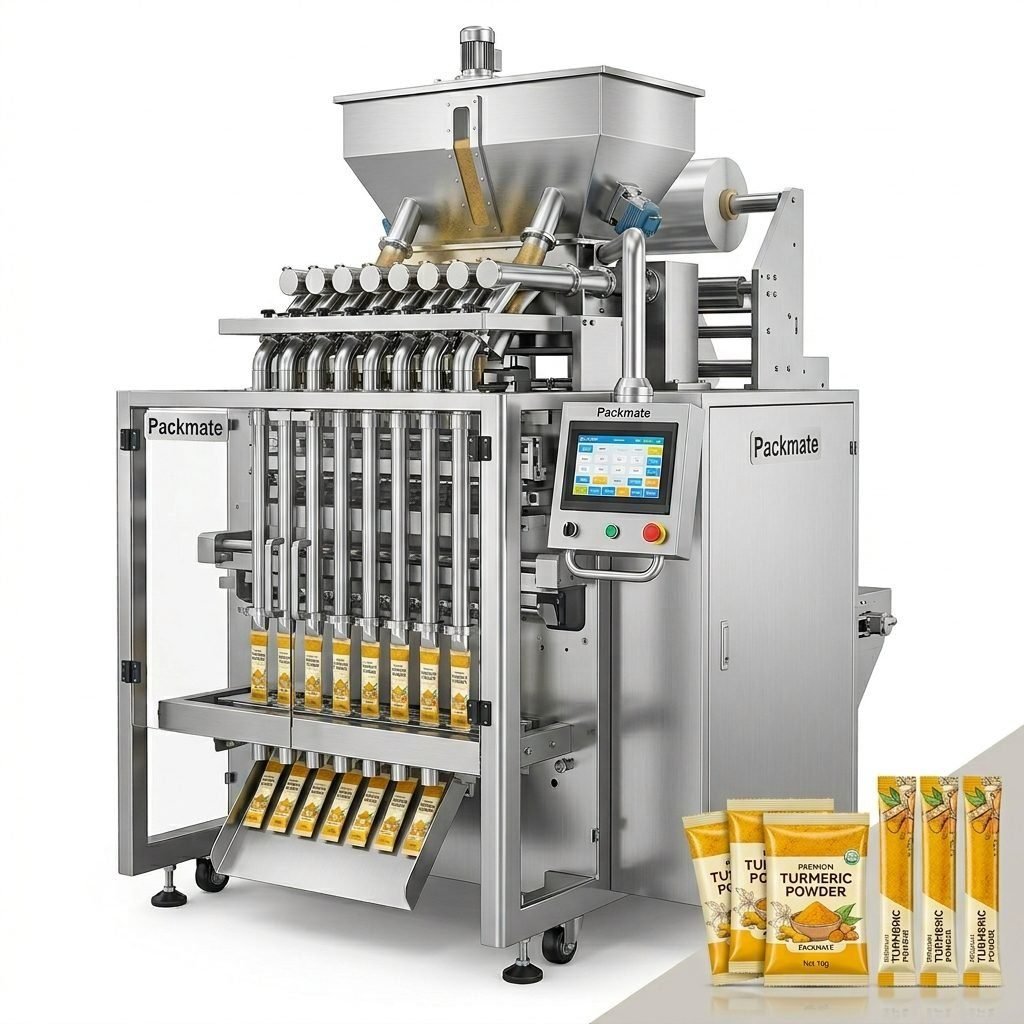
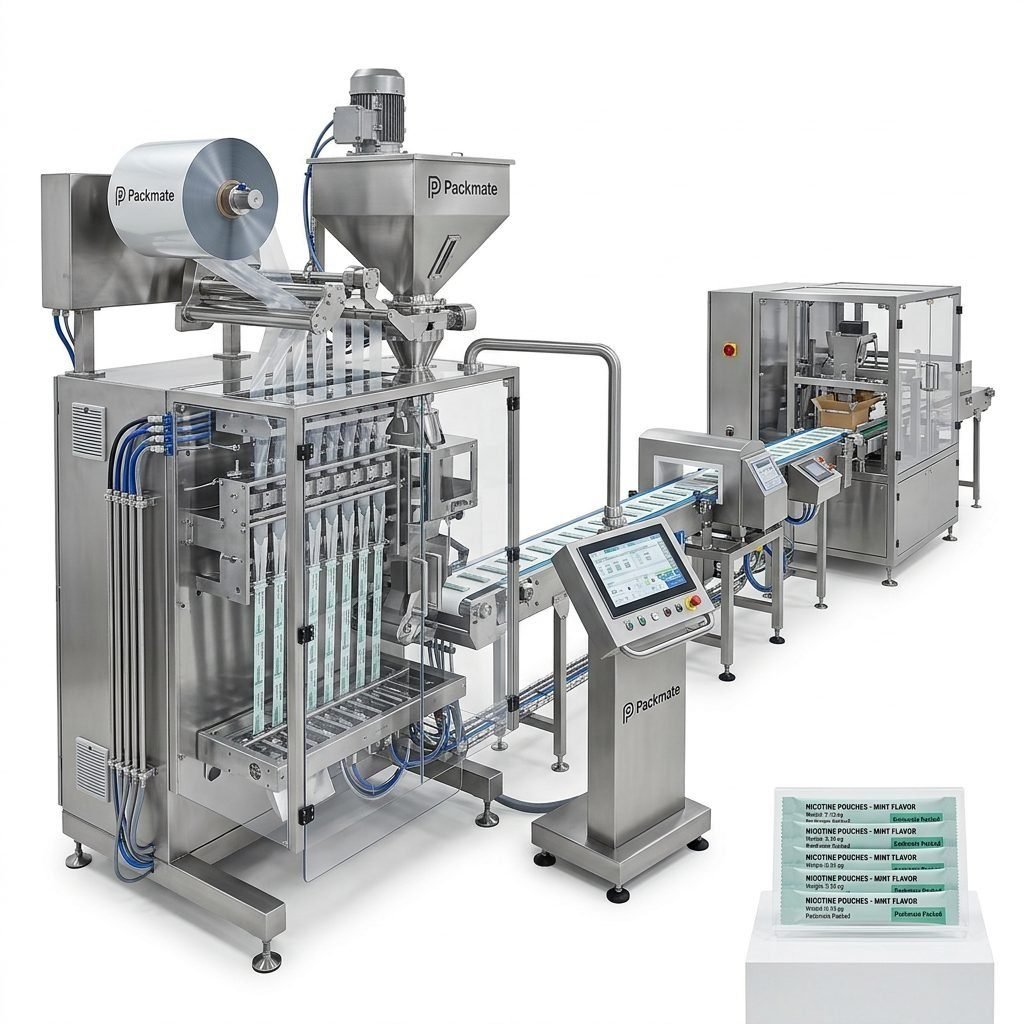
Package Size & Output: Define your target bag/pouch dimensions and your required production speed (e.g., bags per minute). This will narrow down machine models from basic single-lane units to high-speed multi-lane stick pack machines.
2. Assess Your Production Volume and Scalability
Your current and future production demands are paramount. Investing in a machine that is either under or over-powered can be costly.
For low to medium volume operations, a versatile, semi-automatic or standard automatic machine might be sufficient and cost-effective. For high-volume, 24/7 production, you need a robust, fully automatic system designed for durability and minimal downtime. Consider if you plan to expand your product line or increase output in the near future. Choosing a modular system or a manufacturer known for scalable solutions, like Packmate Machinery with its 30+ years of expertise, provides a pathway for growth without needing a complete machine replacement.
Key Questions to Ask:
- What is our current daily/weekly output requirement?
- Do we anticipate significant growth in the next 3-5 years?
- Is the machine capable of running multiple shifts with reliable performance?
3. Prioritize Accuracy, Efficiency, and Integration
Modern packaging is as much about precision and smart operation as it is about speed.
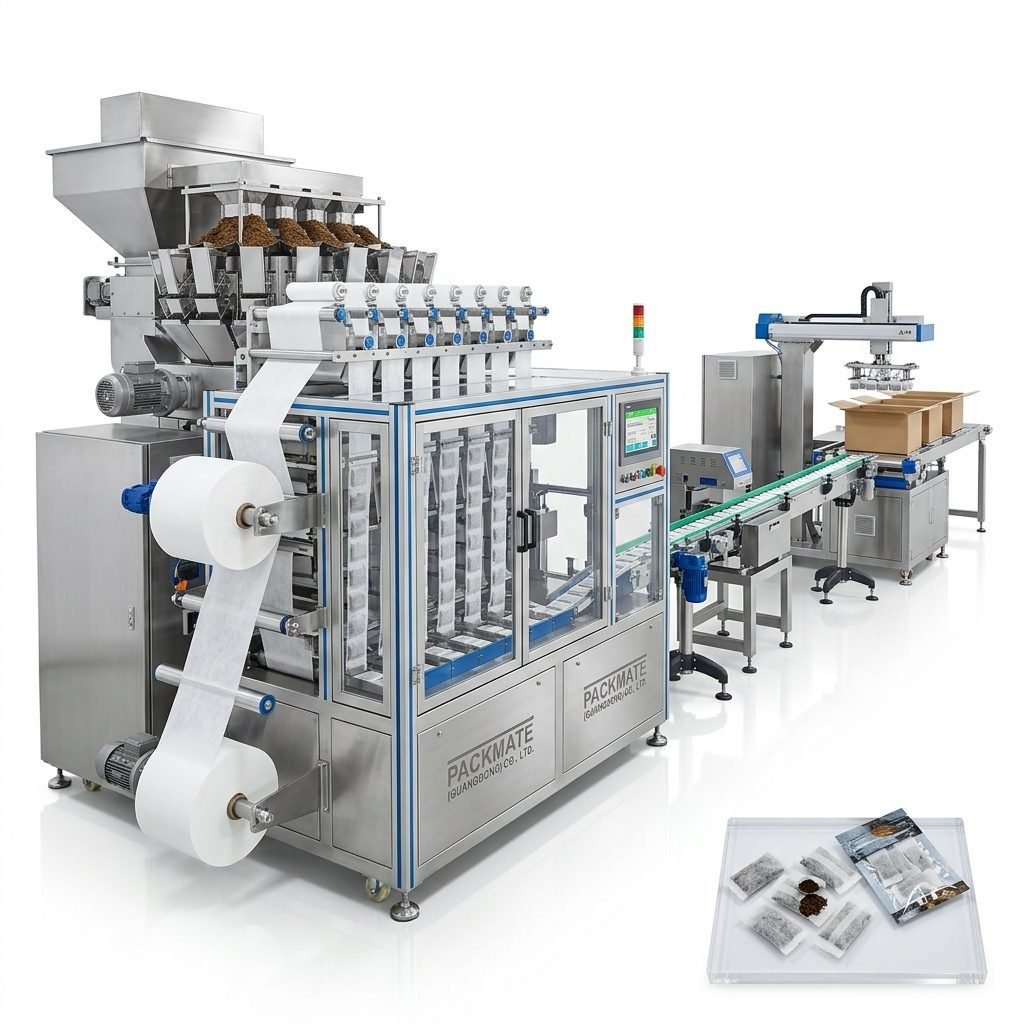
Weighing & Filling Accuracy: This is non-negotiable for cost control and regulatory compliance (especially in food and pharmaceuticals). Look for machines with high-precision scales and feedback systems. For complex weighing needs, explore dedicated weighing and packaging systems.
Changeover Time & Flexibility: How quickly can you switch between different package sizes or products? Machines with quick-change parts and digital recipe storage drastically reduce downtime and increase operational flexibility.
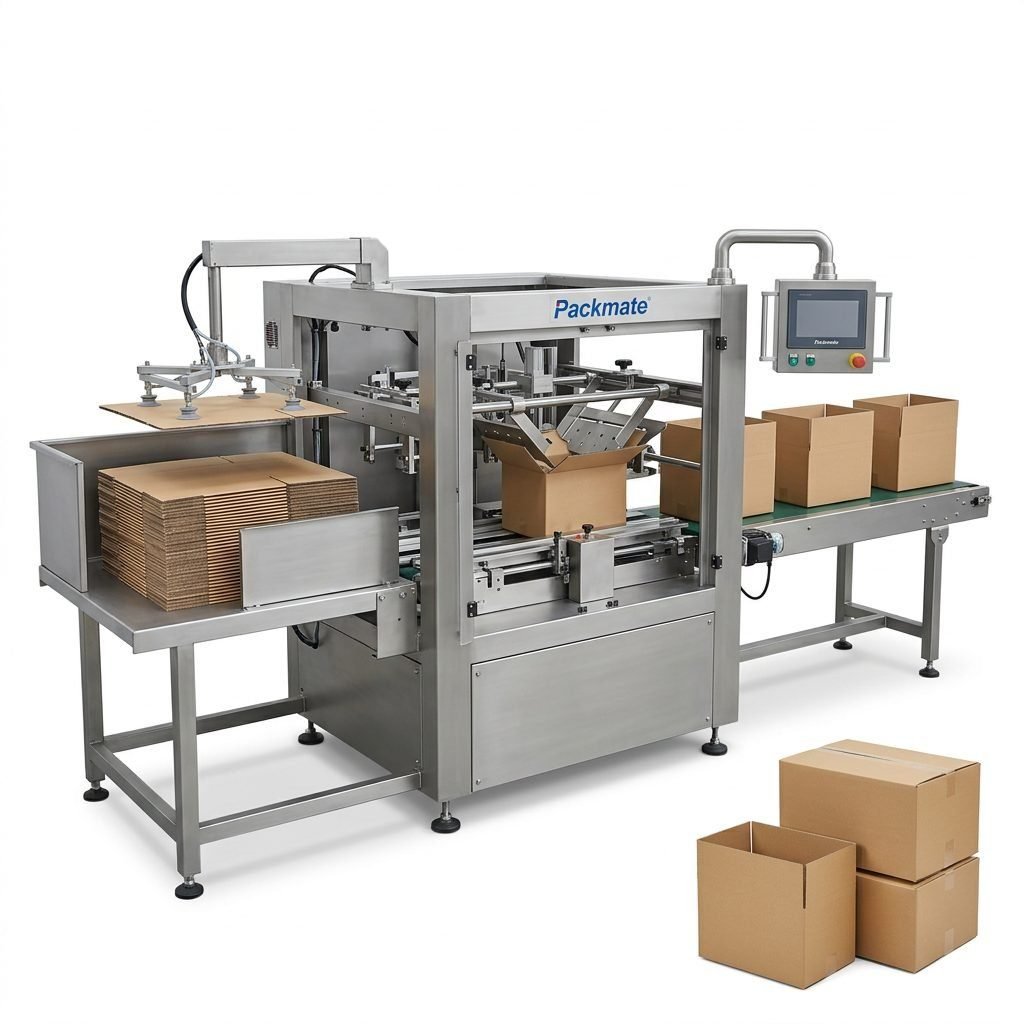
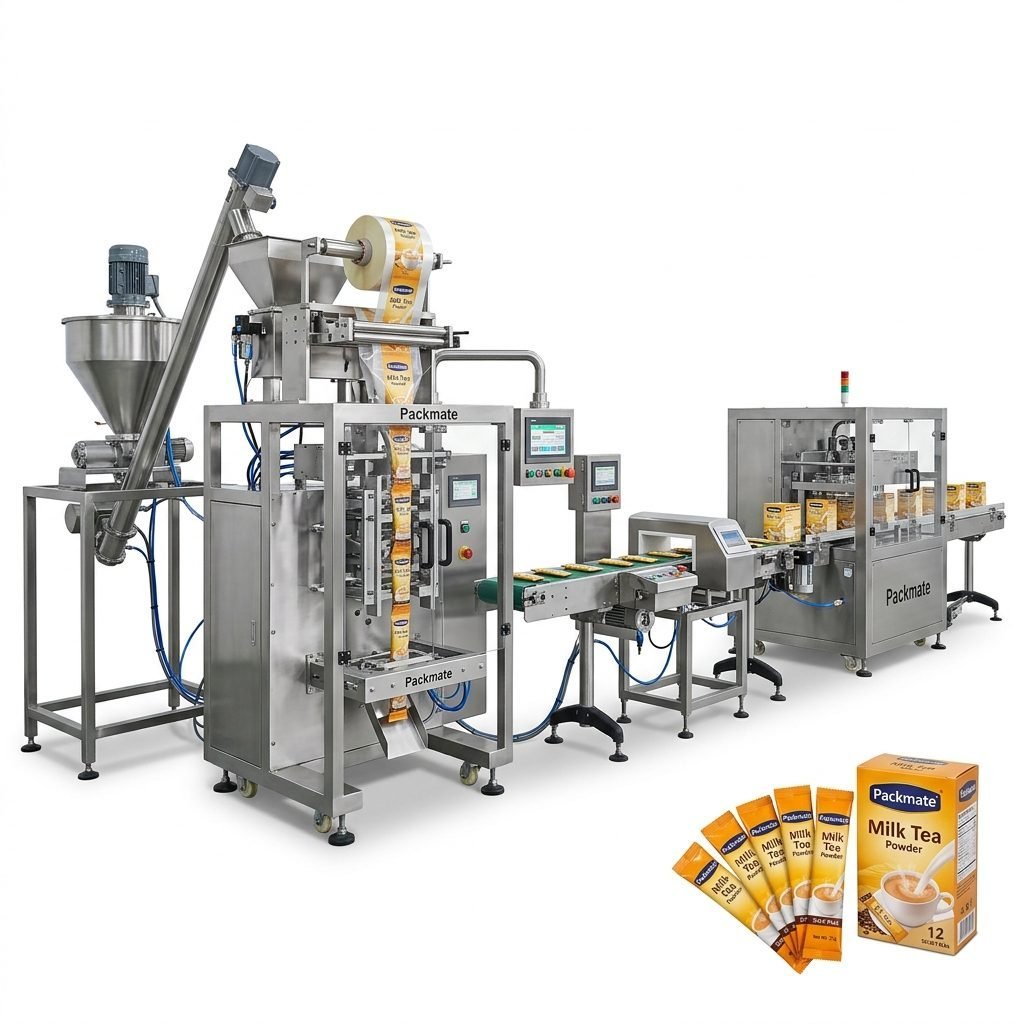
Integration Capability: Your packaging machine should not be an island. Consider how it will integrate with upstream processes (like mixing or conveying) and downstream equipment (like cartoning or case packing). A full turnkey packaging line from a single supplier often ensures seamless communication and optimized workflow.
4. Evaluate Build Quality, Support, and Total Cost of Ownership
The initial purchase price is just one part of the financial equation. The machine’s longevity and operating costs are crucial.
Manufacturer Reputation & Build: Investigate the manufacturer’s history, quality control processes, and the materials used in construction. A company like Packmate, with a 20,000㎡ modern facility and over 22 years of development, typically invests in robust engineering that pays off in long-term reliability.
After-Sales Service & Parts Availability: Ensure the supplier offers comprehensive training, readily available spare parts, and responsive technical support. Downtime waiting for a service engineer or a critical component can be devastating.
Total Cost of Ownership (TCO): Calculate TCO by adding the purchase price, installation, expected maintenance, energy consumption, and potential cost of downtime over the machine’s lifespan. A slightly higher initial investment in a quality machine often results in a lower TCO.
5. Compliance and Future-Proofing
Your machine must meet the regulatory standards of your industry and target markets.
For food, pharmaceutical, or health products, compliance with standards like GMP, FDA, or CE is essential. Furthermore, consider “future-proofing” your investment. Does the machine have the potential for upgrades? Can it handle new, sustainable packaging materials that may become industry standards? Partnering with an innovative manufacturer ensures your equipment can adapt to evolving market and regulatory landscapes.
Frequently Asked Questions (FAQs)
Q1: How do I know if I need a form-fill-seal (FFS) machine or a pre-made pouch filler?
FFS machines are generally more cost-effective for high volumes and offer greater flexibility in package design, as they form the pouch from roll film. Pre-made pouch fillers are ideal for unique, complex pouch shapes that are difficult to form from roll stock or for brands that source pre-printed pouches externally. You can explore options in our bag & pouch packaging machines category.
Q2: What is the typical lead time for a custom packaging solution?
Lead times vary significantly based on machine complexity and customization. For standard models, it could be 8-12 weeks. For fully custom, integrated packaging lines, the engineering, manufacturing, and testing process may take 4-6 months or more. Always discuss timelines in detail with your supplier during the planning phase.
Q3: Can one machine handle multiple different product types (e.g., powder and granules)?
Some versatile machines can handle a range of similar products with changeover kits (different augers, funnels). However, switching between vastly different physical forms (e.g., liquid to powder) usually requires significant reconfiguration or different filling heads. It’s best to specify your primary and secondary products to the manufacturer for a clear recommendation.
Q4: How important is factory acceptance testing (FAT) before shipment?
FAT is highly recommended. It allows you to visit the manufacturer’s facility (like Packmate’s factory) to see the machine assembled and running with your specific materials or simulants. This is the best time to verify performance, request adjustments, and ensure the machine meets all agreed specifications before it is shipped to your site.
Q5: What kind of training and ongoing support should I expect?
Reputable suppliers provide comprehensive on-site installation and training for your operators and maintenance staff. They should also offer detailed manuals, access to spare parts, and remote/on-call technical support. Inquire about service contracts and the average response time for support requests to gauge the level of long-term commitment.