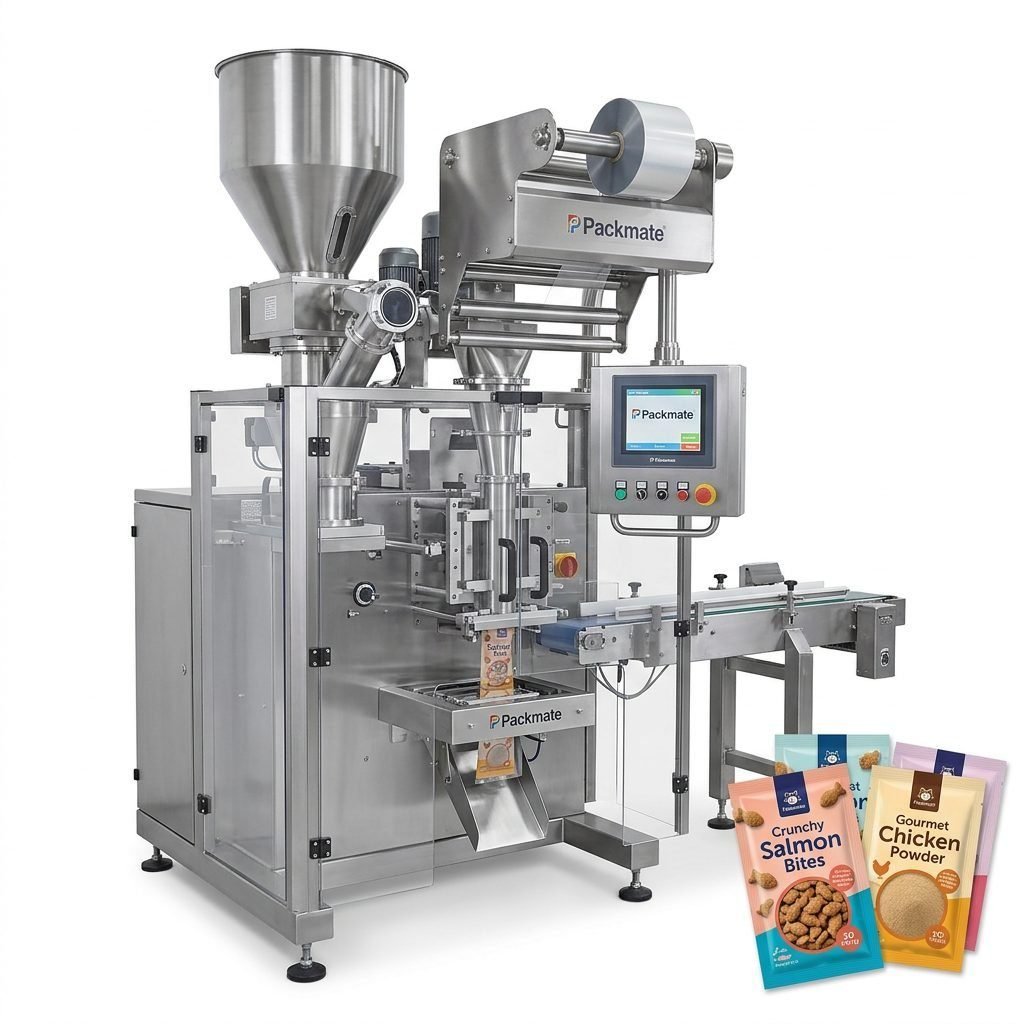
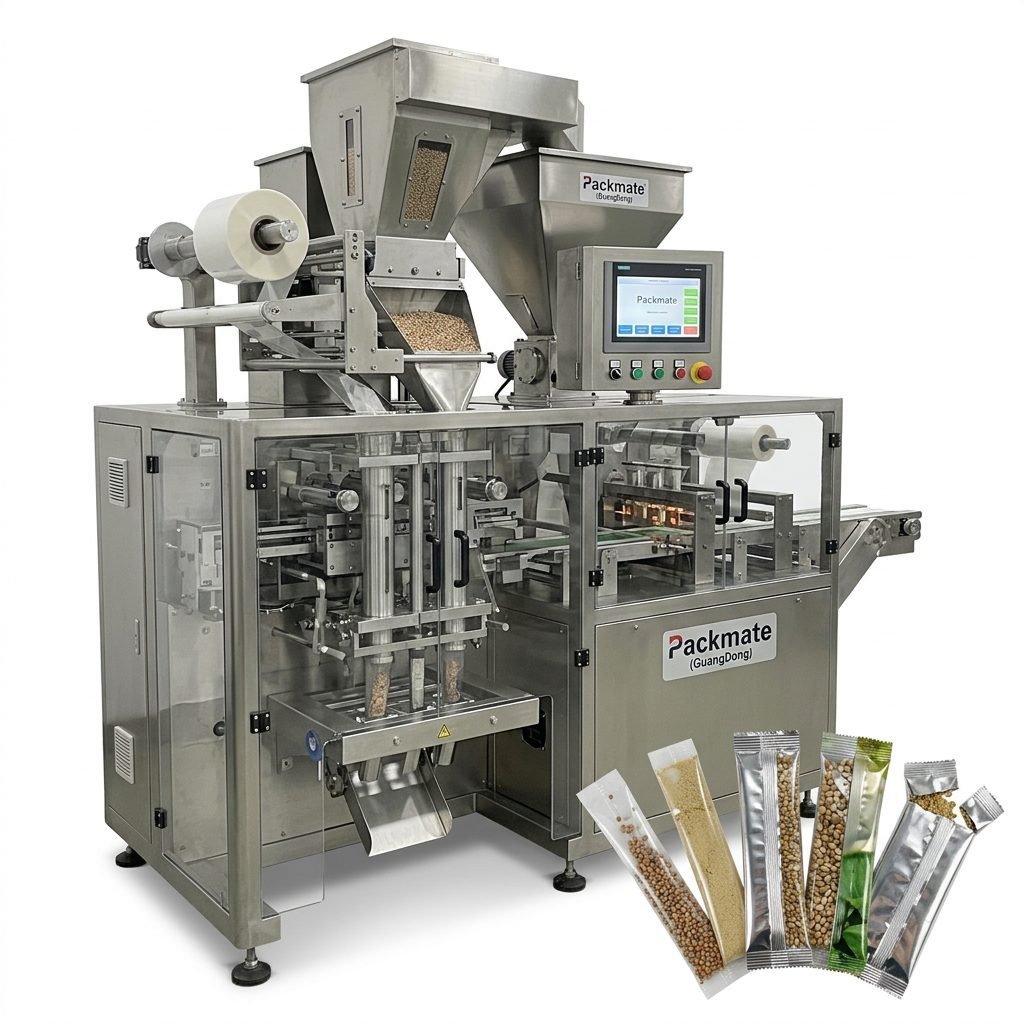
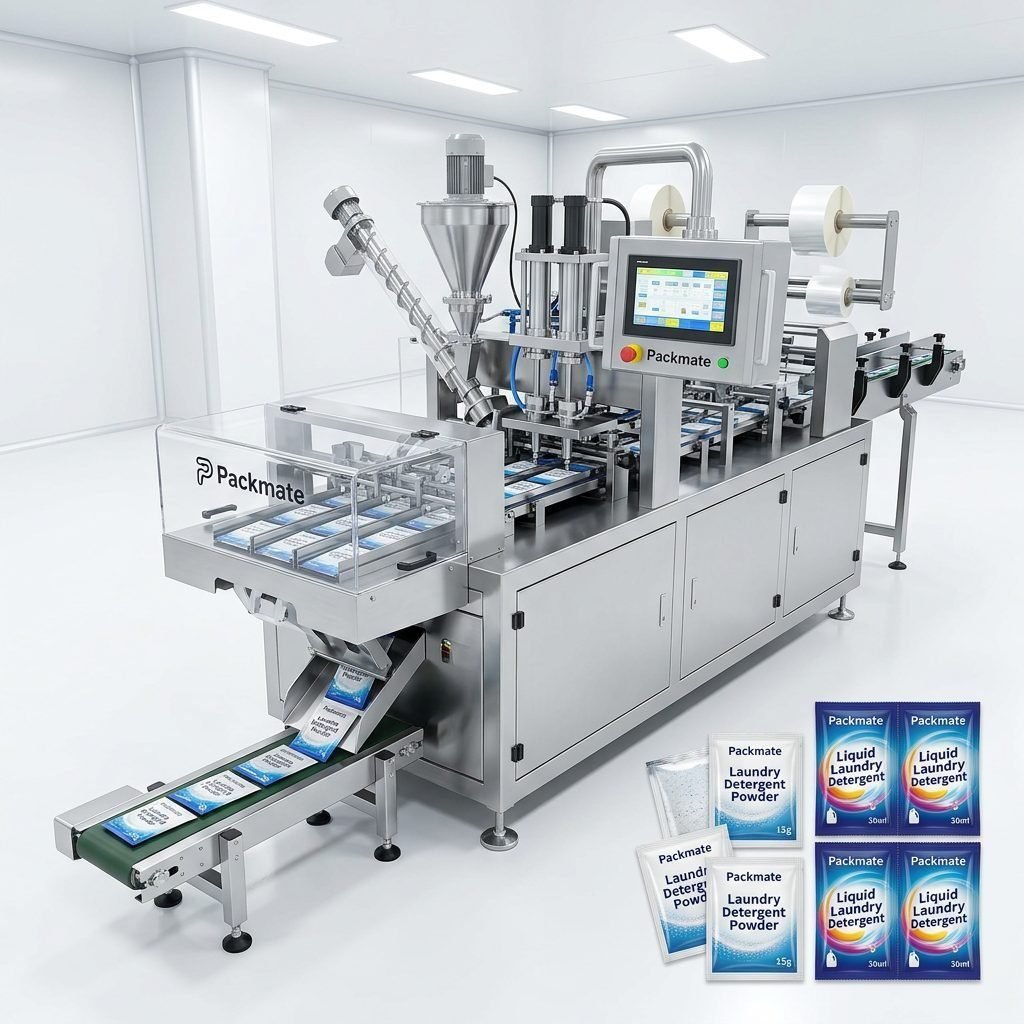
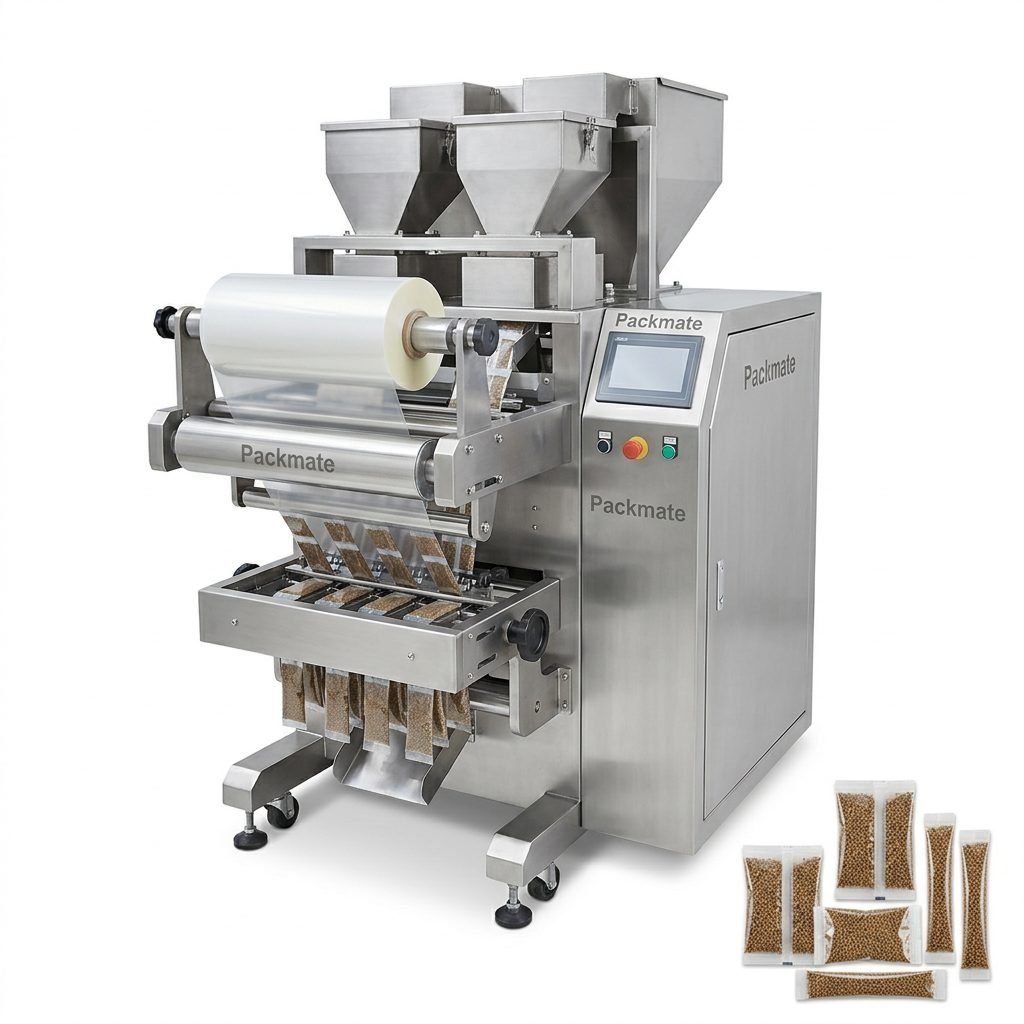
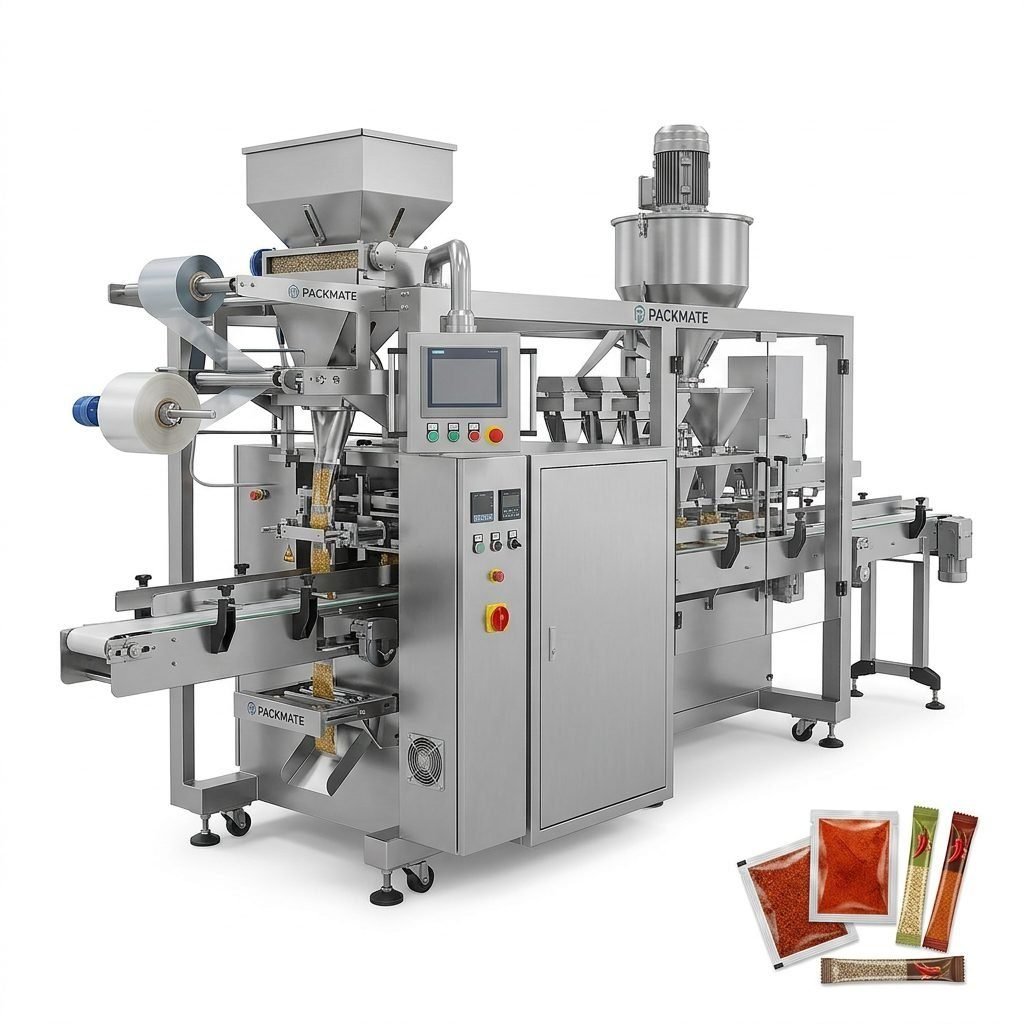
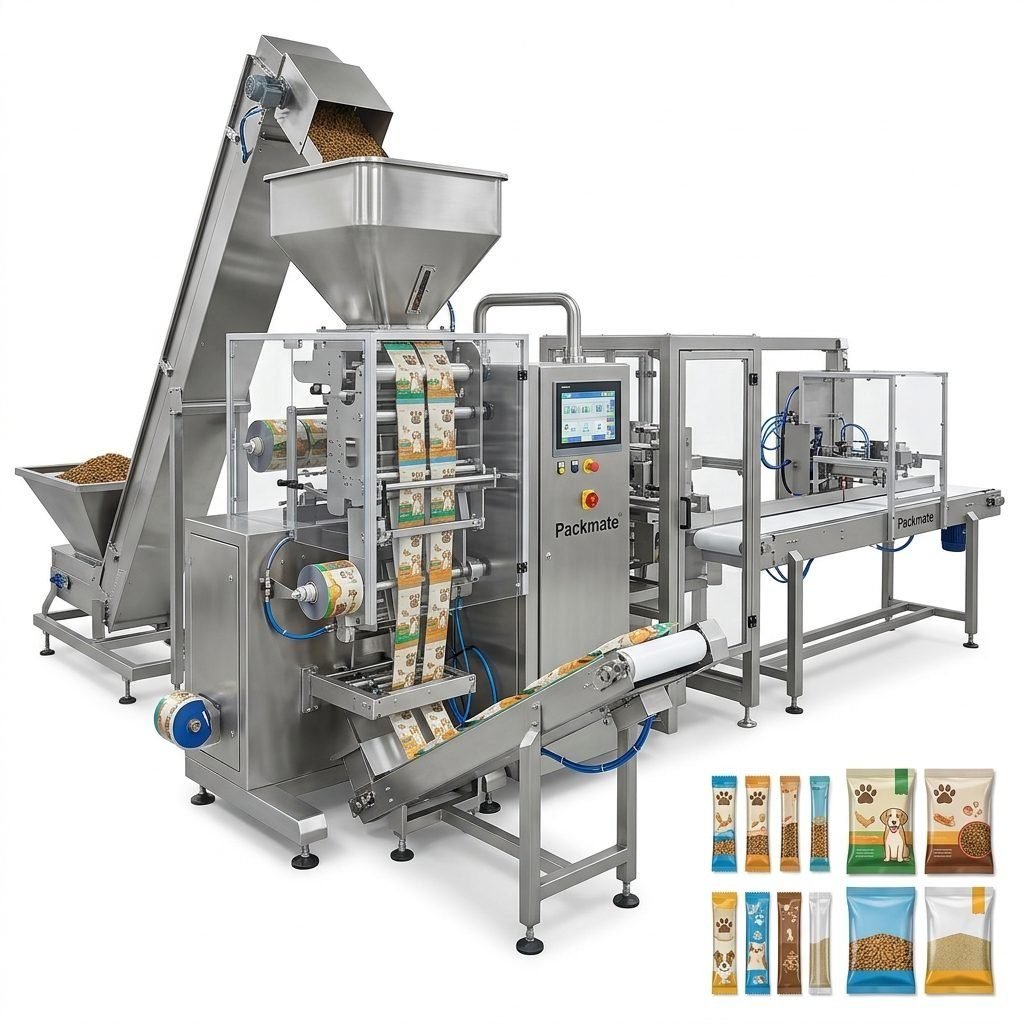
In today’s fast-paced manufacturing landscape, efficiency is not just a goal; it’s a necessity for survival and growth. For businesses in the food, pharmaceutical, and health industries, packaging is a critical bottleneck that can either streamline operations or cause significant delays. This is where inline packaging equipment becomes a game-changer. By integrating seamlessly into existing production lines, these solutions automate the packaging process, minimize manual handling, and dramatically boost output and consistency.
The Core Advantage: Seamless Integration for Maximum Uptime
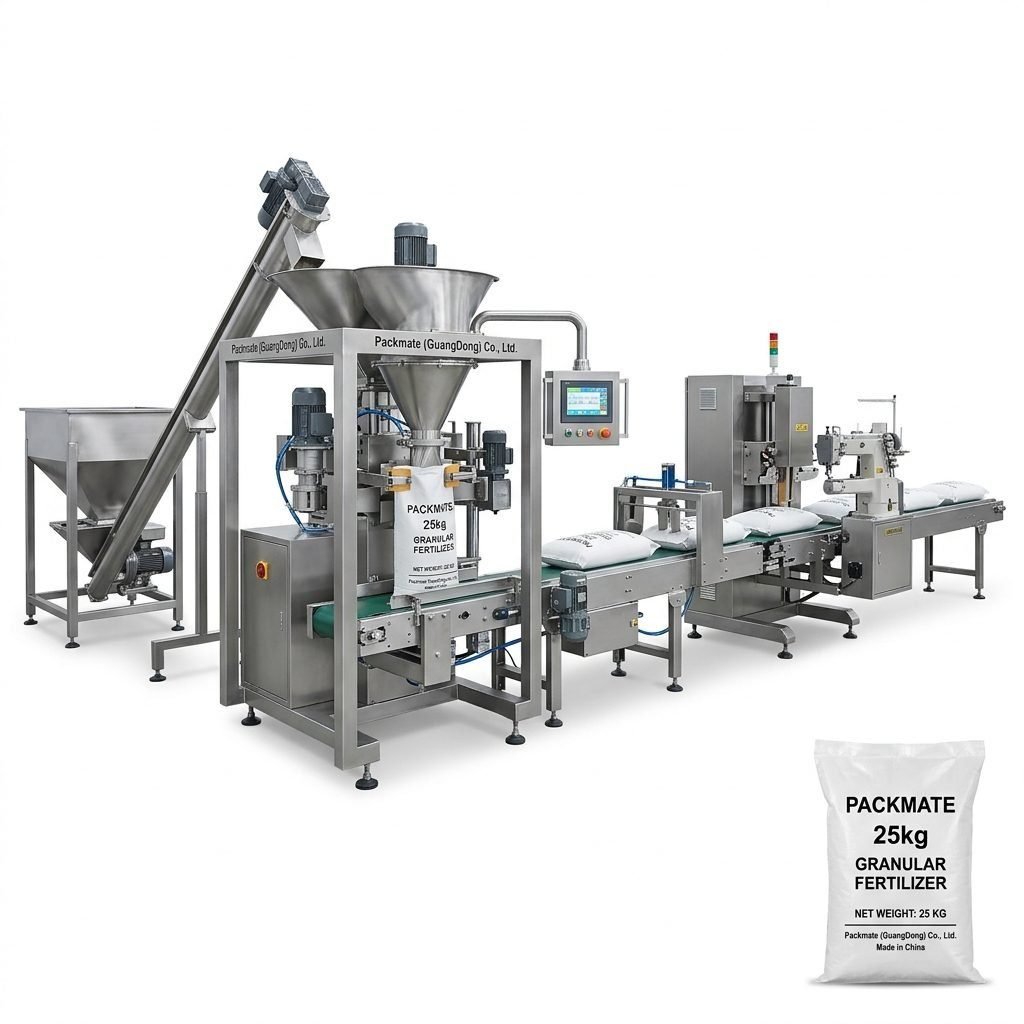
The primary benefit of inline packaging systems is their ability to create a continuous, uninterrupted flow from production to final packaged product. Unlike standalone machines that require manual transfer of goods, inline solutions are connected directly to filling, capping, or labeling machines. This eliminates stoppages, reduces the risk of product contamination, and optimizes floor space. For companies like Packmate Machinery, with over 30 years of expertise, designing equipment that integrates flawlessly is a core principle, ensuring that your entire line operates as a single, efficient unit.
Key Operational Benefits:
- Increased Speed & Output: Automated, continuous operation significantly boosts packaging speeds compared to batch processing.
- Enhanced Product Safety: Reduced human contact minimizes contamination risks, crucial for pharmaceutical and food packaging.
- Labor Optimization: Frees up skilled workers from repetitive tasks, allowing them to focus on quality control and supervision.
- Improved Consistency: Automated systems ensure every package has the same weight, fill level, and seal integrity.
- Real-time Data & Monitoring: Modern inline systems provide valuable operational data for predictive maintenance and efficiency analysis.
Tailored Solutions for Diverse Product Needs
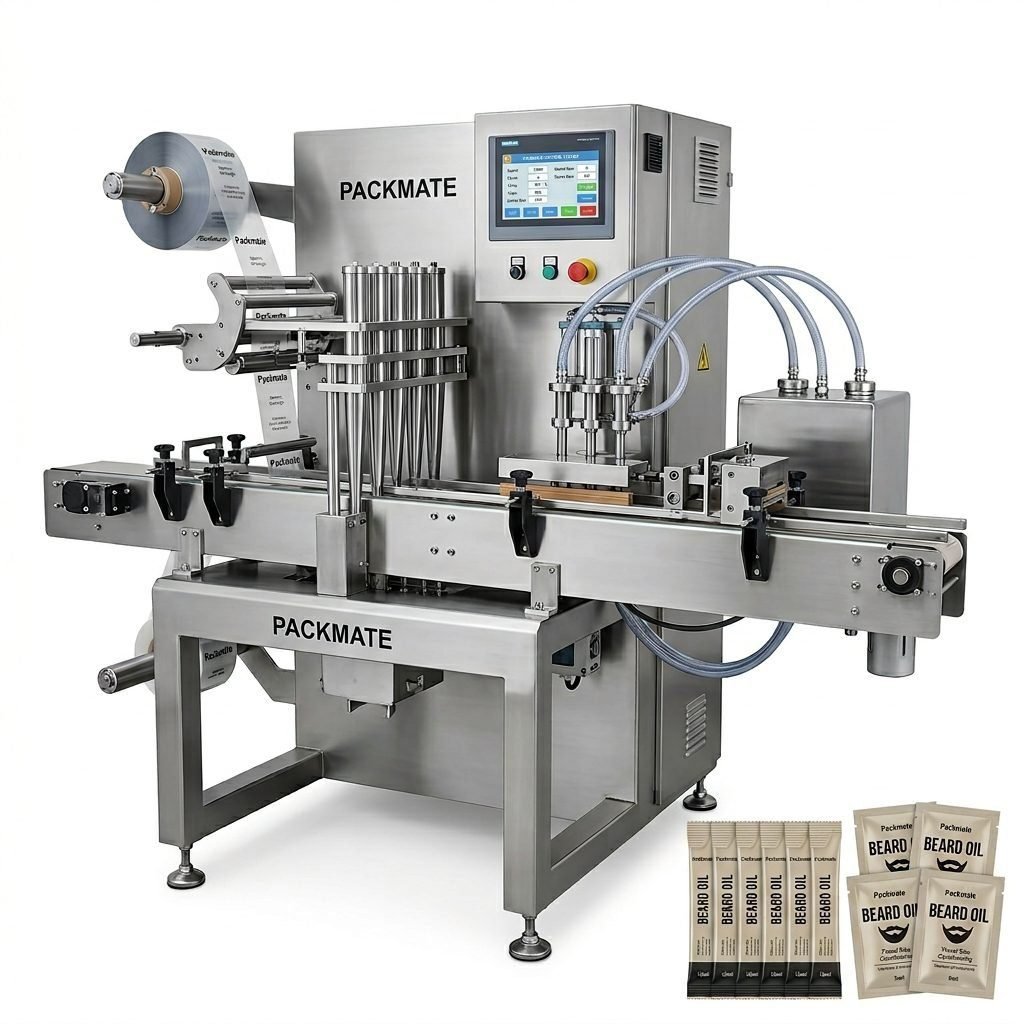
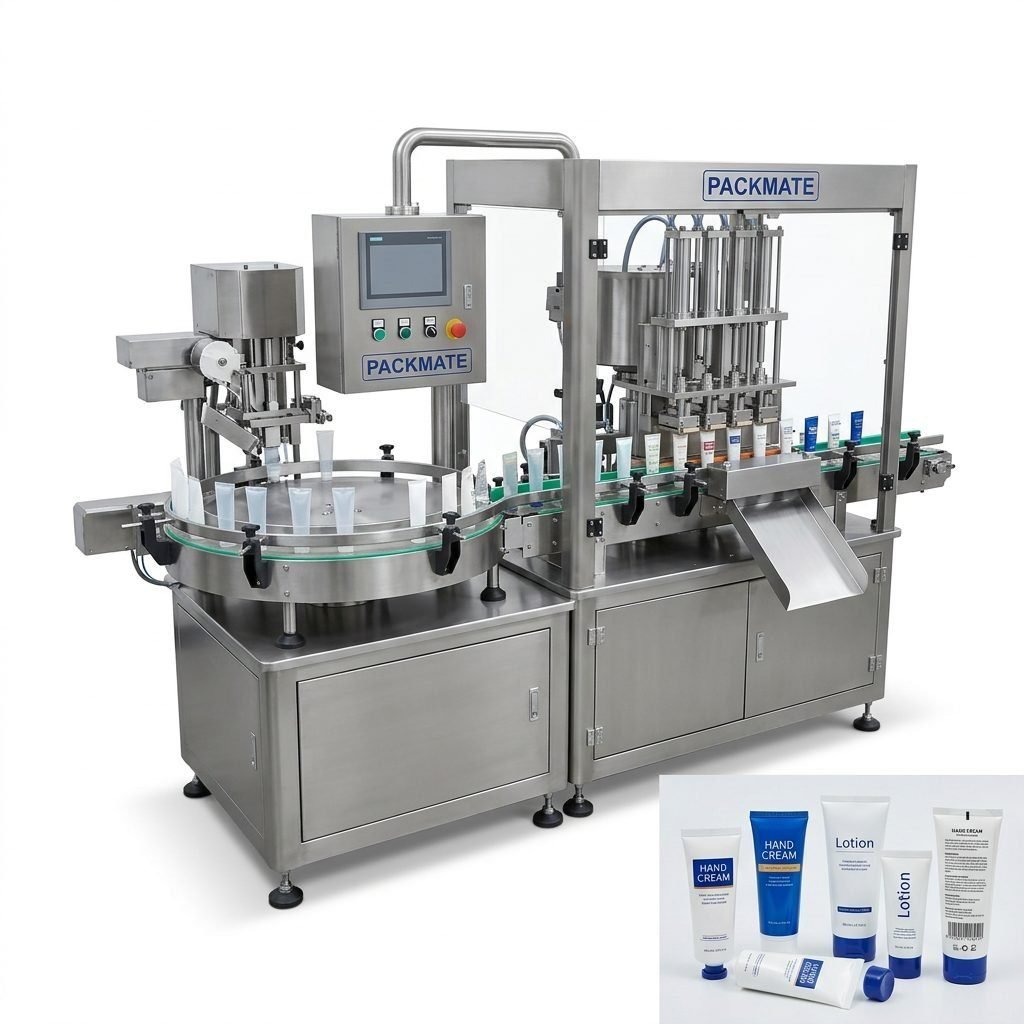
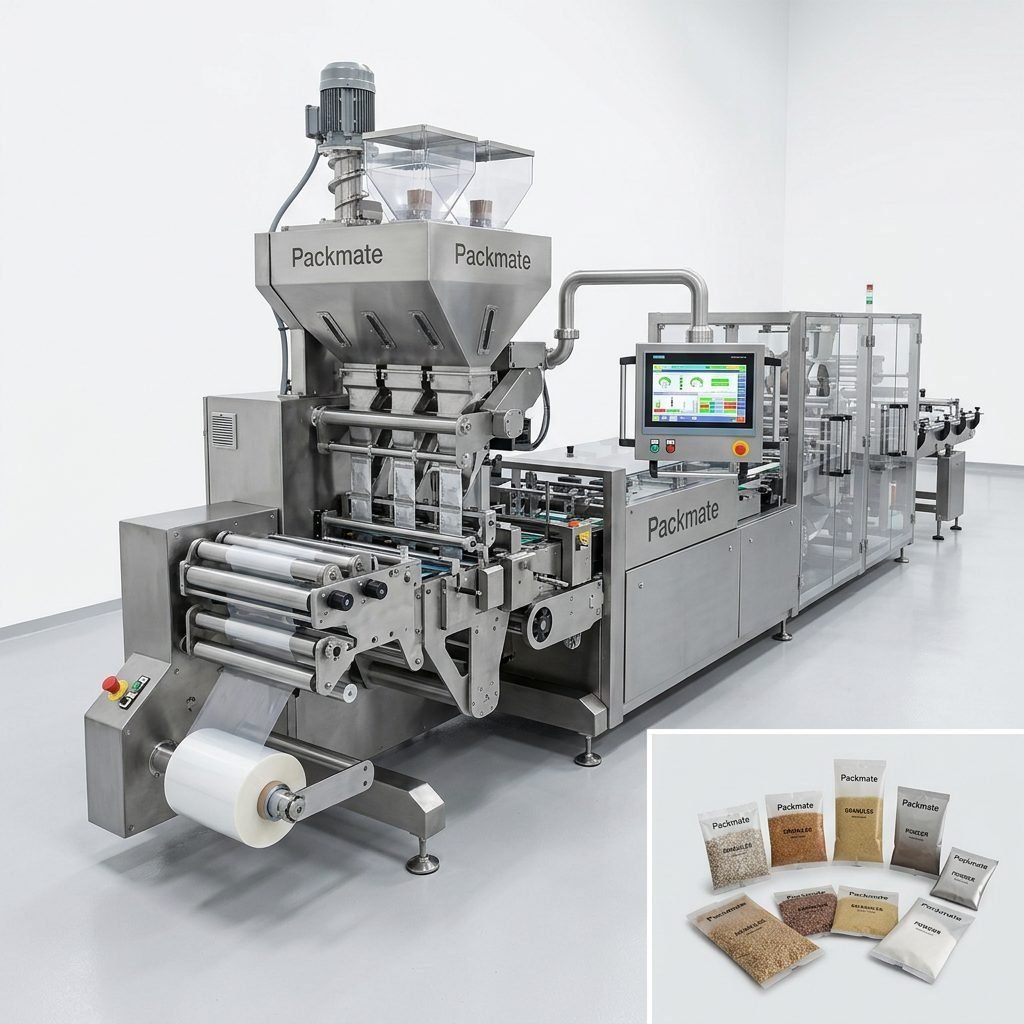
Not all products are created equal, and neither should their packaging lines be. Effective inline packaging is highly customizable. Whether you are handling fine powders, abrasive granules, viscous liquids, or delicate solids, the equipment must be precisely engineered. For instance, multi-lane stick pack machines are perfect for high-volume portion control of powders like coffee or sugar. In contrast, liquid filling lines require precision pumps and drip-free nozzles. A partner with a broad portfolio, like Packmate with over 50 machine models, can provide the exact filling and packaging line configuration for your specific product characteristics and output goals.
Choosing the Right Inline System: A Strategic Decision
Selecting an inline packaging solution is a significant investment. Key considerations include:
Production Speed (UPH): The system must match or exceed your current and future production requirements.
Flexibility & Changeover: How quickly can the line switch between different package sizes or products? Look for solutions with quick-change parts and recipe memory.
Integration Capability: The equipment must communicate effectively with your upstream and downstream machinery (e.g., PLC controls, synchronization).
Hygienic Design: For food and pharma, easy-to-clean surfaces, sanitary construction, and compliance with industry standards (like GMP) are non-negotiable.
Supplier Support: Choose a manufacturer known for reliability, strong after-sales service, and readily available spare parts. A company’s history, like Packmate’s journey from a small workshop to a 20,000㎡ modern facility, often reflects its commitment to long-term partnership.
The Future is Connected and Smart
The next evolution in inline packaging is the integration of Industry 4.0 principles. Smart sensors, IoT connectivity, and advanced software are transforming packaging lines from automated to intelligent. These systems can self-diagnose issues, predict maintenance needs, optimize energy consumption, and provide comprehensive production dashboards. Investing in equipment with this capability future-proofs your operations, allowing for unparalleled control and continuous improvement of your packaging efficiency.
Summary: Why Inline Packaging is Essential
Implementing inline packaging equipment is a strategic move towards building a lean, resilient, and competitive manufacturing operation. It directly addresses core challenges of speed, cost, safety, and consistency. By partnering with an experienced provider who can deliver a tailored, reliable, and integratable turnkey solution, businesses can unlock new levels of operational efficiency and pave the way for scalable growth.
Frequently Asked Questions (FAQs)
1. What is the main difference between inline and offline packaging equipment?
Inline equipment is directly connected to the production line, allowing for continuous, automated packaging without manual intervention between stages. Offline equipment operates independently, requiring products to be transported to it in batches, which creates stoppages and handles products multiple times.
2. Can inline packaging machines handle different package sizes?
Yes, most modern inline systems are designed with flexibility in mind. They often feature quick-change mechanisms for forming tubes, filling heads, and sealing jaws, allowing for relatively fast changeovers between different package sizes or formats, especially when supported by digital recipe management.
3. How does inline packaging improve product safety?
It creates a closed or semi-closed system from production to final seal, drastically reducing opportunities for human contact and airborne contamination. This is critical in industries with strict hygiene standards. Automated systems also ensure consistent seal quality, which is vital for product integrity.
4. What is a “turnkey” packaging solution?
A turnkey solution is a complete, ready-to-operate system provided by a single supplier. It includes all necessary machinery (e.g., forming, filling, sealing), integration services, installation, commissioning, and training. Providers like Packmate specialize in delivering these comprehensive lines, saving you the complexity of sourcing and integrating multiple components from different vendors.
5. Are inline packaging systems suitable for small-batch production?
While they excel in medium to high-volume production, advancements in technology have made flexible inline systems more accessible. The key is the changeover speed. If your machine can switch formats quickly and efficiently, it can be cost-effective for smaller batches by reducing downtime and maintaining a smooth workflow.