The landscape of modern manufacturing is undergoing a profound transformation, driven by the relentless pursuit of efficiency, flexibility, and sustainability. At the heart of this evolution lies the critical role of packaging machinery. For production lines to remain competitive and responsive to dynamic market demands, integrating new packaging machinery solutions is no longer a luxury but a strategic imperative. These advanced systems are designed to seamlessly integrate with Industry 4.0 principles, offering unprecedented levels of automation, data intelligence, and operational agility.
The Imperative for Modernization in Production Lines
Legacy packaging equipment often presents significant bottlenecks: slow changeover times, high waste rates, limited flexibility, and a lack of connectivity. Modern production lines require machinery that can handle shorter product lifecycles, customized packaging requests, and stringent quality control standards. Upgrading to new solutions addresses these challenges head-on, transforming packaging from a cost center into a value-adding, strategic asset that enhances overall line productivity and product integrity.
Key Drivers for Adoption:
Increased Throughput & Speed: New-generation machines operate at significantly higher speeds without compromising accuracy, directly boosting output.
Enhanced Flexibility & Quick Changeover: Modular designs and recipe-driven controls allow rapid switching between package sizes, formats, and products, enabling efficient small-batch production.
Superior Precision & Reduced Waste: Advanced servo technology and intelligent weighing systems ensure exact fill volumes, minimizing product giveaways and material waste, which is crucial for cost-sensitive and sustainable operations.
Data Integration & Predictive Maintenance: IoT-enabled machines provide real-time operational data (OEE, downtime reasons) and can predict maintenance needs, preventing unplanned stoppages.
Core Solutions for the Modern Production Floor
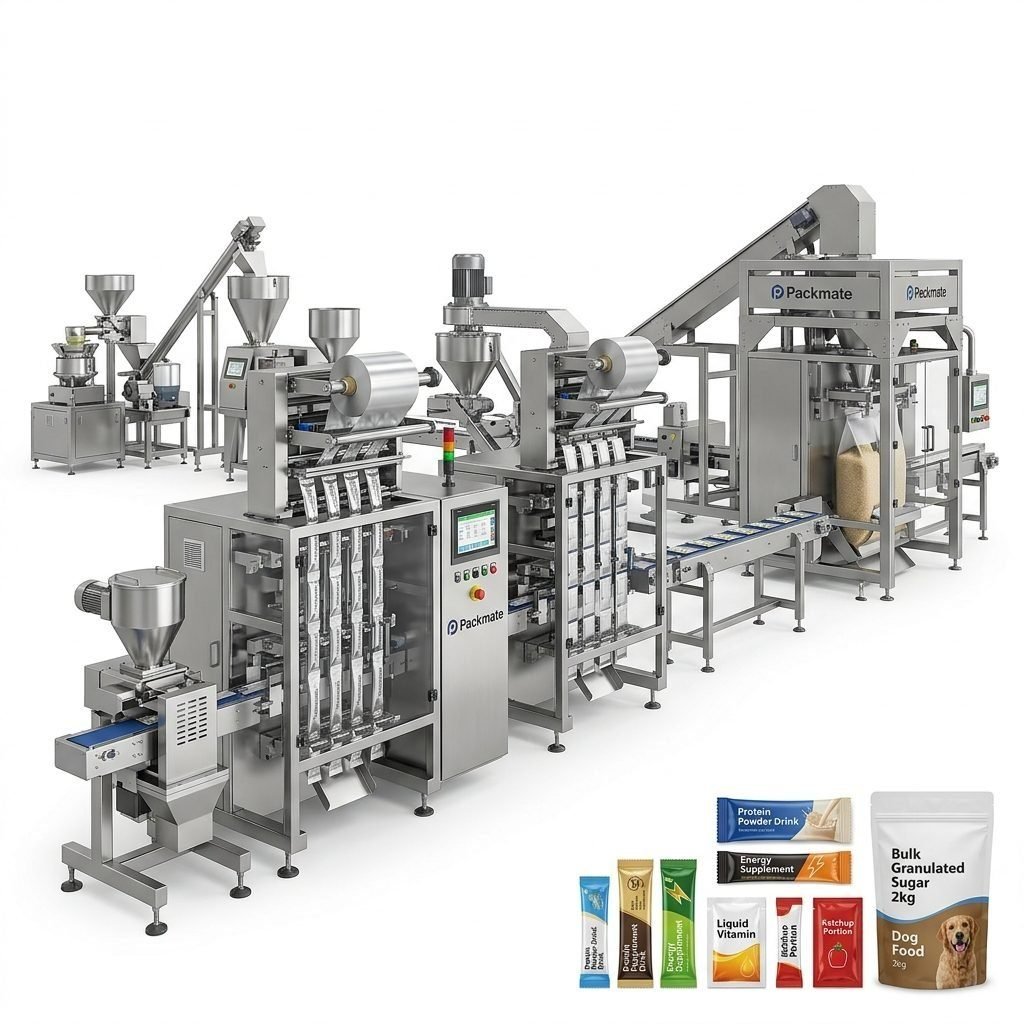
Today’s innovative packaging machinery portfolio encompasses a range of specialized systems designed to tackle specific challenges across various industries, from food and pharmaceuticals to chemicals and cosmetics.
1. Intelligent Multi-Lane Form-Fill-Seal (FFS) Systems
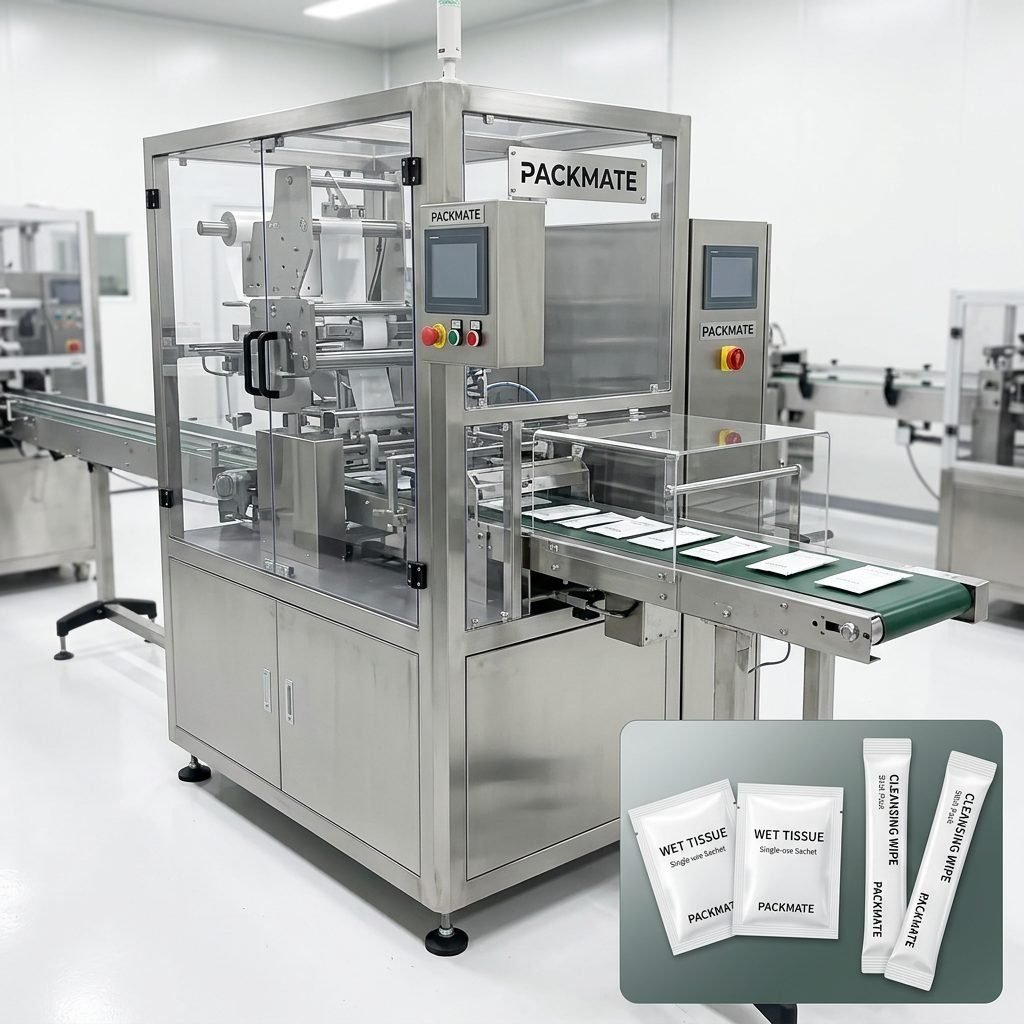
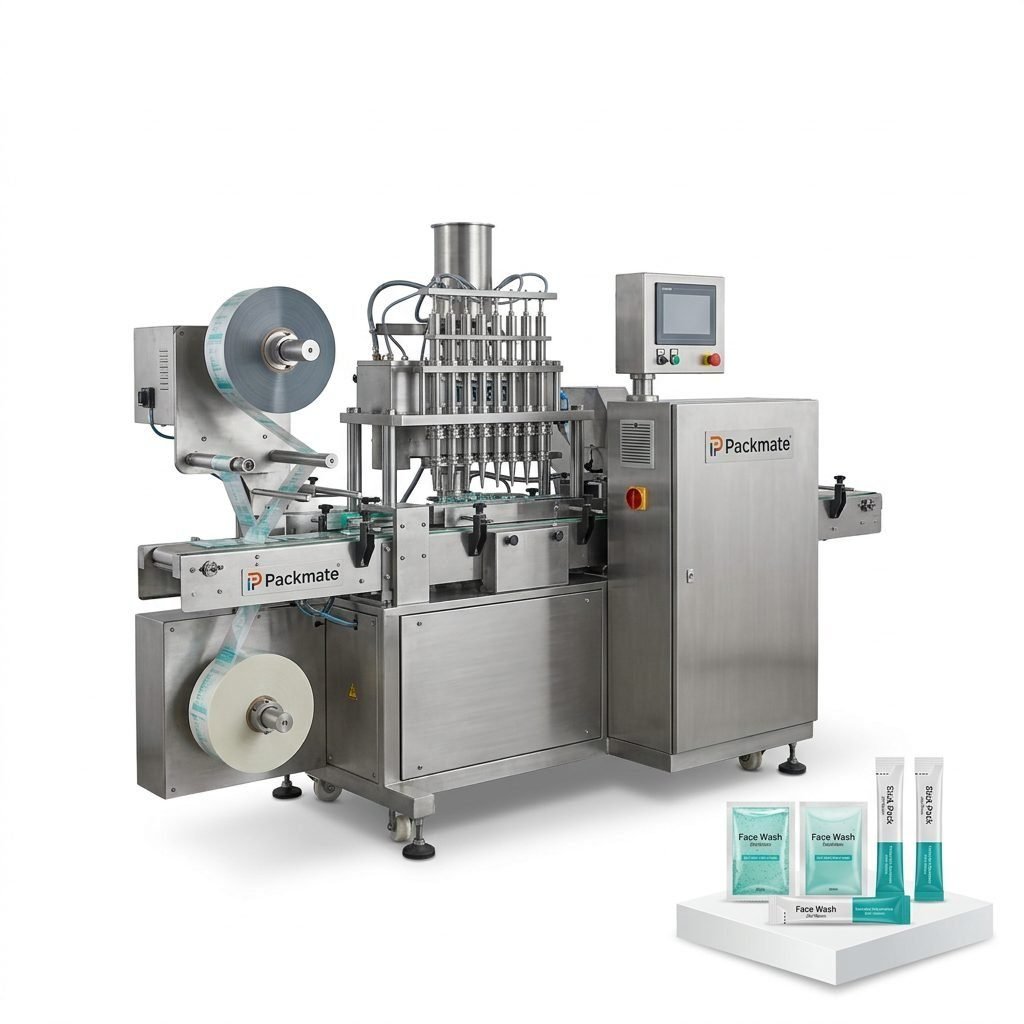
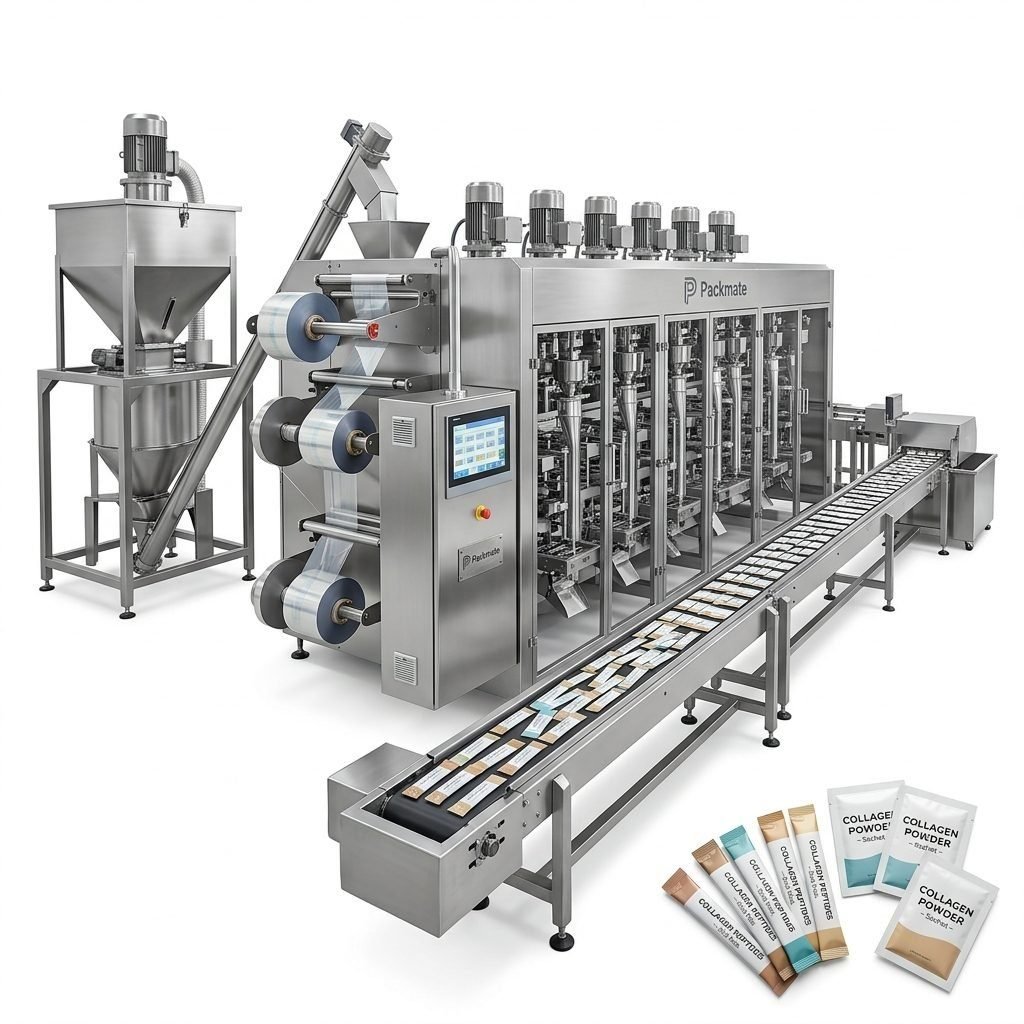
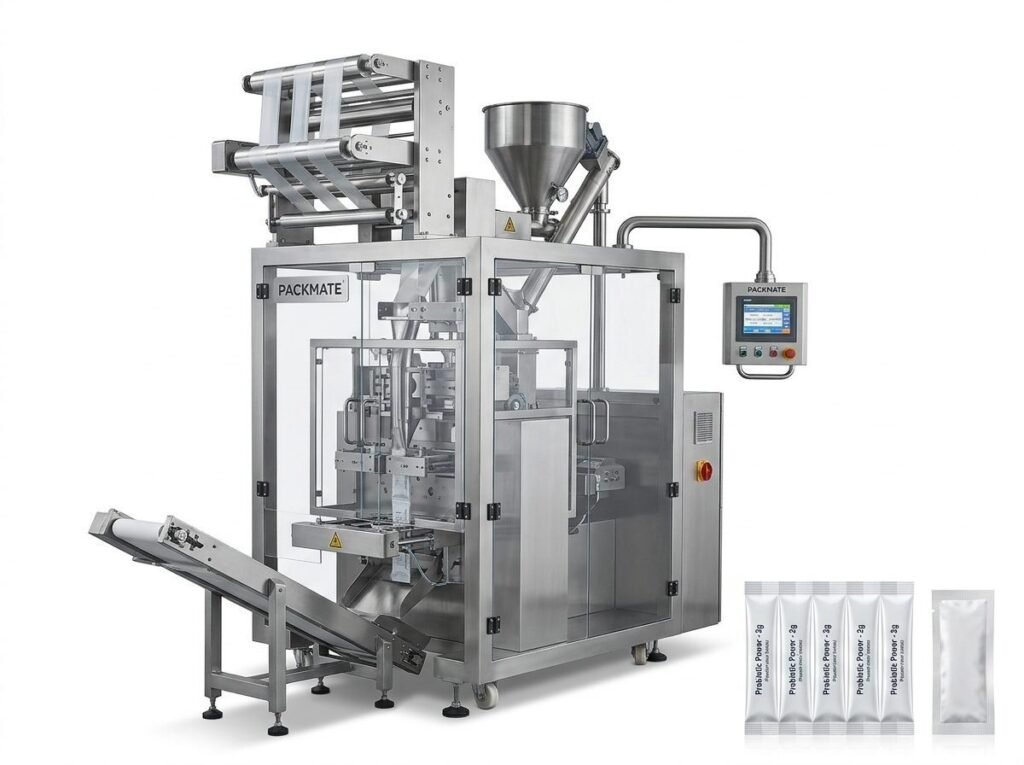
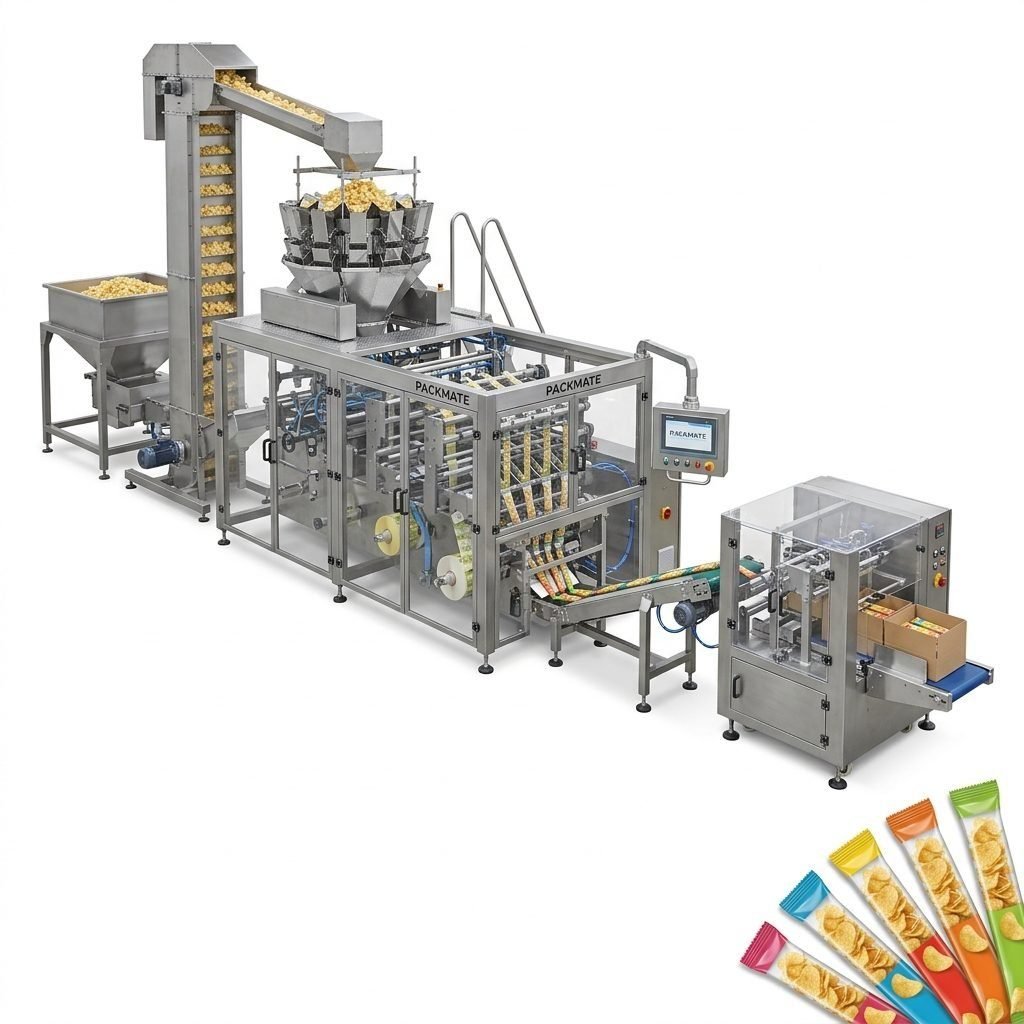
These are the workhorses of high-volume, small-format packaging. Modern multi-lane FFS machines for creating sachets and stick packs feature independent servo drives for each lane. This allows for individual lane control, meaning one lane can be paused for maintenance or adjustment without stopping the entire machine. This technology dramatically improves overall equipment effectiveness (OEE) and is ideal for products like instant coffee, sugar, sauces, and pharmaceutical powders.
2. Integrated Weighing & Packaging Systems
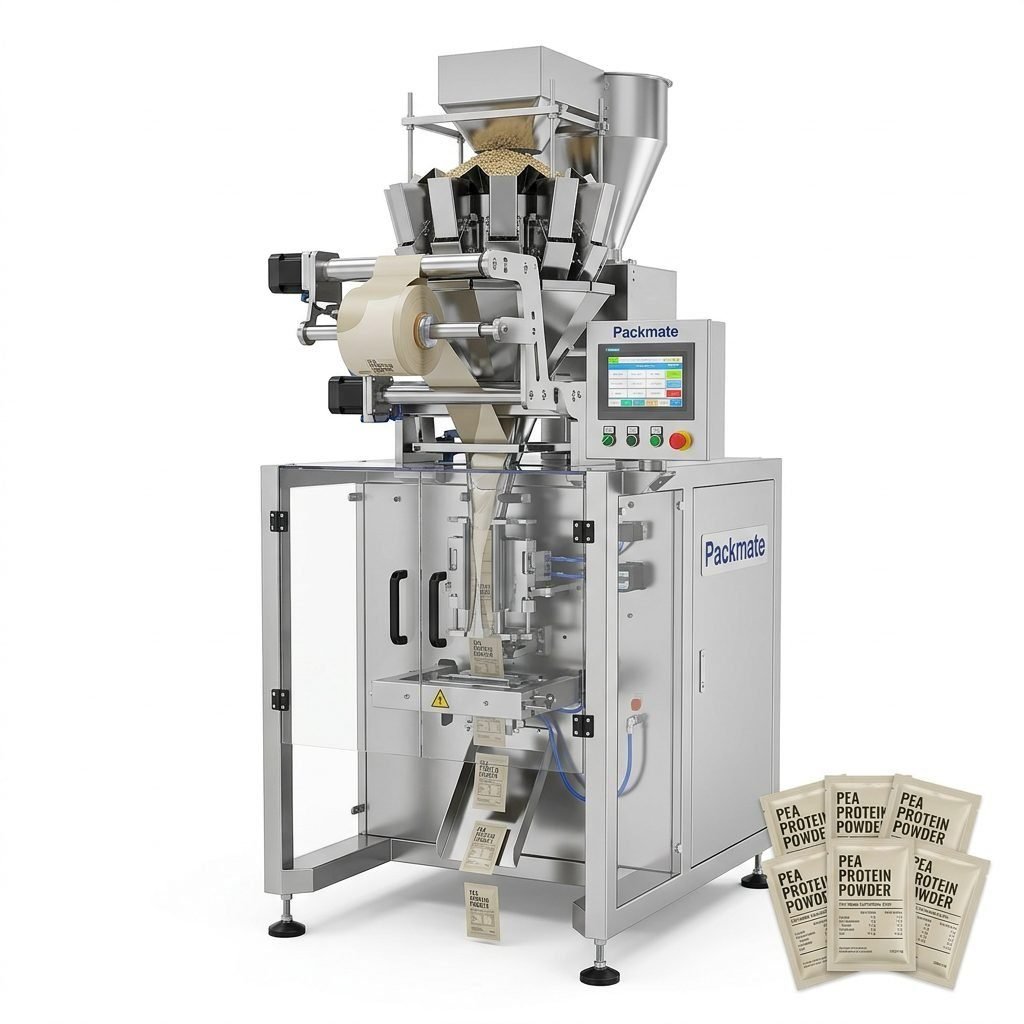
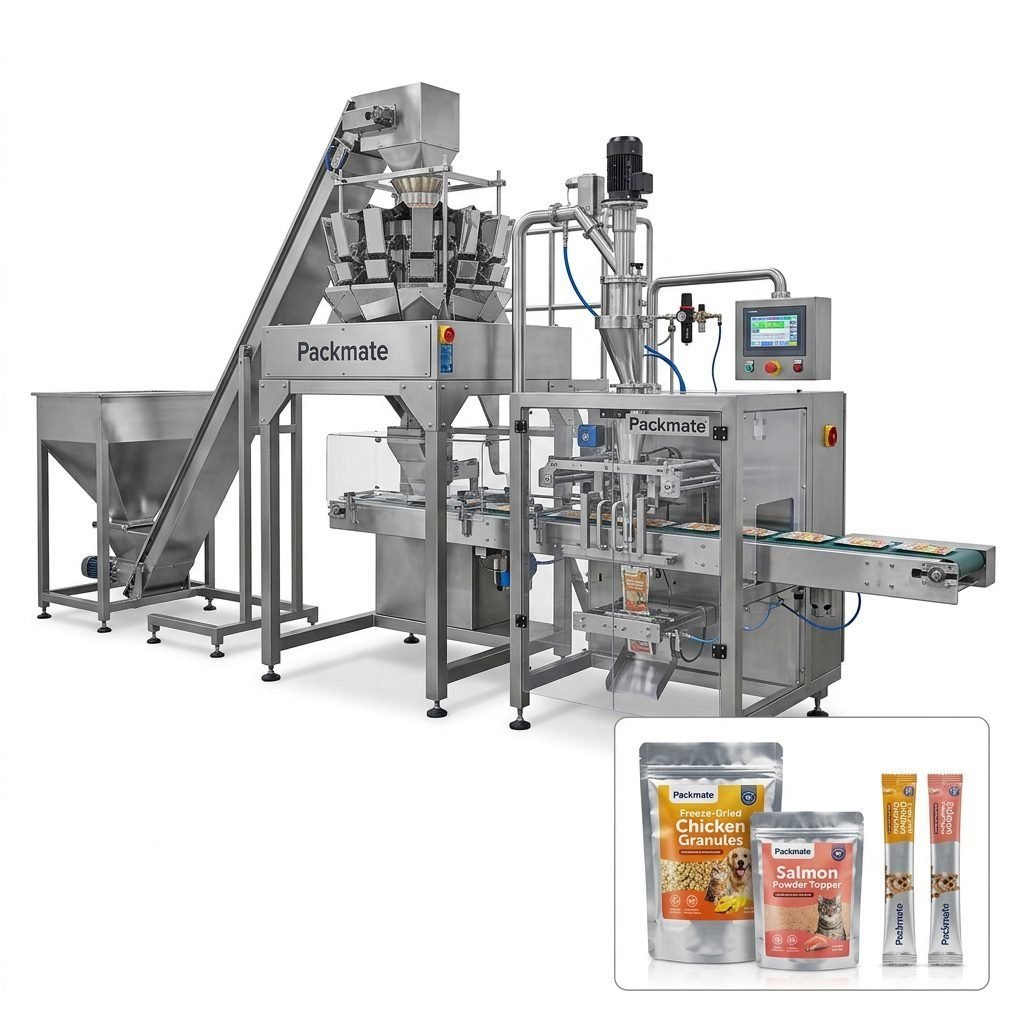
Accuracy in filling is paramount. Modern weighing and packaging systems combine multi-head weighers or auger fillers with sophisticated bag makers. They utilize feedback loops to continuously adjust fills, ensuring each package meets exact weight specifications. This is critical for compliance and cost control, especially for granular, powdered, or flaked products. The integration creates a seamless, high-speed flow from weighing to sealed bag.
3. Robotic Palletizing & End-of-Line Automation
To complete the modern line, automated end-of-line solutions are essential. Robotic palletizers can handle diverse package patterns and pallet sizes with gentle precision, replacing strenuous manual labor. Coupled with automated case packers and cartoners, they create a fully continuous flow from primary packaging to shipment-ready pallets, enhancing safety and logistics efficiency.
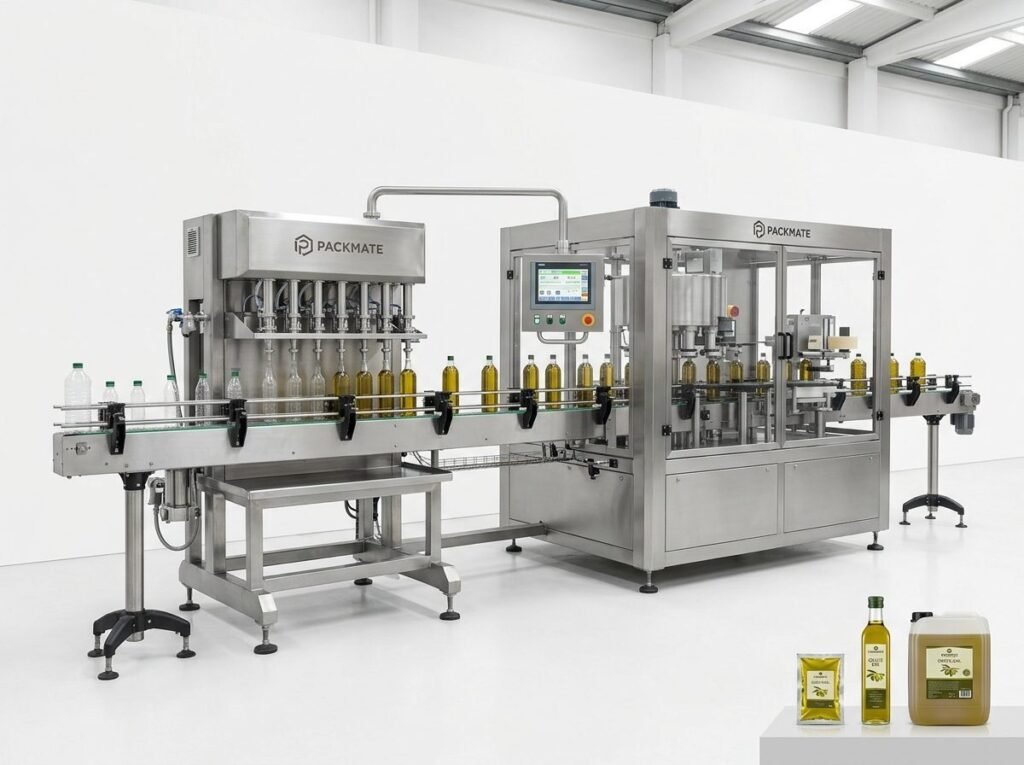
4. Advanced Liquid & Viscous Product Filling Lines
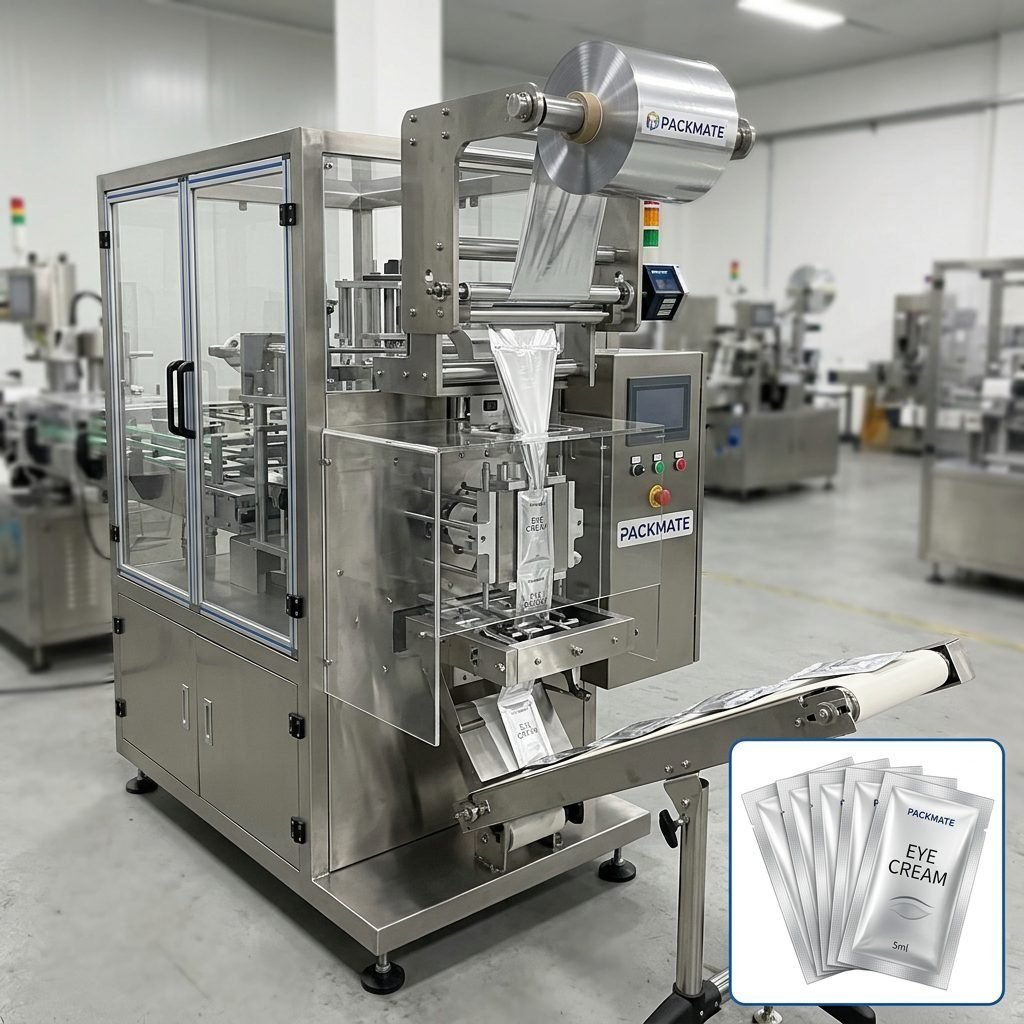
For liquids, creams, and pastes, new solutions offer unparalleled cleanliness and accuracy. Piston fillers, volumetric fillers, and vacuum-assisted systems are now equipped with CIP (Clean-in-Place) capabilities and sanitary designs. These filling and packaging lines prevent contamination, minimize drip, and handle products with varying viscosities consistently, which is vital for the food, beverage, and personal care industries.
The Packmate Advantage: Engineering Reliability
With over 30 years of expertise in crafting intelligent packaging equipment, Packmate Machinery stands as a pivotal partner in modernization. Operating from a 20,000㎡ state-of-the-art facility, the company’s journey from a passionate workshop in 1993 to a leading manufacturer today is built on a foundation of solving real production line challenges. This deep experience translates into machinery that is not just technologically advanced but also robust, reliable, and designed for continuous operation in demanding environments. Offering more than 50 machine models, Packmate provides true turnkey solutions that integrate smoothly into existing or new production lines.
Implementation Strategy: Integrating New Machinery
Successfully deploying new packaging machinery requires careful planning. A phased approach is recommended:
Assessment & Planning: Analyze current bottlenecks, define KPIs (speed, waste reduction, changeover time), and map the desired workflow. Involve equipment suppliers early for layout consultancy.
Selection & Customization: Choose machinery that fits the specific product characteristics and output goals. Reputable manufacturers like Packmate often offer customization to meet unique needs.
Training & Support: Comprehensive operator and maintenance training is crucial for maximizing uptime and leveraging all advanced features. Ensure access to reliable technical support and spare parts.
Data Utilization: Integrate machine data into plant monitoring systems to gain insights, track performance against KPIs, and enable continuous improvement.
Future Trends: Where Packaging Machinery is Headed
The future points toward even greater intelligence and sustainability. We are moving towards fully autonomous packaging lines with self-optimizing capabilities. Machinery will increasingly feature AI-driven vision inspection systems for 100% quality control. Furthermore, a strong emphasis on sustainable packaging will drive demand for machines that can efficiently handle mono-material, recyclable, or compostable films, as well as equipment designed for lightweighting to reduce material use. Exploring auxiliary packaging equipment that supports these trends will be key.
Investing in new packaging machinery solutions is a definitive step toward building a resilient, efficient, and future-proof production line. By embracing the technological advancements in automation, precision, and connectivity, manufacturers can unlock new levels of productivity, ensure consistent product quality, and achieve a significant competitive edge in the global marketplace. The transformation of the packaging process is a central pillar in the journey towards smart manufacturing excellence.
Frequently Asked Questions (FAQs)
1. What is the typical ROI period for investing in new packaging machinery?
The return on investment can vary but often ranges from 12 to 36 months. Key factors include the volume of production, the level of waste and labor cost reduction achieved, and the increase in throughput. Modern machines that reduce material waste by even a small percentage can lead to substantial annual savings, accelerating ROI.
2. How difficult is it to integrate new packaging machines with our existing production line?
Reputable manufacturers design machinery with integration in mind. They offer modular solutions and provide comprehensive engineering support for line layout. By sharing your current line specifications and goals, suppliers can recommend machines with compatible interfaces (mechanical and digital) and guide the integration process to ensure a smooth transition.
3. Can new machinery handle the variety of package sizes and materials we use?
Yes, flexibility is a hallmark of modern packaging equipment. Many machines feature tool-less or quick-change mechanisms for format adjustments. They are also engineered to run a wide range of packaging materials, from traditional laminates to newer sustainable films. Discussing your specific material and size range with the supplier during the selection phase is crucial.
4. What kind of training and after-sales support should we expect?
You should expect detailed on-site installation, operational training, and maintenance training. A reliable supplier will offer extensive documentation, video tutorials, and access to a responsive technical support team for troubleshooting. Availability of genuine spare parts and potential service contracts are also important aspects of long-term support.
5. Are these new machines suitable for hygienic industries like food and pharmaceuticals?
Absolutely. Many new packaging solutions are built with sanitary design principles, using stainless steel contact parts, smooth surfaces, and CIP capabilities. For critical applications, machines can be designed to meet specific industry standards (e.g., FDA, GMP) to ensure product safety and compliance.