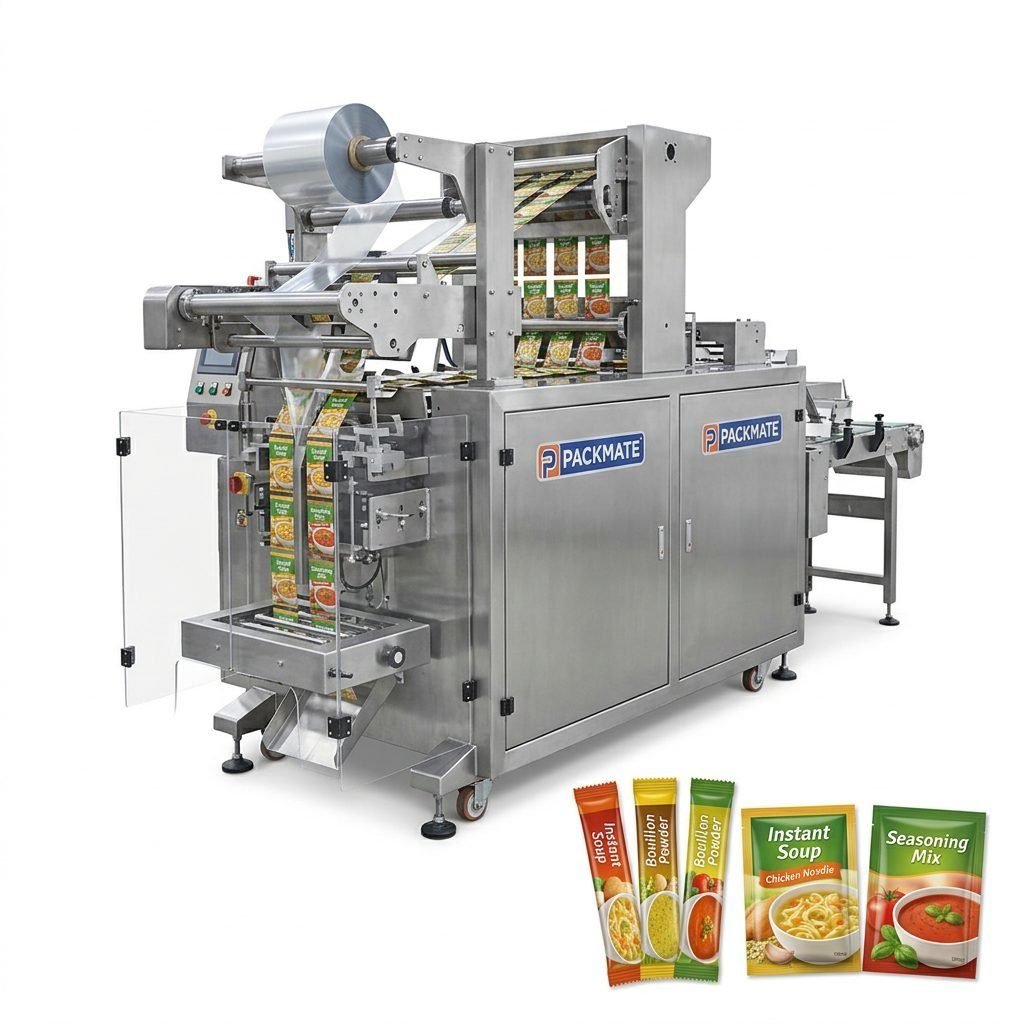
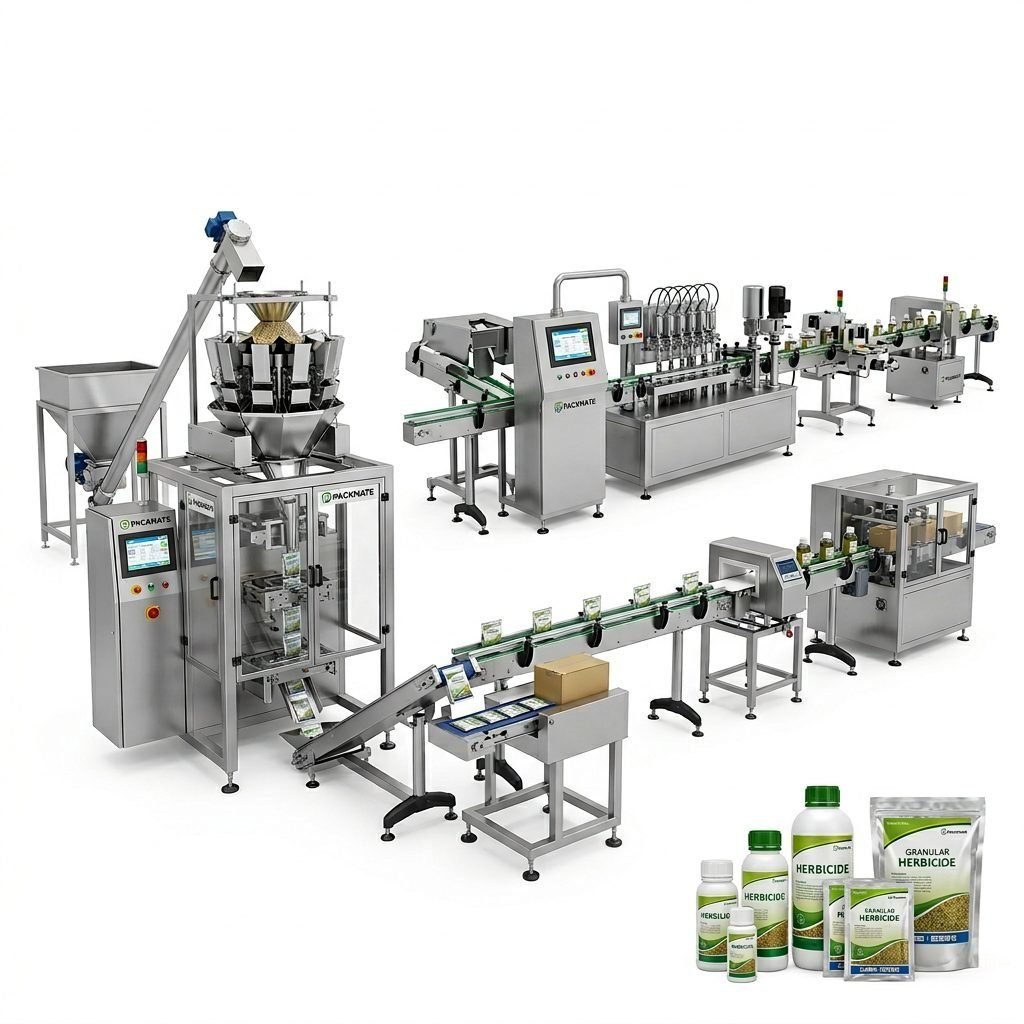
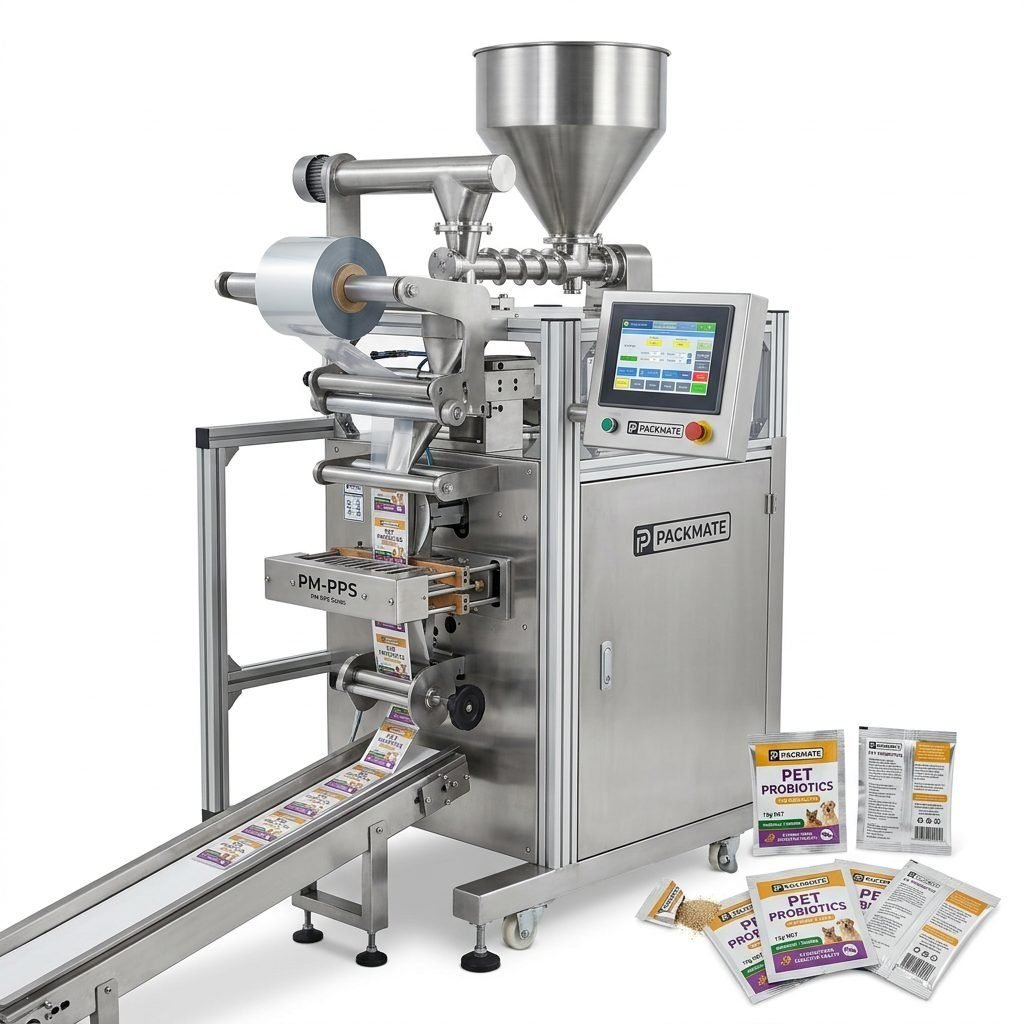
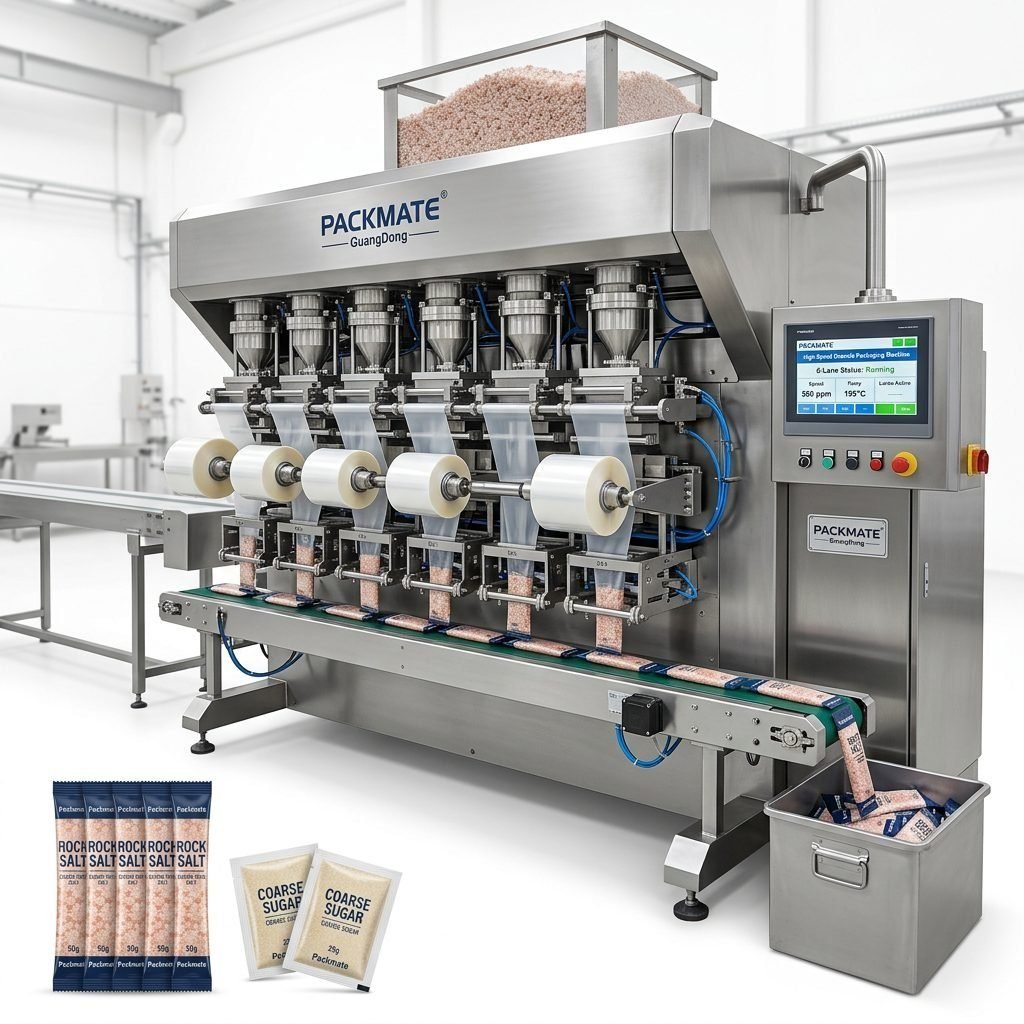
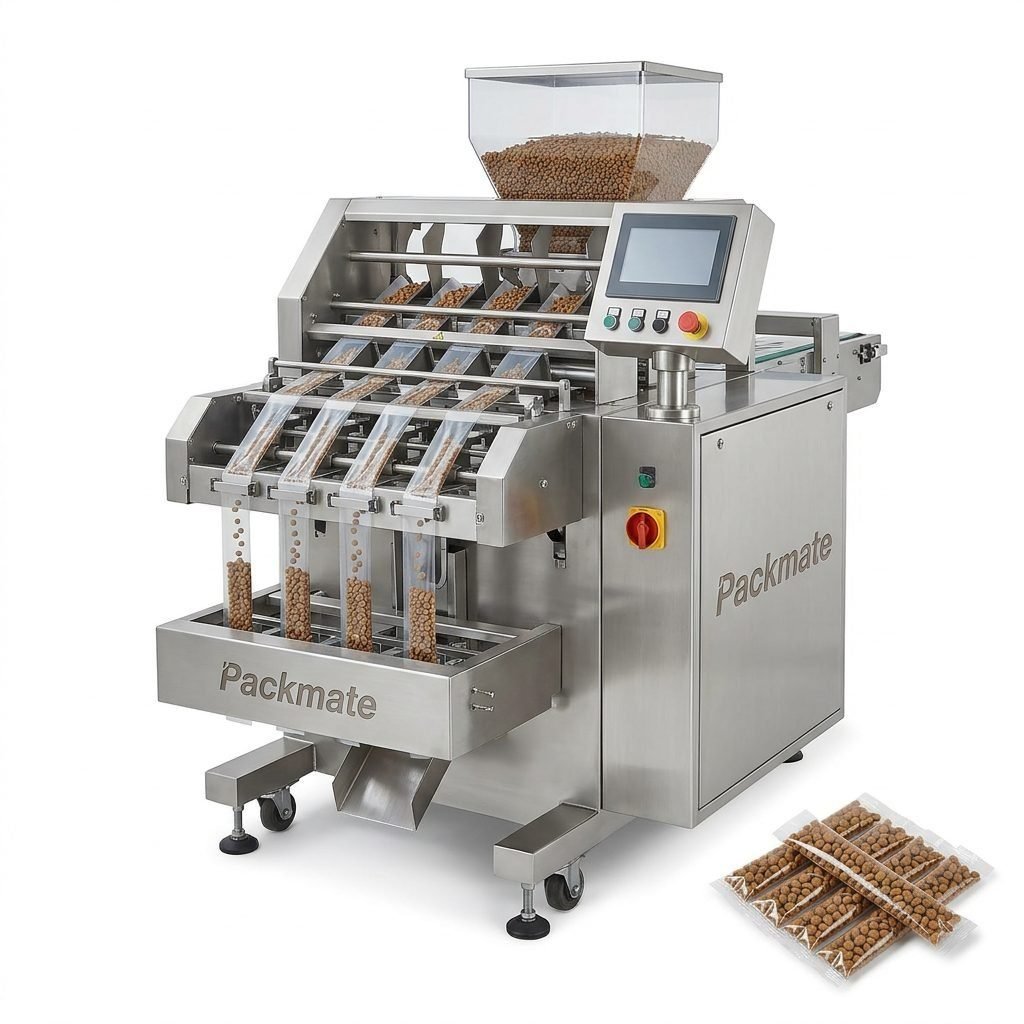
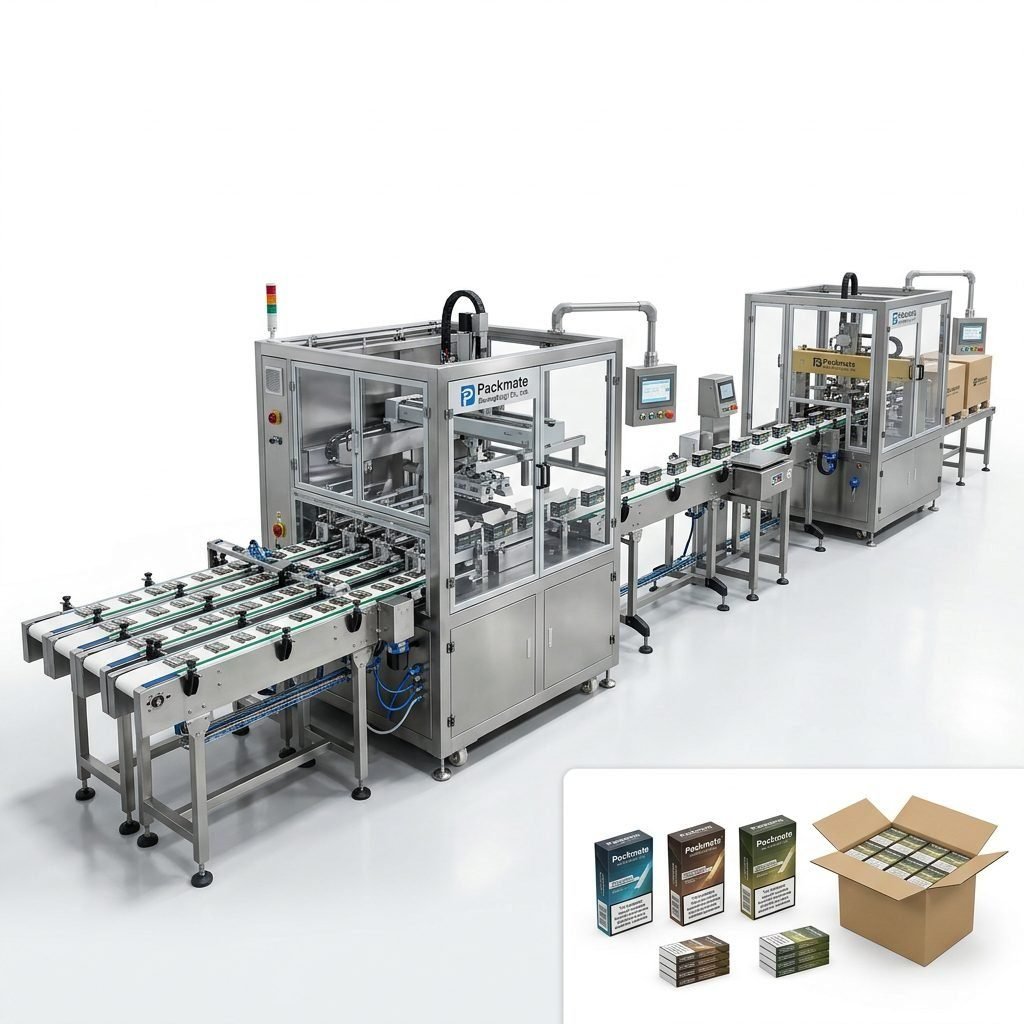
In the fast-paced world of manufacturing, packaging machines are the unsung heroes that ensure products reach consumers safely, efficiently, and consistently. For industries ranging from food and pharmaceuticals to health supplements, the reliability of these machines directly impacts product quality, operational costs, and brand reputation. A proactive approach to packaging machine inspection and maintenance is not merely a recommendation; it is a critical component of sustainable production. This guide delves into the essential quality checks and maintenance practices that form the backbone of a robust packaging operation, helping you minimize downtime, extend equipment lifespan, and guarantee flawless output.
The Critical Role of Regular Machine Inspection
Think of your packaging line as a high-performance vehicle. Without regular check-ups, even the best-engineered machine will eventually fail. Scheduled inspections are the first line of defense against unexpected breakdowns that can halt production, cause costly waste, and delay orders. A comprehensive inspection regimen focuses on identifying wear and tear, verifying operational parameters, and ensuring all safety protocols are functional. For companies like Packmate Machinery, with over three decades of expertise, the importance of built-in reliability through design is paramount, but it must be supported by diligent user-side care.
Key Inspection Areas
Effective inspection covers several core systems. A methodical approach ensures nothing is overlooked.
- Mechanical Components: Examine chains, belts, gears, and bearings for signs of wear, misalignment, or inadequate lubrication. Listen for unusual noises during operation.
- Sealing Systems (Jaws & Heaters): This is crucial for integrity. Check for residue build-up, even wear, and consistent temperature profiles to prevent leakers.
- Electrical & Control Systems: Inspect wiring for damage, ensure sensors (photoelectric, proximity) are clean and calibrated, and verify that PLC/HMI interfaces are functioning correctly.
- Product Handling Path: From hopper to discharge, ensure guides, funnels, and forming tubes are clean, unobstructed, and free of product buildup that could cause contamination or jams.
- Safety Features: Test emergency stops, guards, and interlocks to ensure they immediately halt machine operation when activated.
Implementing a Proactive Maintenance Schedule
While inspections identify issues, a structured preventive maintenance (PM) schedule prevents them from occurring in the first place. Moving from a reactive “fix-it-when-it-breaks” model to a proactive PM plan transforms your packaging line’s reliability. This schedule should be tailored to your machine’s model, usage intensity, and the specific materials being packaged (e.g., abrasive powders, oily foods).
Maintenance tasks are typically categorized by frequency:
Daily & Weekly Maintenance
These are routine tasks performed by operators to maintain basic hygiene and function.
Cleaning: Thoroughly clean all product contact surfaces, sealing jaws, and the exterior to prevent cross-contamination and material buildup.
Lubrication: Apply lubricant to designated points as per the machine manual, using only recommended types.
Visual Checks: Quickly scan for loose fasteners, leaks (air, oil), or obvious damage.
Monthly & Quarterly Maintenance
These are more in-depth checks often performed by a dedicated technician.
Calibration: Recalibrate weighing systems, check and adjust timing sequences for fillers and sealers.
Component Inspection & Replacement: Proactively replace wear parts like gaskets, O-rings, filters, and belts before they fail.
Electrical System Review: Tighten electrical connections, check for wire chafing, and backup control parameters.
Annual or Bi-Annual Overhaul
This is a comprehensive shutdown maintenance, ideally aligned with planned production breaks.
It involves a complete teardown of key modules, replacement of all critical wear components, deep cleaning, and comprehensive performance testing. For complex filling and packaging lines, this may involve collaboration with the original equipment manufacturer (OEM) or a certified service partner.
Quality Checks: Ensuring Every Package is Perfect
Maintenance keeps the machine running; quality checks ensure what it produces is perfect. Integrating real-time and periodic quality control checks into your process is non-negotiable for compliance and customer satisfaction.
Essential Packaging Quality Metrics
Seal Integrity: The most critical check. Perform regular peel tests and visual inspections for wrinkles, channels, or contamination in the seal area. Use a burst tester for quantitative data if required.
Fill Accuracy: Statistically weigh random samples from each lane or head to ensure they meet declared weight limits and comply with regulatory standards like NMFC or EU average weight rules.
Package Appearance: Check for correct labeling, print registration, cut quality, and overall neatness. Reject packages with wrinkles, tears, or misaligned seams.
Material Tracking: Verify that the correct packaging film/laminate is being used for the product, as specified in your Bill of Materials (BOM).
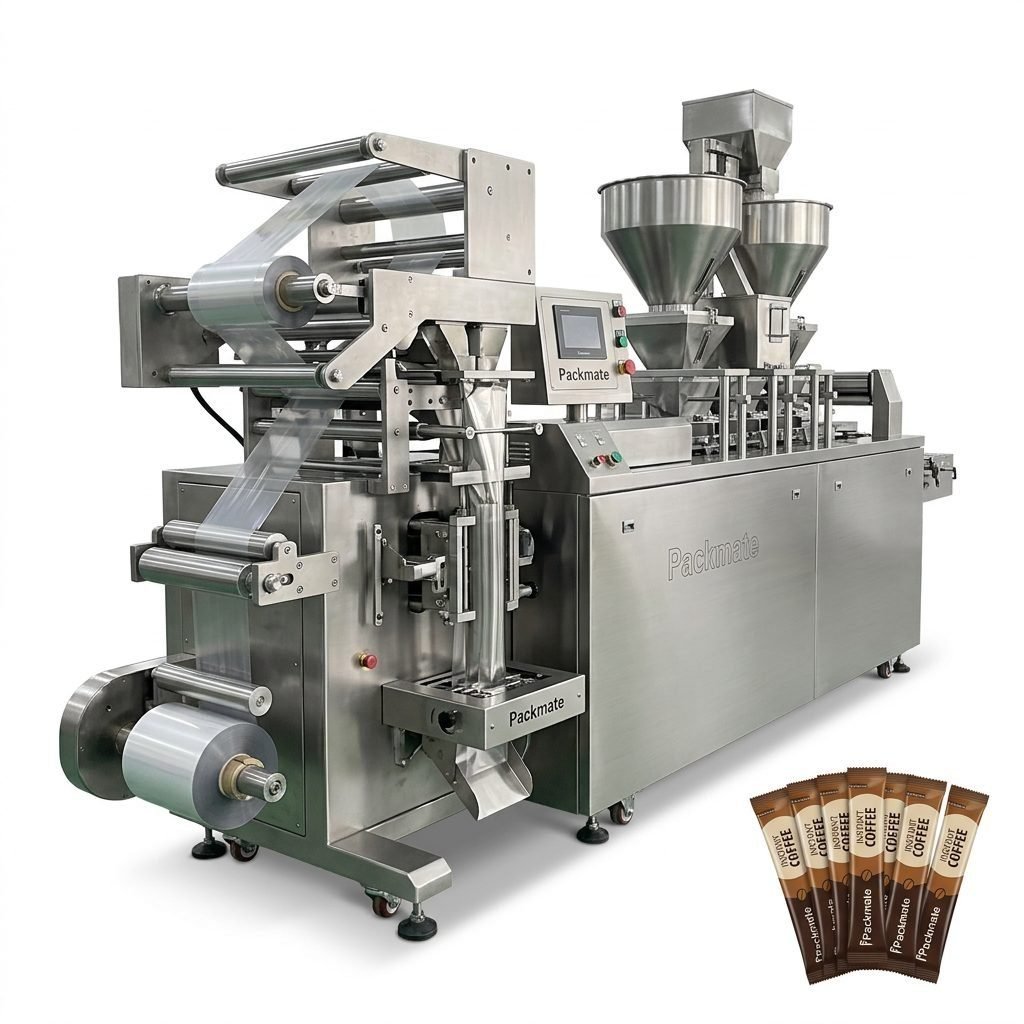
Documenting every inspection and quality check is vital. A logbook or digital record provides a history for troubleshooting, proves due diligence for audits, and helps refine your PM schedule over time. This level of systematic care reflects the operational excellence seen in providers of sachet and stick pack machines, where precision is built into the design and sustained through protocol.
Building a Culture of Maintenance & Quality
Ultimately, the most sophisticated schedule is only as good as the team executing it. Empowering operators to be the “first eyes and ears” on the machine is crucial. Invest in training so they understand not just how to run the machine, but why each check is important. Foster communication between operators, technicians, and quality control staff. When a potential issue is spotted early by an attentive operator, it can be addressed during a scheduled break instead of causing a catastrophic failure mid-shift.
Furthermore, choose equipment partners who support this culture. A manufacturer that provides clear, comprehensive manuals, readily available spare parts, and responsive technical support—like the service ethos behind Packmate’s global operations—becomes a strategic ally in your maintenance journey, not just a vendor.
Frequently Asked Questions (FAQs)
How often should I perform a full inspection on my packaging machine?
The frequency depends on usage. A high-speed machine running 24/7 requires daily visual checks, weekly detailed inspections, and monthly comprehensive reviews. Always follow the OEM’s recommended schedule in your manual as a baseline, then adjust based on your operational experience.
What are the most common signs that my machine needs immediate maintenance?
Key warning signs include: inconsistent seal quality (leakers, weak seals), increased product giveaway or under-filling, unusual noises (grinding, knocking), frequent jams, a drop in production speed, and excessive vibration. Address these immediately to prevent further damage.
Can I use generic spare parts instead of OEM parts for maintenance?
It is strongly discouraged. OEM parts are engineered to exact specifications for fit, tolerance, and material compatibility. Generic parts may seem cheaper but can lead to premature failure, void warranties, and cause misalignment or damage to other components, resulting in higher long-term costs and more downtime.
How do I create a maintenance log, and what should it include?
Use a digital spreadsheet or dedicated maintenance software. Each entry should include: Date & Time, Machine ID, Type of service (inspection, PM, repair), Parts replaced (with part numbers), Performed by, Findings, and Next due date. Attach photos or sensor logs if relevant.
Is professional training necessary for my team to perform maintenance?
Yes, for anything beyond basic daily cleaning and lubrication. Initial training from the machine supplier is ideal for understanding specific mechanics, electronics, and safety systems. Regular refresher courses help teams stay updated on best practices and new troubleshooting techniques, maximizing your equipment investment.