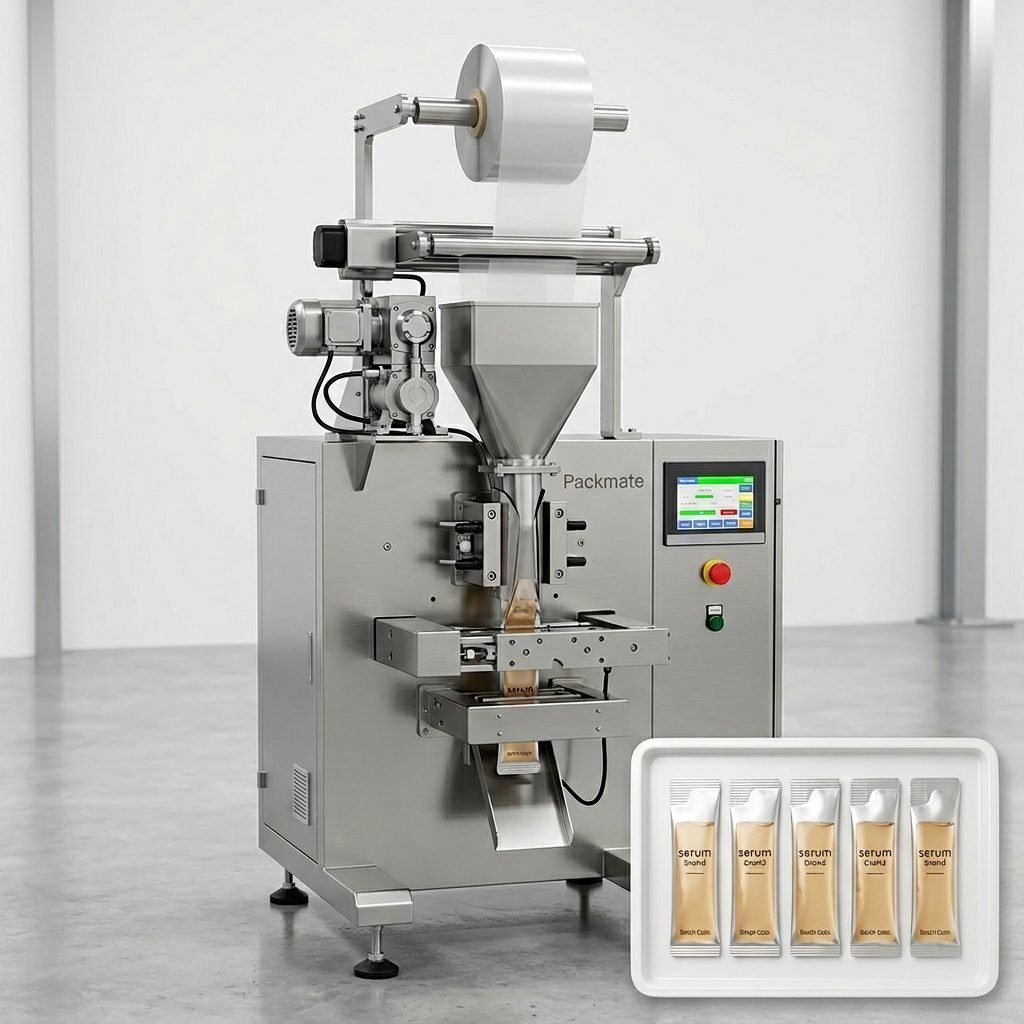
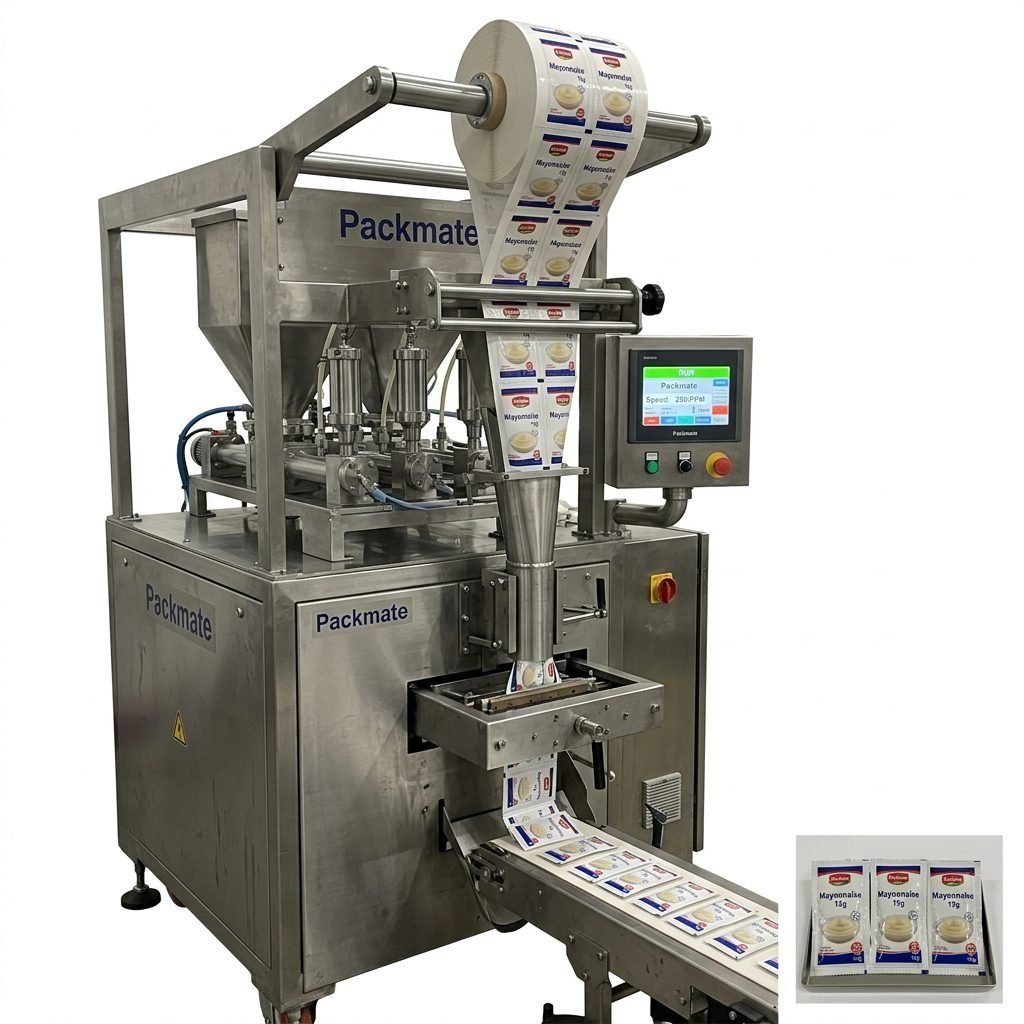
The manufacturing of packaging machines is a sophisticated process that combines engineering precision with innovative design to meet the diverse needs of modern industries. From food and pharmaceuticals to health products, these machines are the backbone of efficient, reliable, and hygienic product packaging. Understanding the manufacturing process and the various types available is crucial for businesses looking to invest in packaging automation.
The Core Manufacturing Process: From Design to Delivery
The journey of a packaging machine begins long before the first component is assembled. It starts with in-depth research and development (R&D), where engineers analyze market demands and specific client requirements. For a seasoned manufacturer like Packmate Machinery, this phase leverages over 30 years of expertise to design solutions that are not only functional but also future-proof.
Following the design phase, precise engineering drawings are created. These blueprints guide the machining and fabrication of parts. High-grade stainless steel and other durable materials are cut, shaped, and finished using advanced CNC machinery. This stage demands extreme accuracy, as even a minor deviation can affect the machine’s performance and the integrity of the final packaging.
Assembly and Integration: This is where the machine comes to life. Skilled technicians meticulously assemble thousands of components—from servo motors and PLC control systems to forming tubes and sealing jaws. Each sub-system, such as the feeding, weighing, forming, and sealing units, is integrated into a cohesive whole. Rigorous in-process testing ensures every module functions perfectly before final assembly.
The final and most critical stage is comprehensive testing and quality control. The assembled machine undergoes a series of dry runs and live production tests using actual packaging materials and product simulants. Parameters like speed, accuracy, seal integrity, and user safety are scrutinized. Only after passing all stringent checks is the machine prepared for delivery, often accompanied by installation support and operator training.
Key Types of Packaging Machines Explained
The world of packaging machinery is vast, with each type designed for a specific form, function, and product category. Here’s a breakdown of the primary types.
Vertical Form-Fill-Seal (VFFS) Machines
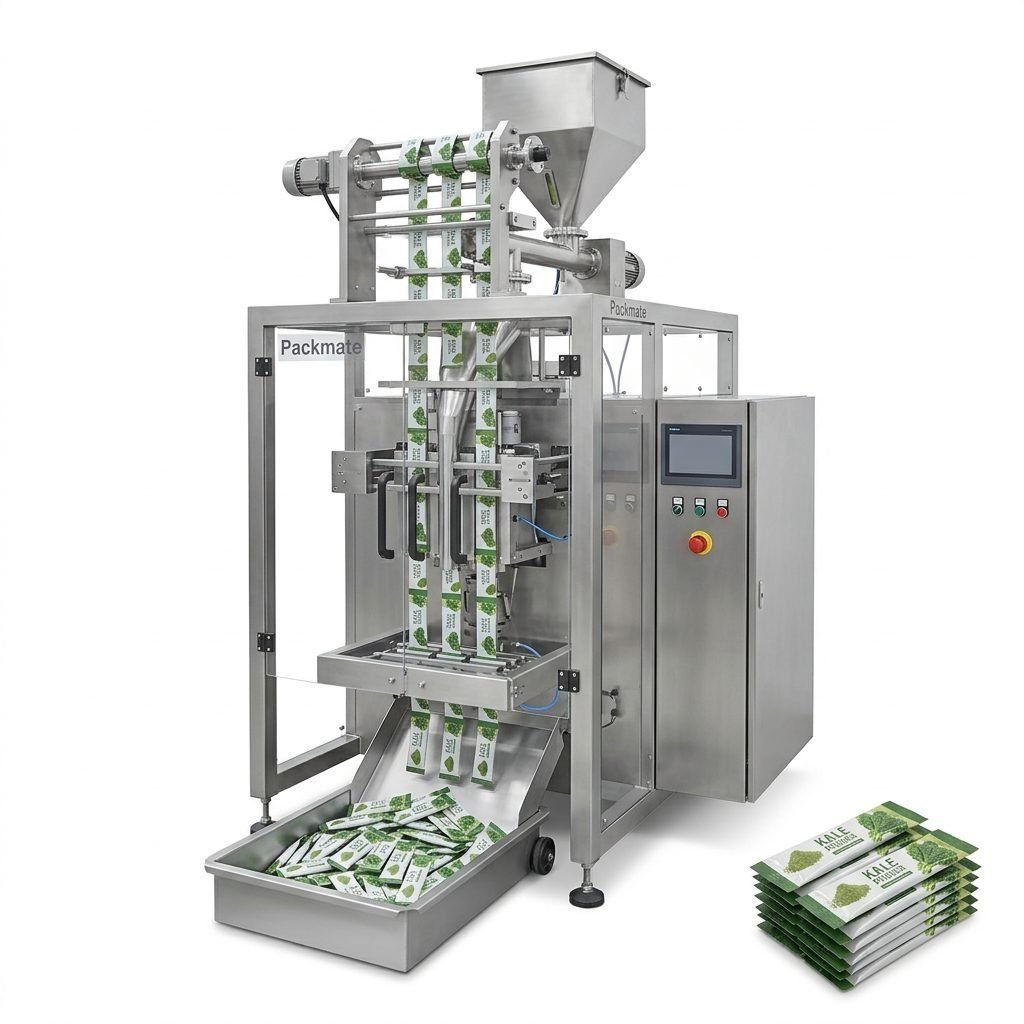
These are among the most common and versatile machines. They form a bag from a roll of flat film, fill it with a measured product, and then seal it—all in a continuous vertical motion. Ideal for granules, powders, and liquids, VFFS machines are the workhorses for producing pillow bags, gusseted bags, and other stand-up pouches. They are a core component in many filling and packaging lines.
Horizontal Form-Fill-Seal (HFFS) Machines
As the name suggests, these machines operate on a horizontal plane. They are typically used for wrapping solid products like candy bars, cookies, or medical devices. The film wraps around the product, and seals are made on the back and ends. HFFS machines excel at creating sleek, attractive retail-ready packaging with high-speed efficiency.
Sachet and Stick Pack Machines
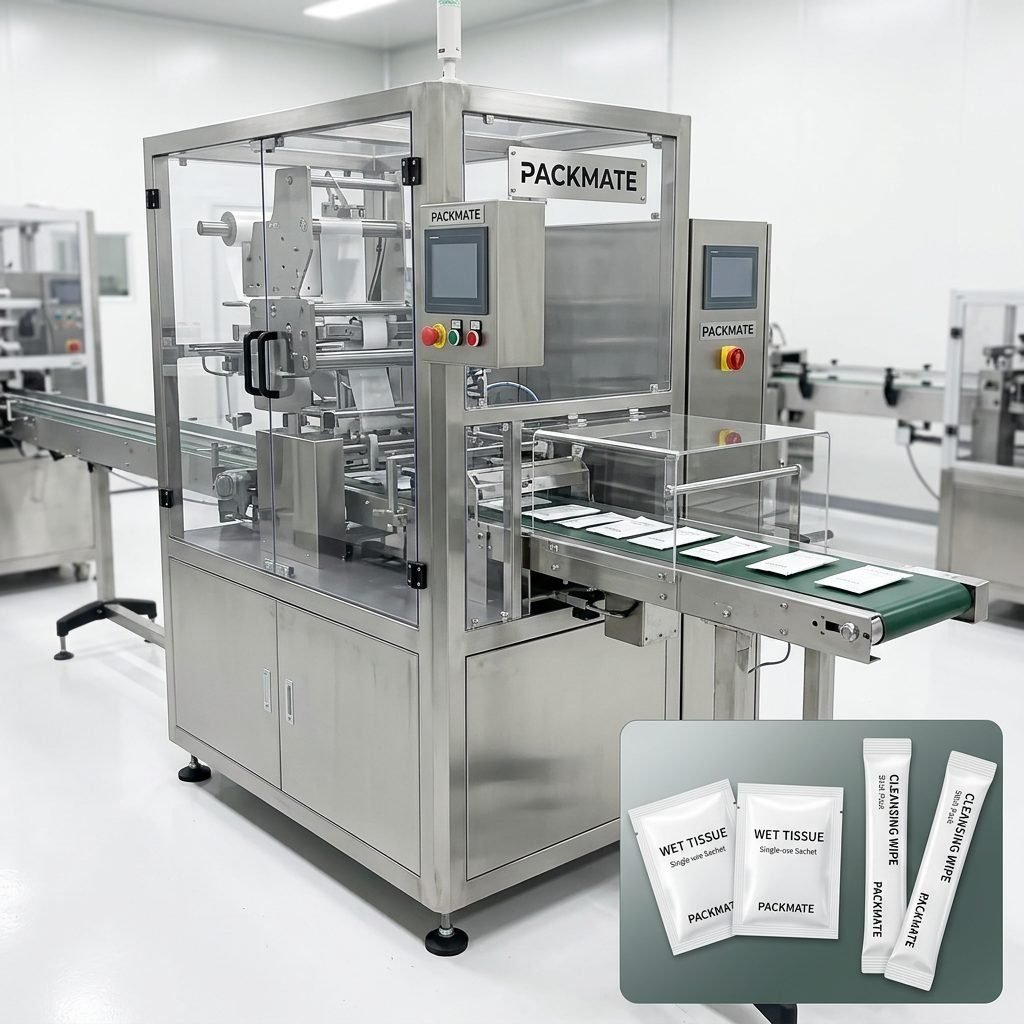
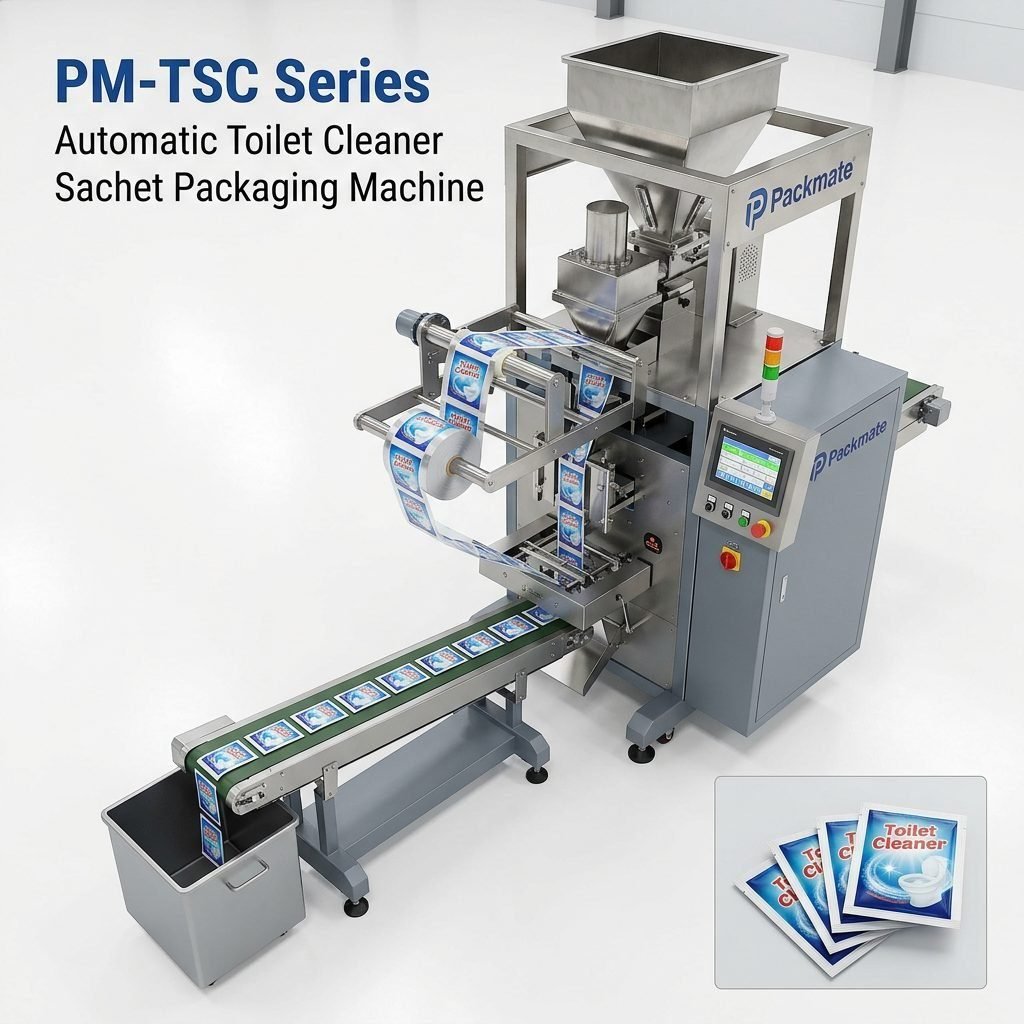
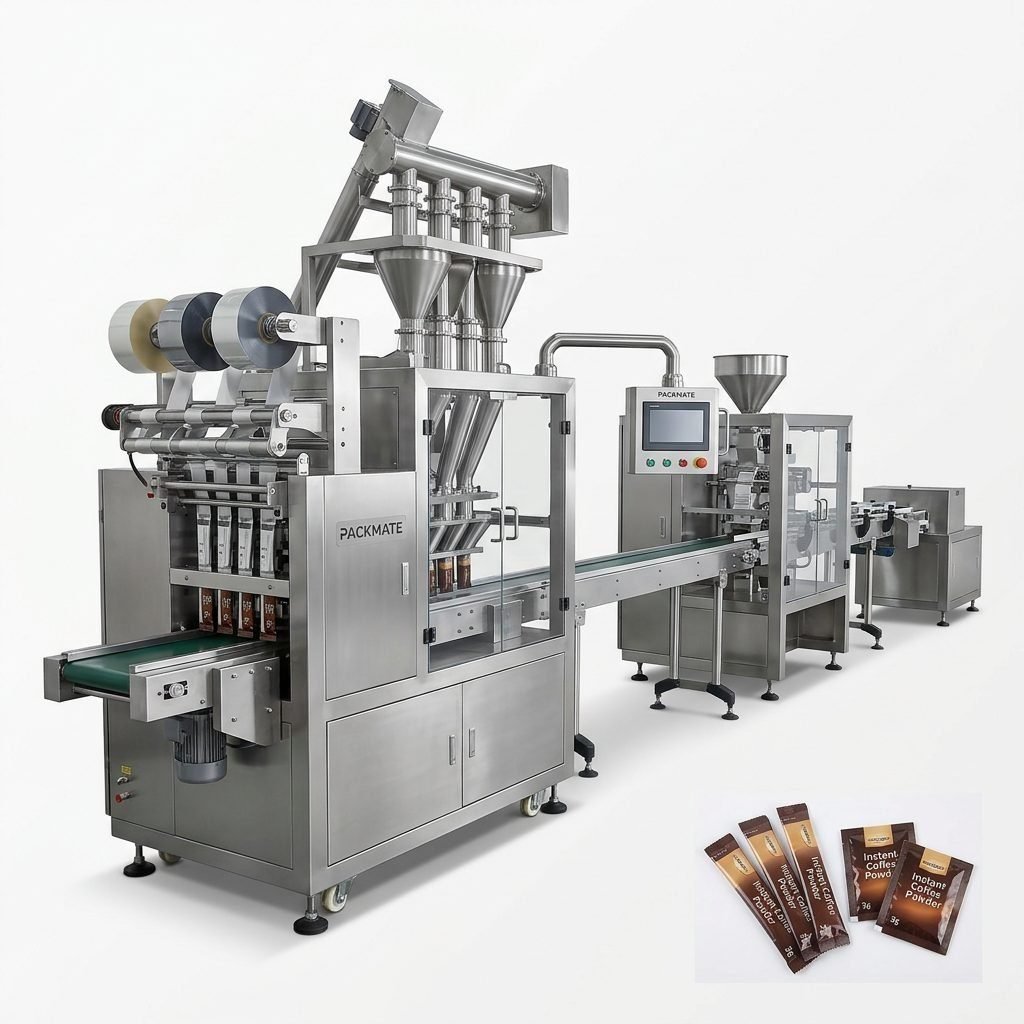
Specialized for single-serve and small-quantity packaging, these machines are essential for industries like pharmaceuticals, condiments, and instant beverages. They create small, sealed packets from roll stock film. Multi-lane stick pack machines significantly boost output by producing multiple sticks simultaneously. For businesses in this niche, exploring dedicated sachet and stick pack machines is a strategic move for maximizing productivity.
Liquid and Piston Filling Machines
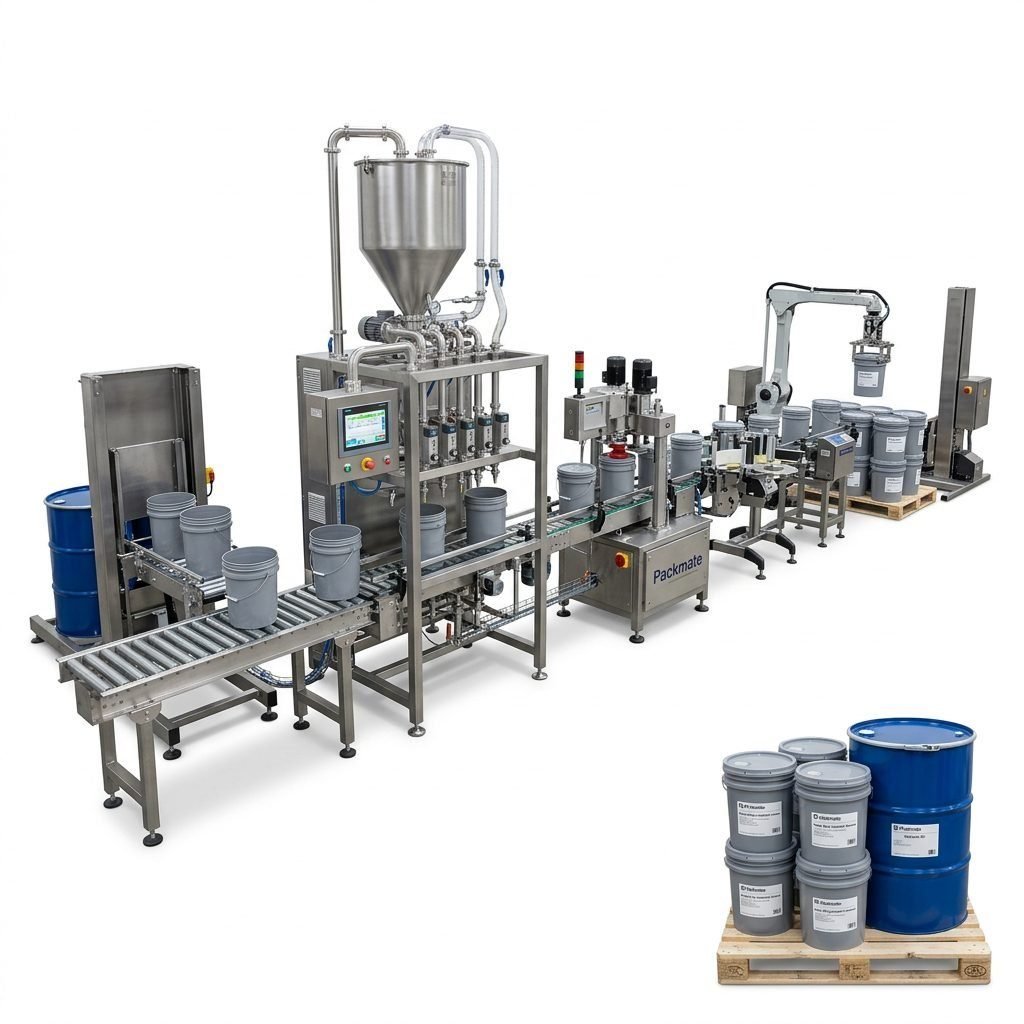
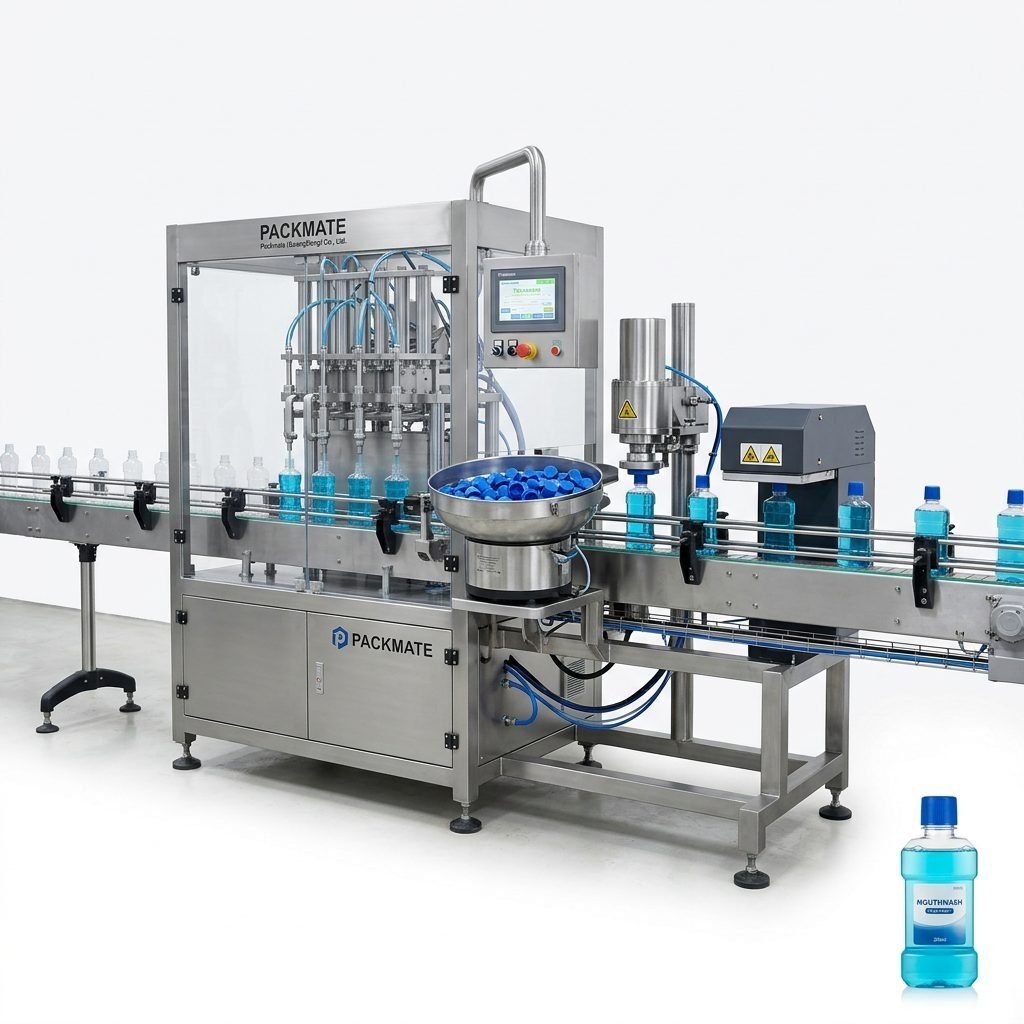
Designed for viscous and liquid products like sauces, oils, lotions, and chemicals, these machines use precise piston cylinders or pumps to dispense volumes with exceptional accuracy. They are often integrated with capping, lidding, or labeling systems to create a complete liquid packaging line, ensuring hygiene and preventing contamination.
Weighing and Dosing Systems
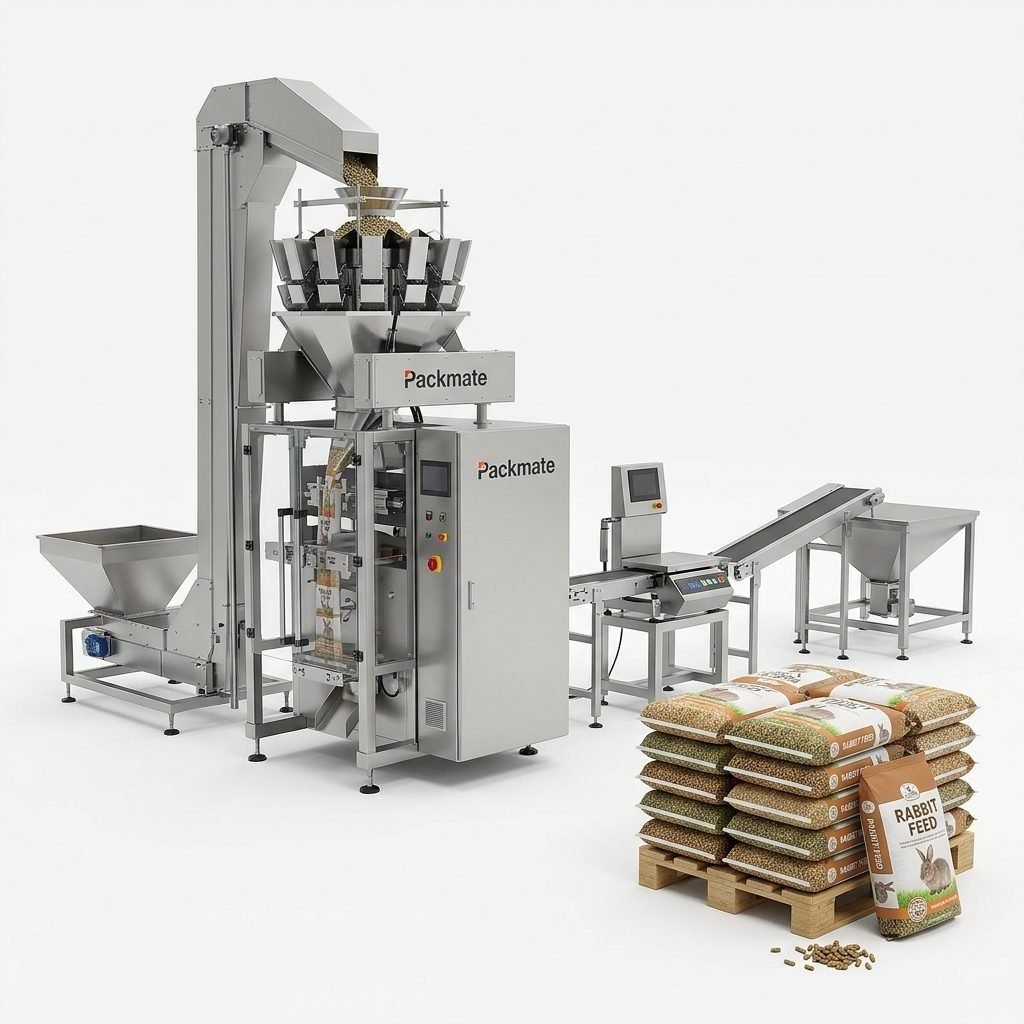
Accuracy is paramount, especially for high-value products. Multi-head weighers and auger filler systems provide precise weight-based dosing for free-flowing and non-free-flowing products. These systems are critical for compliance with net content regulations and for minimizing product giveaways, directly impacting the bottom line. They form the heart of many weighing and packaging systems.
Choosing the Right Machine: Factors to Consider
Selecting a packaging machine is a significant investment. Beyond the basic type, several factors must be evaluated:
Product Characteristics: The physical properties of your product (size, shape, flowability, abrasiveness) dictate the choice of feeding and filling mechanism.
Production Speed & Output: Match the machine’s capacity (bags/minute) with your current and forecasted production demands to avoid bottlenecks or underutilization.
Packaging Material: The machine must be compatible with your chosen film (e.g., laminate, polyethylene) and capable of creating a strong, hermetic seal.
Flexibility and Changeover: If you run multiple products or package sizes, look for machines with quick-change parts and recipe memory to reduce downtime.
After-Sales Support: The manufacturer’s reputation for reliable service, technical support, and spare parts availability is as important as the machine itself. A partner with a strong track record ensures long-term operational success.
Conclusion
The packaging machine manufacturing process is a testament to precision engineering and rigorous quality control, resulting in equipment that drives modern production lines. From versatile VFFS machines to specialized sachet packers, each type serves a unique purpose in the global supply chain. By understanding these processes and types, and partnering with an experienced manufacturer, businesses can implement packaging solutions that enhance efficiency, ensure product safety, and support brand growth in a competitive marketplace.
Frequently Asked Questions (FAQs)
What is the typical lead time for a custom packaging machine?
Lead times vary based on complexity and customization. For standard models, it can range from 4-8 weeks. Fully custom-designed solutions may require 12-20 weeks or more, encompassing design, manufacturing, and testing phases.
How do I ensure the machine is compatible with my packaging material?
Reputable manufacturers conduct film tests during the quotation process. You should provide samples of your packaging film roll. The machine’s sealing jaws, forming system, and film tracking mechanisms can then be configured to ensure optimal performance and seal integrity.
What kind of maintenance do packaging machines require?
Regular preventive maintenance is crucial. This includes daily cleaning, lubrication of moving parts as per the manual, inspection of seals and wear parts, and calibration of weighing systems. Most suppliers offer annual service contracts to maintain peak performance.
Can one machine handle multiple different products or package sizes?
Yes, many machines are designed for flexibility. Look for features like servo-driven adjustments, digital changeover settings, and quick-release tooling. The ease and speed of changeover, however, depend on the level of customization and the differences between the products.
What training and support are provided after purchase?
A comprehensive package usually includes on-site installation and commissioning, detailed operational and safety training for your technicians, and provision of manuals (often with video guides). Ongoing support is provided via phone, email, and remote diagnostics, with options for service visits and spare parts supply.