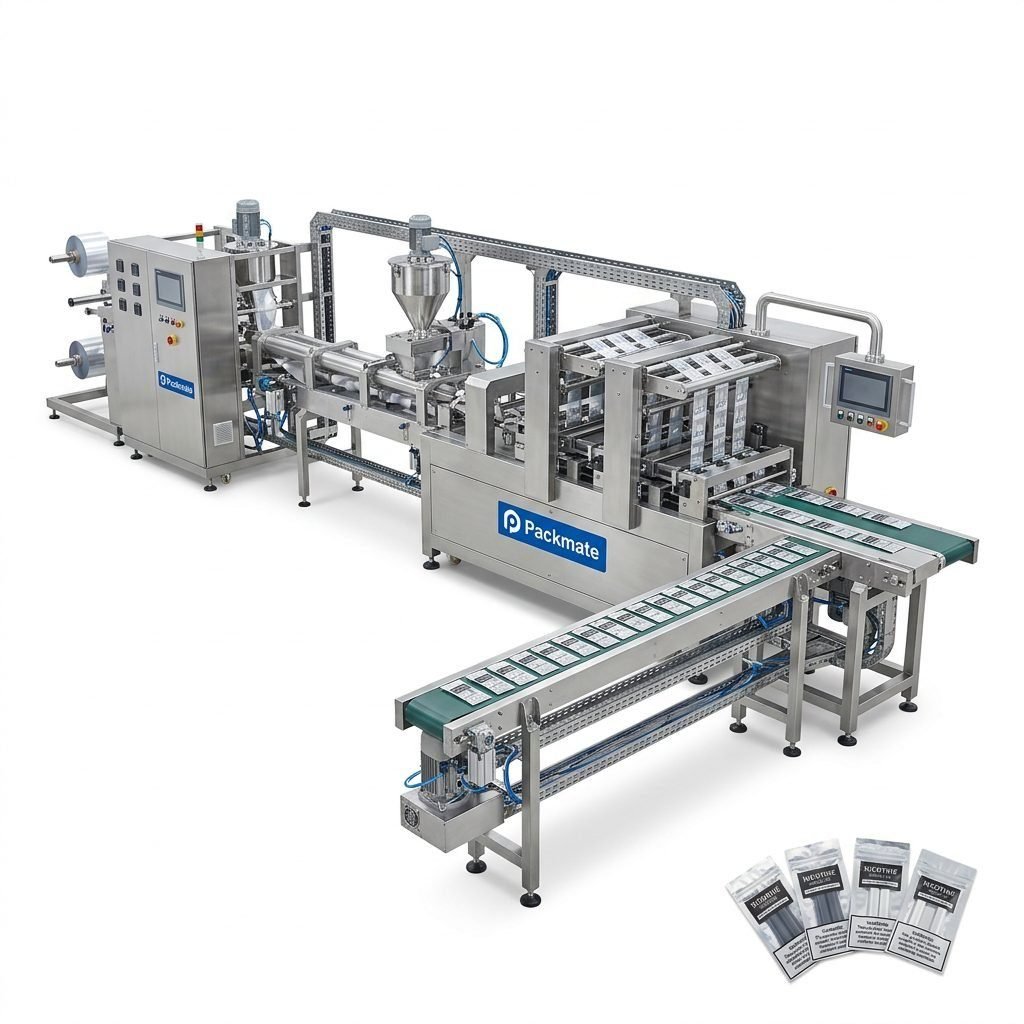
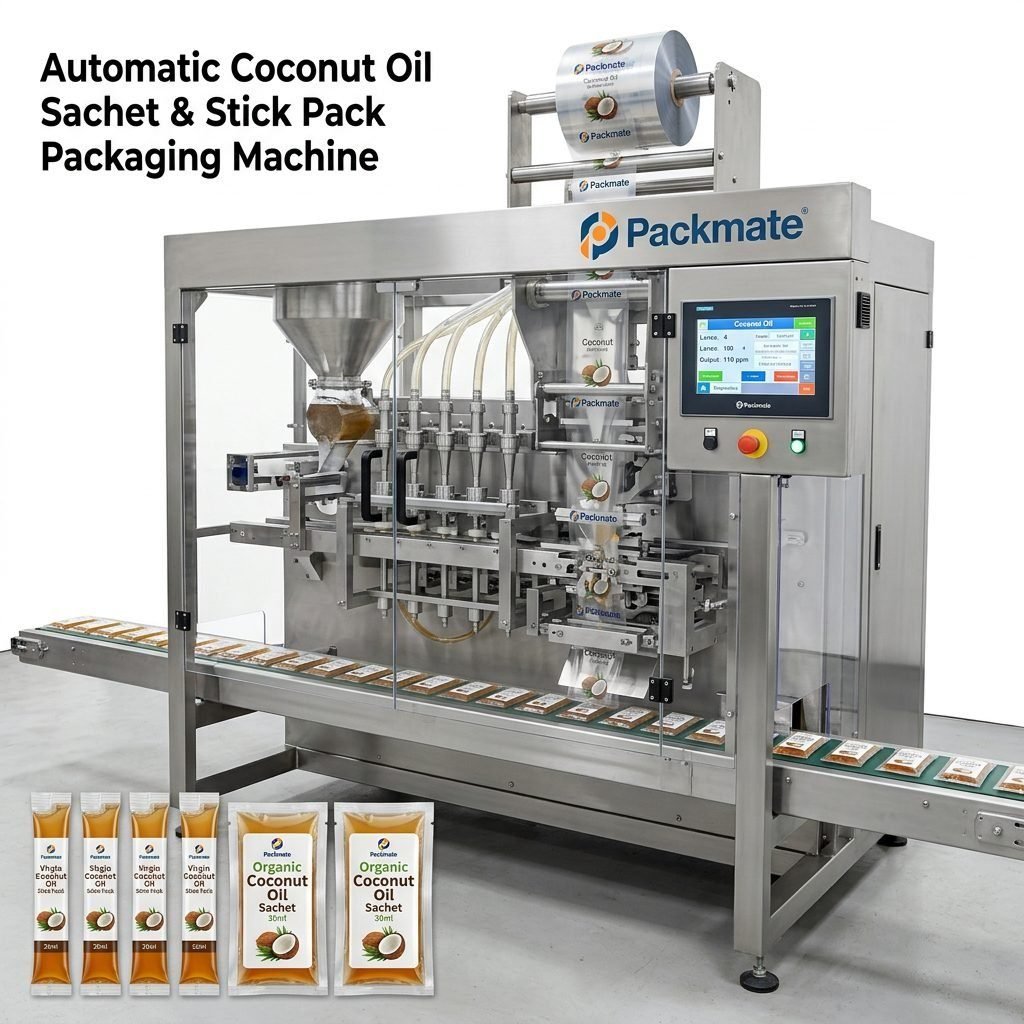
In the fast-paced world of manufacturing, efficiency is the cornerstone of profitability and competitiveness. For industries that rely on unit-dose packaging, such as pharmaceuticals, nutraceuticals, and certain food sectors, blister packaging machines are indispensable. These sophisticated systems not only protect products from moisture, contamination, and damage but also ensure precise dosing and enhance consumer convenience. Selecting the right blister packaging machine can dramatically streamline your production line, reduce waste, and boost output. This guide delves into the top blister packaging machines designed for efficient production, exploring their key features, technological advancements, and how they can be integrated into a seamless operational workflow.
The Core of Modern Packaging Lines
Blister packaging involves forming a cavity (blister) from a thermoplastic sheet, placing the product inside, and sealing it with a lidding material, often foil or paper. Modern machines automate this entire process with remarkable speed and accuracy. The efficiency of a blister packer is measured by its output (cycles per minute), changeover time, material utilization rate, and reliability. Leading manufacturers, like Packmate Machinery, have pushed the boundaries by incorporating intelligent controls, servo-driven mechanisms, and quick-change tooling to minimize downtime and maximize throughput.
Key Features of High-Efficiency Blister Machines
When evaluating blister packaging machines for efficient production, several critical features stand out:
Servo Motor Technology: Unlike traditional mechanical machines, servo-driven systems offer unparalleled precision and flexibility. Every motion—from film feeding and thermoforming to sealing and cutting—is controlled by individual servo motors. This results in smoother operation, reduced mechanical stress, lower energy consumption, and the ability to store countless product recipes for instant changeover.
Quick Changeover Systems: Efficiency isn’t just about raw speed; it’s about minimizing non-productive time. Top-tier machines feature tool-less or quick-lock changeover systems for forming dies, sealing dies, and cutting tools. This allows production lines to switch between different product formats or blister sizes in minutes rather than hours, which is crucial for handling short runs and customized orders.
Advanced Vision Inspection: Integrated quality control is non-negotiable. High-efficiency machines often come with camera-based inspection systems that check for defects like missing products, misaligned blisters, imperfect seals, or incorrect labeling before the package leaves the machine, ensuring 100% product integrity and reducing costly recalls.
Material Efficiency & Sustainability: Efficient machines optimize material usage. Features like precise web tension control, minimal trim waste during cutting, and the ability to run thinner gauge films without compromising seal integrity contribute directly to lower material costs and a more sustainable operation.
Integration with Upstream and Downstream Processes
A blister machine rarely operates in isolation. Its true efficiency is realized when integrated into a complete packaging line. This includes upstream equipment like product feeders, counting systems, or weighing systems, and downstream equipment such as cartoners, case packers, and palletizers. Modern blister packers are designed with connectivity in mind, featuring PLCs with communication protocols (e.g., Ethernet/IP, Profinet) that allow them to sync speed, receive commands, and send data to a central Manufacturing Execution System (MES). This creates a cohesive, data-driven production cell.
Selecting the Right Machine for Your Needs
The “top” machine is the one that best fits your specific application. Considerations include:
Product Type: The size, shape, and fragility of your product (tablets, capsules, lozenges, small electronics) dictate the required forming depth and gentle handling features.
Production Volume: High-speed rotary machines are ideal for large-scale, single-format production. Intermittent motion machines might be more suitable for mid-volume operations with frequent changeovers.
Material Compatibility: Ensure the machine can handle your chosen forming film (PVC, PVDC, Aclar, PET, PP) and lidding material (aluminum foil, paper, peel-push films) with the required sealing quality.
Regulatory Compliance: For pharmaceutical applications, machines must be designed for easy cleaning and validation, often requiring features like stainless steel contact parts, clean-in-place (CIP) systems, and documentation support for 21 CFR Part 11.
Partnering with an experienced manufacturer like Packmate, with its decades of expertise in creating complete packaging lines, can provide invaluable guidance in this selection process.
The Role of Innovation and Support
Investing in a blister packaging machine is a long-term decision. Therefore, the manufacturer’s commitment to innovation and after-sales support is as important as the machine’s specifications. Look for providers that offer comprehensive training, readily available spare parts, remote diagnostics, and service support. A company’s history, like Packmate’s journey from a small workshop to a major manufacturer with a 20,000㎡ facility, often reflects its dedication to reliability and customer partnership.
Ultimately, the top blister packaging machines for efficient production are those that deliver a powerful combination of speed, flexibility, reliability, and smart integration. They transform packaging from a necessary cost center into a strategic asset that drives operational excellence, ensures product safety, and meets the evolving demands of the market. By carefully evaluating your needs against the advanced features available today, you can select a system that will serve as the reliable heart of your production for years to come.
Frequently Asked Questions (FAQ)
What is the typical output speed of a modern blister packaging machine?
Output speeds vary widely based on machine type and configuration. Intermittent motion machines may range from 60 to 200 cycles per minute, while high-speed rotary machines can achieve from 300 to over 600 cycles per minute. The actual effective output also depends on product size, blister format, and the efficiency of upstream feeding systems.
How long does it take to change over a blister machine to a different product?
With traditional machines, changeover could take several hours. However, modern machines with servo technology and quick-change tooling have dramatically reduced this time. A full format changeover on an advanced machine can often be completed in 30 minutes to an hour, significantly improving flexibility for multi-product facilities.
Can blister machines handle child-resistant (CR) or senior-friendly (SF) packaging?
Yes, many advanced blister packers are specifically designed to produce compliant child-resistant packaging. This involves precise control over the lidding material and the forming of specific “push-through” or “peel-push” blister patterns that meet regulatory standards like ASTM or ISO.
What kind of maintenance do blister packaging machines require?
Regular preventive maintenance is crucial for sustained efficiency. This typically includes daily cleaning, lubrication of moving parts as per the manual, inspection of seals and heaters, and calibration of sensors. Choosing a machine with robust construction and accessible service points, and partnering with a supplier that offers strong service support, minimizes unexpected downtime.
Are there blister machines suitable for small-batch or R&D production?
Absolutely. While large machines focus on high volume, there are smaller, benchtop or compact blister packaging machines designed for pilot projects, clinical trials, small-scale production, and R&D purposes. These machines offer the same precision and quality but at a lower output, providing a cost-effective way to develop and test packaging formats.