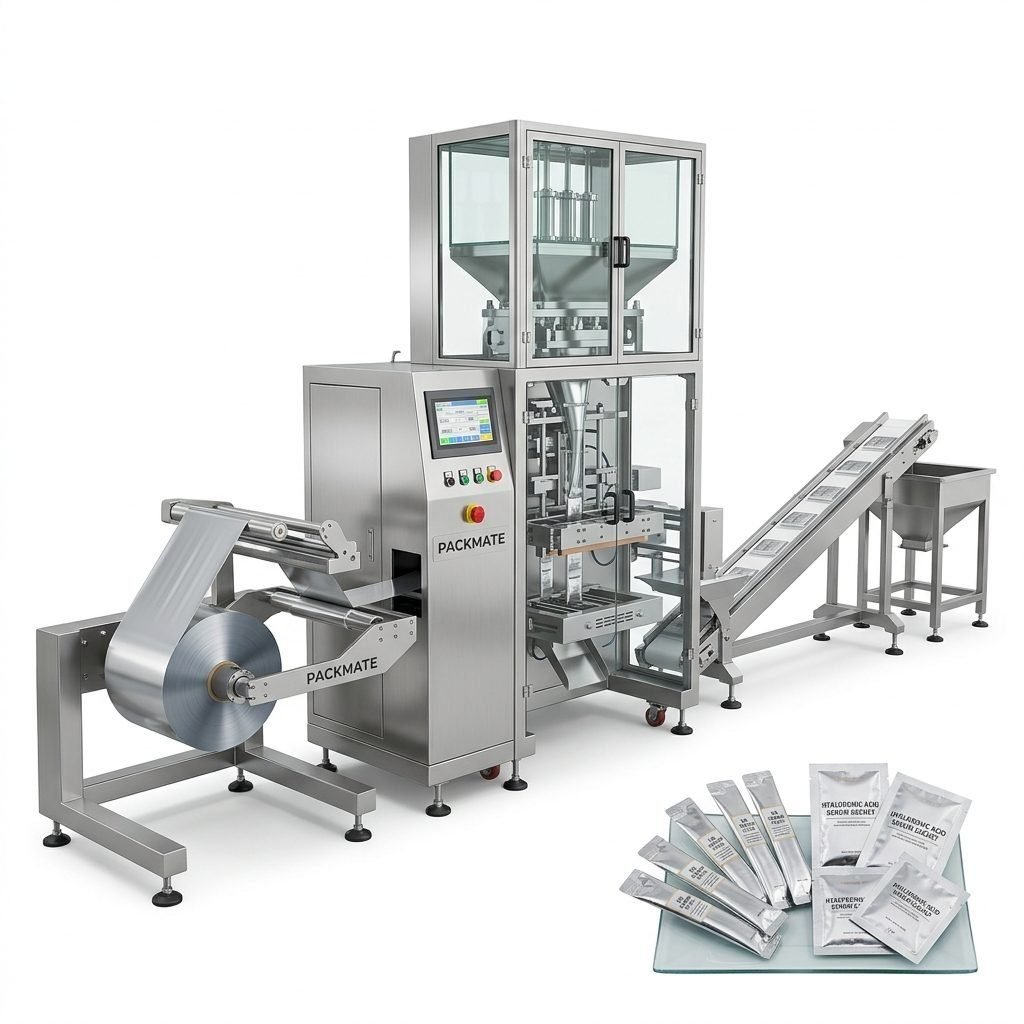
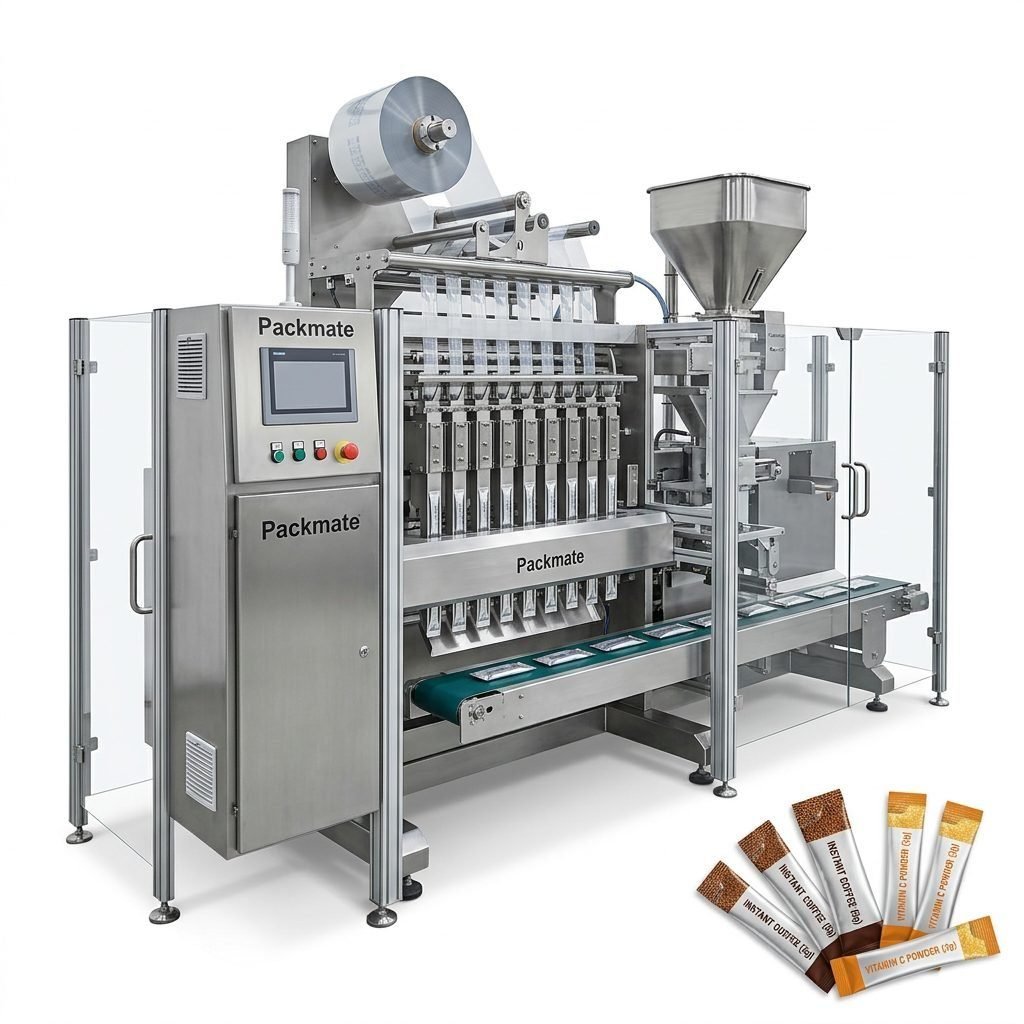
In the competitive world of publishing and distribution, ensuring books arrive at their destination in pristine condition is paramount. The journey from printer to reader is fraught with potential hazards, from rough handling in transit to environmental factors like moisture. This is where specialized book packaging machines become indispensable. Modern packaging solutions go beyond mere protection; they enhance operational efficiency, reduce material waste, and ensure a professional, secure presentation that reflects the value of the contents inside. Investing in the right machinery is an investment in customer satisfaction, brand reputation, and logistical excellence.
Why Secure Packaging is Non-Negotiable for Books
Books are more than just products; they are vessels of knowledge, art, and sentiment. Damage during shipping—bent corners, torn covers, or broken spines—can significantly diminish the reader’s experience and lead to costly returns and replacements. A robust packaging process mitigates these risks. Beyond physical protection, secure packaging also safeguards against loss and pilferage, ensuring the complete order is delivered. For publishers, distributors, and online retailers, consistent, damage-free delivery is a critical component of customer trust and repeat business. It transforms a simple transaction into a reliable service.
Key Damage Points Addressed by Packaging Machines:
- Crushing and Impact: Machines apply consistent pressure to create snug, protective wraps or boxes that prevent books from shifting and absorbing direct impacts.
- Edge and Corner Damage: Automated systems can precisely fold and secure protective corners or utilize rigid mailers that shield these vulnerable areas.
- Moisture and Dust: Many machines integrate sealing processes that create a water-resistant or dust-proof barrier, crucial for long-distance or international shipping.
- Scuffing and Abrasion: The use of smooth, interior-facing materials and tight packaging prevents covers from rubbing during transit.
Top Features of Efficient Book Packaging Machinery
When evaluating book packaging machines, efficiency is measured in speed, adaptability, and resource optimization. The goal is to achieve a high throughput without compromising on the security of each packaged item. Look for systems that offer quick changeover times to handle books of varying sizes—from mass-market paperbacks to large-format art books—without lengthy downtime. Automated feeding and sealing mechanisms drastically reduce manual labor and associated costs. Furthermore, intelligent machines can be programmed to use the minimal necessary amount of packaging material, such as stretch film, cardboard, or poly mailers, aligning cost-saving with environmental responsibility by reducing waste.
Another critical feature is integration capability. The best packaging lines work seamlessly with upstream processes like weighing systems and downstream logistics like labeling and sorting. This creates a cohesive, automated workflow from the end of production to the shipping dock. Reliability and ease of maintenance are also paramount; a machine that frequently jams or breaks down can cripple an entire operation. Manufacturers with a strong track record, like Packmate Machinery, build durability and user-friendly service access into their designs, ensuring consistent uptime.
Automation vs. Semi-Automation: Choosing the Right Level
Your choice between fully automatic and semi-automatic machines depends largely on volume and budget. Fully automatic systems are the pinnacle of efficiency for high-volume operations. They can automatically pick, orient, wrap, seal, and label books with minimal human intervention, processing hundreds or even thousands of units per hour. These are ideal for large distribution centers serving major online retailers or publishers.
Semi-automatic machines, on the other hand, require an operator to place the book into the machine, which then performs the core packaging function (like stretching film or sealing a mailer). This offers a excellent balance, providing significant speed and consistency improvements over manual packing while remaining more affordable and flexible for businesses with medium output or a highly diverse product range. Exploring a manufacturer’s full range of packing machines can help identify the perfect fit for your specific throughput needs.
Material Considerations: Matching Machine to Packaging Type
The packaging material is just as important as the machine that applies it. Different machines are engineered for specific materials, each offering unique benefits.
Stretch Wrapping Machines
These machines use clear plastic film to tightly encase one or several books. The result is a streamlined, waterproof package that clearly displays the book while holding it immobile. This method is excellent for single-book shipments or bundling multiple books together. It’s cost-effective and uses relatively little material, but may be less suitable for extremely heavy or odd-shaped books that require rigid support.
Cardboard Sleeve or Mailer Machines
Automated systems that form, insert, and seal rigid cardboard mailers provide superior protection for high-value or delicate editions. The cardboard acts as a strong exoskeleton, resisting bends and crushes. These machines often integrate padding or cushioning insertion for added safety. The trade-off is a higher per-unit material cost and slightly slower packaging speed compared to stretch wrapping.
Poly Mailer Sealing Machines
For lightweight paperbacks or standard hardcovers, automated poly mailer sealers offer a fast and reliable solution. These machines heat-seal pre-made plastic pouches, creating a durable, weather-resistant bag. They are incredibly fast and space-efficient, as the mailers lay flat until used. This method is ubiquitous in e-commerce fulfillment due to its speed and low cost. For businesses also packaging non-book items, similar technology is used in versatile bag and pouch packaging machines.
Maximizing Return on Investment (ROI)
The upfront cost of a book packaging machine is offset by multiple long-term savings. The most direct saving is in labor. Automating a task that requires several full-time employees can lead to a rapid ROI, freeing staff for more skilled tasks. Secondly, machines drastically reduce material waste by precisely measuring and applying the exact amount needed, unlike manual packing which often uses excess “to be safe.”
Perhaps the most significant financial benefit is the reduction in damage-related losses. Fewer returns, replacements, and refunds directly improve the bottom line and preserve customer lifetime value. Additionally, faster packaging throughput can decrease shipping delays, potentially allowing you to offer more competitive delivery promises. When calculating ROI, consider the total cost of ownership, including energy consumption, maintenance parts, and the manufacturer’s support network. Partnering with an established provider ensures access to genuine spare parts and expert technical service, safeguarding your investment for years to come.
Implementation Checklist for Success
- Audit Your Workflow: Analyze your current packaging volume, book size variety, and pain points (e.g., most common damage types, bottleneck stages).
- Define Requirements: Determine your target speed (units/hour), the primary packaging material, and your available floor space and power supply.
- Request Demos & References: Never buy based on specifications alone. Request live or video demonstrations using books similar to yours and ask for customer references.
- Plan for Integration: Work with the supplier to plan how the new machine will connect to your existing conveyor, labeling, or sorting systems.
- Train Your Team: Ensure operators and maintenance staff receive comprehensive training from the supplier to maximize efficiency and prevent misuse.
Frequently Asked Questions (FAQs)
1. What is the typical output speed of an automatic book packaging machine?
Speeds vary widely based on the machine type and packaging process. Semi-automatic sleeve inserters may handle 10-15 books per minute, while high-speed automatic stretch wrappers or poly mailer sealers can process 30-60 packages per minute or more. The key is to match the machine’s capacity to your average and peak daily shipping volumes.
2. Can one machine handle books of very different sizes?
Many modern machines are designed with flexibility in mind. Look for models with quick-adjust mechanisms for guide rails, folding plates, or film dispensers. Some advanced systems have digital memory settings that allow operators to switch between predefined book dimensions at the touch of a button, minimizing changeover time to just a few minutes.
3. How does automated packaging reduce material waste?
Automated systems precisely control the amount of material dispensed. For example, a stretch wrapper will use software to calculate the optimal film length and tension based on the book’s dimensions, eliminating overuse. A cardboard box erector will use a perfectly sized blank. This precision is difficult to achieve consistently with manual packing, leading to significant savings on packaging material costs over time.
4. What kind of maintenance do these machines require?
Routine maintenance is generally straightforward and involves cleaning, lubrication of moving parts, and inspection of wear items like sealing jaws, cutting blades, or film rollers. Reputable manufacturers provide clear maintenance schedules and easy access to common service points. Choosing a supplier with a strong global service network ensures you can get support and genuine parts when needed.
5. Are these machines suitable for packaging book series or gift sets together?
Absolutely. This is a major strength of automated packaging. Machines can be configured to bundle multiple items into a single, secure unit using stretch wrapping, shrink wrapping, or by placing them into a larger constructed mailer. This ensures the set stays together and arrives as a cohesive presentation, which is especially important for limited editions or gift-oriented products.