In the fast-paced world of product manufacturing and distribution, the final presentation is often the first impression. Efficient, secure, and visually appealing packaging is not just a necessity; it’s a competitive advantage. For countless products, from food items and pharmaceuticals to hardware and gifts, cellophane packaging offers a clear, protective, and professional finish. The key to achieving this efficiently lies in selecting the right cellophane packaging machine. This guide explores top options for businesses seeking to enhance their product wrapping operations, focusing on speed, reliability, and versatility.
What is Cellophane Packaging?
Cellophane is a thin, transparent film made from regenerated cellulose. It is prized for its high clarity, gloss, and excellent barrier properties against gases like oxygen, while allowing moisture to pass through. This makes it ideal for products that need to “breathe” or require a degree of moisture regulation. Modern cellophane packaging machines automate the process of wrapping products in this material, often incorporating heat sealing to create tight, tamper-evident seals.
Key Considerations for Choosing a Cellophane Wrapper
Before diving into machine types, it’s crucial to understand your specific needs. The best machine for a bakery wrapping individual pastries will differ vastly from one needed for bundling hardware tools. Key factors include:
- Product Type & Size: The machine must accommodate your product’s dimensions, shape, and fragility.
- Production Speed (Output): Measured in packages per minute (PPM), this should match your production volume requirements.
- Film Compatibility: Ensure the machine works with your chosen cellophane type, thickness, and roll size.
- Sealing Method: Common methods include constant heat seal, impulse seal, and ultrasonic seal, each suited to different films and products.
- Automation Level: Options range from manual feed to fully automatic systems integrated with upstream production lines.
Top Types of Cellophane Packaging Machines
1. L-Sealers (Side Seal Wrappers)
L-Sealers are a versatile and popular choice for many businesses. The product is placed manually or automatically onto the film, which is then formed around it and sealed along the back and ends, creating an “L”-shaped seal pattern. These machines are excellent for box overwrapping, book wrapping, and bundling multiple items. They offer a good balance of speed and cost-effectiveness for medium-volume operations.
2. Flow Wrappers (Horizontal Form-Fill-Seal)
For high-speed, continuous production of individual items, flow wrappers are the industry standard. The machine forms a tube of film around the product as it moves horizontally on a conveyor. The longitudinal seal is made first, followed by end seals that are crimped and cut, creating pillow-style packages. This type is ubiquitous in the food industry for items like candy bars, biscuits, and frozen foods, offering exceptional efficiency and consistent seal quality.
Did You Know?
Modern flow wrappers from leading manufacturers can integrate advanced features like vision inspection systems to check seal integrity and print registration, and automatic film splicing to change rolls without stopping production, maximizing uptime.
3. Shrink Wrapping Machines with Cellophane
While true cellophane does not shrink, many machines designed for shrink films (like polyolefin) can be adapted for certain cellophane applications, particularly for bundling. A shrink tunnel applies heat to a loosely wrapped package, causing the film to tighten around the product’s contours. For bundling multiple products (e.g., beverage cans, software boxes) with a clear, stable film, this method provides excellent stability and a neat presentation. It’s vital to confirm film compatibility with your machine supplier.
4. Specialty and Customized Machines
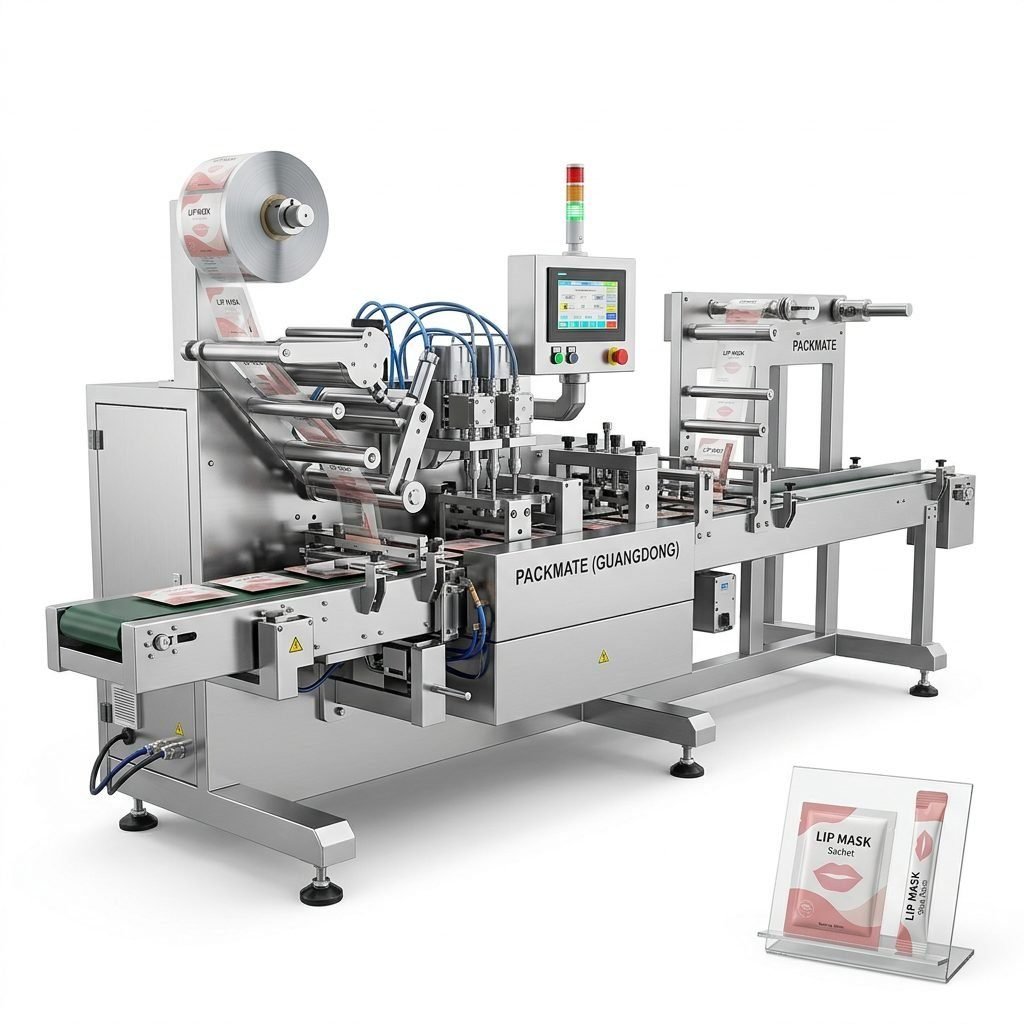
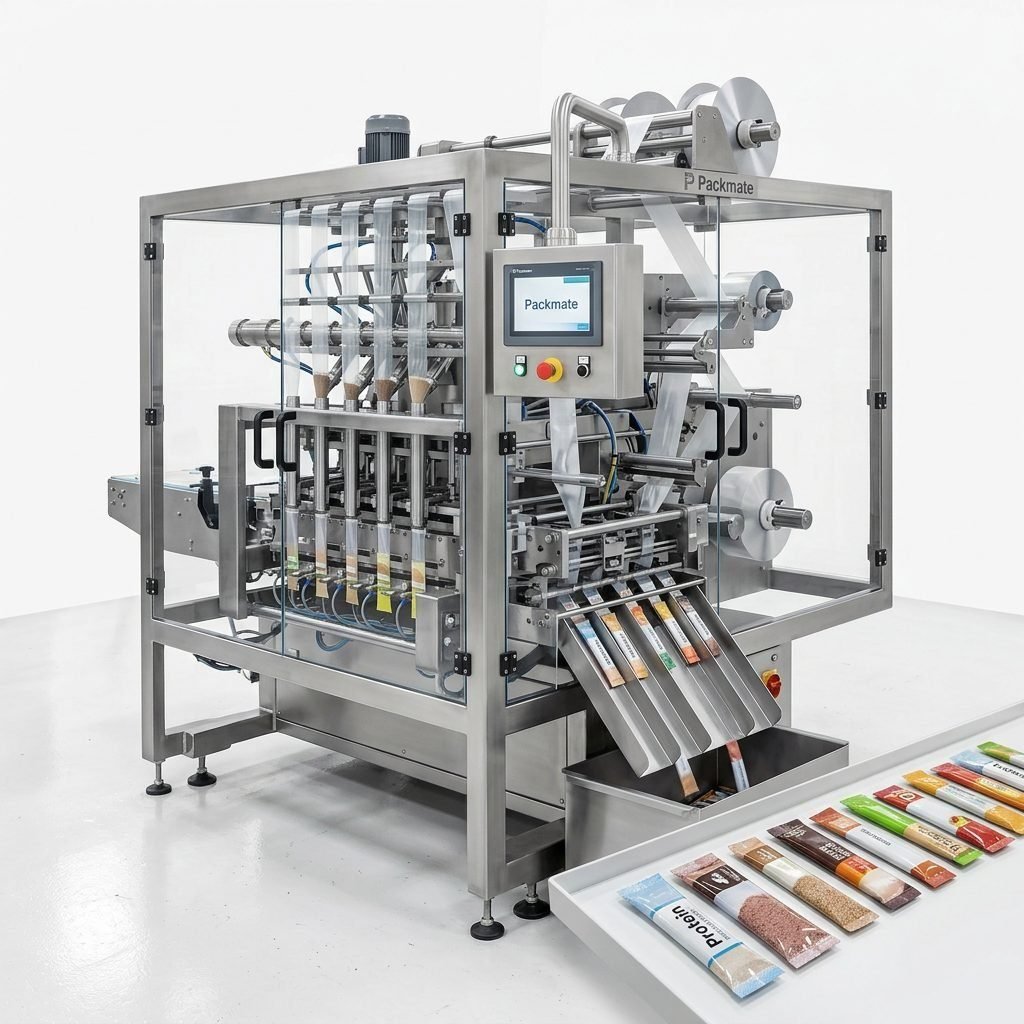
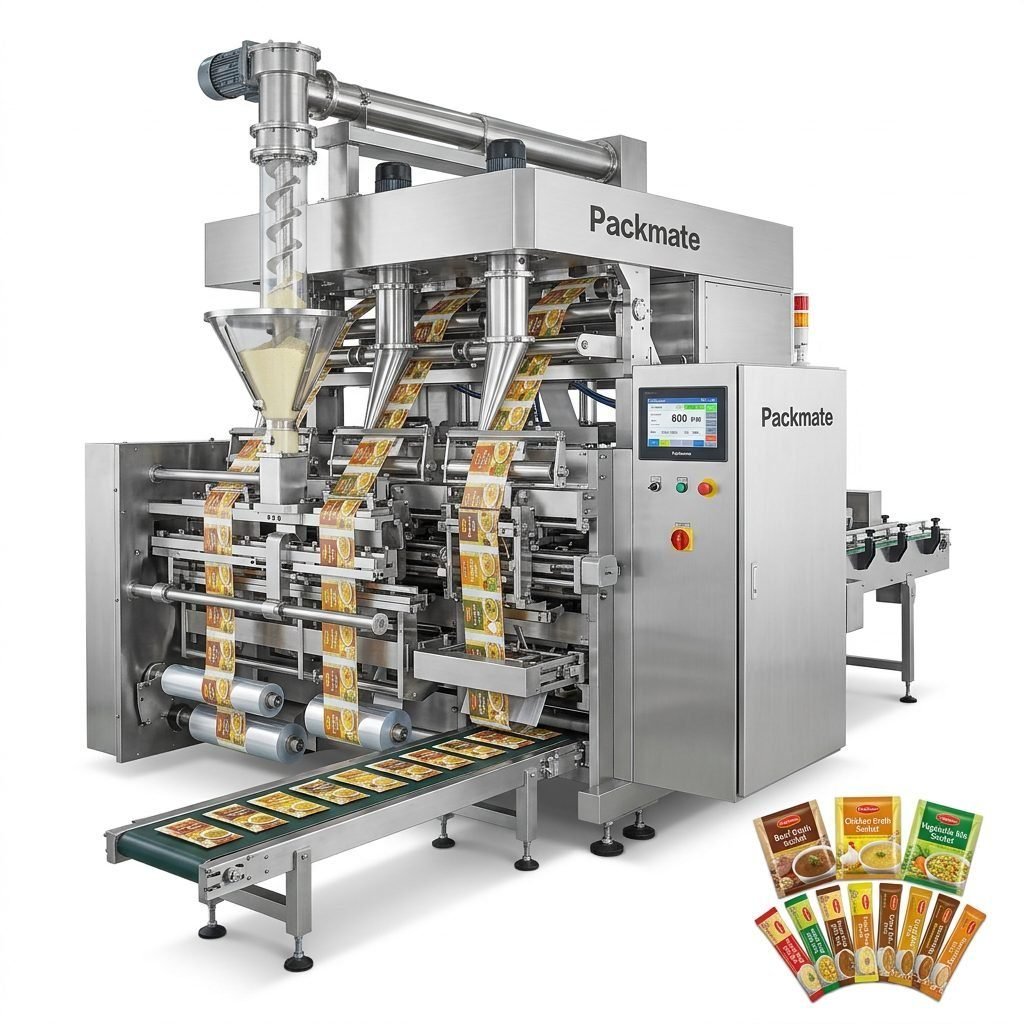
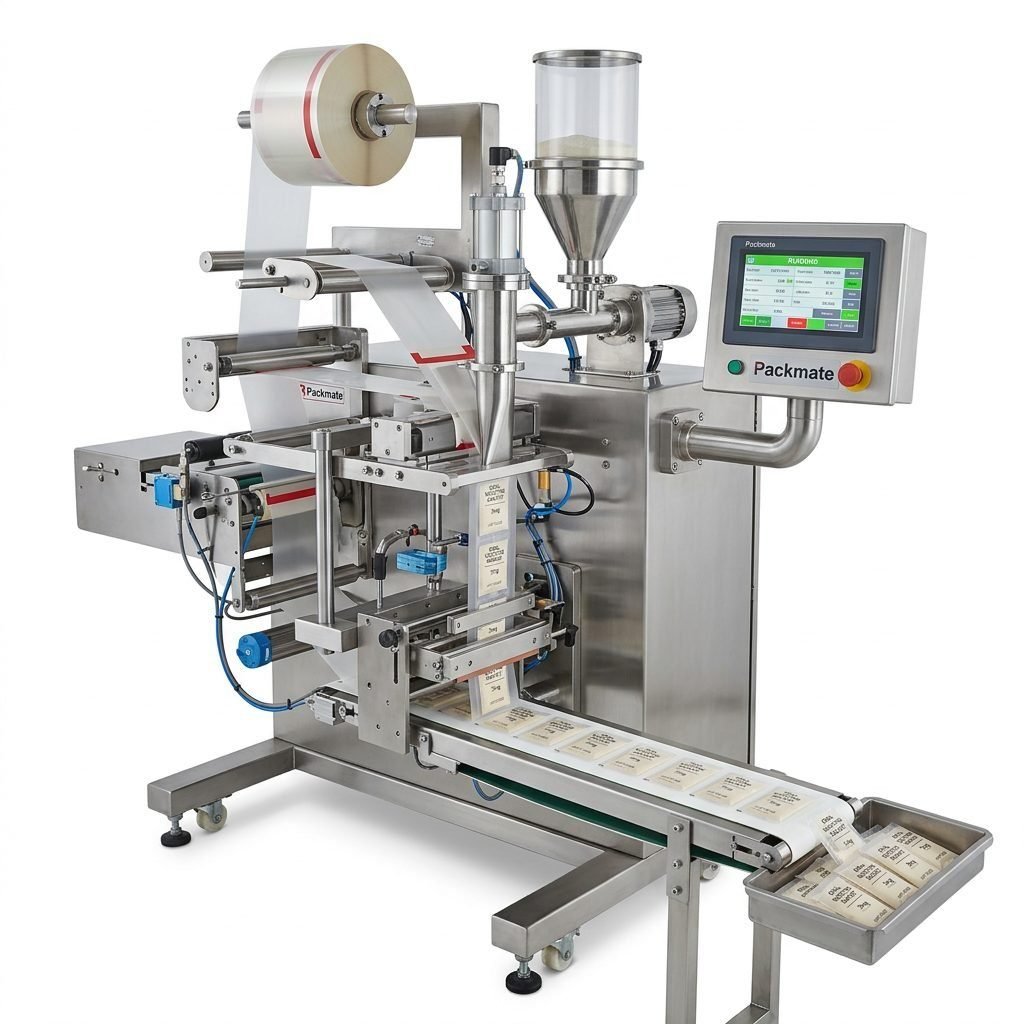
For unique product shapes or high-value items, customized solutions are available. This can include machines for wrapping delicate flowers, intricate gift baskets, or industrial parts. Companies like Packmate Machinery, with decades of engineering experience, often develop tailored solutions. Their expertise in creating machines for diverse products—from food granules to pharmaceuticals—showcases the potential for customization in the packaging machinery sector.
Benefits of Automating Your Cellophane Wrapping
Investing in an automated cellophane packaging machine delivers tangible returns beyond just a wrapped product.
- Increased Productivity: Machines operate at consistent speeds far exceeding manual wrapping.
- Reduced Labor Costs & Material Waste: Automation minimizes human error and optimizes film usage.
- Enhanced Consistency & Professionalism: Every package has identical, high-quality seals and appearance.
- Improved Hygiene & Safety: Automated processes are ideal for food and pharmaceutical applications, reducing contamination risk.
- Scalability: Automated systems can grow with your business, often allowing for speed upgrades or integration into larger packaging lines.
Partnering with a Reliable Manufacturer
The longevity and performance of your packaging machine depend heavily on the manufacturer. Look for a partner with a proven track record, robust R&D capabilities, and comprehensive after-sales support. A manufacturer with a history of innovation, like Packmate Machinery which began its journey in 2003 and has since developed over 50 machine models, brings valuable expertise. Their evolution from sachet machines to full turnkey packaging solutions demonstrates a commitment to meeting evolving market demands. Ensuring they offer reliable spare parts, technical training, and service is crucial for minimizing downtime.
Frequently Asked Questions (FAQs)
1. Can the same machine wrap different product sizes?
Many modern cellophane wrappers are designed with quick-change features. Adjustable forming boxes, seal jaws, and conveyor guides allow operators to switch between a range of product sizes with minimal tooling and downtime. It’s essential to discuss your size range with the machine supplier during the selection process.
2. Is cellophane environmentally friendly?
Cellophane is derived from wood pulp (cellulose) and is biodegradable and compostable under industrial conditions, unlike most petroleum-based plastics. However, some coatings applied for sealability or barrier properties may affect this. Always check the specifications of the specific film you are using.
3. What maintenance do these machines require?
Regular maintenance is key. Daily tasks include cleaning sealing jaws and cutting blades. Weekly or monthly schedules involve lubricating moving parts, checking belt tensions, and inspecting electrical components. A reputable supplier will provide a detailed maintenance manual and training.
4. How do I choose between an L-Sealer and a Flow Wrapper?
The choice primarily depends on production speed and package style. L-Sealers are ideal for lower to medium speeds (e.g., 10-30 packs/min) and are perfect for box overwrapping. Flow Wrappers are designed for high-speed, continuous production (often 50-500+ packs/min) of individual items in a pillow pack style.
5. Can I integrate a cellophane wrapper into my existing line?
Yes, most automated machines are designed for integration. They can be synchronized with upstream equipment like product feeders, collators, or filling machines, and downstream systems like labelers and cartoners. Discuss your line layout with an automation specialist or the machine manufacturer to ensure compatibility.