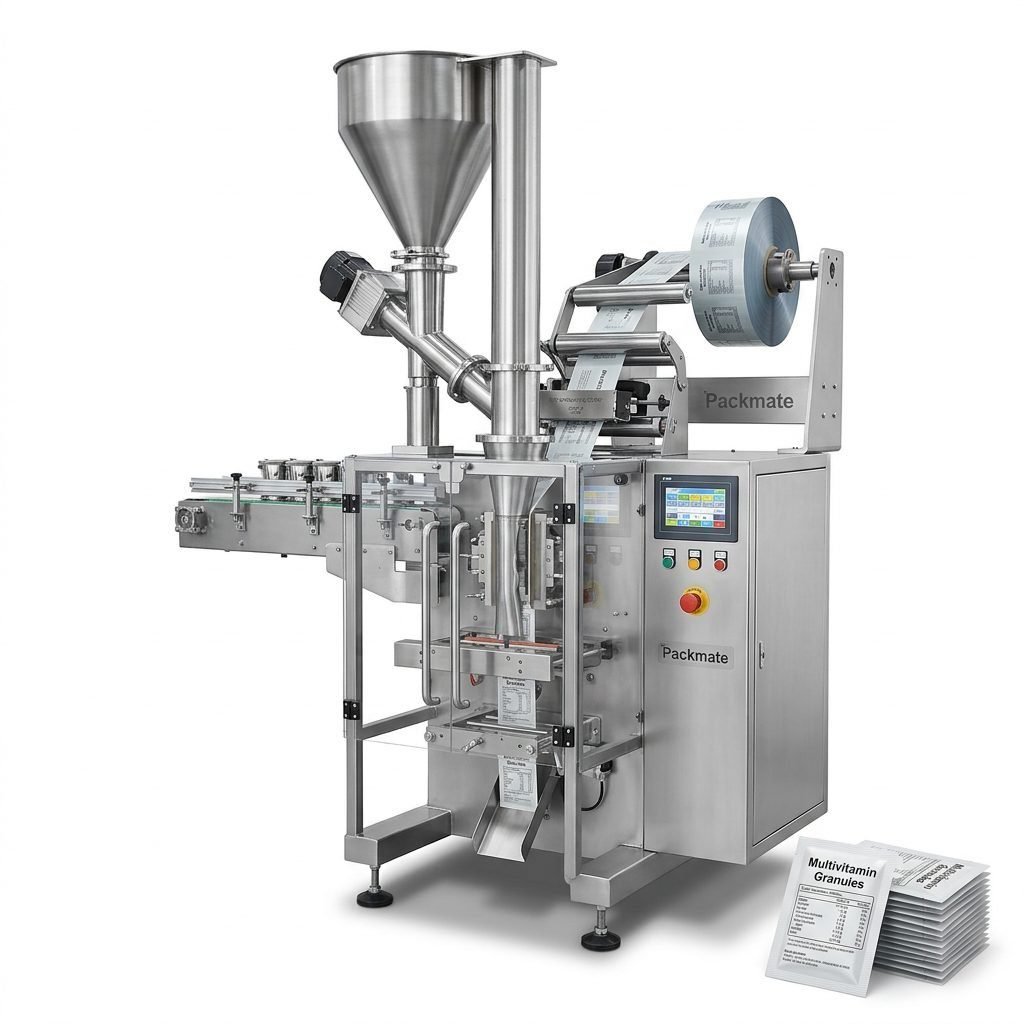
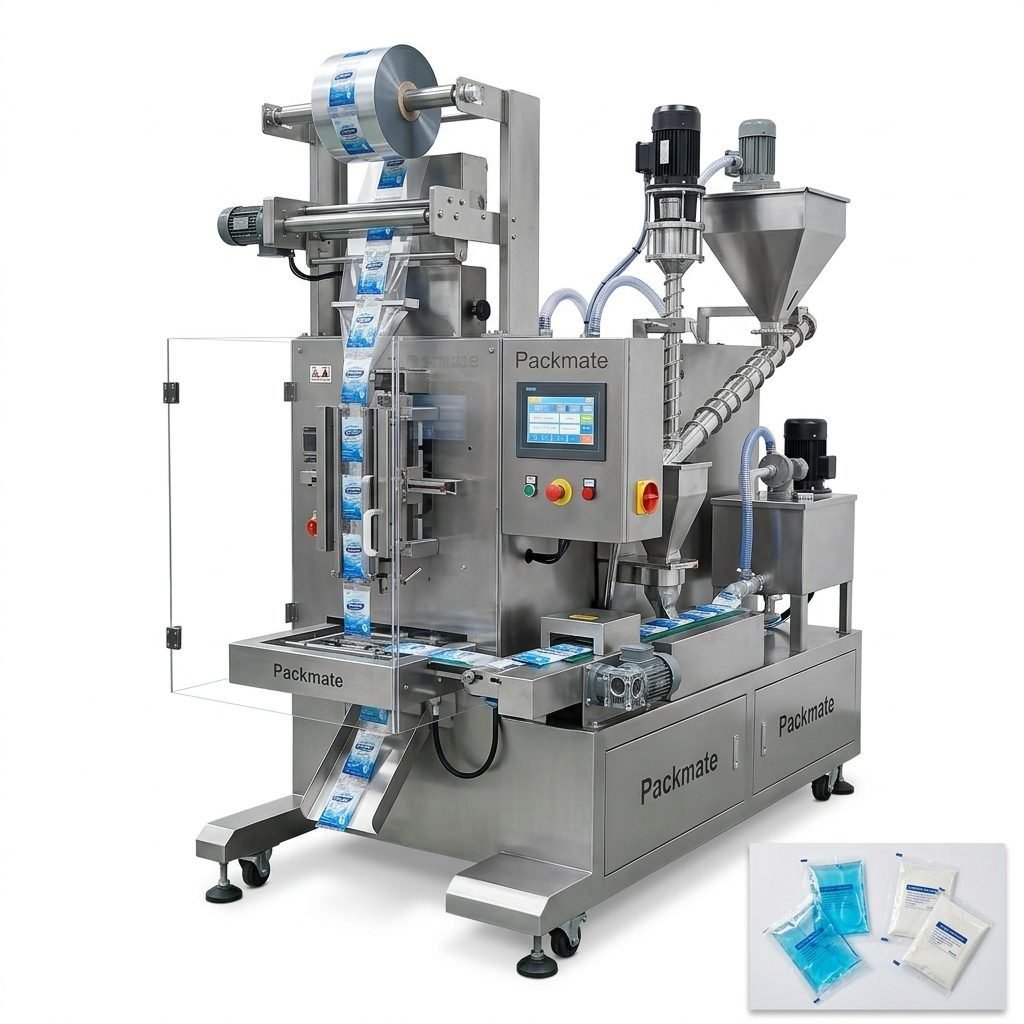
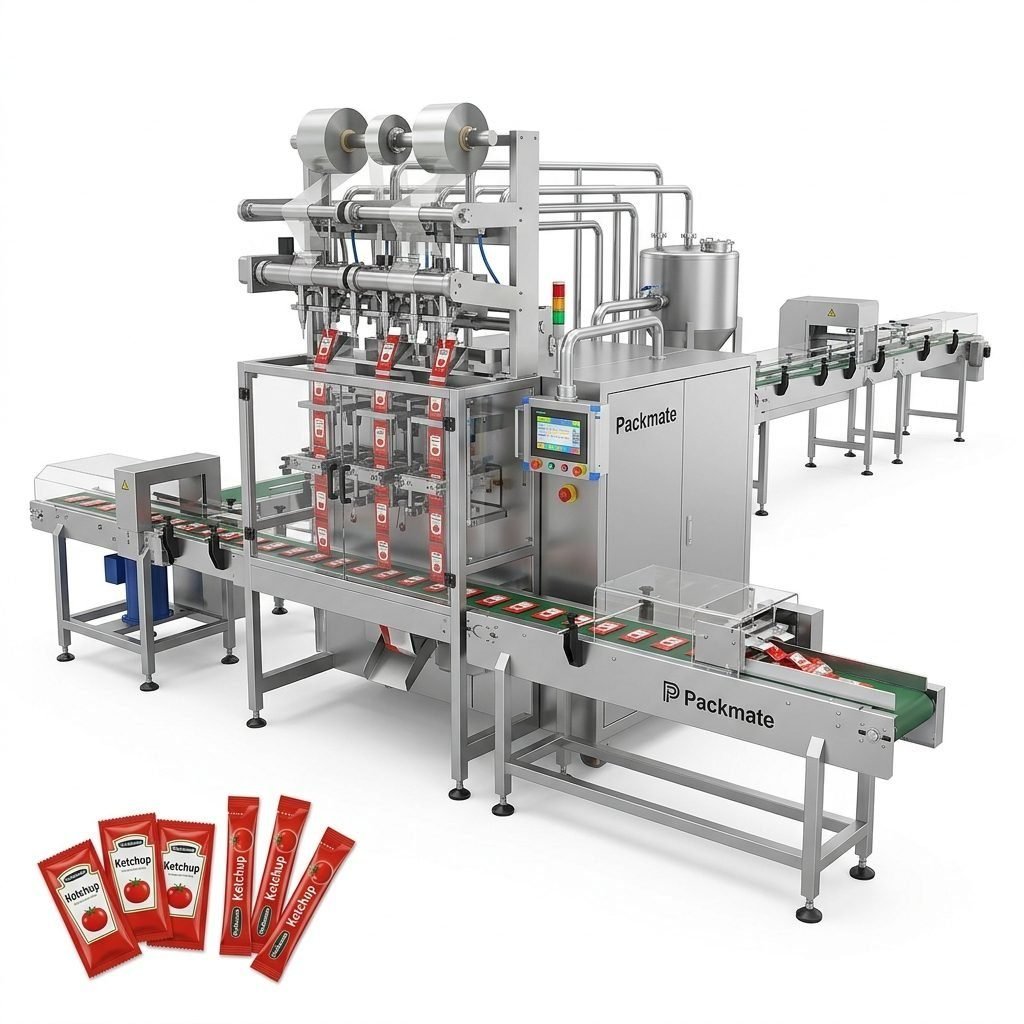
In the dynamic world of manufacturing and logistics, efficiency and accuracy in product handling are paramount. Selecting the right hardware for counting and packaging is not just a purchase; it’s a strategic investment in your operational backbone. This guide delves into the critical factors for choosing top suppliers of hardware counting and packaging machines, ensuring you partner with firms that deliver reliability, innovation, and tangible value.
Core Capabilities of Leading Suppliers
The landscape of hardware counting and packaging is defined by precision engineering and robust automation. Premier suppliers distinguish themselves through a deep understanding of diverse industry needs, from tiny electronic components to heavy-duty fasteners.
Key differentiators include:
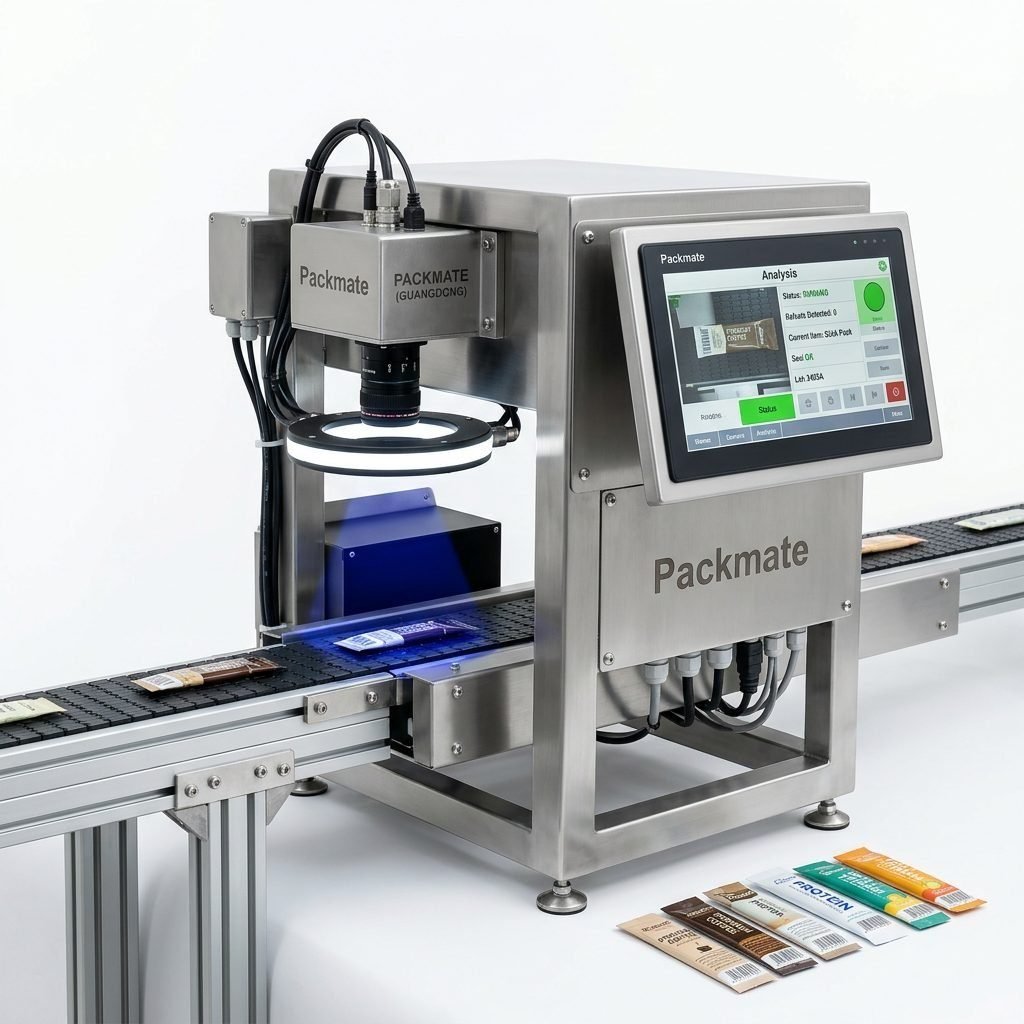
Technological Sophistication: Look for suppliers offering machines with advanced vision systems for 100% count verification, integrated weighing scales for hybrid check-weighing, and programmable logic controllers (PLCs) for seamless customization.
Material Handling Expertise: The best equipment is designed to handle your specific hardware—whether polished, oily, magnetic, or irregularly shaped—without jamming or causing damage.
Scalability and Integration: Solutions should easily integrate into existing production lines and be scalable to meet future increases in throughput or changes in product mix.
Evaluating Machine Performance and Durability
Beyond specifications, the true test of a supplier’s offering is in-field performance. Long-term durability is non-negotiable for hardware environments, which are often demanding.
When assessing options, prioritize machines built with high-grade stainless steel and industrial-grade components. The mechanical design should minimize moving parts subject to wear from metal-on-metal contact. Suppliers should provide clear data on mean time between failures (MTBF) and offer comprehensive service plans. A machine that promises high speed is worthless if it cannot maintain accuracy or uptime over thousands of cycles.
The Importance of Supplier Partnership and Support
Your relationship with the machine supplier extends far beyond the initial sale. The level of ongoing support is a critical, often overlooked, component of total cost of ownership.
Essential Support Services to Demand:
Installation & Training: Professional on-site installation and thorough operator training ensure you achieve optimal performance from day one.
Technical Documentation: Clear, detailed manuals and easy-access parts diagrams are vital for in-house maintenance teams.
Spare Parts Availability: A global network or guaranteed rapid parts dispatch minimizes costly production downtime.
Remote Diagnostics: Modern suppliers offer connectivity for remote troubleshooting and software updates.
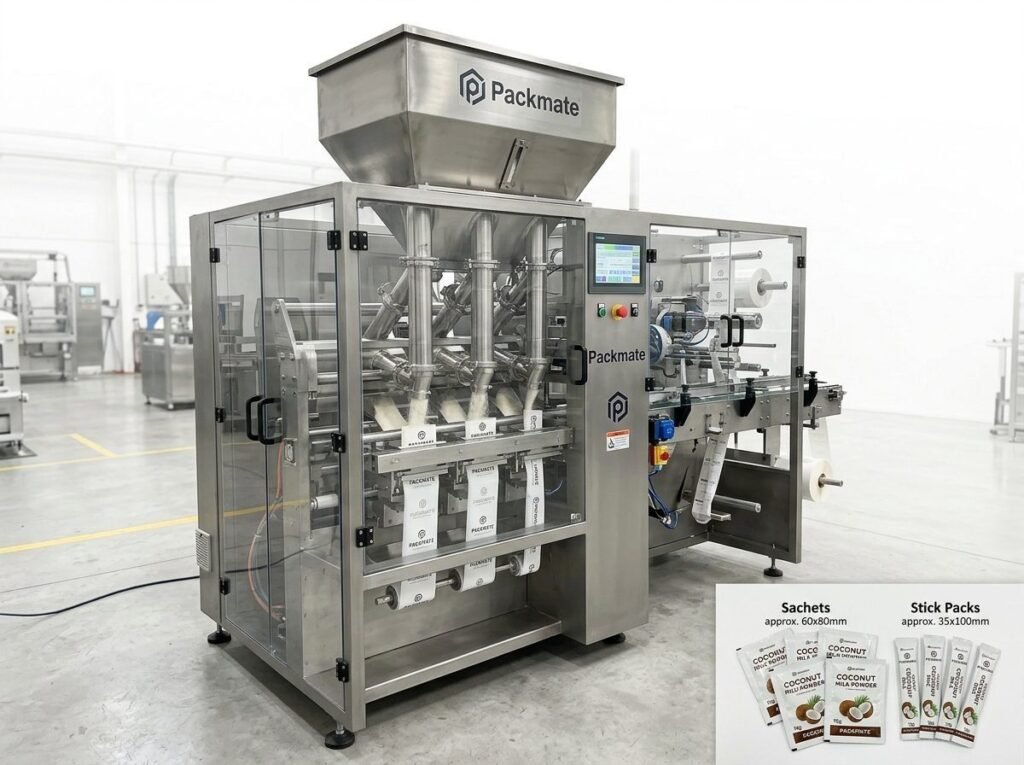
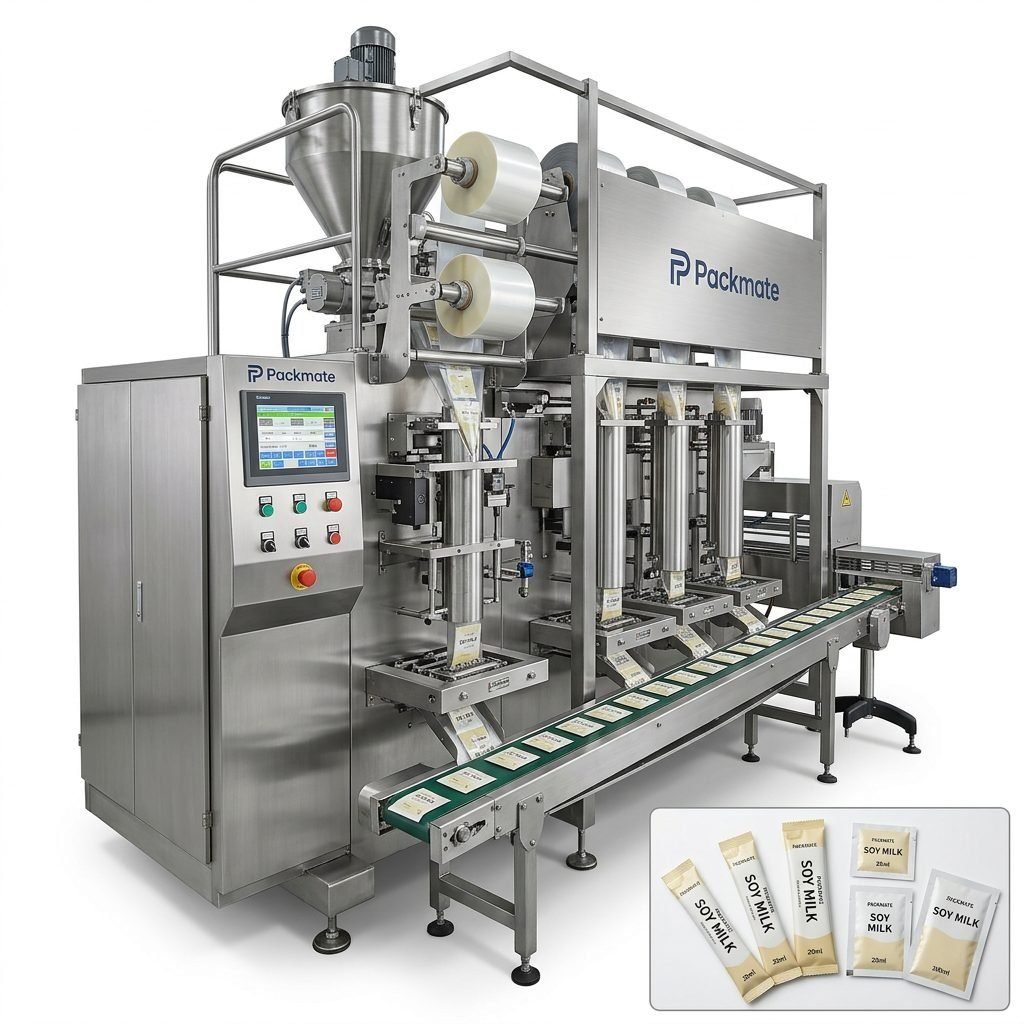
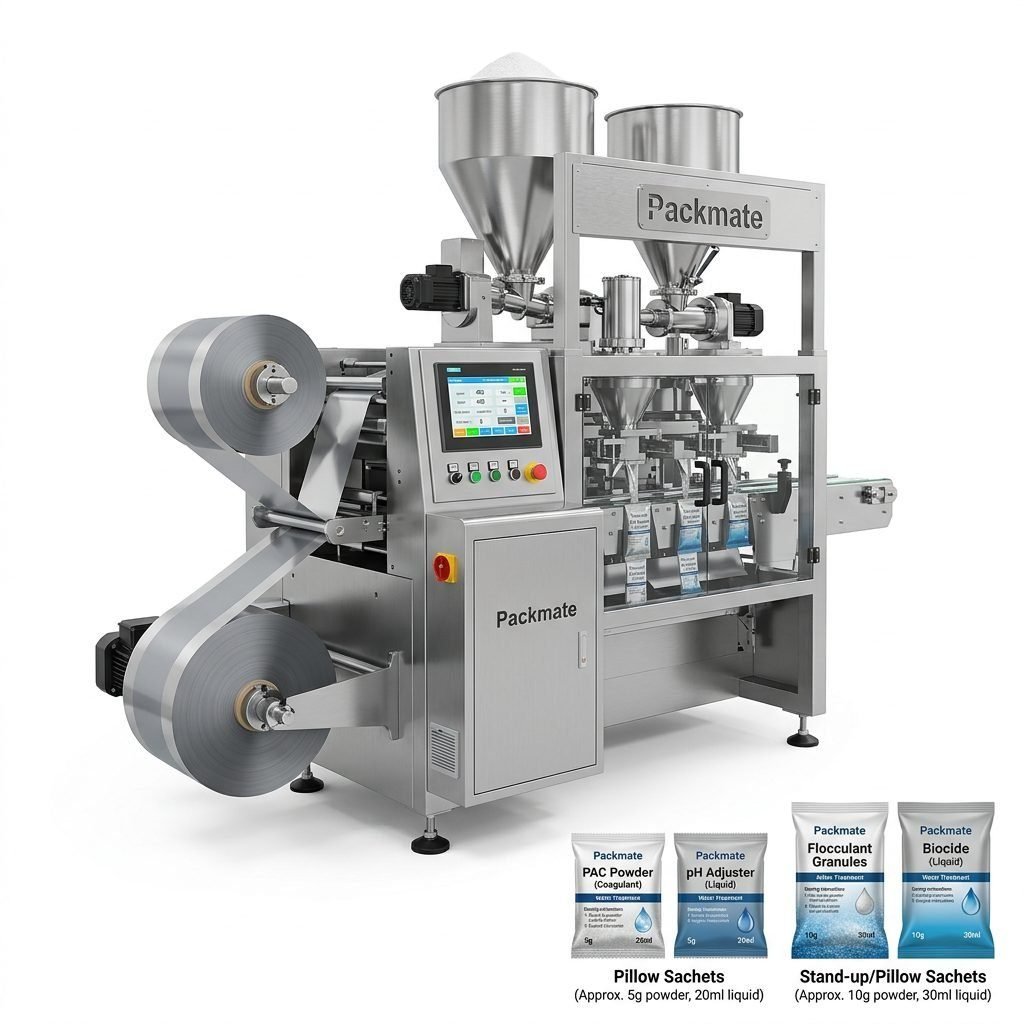
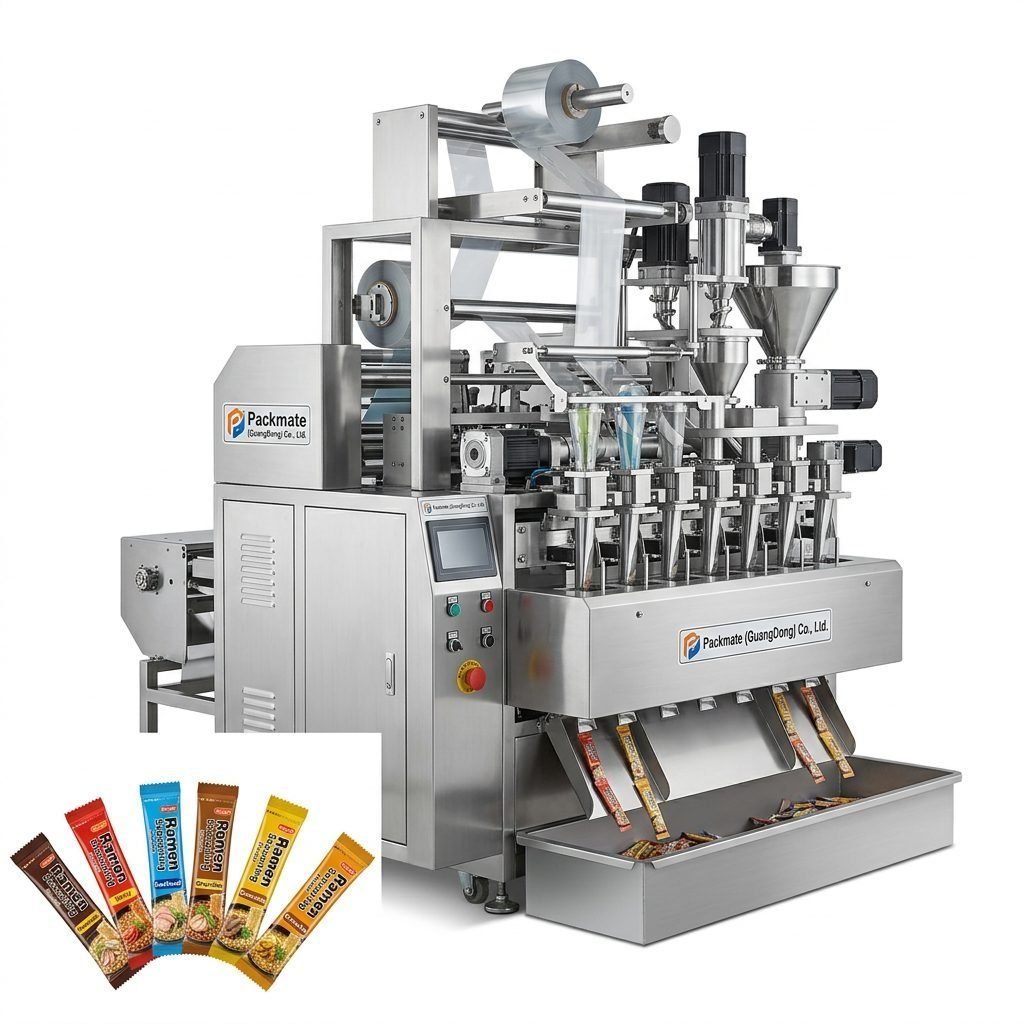
For instance, a company like Packmate Machinery exemplifies this partnership model. With over 30 years of expertise in packaging automation, they support clients from initial consultation through to full production line integration and after-sales service, ensuring a smooth operational lifecycle for their weighing and packaging systems.
Innovation and Customization as Competitive Advantages
The one-size-fits-all approach is obsolete in modern manufacturing. Top suppliers invest heavily in R&D to solve unique customer challenges. Whether you need a machine that counts and packages a mix of different screw sizes in one kit or requires a special anti-static hopper for sensitive components, the supplier’s ability to customize is key.
This innovative spirit is often born from deep industry experience. The founding story of Packmate, where Mr. Jiang Sha started by solving specific workshop challenges in 1993, highlights how supplier innovation is driven by real-world application needs, leading to more practical and reliable packing machine designs.
Making the Final Decision: A Checklist
Before finalizing your choice, systematically evaluate potential suppliers. Create a scorecard based on the following criteria to make an objective comparison.
Supplier Evaluation Checklist:
✅ Proven Track Record: Request case studies or references from clients with similar hardware and volume requirements.
✅ Factory Audit: If possible, visit the supplier’s manufacturing facility to assess their quality control processes and technological capabilities firsthand.
✅ Total Cost Analysis: Look beyond the purchase price. Calculate costs for installation, maintenance, energy consumption, and potential downtime.
✅ Future-Proofing: Discuss how the machine and software can adapt to potential new products or packaging formats you may introduce.
✅ Service Level Agreement (SLA): Clarify response times for technical support and guaranteed spare parts delivery.
Exploring a supplier’s full range, such as their solutions for bag and pouch packaging, can also give insight into their breadth of engineering knowledge and their ability to provide a cohesive system rather than just an isolated machine.
Conclusion: Building a Foundation for Efficiency
Choosing a top supplier for hardware counting and packaging machinery is a decision that reverberates through your productivity, quality control, and bottom line. By prioritizing technological robustness, unwavering supplier support, and a capacity for customization, you secure more than equipment—you gain a strategic partner in your growth. The right machine, backed by the right company, becomes a cornerstone of a lean, reliable, and scalable operation.
Frequently Asked Questions (FAQs)
1. What is the most important feature to look for in a counting machine for small metal parts?
Accuracy and gentle handling are paramount. The machine must provide a verifiably precise count (often via a secondary check-weigher or vision system) without damaging or deforming delicate components like springs or tiny screws. Look for machines with vibration-based or vision-guided counting technology designed for small, metallic items.
2. How can I ensure the packaging machine integrates with my existing production line?
Provide your potential supplier with detailed specifications of your line’s speed, conveyor heights and widths, and control system interfaces (e.g., Ethernet/IP, Profinet). The best suppliers will conduct a site audit or a virtual review and offer machines with adjustable in-feeds/out-feeds and standardized communication protocols to ensure seamless integration.
3. What kind of maintenance do these machines typically require?
Regular maintenance usually involves cleaning sensors and lenses, lubricating specific moving parts as per the manual, and inspecting wear items like feed tracks or sealing jaws. Top suppliers design for easy maintenance with quick-access panels and provide clear schedules and video guides. A robust supply of common spare parts is also crucial.
4. Can one machine handle counting and packaging for hardware of vastly different sizes?
While some versatile machines can handle a range of sizes with quick-change parts (like different sized bowls or feed tracks), a single machine optimized for very small screws may struggle with large bolts efficiently. For highly diverse product lines, discuss a modular system or the feasibility of quick changeovers with your supplier.
5. Where can I learn more about specific machine models and their applications?
Reputable suppliers provide detailed resources online. You can review their case studies to see machines in action for specific industries, or directly contact their technical sales team for a consultation tailored to your specific hardware and output requirements.