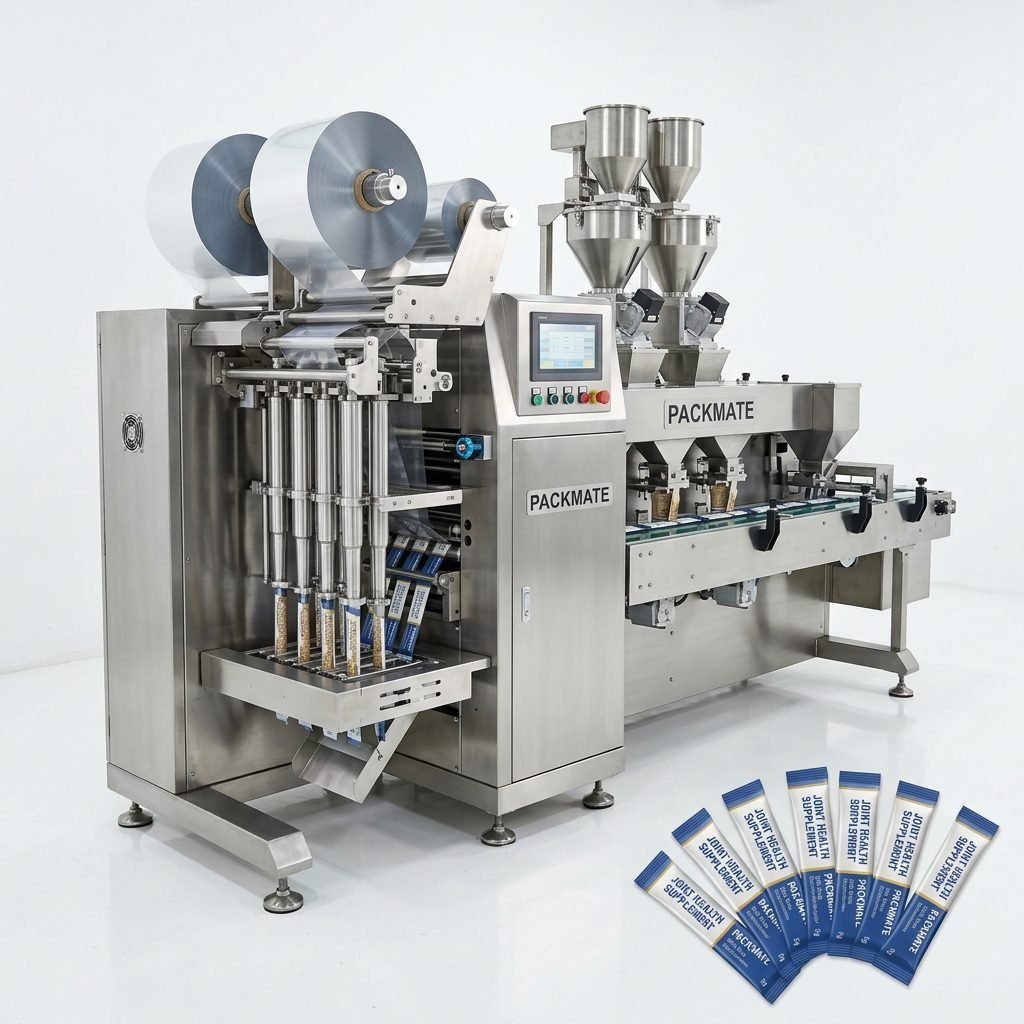
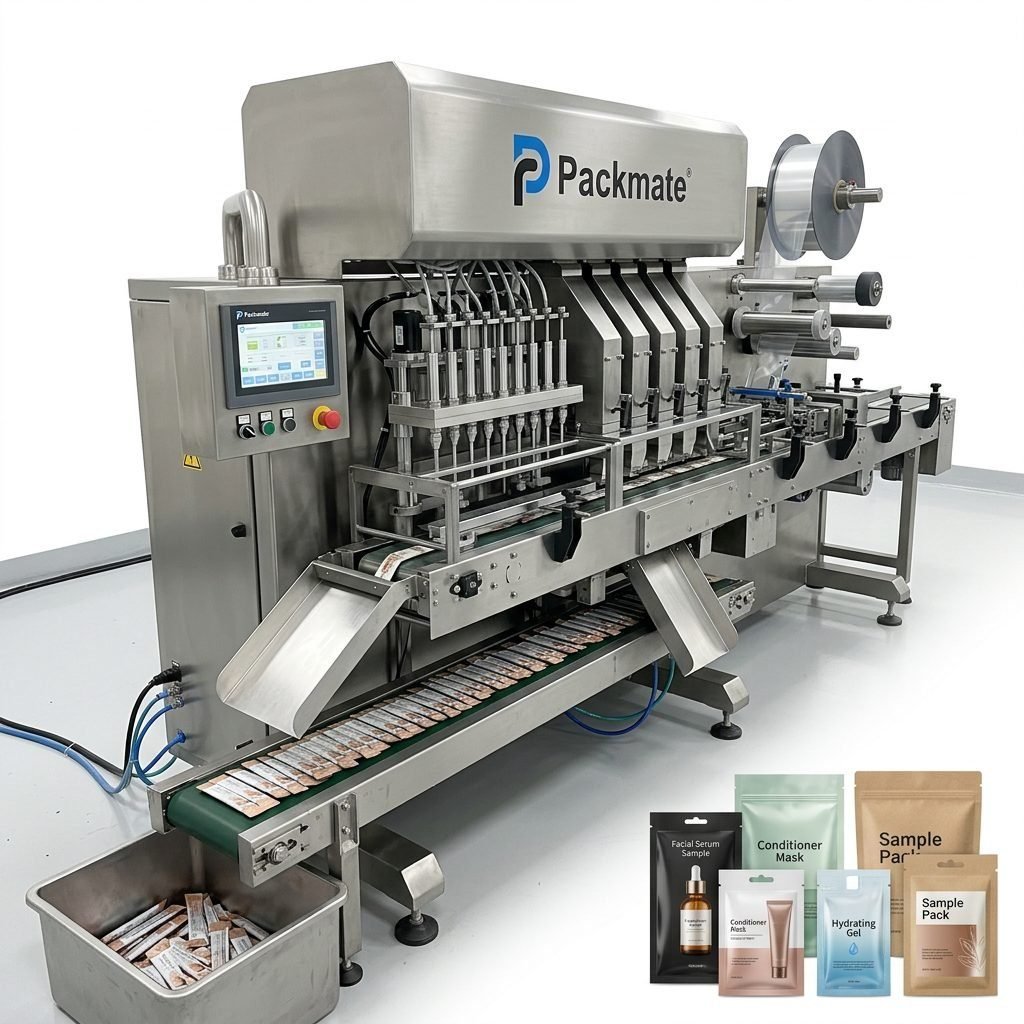
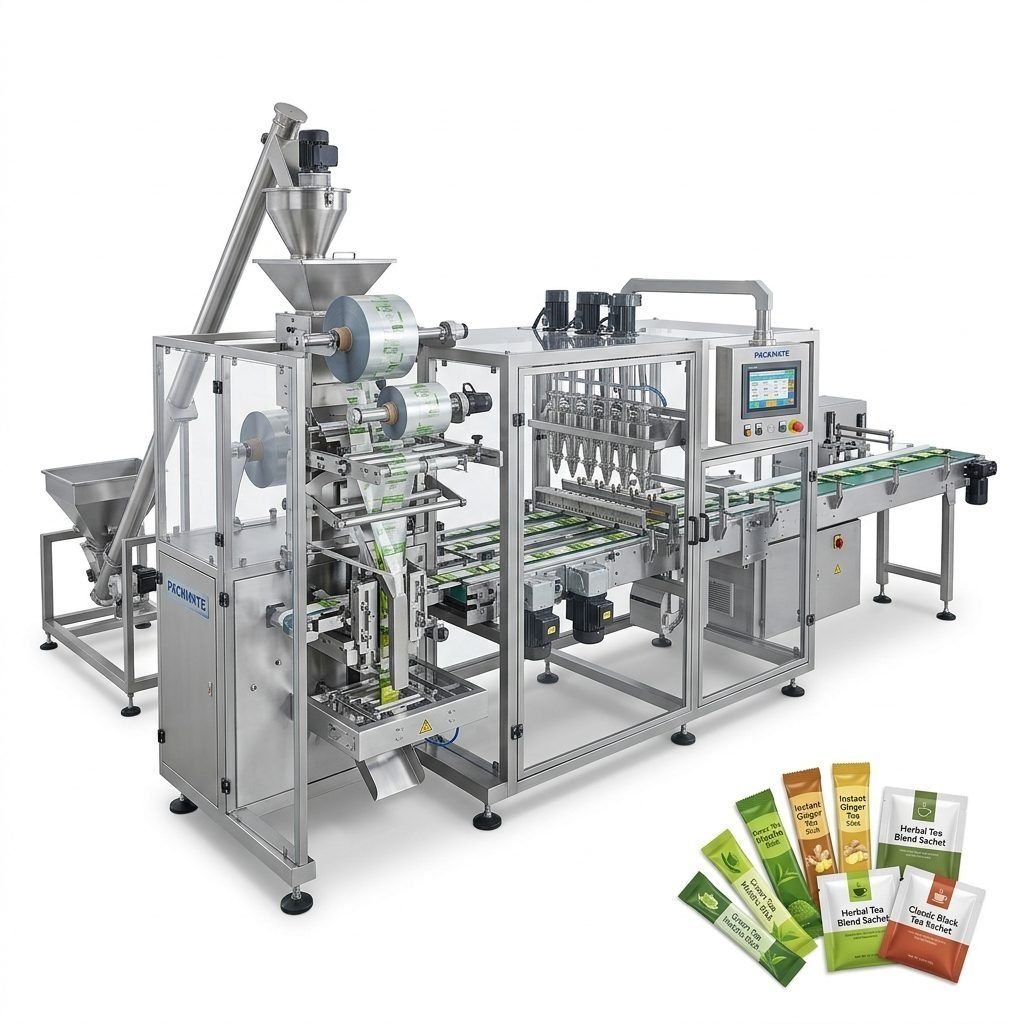
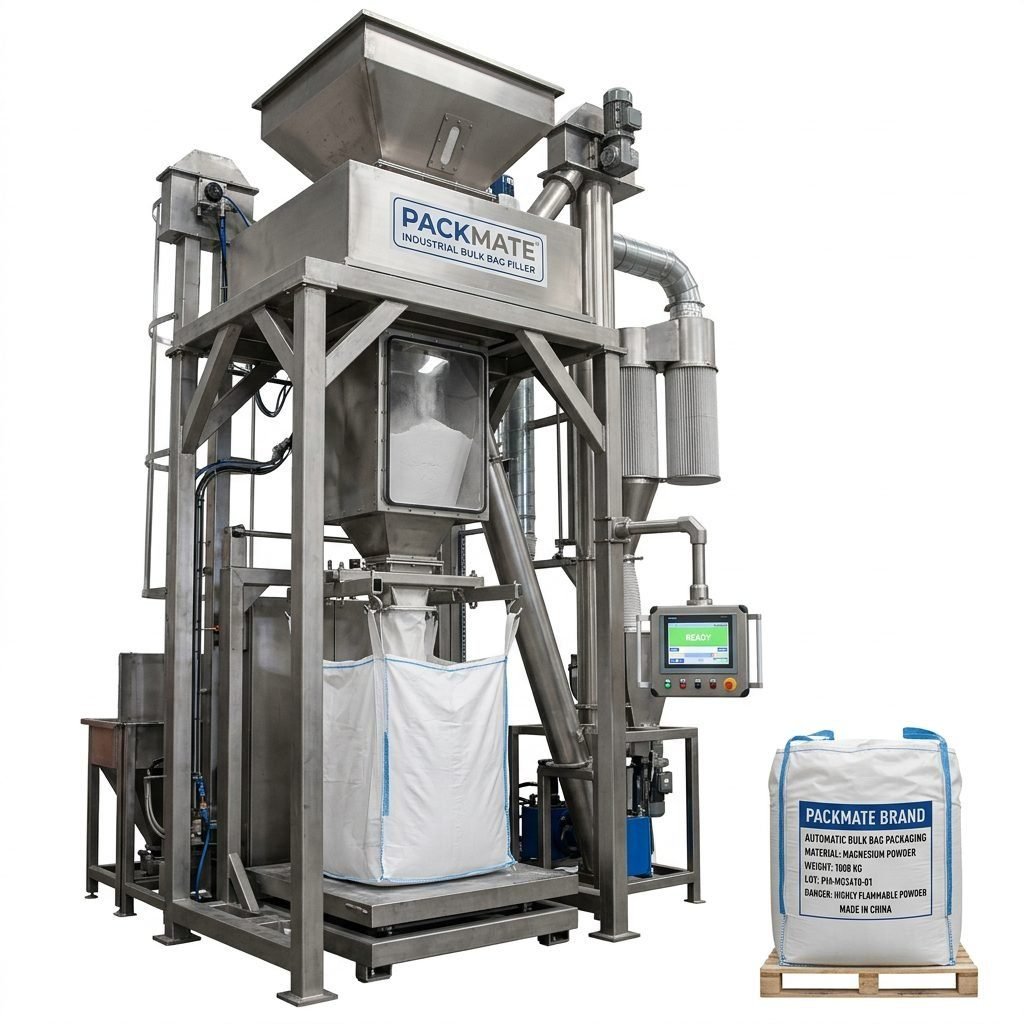
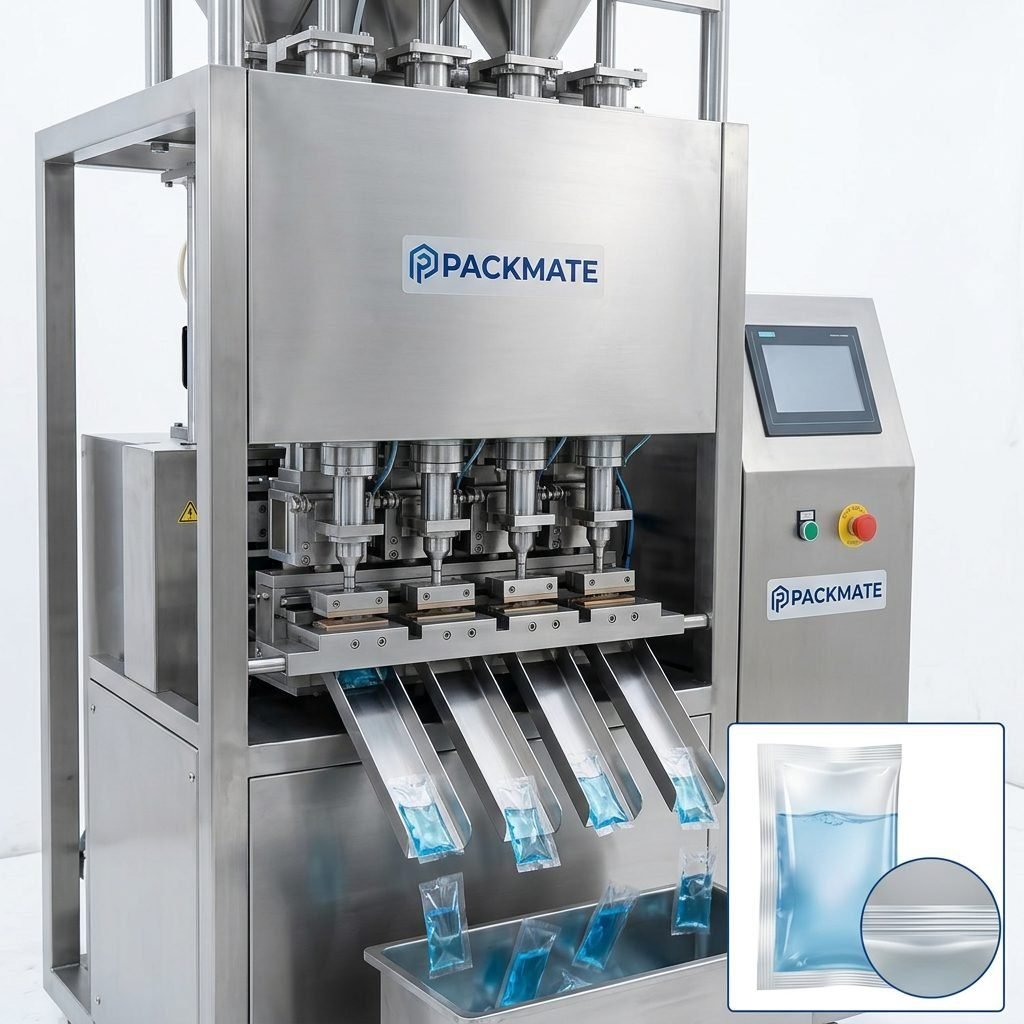
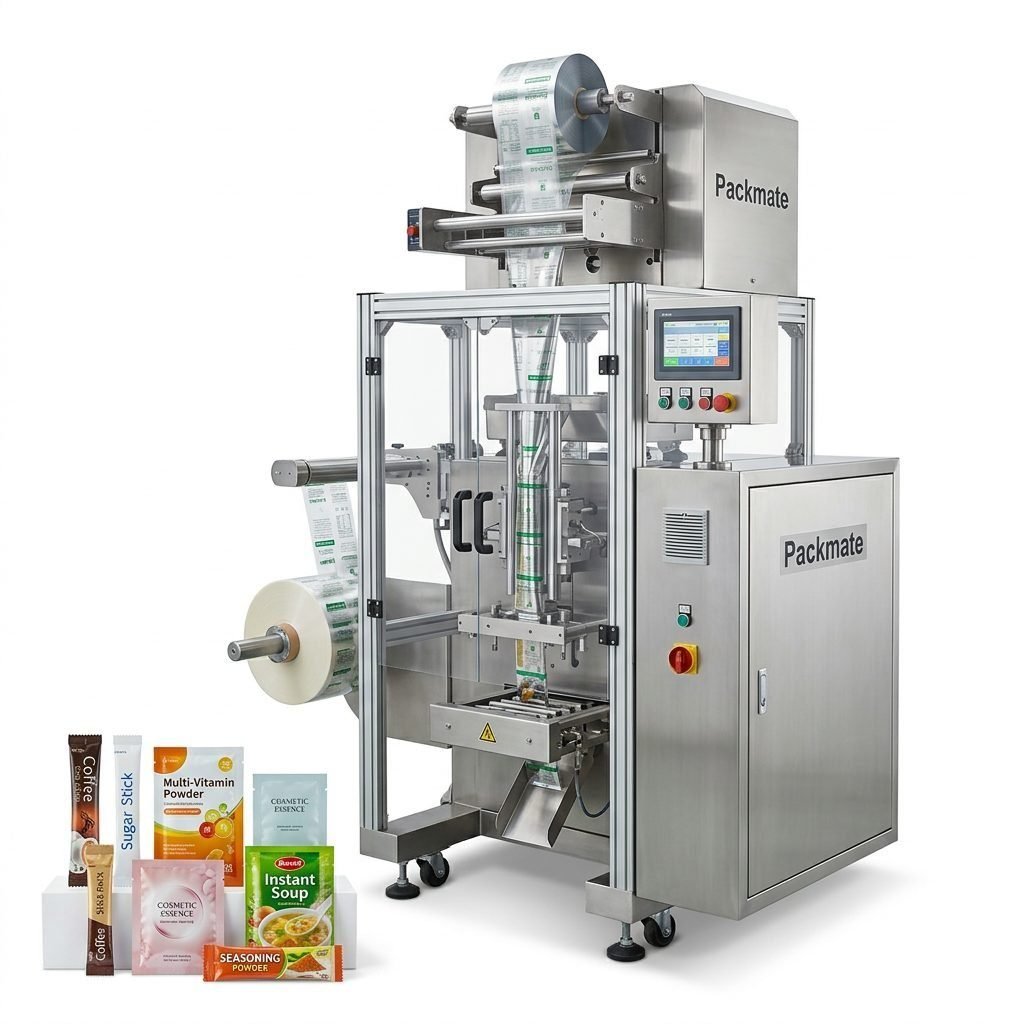
The packaging machinery industry is undergoing a transformative period, driven by technological advancements, shifting consumer demands, and a global emphasis on sustainability and efficiency. For businesses in the food, pharmaceutical, and health sectors, staying ahead of these trends is not merely an option but a strategic necessity to maintain competitiveness and meet evolving market standards.
The Rise of Smart, Connected Packaging Lines
Modern packaging is no longer just about sealing a product. The integration of Industrial Internet of Things (IIoT) sensors and data analytics has given birth to smart factories. Packaging machinery can now communicate in real-time, providing operators with unprecedented visibility into production metrics like OEE (Overall Equipment Effectiveness), downtime causes, and maintenance schedules. This connectivity enables predictive maintenance, where machines alert technicians to potential failures before they occur, drastically reducing unplanned stoppages and extending equipment lifespan.
Furthermore, this data-driven approach allows for granular quality control. Every parameter, from fill weight and seal integrity to packaging material tension, can be monitored and adjusted on the fly, ensuring consistent, high-quality output batch after batch. For manufacturers like Packmate Machinery, with over three decades of expertise, leveraging such smart technologies is key to delivering the reliable and intelligent solutions that global clients demand.
Automation and Robotics: Beyond Speed to Flexibility
While automation has been a staple for high-speed production, the latest trend focuses on collaborative robotics (cobots) and adaptive automation. Cobots can work safely alongside human operators, taking over repetitive, ergonomically challenging tasks such as case packing, palletizing, or loading raw materials. This not only boosts productivity but also improves workplace safety.
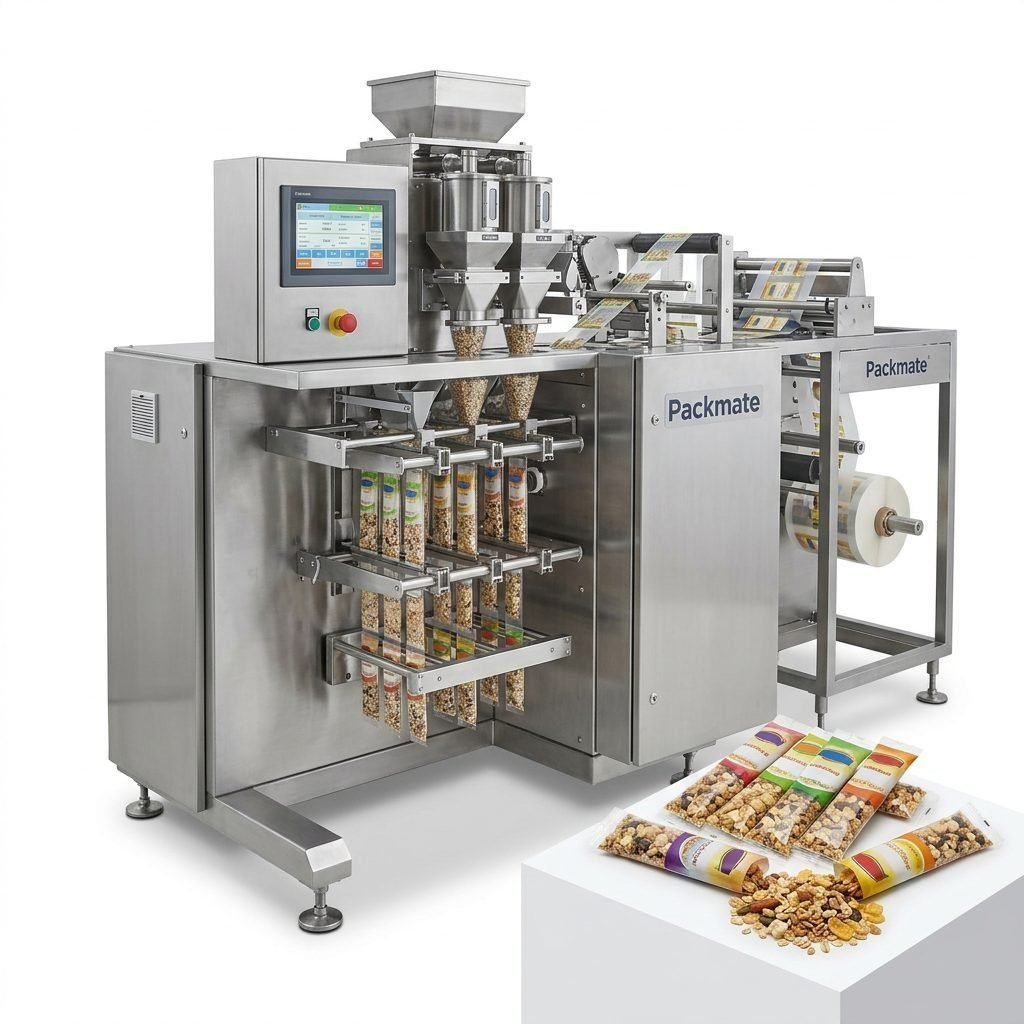
The greater innovation lies in flexibility. The market’s shift towards smaller batch sizes and personalized products requires machinery that can change over quickly. Advanced servo-driven systems allow for recipe-based changeovers at the touch of a button, minimizing downtime when switching between different package sizes or formats. This is particularly crucial for lines handling diverse products, from granular spices to liquid supplements.
Sustainability-Driven Innovations
Sustainability is a powerful driver of innovation in packaging technology. The industry is responding with machinery designed to handle new, eco-friendly materials. This includes machines capable of processing mono-material, recyclable films, compostable pouches, and paper-based alternatives that are often more challenging to run on conventional equipment.
Innovations also focus on reducing material usage and waste. Precision filling technology ensures exact doses, minimizing product giveaway. Advanced sealing systems work reliably with thinner-gauge films, reducing plastic consumption per package. Additionally, machinery is being designed for easier cleaning and changeovers, which cuts down on water and chemical usage, contributing to a more sustainable production cycle overall.
Enhanced Hygiene and Aseptic Packaging
Especially in the pharmaceutical and food industries, hygiene standards are paramount. The trend is moving towards hygienic design and easy-clean (CIP/SIP) capabilities. Machines are being constructed with stainless-steel surfaces, rounded corners, and minimized crevices to prevent bacterial harborage. For sensitive products, aseptic and cleanroom packaging technology creates a sterile environment, allowing products like dairy, sauces, or medical fluids to be packaged without preservatives, significantly extending shelf life.
This focus on cleanliness and contamination control is integral to the mission of companies providing complete turnkey packaging solutions, ensuring that the final product is not only efficiently packaged but also safe for the end consumer.
Artificial Intelligence and Machine Vision
Artificial Intelligence (AI) and advanced machine vision systems are taking quality assurance to a new level. AI algorithms can be trained to identify defects that are invisible to the human eye or traditional sensors, such as subtle print misregistrations, micro-leaks, or foreign particle contamination. These systems learn and improve over time, continuously enhancing detection accuracy.
Beyond inspection, AI is optimizing the entire packaging process. It can analyze production data to suggest optimal machine settings for different materials, predict maintenance needs more accurately, and even manage inventory by triggering automatic reorders for packaging consumables. This level of intelligence transforms packaging lines from automated to truly autonomous systems.
The Integration of Advanced Servo Technology
The heart of modern packaging machinery’s precision and flexibility lies in sophisticated servo motor control. Replacing mechanical camshafts and gearboxes, all-servo-driven machines offer unparalleled control over every motion. This results in smoother operation, higher accuracy in filling and cutting, and significantly quieter performance. The modularity of servo systems also simplifies machine design and maintenance, allowing for easier upgrades and repairs.
Customization and Modular Design
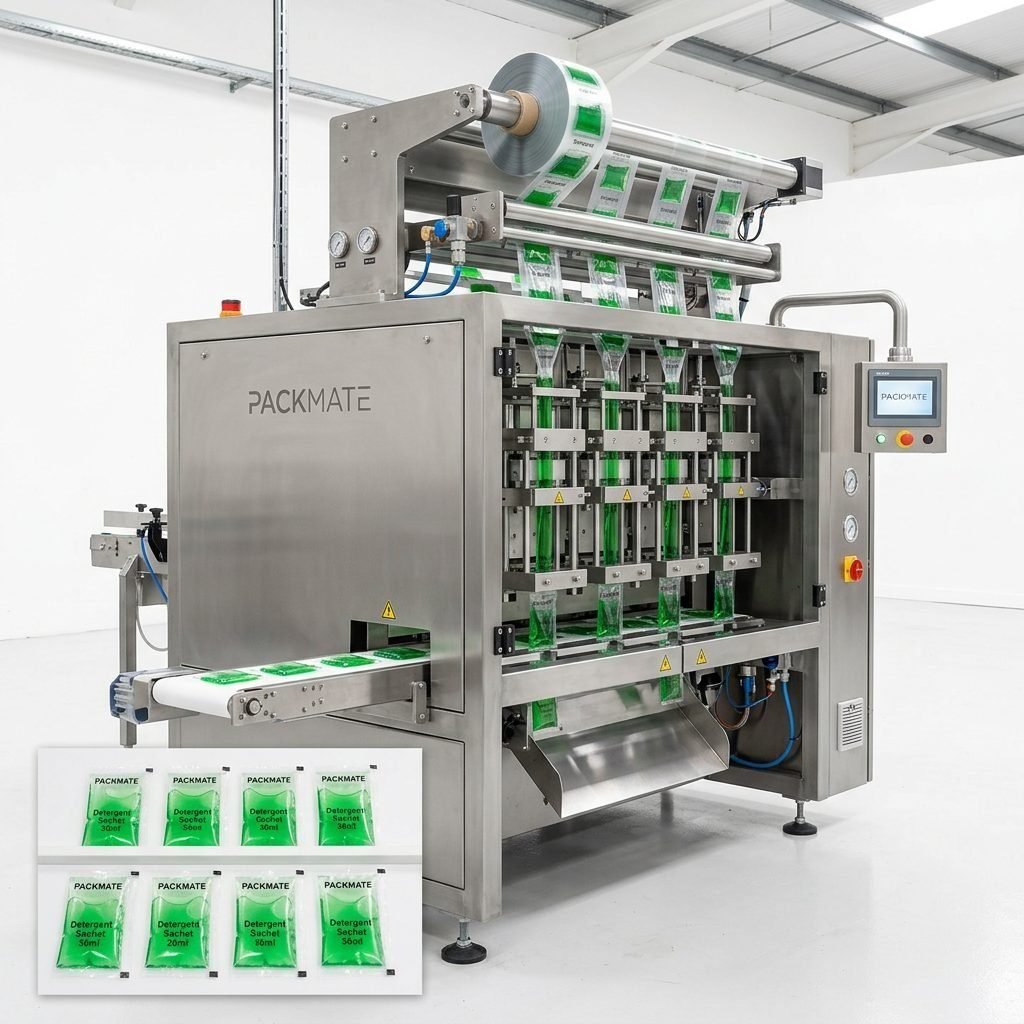
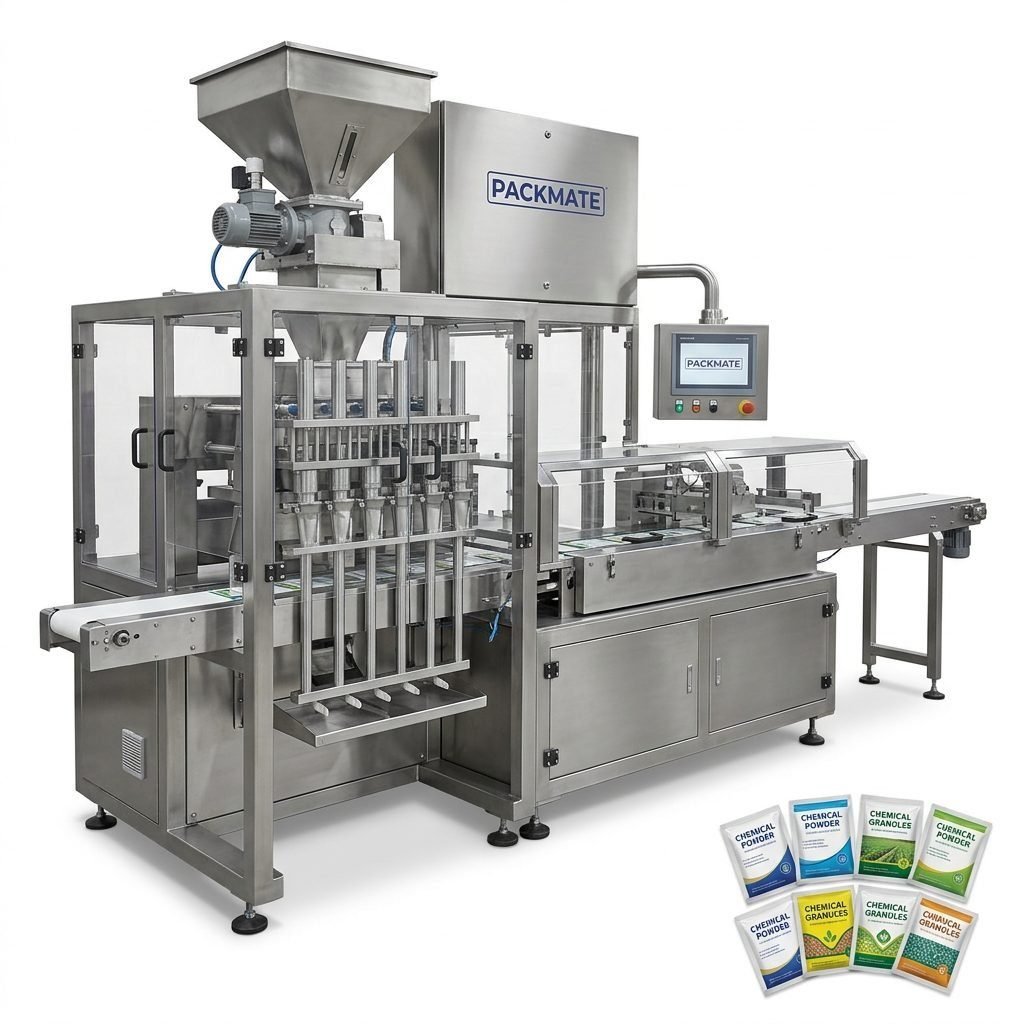
The one-size-fits-all approach is fading. Manufacturers now seek modular packaging systems that can be tailored to their specific needs and scaled as their business grows. A modular design allows a producer to start with a core machine, such as a basic sachet packer, and later integrate additional modules—like a multi-head weigher, a nitrogen flushing system, or a robotic case packer—seamlessly. This flexibility protects investment and supports long-term operational evolution. Exploring a diverse range of packaging machine models is the first step in building a customized, future-proof production line.
In conclusion, the trajectory of packaging machinery technology is clear: it is becoming smarter, more sustainable, more flexible, and deeply integrated. From IIoT-enabled smart factories and collaborative robots to AI-driven quality control and servo precision, these innovations are reshaping production floors. For businesses, partnering with an experienced manufacturer that prioritizes R&D and understands these global trends is crucial. Companies that embrace these technologies will not only achieve greater operational efficiency and product quality but will also be better positioned to respond to the dynamic demands of the global market and increasingly conscious consumers.
Frequently Asked Questions (FAQs)
1. What are the main benefits of investing in smart, connected packaging machinery?
The primary benefits include significant gains in Overall Equipment Effectiveness (OEE) through real-time monitoring and predictive maintenance, reduced unplanned downtime, improved product quality consistency via data-driven adjustments, and better resource management through detailed production analytics.
2. How can modern packaging machinery help my company meet sustainability goals?
Newer machines are engineered to handle recyclable and compostable materials efficiently. They also incorporate features like precision filling to reduce product waste, the ability to run on thinner, resource-efficient films, and designs that minimize energy and water consumption during cleaning and operation.
3. Are automated packaging lines flexible enough for small-batch or customized production?
Yes. The latest trend is towards high-mix, low-volume production. Advances in servo technology and software allow for quick, automated changeovers (sometimes under a minute) between different package sizes, shapes, and materials, making it economically viable to run smaller batches without sacrificing efficiency.
4. What is the role of AI and machine vision in packaging?
AI and advanced machine vision systems provide superior quality inspection, detecting minute defects and contaminants. AI also optimizes machine performance by learning from operational data to suggest ideal settings, predict maintenance, and streamline the entire packaging process for maximum yield and minimal waste.
5. Why is modular machine design important for future growth?
Modular design allows you to start with a solution that fits your current budget and output needs. As your business expands, you can integrate additional modules (e.g., enhanced filling, labeling, or case packing) without replacing the entire line. This scalability protects your initial investment and provides a clear path for production line expansion.