In today’s fast-paced manufacturing landscape, efficiency and product presentation are paramount. Shrink packaging machinery stands as a critical component for businesses aiming to streamline their wrapping processes, enhance product protection, and create a polished, market-ready appearance. Selecting the right shrink packaging solution can significantly impact operational throughput, cost-effectiveness, and brand perception.
Understanding Shrink Packaging Machinery
Shrink packaging involves placing a product inside a loose-fitting film sleeve or bag, which is then passed through a heat tunnel. The application of heat causes the film to contract tightly around the product’s contours, creating a secure, tamper-evident, and visually appealing package. This method is versatile, suitable for bundling multiple items, securing irregular shapes, and providing a protective barrier against dust, moisture, and handling.
Key Advantage: The primary benefit of shrink wrapping is its ability to conform to virtually any product shape, ensuring a snug fit that minimizes material waste while maximizing protection and stability during transit.
Core Components of a Shrink Wrapping System
A complete shrink packaging line typically integrates several key machines to automate the process from film feeding to final sealing and cooling.
L-Sealers
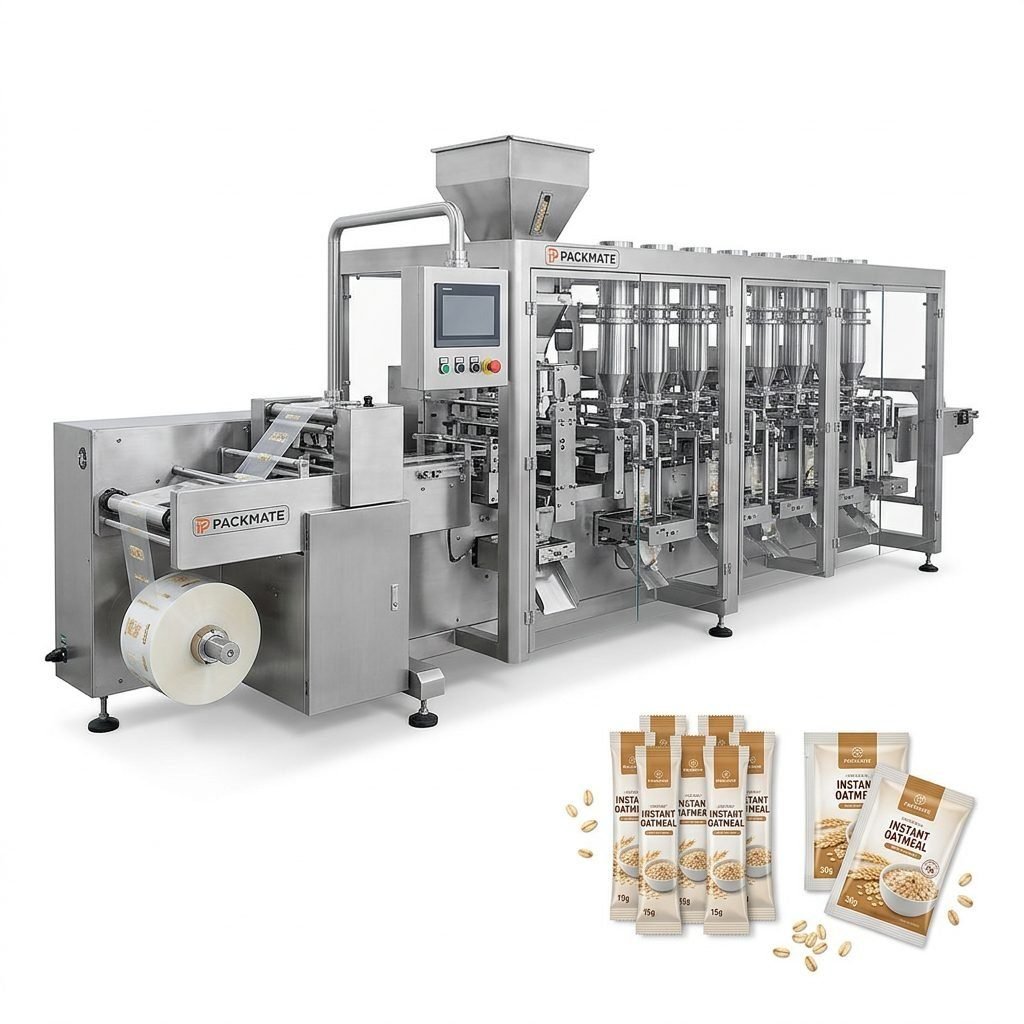
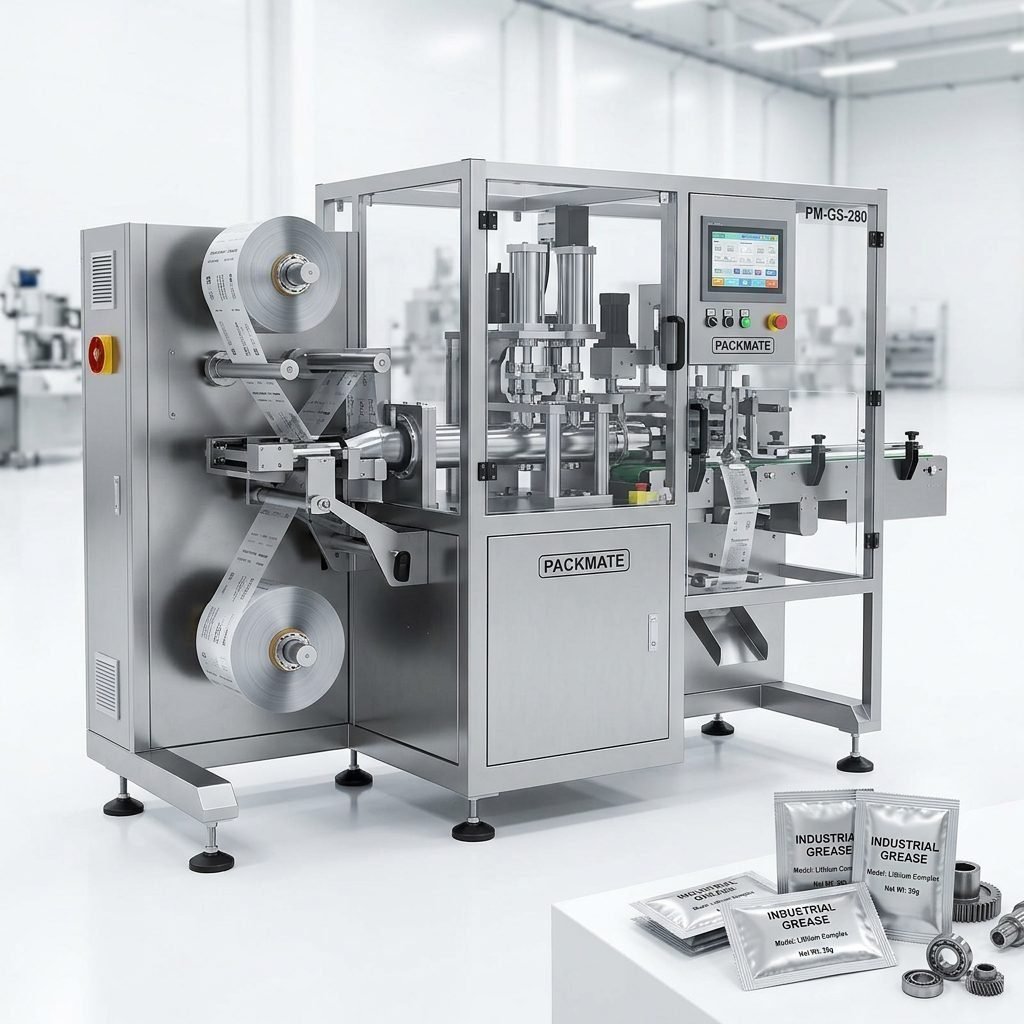
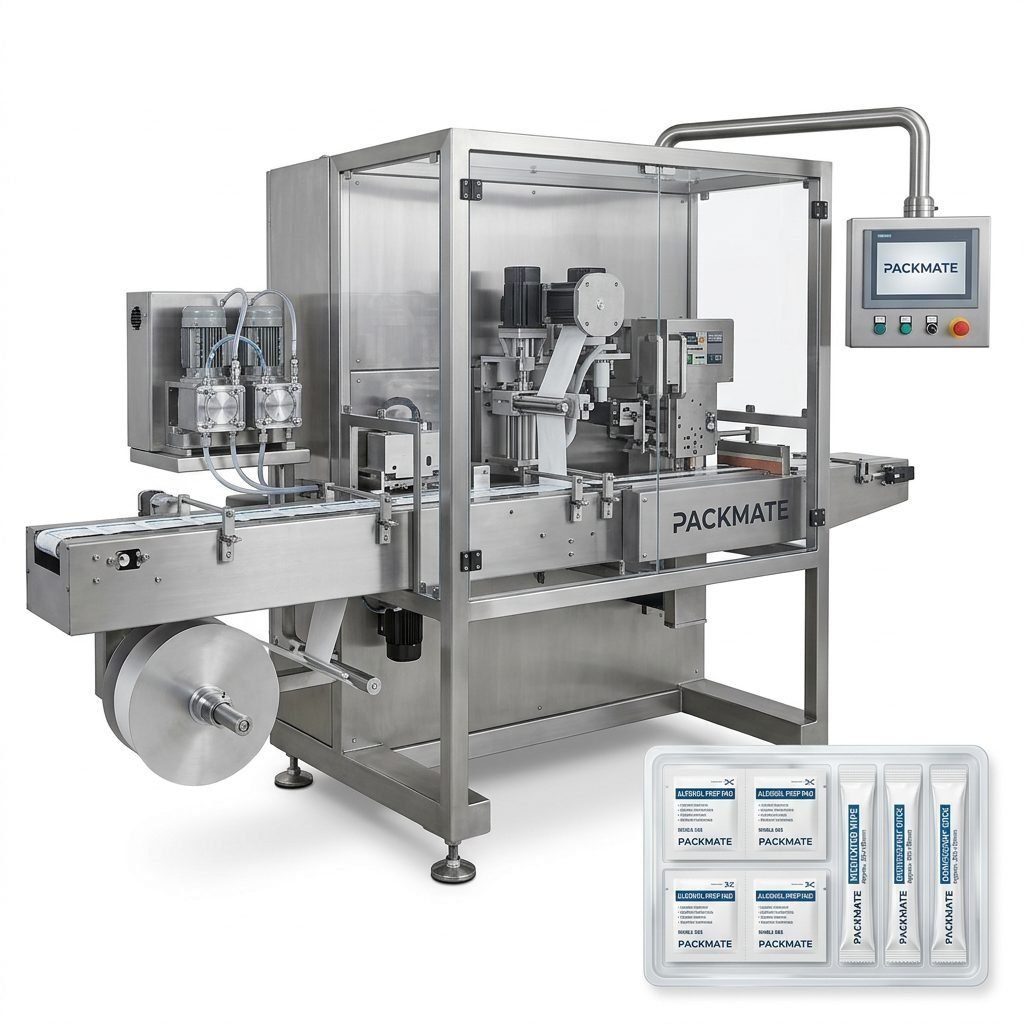
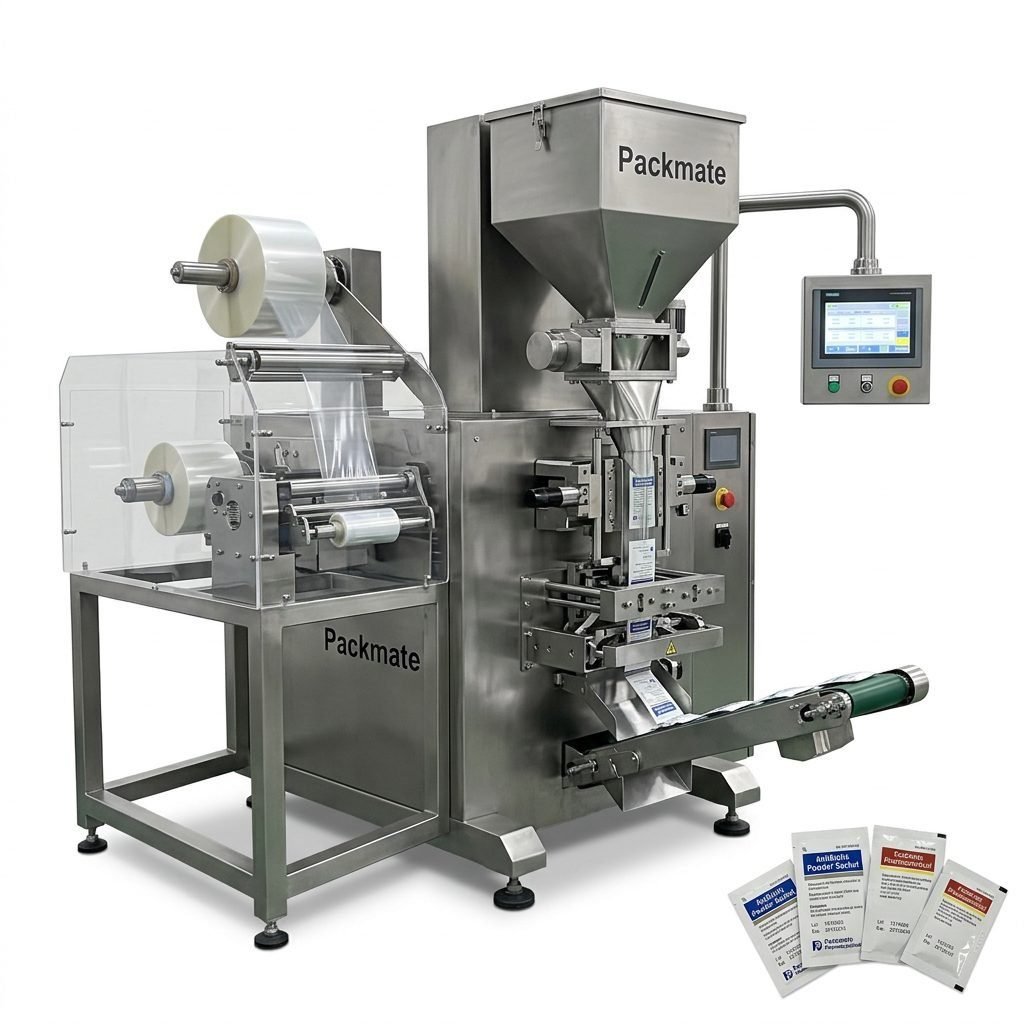
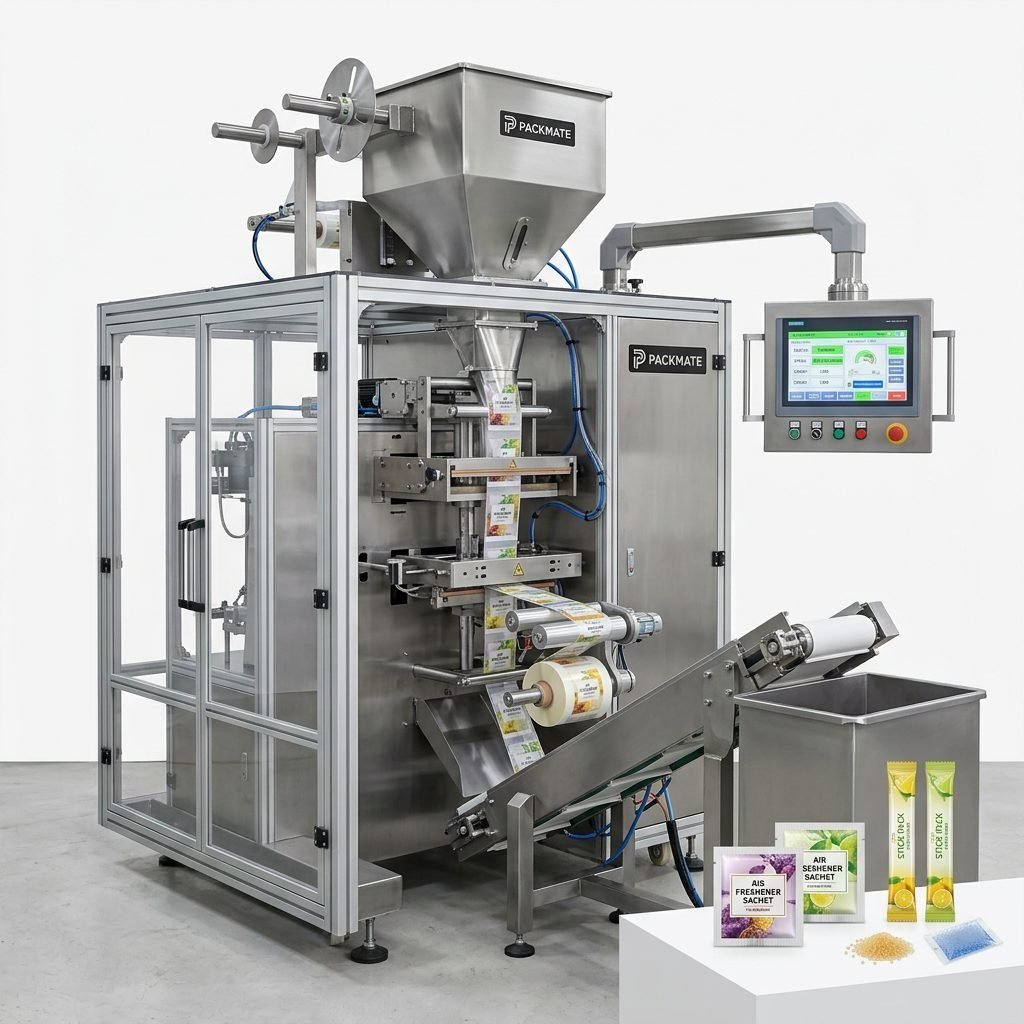
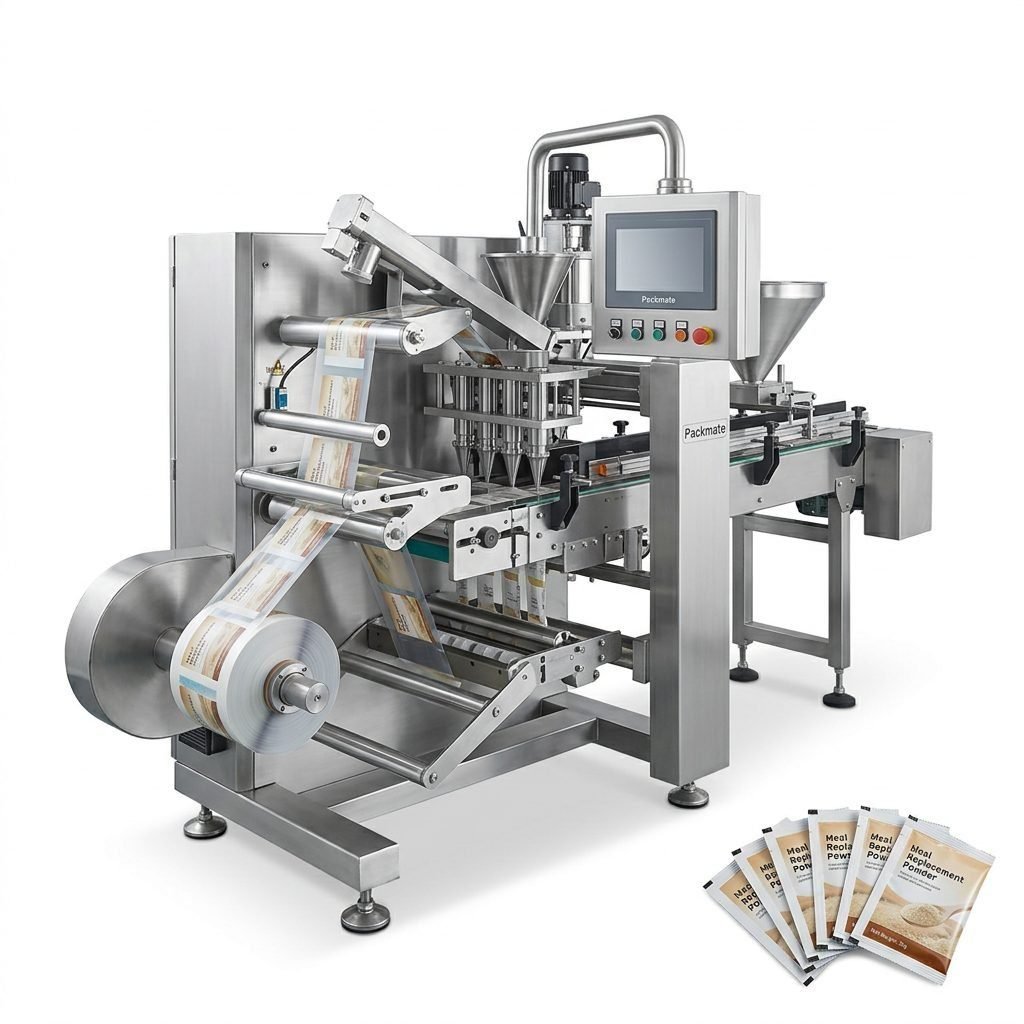
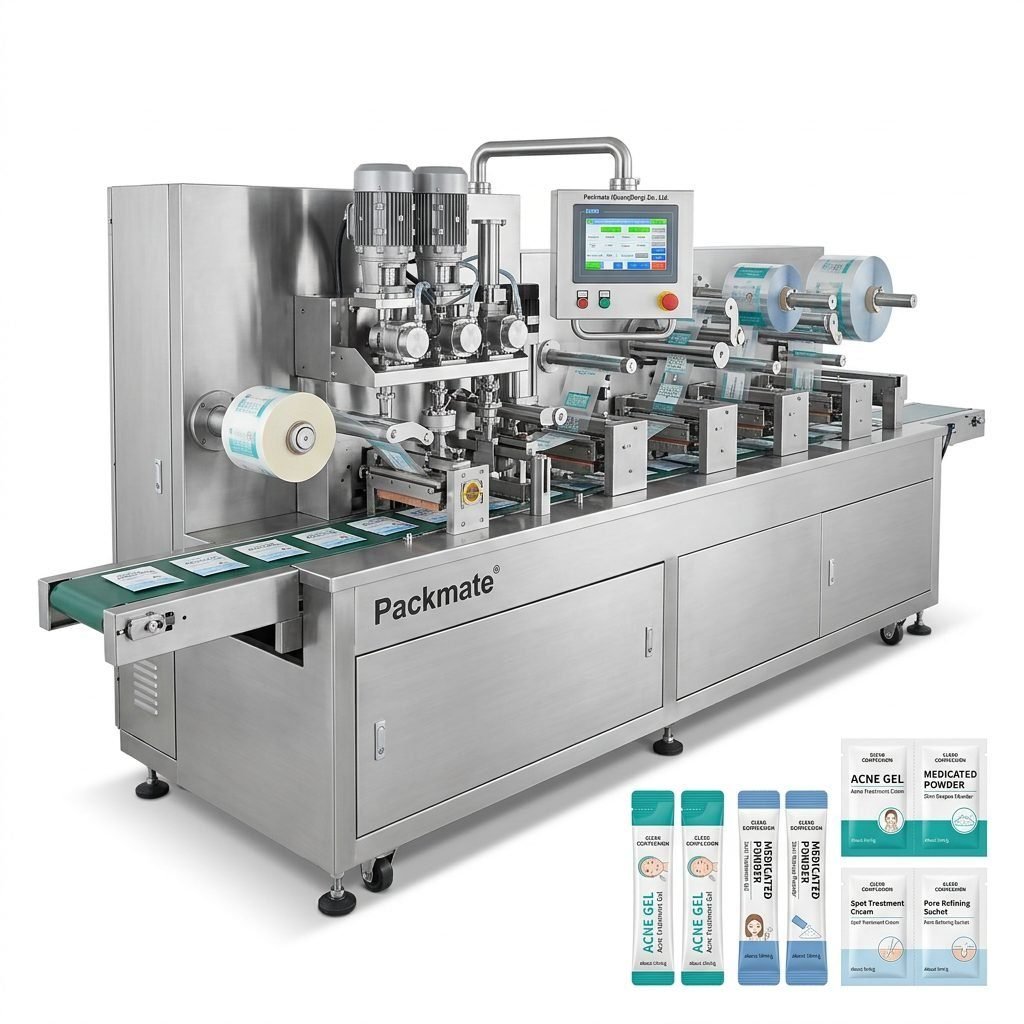
An L-sealer is often the starting point. It forms the film into a loose bag around the product. The machine creates a vertical seal (the “L” shape) and can be manual, semi-automatic, or fully automatic. For operations with consistent product sizes, integrating an automatic packing machine like those from Packmate can dramatically increase speed and consistency.
Shrink Tunnels
This is the heart of the system. The shrink tunnel applies controlled heat to the loosely wrapped product, causing the polymer film to contract. Tunnels vary by heat source (hot air, steam, or infrared), length, and belt speed, which must be calibrated to the film type and production rate for optimal results.
Sleeve Wrappers & Bundlers
For higher-volume applications like bundling beverage cans, software boxes, or multiple product units, sleeve wrappers are essential. They automatically form a film sleeve around a collection of items before sealing and shrinking. This is a cornerstone of efficient secondary packaging.
Selecting the Right Film
The performance of any shrink packaging machinery is intrinsically linked to the film used. Common types include:
Polyolefin (POF): Offers high clarity, strength, and a wide sealing temperature range. It’s a popular, environmentally friendlier option.
Polyvinyl Chloride (PVC): A cost-effective choice with good clarity, though its use is declining due to environmental and health concerns.
Polyethylene (PE): Known for its durability and moisture resistance, often used for heavier or industrial items.
Consulting with your machinery provider, such as Packmate Machinery, is crucial to ensure film compatibility with your specific equipment and product requirements.
Top Solutions for Enhanced Efficiency
Modern shrink packaging solutions are designed to address specific industry challenges, from food safety to pharmaceutical compliance and high-speed consumer goods production.
1. Automated Inline Systems
For maximum efficiency, integrating shrink packaging machinery directly into your production conveyor line eliminates manual handling. Products move seamlessly from filling or assembly onto the L-sealer, through the tunnel, and onto the cooling/packing station. This continuous flow is ideal for high-volume operations and minimizes labor costs.
2. Versatile Multi-Product Machines
Businesses with diverse product lines or frequent SKU changes benefit from machinery with quick-change features. Adjustable sealing jaws, modular tunnel sections, and programmable logic controllers (PLCs) allow for rapid switchovers with minimal downtime. This flexibility is a hallmark of advanced filling and packaging lines.
3. Compact & Semi-Automatic Units
Not every operation requires a fully automated line. Compact L-sealers and benchtop shrink tunnels offer a perfect solution for small to medium businesses, start-ups, or low-to-medium volume production. They provide the benefits of professional shrink wrapping at a lower capital investment and are excellent for short runs, promotional bundling, or prototyping.
Focus on Sustainability
Efficiency isn’t just about speed; it’s also about resource management. The latest shrink packaging machinery focuses on sustainability by:
- Precision film feeding systems that reduce material waste.
- Energy-efficient shrink tunnels with improved insulation and heat recovery.
- Compatibility with thinner-gauge, recyclable, or bio-based films.
Investing in such technology not only lowers operational costs but also aligns with growing consumer and regulatory demands for eco-friendly packaging.
Integration with Broader Packaging Operations
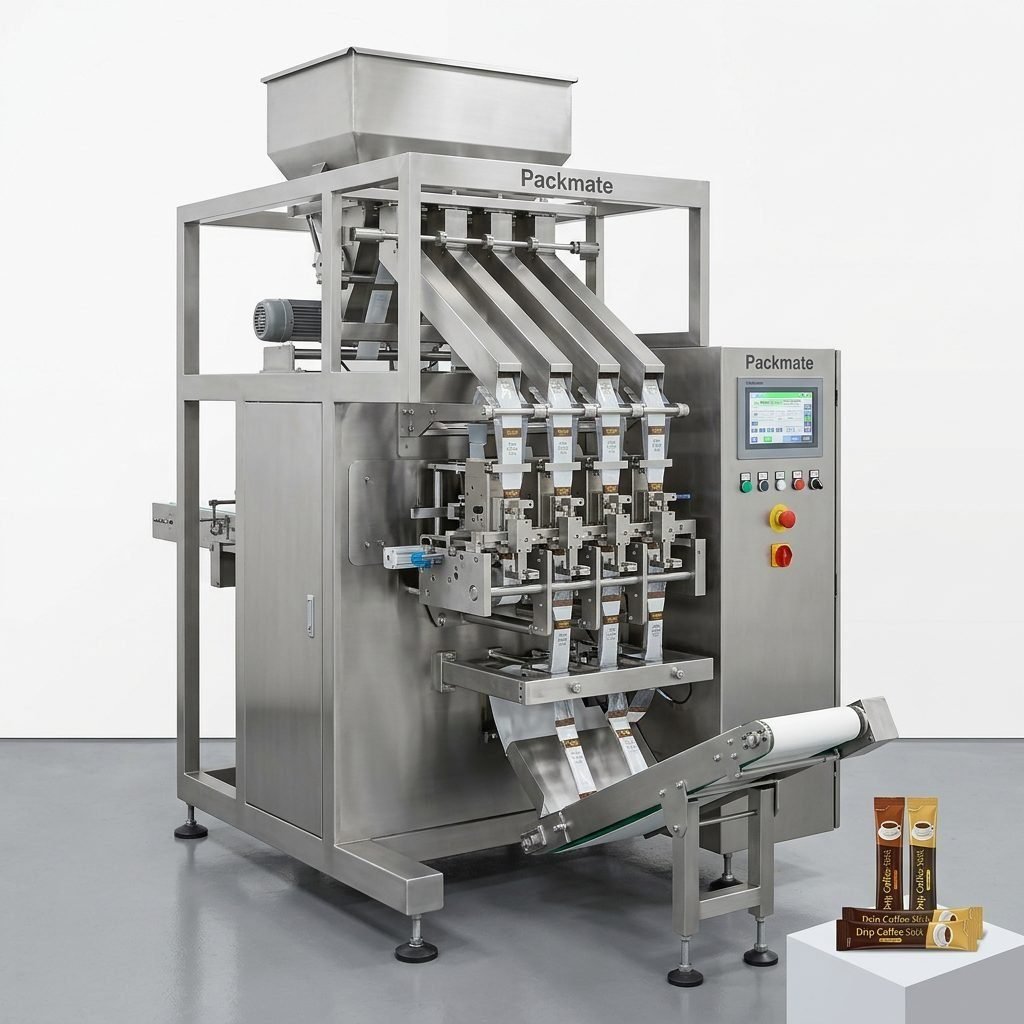
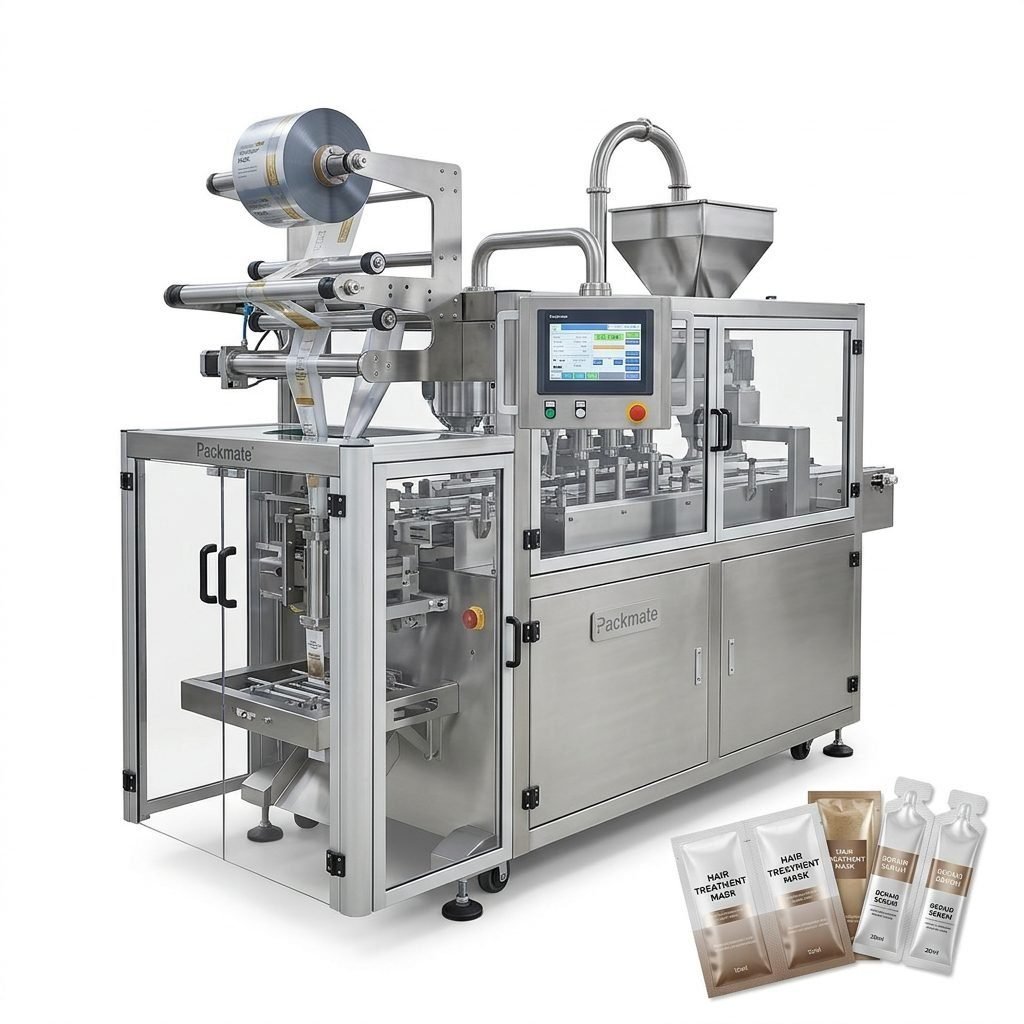
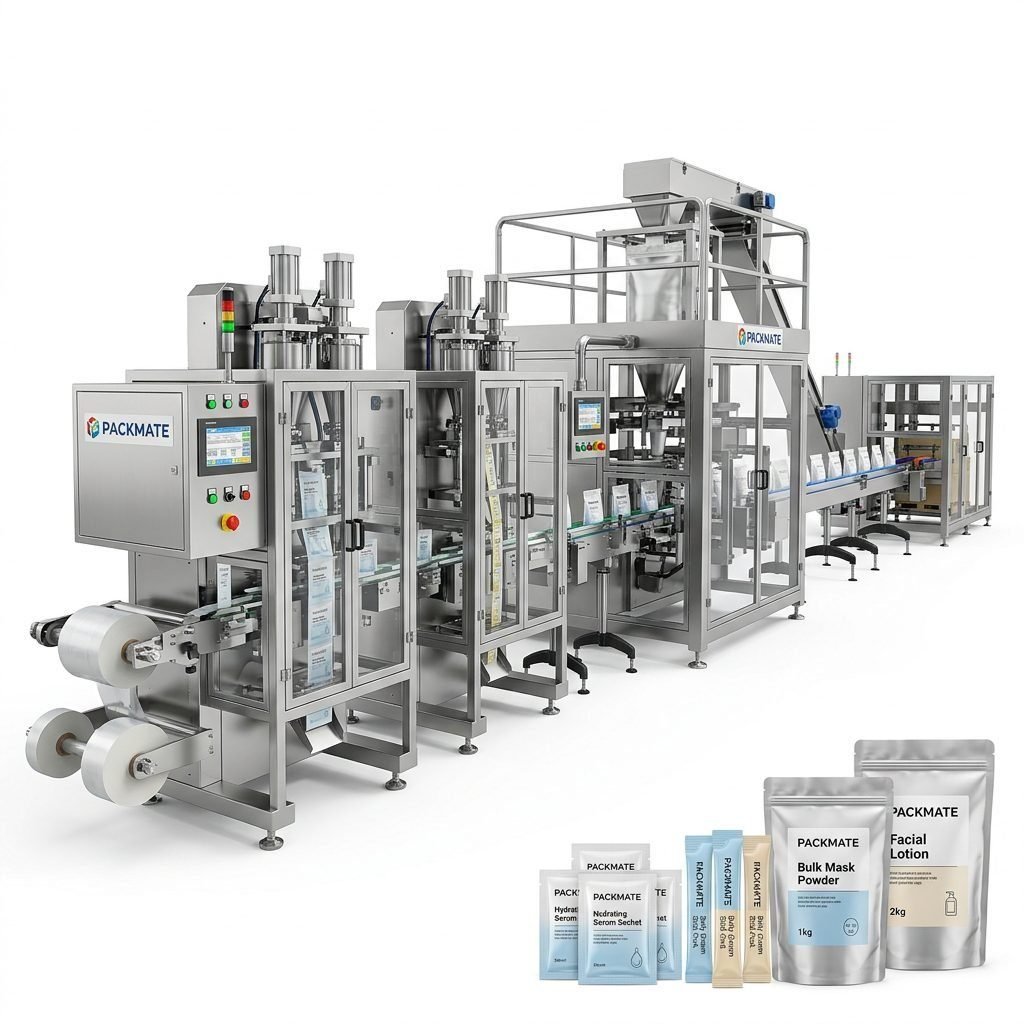
Shrink wrapping rarely operates in isolation. Its true potential is unlocked when integrated into a cohesive packaging ecosystem. For instance, products can be automatically weighed, filled into sachets or stick packs, collated, and then shrink-bundled into multi-packs—all in one synchronized line. This level of integration requires reliable auxiliary packaging equipment and precise system engineering to ensure smooth material flow and consistent output.
Furthermore, the data from these connected machines can be fed into a central monitoring system, providing real-time insights into production rates, film usage, and machine health. This data-driven approach enables predictive maintenance, minimizes unplanned stoppages, and provides a clear ROI on your machinery investment.
Final Considerations Before Investment
Choosing the optimal shrink packaging machinery requires a careful analysis of your current and future needs. Key factors include:
Product Dimensions & Output: The size, shape, and required speed of your products dictate the machine size and power.
Operating Environment: Consider if the machine needs washdown capabilities for food/pharma or robust construction for industrial settings.
Supplier Support: Partner with a reputable manufacturer like Packmate (GuangDong) Co., Ltd., which offers not just machines but complete turnkey solutions, including installation, training, and after-sales service. Their over 30 years of expertise in intelligent packaging ensures you get a reliable, future-proof solution.
Frequently Asked Questions (FAQs)
What types of products are best suited for shrink packaging?
Shrink packaging is exceptionally versatile. It is ideal for bundling multi-packs (bottles, cans), securing irregularly shaped items (tools, toys), creating tamper-evident seals on software/electronics, and providing a protective overwrap for food trays, books, and consumer goods.
How do I choose between a manual, semi-automatic, or fully automatic system?
The choice depends on your production volume and budget. Manual systems are for low volume (<100 packs/hour). Semi-automatic systems (operator places product) suit medium volume. Fully automatic inline systems are necessary for high-volume, continuous production (>500 packs/hour) where labor savings and speed are critical.
What is the main cause of poor shrink wrap results (e.g., wrinkles, uneven seals)?
Poor results are often due to incorrect machine settings. Common causes include incorrect heat temperature or airflow in the tunnel, improper film type or gauge for the application, incorrect sealing temperature or pressure on the L-sealer, or the product moving too quickly/too slowly through the tunnel.
Can shrink packaging machinery handle different film types?
Most modern machines are designed to handle a range of common films (POF, PE). However, it is crucial to check the machine’s specifications. The sealing jaw temperature range and the tunnel’s heating method (air, steam, infrared) must be compatible with the film’s required shrink temperature and characteristics.
What kind of maintenance does a shrink wrapping system require?
Regular maintenance is key to longevity. Daily tasks include cleaning sealing jaws and tunnel belts. Weekly/monthly checks should involve inspecting and cleaning heating elements, verifying belt alignment and tension, and lubricating moving parts as per the manufacturer’s manual. An annual professional service check is highly recommended.