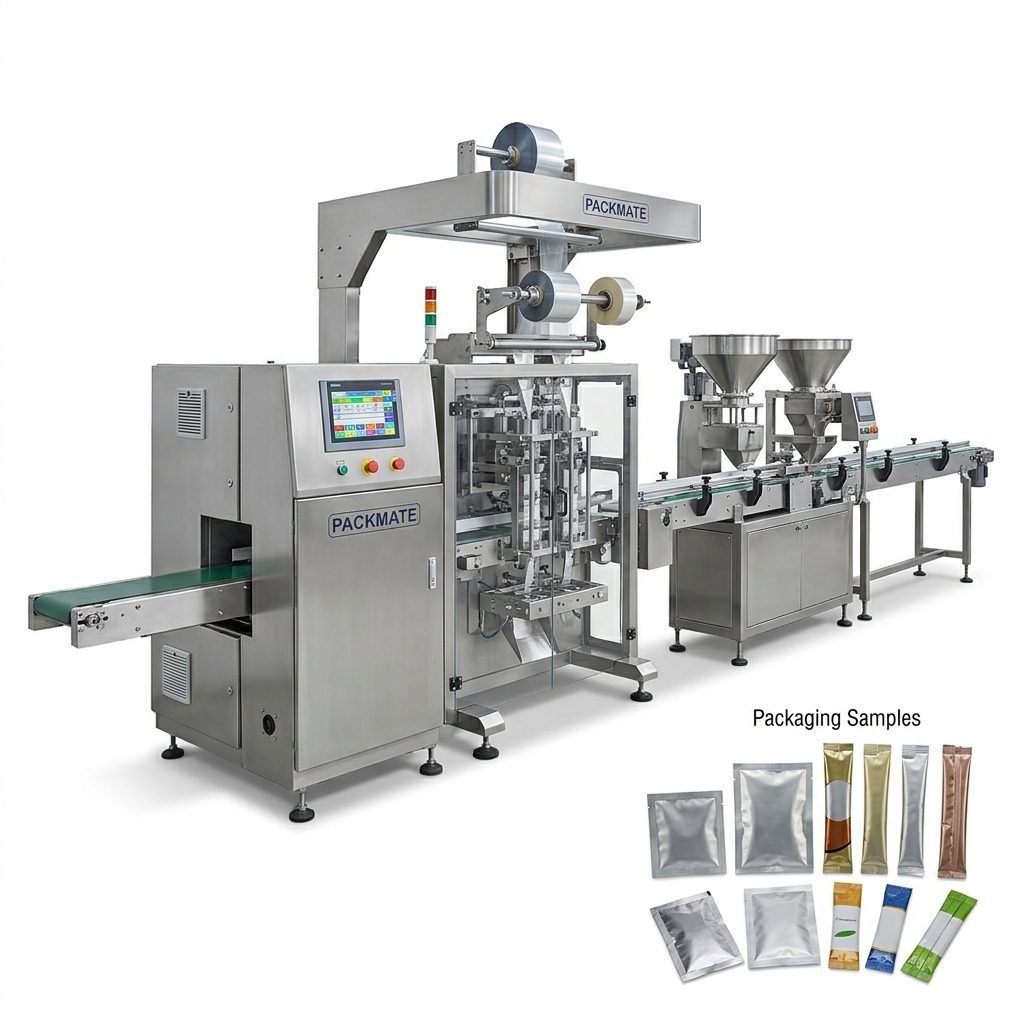
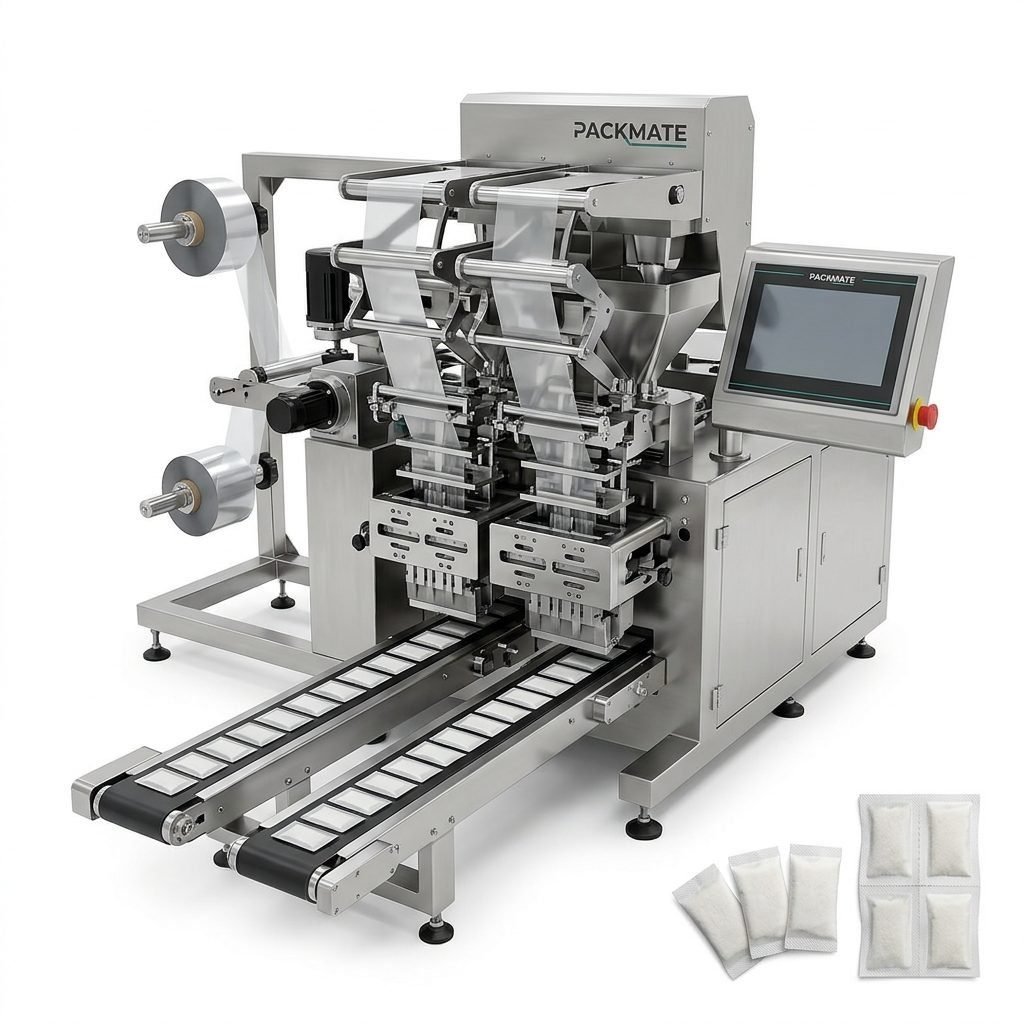
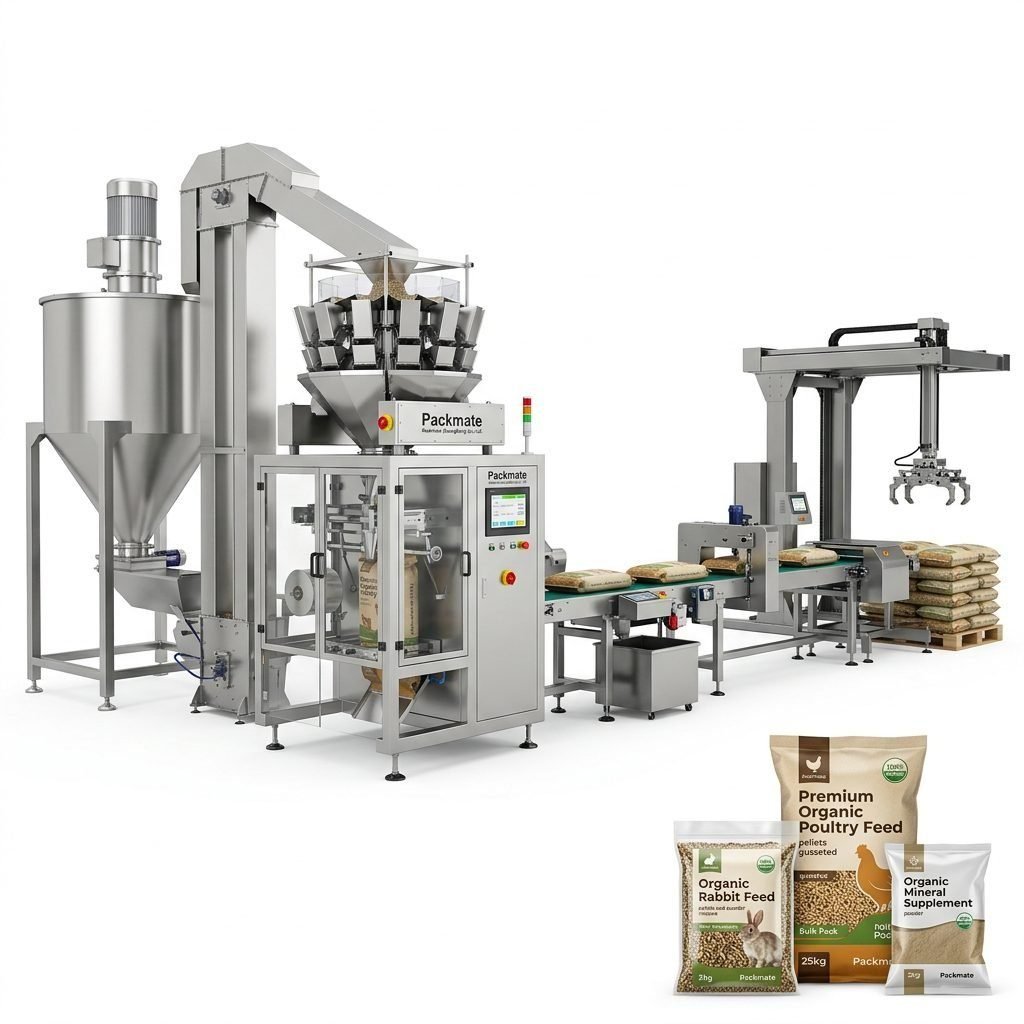
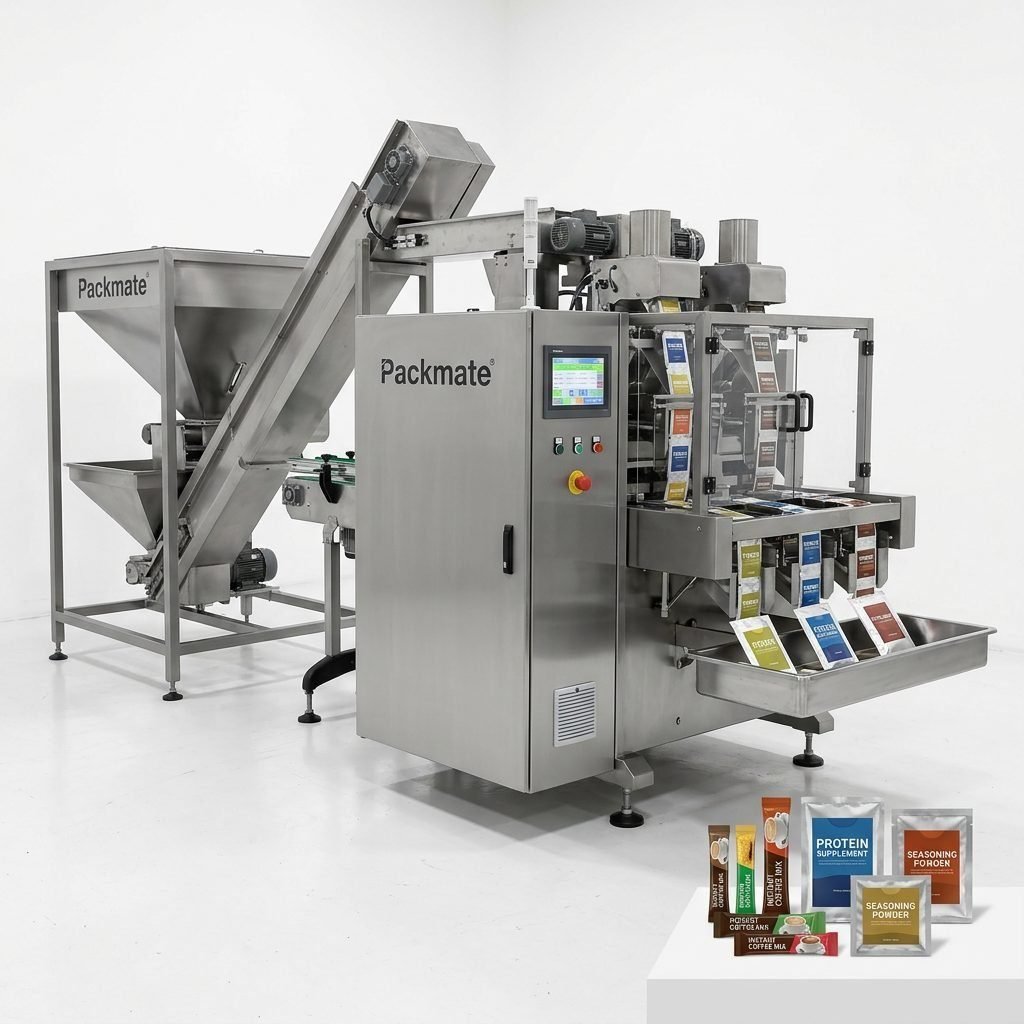
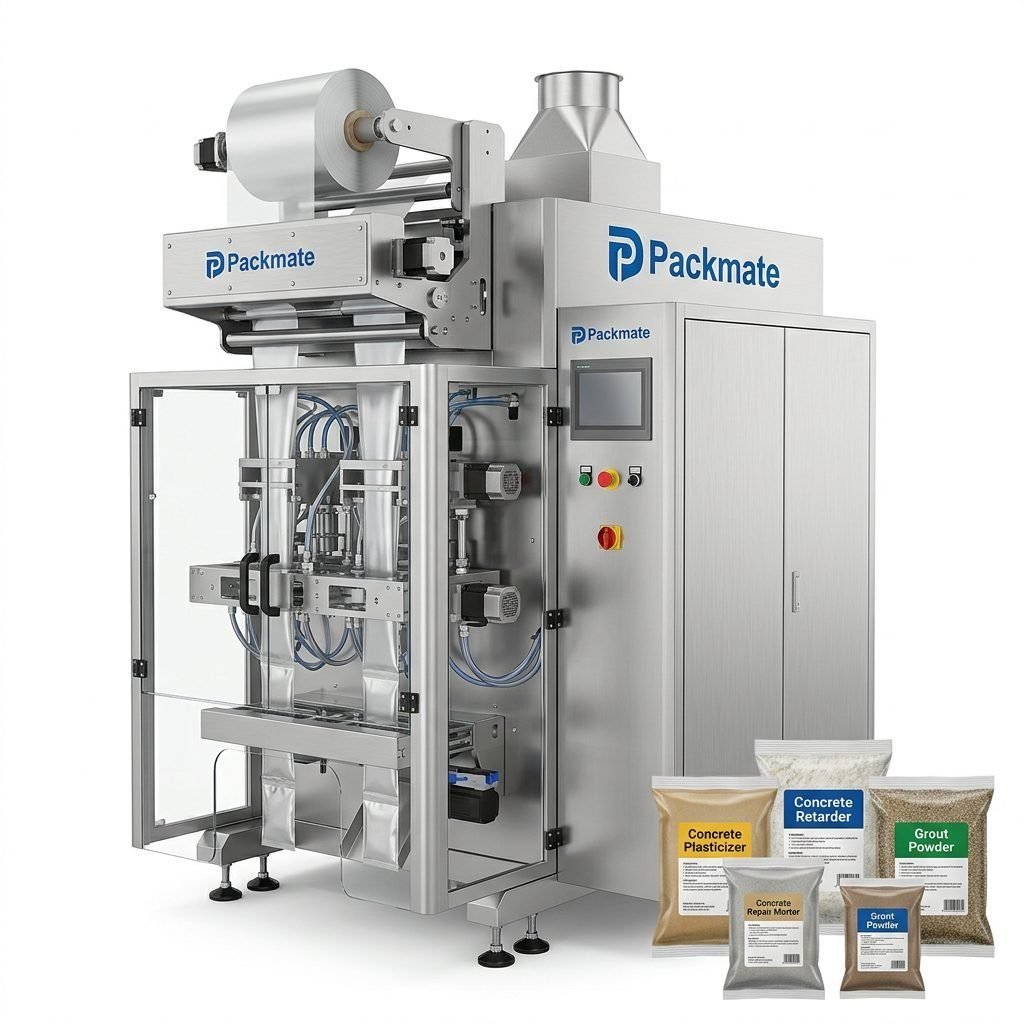
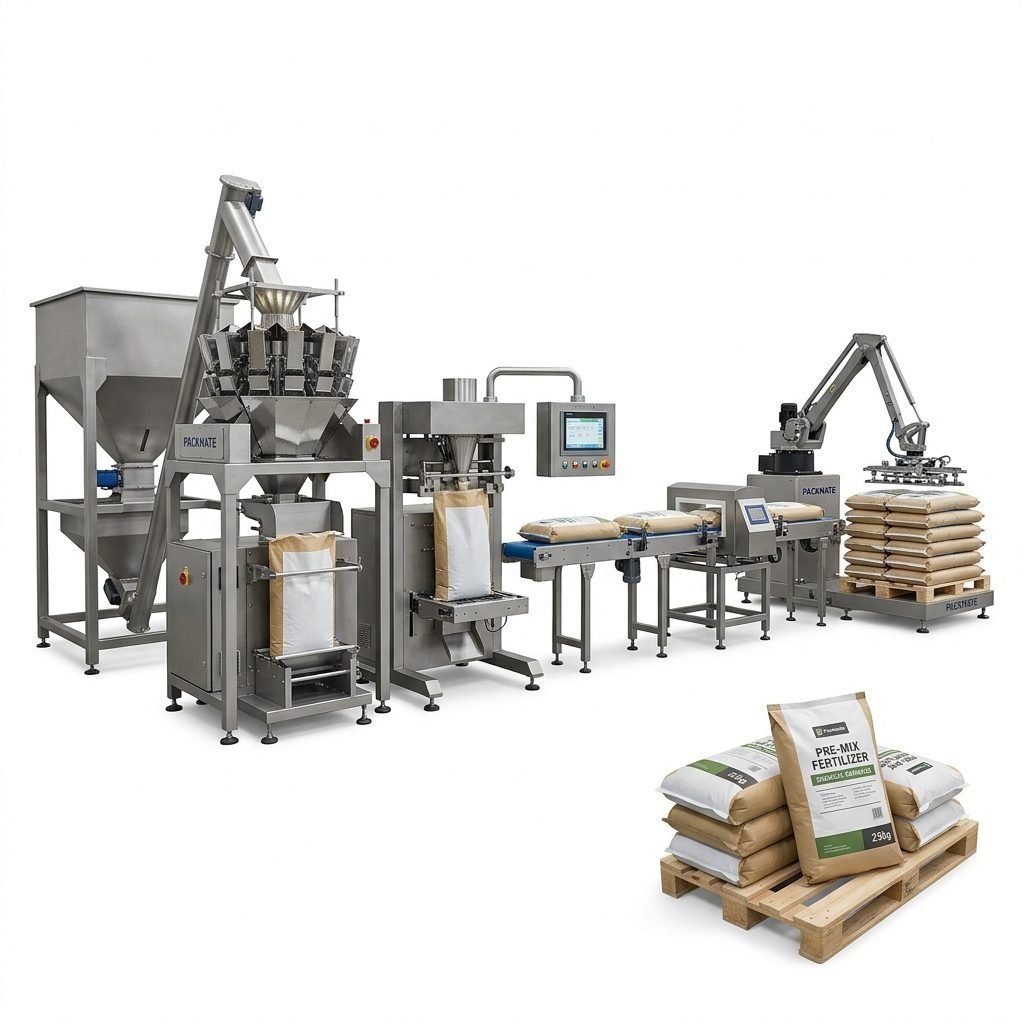
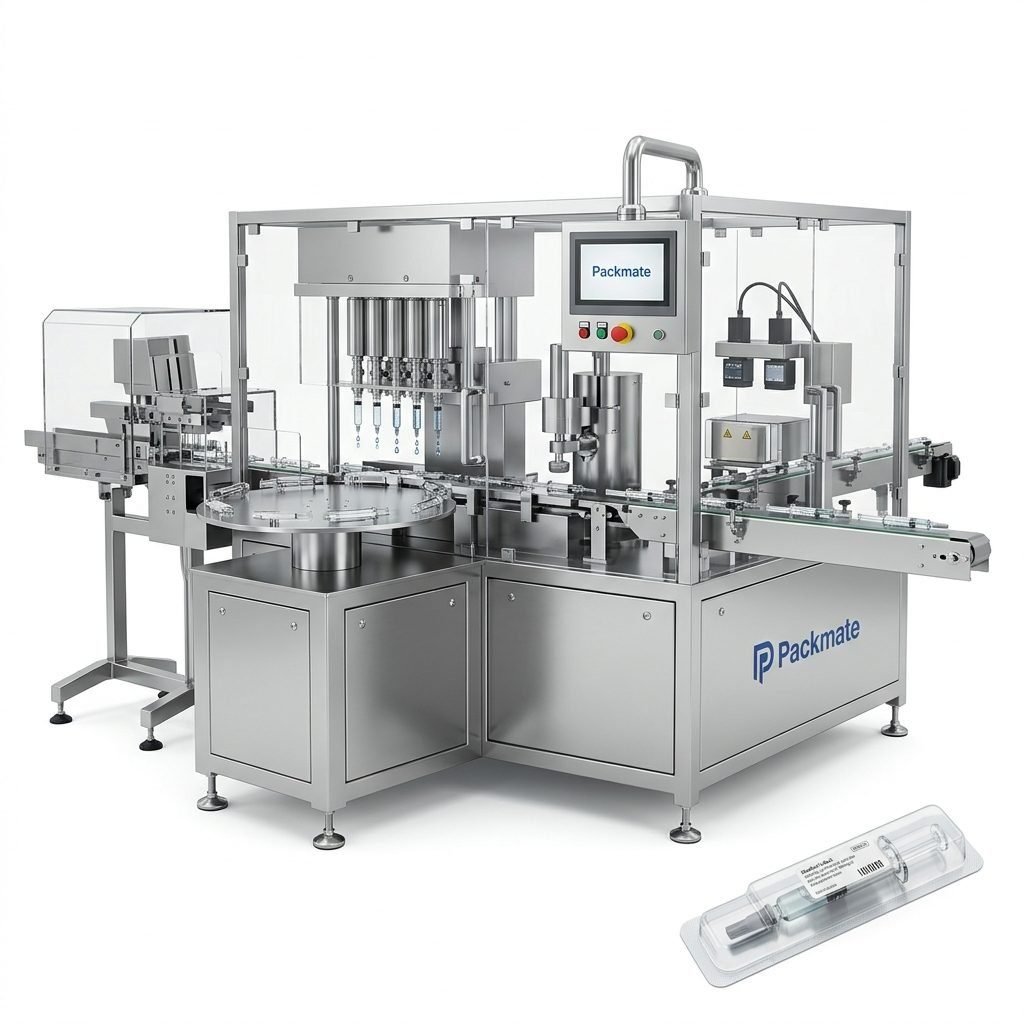
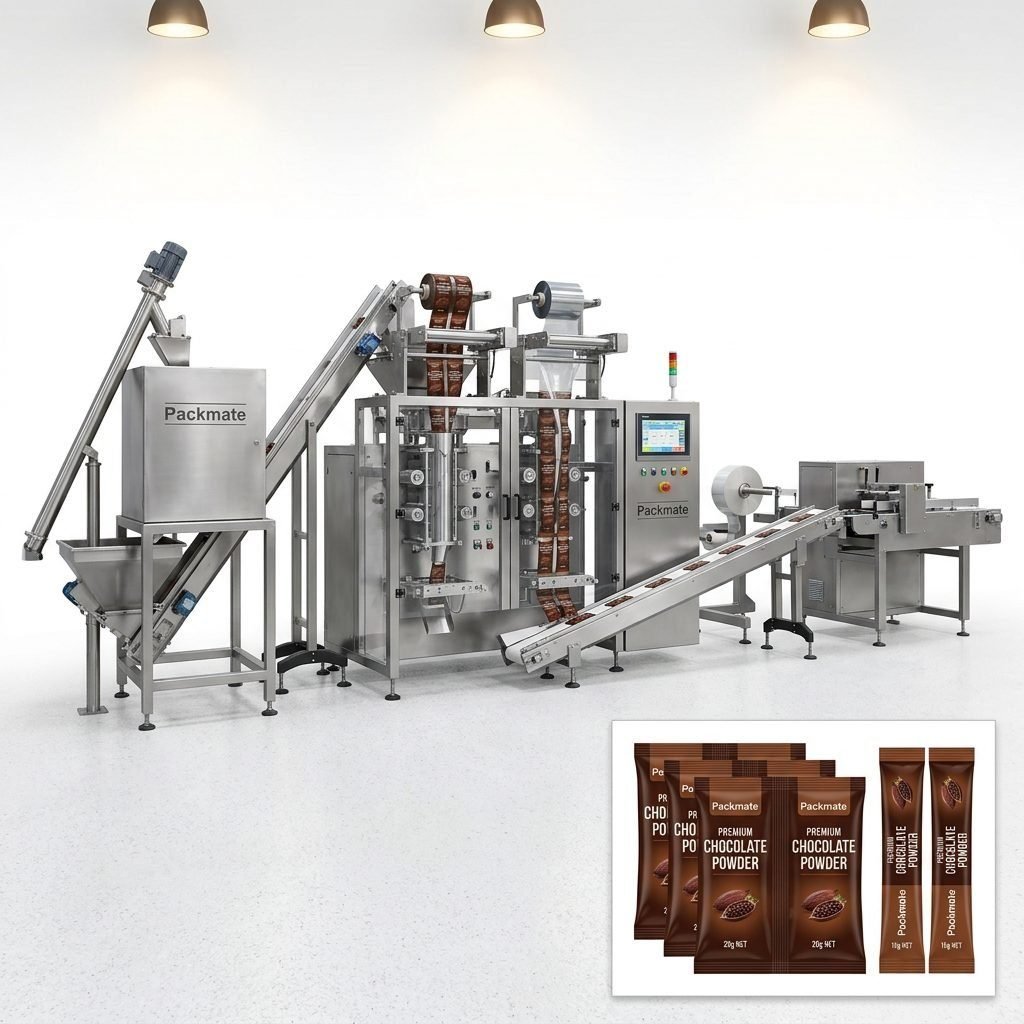
In the competitive world of product presentation and protection, selecting the right skin packaging machine is a critical business decision. This guide will help you navigate the top models available for sale, compare their key features and prices, and understand what makes a machine a worthwhile investment for your operation. Whether you are packaging consumer goods, electronics, or industrial parts, the right equipment can enhance product appeal, improve efficiency, and reduce material costs.
Understanding Skin Packaging Technology
Skin packaging is a versatile process where a product is placed on a backing card, a heated film is draped over it, and vacuum suction draws the film tightly around the product and card, creating a secure, form-fitting package. This method offers excellent product visibility, tamper evidence, and protection from dust and moisture. The core of this system is the skin packaging machine, which automates the heating, forming, and sealing stages.
When evaluating machines, you’ll encounter different types, primarily manual, semi-automatic, and fully automatic models. Manual machines are cost-effective for low-volume or prototype work, while semi-automatic units increase output with automated film feeding and sealing cycles. For high-volume production lines, fully automatic skin packagers integrate seamlessly with upstream and downstream equipment, offering the highest efficiency and consistency.
Key Advantages of Modern Skin Packers
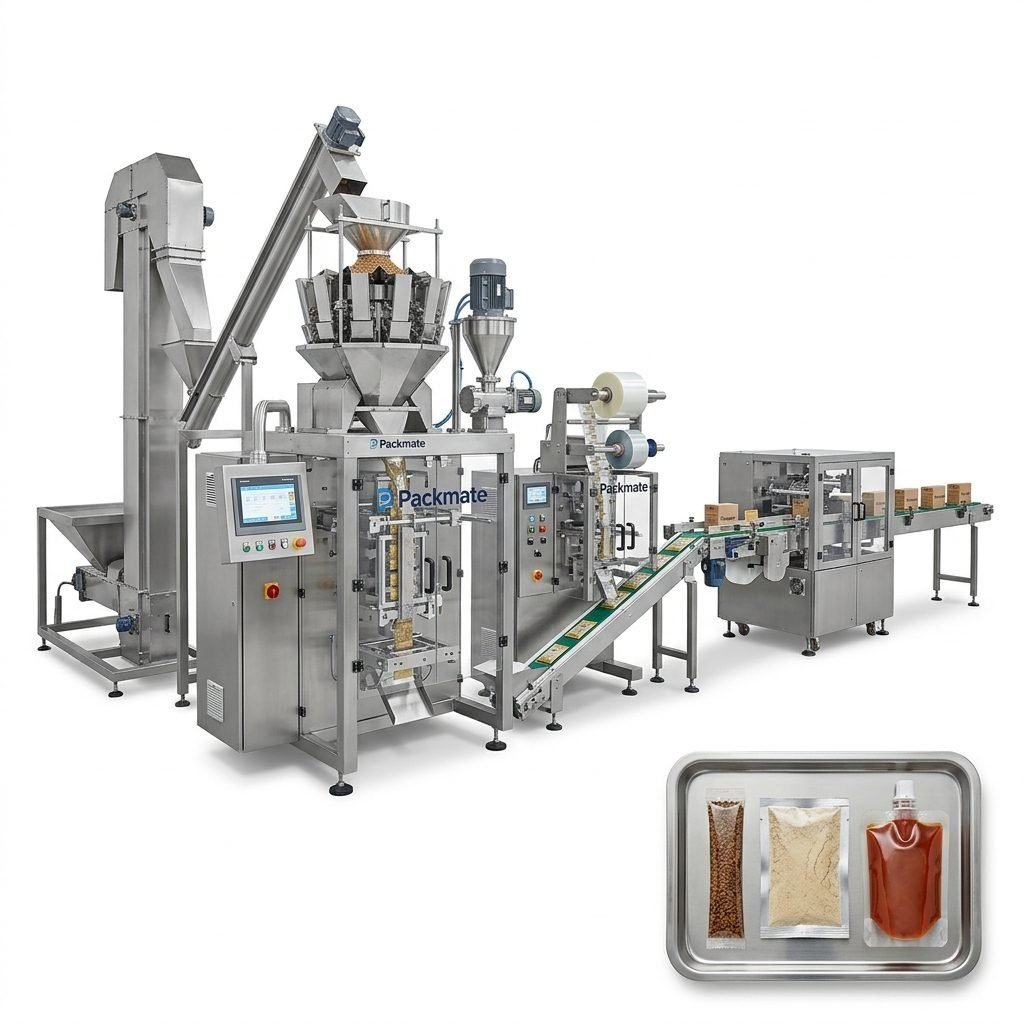
Investing in a modern skin packaging system brings multiple benefits. Firstly, it significantly enhances product presentation on retail shelves, making items more attractive to consumers. Secondly, it provides a robust barrier against environmental factors. Thirdly, it can lead to material savings compared to traditional clamshell packaging, as it often uses less plastic. Finally, a reliable machine minimizes downtime and maintenance costs, ensuring a smooth production flow. For businesses looking to scale, exploring a complete filling & packaging line that incorporates skin packaging can be a strategic move.
Top Factors to Compare When Buying
Before comparing prices, it’s essential to compare specifications and capabilities. Focus on these core aspects to make an apples-to-apples comparison between different models and brands.
Machine Specifications Checklist
Sealing Area Dimensions: This determines the maximum card size you can use. Ensure it accommodates your current and near-future product sizes.
Cycle Time: Measured in cycles per hour, this directly impacts your potential output. Faster machines command higher prices but offer greater productivity.
Heating System: Look for even, consistent heating elements (like ceramic heaters) that prevent film scorching and ensure a perfect seal.
Vacuum Power: A strong, reliable vacuum pump is crucial for achieving wrinkle-free, tight skin packaging, especially for deep-draw items.
Construction & Durability: A sturdy frame and high-quality components, like those found in auxiliary packaging equipment from established manufacturers, reduce long-term wear and tear.
Beyond the hardware, consider the supplier’s reputation. A company with decades of experience, like Packmate Machinery, which has over 22 years in the industry, often provides more reliable machines and better support. Their journey from a small workshop to a company with a 20,000㎡ modern facility underscores a commitment to development and quality that is reflected in their equipment.
Price Range and What Influences Cost
The price of a skin packaging machine can vary widely, from a few thousand dollars for a basic manual bench-top model to over $50,000 for a high-speed, fully automatic system with advanced features. The primary cost drivers are the level of automation, machine size (sealing area), brand reputation, and additional features like digital temperature controls, programmable logic controllers (PLCs), and custom tooling options.
When budgeting, remember to factor in the total cost of ownership. This includes not only the purchase price but also ongoing costs for maintenance, spare parts, and consumables like film and backing board. A slightly more expensive machine from a reputable manufacturer known for durability and excellent service can offer a lower total cost over its lifespan compared to a cheaper, less reliable alternative.
Leading Models and Their Applications
The market offers a range of models suited for different needs. Here’s a breakdown of common types and their ideal use cases.
Manual/Semi-Automatic Skin Packers: Perfect for small businesses, startups, or operations with diverse, low-to-medium volume packaging needs. They offer great flexibility and a lower entry cost. These are often the first step for companies testing the skin packaging market.
Fully Automatic Inline Systems: Designed for integration into continuous production lines. They automatically feed cards, place products, apply film, seal, and trim, requiring minimal operator intervention. These are essential for high-volume industries like consumer electronics or hardware where speed and consistency are paramount.
Deep-Draw Skin Packaging Machines: Specialized models with enhanced vacuum and heating systems to handle products with significant height or irregular shapes. They ensure the film conforms perfectly to deep or complex contours without tearing.
Selecting the right model is akin to choosing the right tool for a job. Just as you would select a specific sachet & stick pack machine for powders, the skin packager must match your product’s physical characteristics and output requirements.
Making the Final Decision: Beyond the Price Tag
While comparing prices and models is crucial, your final decision should hinge on a broader evaluation. Consider the manufacturer’s technical support, warranty terms, availability of training, and lead time for delivery and installation. A supplier with a global presence and a history of successful case studies can provide valuable confidence.
Pro Tip: Request a Live Test
Whenever possible, ask the supplier to run a sample of your actual product on the machine. This live test is the best way to verify performance, seal quality, and cycle time with your specific materials. It can reveal potential issues before purchase and ensure the machine meets your exact expectations.
Ultimately, the best skin packaging machine for sale is the one that aligns with your production goals, budget, and growth plans. It should be a reliable partner that enhances your product’s marketability and your operation’s profitability.
Frequently Asked Questions (FAQs)
What is the main difference between skin packaging and blister packaging?
Skin packaging uses a single film that is vacuum-formed directly over the product on a paperboard backing. Blister packaging typically involves a pre-formed plastic cavity (the blister) that is heat-sealed to a cardboard backing. Skin packs often have a lower profile and can be more material-efficient for certain items.
Can one machine handle different product sizes?
Yes, most skin packaging machines are adjustable. You can change the sealing platen area or use different tooling inserts to accommodate various card and product sizes. However, switching between vastly different sizes may require adjustments and downtime.
How do I choose the right film for my skin packaging machine?
Film selection depends on your product’s needs. Common types include Polyethylene (PE) for clarity and flexibility, Polyvinyl Chloride (PVC) for rigidity and clarity, and specialty barrier films. Consult your machine supplier or film manufacturer, who can recommend the best gauge and material based on your product, machine specifications, and desired finish.
What kind of maintenance does a skin packaging machine require?
Regular maintenance includes cleaning the heating elements and sealing area, checking and replacing vacuum filters, lubricating moving parts, and inspecting electrical connections. Following the manufacturer’s maintenance schedule, often detailed in their FAQ or service documentation, is key to longevity.
Is operator training difficult for new skin packaging machines?
Modern machines with user-friendly PLC interfaces are relatively straightforward to learn. Reputable suppliers like Packmate Machinery typically provide comprehensive installation and operational training to ensure your team can run the machine safely and efficiently from day one.