The pharmaceutical industry operates under the most stringent regulations globally, where packaging is far more than a container—it’s a critical component of product safety, efficacy, and compliance. Selecting the right pharma packaging equipment is a complex decision that impacts everything from production efficiency and contamination control to patient adherence and brand integrity. This guide delves into the essential machinery, key considerations, and innovative solutions shaping the future of pharmaceutical packaging.
Core Equipment for Pharmaceutical Packaging Lines
A modern pharmaceutical packaging line is a symphony of specialized machines working in unison. Understanding each component’s role is the first step toward building an efficient and compliant operation.
Primary Packaging Machinery
This equipment handles the direct contact between the product and its primary container (e.g., blister, vial, sachet).
- Blister Packaging Machines: Ideal for tablets and capsules, these machines form, fill, and seal blisters with precision, often incorporating advanced vision systems for 100% in-line inspection to detect missing or damaged product.
- Bottle Filling and Capping Lines: Used for liquids, powders, and tablets in bottles. They encompass unscramblers, fillers, cappers, and torque control systems to ensure perfect seals.
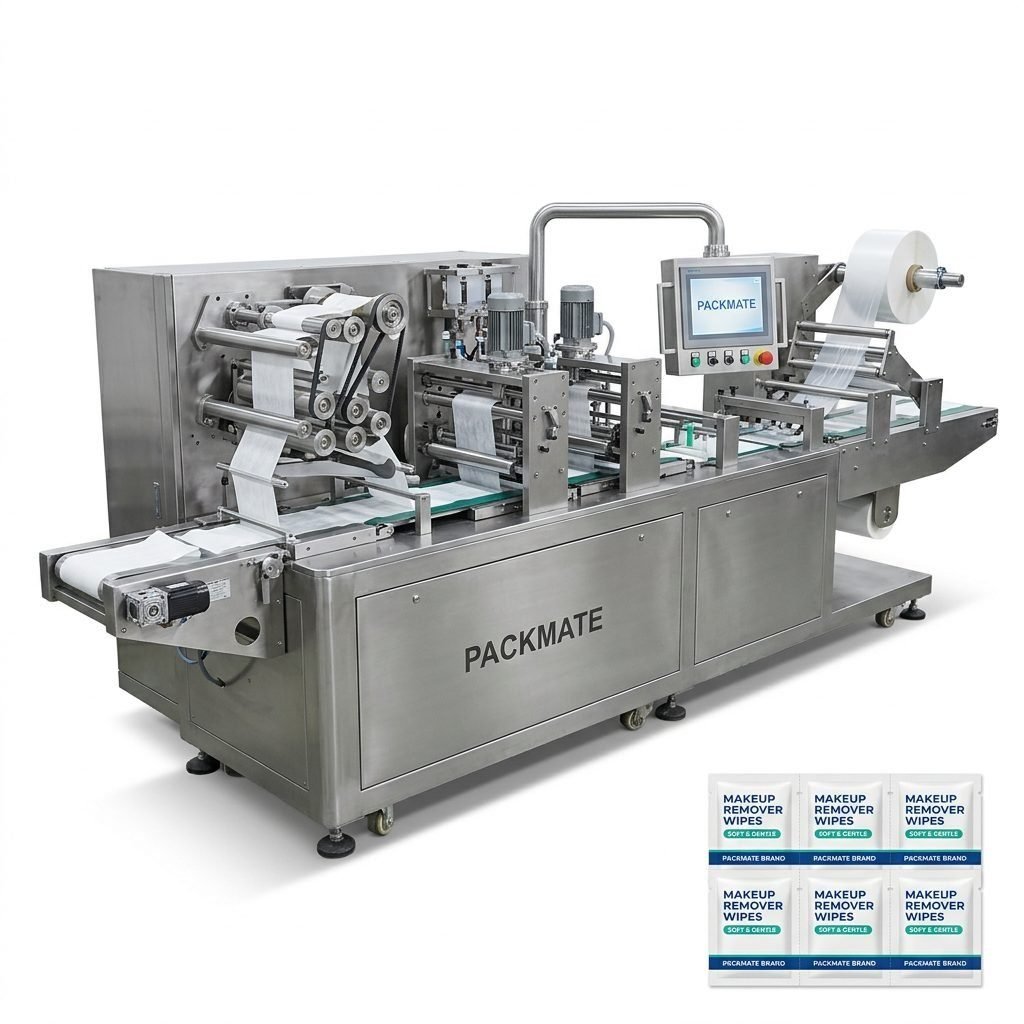
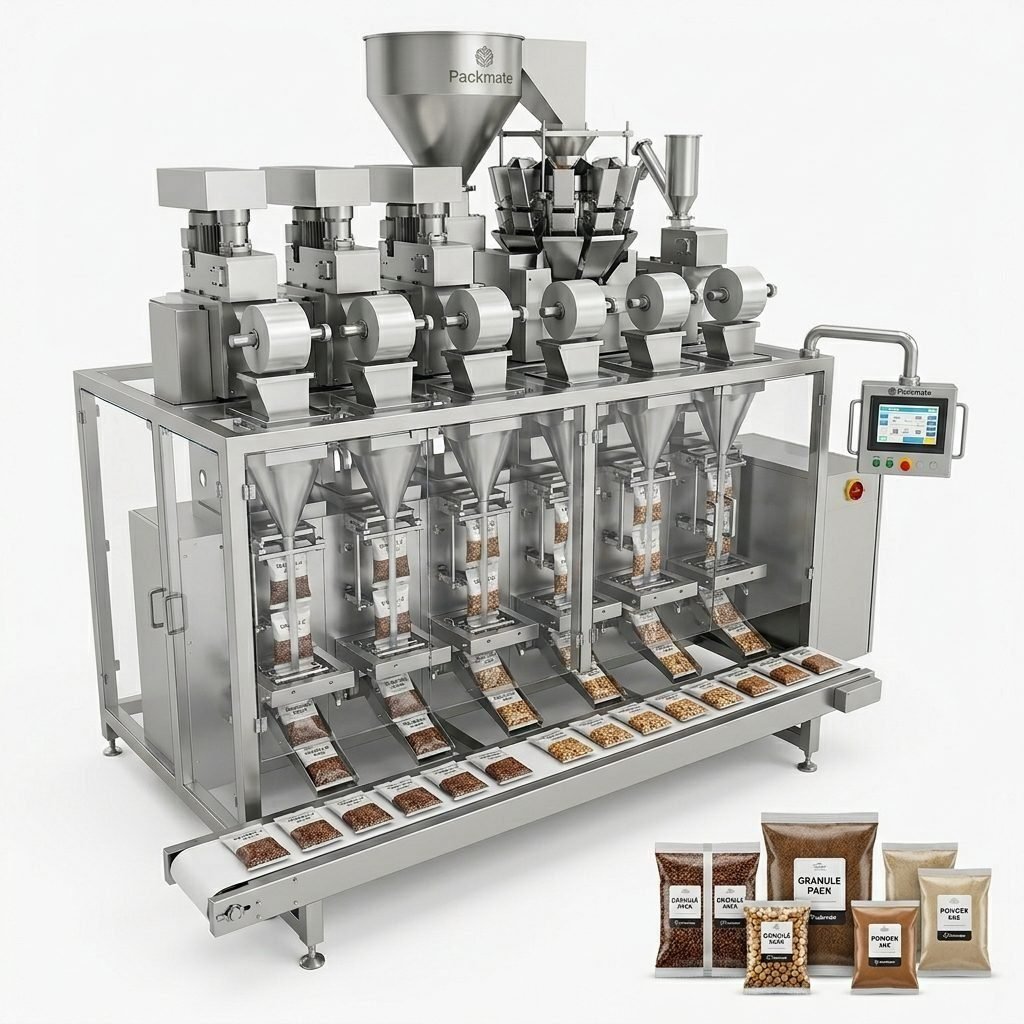
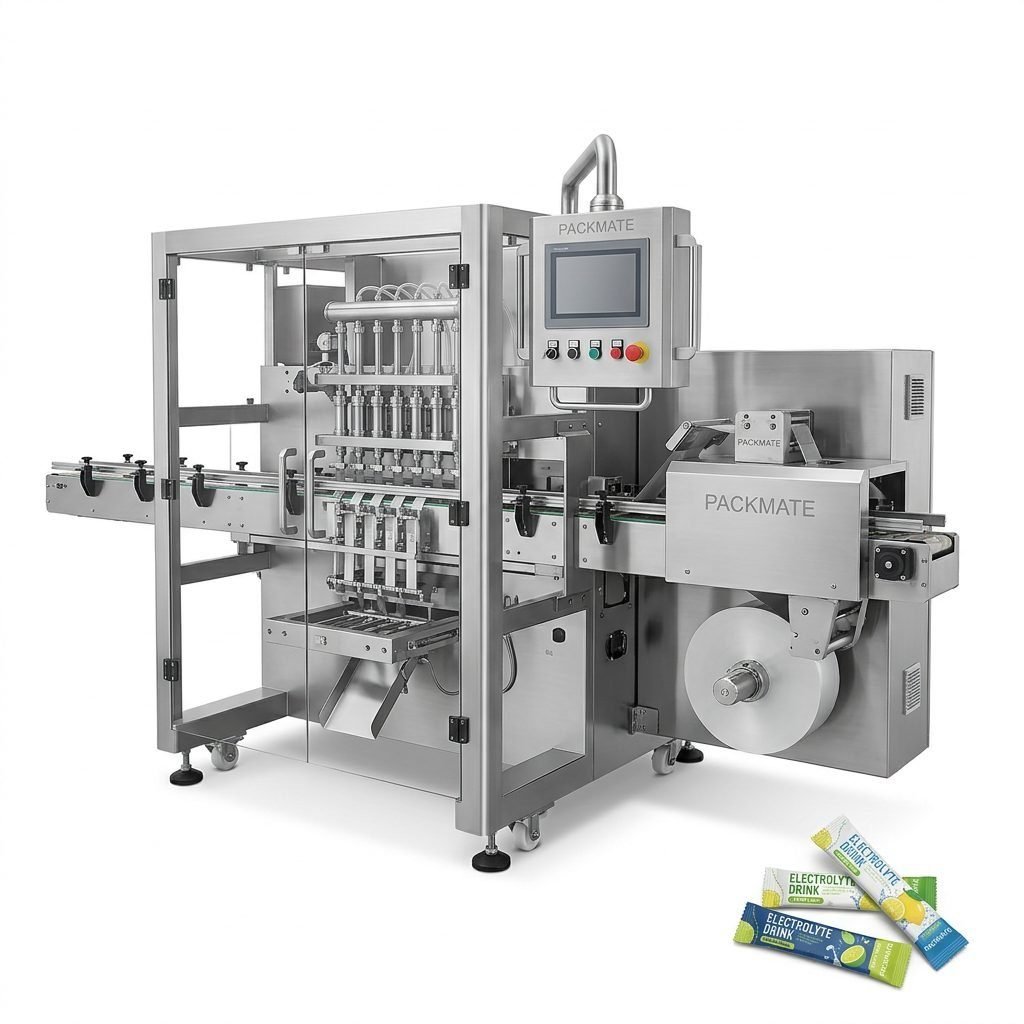
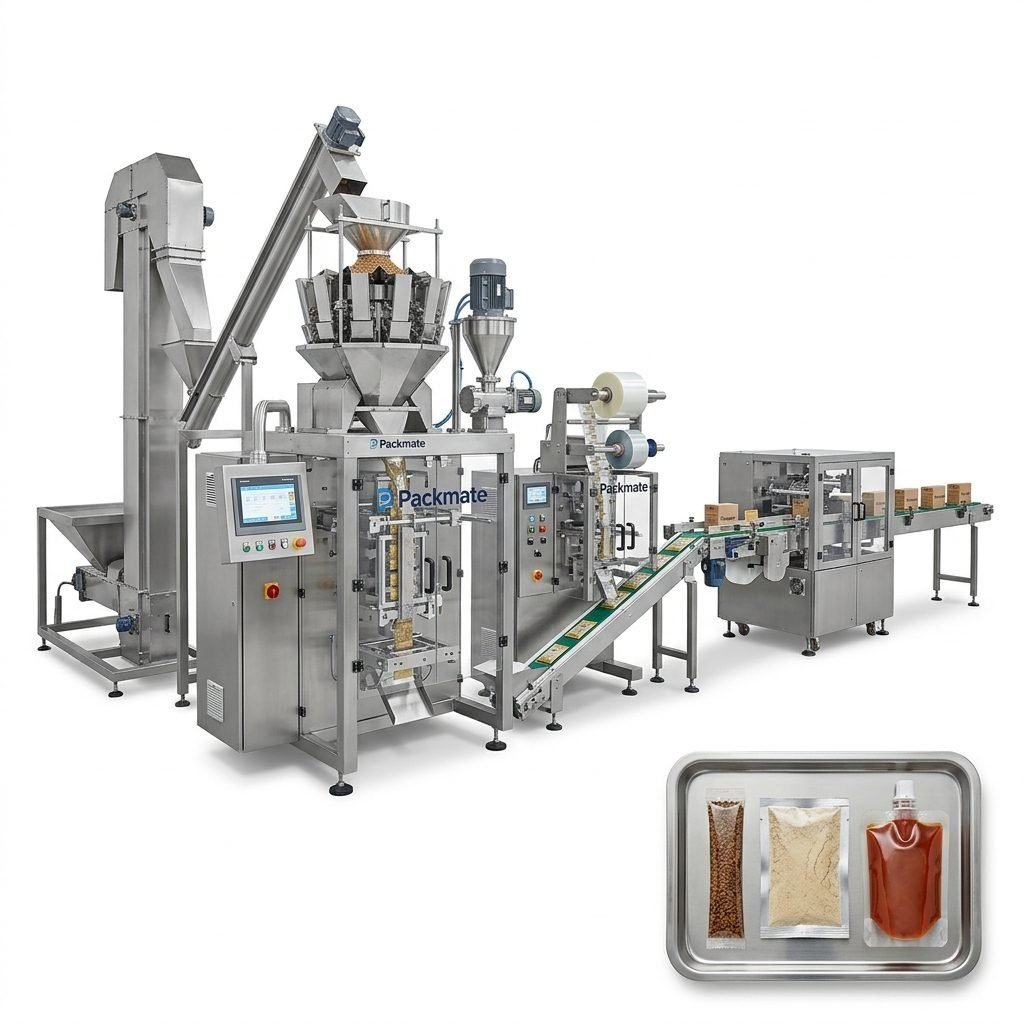
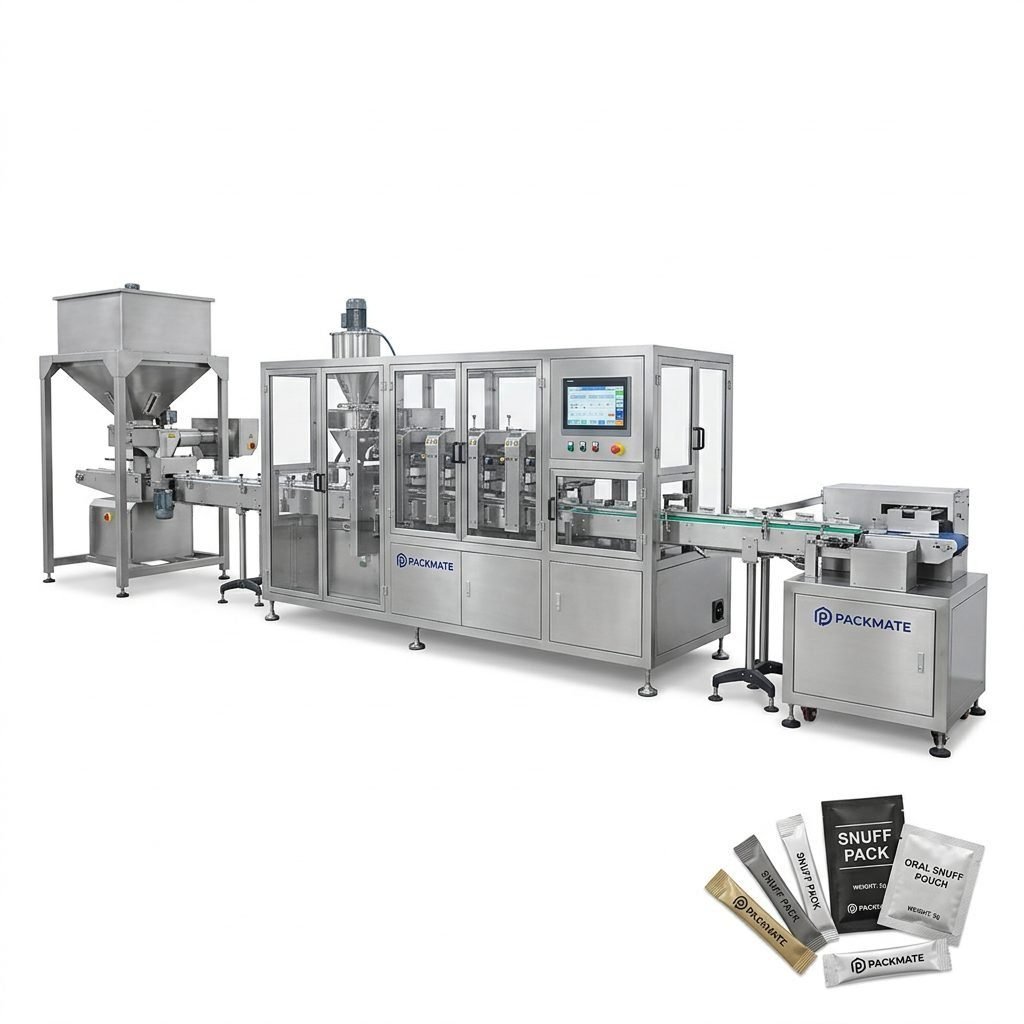
- Sachet & Stick Pack Machines: Perfect for unit-dose powders, granules, or liquids. Companies like Packmate Machinery offer high-speed, multi-lane models that deliver exceptional accuracy and hygiene for pharmaceutical applications.
- Ampoule and Vial Fillers: Critical for sterile injectables, these machines operate in controlled environments (like isolators or RABS) to maintain aseptic conditions during filling and sealing.
Secondary and Tertiary Packaging Equipment
Once the primary package is secure, secondary packaging provides additional layers of protection and information.
- Cartoning Machines: Automatically erect cartons, insert leaflets, and load primary packages. They are crucial for applying tamper-evidence and serialization codes.
- Labeling Systems: Apply product labels with impeccable accuracy. Pharmaceutical labeling often requires specialized printers for variable data, including batch numbers, expiry dates, and unique identifiers (like 2D barcodes for track-and-trace).
- Bundling and Case Packing: Equipment that groups multiple cartons into bundles or loads them into shipping cases, preparing them for palletizing and distribution.
Critical Factors in Selecting Pharma Packaging Solutions
Choosing equipment goes beyond technical specs. It requires a holistic view of regulatory, operational, and business needs.
Regulatory Compliance & Validation: The foremost priority. Equipment must be designed for easy cleaning, prevent cross-contamination, and support full validation (IQ/OQ/PQ) as per FDA, EMA, and other global standards. Materials in contact with the product must be compliant (e.g., USP Class VI, FDA-approved).
Flexibility and Changeover: With the rise of small-batch and personalized medicines, the ability to quickly switch between product formats with minimal downtime is a competitive advantage. Look for machines with quick-change parts and recipe management systems.
Product Integrity and Containment: For potent or hazardous drugs, containment is non-negotiable. Equipment must be designed to fully contain dust and vapors, protecting both the product and operators. This is a core feature in advanced packing machine designs for sensitive applications.
Data Integrity and Serialization: Mandates like the EU Falsified Medicines Directive require unique product identifiers. Your packaging line must integrate seamlessly with serialization and aggregation software, ensuring data accuracy and traceability from production to the patient.
Innovations Shaping the Future
Technology is driving smarter, safer, and more sustainable packaging processes.
Smart Packaging & IoT Integration
Machines are becoming data hubs. Sensors monitor performance in real-time, predicting maintenance needs before failures occur (predictive maintenance). This connectivity allows for remote monitoring and optimization, reducing downtime and improving Overall Equipment Effectiveness (OEE).
Sustainable Material Handling: As the industry moves toward greener practices, equipment must adapt to handle mono-material films, recyclable polymers, and reduced packaging sizes without compromising speed or protection. This shift is evident across various bag & pouch packaging machines that now offer enhanced sealing for eco-friendly materials.
Advanced Vision Inspection Systems: AI-powered cameras now go beyond simple presence/absence checks. They can detect microscopic defects in seals, verify complex print on labels, and ensure the correct assembly of multi-component kits with unparalleled accuracy.
Implementing a Turnkey Solution: The Packmate Example
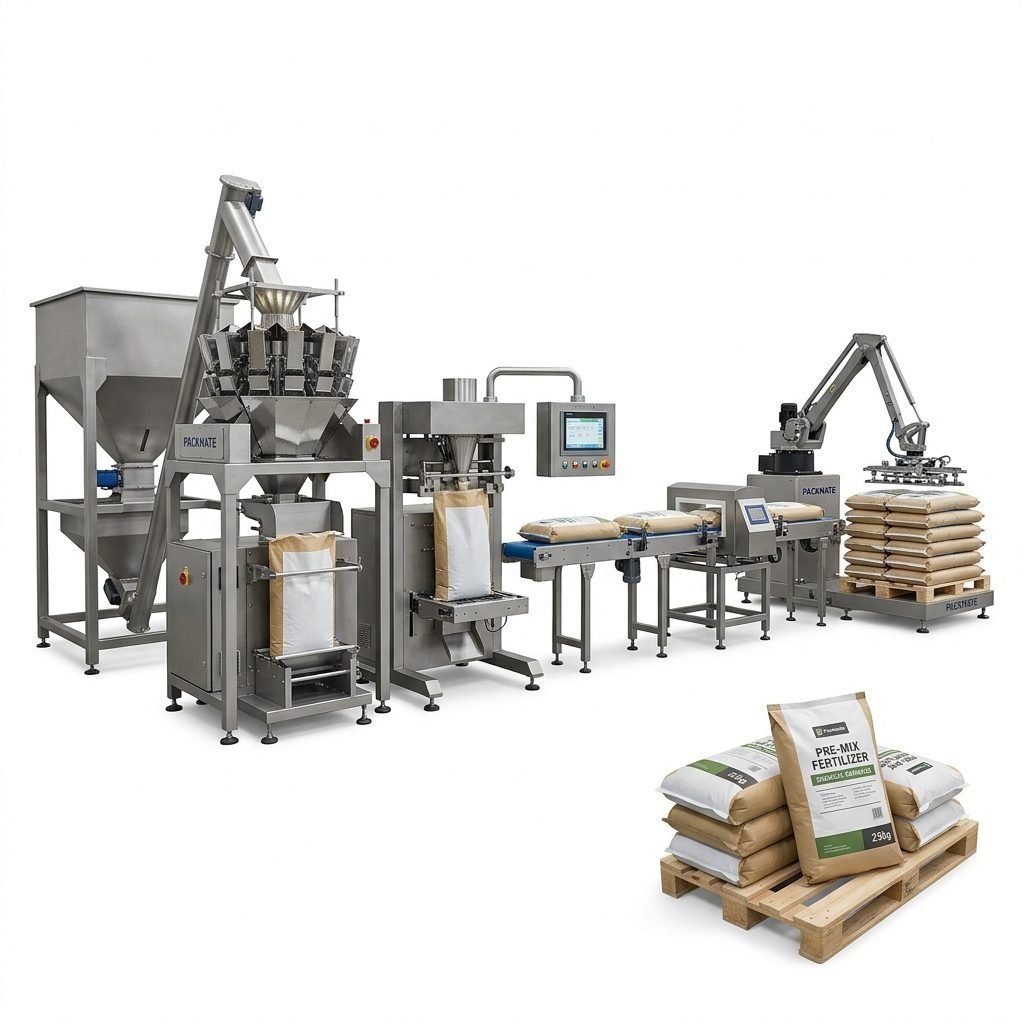
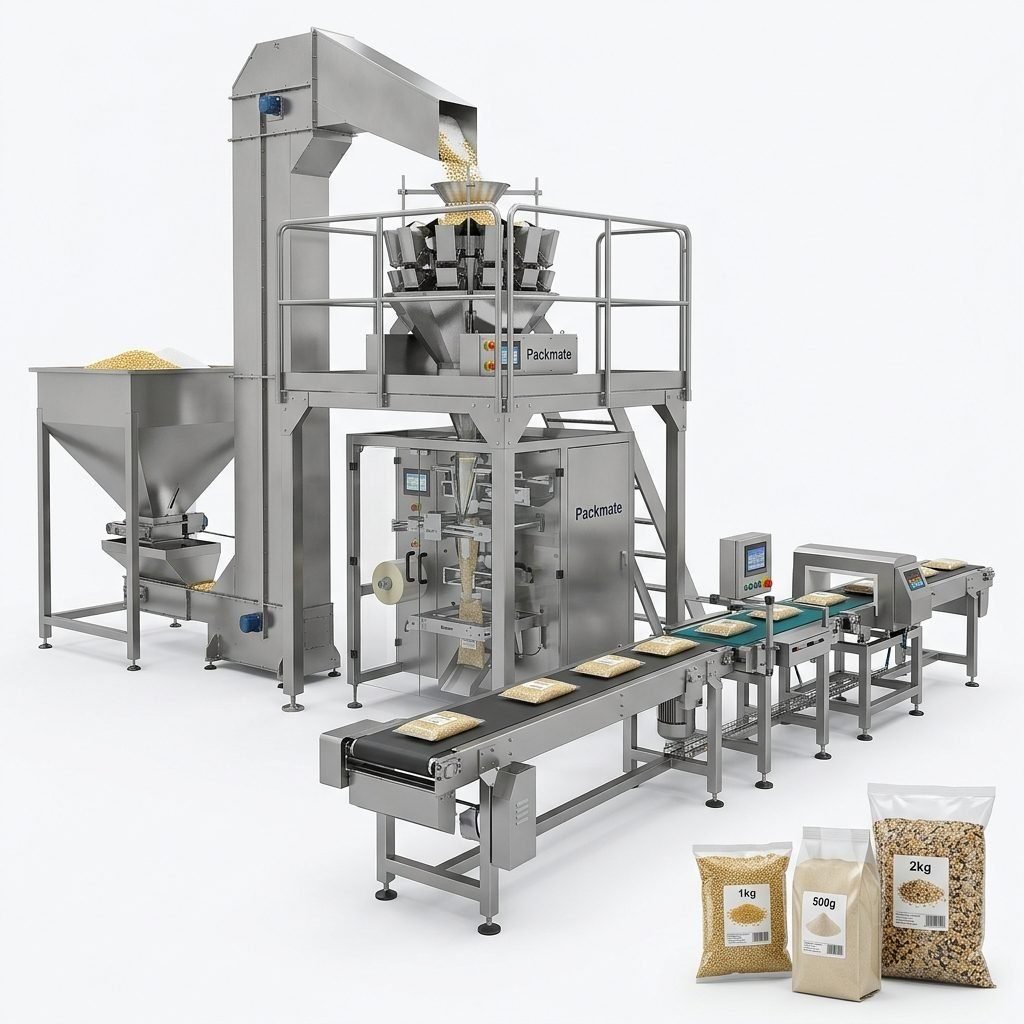
For many manufacturers, especially those expanding or modernizing facilities, partnering with an experienced provider for a complete turnkey packaging solution is the most efficient path. A provider like Packmate (GuangDong) Co., Ltd. exemplifies this approach. With over 30 years of expertise, they don’t just sell machines; they deliver integrated systems. From initial concept and machine design (like their specialized sachet & stick pack machines) to installation, validation, and ongoing service, a turnkey partner manages the complexity. This ensures all components—from primary fillers to secondary cartoners—work in perfect harmony, accelerating time-to-market and reducing project risk.
Frequently Asked Questions (FAQs)
What are the most important certifications to look for in pharma packaging equipment?
Prioritize equipment built to cGMP (current Good Manufacturing Practice) standards. Look for manufacturers with a quality management system certified to ISO 9001. For specific regions, ensure the machine design complies with relevant pharmacopoeia and regulatory body guidelines (e.g., FDA 21 CFR Part 211, EU Annex 1).
How can I improve the flexibility of my existing packaging line for smaller batch production?
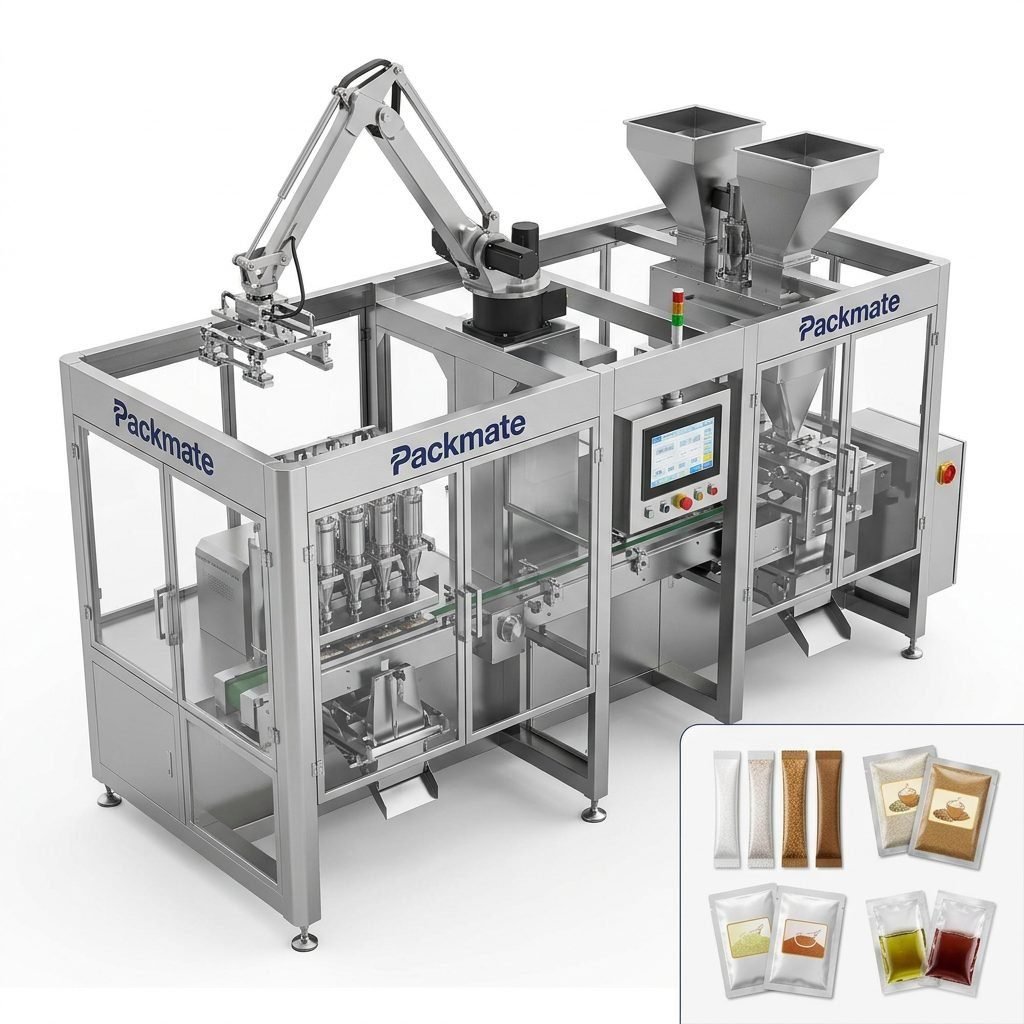
Consider retrofitting with quick-change tooling and modular components. Implementing a robust recipe management system in your line’s PLC can drastically reduce changeover time. Consulting with your equipment provider, such as exploring modular filling & packaging lines, can yield tailored upgrade solutions.
What is the role of serialization in pharmaceutical packaging, and how is it integrated?
Serialization assigns a unique identifier to each saleable unit to combat counterfeiting. It is integrated via specialized software and hardware (printers, coders, vision systems) installed at the primary and secondary packaging stages. The equipment must communicate flawlessly with the serialization software to print, verify, and aggregate these codes.
What are the key maintenance routines for ensuring packaging line compliance and uptime?
Follow a strict schedule of preventive maintenance (PM) as outlined in the machine manuals. This includes regular cleaning, lubrication, and calibration of critical components like scales and sensors. Keeping detailed logs of all maintenance and calibration activities is essential for audit trails.
How do I choose between a standard machine and a custom-engineered solution?
Standard machines are cost-effective and have faster delivery for common applications. A custom solution is necessary when packaging novel dosage forms, requiring specialized containment, or needing unique integration with upstream/downstream processes. A reputable supplier will conduct a thorough needs analysis to recommend the best approach.