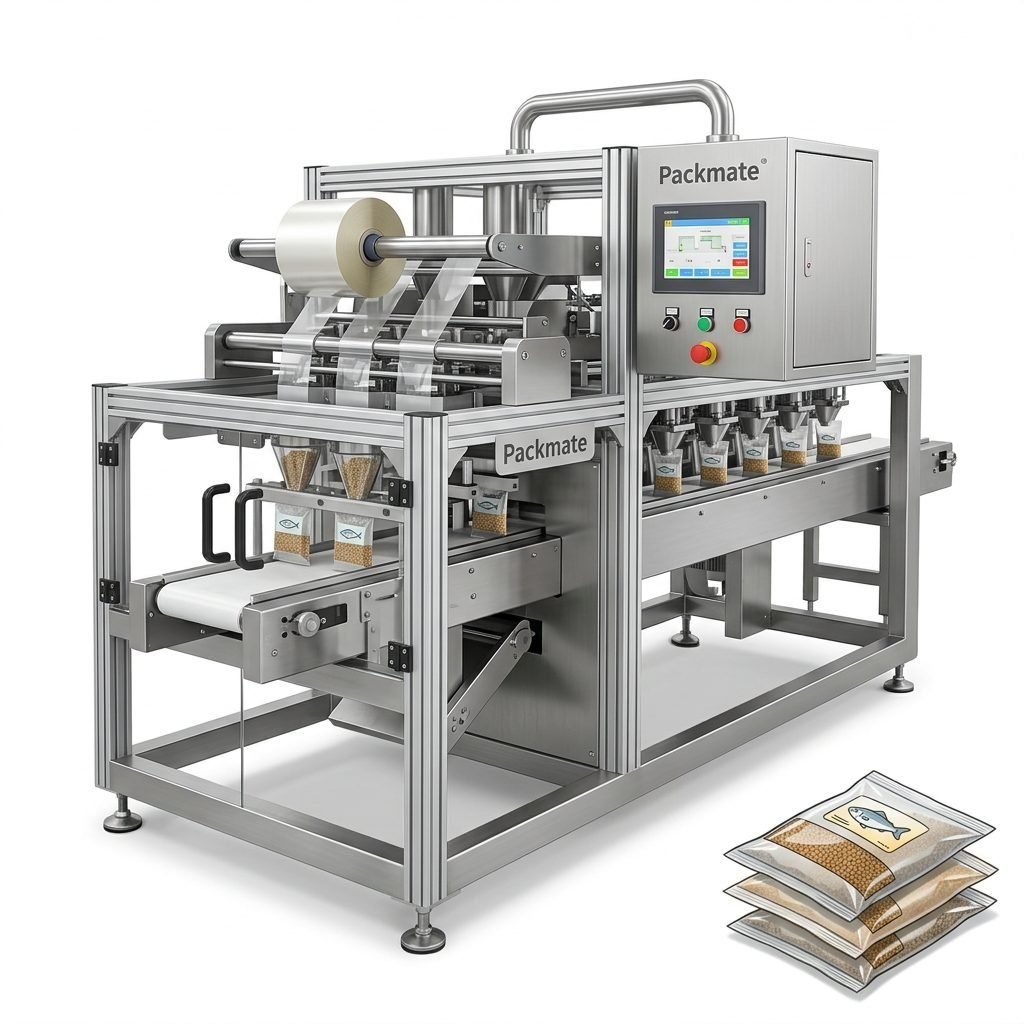
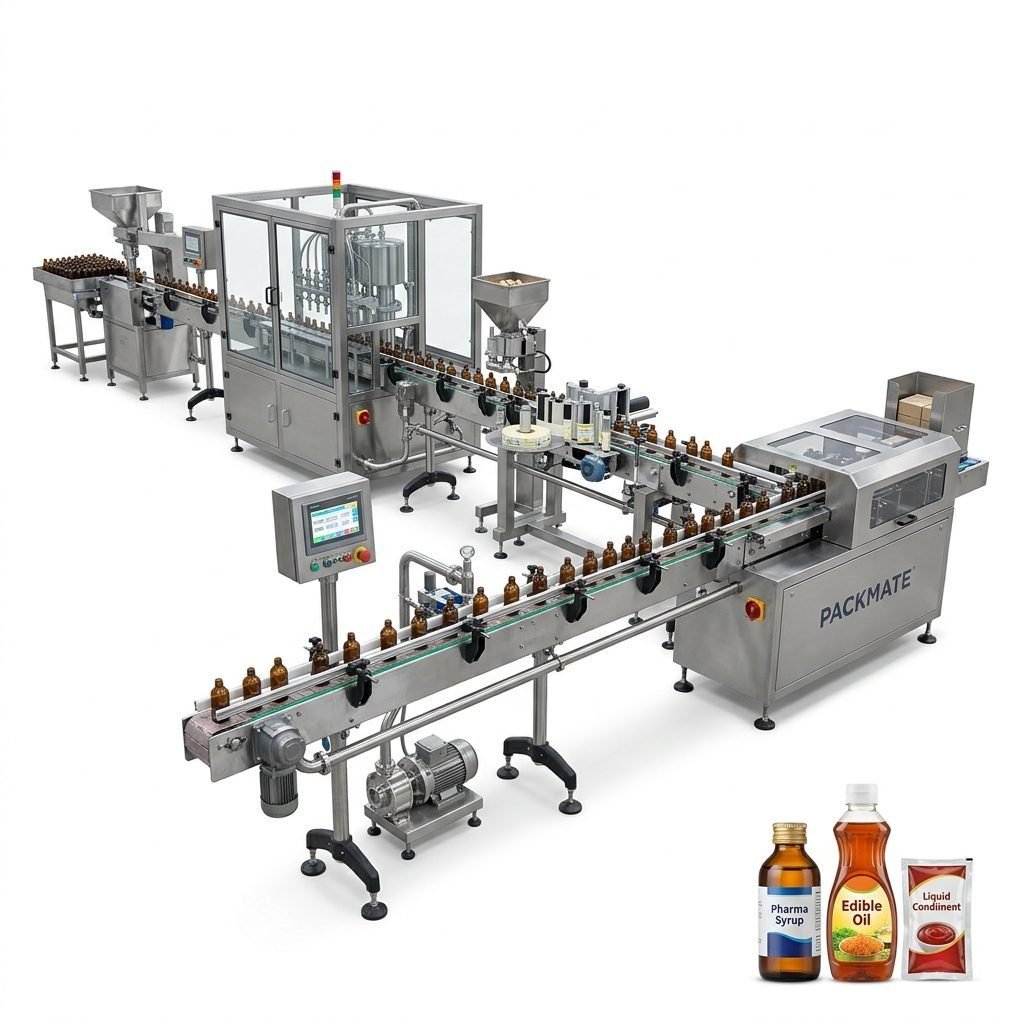
Purchasing used industrial packaging equipment can be a strategic and cost-effective decision for businesses looking to expand their production capabilities or replace aging machinery. This comprehensive guide is designed to help buyers navigate the complex market of pre-owned packaging machinery, from assessing needs to finalizing a purchase. Whether you’re in the food, pharmaceutical, or consumer goods sector, understanding the key considerations can lead to significant savings and a reliable addition to your production line.
Understanding the Market for Used Packaging Equipment
The secondary market for industrial packaging machinery is vast and varied. It includes everything from simple fillers and sealers to complex, integrated filling and packaging lines. The primary appeal is the substantial cost saving, often 40% to 70% less than the price of new equipment. This allows businesses to allocate capital to other critical areas like marketing, inventory, or facility upgrades. However, navigating this market requires diligence to avoid pitfalls associated with wear, outdated technology, and lack of support.
Key Advantage: The most compelling reason to buy used is the dramatic reduction in capital expenditure. For a growing company, this can mean the difference between stalling and scaling operations effectively.
Critical Pre-Purchase Considerations
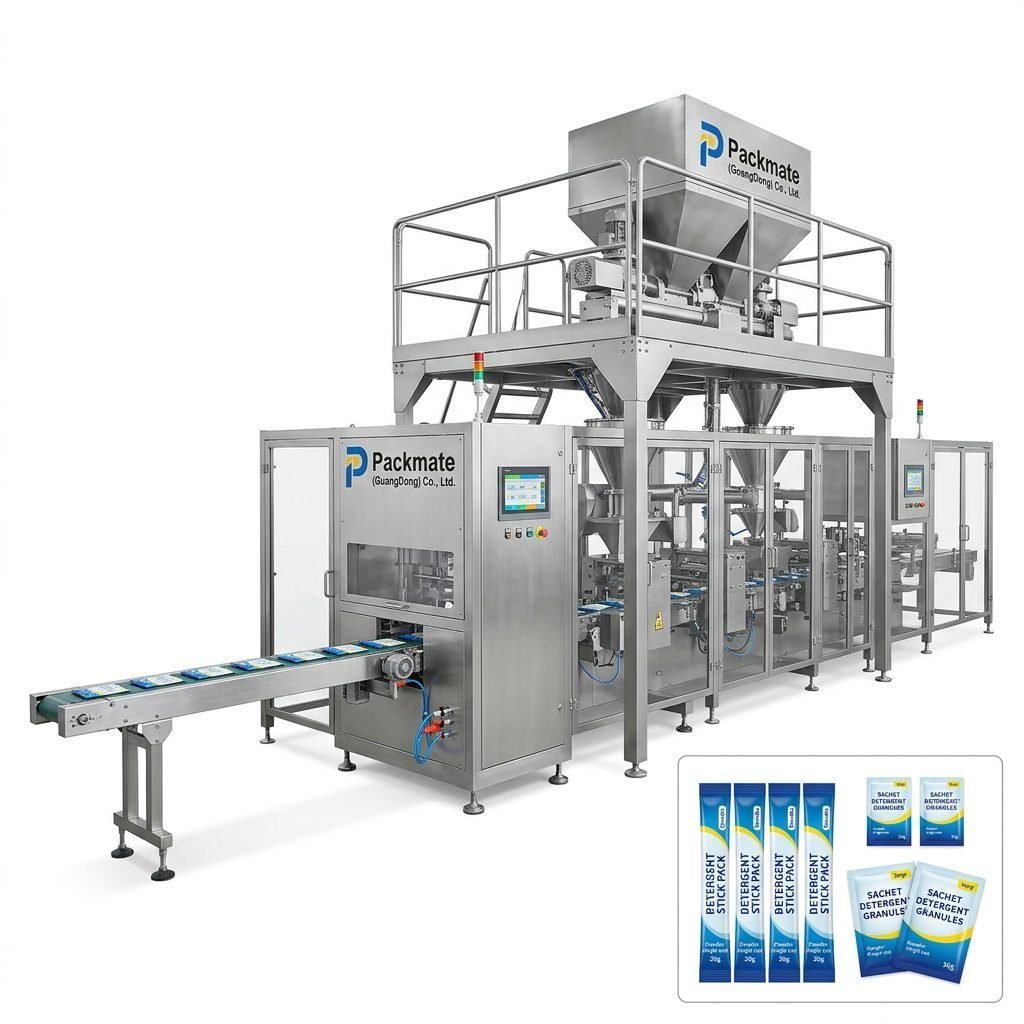
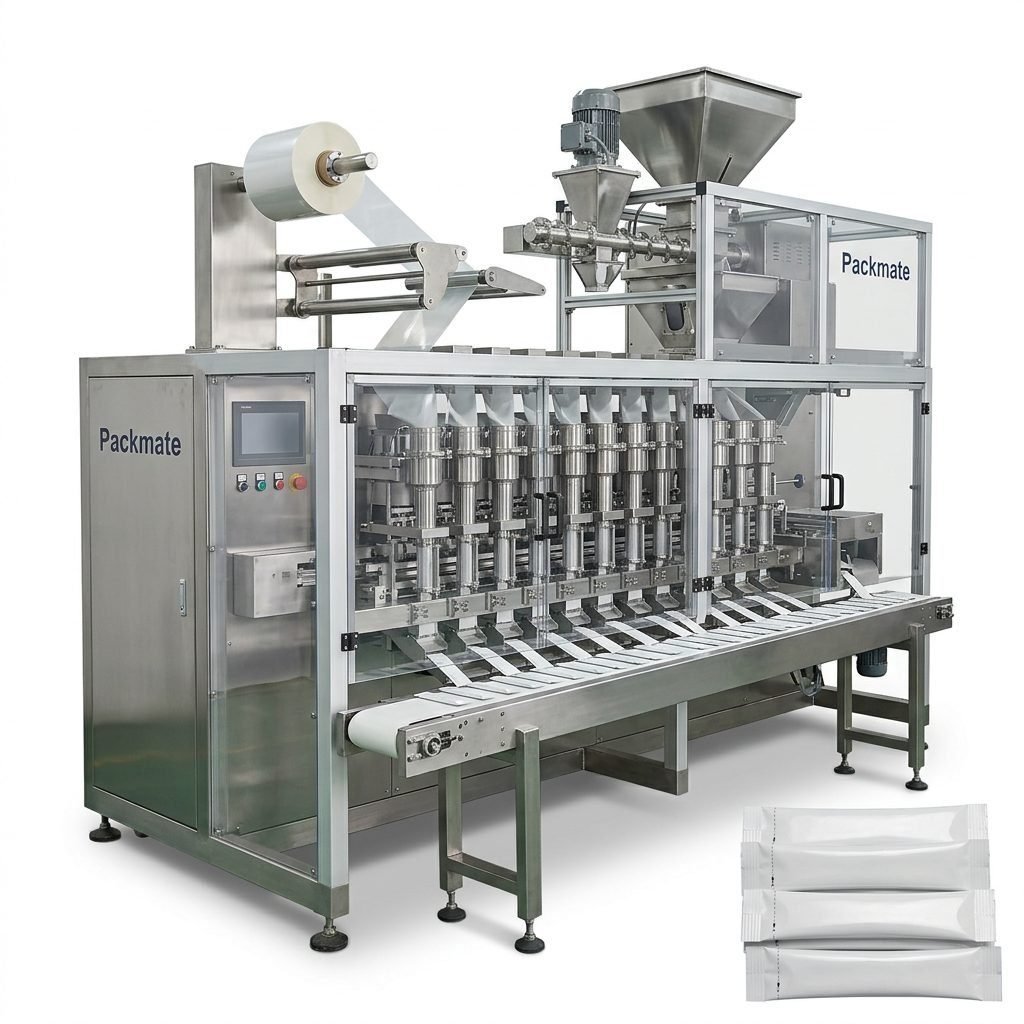
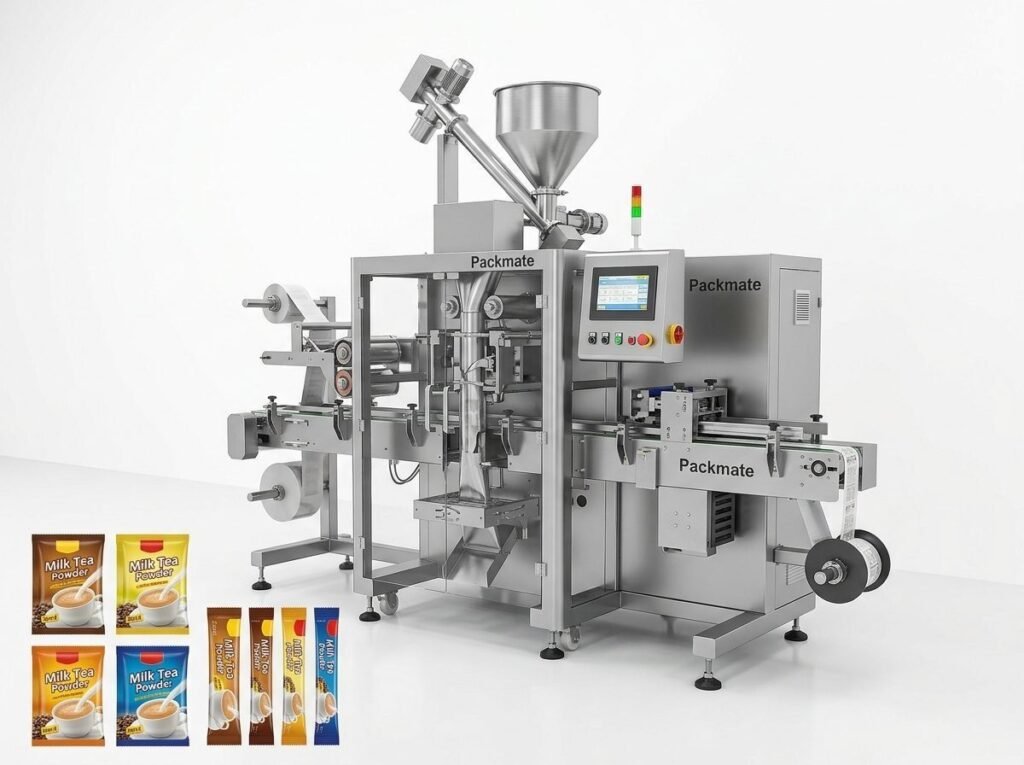
Before you start searching for equipment, a thorough internal assessment is crucial. Begin by clearly defining your production requirements: output speed (packages per minute), package type (sachets, stick packs, pouches), and the product characteristics (granules, powders, liquids). Compatibility with your existing line is paramount; a machine that doesn’t integrate smoothly can create bottlenecks. Furthermore, consider the total cost of ownership, which includes not just the purchase price but also potential refurbishment costs, installation, training, and ongoing maintenance.
Where to Source Reliable Used Equipment
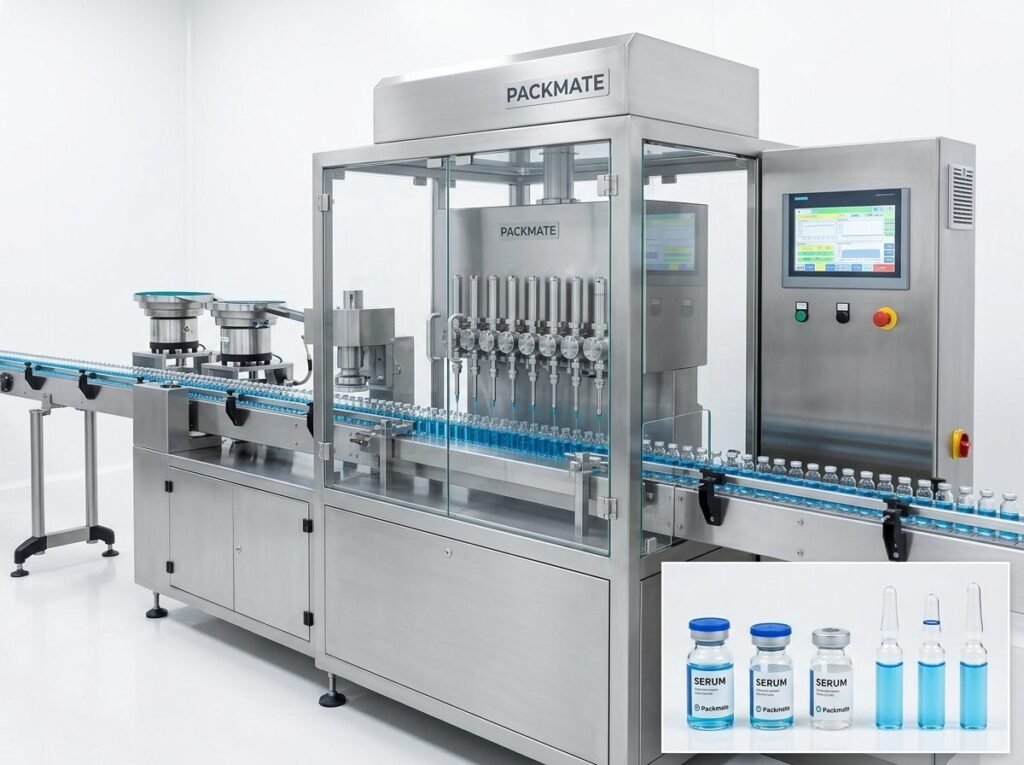
Finding a reputable source is half the battle. Options include specialized dealers and brokers, direct purchases from companies that are upgrading or closing, and online industrial auction platforms. Dealers often provide value-added services like machine reconditioning, warranties, and after-sales support, which can be invaluable. For instance, a manufacturer like Packmate Machinery, with its extensive history and global service network, can be a trusted partner not just for new machines but also for guidance on the secondary market for their own equipment models.
Inspection Checklist: What to Look For
Never buy a used machine sight unseen. A physical or detailed video inspection is mandatory. Focus on the machine’s hours of operation, general condition of frames and housings, and wear on critical components like seals, gaskets, and cutting blades. Check the control system – is it a modern PLC or an outdated relay system? Insist on seeing the machine under power, running a material similar to your own. This test run reveals issues with accuracy, sealing integrity, and overall performance that a static inspection cannot.
Evaluating Machine Condition and History
A machine’s service history is its resume. Request all available documentation: maintenance logs, repair records, manuals, and spare parts lists. Machines from industries with strict hygiene standards, like pharmaceuticals, often have better-maintained histories. Be wary of equipment that has been idle for a long period, as seals can dry out and electronics may degrade. Understanding why the seller is disposing of the equipment can also provide critical insights into its condition and any inherent limitations.
The Importance of Technical Support and Parts
The availability of technical support and spare parts is a non-negotiable factor for used equipment. Before purchasing, verify that the original manufacturer or a reputable third-party service provider can support the model. Check the lead times and costs for common wear parts. Investing in a machine from a company with an active presence, like Packmate, which offers a comprehensive range of service and support, ensures you won’t be left with an expensive paperweight if a critical component fails.
Pro Tip: When evaluating, prioritize machinery from manufacturers known for robust construction and standardized components. This increases the likelihood of finding parts and technicians familiar with the equipment, reducing future downtime.
Negotiation, Logistics, and Installation
The purchase price is just the starting point. Skilled negotiation can often include terms for a short warranty period, a supply of common spare parts, or assistance with de-installation. Once the deal is struck, plan for logistics carefully. Packaging machinery is heavy and often requires specialized rigging and transportation. Factor in the costs and complexities of installation, which may require electricians, millwrights, and integration engineers to connect the machine to your plant’s utilities and production line. Proper installation is critical for safety and performance.
Budgeting for Reconditioning and Upgrades
It is rare to find a used machine that doesn’t require some level of reconditioning. Budget for this proactively. Common tasks include deep cleaning, replacing all wear parts (seals, blades, filters), lubricating bearings, and potentially upgrading the control system or safety guards to meet current standards. While this adds to the initial cost, it transforms a used machine into a reliable, production-ready asset that can perform like new for years to come.
Final Thoughts and Making the Decision
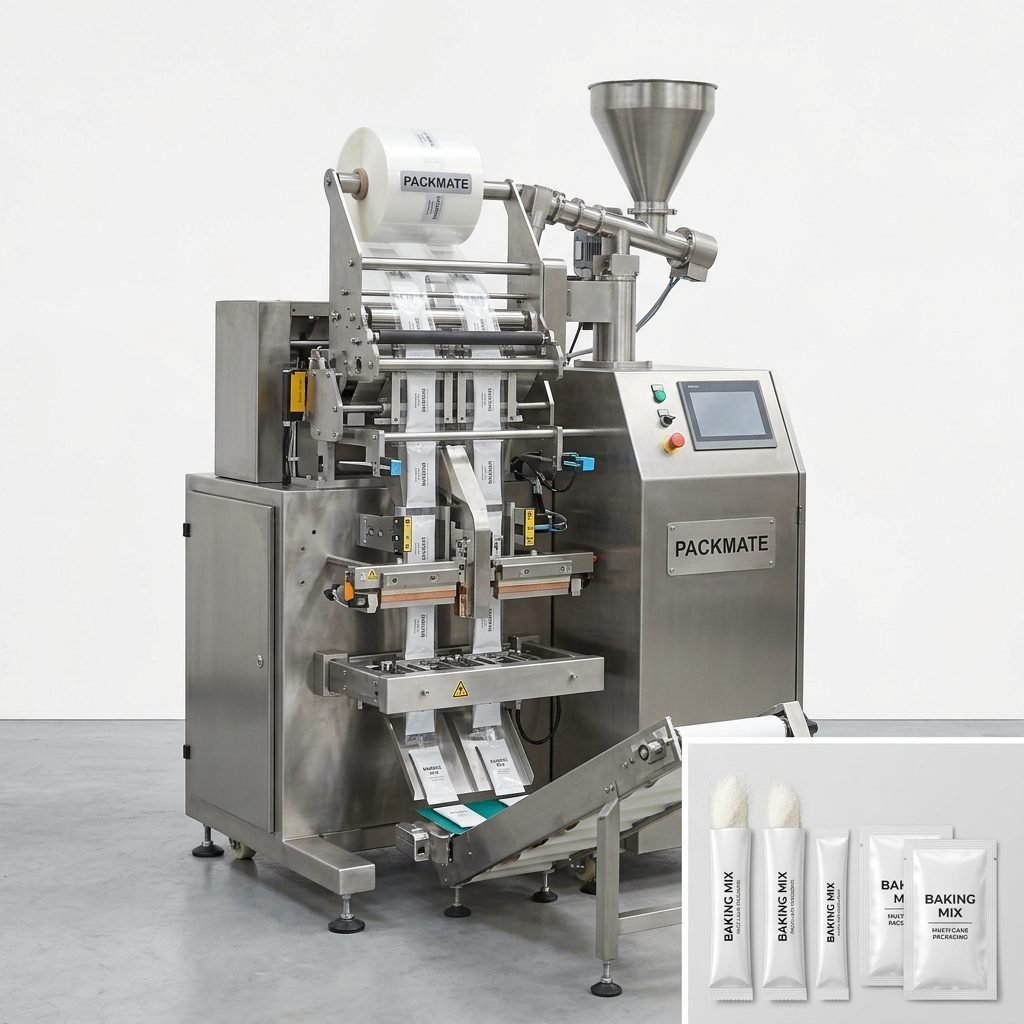
Buying used industrial packaging equipment is an exercise in risk management balanced against financial reward. It is an excellent strategy for cost-conscious buyers who are willing to invest time in research, inspection, and planning. By following this guide—defining needs, sourcing responsibly, inspecting meticulously, and planning for support and integration—you can confidently acquire machinery that boosts your productivity without breaking your budget. For a wide spectrum of packaging solutions, from sachet and stick pack machines to complete lines, understanding both new and used markets is key.
Frequently Asked Questions (FAQs)
What is the biggest risk when buying used packaging equipment?
The greatest risk is purchasing a machine with hidden mechanical, electrical, or control system faults that lead to excessive downtime and repair costs. This is mitigated by thorough inspection, reviewing service history, and buying from reputable sources that offer some form of guarantee or support.
How can I verify the production speed claims of a used machine?
Always request a live test run under conditions that mimic your production requirements. Use your own product or a close substitute. Time the run over a significant period to check for consistent speed and to identify any recurring jams or faults that wouldn’t appear in a short demo.
Are spare parts readily available for older machine models?
Availability varies greatly by manufacturer and model. Before purchasing, contact the original equipment manufacturer (OEM) or their authorized distributors to confirm the availability of critical spare parts. For some legacy models, parts may need to be custom-machined, which is more expensive and time-consuming.
Is it worth upgrading the controls on an older used machine?
Often, yes. Retrofitting an older mechanical machine with a modern PLC (Programmable Logic Controller) and HMI (Human-Machine Interface) can significantly improve reliability, ease of use, diagnostic capabilities, and sometimes even speed. It also makes finding technicians to service the machine much easier.
Can used equipment be integrated into a modern automated line?
Yes, but it requires careful planning. The machine’s communication capabilities (e.g., support for industry-standard protocols like OPC, Ethernet/IP) and physical interfaces must be assessed. An integration engineer can determine what modifications or additional hardware are needed to make the used machine communicate effectively with newer PLCs and plant monitoring systems.