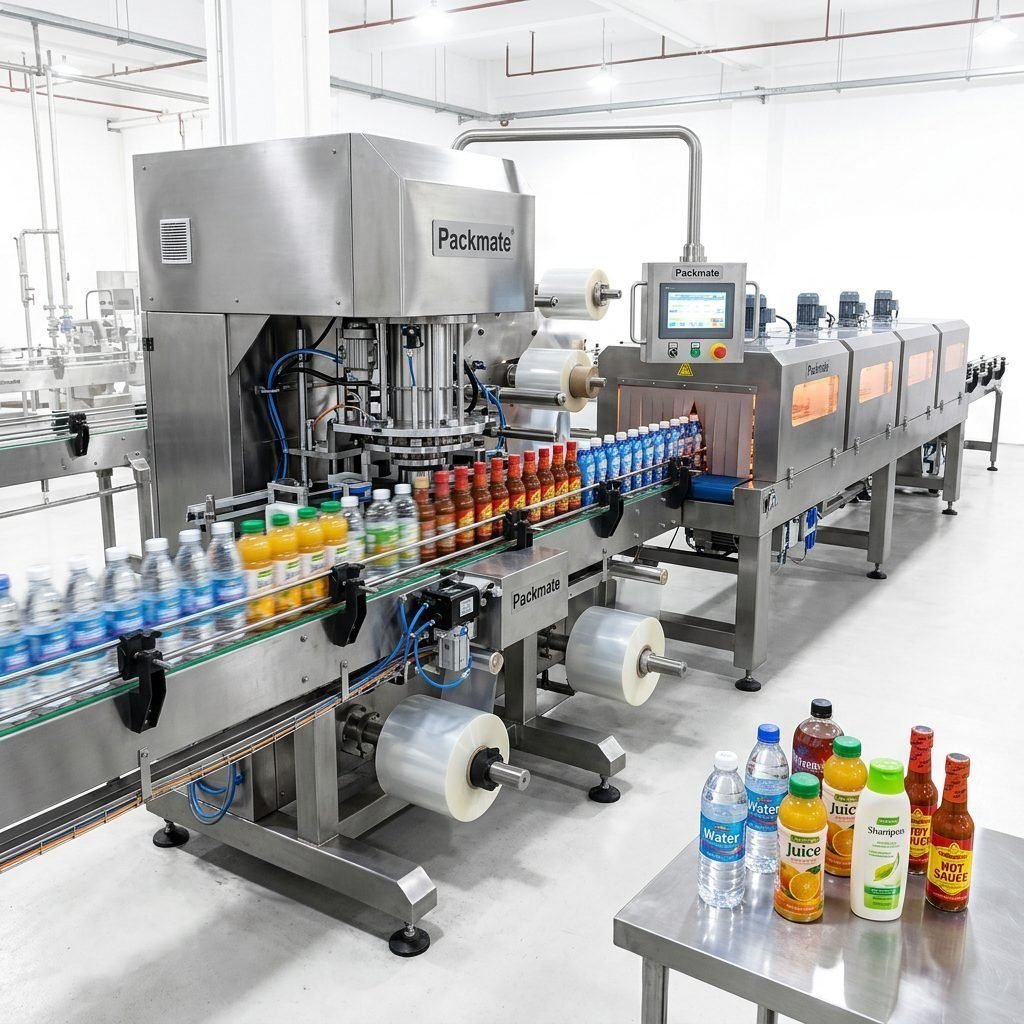
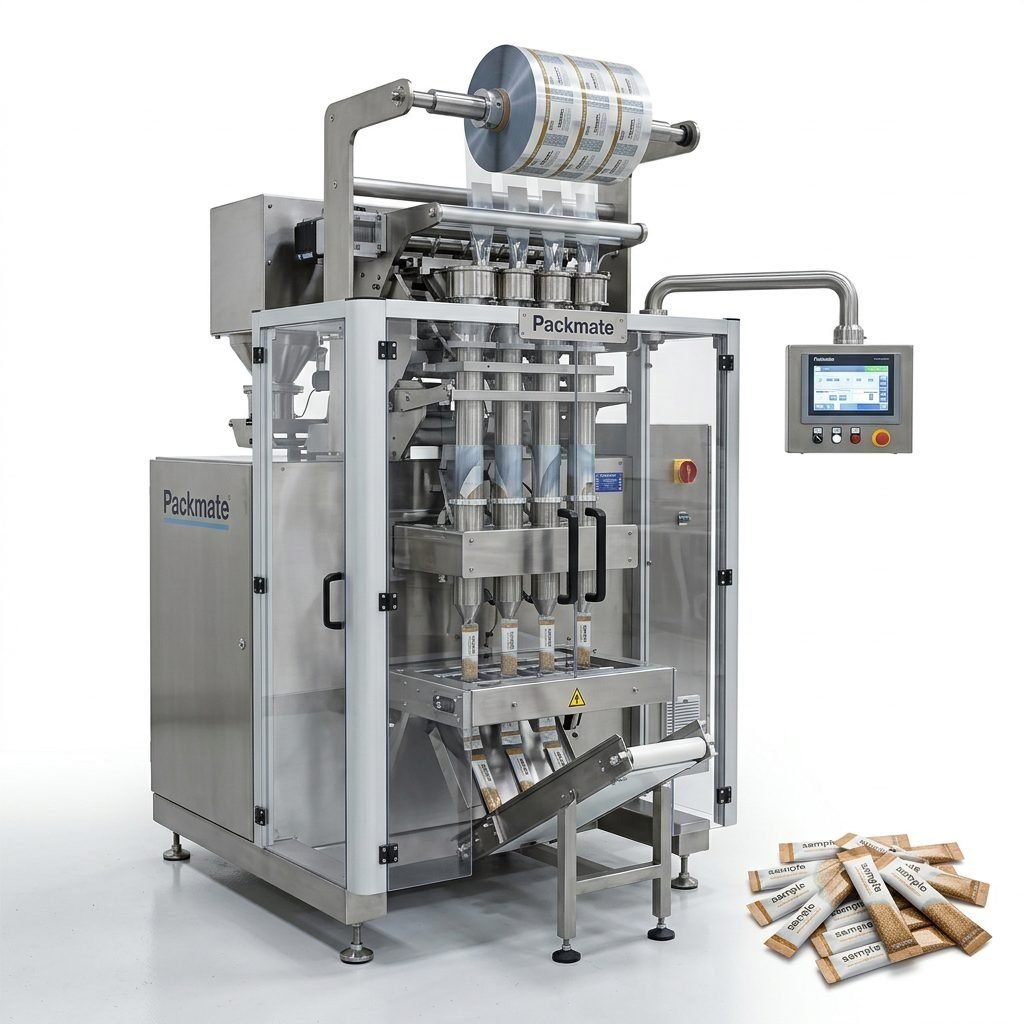
In today’s fast-paced food industry, maintaining product freshness, extending shelf life, and ensuring safe transportation are paramount. Vacuumized food packaging machines have become an indispensable solution for manufacturers worldwide. By removing air from the packaging, these machines create a protective environment that significantly slows down oxidation and inhibits the growth of spoilage microorganisms. This technology is crucial for a wide range of products, from perishable meats and cheeses to dried fruits, nuts, and ready-to-eat meals. Investing in the right vacuum packaging equipment is not just a purchase; it’s a strategic decision that impacts product quality, operational efficiency, and ultimately, customer satisfaction and brand reputation.
Core Types of Vacuumized Food Packaging Machines
The market offers a diverse array of vacuum packaging machines, each designed for specific production scales, product types, and packaging materials. Understanding the differences is the first step toward making an informed investment.
Chamber Vacuum Machines
These are the workhorses of the industry, ideal for liquid-rich or moist products like soups, sauces, marinated meats, and fresh produce. The product is placed inside a sealed chamber. The machine evacuates air from the entire chamber before heat-sealing the bag. This method is highly effective and prevents liquid from being sucked into the pump. They are commonly used in medium to high-volume production settings, including central kitchens and food processing plants.
External (Nozzle) Vacuum Sealers
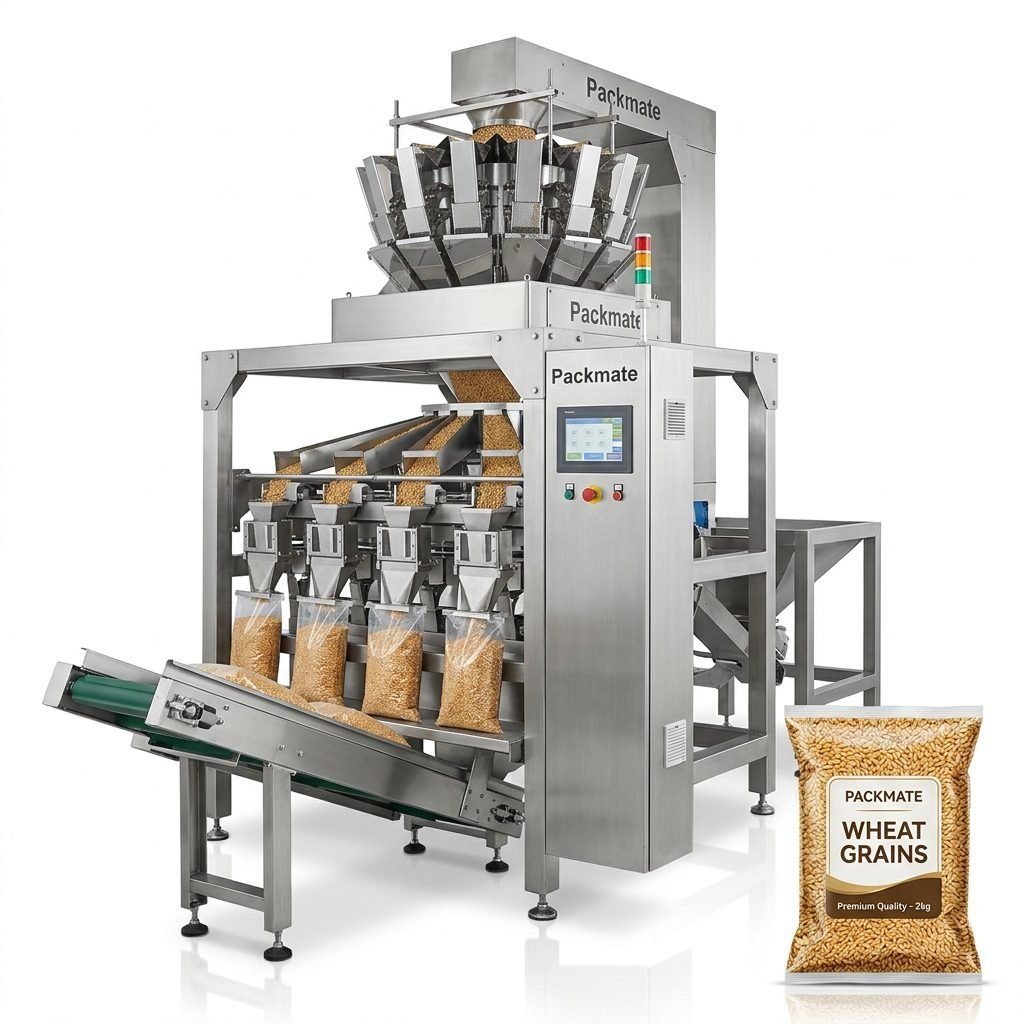
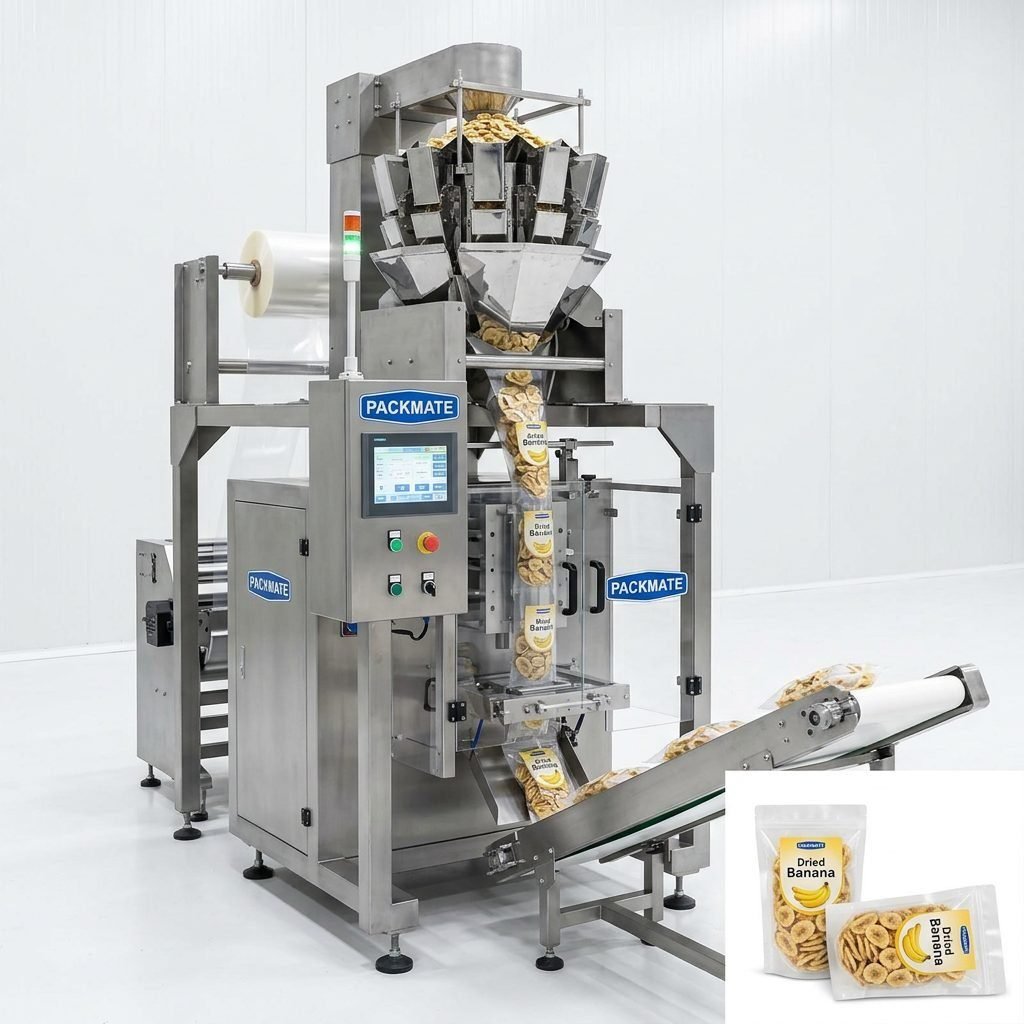
External vacuum sealers are more compact and often used for dry products such as spices, powders, grains, and dried snacks. A nozzle is inserted into the open end of a specially designed bag, and air is extracted directly through it before sealing. These machines are popular for their speed and suitability for smaller batch operations, retail packaging, and sous-vide applications.
Automatic Belt Vacuum Machines
For high-speed, continuous production lines, automatic belt vacuum machines are the solution. Products are automatically fed onto a conveyor belt, which transports them through the vacuum chamber for sealing. This type is essential for large-scale operations packaging items like cheese blocks, smoked fish, or pre-portioned meat cuts, offering unparalleled throughput and consistency.
Skin Packaging Machines
This specialized type creates a dramatic, “second-skin” presentation. A heated film is draped over the product, which sits on a pre-printed cardboard base. As air is evacuated, the film shrinks tightly to the product’s contours. This method is excellent for showcasing the product, providing excellent visibility, and is widely used for premium cuts of meat, seafood, and gourmet items in retail displays.
Primary Uses and Industry Applications
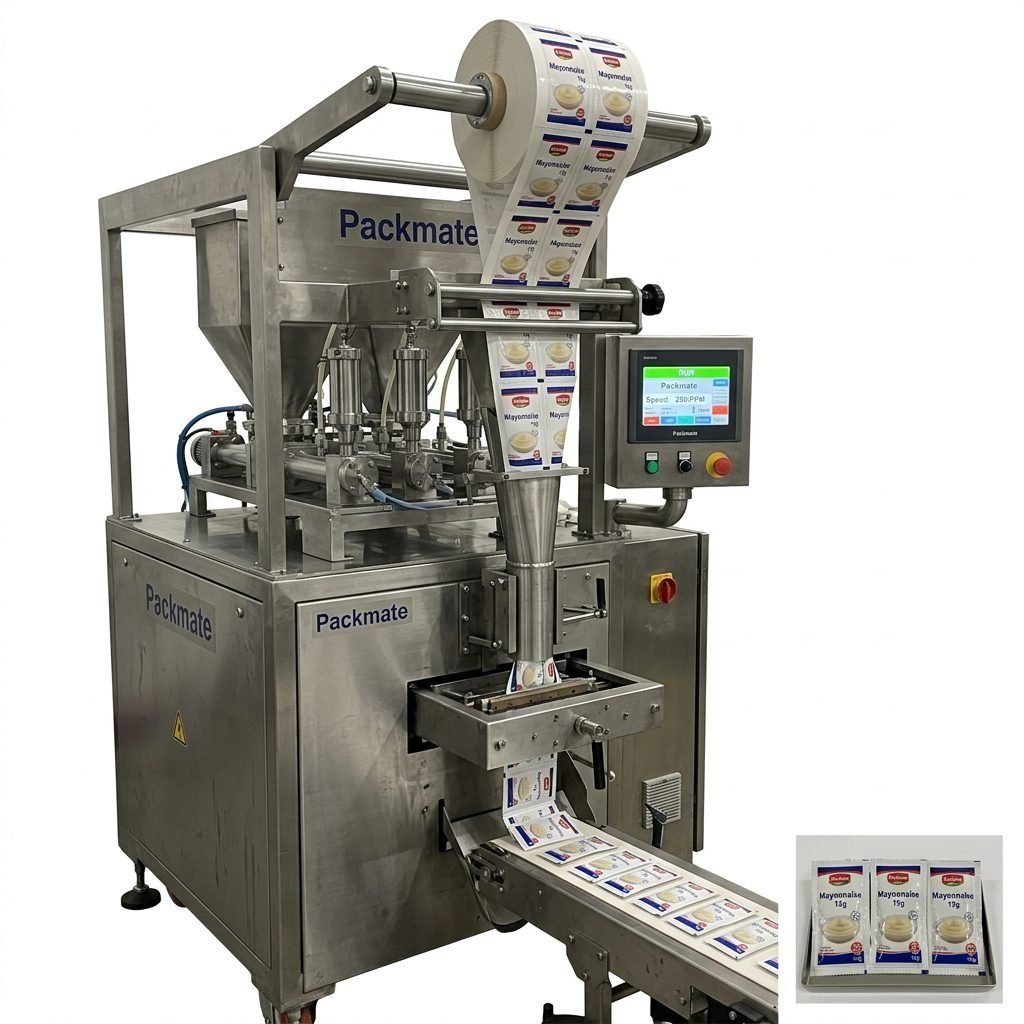
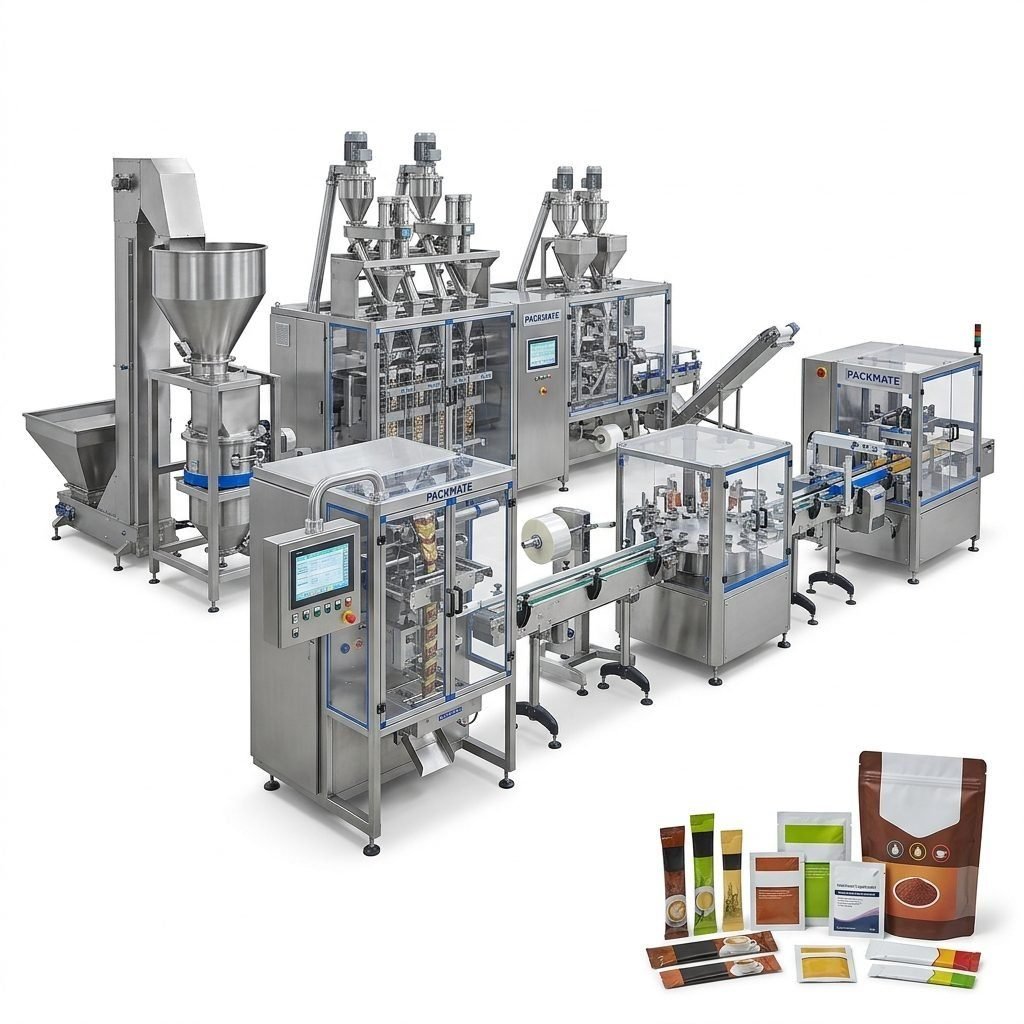
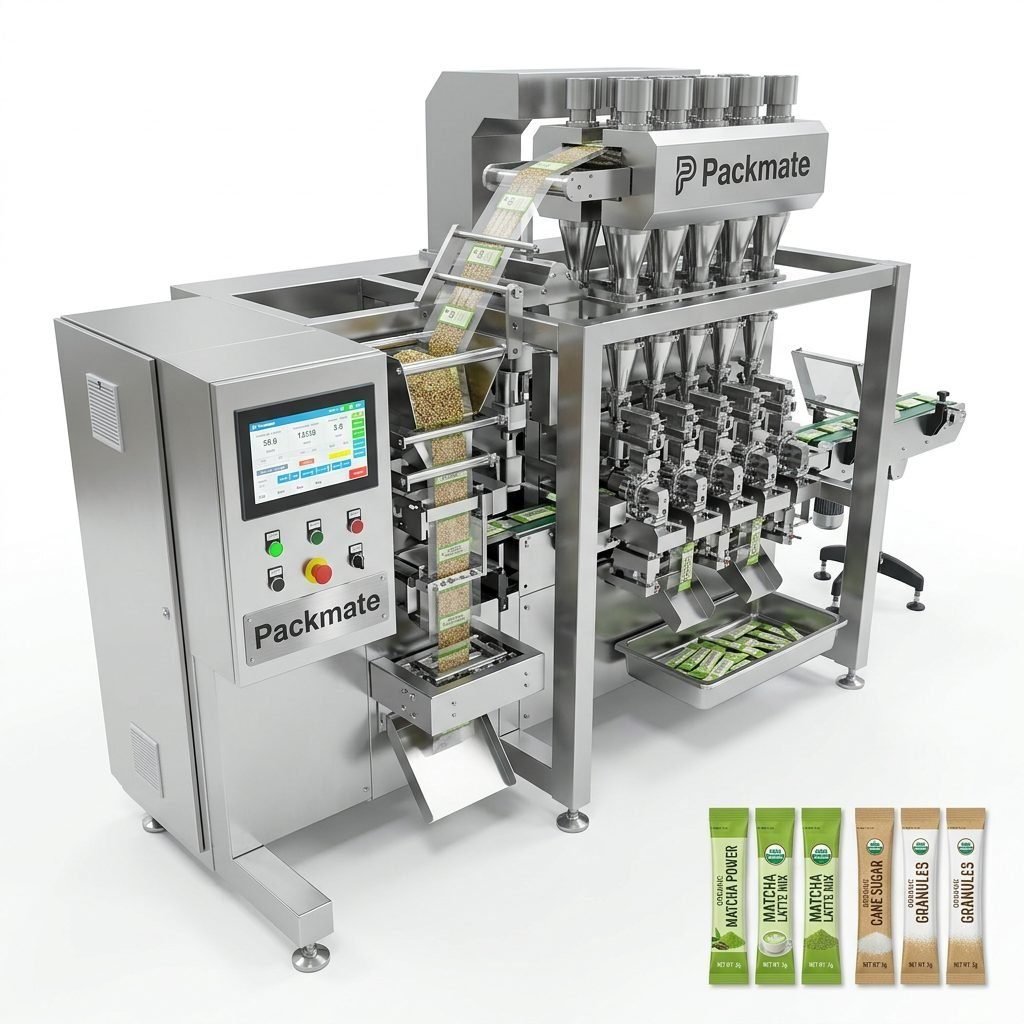
Vacuum packaging serves multiple critical functions across the food supply chain. Its primary use is shelf-life extension, which can increase the freshness of products by three to five times compared to conventional packaging. By creating an oxygen-free environment, it prevents the growth of aerobic bacteria, yeast, and mold. Secondly, it provides a robust barrier against contamination and physical damage during handling, storage, and logistics. The tight seal protects against moisture, odors, and freezer burn, making it ideal for frozen foods. Furthermore, vacuum packaging is key for marinating and curing processes, as the vacuum pressure helps infuse flavors deeply and evenly into the food. From large meat processors and dairy companies to specialty coffee roasters and snack manufacturers using sachet lines, the technology is universally applied to preserve quality and value.
Comprehensive Buying Guide: Key Factors to Consider
Selecting the right vacuumized food packaging machine requires a careful analysis of your specific needs. Rushing this decision can lead to inefficiency, increased costs, and product waste.
1. Assess Your Production Volume and Speed
Your required output is the most decisive factor. For a small deli or butcher shop packaging a few dozen items per day, a single-chamber machine may suffice. For a factory requiring thousands of packages per shift, a double-chamber or fully automatic rotary filling and packaging line is necessary. Consider not just current needs but also projected growth to ensure your investment is future-proof.
2. Match the Machine to Your Product Type
The physical state of your product dictates the machine type. As mentioned, chamber machines handle liquids best. For delicate, irregularly shaped items like bakery goods or leafy greens, a machine with gentle evacuation settings or a skin packager might be needed. Ensure the machine’s sealing specifications (like seal bar length and temperature control) are compatible with your chosen packaging films.
3. Evaluate Packaging Material Compatibility
Not all machines work with all films. You need a machine that can reliably seal the specific multilayer laminates or co-extruded films required for your product’s barrier needs (e.g., high oxygen or moisture barrier). Discuss your material specifications with the manufacturer to confirm compatibility.
4. Prioritize Build Quality and Reliability
In industrial environments, downtime is costly. Look for machines constructed from food-grade stainless steel in critical areas for durability and hygiene. The quality of the vacuum pump (e.g., oil-lubricated vs. oil-less) and sealing elements are paramount. A reputable manufacturer with a track record of quality, like Packmate Machinery, which brings over 30 years of engineering expertise, offers peace of mind through robust construction and reliable performance.
5. Consider Automation and Integration Potential
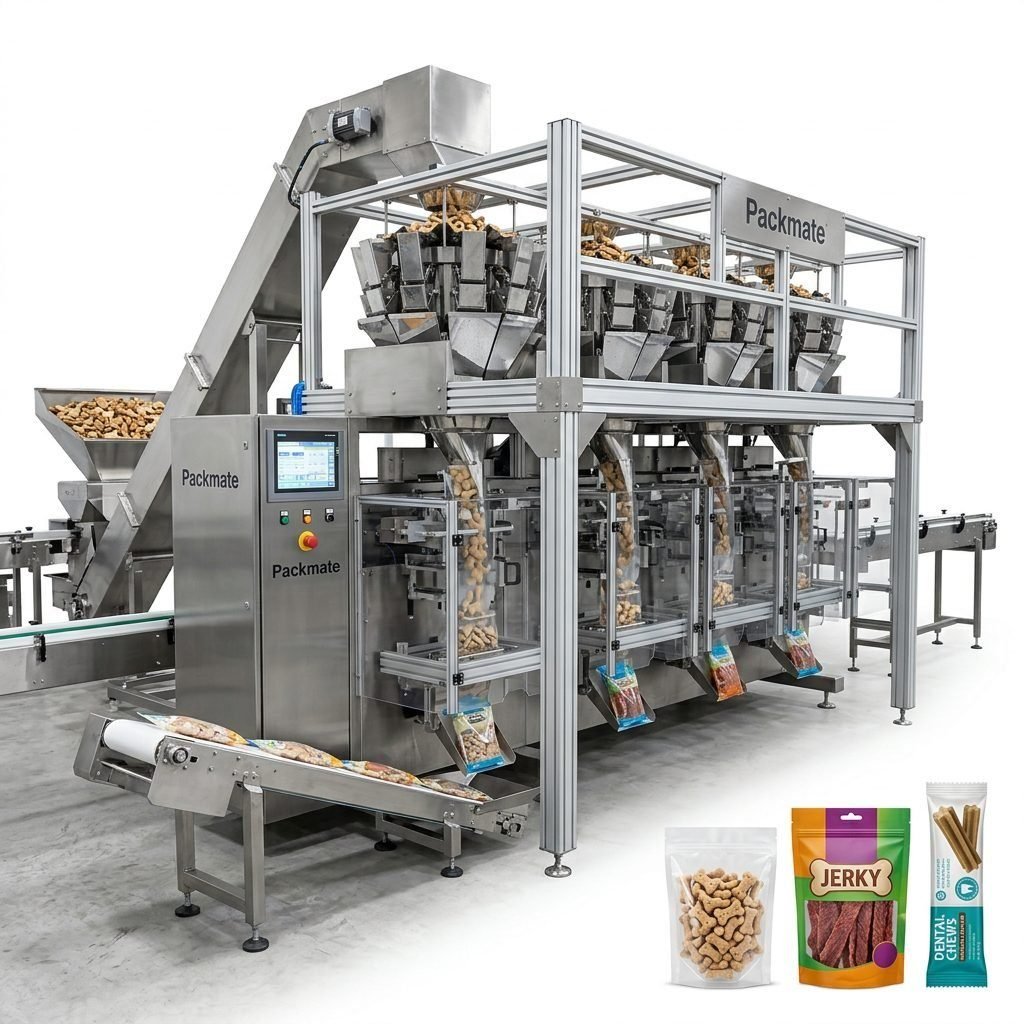
Modern packaging is about connected systems. Can the machine be integrated with upstream equipment like multi-head weighers or downstream labelers and case packers? Features like programmable logic controllers (PLCs), user-friendly touchscreen interfaces, and data output for tracking are significant advantages for efficient line management and traceability.
6. Understand Total Cost of Ownership (TCO)
Look beyond the initial purchase price. Factor in the cost of maintenance, availability and price of spare parts, energy consumption, and required operator training. A slightly more expensive machine from a supplier with excellent after-sales service and readily available parts often proves more economical in the long run than a cheaper alternative with poor support.
FAQs: Common Questions About Vacuumized Food Packaging Machines
What is the main advantage of vacuum packaging over other methods?
The primary advantage is the dramatic extension of shelf life by removing oxygen, which is the main cause of food spoilage through oxidation and microbial growth. This leads to reduced food waste, safer products, and the ability to distribute goods over longer distances.
Can I use any plastic bag with a vacuum sealer?
No. You must use bags specifically designed for vacuum sealing. They are made from multi-layer materials with specific barrier properties and are constructed to withstand the vacuum pressure without letting air back in. Using improper bags will result in poor seals and failed packaging.
How do I maintain my vacuum packaging machine to ensure longevity?
Regular maintenance is crucial. This typically includes daily cleaning of the sealing area and chamber to remove debris, regularly checking and cleaning the oil level and filter in the vacuum pump (if applicable), and inspecting the seal bar for wear or residue. Always follow the manufacturer’s specific maintenance schedule outlined in the manual.
Is vacuum packaging safe for all types of food?
While excellent for preservation, vacuum packaging requires careful handling for certain foods. For example, some anaerobic bacteria (like Clostridium botulinum) can grow in oxygen-free environments if the food is not properly handled, refrigerated, or frozen. It is not a substitute for proper food safety practices, cooking, or refrigeration where required.
What should I look for in a supplier or manufacturer?
Choose a supplier with proven industry experience, a solid reputation for build quality, and responsive technical support. Evaluate their range of machines, availability of spare parts, and willingness to provide references or case studies. A partner that offers comprehensive service, from installation and training to ongoing support, is invaluable for your operation’s success.