Automation in Food Packaging: A Game Changer for the Food Industry
The food industry is experiencing a revolutionary transformation, driven by the integration of automation in food packaging. With the growing demand for efficiency, safety, and sustainability, automated packaging solutions are rapidly replacing traditional manual processes. This shift is not only enhancing productivity but also ensuring the highest standards of quality and compliance. In this article, we explore how automation in food packaging is reshaping the industry, the key advantages, and the technological innovations spearheaded by leading companies such as Packmate.

What Is Automation in Food Packaging?
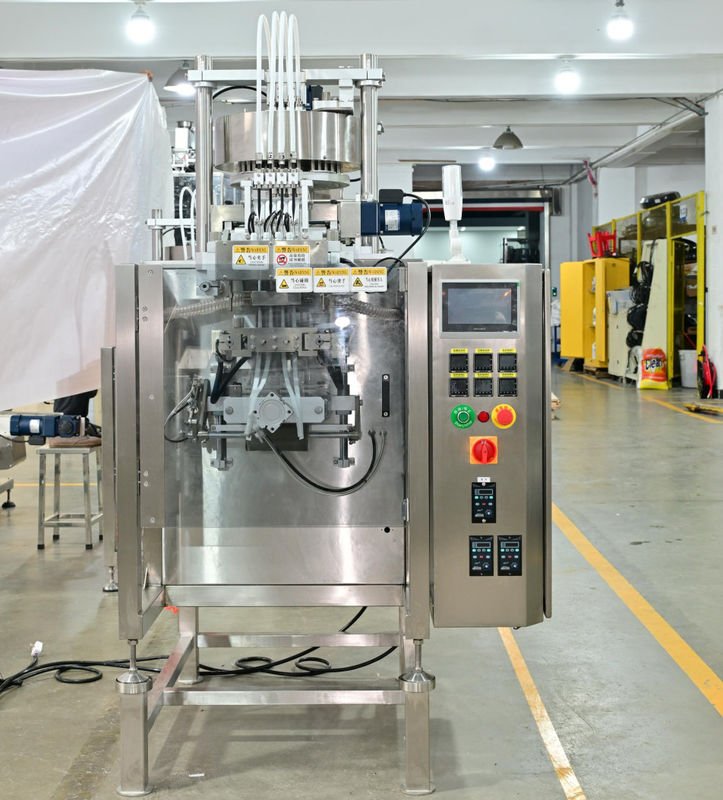
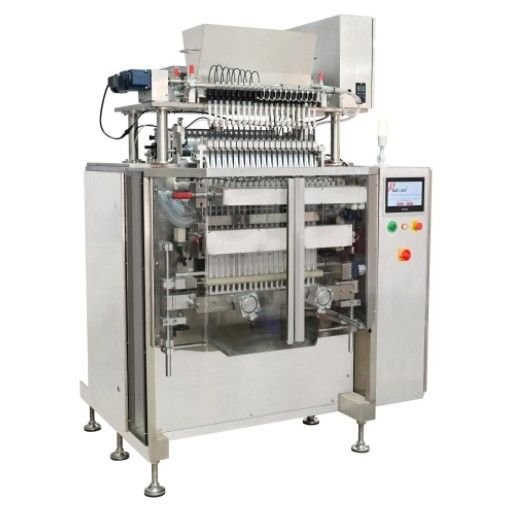
Automation in food packaging refers to the use of intelligent machines and advanced technologies to perform packaging processes with minimal human intervention. These processes include weighing, filling, sealing, labeling, coding, and palletizing. By utilizing automated packaging machine solutions, companies achieve faster speeds, better accuracy, and consistent quality across all product lines.
Key Benefits of Automated Food Packaging
- Increased Efficiency: Automation dramatically reduces the time required for packaging, allowing manufacturers to meet higher production demands without additional labor costs.
- Improved Safety: Automated systems minimize human contact with food, reducing contamination risks and ensuring compliance with stringent hygiene standards.
- Consistent Quality: Machines operate with high precision, maintaining uniform packaging standards and minimizing defects.
- Cost Savings: By reducing labor needs and material wastage, automation delivers significant cost advantages over manual operations.
- Sustainability: Modern automated systems optimize material usage and energy consumption, supporting environmental goals and regulatory compliance.
How Automation Is Transforming Food Packaging Lines
The introduction of automated packaging machines has revolutionized every stage of the packaging process. From primary packaging—such as bagging, wrapping, and sealing—to secondary packaging like boxing and palletizing, automation ensures smooth, uninterrupted operations. Smart sensors, real-time monitoring, and machine learning algorithms further enhance the efficiency and reliability of packaging lines.
Real-World Impact: Case Study of a Leading Manufacturer
Packmate (GuangDong) Co., Ltd., a pioneer in intelligent packaging solutions, exemplifies the transformative power of automation. With over 22 years of development and a modern 20,000㎡ facility, Packmate delivers advanced packaging machine technology globally. Their systems comply with EU and GMP standards, ensuring both safety and efficiency for food producers worldwide.
Technological Innovations Shaping the Future
Modern automated food packaging leverages a range of advanced technologies:
- Robotics: High-speed robotic arms handle repetitive and heavy tasks, ensuring precision and reducing strain on human workers.
- Vision Systems: Cameras and sensors inspect product quality, detect defects, and guide automated sorting and labeling.
- IoT Integration: Machines are connected for real-time monitoring, remote diagnostics, and predictive maintenance, minimizing downtime.
- Smart Controls: Advanced PLCs and touchscreens allow operators to customize settings and monitor production in real time.
- Data Analytics: Automated systems generate valuable production data, enabling continuous improvement and informed decision-making.
Meeting Global Standards for Food Safety and Quality
Food packaging automation plays a critical role in meeting international safety and quality standards. Automated lines minimize human error and contamination, helping companies comply with GMP, CE, ISO, and other regulatory requirements. Manufacturers like Packmate invest in precision engineering and rigorous quality control to ensure every packaging machine delivers consistent, reliable performance even in demanding production environments.
Sustainability and Environmental Impact
Automation enables eco-friendly packaging practices by optimizing material use, reducing waste, and enhancing energy efficiency. Automated machines can be programmed to use recyclable materials, minimize package size, and reduce over-packaging. As sustainability becomes a key concern for food brands and consumers alike, automated packaging lines offer a practical path to achieving green manufacturing goals.
The Role of Skilled Teams and Continuous Innovation
The success of automated food packaging relies on experienced engineering teams and a culture of continuous innovation. Packmate, for example, employs over 125 professionals and holds more than 30 patents, demonstrating a strong technical foundation and commitment to R&D. Such expertise ensures that packaging machines are not only reliable but are also equipped with the latest features to meet evolving market needs.
Global Reach and Reliable Local Support
Automation in food packaging is not limited by geography. Leading manufacturers have established global networks, ensuring rapid delivery, responsive technical support, and after-sales service. With products exported to Europe, the Americas, Africa, the Middle East, and Southeast Asia, companies like Packmate deliver localized solutions with international quality standards.
Why Choose Automated Packaging Machines?
- Faster Production Cycles: Meet market demands swiftly without compromising quality.
- Enhanced Food Safety: Reduce contamination risks and ensure compliance with international standards.
- Lower Operational Costs: Achieve more with less labor, less waste, and minimal downtime.
- Scalable Solutions: Adapt to changing production volumes and packaging formats effortlessly.
- Future-Ready Technology: Stay ahead with machines designed for evolving industry needs and digital integration.
How to Transition to Automated Food Packaging
Transitioning to automation requires careful planning, investment in the right machinery, and training for staff. Leading suppliers like Packmate offer comprehensive support, from equipment selection and installation to ongoing technical assistance. By partnering with an experienced manufacturer, food producers can seamlessly upgrade their operations and realize the full benefits of automation.
Conclusion: Embracing the Future of Food Packaging
Automation is rapidly transforming the food packaging landscape, enabling higher efficiency, improved safety, and sustainable growth. As technologies advance and market demands evolve, automated packaging solutions will become even more essential for maintaining competitiveness and meeting consumer expectations. Companies that invest in automation today are paving the way for a smarter, safer, and more productive future.
Frequently Asked Questions (FAQ)
What types of food packaging can be automated?
Almost all types of food packaging can be automated, including pouch, tray, bottle, carton, and bag packaging. Automation is suitable for dry goods, liquids, powders, and frozen foods.
Is automated food packaging safe for all food products?
Yes, automated systems are designed to meet strict hygiene and safety standards, reducing contamination risks and ensuring compliance with regulations like GMP, CE, and ISO.
How much can companies save with automated packaging?
Companies typically save on labor, materials, and downtime, with many reporting ROI within 1–3 years. Cost savings depend on production scale and process optimization.
What support is available for companies transitioning to automation?
Leading packaging machine manufacturers offer full-service support, including equipment selection, installation, operator training, and ongoing maintenance.
Where can I learn more about automated packaging machines?
Visit Packmate for detailed information, product catalogs, and expert advice on choosing the right automation solutions for your food packaging needs.