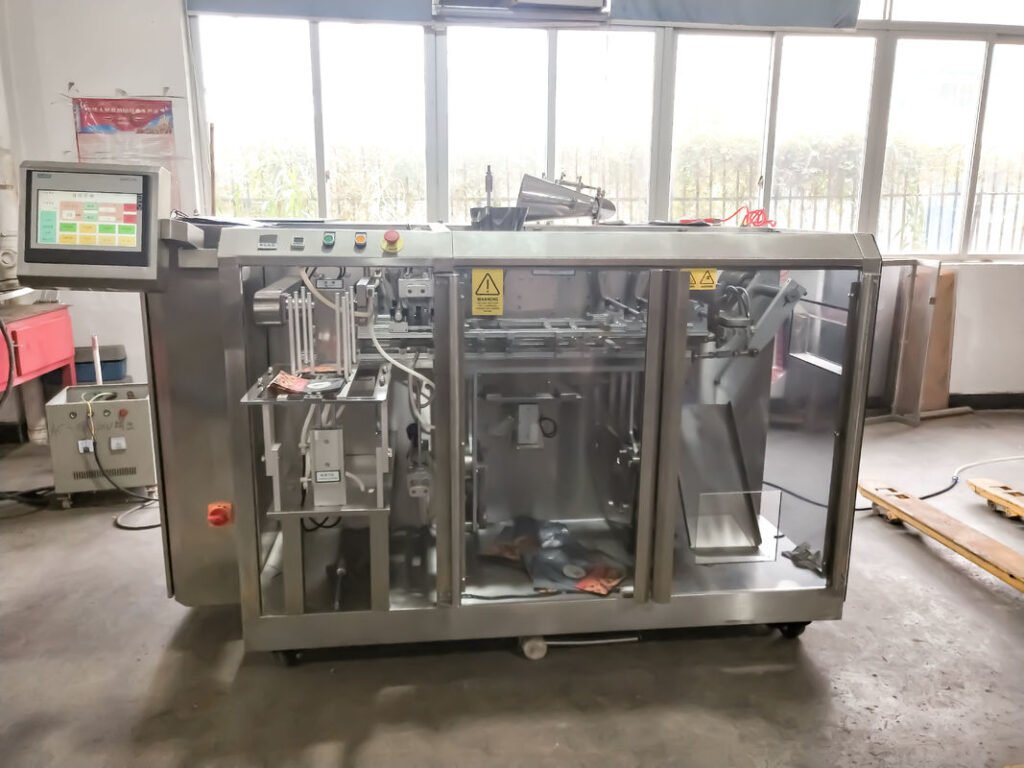
The Critical Importance of Customer Service in Packaging Equipment
In the packaging machinery industry, the quality of customer service often determines the long-term success of equipment investments more than the machines themselves. While advanced technology and precision engineering form the foundation of effective packaging solutions, the ongoing support, technical expertise, and responsive service that manufacturers provide ultimately define the true value customers receive. Exceptional customer service transforms one-time equipment purchases into lasting partnerships that drive operational excellence, maximize equipment performance, and ensure businesses achieve their production goals consistently.

The packaging equipment landscape has evolved dramatically, with modern packaging machine systems incorporating sophisticated automation, complex integration requirements, and advanced technologies that demand comprehensive support infrastructure. Businesses investing in these solutions require more than just equipment delivery—they need committed partners who stand behind their products with knowledgeable technicians, accessible resources, proactive maintenance programs, and genuine dedication to customer success.
This comprehensive examination explores what constitutes truly exceptional customer service in the packaging machinery sector, the specific elements that differentiate superior support from basic service offerings, and how businesses can evaluate manufacturers based on their service capabilities. Understanding these critical factors empowers packaging equipment buyers to make informed decisions that optimize not just their initial equipment purchase but their entire operational experience over the equipment’s productive lifetime.
Core Elements of Exceptional Packaging Equipment Customer Service
Superior customer service in packaging equipment encompasses multiple interconnected elements that work together to support customers throughout their entire equipment ownership experience, from initial consultation through years of productive operation.
Dedicated Service Infrastructure and Accessibility
A robust service infrastructure provides the foundation for responsive customer support, ensuring customers can access assistance whenever needs arise without navigating complex phone systems or waiting extended periods for responses. Modern service infrastructure combines digital platforms with human expertise, creating seamless support experiences that address customer needs efficiently.
Dedicated customer service portals represent essential components of contemporary support systems, providing centralized access to technical resources, service request submission, equipment documentation, parts ordering, and support communication. These digital platforms enable customers to find solutions independently for routine questions while facilitating rapid connection to expert technicians when complex issues require human intervention. Well-designed service portals operate 24/7, accommodating customers across different time zones and production schedules that may run outside traditional business hours.
Essential customer service infrastructure components include:
• Dedicated online service portals with comprehensive resources and support tools
• Direct access to factory-trained technical support specialists
• Multiple communication channels including phone, email, and digital messaging
• Comprehensive equipment documentation and troubleshooting guides
• Remote diagnostic capabilities for rapid problem identification
• Spare parts inventory and expedited delivery systems
• Service request tracking and communication management
The accessibility of service support significantly impacts customer satisfaction and operational continuity. Leading manufacturers staff their support teams with factory-trained technicians who possess deep knowledge of equipment design, common issues, and effective solutions rather than generalist call center representatives reading from scripts. These technical specialists understand customer production pressures and can provide authoritative guidance that resolves issues quickly and effectively.
Comprehensive Training and Education Programs
Thorough equipment training represents one of the most valuable services packaging machinery manufacturers provide, directly impacting how effectively customers utilize their equipment investments. Comprehensive training programs ensure operators understand not just basic machine operation but the underlying principles that enable them to optimize performance, troubleshoot common issues independently, and maintain equipment properly.
Superior training programs begin before equipment installation, educating customer teams about machine capabilities, operational requirements, and facility preparation needed for successful implementation. Pre-installation training helps customers prepare adequately, avoiding delays and complications during startup. Installation training conducted by skilled service technicians covers equipment assembly, operational setup, initial calibration, and performance verification using customer products under actual production conditions.
Operational training provides hands-on instruction covering normal production operation, product changeovers, routine adjustments, quality control procedures, basic troubleshooting, and safety protocols. Effective training combines classroom instruction explaining concepts and procedures with extensive hands-on practice allowing operators to develop proficiency under expert supervision. Training should address all shifts and include sufficient team members to ensure knowledge continuity despite turnover or absences.
Maintenance training educates customer maintenance personnel about preventive maintenance requirements, proper service procedures, component inspection techniques, and replacement part installation. This training empowers customers to handle routine maintenance internally, reducing dependence on external service while ensuring equipment receives proper care that maximizes reliability and longevity.
Skilled Field Service Technician Network
An extensive network of skilled field service technicians ensures customers receive prompt on-site support when issues require physical intervention that cannot be resolved remotely. The geographic distribution, technical competence, and responsiveness of field service teams significantly impact customer satisfaction and equipment uptime.
Leading packaging equipment manufacturers maintain substantial field service organizations with technicians strategically located to serve customer concentrations efficiently. These traveling service specialists undergo rigorous factory training covering equipment design, assembly procedures, troubleshooting methodologies, and repair techniques. Their deep technical knowledge combined with practical field experience enables them to diagnose problems accurately and implement effective solutions quickly.
Field service technicians perform multiple critical functions beyond emergency repairs. During equipment installation, they ensure correct assembly, verify all components function properly, check electrical and pneumatic connections, make final adjustments optimizing performance, and conduct operational training with customer teams. For preventive maintenance, technicians perform comprehensive equipment inspections, replace wear components, calibrate systems, and identify potential issues before they cause failures. When problems arise, field technicians respond rapidly to minimize production disruptions, bringing necessary tools, common spare parts, and expertise to restore operations efficiently.
Key field service capabilities include:
• Professional equipment installation and commissioning services
• Comprehensive startup assistance and performance verification
• Rapid emergency response for unexpected equipment failures
• Scheduled preventive maintenance and equipment inspections
• Equipment upgrades and modification installations
• Performance optimization and process improvement consultation
• Operator training and skill development programs
Proactive Preventive Maintenance Programs
Preventive maintenance represents the most effective strategy for maximizing equipment reliability, extending operational life, and minimizing unexpected downtime that disrupts production schedules. Superior customer service emphasizes preventive maintenance education and support rather than simply reacting to equipment failures after they occur.
Comprehensive preventive maintenance programs begin with clear documentation of recommended service intervals and procedures specific to each equipment model. Manufacturers should provide detailed maintenance schedules outlining daily, weekly, monthly, and annual service tasks along with step-by-step procedures for performing each activity correctly. This documentation empowers customers to establish disciplined maintenance routines that protect their equipment investments.
Many manufacturers offer preventive maintenance contracts where their service technicians perform scheduled maintenance on customer equipment, ensuring all recommended service activities are completed properly and on time. These contracts prove particularly valuable for businesses lacking internal maintenance expertise or preferring predictable service costs over uncertain repair expenses. Packaging machine manufacturers providing maintenance contracts typically include priority service response, discounted parts pricing, and comprehensive service documentation supporting quality management systems.
Preventive maintenance training educates customer maintenance teams about proper equipment care including lubrication requirements, component inspection techniques, adjustment procedures, and wear part replacement. This training enables customers to perform routine maintenance internally while understanding when professional service assistance becomes necessary for complex tasks requiring specialized knowledge or tools.
Spare Parts Availability and Management
Ready access to genuine replacement parts critically impacts equipment uptime and repair efficiency, making parts availability a key customer service differentiator among packaging equipment manufacturers. Extended waits for critical components can idle production lines for days or weeks, creating substantial financial impacts and customer dissatisfaction.
Leading manufacturers maintain extensive parts inventories strategically positioned to serve customer concentrations with rapid delivery. Regional parts distribution centers stock commonly needed components enabling same-day or next-day delivery for urgent requirements. Less frequently needed parts remain available from central warehouses with delivery within several business days. This tiered inventory approach balances investment costs against customer service responsiveness.
Comprehensive parts documentation including exploded diagrams, part numbers, and ordering information helps customers identify needed components accurately and place orders efficiently. Online parts catalogs with search capabilities by equipment model or part function streamline the parts identification and ordering process. Clear parts pricing and availability information enables customers to plan maintenance activities and budget appropriately.
Manufacturers should provide guidance about recommended spare parts inventory customers should maintain for critical wear components, enabling rapid replacement during routine maintenance or unexpected failures without waiting for parts delivery. This proactive approach minimizes downtime while optimizing customers’ spare parts investment by focusing on components most likely to require replacement.
Measuring and Demonstrating Customer Service Excellence
Quantifiable metrics provide objective evidence of customer service quality, enabling manufacturers to track performance, identify improvement opportunities, and demonstrate their commitment to customer satisfaction.
Net Promoter Score as Service Quality Indicator
Net Promoter Score (NPS) has emerged as a widely recognized metric for measuring customer satisfaction and loyalty across industries. NPS measures the likelihood that customers would recommend a company to others, providing powerful insights into overall customer satisfaction with products, services, and support experiences.
NPS surveys ask customers to rate on a 0-10 scale how likely they are to recommend the company to colleagues or business associates. Responses categorize customers as Promoters (9-10 ratings), Passives (7-8 ratings), or Detractors (0-6 ratings). The NPS calculation subtracts the percentage of Detractors from the percentage of Promoters, yielding scores ranging from -100 to +100. Scores above 50 indicate excellent customer satisfaction, while scores above 70 represent world-class performance achieved by few organizations.
An NPS of 80 demonstrates exceptional customer satisfaction reflecting not just adequate service but experiences that genuinely delight customers and inspire strong loyalty. Achieving such high scores requires consistent excellence across all customer touchpoints including sales processes, equipment performance, training quality, technical support responsiveness, and field service effectiveness. This level of customer satisfaction typically translates to strong customer retention, positive word-of-mouth referrals, and competitive advantages in markets where reputation significantly influences purchasing decisions.
Additional customer service metrics worth monitoring include:
• First-call resolution rates for technical support inquiries
• Average response times for service requests and support calls
• Field service technician utilization and response times
• Parts delivery performance and order accuracy rates
• Equipment uptime and mean time between failures
• Customer retention rates and repeat purchase frequency
• Training satisfaction scores and operator competency assessments
Continuous Service Improvement Processes
Exceptional service organizations embrace continuous improvement philosophies, regularly evaluating performance, gathering customer feedback, and implementing enhancements that elevate service quality progressively. This commitment to ongoing improvement ensures service capabilities evolve with changing customer needs and industry best practices.
Systematic customer feedback collection through surveys, follow-up calls, and direct communication provides insights into service strengths and improvement opportunities. Analyzing this feedback identifies patterns, recurring issues, and areas where service enhancements would deliver the greatest customer value. Transparent sharing of improvement initiatives demonstrates manufacturers’ genuine commitment to customer satisfaction rather than simply measuring metrics without taking action.
The Business Impact of Superior Customer Service
Exceptional customer service delivers tangible business benefits for both packaging equipment manufacturers and their customers, creating value that extends far beyond basic equipment functionality.
Maximized Equipment Uptime and Productivity
Responsive technical support, readily available spare parts, and skilled field service minimize equipment downtime when issues arise, directly protecting customer production schedules and revenue. Every hour of unexpected downtime represents lost production capacity, missed delivery commitments, and frustrated customers, making rapid problem resolution critically important for packaging operations.
Preventive maintenance programs supported by manufacturer expertise extend equipment life while reducing unexpected failures that cause disruptive production interruptions. Well-maintained equipment operates more reliably, maintains tighter quality tolerances, and delivers consistent performance that supports efficient production planning and customer satisfaction.
Optimized Equipment Performance and Efficiency
Comprehensive training and ongoing technical support enable customers to operate equipment at peak efficiency, maximizing throughput while minimizing waste and operational costs. Operators who understand equipment capabilities and optimization techniques achieve better results than those with minimal training simply running machines at basic operational levels.
Technical specialists can provide process optimization consultation, suggesting adjustments to parameters, procedures, or setup that improve performance based on their extensive experience with similar applications. This expertise transfer helps customers continuously improve their packaging operations rather than accepting initial performance levels as fixed constraints.
Reduced Total Cost of Ownership
While superior customer service may command premium equipment pricing, the total cost of ownership over equipment life often proves lower than alternatives with inadequate support. Packaging machine investments with comprehensive service support experience less downtime, require fewer emergency repairs, maintain performance longer, and operate more efficiently, offsetting higher initial costs through superior long-term economics.
Preventive maintenance programs prevent expensive failures, while readily available parts and responsive service minimize costly production interruptions. Thorough training reduces operator errors that damage equipment or create quality issues requiring rework. These factors combine to deliver compelling total cost advantages despite premium equipment pricing.
Strategic Partnership Value
Exceptional customer service transforms transactional equipment purchases into strategic partnerships where manufacturers become trusted advisors supporting customers’ business success. These relationships provide ongoing value through technical consultation, application expertise, industry insights, and collaborative problem-solving that extends well beyond basic equipment support.
Long-term partnerships enable manufacturers to understand customer businesses deeply, anticipating needs and proactively suggesting solutions that address emerging challenges or opportunities. This consultative approach helps customers optimize their packaging operations strategically rather than simply maintaining existing equipment tactically.
Evaluating Customer Service When Selecting Packaging Equipment
Smart packaging equipment buyers evaluate manufacturers’ customer service capabilities as carefully as equipment specifications and pricing, recognizing that service quality significantly impacts long-term satisfaction and success.
Researching Service Reputation and Capabilities
Thorough research reveals manufacturers’ true service capabilities and reputations beyond marketing claims and sales presentations. Request and contact customer references, asking specifically about service experiences, support responsiveness, technical competence, and overall satisfaction. These conversations with actual customers provide invaluable insights into how manufacturers perform when service needs arise.
Evaluate service infrastructure including available support channels, documented response time commitments, field service network coverage in your region, and parts availability. Request demonstrations of customer service portals and technical resources, assessing their comprehensiveness and usability. Ask detailed questions about training programs, preventive maintenance support, and how manufacturers handle emergency service situations.
Assessing Service Team Expertise and Professionalism
Interactions with manufacturers’ service teams during the sales process provide preview of the expertise and professionalism you can expect throughout equipment ownership. Technical specialists who ask insightful questions, provide thoughtful recommendations, and demonstrate deep application knowledge signal strong service capabilities, while generalist salespeople unable to address technical details may indicate limited support infrastructure.
Request information about service team qualifications including training programs, certification requirements, and experience levels. Understand how manufacturers ensure service quality consistency across their field technician networks and support staff. Ask about ongoing training that keeps service teams current with equipment updates and industry best practices.
Understanding Service Terms and Commitments
Carefully review service-related contract terms including warranty coverage, training provisions, startup assistance, documentation provided, and any ongoing support commitments. Clarify what services are included in equipment pricing versus those requiring additional fees. Understand response time commitments for technical support and field service, as these directly impact how quickly issues get resolved.
Evaluate optional service programs including preventive maintenance contracts, extended warranties, and training packages. Compare total costs and value propositions across manufacturers, recognizing that comprehensive service support often justifies premium pricing through reduced long-term costs and superior operational results.
Building Productive Customer-Manufacturer Relationships
While manufacturers bear primary responsibility for delivering exceptional service, customers can take actions that optimize their service experiences and equipment outcomes.
Maximizing Training Effectiveness
Invest in comprehensive training for all relevant team members including operators, maintenance personnel, and supervisors. Ensure adequate time and resources for training, avoiding rushed sessions that limit knowledge transfer. Encourage questions and hands-on practice that build genuine competency rather than superficial familiarity.
Develop internal training programs and documentation that reinforce manufacturer training and ensure knowledge continuity as workforce changes occur. Consider periodic refresher training that keeps skills current and introduces team members to equipment updates or operational improvements.
Implementing Disciplined Preventive Maintenance
Follow manufacturer recommended maintenance schedules religiously, documenting all service activities and maintaining detailed equipment history logs. Preventive maintenance represents the single most important factor for maximizing equipment reliability and longevity, making disciplined execution essential.
Maintain adequate spare parts inventory for critical wear components, enabling rapid replacement during scheduled maintenance or unexpected failures. Work with manufacturers to identify appropriate spare parts inventory levels that balance investment costs against downtime risks.
Communicating Effectively with Service Teams
When service needs arise, provide clear, detailed information about issues including specific symptoms, when problems began, any recent changes to products or processes, and troubleshooting steps already attempted. Thorough problem descriptions enable service teams to diagnose issues more accurately and prepare appropriate solutions, reducing resolution time.
Maintain open communication channels with manufacturer service teams, providing feedback about service experiences and equipment performance. This dialogue helps manufacturers understand your needs and identify improvement opportunities while strengthening the partnership relationship.
The Future of Customer Service in Packaging Equipment
Customer service capabilities continue evolving with technological advances and changing customer expectations, shaping how packaging equipment manufacturers support their customers.
Digital Service Platforms and Remote Support
Advanced digital platforms enable increasingly sophisticated remote support capabilities including video conferencing for visual troubleshooting, remote equipment monitoring detecting issues proactively, and augmented reality tools guiding customers through repair procedures. These technologies enhance service responsiveness while reducing costs and travel time associated with on-site service calls.
Predictive Maintenance and Equipment Intelligence
Connected equipment with integrated sensors and analytics enables predictive maintenance approaches that identify potential failures before they occur. Packaging machine systems monitoring their own performance can alert service teams to developing issues, enabling proactive intervention that prevents unexpected downtime.
Personalized Service Experiences
Data analytics and customer relationship management systems enable increasingly personalized service tailored to individual customer needs, preferences, and operational patterns. Manufacturers can anticipate customer needs, provide proactive support, and deliver customized resources that optimize each customer’s unique circumstances.
Frequently Asked Questions
What customer service features should I prioritize when selecting packaging equipment manufacturers?
When evaluating packaging equipment manufacturers, prioritize customer service features that directly impact your operational success and long-term satisfaction. Comprehensive training programs represent critical service elements, as thorough operator and maintenance training enables your team to maximize equipment performance while minimizing issues from improper operation. Ensure manufacturers provide hands-on training with your actual products, covering normal operation, troubleshooting, routine maintenance, and safety procedures. Evaluate field service network coverage in your geographic region, as local service presence enables rapid on-site response when issues require physical intervention. Request information about typical service response times and technician availability, particularly for emergency situations. Assess spare parts availability including inventory locations, typical delivery times, and pricing transparency. Manufacturers maintaining adequate local parts inventory minimize downtime waiting for critical components. Examine technical support accessibility through multiple channels including phone, email, and online portals staffed by factory-trained specialists rather than generalist call centers. Review preventive maintenance support including documentation, recommended service schedules, and available maintenance contract options. Investigate customer service infrastructure such as dedicated support portals providing equipment documentation, troubleshooting resources, and service request management. Request customer references and contact them specifically about service experiences, support responsiveness, and overall satisfaction. Finally, consider service reputation indicators like Net Promoter Scores or customer satisfaction metrics demonstrating manufacturers’ commitment to service excellence.
How important is local service presence versus national or international manufacturer support?
Local service presence offers significant advantages for packaging equipment support, though the optimal balance between local and centralized service depends on your specific circumstances and equipment complexity. Local field service technicians provide rapid on-site response for issues requiring physical intervention, minimizing production downtime that severely impacts operations. Proximity enables technicians to reach your facility within hours rather than days required for distant service providers, crucial during emergency situations threatening production schedules. Local presence also facilitates relationship building and familiarity with your specific equipment, products, and operational challenges that enhance service effectiveness over time. However, local service capabilities must be backed by strong centralized support infrastructure including technical expertise, engineering resources, comprehensive parts inventory, and quality training programs ensuring consistent service standards. Small local dealers without robust manufacturer backing may struggle to provide adequate parts availability, technical depth, or long-term support stability. The ideal scenario combines local field service presence with strong national or international manufacturer support providing parts logistics, technical resources, training programs, and engineering expertise. When evaluating manufacturers, assess both their local service footprint in your region and the strength of their centralized support infrastructure. For businesses in remote locations where local service presence is limited, prioritize manufacturers offering comprehensive remote support capabilities, responsive parts delivery, and equipment designed for reliability and ease of maintenance. Consider the trade-offs between premium manufacturers with limited local presence versus regional suppliers with strong local service but potentially less sophisticated equipment or resources.
What does a Net Promoter Score of 80 indicate about a packaging equipment manufacturer?
A Net Promoter Score of 80 represents exceptional customer satisfaction performance achieved by very few organizations across any industry, indicating that the packaging equipment manufacturer delivers consistently outstanding customer experiences that inspire strong loyalty and enthusiastic recommendations. NPS measures customer likelihood to recommend a company on a 0-10 scale, categorizing respondents as Promoters scoring 9-10, Passives scoring 7-8, or Detractors scoring 0-6. The NPS calculation subtracts Detractor percentage from Promoter percentage, yielding scores from negative 100 to positive 100. Industry research shows average NPS varies by sector, with scores above 50 considered excellent and scores above 70 representing world-class performance. An NPS of 80 means 80 percent more customers rate themselves as Promoters versus Detractors, reflecting overwhelmingly positive experiences across the customer base. Achieving such high scores requires excellence across all customer touchpoints including sales processes, equipment performance, training quality, technical support responsiveness, field service effectiveness, and overall relationship management. This level of satisfaction typically translates to strong customer retention, positive word-of-mouth referrals generating new business, and competitive advantages in markets where reputation significantly influences purchasing decisions. For packaging equipment specifically, an 80 NPS suggests the manufacturer consistently delivers reliable equipment, comprehensive training, responsive support, and genuine partnership that helps customers succeed operationally. When evaluating manufacturers, request their NPS data and understand their customer satisfaction measurement processes. While NPS provides valuable insights, also consider other factors including specific service capabilities, geographic coverage, and alignment with your particular requirements.
Should I purchase preventive maintenance contracts or handle maintenance internally?
The decision between purchasing manufacturer preventive maintenance contracts versus handling maintenance internally depends on your organization’s technical capabilities, resource availability, and operational priorities. Preventive maintenance contracts offer significant advantages including guaranteed professional service by factory-trained technicians with deep equipment knowledge, scheduled maintenance ensuring all recommended service activities are completed properly and on time, priority service response and discounted parts pricing typically included in contract terms, comprehensive service documentation supporting quality management systems and regulatory compliance, and predictable maintenance costs facilitating budget planning without unexpected repair expenses. These contracts prove particularly valuable for businesses lacking dedicated maintenance personnel with packaging equipment expertise, operations preferring to focus internal resources on core production activities rather than equipment maintenance, organizations subject to strict regulatory requirements demanding documented maintenance programs, or situations where equipment reliability critically impacts production and revenue making professional maintenance essential. However, internal maintenance offers advantages including immediate response to routine service needs without scheduling external technicians, development of internal expertise and equipment familiarity that enhances troubleshooting capabilities, potential cost savings versus contract pricing for organizations with skilled maintenance teams, and flexibility to perform maintenance during convenient production windows. Internal maintenance works well for businesses with experienced maintenance departments, multiple similar machines justifying dedicated packaging equipment expertise, or operations where maintenance contract costs exceed internal labor and parts expenses. Many successful operations employ hybrid approaches, handling routine daily and weekly maintenance internally while contracting annual comprehensive service and major component replacements to manufacturer technicians. This balances cost efficiency with professional expertise for complex service requirements. When deciding, honestly assess your maintenance capabilities, calculate total costs for both approaches including labor and parts, and consider the value of professional service quality and documentation versus potential savings from internal maintenance.
How can I evaluate customer service quality before purchasing packaging equipment?
Evaluating customer service quality before equipment purchase requires proactive research and systematic assessment of manufacturers’ service capabilities, reputation, and commitment. Start by requesting detailed information about service infrastructure including support channels available, documented response time commitments, field service network coverage and technician locations, spare parts inventory and delivery capabilities, and training programs provided with equipment purchases. Ask specific questions about how manufacturers handle common scenarios such as emergency equipment failures, routine technical support inquiries, preventive maintenance scheduling, and parts ordering processes. Request customer references from businesses operating similar equipment in comparable applications, then contact these references asking specifically about service experiences including support responsiveness, technical competence, parts availability, training quality, and overall satisfaction. These conversations with actual customers provide invaluable insights beyond marketing claims. If possible, visit existing customer installations to observe equipment operation and discuss their experiences directly. Evaluate manufacturers’ service teams during the sales process, as interactions with technical specialists reveal the expertise and professionalism you can expect throughout equipment ownership. Knowledgeable specialists who ask insightful questions and provide thoughtful recommendations signal strong service capabilities. Review any available customer satisfaction metrics such as Net Promoter Scores or service quality ratings that objectively demonstrate performance. Research online reviews and industry forums where customers discuss their experiences, though recognize that online feedback may skew toward extreme positive or negative experiences. Request demonstrations of customer service portals and technical resources, assessing their comprehensiveness, usability, and value for supporting equipment operation. Finally, carefully review service-related contract terms including warranty coverage, training provisions, startup assistance, and ongoing support commitments to understand exactly what service you will receive.