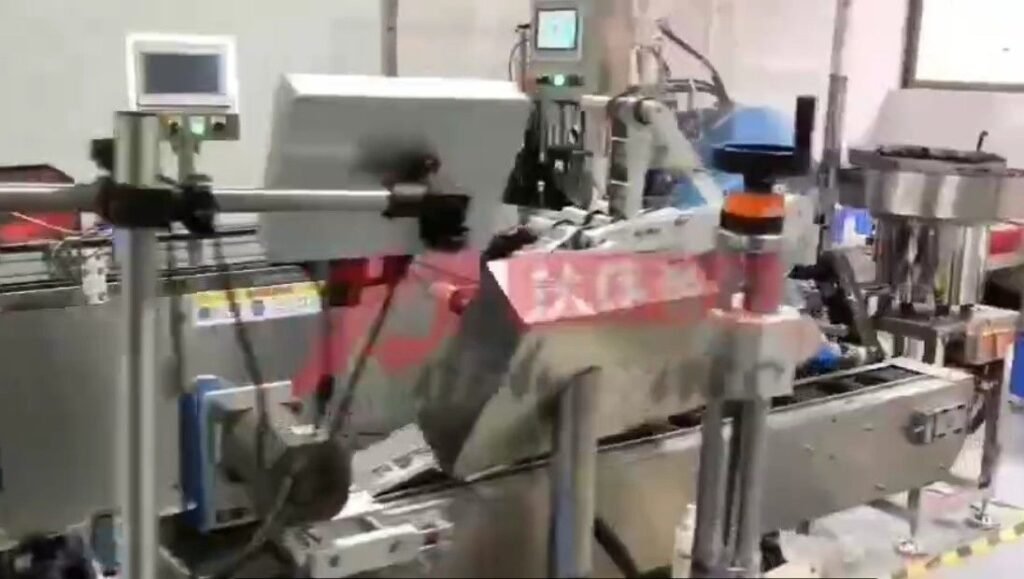
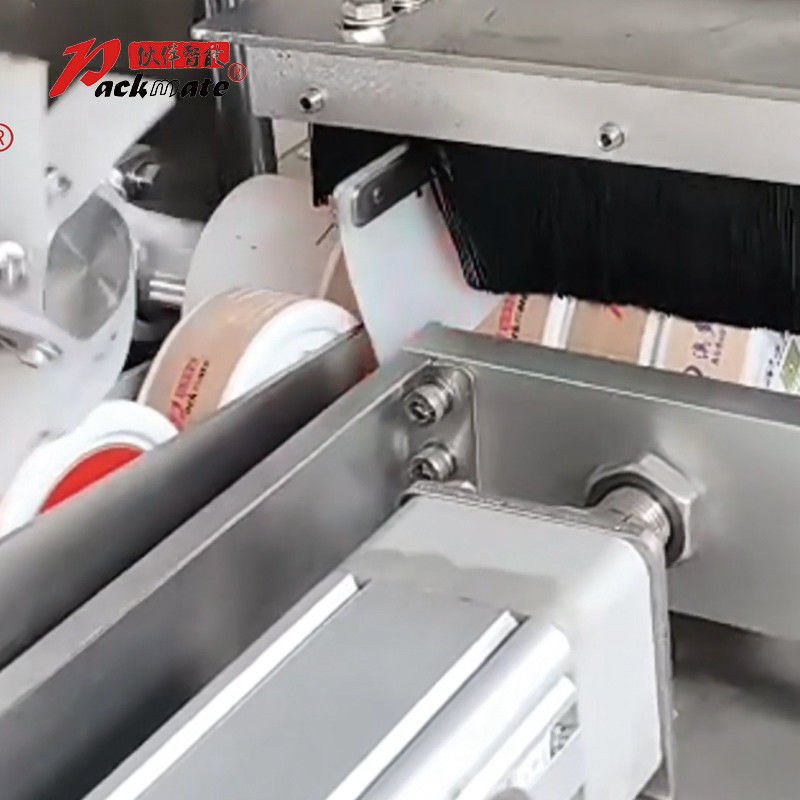
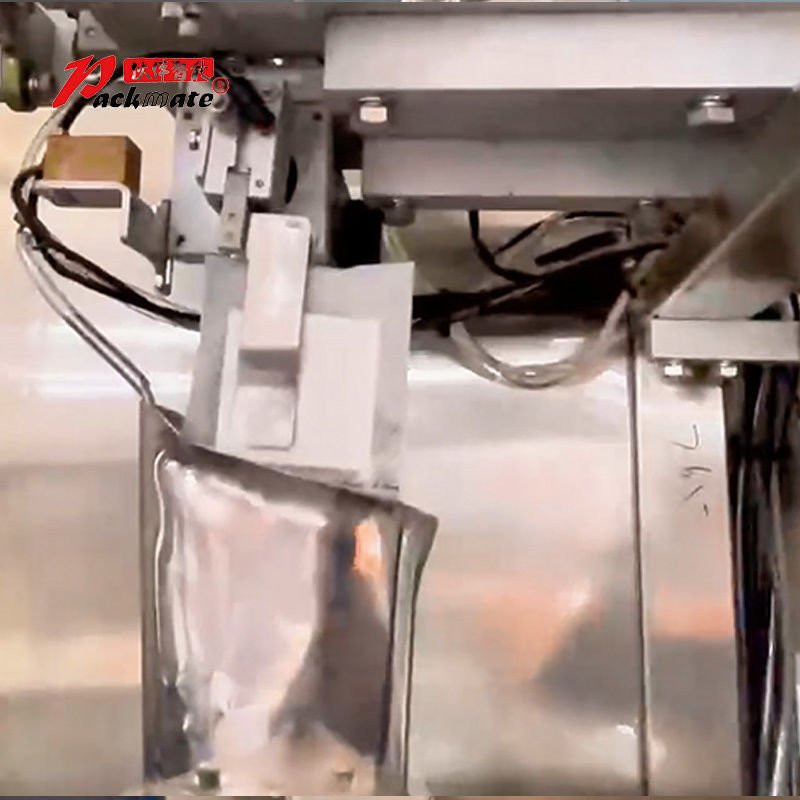
Powder packaging machines have become indispensable equipment across numerous industries, revolutionizing how powdered products are packaged, distributed, and consumed. From pharmaceutical formulations to food ingredients, these sophisticated systems deliver precision, efficiency, and consistency that manual packaging simply cannot match. Understanding the diverse applications and uses of powder packaging machines helps businesses identify opportunities to improve their operations, enhance product quality, and meet evolving market demands.
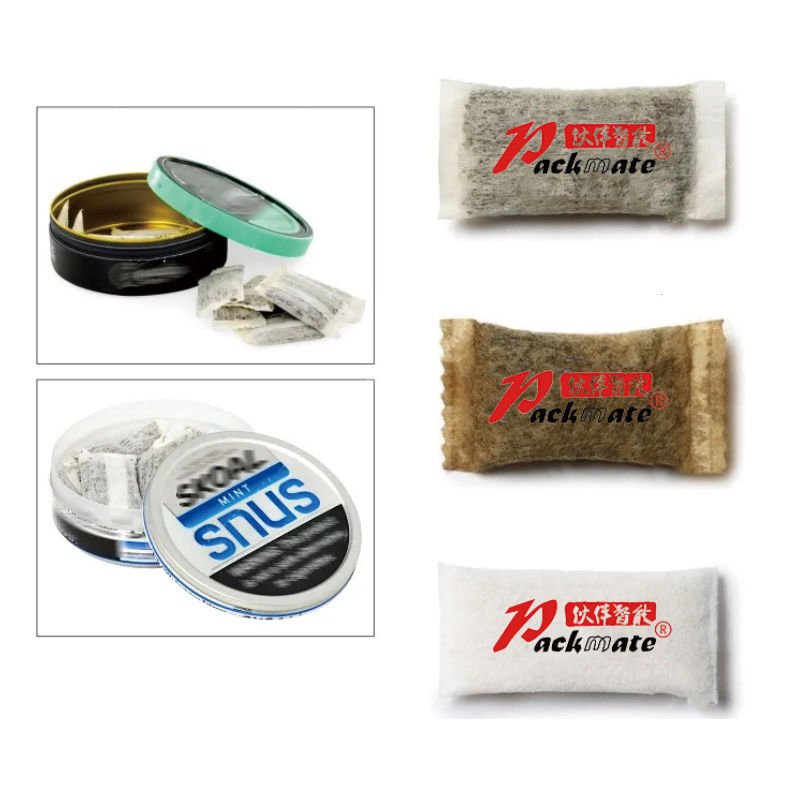
Understanding Powder Packaging Machines
A powder packaging machine is specialized equipment designed to automatically measure, fill, and seal powdered products into various container types including bags, pouches, bottles, cans, and sachets. These packaging machine systems handle the unique challenges associated with powder products such as dust control, accurate dosing despite density variations, and maintaining product integrity throughout the packaging process.
Core Function: Powder packaging machines automate the entire packaging process from product feeding and weighing to filling, sealing, and labeling, ensuring consistent package weights, minimal product waste, and high production speeds while maintaining strict hygiene and quality standards.
Modern powder packaging systems incorporate advanced technologies including servo-driven auger fillers for precise volumetric dispensing, multi-head weighers for accurate gravimetric filling, dust extraction systems to maintain clean working environments, and sophisticated controls that enable easy recipe management and production monitoring.
Primary Industries Using Powder Packaging Machines
The versatility of powder packaging technology has led to widespread adoption across diverse industrial sectors, each with specific requirements and regulatory considerations.
Food and Beverage Industry Applications
The food industry represents one of the largest markets for powder packaging machines, utilizing these systems for an extensive range of products that consumers use daily.
Beverage Powders: Coffee, tea, cocoa, protein shakes, meal replacement drinks, and flavored beverage mixes require precise portioning and moisture-proof packaging. Powder packaging machines equipped with nitrogen flushing capabilities help preserve freshness and extend shelf life by displacing oxygen that can degrade flavor compounds and cause oxidation.
Baking Ingredients: Flour, baking powder, yeast, cake mixes, and specialty baking ingredients are packaged in various sizes from small consumer pouches to large commercial bags. These applications often require dust control systems to maintain clean production environments and protect worker health.
Spices and Seasonings: Ground spices, seasoning blends, salt, sugar, and flavor enhancers demand packaging solutions that preserve aromatic compounds and prevent moisture ingress. Many spice applications use multi-lane stick pack machines to create convenient single-serve portions for foodservice and consumer markets.
Nutritional Supplements: Protein powders, collagen supplements, pre-workout formulas, greens powders, and meal replacement products represent a rapidly growing segment. These products often require larger package sizes and may need specialized filling systems to handle ingredients with varying flow characteristics.
Dairy Products
Powdered milk, infant formula, whey protein, cheese powder, and creamer products require exceptionally hygienic packaging conditions and precise weight control. Infant formula packaging in particular demands compliance with stringent regulations including batch traceability, tamper-evident seals, and validated cleaning procedures to ensure product safety.
Pharmaceutical and Nutraceutical Applications
The pharmaceutical industry relies heavily on powder packaging machines for both prescription medications and over-the-counter health products. These applications demand the highest standards of accuracy, cleanliness, and regulatory compliance.
Prescription Medications: Antibiotic powders for reconstitution, pain relief formulations, hormonal preparations, and specialized drug compounds require pharmaceutical-grade packaging machine systems constructed from FDA-approved materials with full validation documentation and cleanroom compatibility.
Over-the-Counter Products: Antacid powders, electrolyte replacement formulas, fiber supplements, and cough medicine powders need accurate dosing and child-resistant packaging options. Many OTC products use single-dose sachets for convenience and proper dosage control.
Vitamins and Minerals: Individual vitamin powders, mineral supplements, and custom vitamin blends require moisture-resistant packaging and precise weight control to ensure label claim accuracy and regulatory compliance.
Herbal and Botanical Products: Ground herbs, botanical extracts in powder form, traditional medicine preparations, and natural health products often have unique flow characteristics requiring specialized feeding and filling systems.
Chemical and Industrial Applications
Chemical manufacturers utilize powder packaging machines for products ranging from household cleaners to specialized industrial compounds, each with specific handling and safety requirements.
Household and Cleaning Products
Laundry detergent powders, dishwasher detergents, cleaning product refills, and surface cleaning powders are packaged in consumer-friendly formats. These applications often require high-speed production capabilities and robust machines capable of handling abrasive or corrosive materials. Many modern detergent packaging lines incorporate water-soluble film technology for convenient single-dose pods.
Agricultural Products: Fertilizers, pesticides in powder form, animal feed supplements, and soil amendments require durable packaging and accurate weight control. Agricultural applications often involve larger package sizes and may need explosion-proof equipment when handling combustible dusts.
Construction Materials: Cement additives, grout, tile adhesive, joint compound, and specialty construction powders are packaged in heavy-duty bags using robust filling systems capable of handling dense, abrasive materials at high speeds.
Industrial Chemicals: Catalysts, pigments, dyes, toners, and specialty chemical powders require precise measurement and often need inert atmosphere packaging to prevent degradation or chemical reactions during storage.
Cosmetics and Personal Care Products
The beauty and personal care industry increasingly utilizes powder packaging machines for innovative product formats and sustainable packaging solutions.
Makeup Products: Setting powders, foundation powders, blush, eyeshadow, and other cosmetic powders require gentle handling to prevent product damage and precise filling to maintain consistent product appearance.
Bath and Body Products: Bath salts, body powders, dry shampoo, and exfoliating powder scrubs benefit from automated packaging that maintains product quality while improving production efficiency.
Hair Care Products: Hair color powders, volumizing powders, dry shampoo formulations, and treatment masks in powder form represent growing market segments that require specialized packaging to preserve product efficacy.
Specific Use Cases and Applications
Beyond industry categories, powder packaging machines serve specific functional purposes that deliver tangible business benefits across various operational contexts.
High-Volume Production Operations
Large-scale manufacturers producing thousands or millions of packages daily rely on high-speed powder packaging systems to meet demand efficiently. These operations prioritize maximum throughput, minimal downtime, and consistent quality across extended production runs.
Key Benefits for High-Volume Operations:
• Production speeds exceeding 100-200 packages per minute depending on package size and product characteristics
• Automated quality control systems that inspect every package without slowing production
• Minimal operator intervention reducing labor costs and human error
• Integration with upstream and downstream equipment for fully automated production lines
• Real-time production monitoring and data collection for process optimization
Multi-Product Flexibility Applications
Contract packagers, co-manufacturers, and businesses with diverse product portfolios need packaging machine systems capable of handling multiple products and package formats efficiently. Modern powder packaging machines address this need through quick-change capabilities and flexible design features.
Recipe management systems store all parameters for different products including fill weights, speeds, and sealing temperatures. Operators can switch between products by simply recalling the appropriate recipe, dramatically reducing changeover time and setup errors. Tool-less changeover features enable format changes without requiring mechanical adjustments or specialized tools.
Small Batch and Specialty Production
Artisan producers, specialty food manufacturers, compounding pharmacies, and custom supplement companies require packaging solutions that deliver accuracy and consistency even for small production runs. Compact powder packaging machines designed for smaller operations provide automation benefits without requiring the space and investment of industrial-scale systems.
These applications benefit from semi-automatic machines that balance automation with operator control, allowing for product verification and quality checks while still improving efficiency compared to manual packaging. Smaller machines typically offer easier cleaning and maintenance, making them practical for operations producing multiple products with strict separation requirements.
Sterile and Cleanroom Environments
Pharmaceutical manufacturers, nutraceutical companies, and food producers with strict hygiene requirements utilize powder packaging machines specifically designed for sterile or cleanroom operation. These specialized systems feature smooth, crevice-free surfaces that prevent bacterial harboring, sealed electrical components protecting against contamination, wash-down capability for thorough cleaning between batches, and HEPA filtration systems maintaining air quality.
Regulatory Compliance: Cleanroom-compatible powder packaging machines meet FDA, cGMP, and other regulatory standards, providing complete documentation packages including Installation Qualification, Operational Qualification, and Performance Qualification protocols necessary for regulated industries.
Hazardous Material Handling
Some powder products present safety challenges including flammability, toxicity, or explosive potential when airborne. Specialized powder packaging machines address these hazards through explosion-proof electrical systems rated for hazardous locations, contained filling systems minimizing dust generation, integrated dust collection and filtration, and inert gas purging capabilities to prevent combustion or oxidation.
Package Format Capabilities
Modern powder packaging machines accommodate diverse package formats, enabling manufacturers to select optimal packaging for their specific products and target markets.
Pouch and Sachet Packaging
Flexible pouches and sachets represent extremely popular formats for powder products due to their material efficiency, shelf appeal, and consumer convenience. Vertical form-fill-seal machines create pouches from roll stock film, offering excellent production speeds and low material costs.
Stick Packs: Narrow, single-serve formats ideal for beverage powders, sweeteners, and supplement servings. Multi-lane stick pack machines produce multiple packages simultaneously, achieving impressive throughput despite small package size.
Three-Side Seal Pouches: Versatile format suitable for various powder products in serving sizes from small samples to family-size packages. These pouches can incorporate features like tear notches, hang holes, and resealable zippers.
Stand-Up Pouches: Premium packaging format offering excellent shelf presence and consumer convenience through resealable closures. The packaging machine systems handling stand-up pouches typically use pre-made pouches with specialized opening, filling, and sealing stations.
Flat Bottom Pouches: Stable packaging format combining the benefits of stand-up pouches with enhanced stability and larger printable surfaces for branding and product information.
Rigid Container Filling
Bottles, jars, cans, and other rigid containers provide premium packaging options for powder products, particularly in pharmaceutical, nutritional supplement, and specialty food applications. Auger filling systems excel at filling rigid containers, using rotating augers to meter precise amounts of powder into containers positioned beneath the filling nozzle.
Container Types and Applications
Plastic Bottles: HDPE, PET, and other plastic bottles commonly used for nutritional supplements, protein powders, and pharmaceutical products. Bottle filling lines often integrate with capping, induction sealing, and labeling equipment.
Glass Jars: Premium packaging for specialty foods, artisan products, and high-end supplements. Glass provides excellent barrier properties and product visibility but requires gentle handling to prevent breakage.
Metal Cans: Durable packaging for industrial powders, large-format food products, and products requiring maximum barrier protection. Can filling systems handle various sizes from small spice tins to large institutional containers.
Bag-in-Box and Bulk Packaging
Larger format packaging serves institutional, food service, and industrial customers requiring economical bulk packaging. Bag-in-box systems combine flexible inner bags with protective outer cartons, providing good product protection while enabling efficient storage and handling. Industrial bulk bag filling systems handle very large quantities, filling bags weighing from 25 pounds to over 2000 pounds for industrial and agricultural applications.
Key Benefits and Advantages
Implementing powder packaging machines delivers numerous operational and strategic benefits that positively impact business performance across multiple dimensions.
Accuracy and Consistency
Automated filling systems achieve accuracy levels that manual packaging cannot match, typically delivering fill weights within ±0.5% to ±2% depending on product characteristics and filler type. This precision reduces product giveaway, ensuring customers receive the stated amount while minimizing excess product that represents lost profit.
Consistency across all packages enhances brand reputation and customer satisfaction. Every package contains the same amount, looks identical, and meets the same quality standards, creating positive customer experiences that build brand loyalty.
Production Efficiency and Speed
Automated powder packaging dramatically increases production output compared to manual methods. Even entry-level machines typically produce 20-40 packages per minute, while high-speed systems exceed 200 packages per minute. This increased throughput enables businesses to meet growing demand, reduce per-unit labor costs, and improve overall profitability.
Labor Cost Reduction
Automation reduces labor requirements significantly, with one operator often able to oversee multiple machines or entire packaging lines. This efficiency frees personnel for higher-value activities like quality control, maintenance, and process improvement while reducing the labor cost per package by 50-75% compared to manual packaging operations.
Product Quality and Safety
Automated packaging minimizes human contact with products, reducing contamination risk and improving food safety and pharmaceutical compliance. Enclosed filling systems prevent environmental contamination while protecting products from moisture, oxygen, and other factors that degrade quality.
Integrated quality control features including checkweighers, metal detectors, and vision inspection systems verify package integrity and detect defects in real-time, removing non-conforming packages before they reach customers. This automated quality assurance reduces customer complaints, product recalls, and associated costs.
Waste Reduction and Sustainability
Precise filling minimizes product waste from overfilling, spillage, and packaging errors. Typical waste reduction ranges from 2-5% of total product volume, which translates to significant cost savings for high-volume operations. Additionally, many modern machines optimize packaging material usage through precise film tracking and minimal trim waste.
Regulatory Compliance and Traceability
Modern powder packaging machines facilitate regulatory compliance through comprehensive data collection and reporting capabilities. Systems record production parameters, fill weights, and quality checks for every package or batch, creating audit trails that satisfy FDA, USDA, and other regulatory requirements.
Integrated serialization and track-and-trace capabilities enable complete supply chain visibility, supporting anti-counterfeiting efforts and enabling rapid response to quality issues or recalls. These features are increasingly important as regulations evolve and supply chain transparency becomes a competitive advantage.
Advanced Features and Technologies
Technological advancement continues to enhance powder packaging machine capabilities, offering features that improve performance, flexibility, and operational insight.
Smart Connectivity and Industry 4.0 Integration
Modern packaging machine systems incorporate connectivity features enabling integration with enterprise systems and cloud-based analytics platforms. Real-time production monitoring provides visibility into key performance indicators including throughput, downtime, quality metrics, and efficiency rates.
Predictive Maintenance Capabilities: Advanced machines collect operational data that algorithms analyze to predict component failures before they occur. This predictive approach enables proactive maintenance scheduling that minimizes unexpected downtime and optimizes maintenance resource allocation.
Remote diagnostic capabilities allow technical support teams to access machine data and troubleshoot issues without site visits, reducing response time and minimizing production disruption when problems arise.
Vision Inspection and Quality Verification
Integrated vision systems perform automated quality inspection tasks including verifying fill levels, detecting foreign objects, confirming proper seal formation, reading and verifying printed codes and lot numbers, and ensuring correct label placement and orientation.
These systems operate at production speeds, inspecting every package without slowing throughput. Machine learning algorithms continuously improve detection accuracy, adapting to subtle variations while reliably identifying genuine defects.
Modified Atmosphere Packaging
Gas flushing systems displace atmospheric air with nitrogen or other inert gases before sealing packages. This technology dramatically extends shelf life for moisture-sensitive or oxidation-prone products by eliminating oxygen that causes degradation. Modified atmosphere packaging is particularly valuable for food products, nutritional supplements, and pharmaceutical preparations where extended shelf life provides competitive advantages.
Selection Considerations for Powder Packaging Machines
Choosing the appropriate powder packaging machine requires careful evaluation of multiple factors to ensure optimal performance and return on investment.
Product Characteristics Assessment
Different powder products exhibit distinct flow characteristics, densities, and handling requirements that influence machine selection. Free-flowing powders like sugar and salt are easiest to package and work with most filling systems. Cohesive powders that tend to clump or bridge require agitation or specialized feeding mechanisms. Extremely fine powders generating significant dust need enclosed systems with dust extraction. Hygroscopic materials absorbing moisture from air may require climate-controlled packaging environments.
Production Volume Requirements
Accurately projecting production needs ensures you select equipment with appropriate capacity. Consider current demand, seasonal variations, growth projections, and desired production flexibility. Machines with capacity significantly exceeding current needs provide room for growth but represent higher initial investment. Conversely, undersized equipment may create production bottlenecks as demand increases.
Package Format and Size Range
Define your package format requirements including container types, size range, and any special features like resealable closures or fitments. Machines offering greater format flexibility provide operational advantages but typically cost more than single-format systems. Evaluate whether quick-change capabilities justify additional investment based on your product mix and changeover frequency.
Regulatory and Compliance Requirements
Pharmaceutical, food, and other regulated industries require equipment meeting specific standards. Verify that prospective machines comply with relevant regulations including FDA requirements for food contact surfaces, cGMP standards for pharmaceutical production, ATEX certification for explosive atmosphere applications, and sanitary design standards for food processing environments.
Future Trends in Powder Packaging
The powder packaging industry continues evolving in response to technological advances, market demands, and sustainability imperatives.
Sustainable Packaging Solutions
Growing environmental awareness drives demand for sustainable packaging materials and practices. Powder packaging machine manufacturers are responding by developing equipment compatible with recyclable, compostable, and bio-based films, designing systems that minimize material usage without compromising protection, and incorporating features supporting refill and reuse programs.
Emerging Materials: Paper-based packaging materials, water-soluble films for single-dose applications, and advanced bio-plastics with improved barrier properties represent promising alternatives to conventional packaging films. Powder packaging machines must adapt to handle these materials while maintaining production efficiency and package integrity.
Personalization and Customization
Consumer demand for personalized products drives interest in flexible packaging systems capable of producing custom formulations and package configurations. Digital printing integration enables variable graphics and personalized messaging on individual packages. Flexible filling systems accommodate custom blend ratios and portion sizes for personalized nutrition and pharmaceutical applications.
Smart Packaging Integration
Interactive packaging incorporating NFC chips, QR codes, and other technologies provides enhanced consumer engagement and supply chain visibility. Powder packaging machines increasingly integrate with printing and application systems that add these smart features during the packaging process, enabling applications like authentication verification, usage tracking, and augmented reality experiences.
Frequently Asked Questions
What types of powders can be packaged with powder packaging machines?
Powder packaging machines can handle an extremely wide range of powder products with varying characteristics. Free-flowing powders like granulated sugar, salt, and many spice blends are easiest to package and work with most standard filling systems. Non-free-flowing or cohesive powders such as flour, powdered sugar, protein powders, and some pharmaceutical compounds may require specialized auger fillers or feeding mechanisms with agitation to prevent bridging and ensure consistent flow. Very fine powders including talc, certain pharmaceutical ingredients, and specialty chemicals often need enclosed systems with dust extraction to control airborne particles. Hygroscopic materials that absorb moisture from air may require climate-controlled environments or modified atmosphere packaging. Heavy, dense powders like some mineral supplements or industrial chemicals need robust construction and powerful drive systems. Most modern powder packaging machines can be configured to handle specific product characteristics through appropriate filler selection, feeding system design, and optional features like dust collection or nitrogen flushing. When evaluating equipment, provide detailed product specifications including particle size, bulk density, moisture content, and flow characteristics to ensure the machine can handle your specific application effectively.
How accurate are powder packaging machines for filling weights?
Filling accuracy varies based on several factors including the filling technology used, product characteristics, fill weight, and machine quality. Volumetric auger fillers typically achieve accuracy of ±1% to ±3% for consistent-density products, making them suitable for many food and industrial applications where slight variation is acceptable. Gravimetric multi-head weighers deliver superior accuracy of ±0.5% to ±1.5% and excel with products having variable density or irregular particle size, commonly used for snack foods, coffee, and similar products. Net weight filling systems using loss-in-weight feeders or combination weighers can achieve ±0.3% to ±1% accuracy for demanding applications. Pharmaceutical-grade filling systems with advanced controls and calibration may achieve even tighter tolerances when required for regulatory compliance. Product characteristics significantly impact achievable accuracy, with free-flowing products generally easier to dose precisely than cohesive or sticky materials. Fill weight also matters, as percentage accuracy improves with larger fill amounts while very small doses present greater challenges. To ensure specified accuracy, machines require proper calibration, regular maintenance, and operation within designed parameters. When evaluating equipment, request accuracy specifications for products similar to yours and verify whether stated accuracy represents average performance or guaranteed limits. Most quality manufacturers provide validation data demonstrating achievable accuracy under various conditions.
What maintenance is required for powder packaging machines?
Regular maintenance is essential for reliable operation and optimal performance of powder packaging machines. Daily maintenance typically includes cleaning product contact surfaces to prevent buildup and cross-contamination, inspecting filling components for wear or damage, verifying filling accuracy through sample checks, and removing accumulated dust from collection systems. Weekly tasks include lubricating moving parts according to manufacturer specifications, cleaning sensors and photo eyes to ensure proper detection, inspecting sealing elements for wear and proper operation, and checking pneumatic system filters and pressure levels. Monthly maintenance involves more thorough inspection of mechanical components including drive belts, chains, and bearings, calibration verification of weighing systems, detailed cleaning of hard-to-reach areas, and review of production data to identify performance trends. Quarterly or semi-annual maintenance should include comprehensive mechanical inspection by qualified technicians, replacement of wear items based on manufacturer recommendations, professional calibration of critical systems, software updates if available, and safety system testing to verify proper operation. The specific maintenance schedule depends on production volume, product characteristics, operating environment, and manufacturer recommendations. Abrasive or corrosive products may accelerate wear requiring more frequent component replacement. High-volume operations benefit from predictive maintenance programs using machine data to optimize service timing. Maintaining detailed maintenance logs helps identify recurring issues and optimize maintenance intervals. Proper maintenance extends equipment life, reduces unexpected downtime, maintains product quality, and ensures continued regulatory compliance for food and pharmaceutical applications.
Can powder packaging machines handle multiple products?
Yes, most modern powder packaging machines can handle multiple products, though the ease of changeover and degree of product diversity varies by machine design and product similarity. Machines with recipe management systems excel at multi-product applications, storing all parameters for different products including fill weights, speeds, temperatures, and timing settings. Operators can switch between similar products in 10-30 minutes by recalling saved recipes and making minor adjustments. Tool-less changeover features further reduce transition time by eliminating mechanical adjustments. However, products with significantly different characteristics may require more extensive changeover including replacing filling augers with different pitch or diameter, installing different forming tubes or nozzles for varied package sizes, adjusting dust collection settings for products with different particle sizes, and thorough cleaning between products to prevent cross-contamination. For operations producing many different products, consider machines designed specifically for flexibility with quick-change components, modular construction allowing easy configuration changes, and robust cleaning access for sanitation between products. Some facilities operate dedicated machines for specific product categories rather than frequent changeovers, particularly when products have very different requirements or when cross-contamination presents serious concerns such as allergen management in food production or compound segregation in pharmaceutical operations. When evaluating multi-product capability, discuss your specific product mix with manufacturers to understand realistic changeover times and any limitations that might affect your operations.
What is the typical return on investment for a powder packaging machine?
Return on investment for powder packaging machines varies significantly based on production volume, labor costs, product value, and operational efficiency gains, but most businesses realize payback within 1-3 years. High-volume operations with expensive products often achieve ROI in 12-18 months through labor cost reduction, decreased product giveaway, and increased production capacity. Mid-volume operations typically see 2-3 year payback periods. Key factors contributing to ROI include labor savings, as automation typically reduces packaging labor by 50-75%, directly reducing ongoing operational costs. Reduced product giveaway through accurate filling saves 2-5% of product cost for many operations, which compounds significantly for expensive ingredients. Increased production capacity enables business growth without proportional labor increases, improving profitability as volume scales. Quality improvements reduce waste from packaging errors, customer complaints, and potential recalls. Enhanced package consistency and professional appearance can support premium pricing and improved market positioning. When calculating ROI, consider both direct cost savings and strategic benefits like capacity for growth, improved quality enabling market expansion, and competitive advantages from faster time-to-market. Also factor ongoing costs including maintenance, parts replacement, and energy consumption. Most manufacturers can provide ROI calculators or work with you to develop projections based on your specific situation. Request case studies from similar applications to validate assumptions and understand realistic expectations for your industry and production volume.