Introduction to Packing Machines
Packing machines are essential for businesses seeking to optimize production, ensure quality, and maintain compliance across industries such as pharmaceutical, healthcare, and food. Whether you are a beginner or an advanced user, understanding the fundamentals and advanced features of packaging machines can transform your operations and unlock new efficiencies. This guide will walk you through all aspects of packing machines, from basic concepts to advanced troubleshooting, ensuring you have a comprehensive manual at your fingertips.

Why Invest in Intelligent Packing Machines?
- Efficiency: Packing machines automate repetitive tasks, reducing labor costs and increasing production speed.
- Consistency: They deliver uniform packaging quality, minimizing errors and improving customer satisfaction.
- Compliance: Advanced machines like those from Packmate meet EU and GMP standards, ensuring regulatory compliance in sensitive industries.
- Scalability: Modular designs and intelligent controls allow easy expansion and upgrades as your business grows.
- Safety: Integrated safety features protect operators and reduce workplace accidents.
Types of Packing Machines
Automatic vs. Semi-Automatic Packing Machines
Automatic machines require minimal human intervention and are ideal for high-volume production lines. Semi-automatic machines offer flexibility and are suitable for smaller operations or specialized products.
Industry-Specific Packaging Solutions
- Pharmaceutical: Blister packing, strip packing, sachet filling
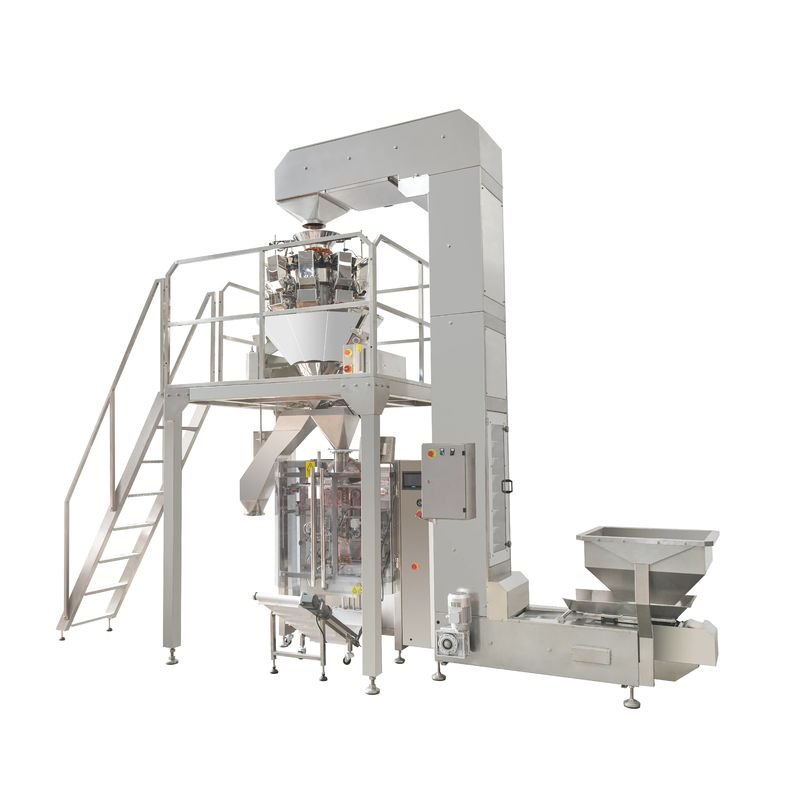
- Food: Vertical form-fill-seal, horizontal flow wrapping, pouch packing
- Healthcare: Sterile packaging, labeling, cartoning
Key Features of Modern Packaging Machines
Modern packaging machines, such as those designed by Packmate, incorporate advanced technologies to meet the demands of global production. Here are some key features:
- Precision Control: High-accuracy sensors and PLCs for consistent performance.
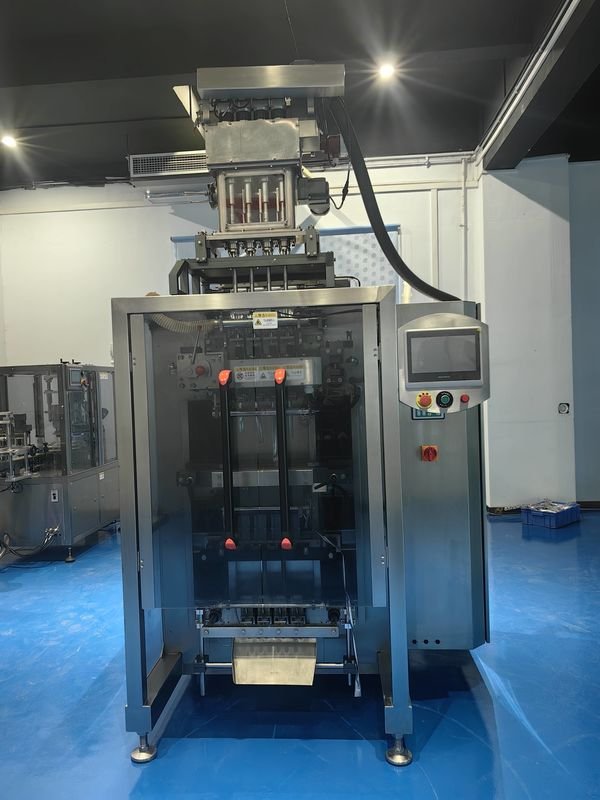
- User-Friendly Interfaces: Touchscreens and intuitive controls reduce training time.
- Flexible Configurations: Easily adapt to different product types and sizes.
- Data Connectivity: Real-time monitoring and data export for quality management.
- Integrated Safety Systems: Emergency stops, guards, and alarms for operator protection.
Step-by-Step Guide: Setting Up Your Packing Machine
- Site Preparation: Ensure adequate space, stable power supply, and proper ventilation.
- Unpacking & Inspection: Check for damage and verify all components.
- Assembly: Follow the manufacturer’s manual, connect modules and secure fasteners.
- Calibration: Set up sensors, adjust filling levels, and configure controls.
- Test Run: Operate the machine with sample products to check for errors and make final adjustments.
- Documentation: Record settings, maintenance schedules, and troubleshooting notes.
Maintenance Tips for Optimal Performance
Regular Cleaning
Clean all surfaces and moving parts regularly to prevent contamination and mechanical wear, especially for food and pharmaceutical applications.
Lubrication
Apply lubricants to gears, chains, and bearings as recommended by the manufacturer. This ensures smooth operation and extends machine lifespan.
Component Checks
Inspect electrical connections, sensors, and belts for signs of wear or damage. Replace parts proactively to avoid unexpected downtime.
Software Updates
Keep machine software and firmware updated to benefit from the latest features and security enhancements.
Troubleshooting Common Issues
- Jamming: Check for misaligned products or debris. Clean and clear the jam before restarting.
- Inconsistent Filling: Calibrate sensors, check hopper levels, and inspect filling mechanisms.
- Labeling Errors: Verify label roll direction, sensor position, and adhesive quality.
- Electrical Faults: Inspect wiring, reset PLCs, and check for blown fuses.
- Seal Integrity: Adjust temperature settings and inspect sealing jaws for wear.
Advanced Features for Experienced Users
Automated Quality Control
Integrated vision systems and weight checkers ensure every package meets quality standards. Data analytics help identify trends and optimize production.
Remote Monitoring
Modern machines offer IoT connectivity, allowing users to monitor performance, receive alerts, and adjust settings from anywhere in the world.
Modular Upgrades
Enhance your packing machine with additional modules such as multi-head weighers, automatic feeders, or advanced coding systems to increase versatility.
Integration with Production Lines
Seamlessly connect packing machines with upstream and downstream equipment for fully automated, synchronized production.
Choosing the Right Packing Machine for Your Business
Selecting the ideal packing machine depends on your industry, product characteristics, output volume, and budget. Evaluate the following:
- Required speed and capacity
- Product size, shape, and packaging material
- Regulatory requirements (EU, GMP, FDA, etc.)
- Space limitations and power supply
- After-sales support and training availability
For tailored advice and advanced solutions, consult with industry leaders like Packmate.
Packmate: Your Trusted Packaging Machine Partner
- Experience: Over 30 years of innovation and industry expertise.
- Quality: Machines built to EU and GMP standards with certified CE & ISO compliance.
- Global Reach: Exported to Europe, Americas, Africa, Middle East, and Southeast Asia.
- Support: Fast delivery and responsive after-sales service through established networks.
- Innovation: Strong R&D, engineering-driven design, and continuous technological advancement.
Discover the full range of packaging machine solutions engineered for performance and reliability.
Frequently Asked Questions (FAQ)
How do I choose the right packing machine for my product?
Evaluate your product type, packaging requirements, production volume, and regulatory needs. Consult with Packmate for expert guidance.
What maintenance is required to keep packing machines running smoothly?
Regular cleaning, lubrication, component checks, and software updates are essential. Refer to your machine manual for specific schedules.
Are packing machines suitable for small businesses?
Yes, semi-automatic and modular machines are designed for scalability and can fit small production environments.
How can I troubleshoot common packing machine errors?
Review the troubleshooting section of your manual, check for jams, recalibrate sensors, and inspect electrical connections.
Where can I find reliable after-sales support?
Contact Packmate for global service and technical support.