Confectionery packaging is a critical component of the sweets manufacturing process, ensuring product freshness, safety, and appeal. The right packaging machine can significantly impact efficiency, cost, and brand presentation. This guide explores the various types of confectionery packaging machines, their specific uses, and provides a comprehensive buying guide to help you make an informed decision for your production line.
Core Types of Confectionery Packaging Machines
The confectionery industry utilizes a range of specialized machinery, each designed for different product forms and packaging styles. Understanding these types is the first step in selecting the right equipment.
Vertical Form-Fill-Seal (VFFS) Machines
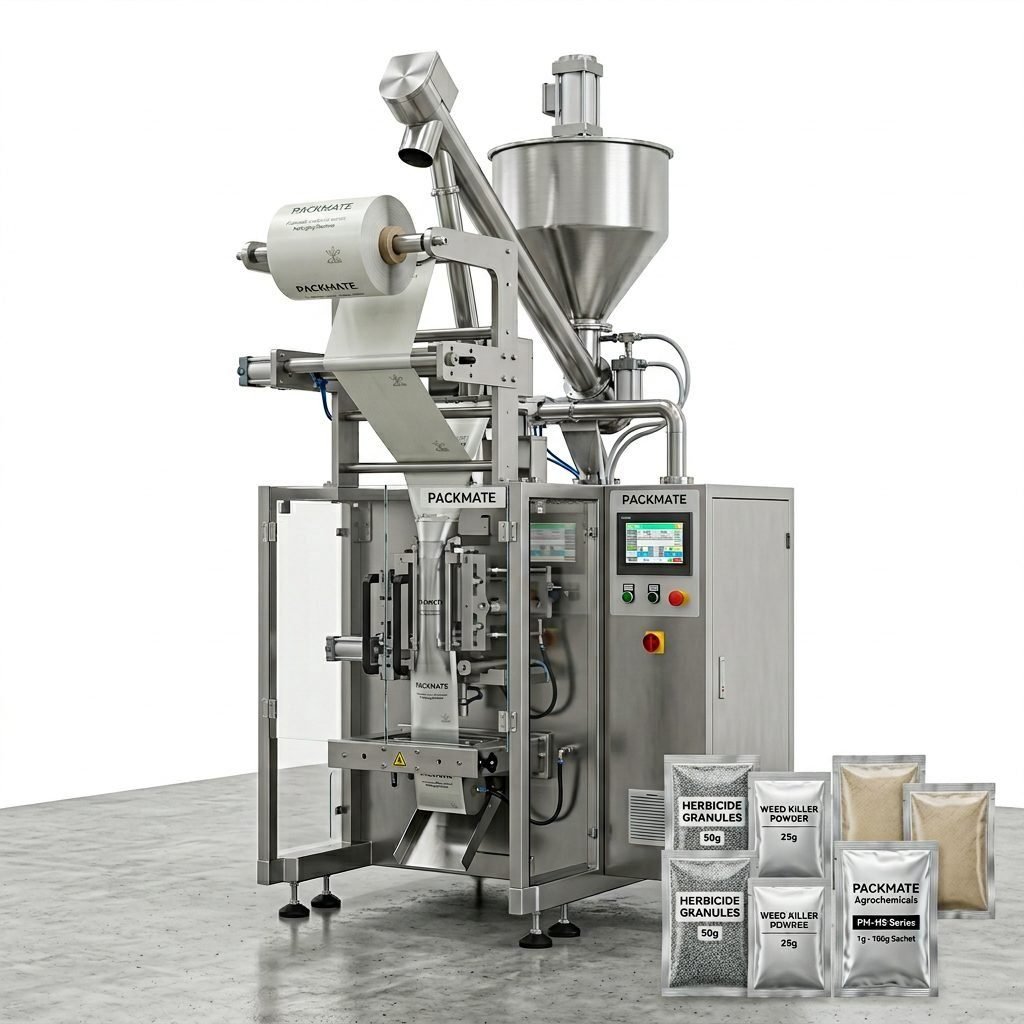
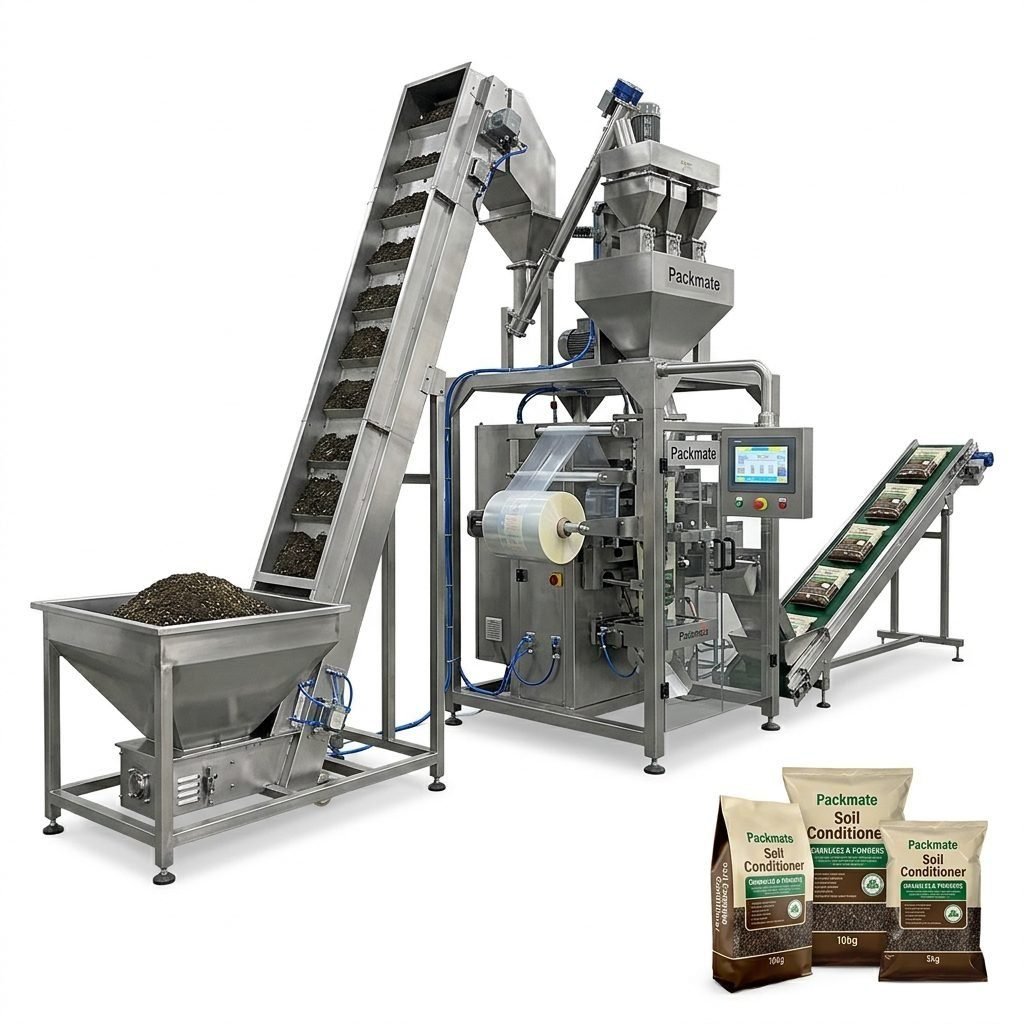
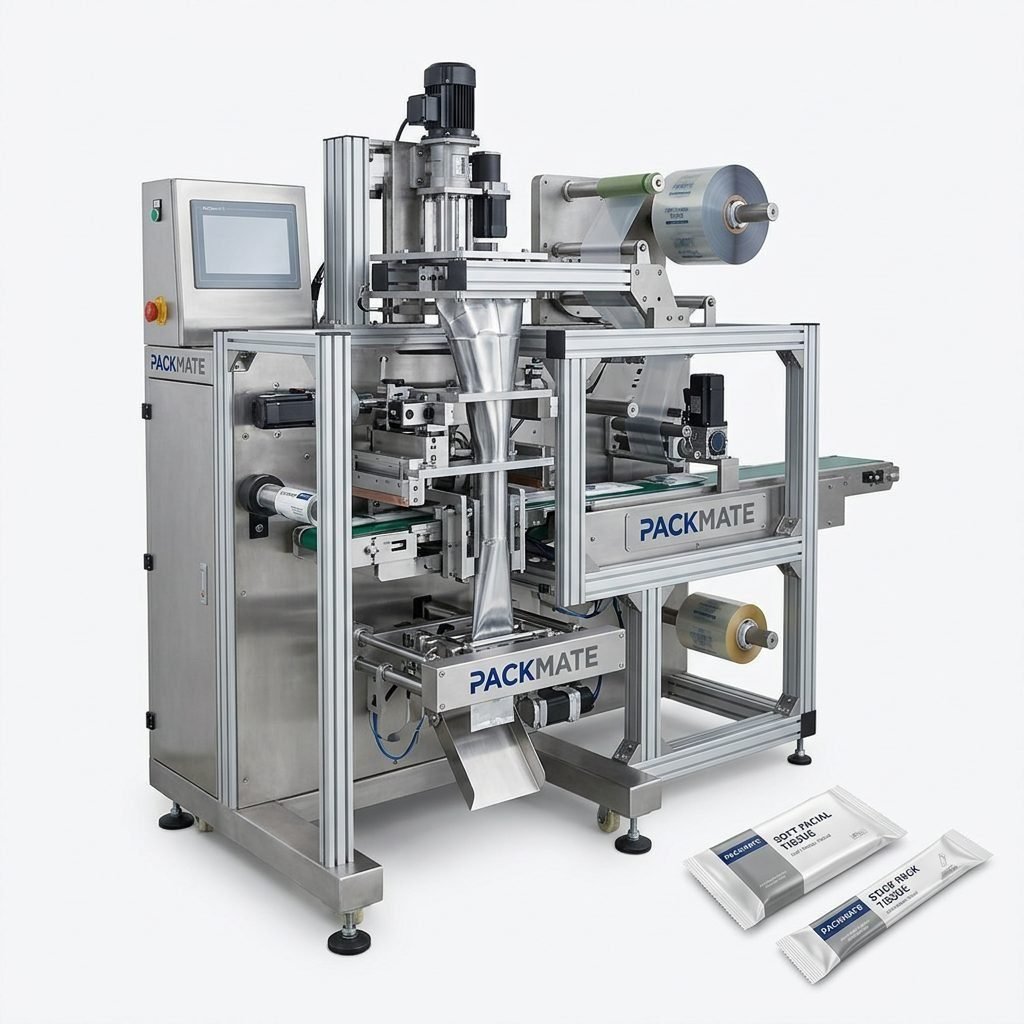
These are among the most versatile and common machines in the industry. VFFS machines form a bag from a roll of film, fill it with the product—be it hard candies, gummies, or chocolates—and then seal it. They are ideal for high-speed production of pillow bags and stand-up pouches. Their flexibility in bag size and material makes them a cornerstone for many confectioners.
Horizontal Flow Wrappers
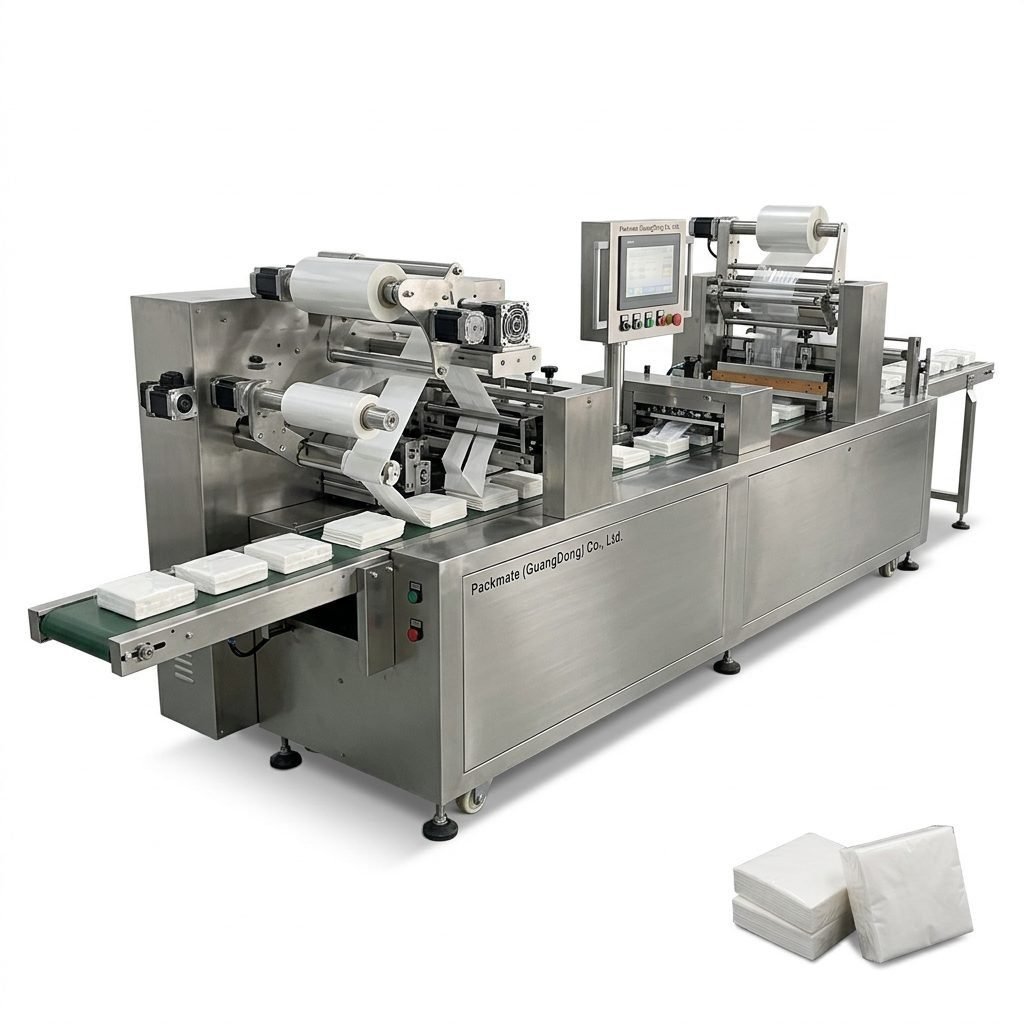
Perfect for individually wrapping candy bars, biscuits, or grouped items, horizontal flow wrappers use a continuous roll of film to create a tight, secure wrap around the product. This method is excellent for providing a sleek, professional finish and excellent barrier protection against moisture and air, which is crucial for maintaining product quality.
Sachet and Stick Pack Machines
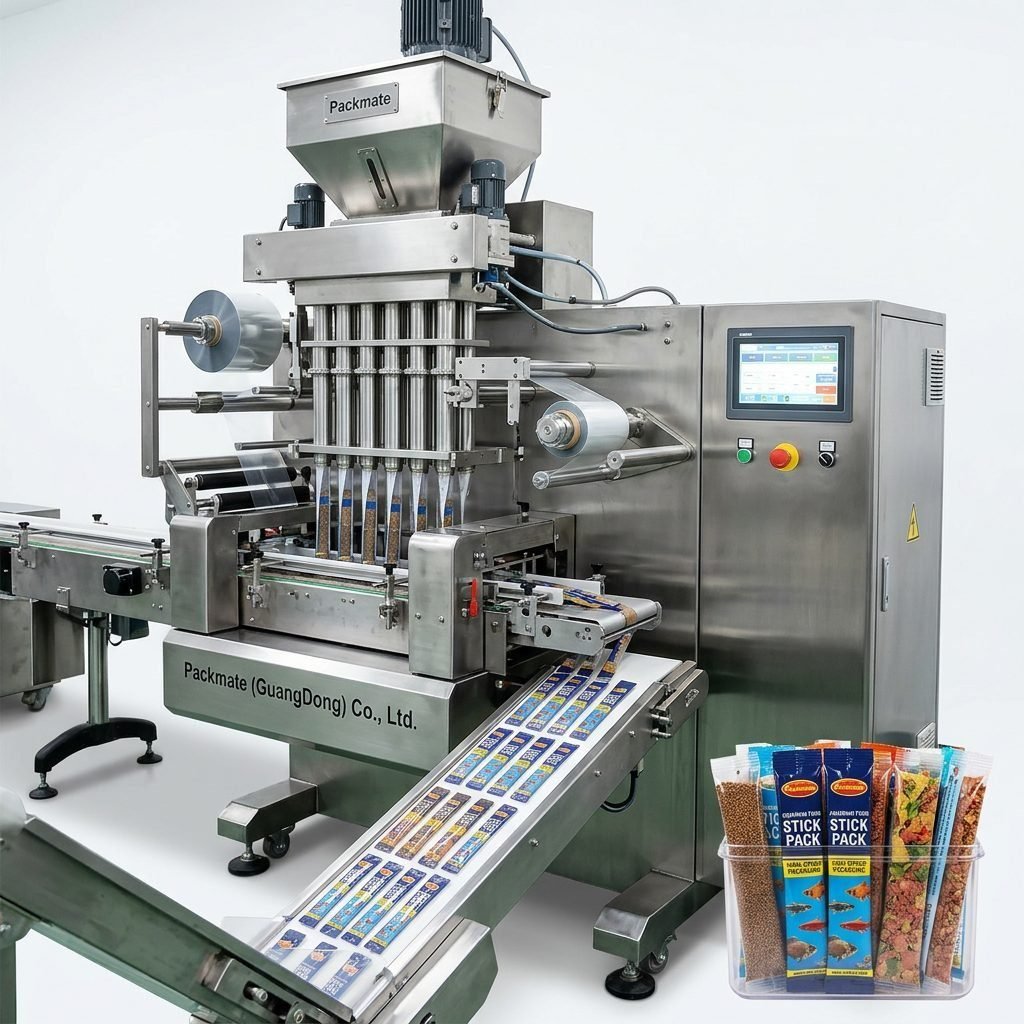
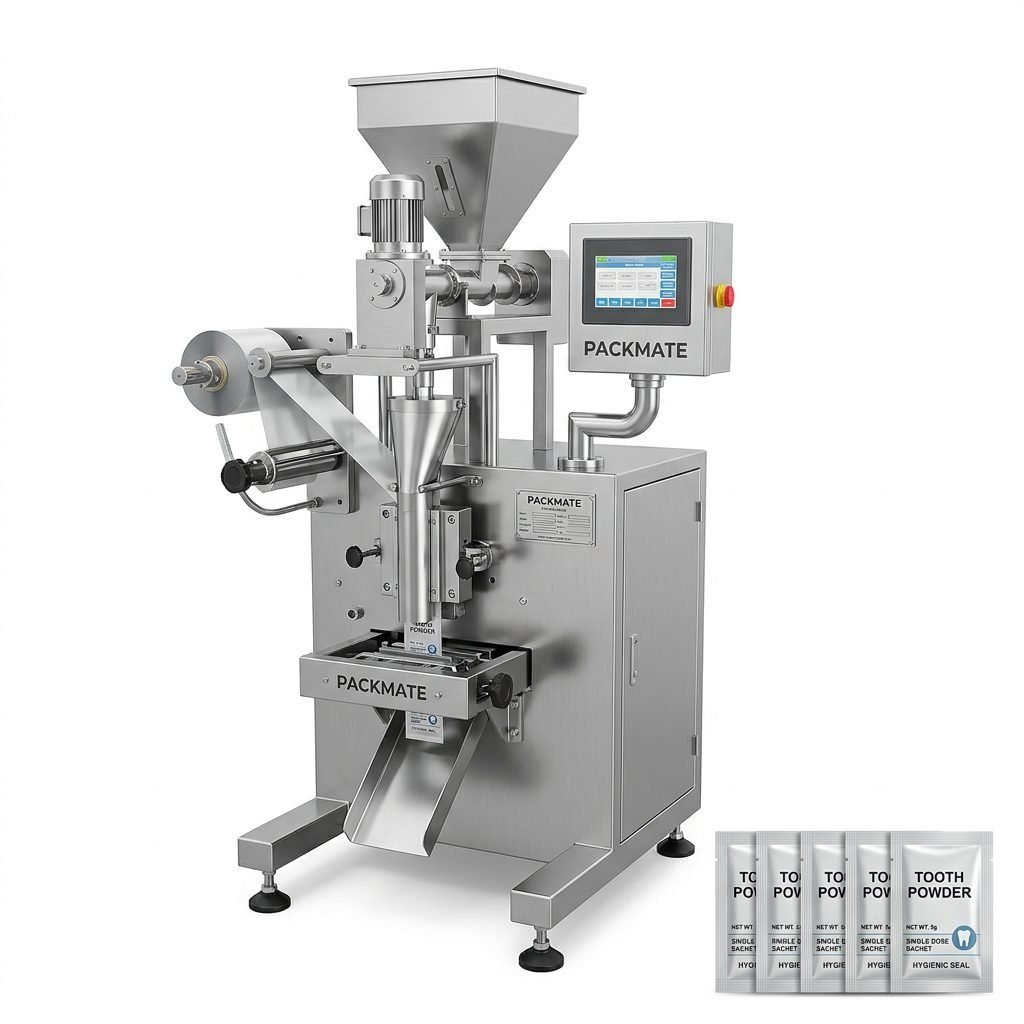
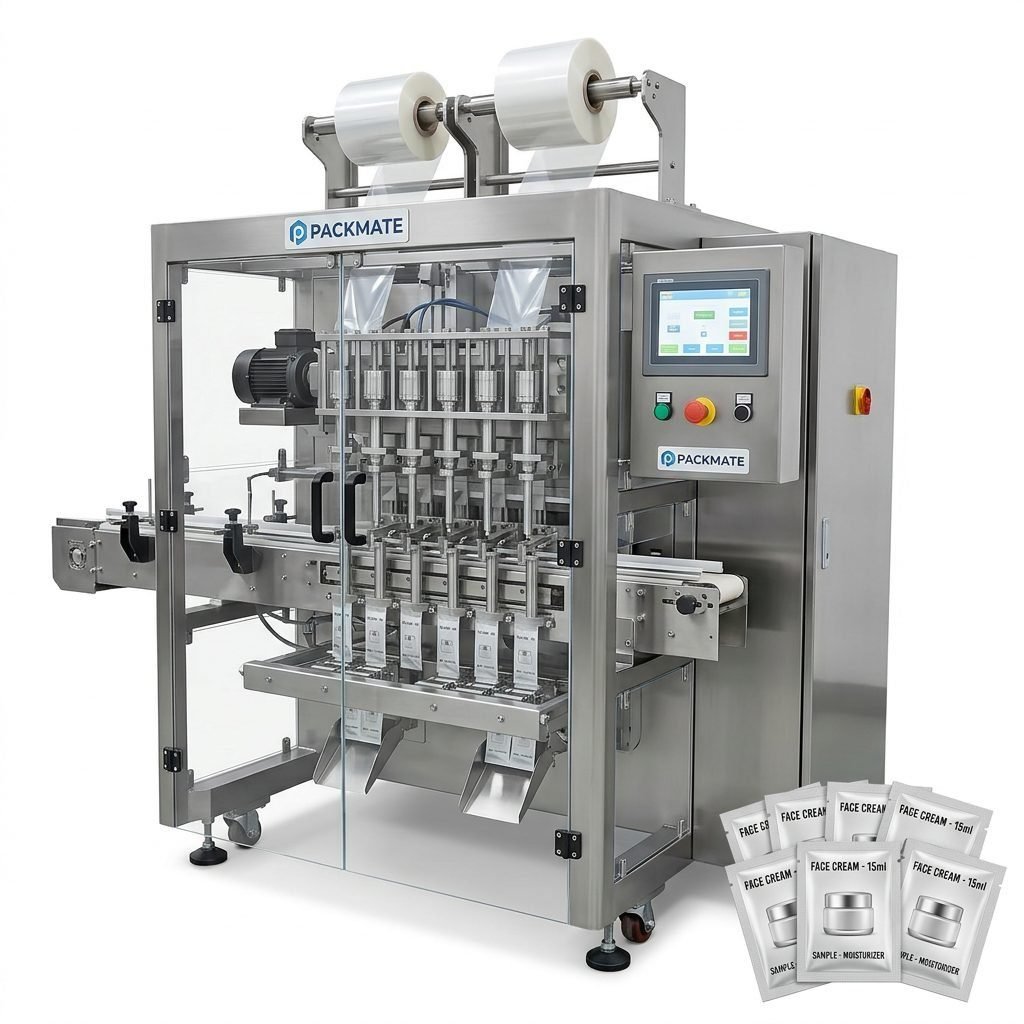
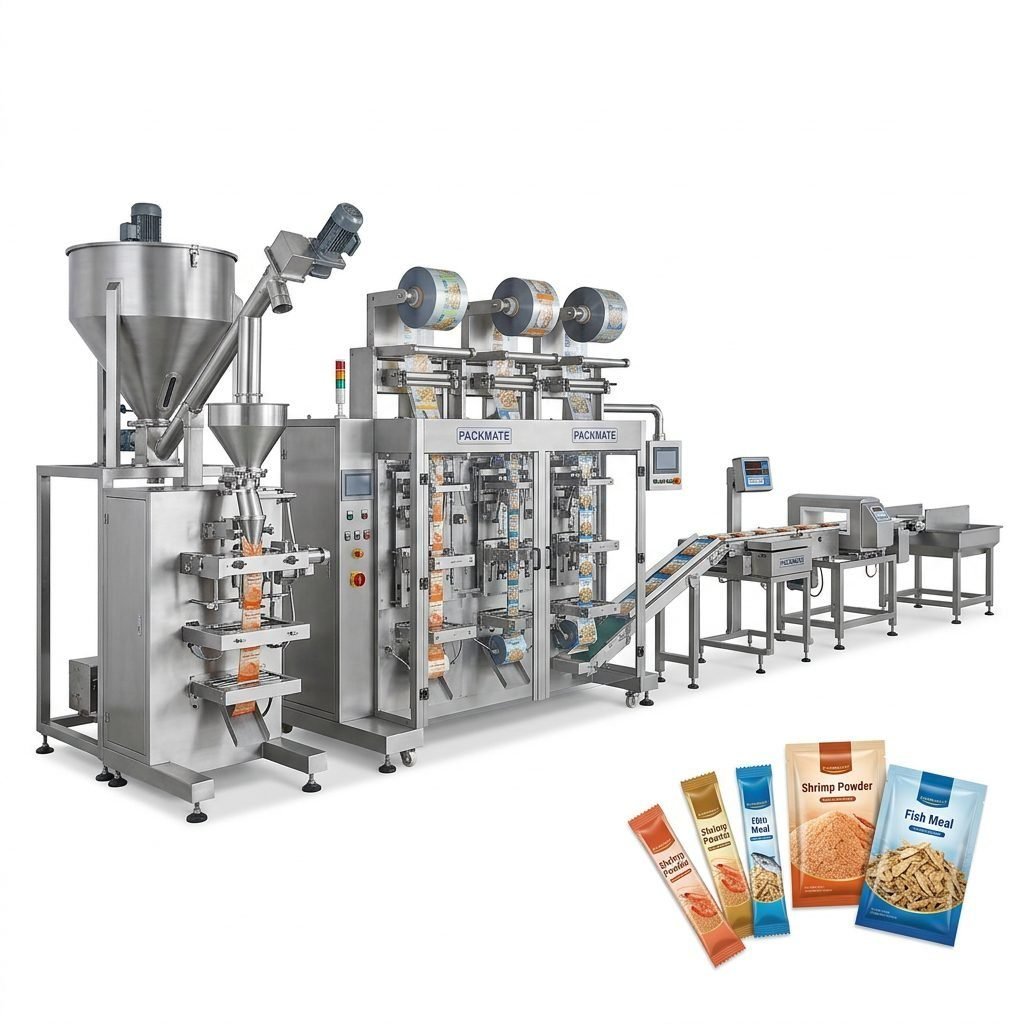
For single-serve portions of powdered drink mixes, sugar, or small candies, sachet and stick pack machines are indispensable. They create small, sealed packets from roll stock. Modern multi-lane machines, like those offered by Packmate Machinery, can produce dozens of sticks or sachets per minute, offering incredible efficiency for portion-controlled products.
Cartoning and Boxing Systems
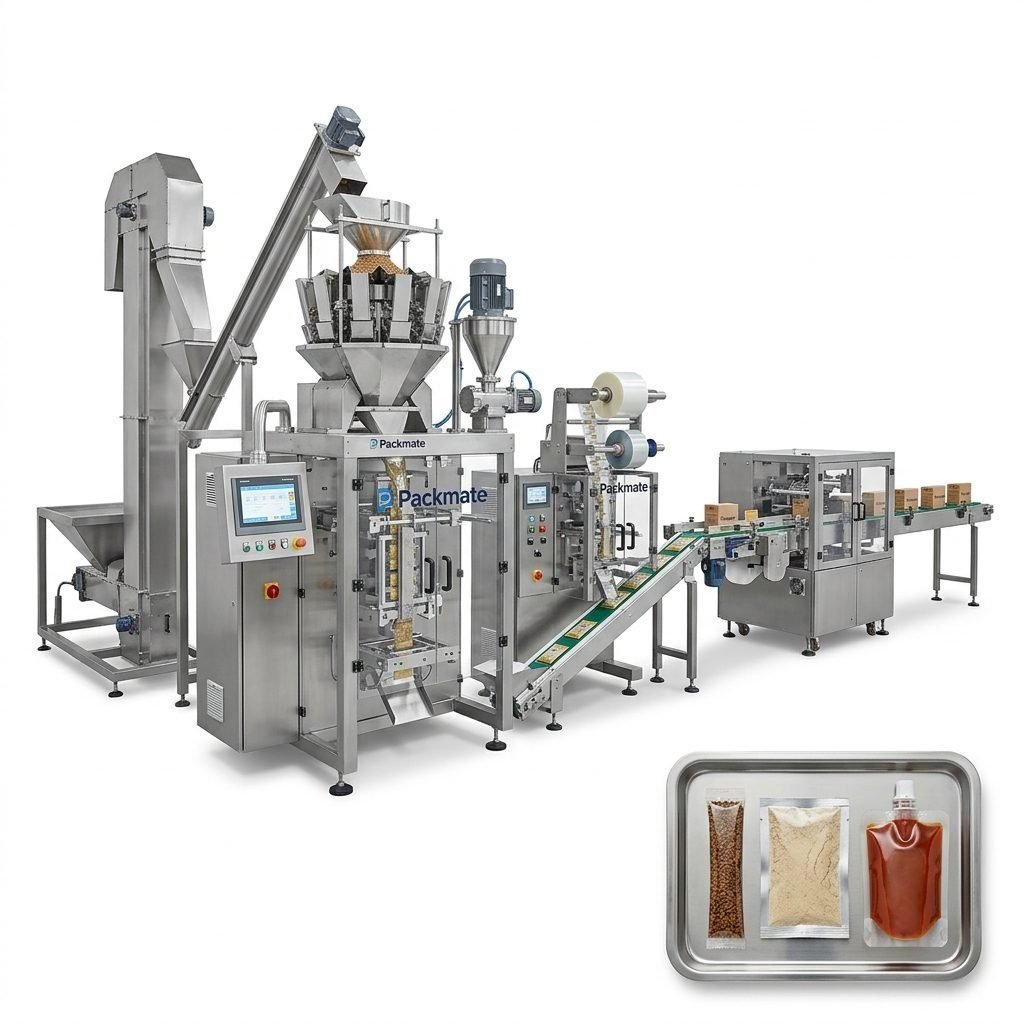
After primary packaging, products often need secondary packaging into boxes or cartons for retail. Automatic cartoning systems erect, load, and seal cartons at high speeds. These systems integrate seamlessly with upstream packaging machines to create a complete, automated packaging line.
Primary Uses and Applications in the Confectionery Industry
Each machine type serves a distinct purpose in the journey from production line to store shelf.
Key Application Areas:
Product Protection: The primary role is to create a barrier against moisture, oxygen, light, and contaminants to extend shelf life and maintain flavor.
Portion Control: Machines like stick packers enable precise, consistent serving sizes, which is vital for branding and consumer convenience.
Branding and Marketing: Packaging is the first physical touchpoint with the consumer. High-quality, consistent seals and prints enhance brand perception.
Operational Efficiency: Automating the packaging process reduces labor costs, minimizes human error, and dramatically increases output rates.
Essential Buying Guide: How to Choose the Right Machine
Investing in packaging machinery is a significant decision. Here are the critical factors to evaluate to ensure you select equipment that meets your current and future needs.
1. Assess Your Product Characteristics
The nature of your confectionery dictates the machine choice. Consider the product’s physical form (solid, powder, liquid center), size, shape, and fragility. Sticky products may require special hopper designs, while delicate chocolates need gentle handling systems.
2. Determine Required Output Speed (Packages Per Minute)
Calculate your current and projected production volume. A machine’s speed must align with your output goals without becoming a bottleneck. Remember, the rated speed of a packing machine can vary based on product complexity and packaging material.
3. Select Compatible Packaging Materials
The machine must be capable of running your chosen film, laminate, or paper. Discuss material specifications—such as thickness, coefficient of friction, and seal layer—with both your material supplier and the machine manufacturer to ensure compatibility.
4. Prioritize Ease of Use and Changeover
Look for machines with user-friendly PLC touchscreen interfaces. Quick-change parts for different bag sizes or products are essential for manufacturers running multiple SKUs, as they minimize downtime and boost overall equipment effectiveness (OEE).
5. Evaluate Build Quality and Supplier Support
Inspect the construction materials (e.g., stainless steel contact parts for food safety) and the robustness of key components like servos and seals. Equally important is the supplier’s reputation. A company with a long history, like Packmate, which has over two decades of development, typically offers more reliable machinery, comprehensive training, and accessible after-sales service and spare parts.
6. Consider Integration and Future Expansion
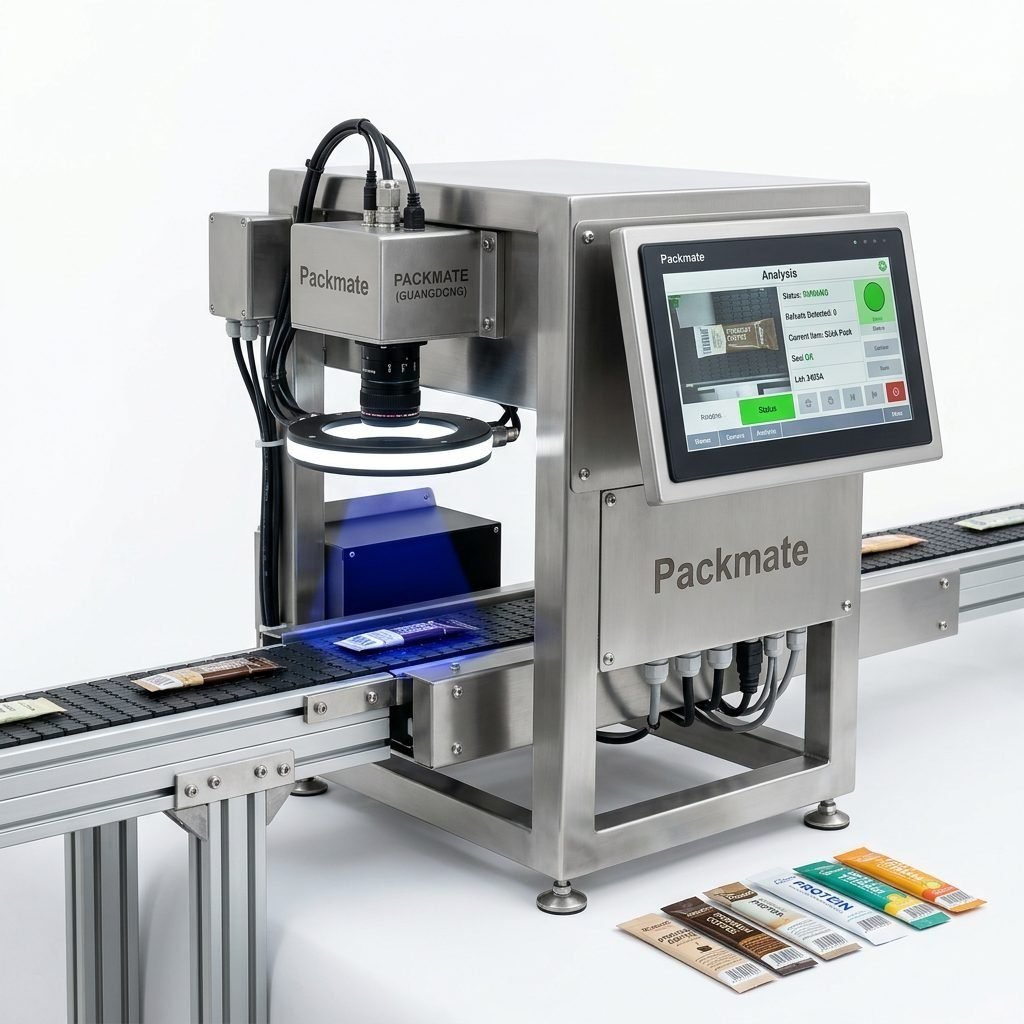
Will the machine need to integrate with existing checkweighers, metal detectors, or cartoners? Choose a machine with standard communication protocols (like PLC I/O). Consider modular designs that allow you to add functions, like gas flushing for extended freshness, in the future.
7. Analyze Total Cost of Ownership (TCO)
Look beyond the initial purchase price. Factor in long-term costs like energy consumption, required maintenance, spare part availability, and potential costs from downtime. A slightly higher initial investment in a robust, efficient machine often leads to lower TCO.
Conclusion
Selecting the optimal confectionery packaging machine is a strategic decision that balances product requirements, production goals, and operational efficiency. By thoroughly understanding the different machine types—from versatile VFFS units to precise sachet packers—and meticulously evaluating factors like speed, material compatibility, and supplier support, you can invest in equipment that not only packages your products but also protects your brand and propels your business growth. Partnering with an experienced manufacturer ensures access to reliable technology and the support needed for a successful packaging operation.
Frequently Asked Questions (FAQs)
What is the most common type of packaging machine for loose candies?
The Vertical Form-Fill-Seal (VFFS) machine is the most prevalent choice for packaging loose candies like jelly beans, hard candies, or chocolate drops into bags or pouches. Its versatility in handling different product shapes and its high-speed capabilities make it an industry standard.
How important is the packaging material for machine performance?
Extremely important. The machine and material must be perfectly matched. Using film outside the machine’s specified range can lead to poor seals, wrinkles, frequent tearing, and excessive downtime. Always consult with your machine supplier for approved material specifications.
Can one machine handle multiple different candy products?
Yes, many machines are designed for quick changeover. By switching out parts like forming tubes, fillers, and sealing jaws, and adjusting settings via the PLC, a single machine can often package a range of products. However, the feasibility depends on the size and physical difference between the products.
What are the key maintenance routines for a packaging machine?
Daily cleaning to remove product dust and residue, regular lubrication of moving parts as per the manual, and periodic inspection of critical components like sealing jaws, film pull belts, and cutting blades are essential. Preventive maintenance schedules provided by the manufacturer, like those from Packmate’s service team, are crucial for long-term reliability.
Should I choose a single machine or a complete integrated line?
It depends on your scale and automation goals. A single machine suffices for basic packaging. A complete integrated line, which may include a feeder, scale, packaging machine, checkweigher, and cartoner, is necessary for high-volume, fully automated production with minimal manual handling. It offers superior efficiency and consistency.