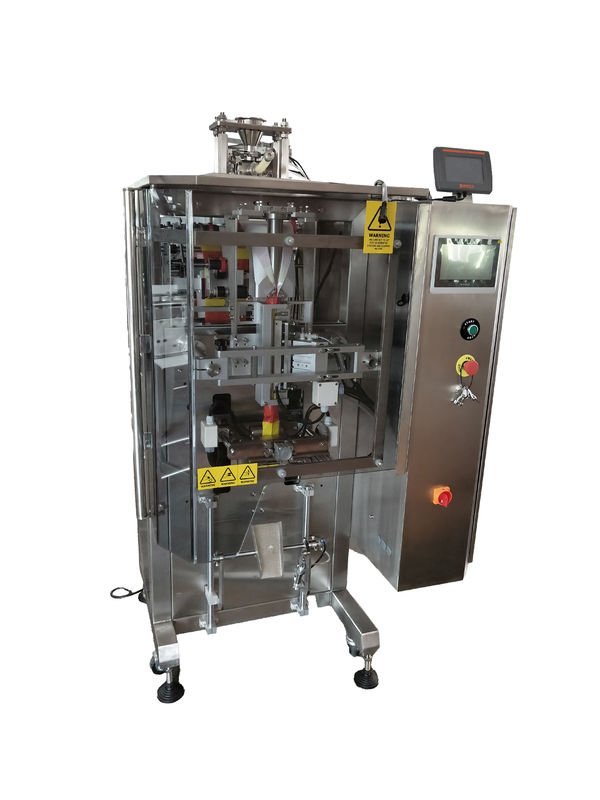
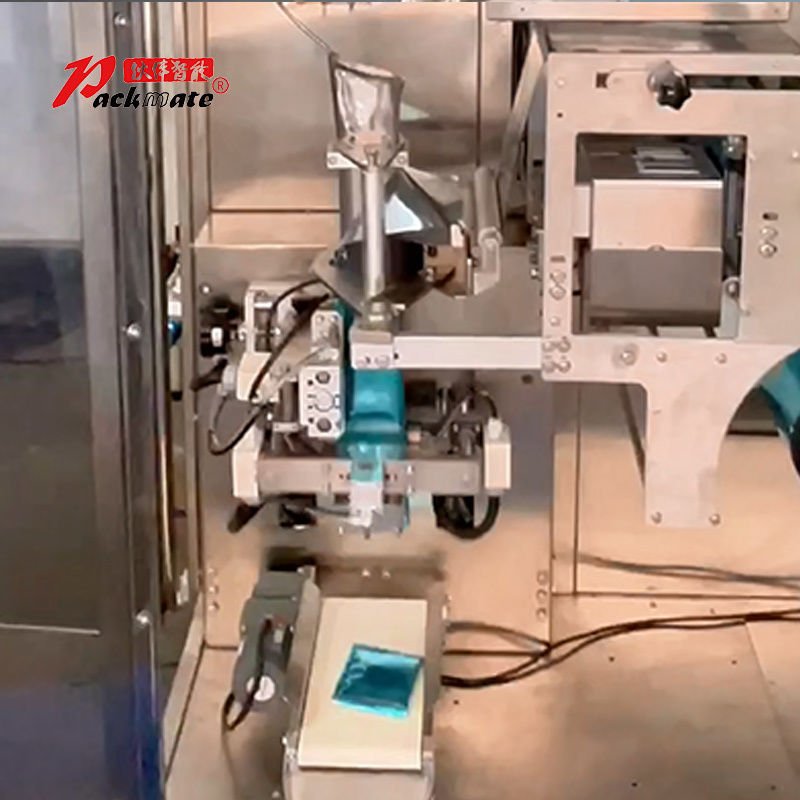
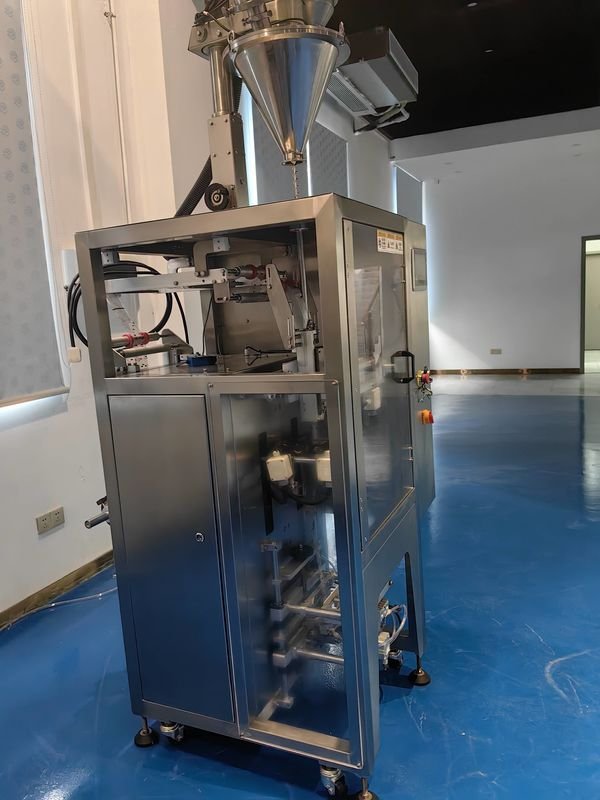
Blister packaging machines are essential equipment in pharmaceutical, medical device, consumer goods, and food industries, providing secure, tamper-evident packaging that protects products while showcasing them attractively. Understanding how these sophisticated systems operate helps businesses make informed decisions about equipment selection, optimize production processes, and troubleshoot operational issues. This comprehensive guide explores the complete working mechanism of blister packaging machines, from basic principles to advanced operational details.
Understanding Blister Packaging Fundamentals
Before examining the operational mechanics, it is essential to understand what blister packaging entails and why this packaging method has become so prevalent across multiple industries. Blister packaging consists of a pre-formed plastic cavity or pocket that holds the product, sealed to a backing material such as paperboard, aluminum foil, or plastic film. This packaging machine technology creates individual compartments that protect each item while providing excellent product visibility and tamper evidence.
Core Principle: Blister packaging machines use heat and pressure to form plastic cavities from flat film material, fill these cavities with products, and seal them with backing material to create secure, individual packages. The process combines thermoforming technology with precision filling and sealing operations to produce consistent, high-quality packages at production speeds ranging from 60 to over 400 blisters per minute depending on machine type and configuration.
The versatility of blister packaging makes it suitable for tablets, capsules, medical devices, electronics components, small hardware items, cosmetics samples, and numerous other products requiring individual protection and presentation. The transparent plastic allows consumers to see products before purchase while the sealed backing prevents tampering and contamination.
Types of Blister Packaging Machines
Different blister packaging machine designs suit various production requirements and product characteristics. Understanding these types provides context for how specific machines operate.
Thermoforming Blister Machines
Thermoforming machines represent the most common type of blister packaging equipment. These systems heat plastic film until pliable, then use vacuum, pressure, or mechanical plugs to form the film into cavities matching the product shape. Thermoforming blister machines offer excellent flexibility in cavity design, accommodate various product sizes and shapes, handle different plastic materials including PVC, PET, and PP, and provide superior package aesthetics with clear product visibility.
Cold Form Blister Machines
Cold form or cold foil blister machines form cavities from aluminum-based laminate materials without heating, using mechanical pressure to shape the material around forming dies. This technology provides superior barrier properties protecting moisture and light-sensitive products, offers enhanced product protection compared to transparent blisters, and suits pharmaceutical applications requiring maximum product stability. Cold form blisters appear opaque rather than transparent, with a distinctive metallic appearance.
Rotary Blister Machines
Rotary blister packaging machines use rotating drums or turrets for forming, filling, and sealing operations, enabling continuous motion that achieves very high production speeds. These machines excel in high-volume pharmaceutical production, can produce 200-400+ blisters per minute, and offer excellent efficiency for long production runs of similar products.
Flat Plate Blister Machines
Flat plate or reciprocating blister machines use horizontal platens that move back and forth to perform forming, filling, and sealing in sequential stations. These packaging machine systems provide easier access for changeovers and maintenance, suit operations with multiple products requiring frequent format changes, and typically operate at 60-150 blisters per minute depending on configuration.
Main Components of Blister Packaging Machines
Blister packaging machines comprise several interconnected systems that work together to transform raw materials into finished packages. Understanding these components clarifies how the overall system functions.
Film Unwinding and Feeding System
The unwinding system holds rolls of forming film and backing material, controlling tension as material feeds into the machine. Precision rollers and dancers maintain consistent tension preventing wrinkles or stretching that would compromise package quality. Modern systems incorporate automatic splice tables that join new rolls to expiring ones without stopping production, maximizing operational efficiency.
Film Registration System
Optical sensors detect registration marks printed on the film, ensuring precise alignment throughout the packaging process. The control system adjusts film position to maintain registration, which is critical for proper forming, filling, and sealing. Advanced machines use servo-driven film feeds that provide precise positioning and can compensate for film variations automatically.
Heating and Forming Station
The forming station transforms flat film into three-dimensional cavities through controlled heating and shaping. Ceramic or quartz heaters raise the film temperature to its forming range, typically 120-180°C depending on material. Once heated to optimal plasticity, the film moves to the forming area where vacuum, pressure, or mechanical plugs shape it into cavities.
Vacuum forming uses negative pressure to draw heated film into a mold cavity, suitable for shallow cavities and simple shapes. Pressure forming applies positive air pressure forcing film into molds, enabling deeper cavities and sharper detail. Plug-assist forming combines mechanical plugs with vacuum or pressure, pre-stretching the film before final forming to achieve uniform wall thickness in deep cavities.
Product Feeding and Loading System
After cavity formation, products must be accurately placed into each blister. The feeding system varies based on product type and production requirements. Vibratory feeders work well for tablets and capsules, using vibration to orient and singulate products before delivery to filling stations. Pick-and-place systems use mechanical or vacuum grippers to precisely position products, suitable for irregularly shaped items or products requiring specific orientation. Cartoning feeders handle products in strips or groups, used for items like chewing gum or small hardware.
Vision Inspection Integration
Modern blister packaging machines incorporate vision systems that verify correct product placement before sealing. Cameras inspect each cavity confirming product presence, correct orientation, and absence of defects or foreign material. Rejected blisters are marked and removed downstream, ensuring only quality packages reach consumers. Vision systems can inspect at production speeds, checking hundreds of cavities per minute without slowing throughput.
Sealing Station
The sealing station bonds backing material to the formed blisters, enclosing products in tamper-evident packages. Heat sealing is most common, using heated platens to activate adhesive coatings on the backing material or melt the backing to the blister flange. Ultrasonic sealing uses high-frequency vibration to generate heat at the seal interface, offering precise control and suitability for heat-sensitive products. Cold sealing uses pressure-sensitive adhesives that bond without heat, ideal for products that cannot tolerate elevated temperatures.
Sealing parameters including temperature, pressure, and dwell time must be precisely controlled to ensure proper seal strength without damaging products or materials. Modern machines use closed-loop control systems that monitor and adjust sealing parameters in real-time, compensating for material variations and environmental conditions.
Perforating and Cutting Station
After sealing, the continuous web of blisters passes through perforating and cutting stations that separate individual blisters or create strips of connected blisters. Perforating creates easy-tear lines between blisters, allowing consumers to separate individual doses while maintaining connection during packaging and distribution. Cutting uses rotary dies or reciprocating knives to separate blister cards or strips according to specified configurations.
Control System and Human-Machine Interface
The control system orchestrates all machine functions, managing timing, temperature, pressure, and material flow to produce consistent packages. Modern packaging machine systems use programmable logic controllers (PLCs) with touchscreen interfaces that enable operators to monitor operations, adjust parameters, store recipes for different products, and access diagnostic information.
Step-by-Step Operational Process
Understanding the sequential steps in blister packaging operations clarifies how individual components work together to create finished packages.
Step 1: Film Unwinding and Registration
The process begins with forming film unwinding from the supply roll and feeding into the machine. Tension control systems maintain consistent pull while registration sensors detect alignment marks. The control system adjusts film position ensuring proper alignment with forming tools, filling stations, and sealing platens. Proper registration is critical as misalignment causes incomplete forming, missed product placement, or seal defects.
Film Preparation: Before forming, the film may pass through pre-heating zones that gradually raise temperature, reducing thermal shock and improving forming quality. Some machines incorporate ionizing bars that eliminate static electricity preventing film from sticking to machine components or attracting dust particles.
The film advances in precise increments called index lengths, with each index corresponding to one row of blisters. Servo motors provide exact positioning, stopping the film at each station for forming, filling, sealing, and cutting operations.
Step 2: Heating the Forming Film
The indexed film passes under heating elements that raise the material to its thermoforming temperature range. Heating time and temperature are precisely controlled based on film material, thickness, and ambient conditions. PVC typically forms at 120-140°C, while PET requires 140-160°C, and PP needs 160-180°C. Insufficient heating results in incomplete forming with thin spots or tearing, while excessive heating causes material degradation, discoloration, or sagging.
Modern machines use zone-controlled heating where different areas can be set to different temperatures, accommodating variations in cavity depth or complexity. Infrared temperature sensors monitor actual film temperature, providing feedback to the control system that adjusts heating power maintaining optimal forming conditions.
Step 3: Cavity Formation
Once properly heated, the film moves to the forming station where cavities are created. The specific forming method depends on machine design and cavity requirements. In vacuum forming, the heated film is clamped over a mold cavity and vacuum draws it down conforming to the mold shape. Air pressure may be applied to the opposite side assisting the forming process. Forming typically takes 1-3 seconds depending on cavity depth and complexity.
For plug-assist forming, a mechanical plug descends into the heated film pre-stretching it before vacuum completes the forming. This technique ensures uniform wall thickness even in deep cavities, preventing thin spots that could compromise package integrity. After forming, cooling air or contact with cooled molds solidifies the plastic maintaining the cavity shape.
Step 4: Product Loading
The formed blisters index to the filling station where products are placed into cavities. Automated feeding systems deliver products to filling mechanisms that place them precisely into each cavity. For pharmaceutical tablets, vibratory bowl feeders orient products and deliver them to filling tracks that guide individual tablets to each cavity position. Pick-and-place systems with vacuum grippers or mechanical fingers retrieve products from feeders and place them accurately.
Quality Verification: Vision systems inspect filled blisters immediately after loading, verifying that each cavity contains the correct product in proper orientation. Missing products, incorrect items, or improperly positioned products trigger rejection systems that mark defective blisters for removal. This inspection prevents defective packages from proceeding to sealing, reducing waste and ensuring quality.
Step 5: Backing Material Application
Simultaneously with blister forming and filling, backing material unwinds from its supply roll and feeds through the machine. The backing material may be pre-printed with product information, branding, and regulatory text. Registration systems ensure proper alignment between backing graphics and blister positions. The backing material reaches the sealing station synchronized with the filled blisters.
Step 6: Sealing Process
The sealing station bonds backing material to blister flanges creating tamper-evident packages. Heated sealing platens descend onto the blister and backing sandwich, applying controlled temperature and pressure for a specified dwell time. Heat activates adhesive coatings on the backing material or melts the backing to the blister flange creating a hermetic seal.
Sealing parameters vary based on materials used. Typical sealing temperatures range from 140-200°C with pressure of 2-6 bar and dwell times of 1-4 seconds. The control system monitors sealing temperature and pressure continuously, adjusting as needed to maintain consistent seal quality despite material or environmental variations.
After sealing, the packages may pass through cooling stations that solidify the seal and prevent deformation. Some machines use water-cooled platens or forced air cooling to accelerate the cooling process enabling faster production speeds.
Step 7: Perforation and Cutting
The sealed blister web advances to cutting and perforating stations. Perforating dies create easy-tear lines between individual blisters or groups of blisters, allowing consumers to separate doses while maintaining package integrity during distribution. Cutting dies or knives separate blister cards into specified configurations such as single blisters, strips of 5 or 10 blisters, or full cards containing multiple rows.
Rotary cutting systems use cylindrical dies that roll across the blister web, providing smooth continuous cutting at high speeds. Reciprocating systems use flat dies that punch through the material in repeated strokes, offering flexibility for complex cutting patterns. The cutting method must be carefully controlled to ensure clean separation without damaging products or compromising seal integrity.
Step 8: Inspection and Rejection
Before packaging or cartoning, finished blisters pass through final inspection stations. Vision systems verify seal integrity, check for product presence in all cavities, inspect printing quality and legibility, and identify any physical defects like tears or contamination. Defective blisters are automatically rejected and diverted from the production stream.
Additional Inspection Methods
Some pharmaceutical applications incorporate additional inspection including weight verification to confirm correct product count, metal detection to identify contamination, and seal strength testing on sample packages. These quality control measures ensure only perfect packages reach consumers while providing documentation for regulatory compliance.
Modern machines record inspection data for every package, creating complete traceability that supports quality investigations and regulatory audits. This data can identify trends indicating developing problems before significant defects occur.
Step 9: Collection and Secondary Packaging
Finished blister cards or strips are collected and prepared for secondary packaging. Some machines include integrated cartoning systems that automatically insert blisters into folding cartons, add package inserts, and close cartons. Others simply stack or count blisters for manual cartoning or bulk packaging. The collection system must handle products gently preventing damage while organizing them efficiently for downstream operations.
Advanced Technologies in Modern Blister Machines
Contemporary blister packaging machines incorporate sophisticated technologies that enhance performance, quality, and operational efficiency.
Servo-Driven Motion Control
Modern machines use servo motors for film feeding, forming, and cutting operations rather than mechanical cam-driven systems. Servo technology provides precise positioning, smooth acceleration and deceleration, easy speed adjustment through software rather than mechanical changes, and reduced mechanical wear extending equipment life. Servo-driven packaging machine systems enable faster format changeovers as many adjustments can be made electronically rather than mechanically.
Integrated Vision Inspection Systems
Advanced vision systems perform multiple inspection tasks throughout the packaging process including verifying cavity formation quality, confirming product presence and orientation, checking seal integrity, reading and verifying printed codes, and inspecting overall package appearance. Machine learning algorithms continuously improve detection accuracy, adapting to subtle variations while reliably identifying genuine defects.
Automatic Format Changeover Systems
High-end blister machines feature automated changeover capabilities that reduce format change time from hours to minutes. Servo-adjustable components eliminate manual mechanical adjustments, recipe management systems store all parameters for different products, and quick-change tooling uses standardized interfaces enabling rapid mold exchanges. These features are particularly valuable for contract packagers or manufacturers producing multiple product varieties.
Serialization and Track-and-Trace Integration
Pharmaceutical regulations increasingly require serialization with unique identifiers on each package. Modern blister machines integrate serialization printing and verification systems that apply unique codes to each blister, verify code quality and data accuracy, record serial numbers in databases, and enable complete supply chain tracking. This integration ensures compliance while maintaining production speeds.
Industry 4.0 Connectivity
Contemporary machines offer connectivity features supporting smart manufacturing initiatives including real-time production monitoring and analytics, remote diagnostics and technical support, predictive maintenance based on operational data, and integration with enterprise resource planning (ERP) and manufacturing execution systems (MES). These capabilities improve operational efficiency while providing visibility into production performance.
Factors Affecting Blister Machine Performance
Multiple variables influence how effectively blister packaging machines operate and the quality of packages they produce.
Material Properties and Compatibility
Forming film characteristics significantly impact machine performance. Film thickness affects forming time and temperature requirements, material type determines optimal forming temperature range, film clarity influences package appearance, and barrier properties protect products from moisture and oxygen. The backing material must be compatible with the forming film and sealing method, with proper adhesive coatings or heat-seal properties to create secure seals.
Material Selection Considerations: Choosing appropriate materials requires balancing product protection requirements, package appearance preferences, cost constraints, and environmental considerations. PVC offers excellent formability and low cost but raises environmental concerns. PET provides good barrier properties and recyclability but requires higher forming temperatures. PP offers chemical resistance but can be more challenging to form. Work with material suppliers and machine manufacturers to identify optimal material combinations for your specific application.
Product Characteristics
Product attributes affect packaging success including size and shape determining cavity requirements, weight influencing cavity depth and backing material strength, fragility requiring gentle handling systems, and temperature sensitivity potentially limiting sealing methods. Products with irregular shapes may require custom cavity designs and specialized feeding mechanisms.
Environmental Conditions
Operating environment affects machine performance and package quality. Temperature variations influence forming and sealing parameters, humidity affects material properties and seal formation, and dust or contaminants can compromise package integrity or product quality. Pharmaceutical applications typically require controlled environments meeting clean room standards, while other applications may operate in standard industrial conditions.
Maintenance and Upkeep
Regular maintenance directly impacts machine reliability and package quality. Cleaning removes product residue and material buildup, lubrication ensures smooth operation of moving components, calibration maintains accuracy of temperature, pressure, and timing, and component inspection identifies wear before failures occur. Well-maintained machines produce more consistent packages with less downtime and longer service life.
Common Applications and Industries
Blister packaging machines serve diverse industries, each with specific requirements and challenges.
Pharmaceutical Industry
Pharmaceutical applications represent the largest market for blister packaging, using these machines to package tablets, capsules, lozenges, and small medical devices. Pharmaceutical blister machines must meet stringent regulatory requirements including cGMP compliance, validation documentation, cleanroom compatibility, and serialization capabilities. The packaging protects products from moisture and contamination while providing unit-dose convenience and tamper evidence.
Consumer Products
Consumer goods including batteries, small electronics, hardware items, toys, and personal care products use blister packaging for retail presentation. These applications prioritize product visibility, theft deterrence, and attractive packaging that enhances shelf appeal. Consumer blister machines may operate at higher speeds than pharmaceutical equipment as regulatory requirements are less stringent.
Food Products
Food applications include chewing gum, candies, mints, and nutritional supplements. Food-grade blister packaging must use materials approved for food contact and maintain sanitary conditions preventing contamination. Modified atmosphere packaging with gas flushing extends shelf life for oxygen-sensitive products.
Troubleshooting Common Issues
Understanding common problems and solutions helps maintain optimal machine performance.
Incomplete or Poor Forming
Causes: Insufficient heating temperature or time, incorrect vacuum or pressure settings, worn or damaged forming molds, or unsuitable film material.
Solutions: Verify and adjust heating parameters, check vacuum pump performance, inspect and clean or replace molds, and confirm film specifications match machine requirements.
Weak or Failed Seals
Causes: Incorrect sealing temperature or pressure, contamination on sealing surfaces, misalignment between blister and backing, or incompatible materials.
Solutions: Calibrate and adjust sealing parameters, clean sealing platens and verify material cleanliness, check and correct registration, and verify material compatibility.
Product Feed Problems
Causes: Incorrect feeder settings, product dimension variations, static electricity, or mechanical wear in feeding mechanisms.
Solutions: Adjust feeder parameters, verify product specifications, use anti-static measures, and inspect and service feeding components.
Frequently Asked Questions
What is the typical speed of a blister packaging machine?
Blister packaging machine speeds vary significantly based on machine type, product characteristics, and package complexity. Entry-level flat plate machines typically operate at 60-100 blisters per minute, suitable for small to medium production volumes or applications requiring frequent changeovers. Mid-range flat plate and rotary machines achieve 100-200 blisters per minute, balancing speed with flexibility for diverse product portfolios. High-speed rotary machines designed for pharmaceutical production can exceed 200-400 blisters per minute for simple tablet or capsule packaging with minimal changeovers. The stated maximum speed represents optimal conditions with ideal products and materials. Actual production speeds may be 70-85% of maximum due to changeovers, inspections, and minor stoppages. Complex products requiring precise orientation, difficult-to-form cavities, or additional inspection steps reduce achievable speeds. When evaluating machine speed, consider your actual production requirements including daily volume targets, available operating hours, and expected efficiency rates. A machine with excessive speed capacity costs more initially and may be harder to operate at slower speeds, while insufficient capacity creates production bottlenecks limiting business growth. Most manufacturers recommend selecting equipment with 20-30% more capacity than current needs, providing room for growth and maintaining reasonable efficiency even with normal production interruptions.
Can blister packaging machines handle different product sizes?
Yes, most blister packaging machines can accommodate different product sizes, though the ease and speed of changeover varies by machine design. The machine’s forming area defines maximum product dimensions, typically ranging from small pharmaceutical tablets up to consumer products several inches across. Changing product sizes requires replacing forming molds and dies with tooling matched to new product dimensions, adjusting feeding systems to handle different product sizes, modifying sealing parameters for different blister configurations, and updating control system recipes with new operational parameters. Modern machines with quick-change features and servo-driven adjustments can switch between similar product sizes in 15-30 minutes, while older machines or significant size changes may require several hours for complete changeover. Some advanced machines offer tool-less changeover where forming molds use standardized mounting interfaces enabling replacement in minutes, servo motors adjust positions electronically eliminating manual mechanical adjustments, and automated recipe management recalls all parameters for new products instantly. When selecting a blister packaging machine, consider your product range and changeover frequency. Operations packaging many different products benefit from machines designed for quick changeover even if they cost more initially, while dedicated lines running similar products continuously may prioritize speed over changeover convenience. Discuss your specific product portfolio with machine manufacturers to understand realistic changeover requirements and identify equipment best suited to your application mix.
What maintenance does a blister packaging machine require?
Blister packaging machines require regular maintenance to ensure reliable operation and consistent package quality. Daily maintenance includes cleaning product contact surfaces removing residue and contamination, inspecting forming and sealing areas for damage or buildup, verifying proper operation of safety systems, and checking material supplies and waste removal systems. Weekly maintenance tasks involve cleaning optical sensors and photo eyes, lubricating moving components per manufacturer specifications, inspecting pneumatic systems checking air pressure and filters, and reviewing production data identifying performance trends or developing issues. Monthly maintenance includes detailed inspection of forming molds checking for wear or damage, testing seal strength on sample packages, calibrating temperature and pressure controls, cleaning cooling systems and heat exchangers, and inspecting mechanical components including belts, chains, and bearings. Quarterly or semi-annual maintenance should include comprehensive mechanical inspection by qualified technicians, replacement of wear items based on usage and condition, professional calibration of critical control systems, thorough cleaning of hard-to-reach areas, and review of spare parts inventory ensuring critical components are available. Pharmaceutical applications may require additional validation activities documenting that equipment continues meeting specifications. Specific maintenance requirements vary by machine model, production volume, and operating conditions. Abrasive products or dusty environments may accelerate wear requiring more frequent service, while clean pharmaceutical operations with gentle products may extend maintenance intervals. Establish a documented preventive maintenance program based on manufacturer recommendations and your operating experience. Well-maintained machines experience fewer unexpected failures, produce more consistent quality, and deliver longer service life. Many manufacturers offer service contracts providing scheduled maintenance, priority parts supply, and technical support for annual fees typically ranging from 8-15% of machine value.
What is the difference between thermoform and cold form blister packaging?
Thermoform and cold form represent fundamentally different approaches to creating blister cavities, each with distinct advantages and applications. Thermoform blister packaging uses heat to soften plastic film which is then shaped into cavities using vacuum, pressure, or mechanical forming. The resulting packages are transparent allowing product visibility, use relatively inexpensive materials like PVC, PET, or PP, and form quickly enabling high production speeds. Thermoform blisters provide good moisture protection and are suitable for most pharmaceutical tablets and capsules, consumer products, and applications where product visibility is important. However, they offer limited protection against light and oxygen compared to cold form alternatives. Cold form blister packaging mechanically forms cavities from aluminum-based laminate materials without heating, using pressure to shape material around forming punches. Cold form packages are opaque with metallic appearance, provide superior barrier properties protecting against moisture, light, and oxygen, and suit highly sensitive pharmaceutical products requiring maximum protection. Cold form materials cost more than thermoform films, forming speeds are generally slower, and products are not visible through the package. The choice between thermoform and cold form depends on product protection requirements, with moisture and light-sensitive products often requiring cold form, package appearance preferences considering product visibility versus premium metallic appearance, production volume and speed needs, and cost considerations balancing material expenses against product protection value. Many pharmaceutical manufacturers use thermoform packaging for stable products and reserve cold form for sensitive formulations requiring enhanced protection. Some machines can handle both thermoform and cold form operations with appropriate tooling changes, providing flexibility to match packaging method to specific product requirements.
How long does it take to set up a blister packaging machine?
Setup time for blister packaging machines varies significantly based on machine sophistication, changeover scope, and operator experience. Initial installation of a new machine typically requires 1-2 weeks including equipment positioning and leveling, utility connections for electrical, compressed air, and cooling water, safety system verification and testing, mechanical calibration and adjustment, control system configuration and testing, and operator training on basic operation and maintenance. For pharmaceutical applications, additional validation activities may extend initial setup to 4-8 weeks including Installation Qualification documenting proper installation, Operational Qualification verifying all functions operate correctly, Performance Qualification demonstrating consistent production of acceptable packages, and documentation preparation for regulatory compliance. Once installed and validated, routine product changeovers require much less time. Basic changeovers between similar products on modern machines with quick-change features take 15-30 minutes including loading new forming molds and dies, adjusting feed mechanisms for new product, updating control system recipe, and running sample packages for verification. Significant format changes involving different blister sizes, materials, or configurations may require 1-4 hours including mechanical adjustments, extensive parameter optimization, and quality verification. Older machines without quick-change features or operations with limited changeover experience may need considerably longer. Factors affecting setup time include machine design with modern servo-driven machines changing over faster than mechanical cam-driven systems, operator skill and training with experienced personnel completing changeovers more quickly, tooling design where standardized quick-change tooling reduces setup time, and documentation requirements with pharmaceutical operations requiring more extensive verification. To minimize changeover time, implement standardized procedures documenting step-by-step changeover processes, maintain organized tooling storage with clearly labeled components, provide thorough operator training including hands-on practice, and consider investing in quick-change tooling and automated adjustment features for frequently changing operations. Some manufacturers schedule production to minimize changeovers, running larger batches of each product to maximize productive time relative to changeover time.