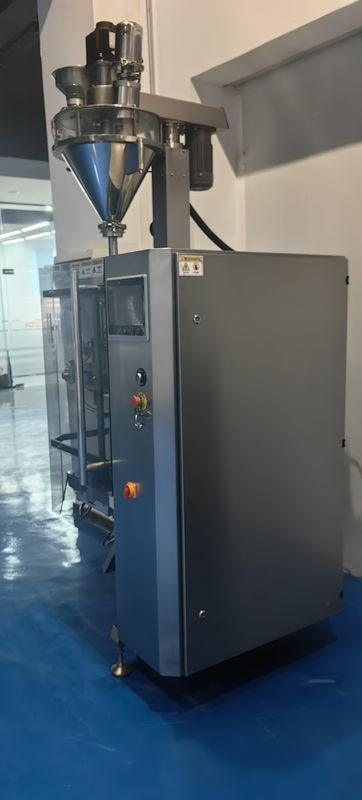
Selecting the ideal bagging machine can transform your packaging efficiency, cut costs, and boost output. Whether launching a new product line or upgrading from manual processes, the options include premade pouch fillers, vertical form fill seal (VFFS), and horizontal form fill seal (HFFS) systems. Understanding key differences helps match the equipment to your product, volume, budget, and long-term goals.
Many businesses struggle with overwhelming choices in automatic bagging technology. Factors like product type, bag style, production speed, and total ownership costs guide the best decision. This guide explores these elements in detail to help you identify the most suitable solution.
What Exactly Is a Bagging Machine
Bagging machines automate the process of filling, sealing, and preparing bags for various products—from powders and granules to liquids, solids, snacks, pet food, and industrial components. These systems handle everything from lightweight retail pouches to heavy-duty bulk bags.
Common configurations include machines that fill premade pouches or form bags on-demand from roll stock film. Downstream processes often integrate weighing, counting, conveying, labeling, checkweighing, case packing, and palletizing for a complete end-of-line solution.
Premade Pouches vs Roll Stock Film Systems
Premade pouches arrive fully formed on three sides, requiring only filling and final sealing. Machines load these from adjustable magazines that accommodate size variations within specified limits.
Advantages of premade systems: consistent high-quality appearance, easier setup for complex pouch designs like stand-up doypacks or zippers, and precise marketing presentation every cycle.
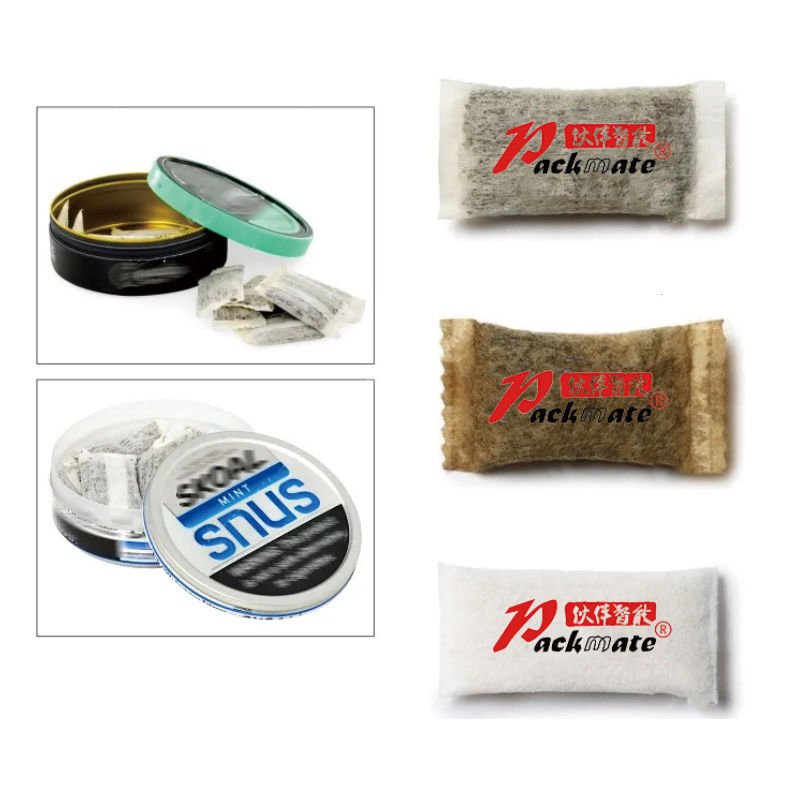
Roll stock systems, including VFFS and HFFS, start with flat film wound on a roll. The machine forms, fills, and seals the bag in one continuous operation—creating pillow, gusseted, or specialty styles on-demand.
VFFS uses gravity for vertical filling, ideal for free-flowing items, while HFFS handles horizontal loading for delicate or blocky products. These reduce per-unit material costs significantly compared to premade options.
How to Identify Machine Types Visually
Premade pouch fillers feature bag magazines instead of film rolls. No spindle or forming collar appears on the equipment.
VFFS machines display a prominent film roll spindle and a forming collar (often plow-shaped) that shapes flat film into a tube for filling. HFFS units typically show horizontal film handling with side-loading mechanisms for product insertion.
Key Factors to Evaluate Before Purchasing
Budget and Total Cost of Ownership
Initial purchase prices for premade and VFFS machines often compete, while HFFS tends higher due to greater versatility. However, premade pouches cost 25-40% more than equivalent roll film over time.
Calculate long-term expenses including film/pouch materials, waste during setup, inventory storage for premades, and potential unused stock when changing sizes. Factor in energy use, maintenance, and downtime risks.
Production Speed Requirements
Reputable suppliers offer models across categories reaching 50-100+ bags per minute. High-speed demands favor VFFS or HFFS for continuous roll operation, though premade systems excel in consistent mid-range throughput with quick changeovers.
Speed considerations: match realistic targets to bag size, weight, product flow, and desired automation level—over-specifying speed increases complexity and cost unnecessarily.
Product Characteristics and Compatibility
Heavy products like 20-50 lb animal feed or aggregates demand robust VFFS with wide film capability and strong seals. Lightweight snacks or treats suit smaller premade or VFFS setups.
Powders require dust control features; sticky items need specialized anti-cling mechanisms; fragile goods benefit from gentle HFFS handling. Test samples to confirm flow, dust, and seal integrity.
Bag Style and Marketing Needs
Premade systems deliver premium, consistent aesthetics ideal for retail branding. Advanced HFFS replicates complex styles (zippers, spouts, stand-up) from roll stock, offering flexibility without multiple pouch inventories.
VFFS excels at basic pillow or gusseted bags at high volumes. Custom options exist for wicketed bags, side-load premades, or vacuum-sealed applications in foodservice.
Operational Complexity and Maintenance
Modern machines require trained operators but benefit from in-house technical support for adjustments. HFFS servo-driven designs handle diverse styles but demand more expertise; premade and VFFS often prove simpler for smaller teams.
Evaluate ease of changeover, cleaning (especially for food/pharma), spare parts availability, and supplier service response times.
Additional Considerations for Long-Term Success
Labor reduction through automation frees staff for value-added tasks. Facility layout impacts machine footprint—compact VFFS suits tight spaces, while HFFS may need more room.
Supplier experience, warranty coverage, training programs, and industry reputation matter greatly. Reliable partners provide ongoing support and upgrades as needs evolve.
Discover versatile packaging machine solutions including advanced bagging systems tailored to diverse requirements. Reliable packaging machine options support seamless integration and high performance. Explore proven packaging machine technologies for optimized bagging efficiency. Contact experts for customized packaging machine recommendations that match your exact application.
Final Recommendations
Start by listing product specs, target volume, budget constraints, and desired bag aesthetics. Request demos or trials with your materials. Compare total costs and supplier support before committing.
The right bagging machine delivers measurable ROI through faster throughput, reduced waste, lower labor, and improved package quality—positioning your operation for sustained growth.
FAQ
What is the main difference between premade pouch machines and VFFS?
Premade machines fill pre-formed bags from magazines for consistent premium looks, while VFFS forms bags from roll film for lower material costs and higher continuous speeds.
How does product type influence bagging machine selection?
Heavy or bulky items often require wide VFFS; powders need dust-controlled systems; delicate products suit gentle HFFS; small retail items work well with premade setups.
Which bagging machine offers the lowest long-term costs?
VFFS or HFFS typically save on materials versus premade pouches, though total costs depend on volume, waste, changeover frequency, and maintenance needs.
Can one machine handle multiple bag styles and sizes?
Advanced HFFS provides the most flexibility for varied styles from roll stock; premade and VFFS excel within narrower size ranges but allow quick adjustments.
What should I consider beyond initial price when buying?
Evaluate material savings, labor reduction, ease of maintenance, spare parts availability, supplier support, facility fit, and scalability for future growth.