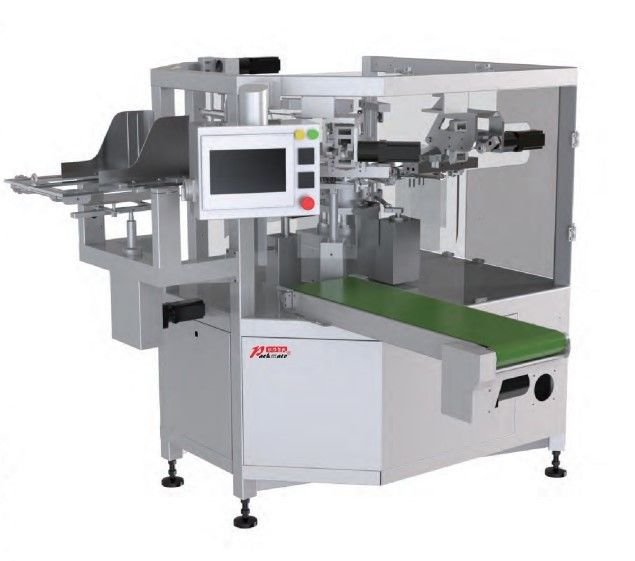
The role of a packaging machine operator represents a vital position within manufacturing and production environments across numerous industries. These skilled professionals operate, monitor, and maintain sophisticated packaging equipment that prepares products for distribution and sale. As automation and technology continue transforming manufacturing operations, packaging machine operators must combine technical expertise, mechanical aptitude, attention to detail, and problem-solving abilities to ensure efficient production and consistent product quality. This comprehensive guide explores the responsibilities, required skills, career pathways, and opportunities available for individuals pursuing or advancing in packaging machine operator careers.
Understanding the Packaging Machine Operator Role
A packaging machine operator is a manufacturing professional responsible for operating automated and semi-automated equipment that packages products into containers, boxes, bags, bottles, or other packaging formats. These operators work with various types of packaging machine equipment including filling machines, sealing systems, labeling equipment, wrapping machines, cartoning systems, and complete packaging lines that integrate multiple functions. The position requires constant attention to equipment operation, product quality, and production efficiency while maintaining safety standards and quality control protocols.
Role Significance: Packaging machine operators serve as the critical human interface between automated equipment and quality production output. Their expertise in equipment operation, quick problem identification, and effective troubleshooting directly impacts production efficiency, product quality, material waste, and overall manufacturing profitability.
Primary Responsibilities and Daily Tasks
The daily responsibilities of packaging machine operators encompass a broad range of tasks that ensure smooth production operations. Equipment setup and preparation involves configuring machines for specific products, adjusting settings for different package sizes or formats, loading packaging materials such as films, labels, or containers, and verifying that all components function properly before production begins. During operation, operators continuously monitor machine performance, product quality, and packaging integrity while making real-time adjustments to maintain optimal output.
Quality control activities represent another critical responsibility, requiring operators to inspect packages regularly for proper seals, accurate fills, correct labeling, and overall appearance. They must identify defects or deviations from specifications quickly and take corrective action to prevent defective products from reaching customers. Operators document quality checks, production quantities, downtime incidents, and material usage to provide accurate records for production management and quality assurance purposes.
Equipment Types and Technologies
Packaging machine operators work with diverse equipment technologies depending on their industry and employer. Form fill seal machines create packages from roll stock film, fill them with product, and seal them in continuous operations common in food, pharmaceutical, and consumer goods packaging. Bottling and canning lines fill, cap, and label liquid products in beverage, chemical, and personal care industries. Cartoning and case packing systems place products into boxes and prepare them for shipping. Modern packaging operations increasingly incorporate robotics, vision systems, and computerized controls that operators must understand and manage effectively.
Common Packaging Equipment Categories
- Vertical and horizontal form fill seal machines for flexible packaging
- Liquid filling systems for bottles, pouches, and containers
- Capping and sealing equipment for various container types
- Labeling machines including pressure sensitive and glue applied systems
- Wrapping equipment for shrink wrap, stretch wrap, and overwrap applications
- Cartoning machines and case packers for secondary packaging
- Palletizing systems for preparing products for shipment
Essential Skills and Qualifications
Success as a packaging machine operator requires a combination of technical skills, mechanical aptitude, and personal qualities that enable effective equipment operation and problem resolution in fast-paced production environments.
Technical and Mechanical Skills
Strong mechanical aptitude enables operators to understand how packaging machine components work together and identify the source of problems when equipment malfunctions. Operators must read and interpret technical documentation including operation manuals, setup procedures, and troubleshooting guides. Basic maintenance skills allow operators to perform routine tasks such as cleaning, lubrication, and minor adjustments that keep equipment running efficiently. As packaging equipment becomes increasingly computerized, comfort with technology and ability to navigate touchscreen interfaces, input parameters, and interpret system displays grows more important.
Mathematical and Measurement Capabilities
Packaging machine operators regularly perform calculations and measurements as part of their duties. They must accurately measure dimensions, weights, and volumes to verify proper fills and package specifications. Basic math skills support tasks like calculating production rates, material consumption, and efficiency metrics. Understanding units of measurement and ability to convert between different measurement systems proves essential when working with equipment and specifications from different manufacturers or countries.
Quality Control and Attention to Detail
Exceptional attention to detail separates outstanding packaging machine operators from average performers. Operators must maintain constant vigilance to detect subtle quality issues, equipment performance changes, or developing problems before they result in significant defects or downtime. Visual inspection skills enable operators to identify packaging defects, seal integrity issues, labeling errors, or product appearance problems. Understanding quality standards and specifications ensures that operators can evaluate whether products meet requirements and make informed decisions about accepting or rejecting production output.
Problem-Solving and Troubleshooting Abilities
Equipment malfunctions, material issues, and unexpected problems occur regularly in packaging operations, making strong problem-solving skills essential. Effective operators systematically diagnose issues by observing symptoms, testing potential causes, and implementing solutions methodically. They understand when problems require immediate action versus when they can continue operation while monitoring the situation. Knowing when to attempt resolution independently versus when to request maintenance or engineering support demonstrates good judgment that minimizes downtime while preventing equipment damage or safety hazards.
Educational Requirements and Training
The educational requirements for packaging machine operator positions vary by employer, industry, and equipment complexity, though most positions are accessible to individuals without advanced degrees who possess relevant skills and aptitude.
Minimum Education and Certifications
Most packaging machine operator positions require a high school diploma or equivalent as the minimum educational qualification. Some employers prefer candidates with technical or vocational training in manufacturing, industrial maintenance, or related fields. Technical certificates or associate degrees in manufacturing technology, industrial maintenance, or mechatronics provide competitive advantages and may qualify individuals for higher starting positions or accelerated advancement. Industry-specific certifications such as food safety training, good manufacturing practices credentials, or equipment-specific certifications demonstrate specialized knowledge valued by employers in particular sectors.
Valuable Educational Backgrounds
- Manufacturing technology programs: Provide broad understanding of production processes and equipment
- Industrial maintenance training: Develops mechanical and electrical troubleshooting skills
- Mechatronics education: Combines mechanical, electrical, and control system knowledge
- Quality control courses: Build understanding of inspection methods and statistical process control
- Computer skills training: Enhances ability to work with computerized equipment controls
- Safety certifications: Demonstrate commitment to workplace safety practices
On-the-Job Training Programs
Most packaging machine operators receive substantial on-the-job training after being hired, as specific equipment operation and company procedures must be learned through hands-on experience. Training programs typically begin with safety orientation covering lockout-tagout procedures, emergency protocols, personal protective equipment requirements, and hazard recognition. New operators then learn basic equipment operation under supervision, progressing to independent operation as they demonstrate competence. Advanced training covers changeovers between different products, routine maintenance procedures, quality control methods, and troubleshooting techniques. Training duration varies from several weeks for simple equipment to several months for complex automated packaging lines.
Continuing Education and Skill Development
The packaging industry continuously evolves with new technologies, materials, and methods, making ongoing learning important for career advancement and job security. Operators who pursue additional training in areas such as programmable logic controllers, robotics, vision systems, or advanced troubleshooting techniques position themselves for promotion to senior operator, technician, or supervisor roles. Many equipment manufacturers offer training courses on their specific packaging machine platforms that provide valuable specialized knowledge. Industry associations and technical schools offer continuing education opportunities that help operators stay current with industry trends and best practices.
Work Environment and Conditions
Understanding the typical work environment and conditions helps individuals determine whether packaging machine operator positions align with their preferences and capabilities.
Physical Demands and Requirements
Packaging machine operator positions involve significant physical activity throughout work shifts. Operators spend most of their time standing, walking between equipment stations, and performing repetitive motions while loading materials, adjusting equipment, or inspecting products. The role requires ability to lift packaging materials, product cases, or equipment components, with lifting requirements typically ranging from 25 to 50 pounds regularly and occasionally higher weights with assistance. Manual dexterity enables operators to perform precise adjustments, thread materials through equipment, and manipulate small components. Good vision, including ability to perceive colors and detect small defects, supports quality inspection responsibilities.
Environmental Conditions: Work environments vary significantly by industry. Food and pharmaceutical packaging operations maintain clean, climate-controlled conditions with strict hygiene requirements. Chemical or industrial product packaging may involve exposure to odors, dust, or temperature variations. Noise levels from operating equipment require hearing protection in many facilities. Most operations provide appropriate personal protective equipment including safety glasses, hearing protection, and specialized gear as needed for specific products or processes.
Schedule and Shift Work Considerations
Many packaging operations run multiple shifts or around-the-clock production to maximize equipment utilization and meet customer demands. Packaging machine operators should expect potential assignment to various shifts including evenings, nights, weekends, and holidays depending on production schedules. Some facilities operate traditional day shifts, particularly in smaller operations or industries with predictable demand patterns. Shift work offers advantages including shift differential pay premiums and potentially less supervision during off-shifts, though it requires adjustment to non-traditional schedules and may impact personal and family life.
Safety Considerations and Protocols
Safety represents a paramount concern in packaging operations where operators work near moving machinery, electrical systems, and potentially hazardous materials. Comprehensive safety training covers machine guarding, lockout-tagout procedures for maintenance activities, proper lifting techniques, emergency response procedures, and hazard communication for chemicals or materials. Operators must consistently follow safety protocols, use required personal protective equipment, and maintain awareness of their surroundings to prevent injuries. A strong safety culture and individual commitment to safe practices protect operators and their colleagues while supporting efficient production operations.
Industries Employing Packaging Machine Operators
Packaging machine operators find employment opportunities across virtually every manufacturing sector, as most products require packaging before distribution and sale. Understanding industry-specific characteristics helps operators identify sectors that match their interests and career goals.
Food and Beverage Manufacturing
The food and beverage industry represents one of the largest employers of packaging machine operators. These operations package products ranging from fresh produce and meats to processed foods, snacks, and beverages in formats including bags, boxes, bottles, cans, and specialized containers. Food packaging operations emphasize sanitation, with operators following strict hygiene protocols and good manufacturing practices. The industry offers stable employment as food products always require packaging regardless of economic conditions. Operators in food packaging may work with temperature-controlled products, requiring operation in cooler or freezer environments for certain applications.
Pharmaceutical and Medical Device Industries
Pharmaceutical and medical device packaging demands exceptional attention to quality, accuracy, and regulatory compliance. Operators in these industries work in controlled environments maintaining specific cleanliness standards, often wearing specialized protective garments. The packaging process includes critical quality checks, serialization for track-and-trace requirements, and extensive documentation. While the learning curve and compliance requirements are higher, pharmaceutical packaging typically offers above-average compensation and excellent benefits reflecting the industry’s profitability and the critical nature of the work.
Additional Industry Sectors
- Consumer products: Personal care items, household goods, and general merchandise
- Chemical manufacturing: Industrial chemicals, cleaning products, and agricultural chemicals
- Automotive and industrial: Parts, components, and hardware packaging
- E-commerce fulfillment: Diverse products requiring flexible packaging solutions
- Contract packaging: Third-party packaging services for multiple clients and product types
Compensation and Benefits
Compensation for packaging machine operators varies based on experience, location, industry, and employer size, with opportunities for advancement to higher-paying positions as skills and experience develop.
Salary Ranges and Earning Potential
Entry-level packaging machine operators typically earn between 28,000 and 35,000 dollars annually, with exact starting wages varying by region and industry. Experienced operators with several years of proven performance earn between 35,000 and 48,000 dollars annually. Senior operators with specialized skills, extensive experience, or responsibility for training others may earn 48,000 to 60,000 dollars or more. Geographic location significantly impacts compensation, with operators in high cost-of-living areas or regions with strong manufacturing sectors commanding higher wages. Industries such as pharmaceuticals and specialty chemicals typically offer premium compensation compared to general manufacturing sectors.
Additional Compensation Factors
Beyond base salary, many packaging machine operator positions offer additional compensation elements that enhance total earnings. Shift differentials provide premium pay for evening, night, or weekend shifts, typically adding 10% to 20% to base hourly rates. Overtime opportunities allow operators to earn time-and-a-half or double-time rates when production demands exceed regular schedules. Some companies offer performance bonuses tied to production goals, quality metrics, or safety records. Union representation in some facilities ensures strong wage scales and regular increases based on seniority and contract negotiations.
Benefits Packages and Perks
Comprehensive benefits packages represent significant value beyond base compensation. Most full-time packaging machine operator positions include health insurance covering medical, dental, and vision care. Retirement benefits such as 401(k) plans with employer matching help operators build long-term financial security. Paid time off including vacation days, sick leave, and holidays provides work-life balance. Many manufacturers offer tuition reimbursement or training assistance supporting operators who pursue additional education. Additional benefits may include life insurance, disability coverage, employee assistance programs, and wellness initiatives.
Career Advancement Opportunities
Packaging machine operator positions offer clear pathways for career advancement for motivated individuals who develop their skills and demonstrate strong performance.
Progression to Senior Operator Roles
The most direct advancement path leads to senior operator or lead operator positions that carry additional responsibilities and higher compensation. Senior operators typically master multiple equipment types, handle the most complex changeovers, train new operators, and serve as shift resources for troubleshooting difficult problems. These roles require demonstrated technical expertise, leadership capabilities, and consistent performance over time. Advancement to senior positions usually occurs after three to five years of experience, though exceptional performers may advance more quickly.
Transition to Maintenance and Technical Roles
Operators with strong mechanical aptitude and interest in equipment repair often transition to maintenance technician positions. This career path requires additional technical training in areas such as electrical systems, hydraulics, pneumatics, and programmable logic controllers. Maintenance technicians earn higher compensation than operators while working on diverse technical challenges. Some operators pursue this path through apprenticeship programs, technical school attendance, or employer-sponsored training that allows gradual transition while maintaining employment.
Management and Supervisory Opportunities
Operators who demonstrate leadership abilities, communication skills, and understanding of production operations may advance to supervisory or management positions. Production supervisors oversee multiple operators, manage shift operations, address personnel issues, and coordinate with other departments. This path requires developing skills beyond technical equipment operation, including people management, scheduling, performance evaluation, and strategic thinking. Many companies prefer promoting supervisors from experienced operator ranks, as they understand the work intimately and have credibility with production teams.
Alternative Career Paths
- Quality assurance: Focus on inspection, testing, and quality system management
- Production planning: Schedule production, manage inventory, and optimize workflows
- Training specialist: Develop and deliver training programs for operators and other staff
- Process improvement: Analyze operations and implement efficiency enhancements
- Equipment specialist: Become expert on specific packaging machine types or manufacturers
Job Search and Application Strategies
Finding and securing packaging machine operator positions requires strategic approaches to identifying opportunities, presenting qualifications effectively, and navigating the hiring process successfully.
Identifying Job Opportunities
Multiple channels provide access to packaging machine operator job openings. Online job boards including Indeed, Monster, and LinkedIn regularly list operator positions across various industries and locations. Manufacturing-specific job sites and industry association career centers focus specifically on production and manufacturing roles. Company websites often post openings directly, particularly for large manufacturers with ongoing hiring needs. Staffing agencies specializing in manufacturing and industrial placements provide access to both temporary and permanent positions. Networking through personal connections, industry events, or online professional groups can uncover opportunities not widely advertised.
Crafting Effective Applications
Strong applications highlight relevant skills, experience, and qualities that match employer requirements. Resumes should emphasize mechanical aptitude, technical skills, attention to detail, safety awareness, and any previous manufacturing or equipment operation experience. Quantifying achievements such as production rates, quality metrics, or efficiency improvements demonstrates concrete contributions. Even candidates without direct packaging experience can highlight transferable skills from other roles involving equipment operation, quality control, or technical work. Cover letters should express genuine interest in the position and company while explaining how your background prepares you for success as a packaging machine operator.
Interview Preparation: Packaging machine operator interviews typically assess technical knowledge, problem-solving abilities, safety awareness, and cultural fit. Prepare to discuss your understanding of equipment operation, experience troubleshooting mechanical problems, approach to quality control, and commitment to safety. Be ready to provide specific examples demonstrating attention to detail, ability to work in team environments, and handling of challenging situations. Asking informed questions about equipment types, training programs, and advancement opportunities demonstrates genuine interest and professionalism.
Industry Outlook and Future Trends
Understanding industry trends and future outlook helps individuals make informed career decisions and prepare for evolving job requirements in packaging operations.
Employment Demand and Job Security
Packaging machine operator positions generally offer good job security and steady demand. Virtually all manufactured products require packaging, creating ongoing need for skilled operators across diverse industries. While automation continues advancing, human operators remain essential for equipment setup, changeovers, quality monitoring, and problem resolution that automation cannot fully replicate. The retirement of experienced manufacturing workers creates opportunities for new entrants to the field. Geographic areas with strong manufacturing presence offer the most abundant opportunities, though packaging operations exist throughout the country supporting local and regional production.
Technology Evolution and Skill Requirements
Packaging equipment continues becoming more sophisticated, incorporating advanced automation, robotics, vision systems, and digital controls. Future packaging machine operators will need stronger technical skills including comfort with computer interfaces, basic understanding of control systems, and ability to work with data-driven production systems. Equipment manufacturers increasingly design machines with user-friendly interfaces and diagnostic systems that simplify operation and troubleshooting. Operators who embrace technology and pursue ongoing skill development position themselves advantageously as equipment evolves. The fundamental skills of mechanical understanding, attention to detail, and problem-solving remain valuable even as technology advances.
Sustainability and Industry Changes
Growing emphasis on sustainable packaging drives changes in materials, equipment, and processes that affect operator roles. Operators work with new packaging materials including recyclable, compostable, and reduced-material designs that may require different handling or processing approaches. Equipment modifications to accommodate sustainable materials or reduce waste create learning opportunities for operators willing to adapt. Understanding sustainability principles and contributing to waste reduction initiatives adds value beyond basic equipment operation, supporting both environmental goals and cost reduction objectives.
Professional Development Resources
Numerous resources support packaging machine operators seeking to enhance their skills, stay current with industry developments, and advance their careers.
Industry Associations and Organizations
Professional associations provide valuable networking, education, and career resources for packaging professionals. The Packaging Machinery Manufacturers Institute offers technical information, training resources, and industry connections. The Institute of Packaging Professionals provides certifications, educational programs, and networking opportunities. Industry-specific associations in food, pharmaceutical, or other sectors offer specialized resources relevant to those industries. Membership in professional organizations demonstrates commitment to the field and provides access to knowledge that supports career development.
Training and Certification Programs
Various training providers offer programs that build skills valuable for packaging machine operators. Technical and community colleges provide courses in manufacturing technology, industrial maintenance, and quality control. Equipment manufacturers offer training on their specific machine platforms, often including certification upon completion. Online learning platforms provide flexible access to courses covering mechanical systems, electrical basics, programmable logic controllers, and other relevant topics. Pursuing additional training and certifications distinguishes motivated operators and creates pathways for advancement.
Frequently Asked Questions
What does a packaging machine operator do on a daily basis
A packaging machine operator’s daily responsibilities center on operating automated equipment that packages products for distribution and sale. The day typically begins with reviewing production schedules and preparing equipment for operation by loading packaging materials such as films, labels, or containers, adjusting machine settings for specific products or package sizes, and conducting pre-operation safety checks. During production, operators continuously monitor equipment performance and product quality, making real-time adjustments to maintain optimal output and prevent defects. They perform regular quality inspections checking for proper seals, accurate fills, correct labeling, and overall package appearance. Operators document production quantities, material usage, quality checks, and any issues or downtime incidents. When problems occur, they troubleshoot equipment malfunctions and implement corrections or request maintenance support for complex issues. Between production runs, operators perform changeovers to reconfigure equipment for different products or package formats. Daily tasks also include routine cleaning and basic maintenance such as lubrication or minor adjustments. Throughout their shift, operators maintain constant awareness of safety protocols and ensure their work area remains organized and hazard-free. The specific duties vary by equipment type, industry, and employer, but the core focus remains consistent operation of packaging equipment while maintaining quality standards and production efficiency.
How long does it take to become a skilled packaging machine operator
The timeline to become a skilled packaging machine operator varies based on equipment complexity, prior experience, and individual aptitude, though most operators develop basic competence within several weeks to a few months. Initial training covering safety protocols, basic equipment operation, and quality standards typically requires one to three weeks of intensive instruction and supervised practice. During this period, new operators learn fundamental controls, material loading procedures, and routine monitoring tasks under close supervision. Achieving independent operation capability for standard production typically takes one to three months as operators build confidence, develop muscle memory for routine tasks, and learn to recognize normal versus abnormal equipment behavior. Mastering more complex skills such as equipment changeovers, advanced troubleshooting, and operation of multiple machine types generally requires six months to one year of consistent experience. Becoming a truly expert operator who can handle any situation, train others effectively, and optimize equipment performance typically takes two to three years of dedicated work. The learning curve accelerates for individuals with previous manufacturing experience, strong mechanical aptitude, or technical education backgrounds. Conversely, those new to manufacturing environments or working with particularly complex automated systems may require longer development periods. Most employers understand that operator skill develops progressively and structure training and responsibilities accordingly, gradually expanding duties as competence grows. Continuous learning remains important throughout an operator’s career as equipment evolves and new technologies emerge.
Do I need previous experience to become a packaging machine operator
Previous experience is not always required to begin a career as a packaging machine operator, as many employers hire entry-level candidates and provide comprehensive training. Companies recognize that specific equipment operation skills must be learned on the job regardless of previous experience, making aptitude and attitude often more important than prior background. That said, certain types of experience provide advantages in the hiring process and accelerate skill development. Any previous manufacturing or production work demonstrates familiarity with industrial environments, safety protocols, and production-focused work cultures. Experience operating equipment or machinery of any type, even in non-packaging contexts, shows mechanical aptitude and comfort working with mechanical systems. Technical or vocational training in manufacturing, maintenance, or related fields provides foundational knowledge that applies to packaging operations. Quality control experience develops attention to detail and understanding of inspection procedures. Even seemingly unrelated experience in fast-paced, detail-oriented, or team-based environments can demonstrate transferable skills valued by employers. For individuals without direct relevant experience, emphasizing qualities such as mechanical interest, technical aptitude, attention to detail, reliability, and willingness to learn helps compensate for lack of specific background. Many successful packaging machine operators began their careers with no previous manufacturing experience but possessed the right combination of aptitude, work ethic, and commitment to learning. Entry-level positions or temporary assignments through staffing agencies provide opportunities to gain initial experience and demonstrate capabilities to potential long-term employers.
What is the typical salary for a packaging machine operator
Packaging machine operator salaries vary significantly based on experience level, geographic location, industry sector, and employer size, with typical annual earnings ranging from approximately 28,000 dollars for entry-level positions to 60,000 dollars or more for highly experienced senior operators. Entry-level operators with less than one year of experience typically earn between 28,000 and 35,000 dollars annually, translating to roughly 13 to 17 dollars per hour. Operators with two to five years of experience and demonstrated competence across multiple equipment types generally earn between 35,000 and 45,000 dollars annually or approximately 17 to 22 dollars per hour. Experienced operators with five or more years of expertise, specialized skills, or senior responsibilities command salaries from 45,000 to 60,000 dollars annually, equivalent to 22 to 29 dollars per hour or higher. Geographic location substantially impacts compensation, with operators in high cost-of-living metropolitan areas or regions with strong manufacturing sectors earning 20% to 40% more than those in lower-cost rural areas. Industry sector also influences pay levels, with pharmaceutical and specialty chemical packaging typically offering premium compensation compared to general consumer goods or food packaging. Additional compensation elements enhance total earnings beyond base pay, including shift differentials adding 10% to 20% for evening or night shifts, overtime opportunities at time-and-a-half or double-time rates, and performance bonuses tied to production or quality goals. Comprehensive benefits packages including health insurance, retirement contributions, and paid time off add significant value beyond stated salaries. Union representation in some facilities ensures strong wage scales and regular increases. Career advancement to senior operator, lead, or supervisory positions provides pathways to higher compensation as skills and responsibilities grow.
Is being a packaging machine operator a good career choice
Whether packaging machine operator represents a good career choice depends on individual interests, skills, and career goals, though the position offers several attractive characteristics for many people. The role provides stable employment in an essential function, as virtually all manufactured products require packaging regardless of economic conditions. Demand for skilled operators remains consistent across diverse industries and geographic locations, offering job security and mobility. The position is accessible to individuals without advanced degrees, providing good earning potential relative to educational requirements, with entry-level positions leading to middle-class incomes as experience develops. Clear advancement pathways exist for motivated individuals willing to develop their skills, with progression to senior operator, technician, supervisory, or specialized roles offering increased responsibility and compensation. The work provides tangible satisfaction from operating complex equipment, solving problems, and contributing directly to product quality and production success. For individuals who enjoy hands-on technical work, variety in daily tasks, and seeing immediate results from their efforts, packaging machine operation can be highly satisfying. The role suits people with mechanical aptitude, attention to detail, and preference for active work over sedentary desk jobs. However, the position may not appeal to everyone, as it involves physical demands including standing for extended periods, repetitive motions, and lifting requirements. Shift work including evenings, nights, and weekends is common in many facilities. The work environment can be noisy and may involve temperature variations or exposure to products being packaged. Career advancement beyond a certain level may require additional education or transitioning to different roles. Overall, packaging machine operator represents a solid career choice for individuals whose skills, interests, and preferences align with the nature of the work, offering stable employment, reasonable compensation, and advancement opportunities in essential manufacturing operations.