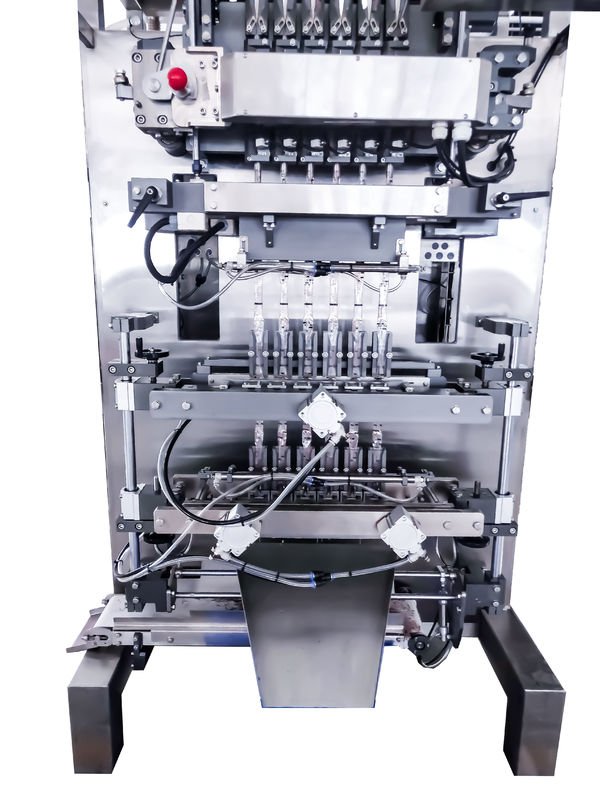
In modern manufacturing, a snus packaging production system represents far more than a single machine on a factory floor. It is a coordinated automated solution that integrates dosing, feeding, pouch forming, sealing, counting, inspection, coding, cartoning, and final case packing into one efficient workflow. For producers seeking stable output, hygienic handling, and scalable operations, the development of an advanced system is now a decisive factor in achieving both product quality and commercial competitiveness. In today’s fast-moving market, intelligent packaging machinery enables manufacturers to reduce labor dependence, improve process consistency, and meet increasingly strict international production standards.
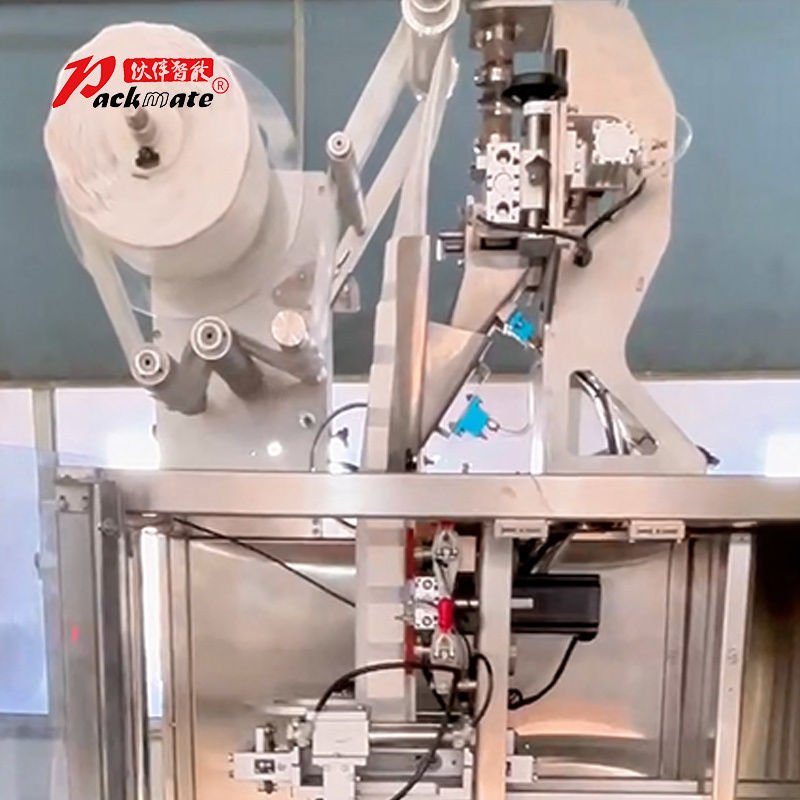
Snus products demand careful packaging because they are closely associated with moisture control, freshness preservation, sealing integrity, and consumer convenience. Even minor fluctuations in filling precision or seal quality can affect shelf life, appearance, transport safety, and brand perception. For this reason, automated manufacturing systems designed specifically for snus packaging must combine precision engineering, reliable motion control, and stable continuous operation. A well-built production line helps manufacturers move from fragmented manual handling to a synchronized process that delivers higher efficiency with lower production risk.
● Key idea: Efficient automated manufacturing is not only about speed. It is about maintaining accuracy, hygiene, repeatability, traceability, and equipment uptime across the entire snus packaging process.
Why snus packaging requires a specialized production system
Unlike many conventional dry products, snus packaging often involves strict requirements for product protection and process cleanliness. Materials must be handled carefully to avoid contamination, while the packaging format must support easy storage, reliable transport, and consistent consumer experience. Depending on the product form, the system may need to manage pre-portioned units, cans, sachets, inner wraps, labels, and secondary packaging. This complexity means that isolated machines rarely deliver optimal results. Instead, a complete automated line ensures that each operation communicates with the next, minimizing downtime caused by mismatched speeds or inconsistent handling.
A specialized system also supports better environmental control. Through enclosed conveying sections, accurate material feeding, and controlled sealing parameters, manufacturers can preserve product condition while improving compliance with hygiene-oriented production standards. This is especially important for companies exporting to multiple markets, where packaging consistency and documented quality processes are essential for customer approval and long-term business growth.
⚡ Core system goals
✔ Improve packaging speed without sacrificing precision
✔ Reduce manual intervention and labor variability
✔ Enhance seal quality and packaging consistency
✔ Support GMP-oriented production environments
✔ Increase traceability, safety, and operational reliability
Main components of an efficient automated snus packaging line
A high-performance snus packaging production system is usually composed of several interconnected modules. The first stage begins with material feeding and preparation. This section must ensure smooth flow, stable transfer, and accurate positioning of product and packaging materials. The second stage involves filling or portion handling, where precision is critical to avoid underfill, overfill, or product waste. The third stage includes forming or container loading, followed by sealing, coding, and quality inspection. Finally, the finished units move to cartoning, bundling, or case packing for logistics readiness.
The true strength of the system lies in integration. Sensors, servo control, PLC-based automation, and operator interfaces connect every stage into a coordinated production rhythm. When one station changes speed or detects an abnormal condition, the system can respond immediately, reducing defects and preventing larger stoppages. This intelligent coordination is what transforms standard machinery into a production system capable of delivering measurable manufacturing value.
Typical functional modules
➤ Product feeding and orientation
➤ Precision dosing or pouch handling
➤ Can, pouch, or container loading
➤ Sealing and leak-resistance assurance
➤ Date coding and batch traceability
➤ Inspection, cartoning, and final transport packaging
The role of automation in manufacturing efficiency
Automation changes the economics of snus packaging by making output more predictable and less dependent on individual operator skill. Manual processes can be useful at small scale, but they often introduce inconsistency in filling, sealing pressure, alignment, label placement, and throughput. Automated systems reduce these variables by maintaining pre-programmed operating conditions. This not only improves speed, but also lowers the chance of packaging defects, material loss, and rework.
Another major benefit is real-time monitoring. Advanced equipment can track production counts, fault alarms, temperature values, sealing pressure, and cycle times while generating useful operational data. Managers can use this information to optimize maintenance schedules, improve changeover planning, and identify bottlenecks. In this way, automated manufacturing becomes a strategic asset, not just a production tool. Companies that adopt modern intelligent solutions are better positioned to respond to rising labor costs, stricter quality demands, and the need for flexible product variation.
★ Important: The most efficient production systems do not simply run fast. They run consistently for long periods, maintain stable quality, and make maintenance and format changes easier for factory teams.
Engineering precision and system stability
The success of a snus packaging line depends heavily on mechanical precision and electrical control stability. High-speed operations can magnify even very small design weaknesses. Poor alignment, vibration, inconsistent servo response, or inadequate sealing structures may lead to frequent stoppages or rising defect rates. Therefore, manufacturers increasingly prefer equipment built on a strong engineering foundation, with robust machine frames, precision-machined components, reliable motion systems, and tested control architectures.
Stable performance also supports easier validation and quality assurance. When a machine delivers repeatable results, operators can set process parameters with greater confidence, and quality teams can monitor outputs more effectively. This is especially important in sectors where production environments must align with international requirements. Companies looking for dependable packaging solutions often evaluate suppliers based on technical experience, manufacturing quality, and long-term service capability, rather than focusing on machine speed alone.
What defines a robust packaging machinery platform
A robust platform is characterized by durable construction, user-friendly controls, accessible maintenance points, and compatibility with future upgrades. Reliable suppliers also provide documentation, training, commissioning support, and spare parts planning. These factors directly affect total lifecycle value. Businesses investing in automated lines should think beyond the initial installation and consider the machine’s role over years of production. A system that is easy to maintain and expand can protect output and reduce operational uncertainty.
This is where experienced manufacturers such as Packmate Machinery stand out in the market. As a high-tech producer focused on intelligent packaging equipment, the company combines engineering strength, precision manufacturing, and long-term innovation to deliver efficient solutions for pharmaceutical, healthcare, and food applications. Its emphasis on EU and GMP-oriented standards reflects the growing market demand for systems that are not only productive, but also compliant and reliable.
Technology-driven manufacturing value
With more than 30 years of industry focus, 30+ patents, and continuous R&D investment, advanced equipment manufacturers can support evolving global production demands while improving long-term reliability and precision.
Why this matters for snus packaging
Snus packaging lines benefit from mature design thinking, strict component quality control, and tested assembly standards, all of which reduce risk during high-speed continuous operation.
Compliance, hygiene, and quality control
As global packaging standards become more demanding, compliance is no longer an optional feature. For snus manufacturers serving regional or international markets, packaging systems must support clean production practices, accurate process control, and documented quality assurance. Equipment designed with hygienic structures, easy-clean surfaces, and controlled material contact areas can reduce contamination risk and improve operational confidence.
A quality-oriented system should also include in-line inspection and rejection mechanisms where necessary. Seal checking, presence detection, coding verification, and count accuracy all contribute to final packaging reliability. These tools are particularly useful for protecting brand reputation, reducing customer complaints, and supporting regulatory expectations. The integration of quality control within the production line is more effective than relying only on end-of-line manual checks.
Packaging quality is cumulative. It depends on mechanical accuracy, process monitoring, material compatibility, operator training, and disciplined maintenance. Each element contributes to final product security.
Production flexibility and future scalability
A modern snus packaging production system should not be designed only for today’s capacity. Market conditions change, packaging formats evolve, and customer expectations become more diverse. As a result, flexibility has become one of the most valuable characteristics of advanced automated equipment. Quick changeover mechanisms, modular station design, programmable recipes, and easy integration with upstream or downstream equipment all help factories adapt without major reconstruction.
Scalability is equally important. A company may begin with one line and later need higher output, secondary automation, or enhanced digital monitoring. Choosing a supplier with broad technical capabilities and a strong manufacturing base can simplify this growth path. For example, businesses evaluating long-term packaging partners often look for proven facilities, qualified engineering teams, and international support networks. These capabilities indicate that the supplier can continue supporting the system after installation, including upgrades, training, spare parts, and application improvements.
According to the corporate information available at Packmate’s official website, the company operates with 125+ professional team members, a 20,000㎡ modern manufacturing facility, 100+ units of advanced production equipment, and internationally recognized certifications such as CE and ISO. These strengths signal a manufacturing environment capable of producing dependable, future-ready packaging machinery for global customers.
The advantage of global support and localized service
For automation projects, machine quality is only one part of the decision. Delivery speed, technical communication, installation guidance, and after-sales responsiveness are just as important. A production line that stops due to unresolved technical issues can generate significant financial loss. Suppliers with export experience and service networks across Europe, the Americas, Africa, the Middle East, and Southeast Asia offer a practical advantage. They understand different market expectations and can respond more effectively to customer needs.
Selection checklist for buyers
● Does the supplier have strong engineering and precision manufacturing capability?
● Are the machines aligned with CE, ISO, EU, or GMP-related expectations?
● Can the system be customized for your packaging format and capacity targets?
● Is there technical support for commissioning, training, and maintenance?
● Can the equipment scale with future automation and digital integration needs?
Reducing cost through intelligent system design
Although automated machinery requires capital investment, a well-designed snus packaging production system can significantly reduce total production cost over time. Labor optimization is the most visible benefit, but there are many others: lower material waste, fewer defective packages, less downtime, improved speed consistency, and better use of factory space. Automation also helps standardize operations across shifts, reducing dependence on manual adjustment and lowering process variability.
Intelligent design contributes to cost savings in subtle but important ways. For example, easier cleaning and tool-free changeover reduce unproductive time. Clear human-machine interfaces decrease operator error. Predictive maintenance features help identify wear before it leads to failure. Efficient machine layouts support smoother workflow and safer operator access. When these features are designed into the system from the beginning, the result is stronger production economics and a more stable manufacturing environment.
🛠 Operational insight: The best return on investment comes from combining machine reliability, consistent packaging quality, and responsive technical support.
Digitalization and the future of snus packaging manufacturing
The future of packaging machinery is increasingly digital. Smart sensors, production data dashboards, remote diagnostics, and integrated traceability functions are becoming normal expectations rather than premium extras. In snus packaging, these tools help companies maintain better process visibility and faster decision-making. Operators can detect small performance shifts before they become serious issues, while management teams can use performance data to improve production planning and resource allocation.
Digitalization also supports sustainability goals. Precise dosing, efficient material use, and better process control can reduce waste and energy loss. Over time, factories using intelligent systems gain more than output advantages; they also build stronger resilience against labor shortages, quality deviations, and maintenance unpredictability. This aligns with the broader direction of advanced manufacturing, where flexibility, data integration, and continuous improvement define long-term competitiveness.
Manufacturers interested in learning more about intelligent automation trends and supplier capabilities can explore professional packaging machinery solutions from experienced equipment producers that emphasize innovation, certified quality systems, and modern manufacturing infrastructure.
Building long-term value with the right packaging partner
Selecting a snus packaging production system is ultimately a strategic decision. The right line should improve present-day efficiency while supporting future growth, product consistency, and international market readiness. Companies that choose suppliers with strong technical foundations, proven manufacturing quality, and responsive service are more likely to achieve smooth implementation and dependable long-term operation.
In a competitive manufacturing landscape, efficient automated packaging is no longer just a production upgrade. It is part of brand protection, quality assurance, and business scalability. From precise filling and reliable sealing to integrated control systems and global support, every element of the line contributes to operational success. For snus manufacturers seeking higher productivity and stable output, investing in an advanced automated packaging solution is a practical step toward smarter, more resilient manufacturing.
Frequently Asked Questions
1. What is the biggest advantage of a snus packaging production system?
The biggest advantage is the combination of higher efficiency and more consistent packaging quality. An integrated automated system reduces manual errors, improves sealing reliability, and increases output stability.
2. Why is automation important for snus packaging manufacturers?
Automation helps manufacturers reduce labor dependence, improve repeatability, monitor production in real time, and minimize waste. It also supports better hygiene control and easier compliance with international production standards.
3. What should buyers look for in packaging machinery suppliers?
Buyers should evaluate engineering capability, machine stability, certifications, customization options, after-sales service, and long-term upgrade support. A reliable supplier should offer both technical strength and dependable global service.
4. Can a snus packaging system be customized for future growth?
Yes. Modern systems are often modular and can be configured for different capacities, packaging formats, inspection tools, and downstream automation. This flexibility helps manufacturers expand without replacing the entire line.
5. How does intelligent packaging equipment reduce long-term costs?
It lowers total cost by improving uptime, reducing product waste, minimizing defects, optimizing labor use, and making maintenance more predictable. Over time, these gains can deliver strong return on investment.