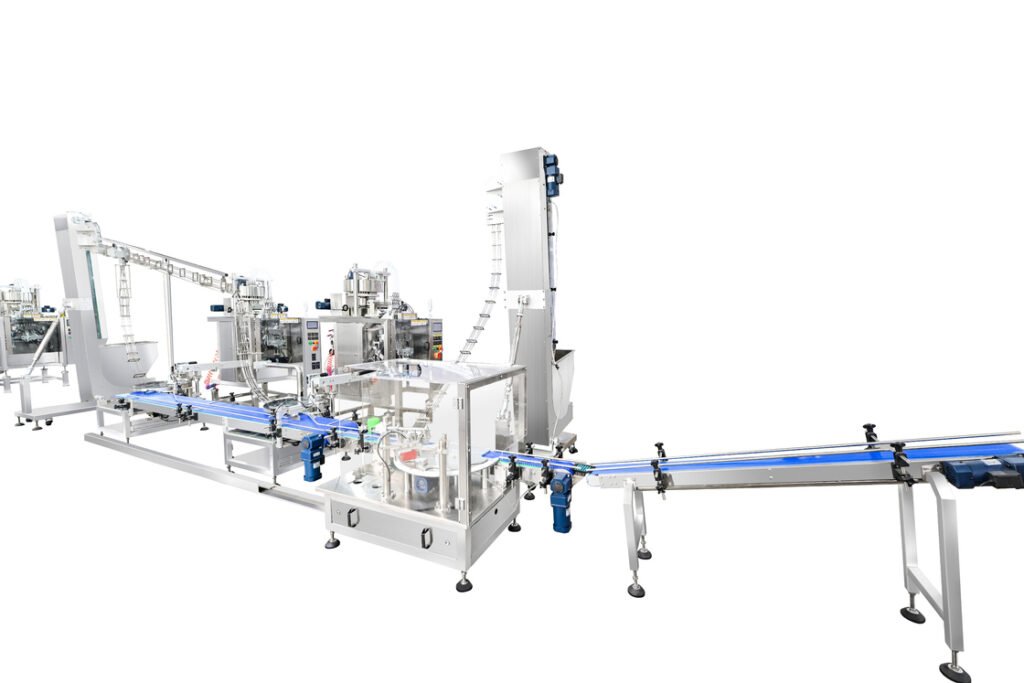
In the pharmaceutical, food, and healthcare industries, precision and efficiency in packaging are paramount. A unit dose packaging machine represents a revolutionary solution that has transformed how medications, supplements, and other products are packaged and distributed. This comprehensive guide explores everything you need to know about unit dose packaging machines, their functionality, benefits, and applications across various industries.
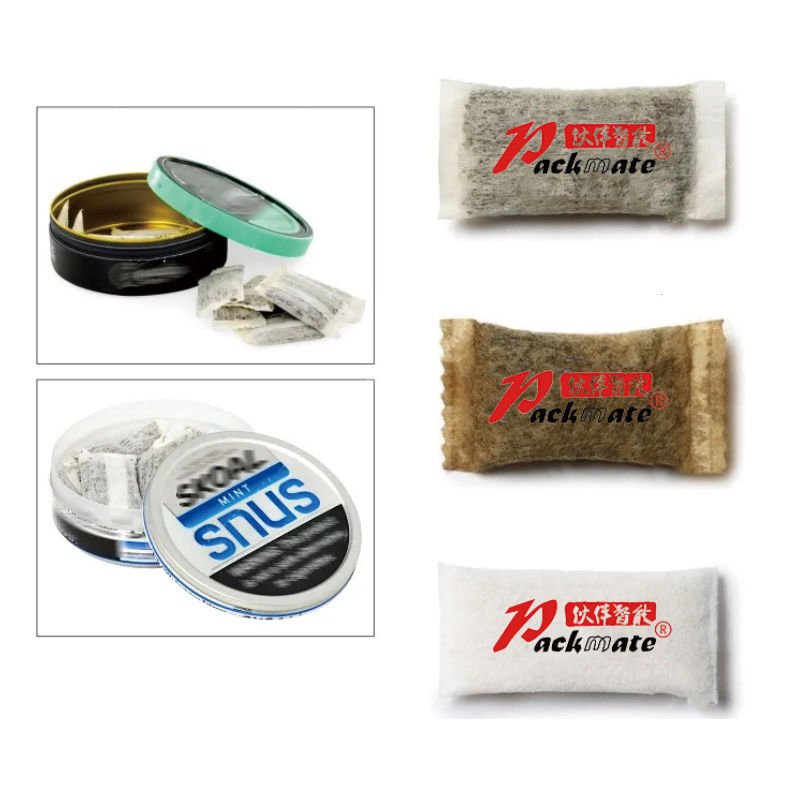
Understanding Unit Dose Packaging Machines
A unit dose packaging machine is specialized equipment designed to package individual doses of products into separate, sealed compartments. This packaging machine technology ensures that each package contains exactly one predetermined amount of product, whether it’s a tablet, capsule, powder, liquid, or other material. The concept of unit dose packaging originated in healthcare settings where accurate dosing and contamination prevention are critical concerns.
Key Definition: Unit dose packaging refers to the practice of packaging medications or products in single-use quantities, with each package containing the precise amount required for one administration or use.
Core Components and Working Mechanism
Understanding how a unit dose packaging machine operates requires familiarity with its essential components and the step-by-step process it follows to create perfectly sealed individual packages.
Primary Machine Components
The typical unit dose packaging machine consists of several critical components working in harmony:
Feeding System: This component manages the supply of products to be packaged. It may include vibratory feeders, counting mechanisms, or volumetric dispensers depending on the product type. The feeding system ensures consistent and accurate product delivery to the packaging area.
Film Unwinding Station: This section holds and dispenses the packaging film material. Modern machines can handle various film types including aluminum foil, plastic laminates, and paper-based materials. The unwinding tension is carefully controlled to prevent material waste and ensure smooth operation.
Forming Station: Here, the flat packaging film is shaped into pockets or cavities that will hold the individual doses. This is typically accomplished through heat and pressure or vacuum forming techniques.
Sealing Station: After products are deposited into the formed pockets, a top layer of film is applied and sealed to create airtight packages. Heat sealing, ultrasonic sealing, or cold sealing methods may be employed.
Cutting and Separation Unit: This final component separates individual unit doses from the continuous strip of packaged products, creating discrete packages ready for distribution.
Step-by-Step Operational Process
Step 1 – Film Preparation: The packaging material is unwound from supply rolls and guided through the machine using precision rollers and tension control systems.
Step 2 – Pocket Formation: The film passes through the forming station where heat and pressure create individual pockets sized appropriately for the product being packaged.
Step 3 – Product Filling: Products are accurately dispensed into each formed pocket through automated feeding mechanisms that ensure precise dosing.
Step 4 – Sealing Process: A top layer of film is applied over the filled pockets and sealed using controlled heat and pressure to create tamper-evident, airtight packages.
Step 5 – Cutting and Output: The continuous strip of sealed packages is cut into individual units or strips according to predetermined specifications, then collected for quality inspection and distribution.
Types of Unit Dose Packaging Machines
The market offers various types of unit dose packaging machines, each designed to meet specific production requirements and product characteristics.
Blister Packaging Machines
Blister packaging machines are among the most common types of unit dose equipment. These machines create rigid plastic cavities sealed with foil or plastic backing. They are particularly popular in pharmaceutical applications for tablets and capsules. Blister machines offer excellent product visibility, protection from moisture and contamination, and extended shelf life. Modern blister packaging systems can achieve speeds ranging from 60 to over 400 blisters per minute, making them suitable for both small-scale and high-volume production.
Strip Packaging Machines
Strip packaging machines create flat, flexible packages by sealing products between two layers of film. This packaging machine type is cost-effective and space-efficient, making it ideal for high-volume production of tablets, capsules, and small medical devices. Strip packages are easy to tear open and can be produced in connected chains for convenient dispensing.
Sachet and Pouch Machines
These machines specialize in packaging liquids, powders, and granular products in sealed pouches. They are extensively used in the food industry for condiments, supplements in powder form, and liquid medications. Sachet machines offer versatility in package size and shape, with options for three-side seal, four-side seal, or stick pack configurations.
Thermoforming Machines
Thermoforming unit dose machines use heat to shape plastic film into custom cavities before filling and sealing. These machines offer exceptional flexibility in package design and are suitable for products requiring deeper pockets or irregular shapes. They are commonly used for medical devices, diagnostic tests, and specialty pharmaceutical products.
Key Benefits and Advantages
Implementing unit dose packaging technology provides numerous advantages that extend across operational efficiency, product safety, and end-user convenience.
Enhanced Medication Safety and Compliance
Unit dose packaging significantly reduces medication errors by providing clearly labeled individual doses. Each package can display essential information including drug name, strength, expiration date, and lot number. This clarity is particularly valuable in healthcare settings where multiple medications are administered to patients. Studies have shown that unit dose systems can reduce medication errors by up to 80% compared to bulk dispensing methods.
Extended Product Shelf Life
By isolating individual doses in sealed, protective packaging, unit dose machines help preserve product integrity and extend shelf life. The barrier properties of packaging materials protect contents from moisture, oxygen, light, and contaminants that could degrade product quality. This protection is especially critical for moisture-sensitive medications and food products.
Improved Inventory Management
Precise tracking capabilities make inventory management more efficient with unit dose packaging. Each package can be barcoded or labeled with tracking information, enabling automated inventory systems to monitor stock levels, track expiration dates, and manage reordering processes with minimal manual intervention.
Cost Efficiency and Waste Reduction
While the initial investment in unit dose packaging equipment may be substantial, the long-term cost benefits are significant. Reduced product waste, decreased labor costs for manual packaging, fewer medication errors, and improved inventory control all contribute to substantial cost savings over time. Additionally, unit dose packaging minimizes product exposure and contamination, reducing waste from spoiled or unusable products.
Enhanced Patient Convenience and Compliance
For end users, unit dose packaging offers unmatched convenience. Patients can easily identify and take the correct medication dose without counting or measuring. The portable, hygienic nature of individual packages makes them ideal for travel and on-the-go use. This convenience factor significantly improves medication adherence rates, particularly among elderly patients or those managing multiple medications.
Industry Applications and Use Cases
Unit dose packaging machines serve diverse industries, each with unique requirements and regulatory considerations.
Pharmaceutical Industry
The pharmaceutical sector represents the largest market for unit dose packaging technology. Hospitals, pharmacies, and pharmaceutical manufacturers utilize these machines to package prescription medications, over-the-counter drugs, and clinical trial materials. The ability to meet stringent regulatory requirements while maintaining high production speeds makes unit dose packaging indispensable in pharmaceutical operations. Applications include packaging tablets, capsules, liquids, injectables, and specialty medications requiring precise dosing.
Healthcare and Long-Term Care Facilities
Nursing homes, assisted living facilities, and hospitals rely heavily on unit dose systems to manage medication distribution efficiently and safely. These facilities use packaging machine technology to create patient-specific medication packages organized by administration time, reducing the workload on nursing staff and minimizing medication errors.
Nutraceutical and Supplement Industry
Vitamin and supplement manufacturers increasingly adopt unit dose packaging to provide consumers with convenient, pre-measured servings. This packaging format is particularly popular for travel packs, sample distributions, and subscription-based supplement services. Unit dose packaging also helps protect sensitive ingredients from oxidation and moisture degradation.
Food Service and Hospitality
The food industry utilizes unit dose packaging for condiments, seasonings, sweeteners, creamers, and single-serving portions. Hotels, airlines, restaurants, and institutional food services benefit from the hygiene, convenience, and portion control that unit dose packaging provides. This application has grown significantly due to increased focus on food safety and contactless service options.
Medical Device and Diagnostic Testing
Unit dose packaging is essential for sterile medical devices, diagnostic test components, and single-use medical supplies. The packaging maintains sterility until the point of use while providing clear labeling and easy opening features. Applications include test strips, lancets, swabs, and small medical instruments.
Selection Criteria for Unit Dose Packaging Machines
Choosing the right unit dose packaging machine requires careful consideration of multiple factors to ensure optimal performance and return on investment.
Production Volume Requirements
Assess your current and projected production needs before selecting equipment. Machines range from small-scale desktop units producing 20-30 packages per minute to high-speed industrial systems capable of 400+ packages per minute. Consider factors like peak demand periods, growth projections, and the need for operational flexibility.
Product Characteristics
The physical properties of your product significantly influence machine selection. Consider product form (solid, liquid, powder, or paste), size and shape, sensitivity to heat or moisture, and special handling requirements. Some products may require specialized feeding systems, gentle handling mechanisms, or climate-controlled packaging environments.
Package Format and Material Compatibility
Determine the most appropriate package format for your product and ensure the machine can accommodate your preferred materials. Consider factors such as barrier properties needed, package size flexibility, printing requirements, and compatibility with existing distribution systems. Some machines offer multi-format capabilities, providing valuable production flexibility.
Regulatory Compliance and Validation
For pharmaceutical and medical applications, ensure the packaging machine meets relevant regulatory standards such as FDA, cGMP, or CE marking requirements. Look for features like validation documentation, cleanroom compatibility, and built-in quality control systems that facilitate compliance with industry regulations.
Automation and Integration Capabilities
Modern unit dose packaging machines offer varying levels of automation, from semi-automatic systems requiring operator intervention to fully automated lines with minimal human interaction. Consider integration with upstream and downstream equipment, data management systems, and Industry 4.0 connectivity features that enable remote monitoring and predictive maintenance.
Operational Efficiency and Maintenance
Evaluate the total cost of ownership beyond the initial purchase price. Consider factors such as energy consumption, maintenance requirements, availability of spare parts, technical support quality, and ease of operation and changeover. Machines with user-friendly interfaces, quick-change tooling, and accessible maintenance points can significantly reduce operational costs.
Advanced Features and Technology Innovations
The unit dose packaging industry continues to evolve with technological advancements that enhance efficiency, quality, and operational capabilities.
Vision Inspection Systems
Modern machines incorporate sophisticated vision systems that perform real-time quality inspection. These systems can detect missing products, verify correct product placement, check seal integrity, inspect printing quality, and identify defective packages. Automated rejection mechanisms remove non-conforming packages from the production line, ensuring only quality products reach consumers.
Serialization and Track-and-Trace Capabilities
Regulatory requirements for pharmaceutical serialization have driven the integration of advanced printing and verification systems into unit dose packaging machines. These systems apply unique identifiers to each package and verify data accuracy in real-time, enabling complete product traceability throughout the supply chain.
Smart Connectivity and Data Analytics
Industry 4.0 technologies enable unit dose packaging machines to collect and analyze operational data, providing insights into production efficiency, equipment performance, and maintenance needs. Remote monitoring capabilities allow manufacturers to oversee operations from anywhere, receive alerts about potential issues, and optimize production parameters based on data-driven insights.
Flexible Format Capabilities
Advanced machines now offer quick-change features that enable rapid switching between different package formats, sizes, and products. This flexibility is invaluable for manufacturers producing multiple SKUs or operating in environments with frequent product changes. Tool-less changeover systems can reduce downtime from hours to minutes, significantly improving overall equipment effectiveness.
Maintenance and Best Practices
Proper maintenance and operational practices are essential for maximizing the performance and longevity of unit dose packaging equipment.
Preventive Maintenance Programs
Establish comprehensive maintenance schedules that include daily cleaning routines, weekly inspections, and periodic component replacement. Regular maintenance prevents unexpected breakdowns, maintains product quality, and extends equipment lifespan. Document all maintenance activities to identify patterns and optimize maintenance intervals.
Operator Training and Skill Development
Invest in thorough operator training to ensure personnel understand machine operation, troubleshooting procedures, and safety protocols. Well-trained operators can identify and resolve minor issues quickly, reducing downtime and maintaining consistent production quality. Regular refresher training keeps skills current as equipment and procedures evolve.
Quality Control Procedures
Implement robust quality control processes including regular seal strength testing, package integrity verification, and product weight checks. Statistical process control methods help identify trends and prevent quality issues before they affect large production batches. Maintain detailed quality records to support regulatory compliance and continuous improvement initiatives.
Environmental Considerations and Sustainability
As environmental awareness grows, the packaging industry faces increasing pressure to adopt sustainable practices. Unit dose packaging presents both challenges and opportunities in this context.
Sustainable Material Options
Manufacturers increasingly offer eco-friendly packaging materials including recyclable plastics, biodegradable films, and paper-based alternatives. Modern unit dose packaging machines can accommodate these sustainable materials while maintaining product protection and shelf life requirements. Selecting machines with material flexibility enables manufacturers to transition to greener packaging options as they become available.
Waste Reduction Strategies
Advanced machines minimize material waste through precise film tracking, optimized pocket spacing, and efficient scrap management. Some systems incorporate material reclamation features that collect and prepare waste material for recycling. Reducing packaging material usage without compromising product protection represents an important sustainability goal.
Energy Efficiency
Modern unit dose packaging machines incorporate energy-efficient components including servo motors, optimized heating systems, and intelligent power management. These features reduce operational costs while minimizing environmental impact. When evaluating equipment, consider energy consumption ratings and the potential for integration with renewable energy sources.
Future Trends and Industry Outlook
The unit dose packaging industry continues to evolve in response to technological advances, regulatory changes, and shifting market demands.
Personalized Medicine and Custom Packaging: The growing trend toward personalized medicine drives demand for flexible packaging solutions capable of producing custom dose combinations and patient-specific packaging. Future machines will offer enhanced flexibility to accommodate small-batch, high-variety production requirements.
Smart Packaging Integration: The integration of electronic components, sensors, and connectivity features into unit dose packages will enable new applications such as medication adherence monitoring, temperature tracking, and interactive patient engagement tools.
Artificial Intelligence and Machine Learning: AI-powered systems will optimize production parameters in real-time, predict maintenance needs before failures occur, and continuously improve quality control processes through pattern recognition and adaptive learning.
Regulatory Evolution: Ongoing regulatory developments will continue to shape unit dose packaging requirements, particularly regarding serialization, sustainability standards, and quality verification protocols. Manufacturers must select equipment capable of adapting to evolving compliance requirements.
Frequently Asked Questions
What is the typical cost range for a unit dose packaging machine?
Unit dose packaging machine costs vary significantly based on capacity, automation level, and features. Entry-level semi-automatic machines may start around 20,000 to 50,000 USD, while mid-range automatic systems typically range from 100,000 to 300,000 USD. High-speed, fully automated pharmaceutical-grade systems with advanced features can exceed 500,000 USD. The total investment should also account for installation, training, validation, and ongoing maintenance costs. When evaluating cost, consider the return on investment through improved efficiency, reduced labor costs, and decreased product waste.
How long does it take to set up and validate a unit dose packaging machine?
The setup and validation timeline depends on machine complexity and regulatory requirements. Basic installation and mechanical setup typically takes 1-2 weeks. For pharmaceutical applications requiring full validation, the process can extend 2-6 months including Installation Qualification, Operational Qualification, and Performance Qualification phases. Operator training generally requires 1-2 weeks for basic operation and several months for advanced troubleshooting and maintenance skills. Planning adequate time for proper setup and validation ensures smooth production startup and regulatory compliance.
Can unit dose packaging machines handle multiple product types?
Many modern unit dose packaging machines offer multi-product capability with appropriate tooling and setup changes. The ease of switching between products varies by machine design and product similarity. Machines with quick-change features can switch between similar products in 15-30 minutes, while more substantial format changes may require several hours. When selecting equipment, consider your product portfolio and change frequency requirements. Some manufacturers operate dedicated machines for specific products, while others prioritize flexibility with versatile equipment capable of handling diverse product ranges.
What maintenance is required for unit dose packaging machines?
Regular maintenance includes daily cleaning of product contact surfaces, weekly lubrication of moving parts, and monthly inspection of sealing elements, heating components, and drive systems. Critical components like sealing jaws, cutting blades, and forming tools require periodic replacement based on usage. Most manufacturers recommend annual comprehensive maintenance including calibration verification, safety system testing, and detailed mechanical inspection. Preventive maintenance schedules should be customized based on production volume, product characteristics, and environmental conditions. Maintaining detailed maintenance logs helps optimize service intervals and predict component replacement needs.
How does unit dose packaging compare to traditional bulk packaging in terms of efficiency?
While unit dose packaging may have higher material costs and lower throughput speeds compared to bulk packaging, it offers significant efficiency advantages in downstream operations. Unit dose systems eliminate manual counting and dispensing labor, reduce medication errors and associated costs, minimize product waste from contamination or expiration, and streamline inventory management through improved tracking. In healthcare settings, studies show that unit dose systems can reduce pharmacy labor costs by 30-50% while improving medication safety. The total cost analysis should consider the entire supply chain rather than just packaging operations alone. For most pharmaceutical and healthcare applications, the benefits of unit dose packaging substantially outweigh the additional packaging costs.