Understanding the Importance of Packing Machine Belts
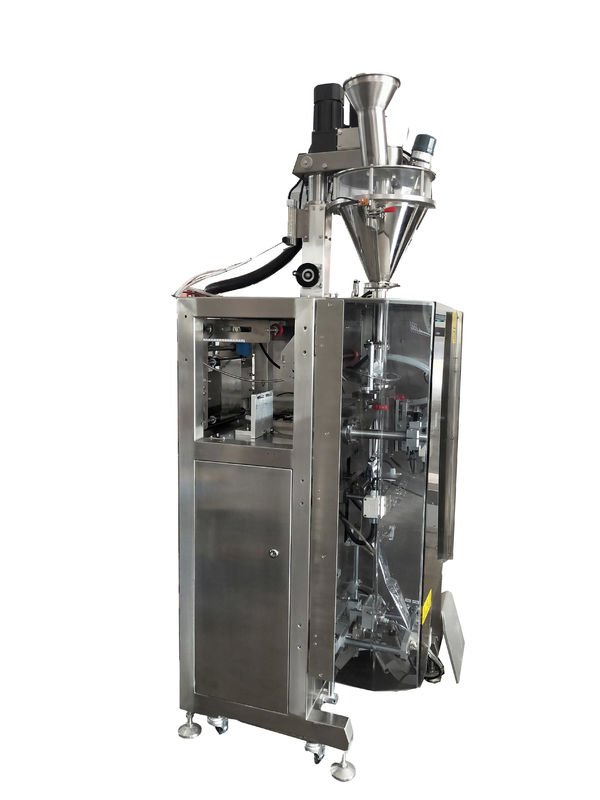
Packing machine belts are the unsung heroes of automated packaging solutions. These components play a vital role in ensuring that packaging lines operate smoothly, efficiently, and reliably. Selecting the right belt can significantly impact your packaging efficiency, reduce downtime, and minimize maintenance costs. In this comprehensive guide, you’ll learn how to choose the best packing machine belt and optimize your operations for long-term success.
What is a Packing Machine Belt?
A packing machine belt is a continuous loop made from synthetic or natural materials that transports products through various stages of the packaging process. It ensures precision movement, positioning, and handling of goods, making it an essential component in modern packaging machine systems.
Key Features to Consider When Choosing a Packing Machine Belt
- Material Durability: Choose belts made from high-quality, wear-resistant materials like polyurethane, rubber, or PVC to ensure longevity and safe operation.
- Load Capacity: Select a belt that can handle the weight and type of products in your production line without stretching or deforming.
- Chemical and Temperature Resistance: In industries like pharmaceuticals and food, belts must withstand exposure to cleaning agents and variable temperatures.
- Surface Texture: The texture affects product grip and positioning, preventing slippage and ensuring accurate packaging.
- Ease of Maintenance: Opt for belts that are easy to clean, replace, and maintain for reduced downtime and operational costs.
Types of Packing Machine Belts and Their Applications
Different packaging environments require specific belt types. Here are some common options and their ideal use cases:
- Flat Belts: Suitable for general product movement and simple conveyance. Used extensively in food, healthcare, and consumer goods packaging.
- Timing Belts: Ideal for synchronized movement where precise positioning is critical, such as in pharmaceutical filling and labeling lines.
- Modular Belts: Highly versatile and easy to replace, often used in packaging lines requiring wash-down or rapid changeovers.
- Round Belts: Excellent for lightweight applications and curved conveyor paths.
- V-Belts: Designed for high-tension and heavy-load applications with excellent grip and power transmission.
How to Match the Right Belt to Your Packaging Machine
Choosing the wrong belt can lead to frequent breakdowns and inefficiencies. To avoid these issues, follow these steps:
- Assess Your Application: Identify the types of products, packaging speeds, and environmental conditions your belt will encounter.
- Consult with Experts: Collaborate with your packaging machine supplier for tailored recommendations based on your unique requirements.
- Review Belt Specifications: Check the manufacturer’s technical datasheets for material compatibility, load ratings, and resistance properties.
- Test & Iterate: Run trial operations and monitor performance to ensure the chosen belt delivers the expected results.
Benefits of Using Quality Packing Machine Belts
Investing in premium packing machine belts offers long-term advantages for your packaging line:
- Enhanced Efficiency: Minimize stoppages and maximize throughput for greater packaging productivity.
- Consistent Quality: High-quality belts ensure uniform product handling, reducing packaging errors and waste.
- Reduced Maintenance: Durable belts require fewer replacements, lowering your operational costs and labor demands.
- Food & Pharma Compliance: Certified belts support hygiene and safety requirements in regulated industries.
Why Choose Packmate for Your Packaging Machine Belts?
Packmate (GuangDong) Co., Ltd. stands out as a trusted partner for intelligent packaging solutions. With over 30 years in the industry, 125+ professionals, and a 20,000㎡ state-of-the-art manufacturing facility, Packmate delivers reliable, high-performance packaging machine technology and components worldwide.
- Technical Expertise: More than 30 patents and a dedicated R&D team ensure cutting-edge innovation and custom solutions.
- Certified Quality: All products are CE & ISO certified, meeting EU and GMP standards for safety, hygiene, and reliability.
- End-to-End Support: From product selection to after-sales service, Packmate offers comprehensive support for global clients.
- Global Reach: Efficient logistics and established service networks ensure fast delivery and localized assistance wherever you operate.
How to Maintain and Extend the Life of Your Packing Machine Belt
Proper maintenance is essential to maximize the performance and lifespan of your packing machine belt:
- Regularly inspect the belt for wear, cracks, or misalignment.
- Keep the belt and surrounding machine parts clean from debris and product residues.
- Follow the manufacturer’s guidelines for tensioning, cleaning agents, and replacement intervals.
- Train operators on best practices for handling and adjusting the belt during operation.
Common Problems and Solutions with Packing Machine Belts
Despite their reliability, packing machine belts can encounter certain challenges. Here are some common issues and how to resolve them:
- Belt Slippage: Check for proper tension and ensure the belt is suitable for the load and speed of your application.
- Premature Wear: Use belts made from quality materials and maintain a clean operating environment.
- Tracking Issues: Ensure pulleys and guides are aligned and the belt is installed correctly.
- Noise or Vibration: Inspect for foreign materials and confirm the belt is not overstretched or damaged.
Future Trends in Packing Machine Belt Technology
Advances in material science and smart manufacturing are shaping the future of packing machine belts. Expect to see more self-monitoring belts, antimicrobial surfaces for food and pharma, and eco-friendly materials that support sustainable production.
Conclusion
Selecting the best packing machine belt is a strategic investment in your packaging line’s efficiency, quality, and reliability. By understanding your application needs, working with reputable suppliers like Packmate, and prioritizing maintenance, you can optimize your packaging operations and stay ahead in a competitive market.
Frequently Asked Questions (FAQ)
Q1: How often should I replace my packing machine belt?
The replacement interval depends on operating conditions and belt material. Regular inspections and following manufacturer recommendations help ensure timely replacements.
The replacement interval depends on operating conditions and belt material. Regular inspections and following manufacturer recommendations help ensure timely replacements.
Q2: What materials are best for food industry belts?
FDA-approved polyurethane and PVC belts are ideal for food processing due to their hygiene, chemical resistance, and easy cleaning features.
FDA-approved polyurethane and PVC belts are ideal for food processing due to their hygiene, chemical resistance, and easy cleaning features.
Q3: How can I prevent belt slippage in my packaging line?
Maintain proper belt tension, use anti-slip surface textures, and ensure the belt is suited for the load and speed of your packaging process.
Maintain proper belt tension, use anti-slip surface textures, and ensure the belt is suited for the load and speed of your packaging process.
Q4: Does Packmate offer custom packing machine belt solutions?
Yes, Packmate provides tailored belt recommendations and solutions for various industries and packaging requirements.
Yes, Packmate provides tailored belt recommendations and solutions for various industries and packaging requirements.
Q5: Where can I find more information about packaging machines and components?
Visit the official packaging machine website for detailed specifications and expert support.
Visit the official packaging machine website for detailed specifications and expert support.