In the fast-paced world of product manufacturing and distribution, ensuring your goods are protected, presented professionally, and preserved efficiently is paramount. This is where the shrink packaging machine becomes an indispensable asset. These versatile systems apply heat to a plastic film, causing it to contract tightly around a product or a group of products, creating a secure, tamper-evident, and visually appealing package. From securing consumer goods on retail shelves to bundling industrial components, the applications are vast and critical for operational success.
Understanding the Core Types of Shrink Packaging Machines
The market offers a variety of shrink packaging machines, each designed for specific throughputs, product types, and packaging styles. Choosing the right type is the first step toward optimizing your packaging line.
L-Bar Sealers (Manual & Automatic)
Ideal for low to medium-volume operations, L-bar sealers are a popular entry point. An operator places the product and a loose sleeve of shrink film onto the machine’s bed. The L-shaped sealing bar then descends to seal the bottom and one side of the film, creating a bag around the product. The package is then conveyed through a heat tunnel for shrinking. Automatic versions can significantly increase output by automating the film feeding and sealing process.
Key Advantage: Their flexibility and relatively lower cost make them perfect for businesses with diverse product sizes or those just beginning to implement shrink wrapping.
Sleeve Wrappers
These machines are designed for higher-speed, consistent packaging of uniform products like bottles, cans, or boxes. They form a continuous tube of film around the product (or a group of products), seal the longitudinal seam, cut the tube to length, and then seal the ends before shrinking. This method is extremely efficient for bundling multi-packs.
Shrink Tunnels (Heat Tunnels)
While not sealers themselves, shrink tunnels are a crucial component. They apply controlled heat (via hot air or infrared) to the loosely sealed polyolefin or PVC film, causing it to shrink uniformly around the product’s contours. Tunnels vary in size and heating method to accommodate different production speeds and film types.
Fully Automatic Shrink Wrapping Systems
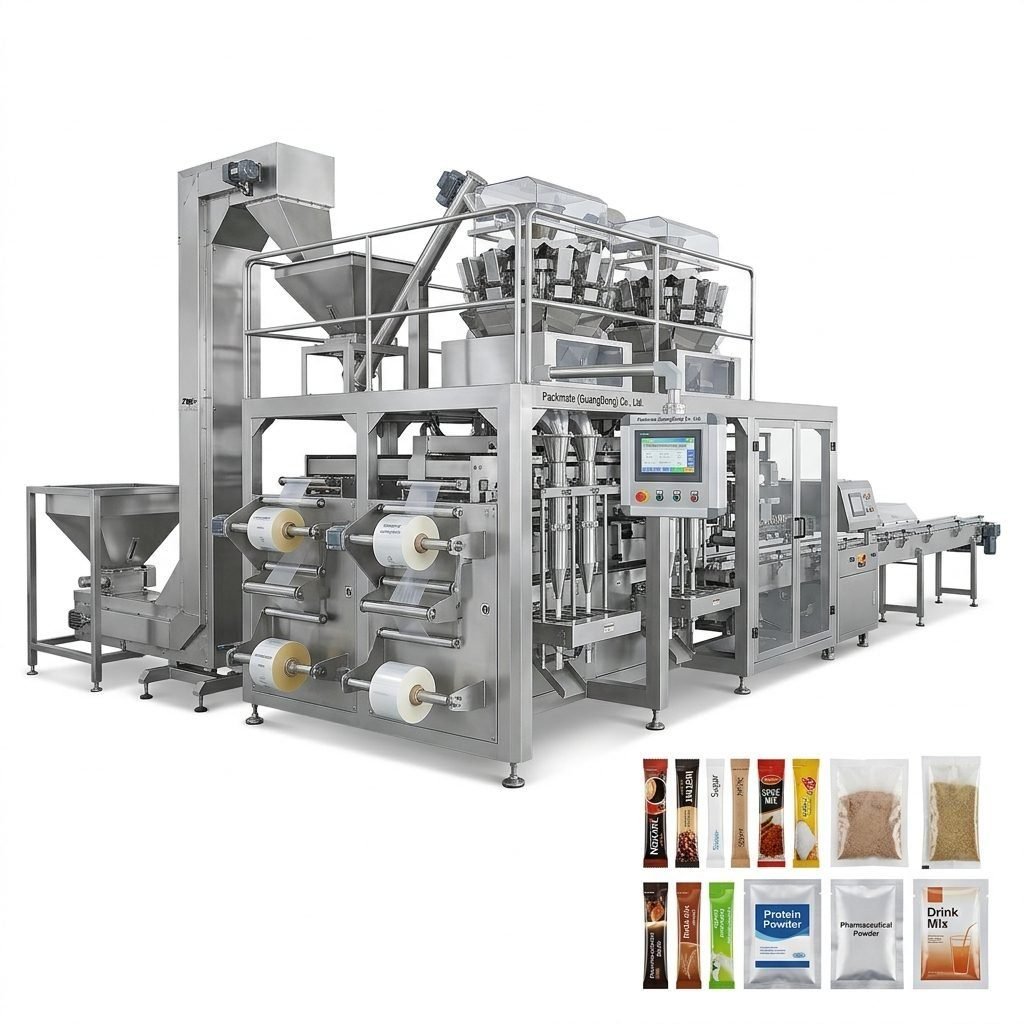
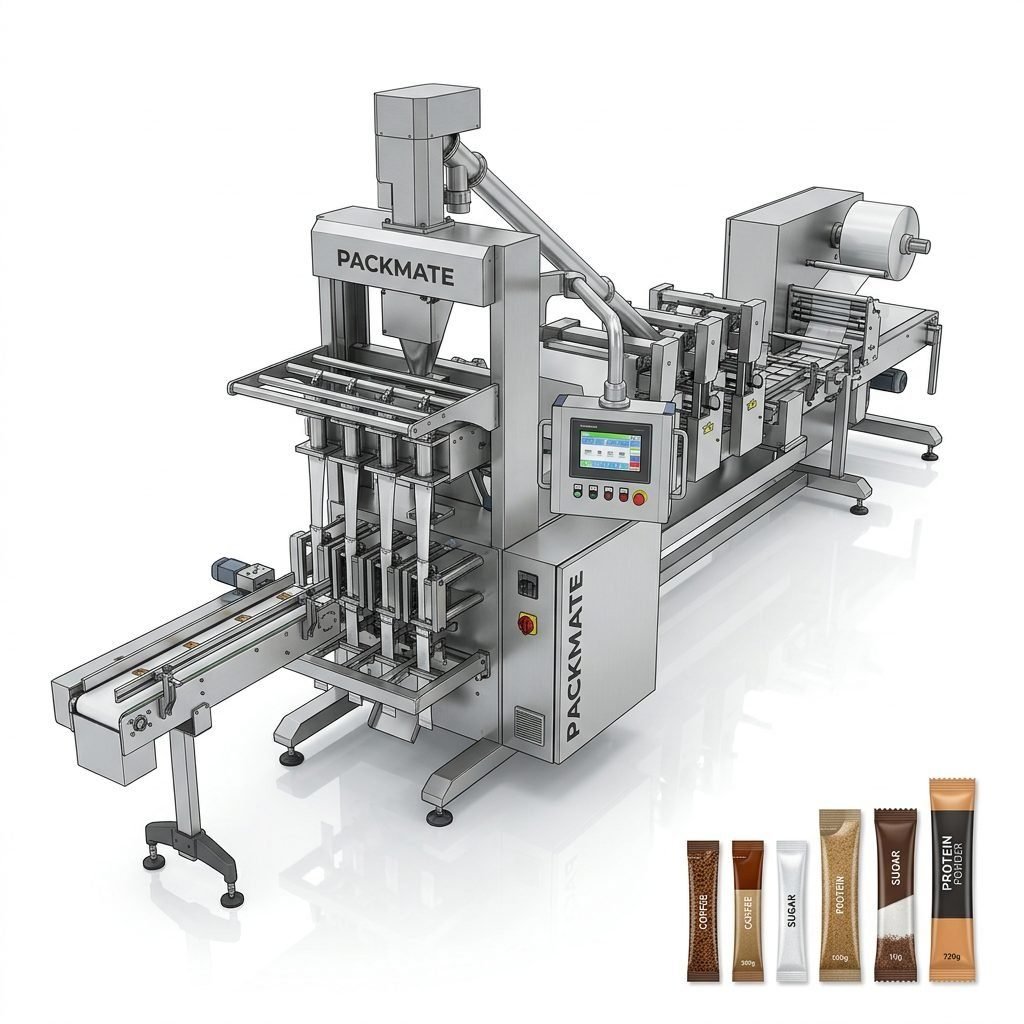
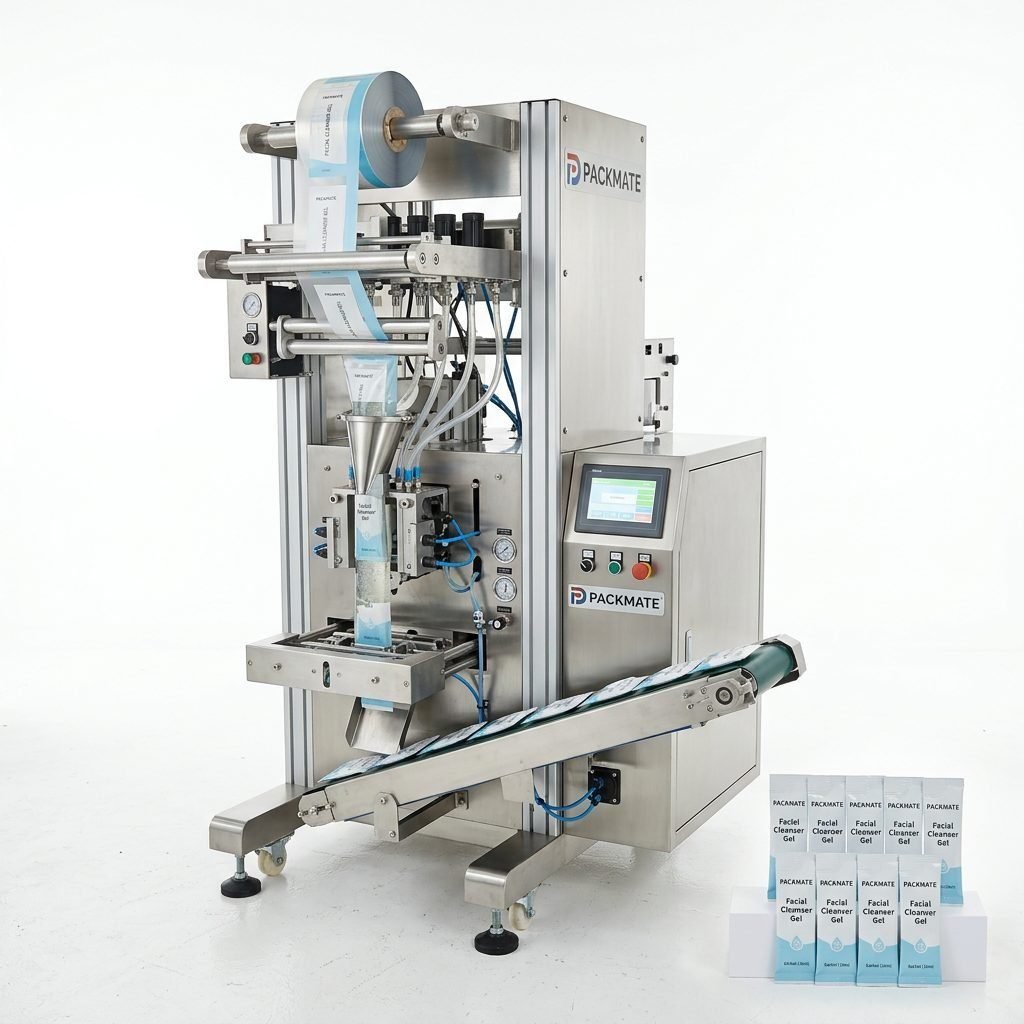
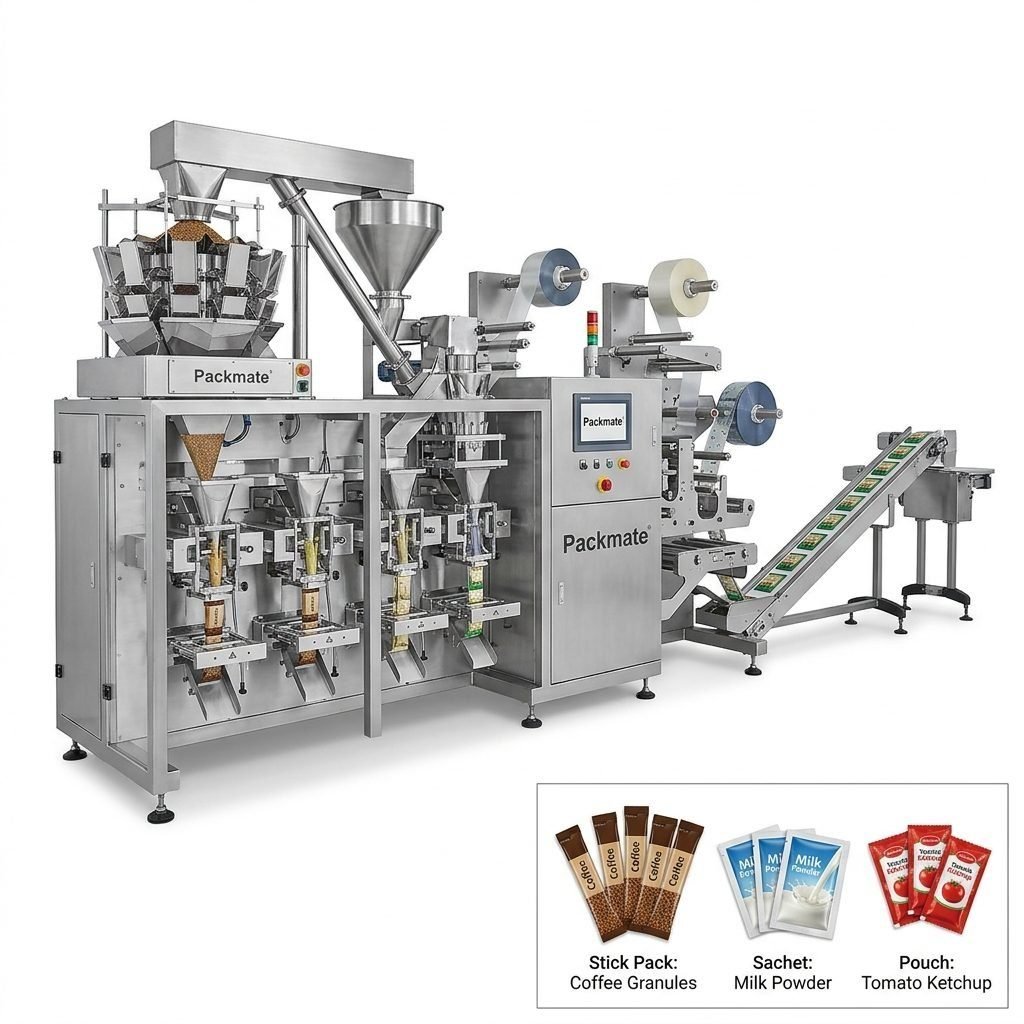
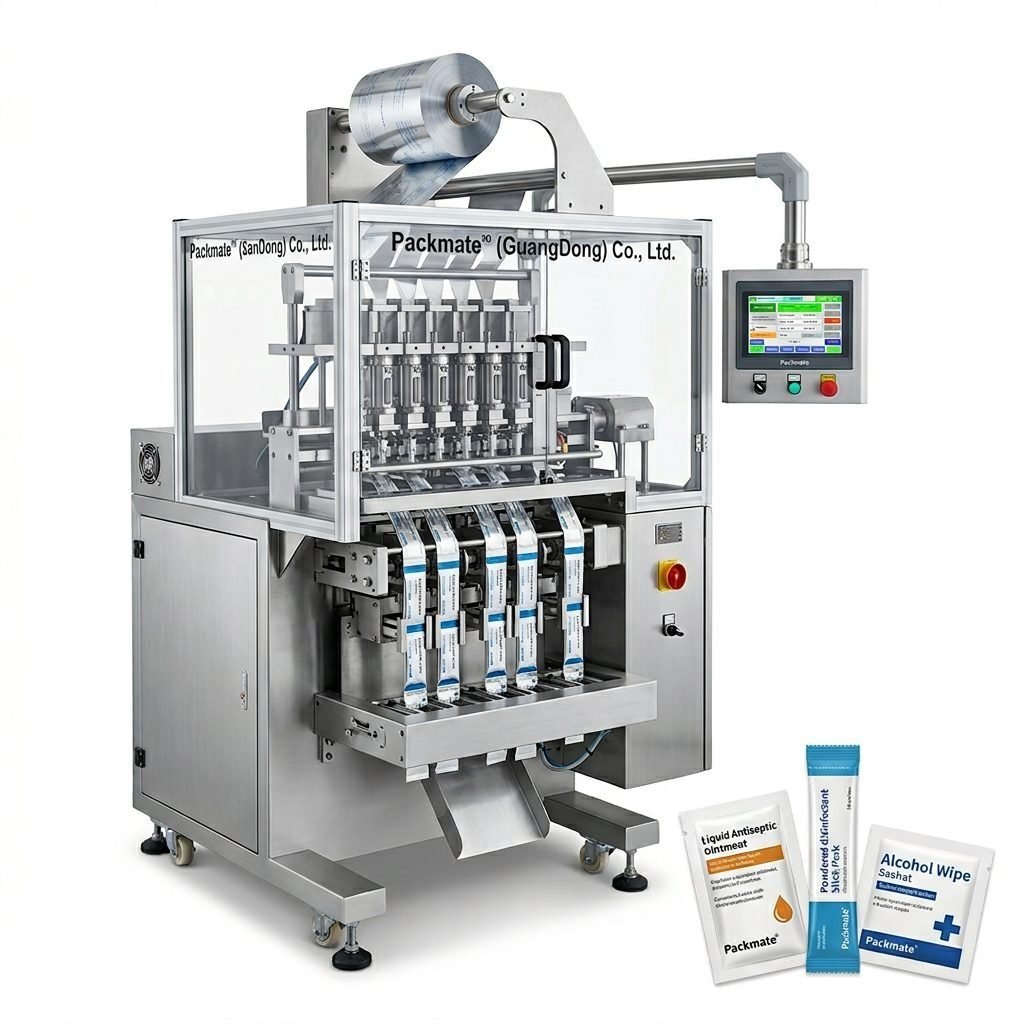
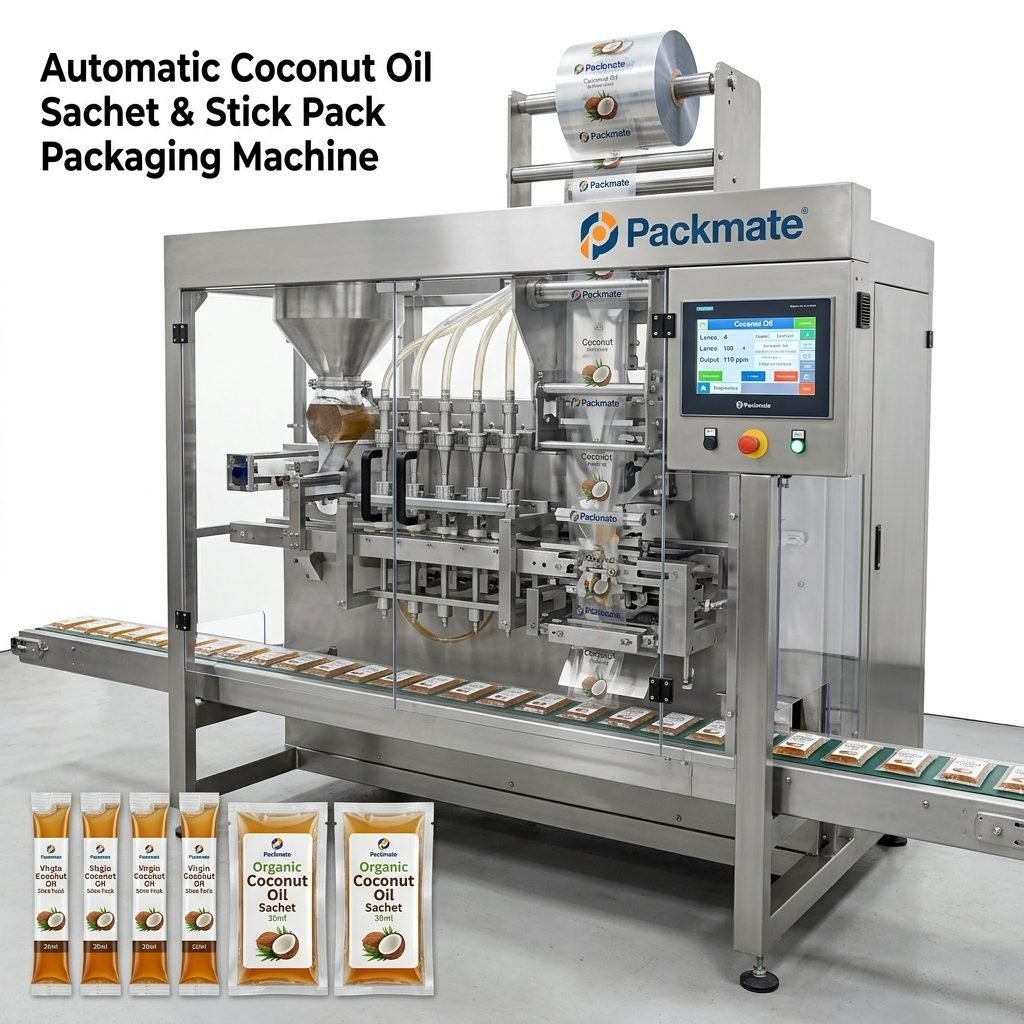
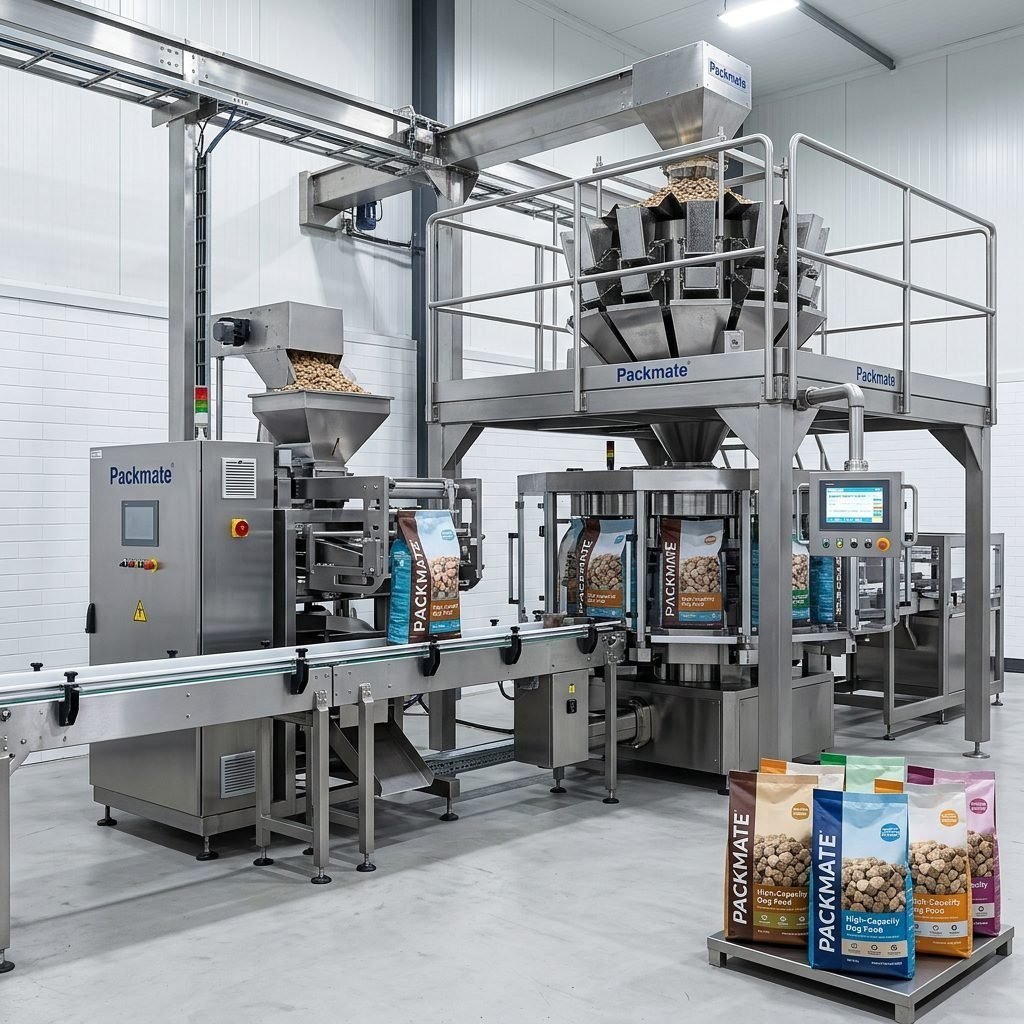
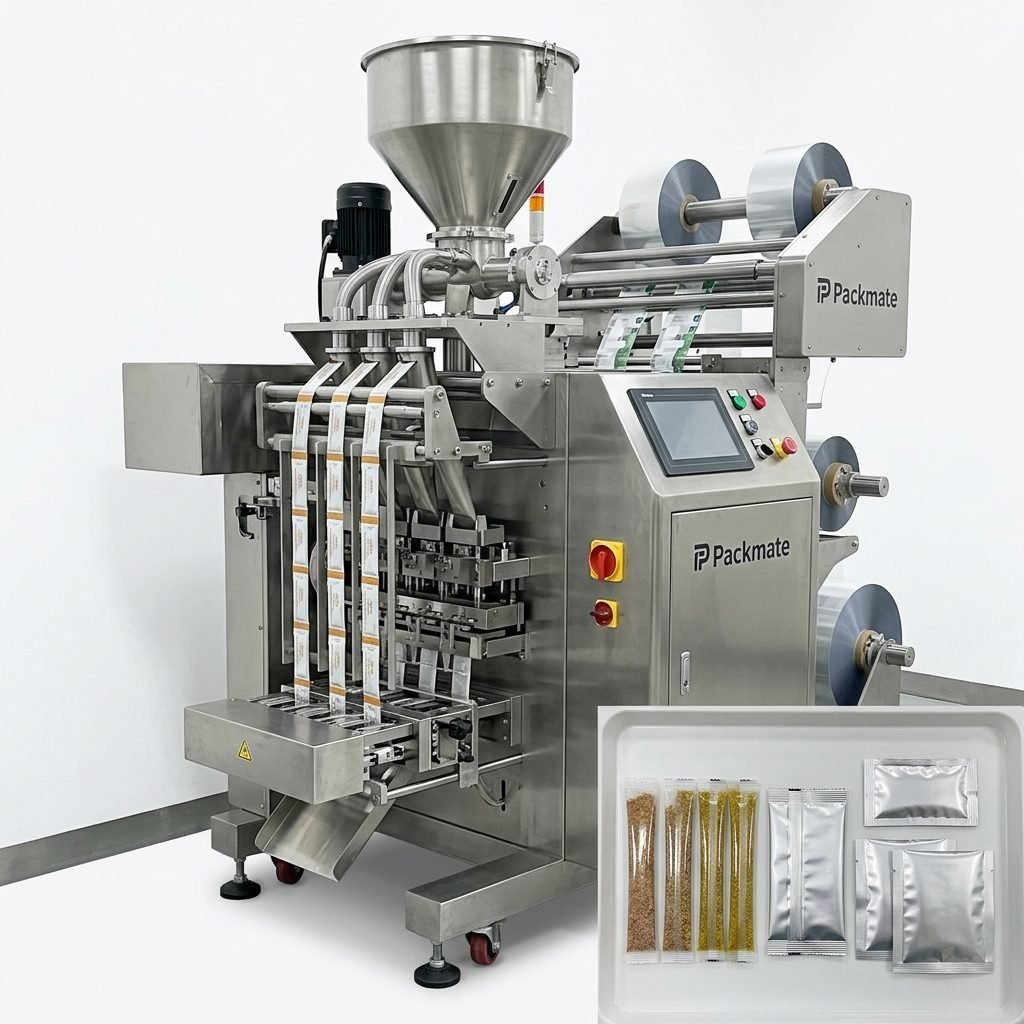
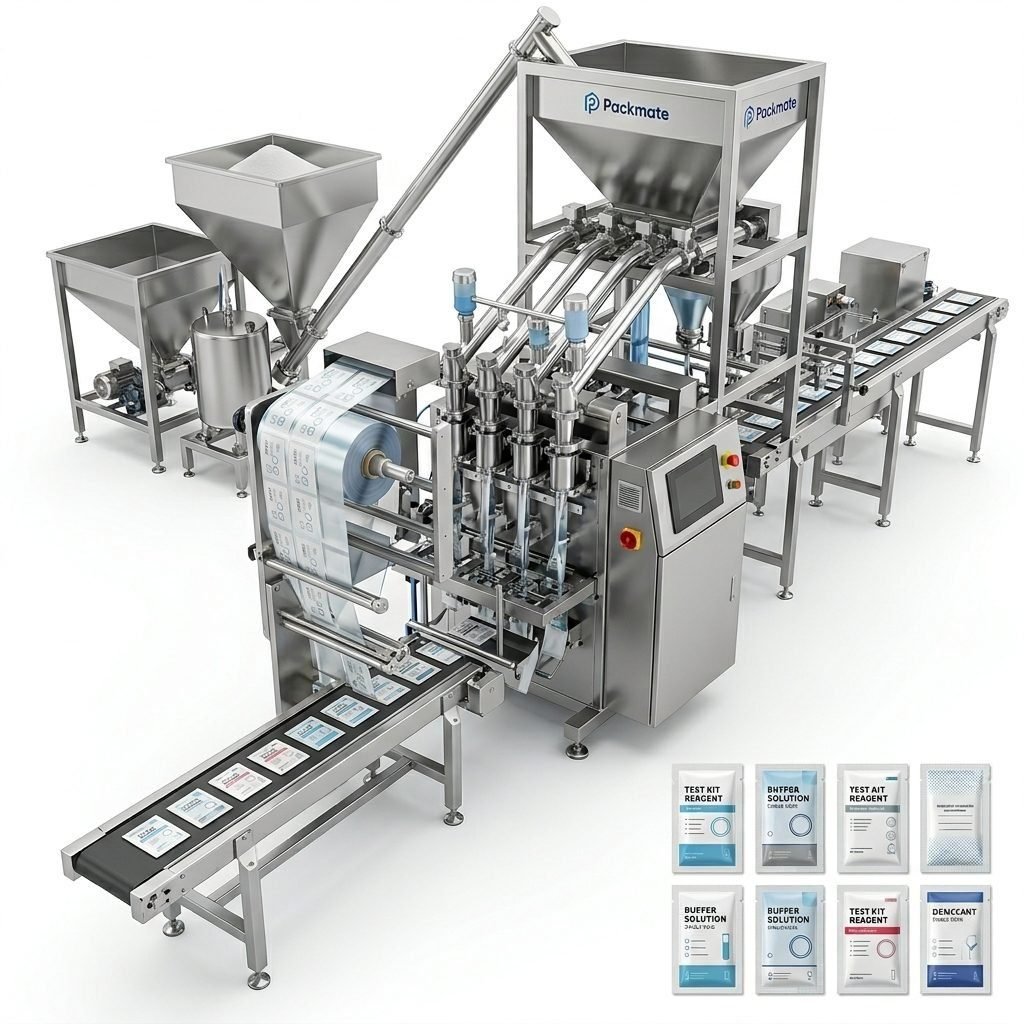
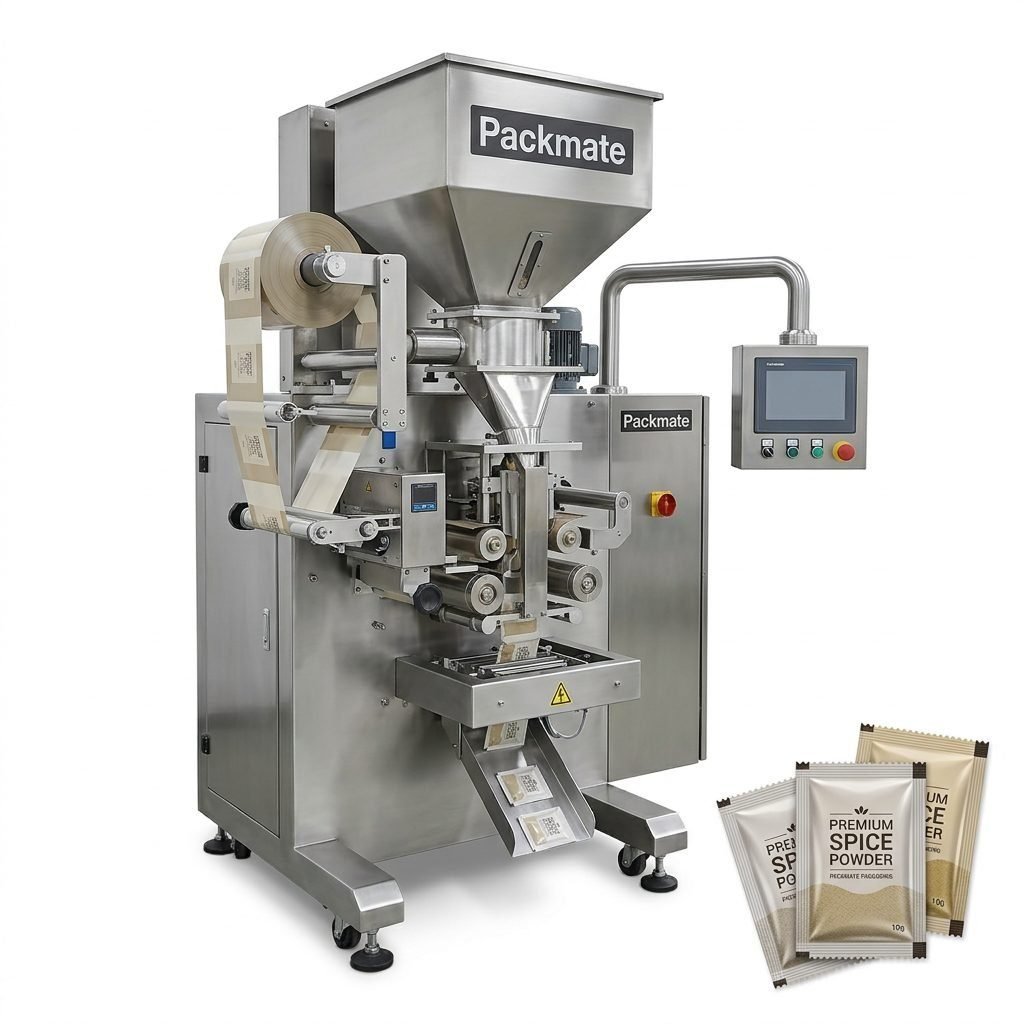
For high-volume production environments, fully integrated systems combine automatic feeding, sleeve wrapping or sealing, and shrinking into one seamless operation. These systems, such as advanced filling and packaging lines, maximize efficiency, minimize labor, and ensure consistent, high-quality packaging crucial for industries like food and pharmaceuticals.
Diverse Uses and Applications Across Industries
The utility of shrink packaging extends far beyond simple containment. Its benefits drive adoption across numerous sectors.
Food & Beverage: This is one of the largest application areas. Shrink wrapping is used for bundling beverage cans or bottles, packaging fresh produce, wrapping baked goods trays, and creating tamper-evident seals on food containers. It protects against contamination and extends shelf life.
Pharmaceutical & Healthcare: Hygiene and security are non-negotiable. Shrink packaging provides sterile barrier protection for medical devices, kits, and sample bottles. It also offers clear tamper evidence for over-the-counter medicines, a critical requirement for consumer safety.
Consumer Goods: From software boxes and toy sets to hardware tools and stationery, shrink wrap gives products a polished, “store-ready” look. It prevents pilferage of small components and keeps multi-part kits together.
Logistics & Shipping: Shrink wrapping palletized loads stabilizes them for transport, protecting goods from dust, moisture, and shifting during transit. It’s a cost-effective alternative to wooden crates or large boxes for irregularly shaped items.
Pro Tip: For businesses dealing with granular or powdered products that also require precise portioning, integrating a shrink wrapper with a precision weighing and packaging system can create a complete, automated solution from filling to final bundled packaging.
Your Comprehensive Buying Guide: Key Considerations
Investing in a shrink packaging machine is a significant decision. Here’s a structured guide to help you select the perfect equipment for your needs.
1. Assess Your Production Needs
Begin by quantifying your requirements. What is your average and peak output (packages per minute/hour)? What are the dimensions and variability of your products? Do you need to bundle items together? Answering these questions will narrow down the machine type (e.g., L-bar sealer vs. sleeve wrapper).
2. Material Compatibility
The machine must be compatible with the shrink film you plan to use (e.g., Polyolefin, PVC, PET). Consider film thickness, shrinkage percentage, and sealing temperature. Also, evaluate the machine’s sealing mechanism—is it a hot wire, impulse sealer, or constant heat bar? Each has pros and cons for different films.
3. Automation Level and Integration
Decide between manual, semi-automatic, or fully automatic systems based on your labor costs and desired throughput. Consider how the machine will integrate with your existing production line. Will you need conveyors, accumulation tables, or other auxiliary packaging equipment?
4. Machine Build Quality and Support
This is where partnering with a reputable manufacturer pays dividends. Look for a supplier with a proven track record, like Packmate Machinery, which brings over 30 years of expertise in building reliable packaging solutions. Evaluate the construction materials, durability of key components (like sealing bars and heating elements), and the availability of technical support, spare parts, and service. A visit to the manufacturer’s facility or reviewing their project cases can provide valuable insight.
5. Safety and Compliance Features
Ensure the machine has necessary safety guards, emergency stop buttons, and complies with relevant electrical and machinery safety standards for your region. For food or pharmaceutical applications, check if the machine design allows for easy cleaning and meets hygiene standards.
6. Total Cost of Ownership (TCO)
Look beyond the initial purchase price. Factor in operational costs like energy consumption, film waste, required maintenance, and potential downtime. A slightly more expensive but robust and efficient machine from a trusted supplier like Packmate often offers a lower TCO due to higher reliability and productivity.
Frequently Asked Questions (FAQs)
What type of shrink film works best with these machines?
The most common films are Polyolefin (POF) and Polyvinyl Chloride (PVC). POF is popular for its clarity, strength, and lower shrinking temperature, making it more energy-efficient. PVC is often less expensive but requires higher heat. Your machine supplier can recommend the best film for your specific product and equipment.
Can one shrink wrapper handle products of very different sizes?
L-bar sealers offer the greatest flexibility for variable product sizes, as the film placement is often manual or adjustable. Fully automatic sleeve wrappers are typically optimized for a narrower size range. For highly variable production, a semi-automatic system might be the most practical compromise.
How important is after-sales service when purchasing?
Extremely important. Packaging equipment is a long-term investment. Reliable after-sales service, including readily available spare parts, remote troubleshooting, and on-site technician support, is crucial for minimizing production downtime and ensuring the longevity of your machine.
What are the key maintenance routines for a shrink packaging machine?
Regular maintenance includes cleaning the sealing bars to prevent film residue build-up, checking and tightening belts and chains, verifying the calibration of temperature controls, and ensuring the heat tunnel’s airflow is unobstructed. Always follow the manufacturer’s specific maintenance schedule.
Is shrink packaging considered environmentally friendly?
The industry is evolving. While traditional films are plastics, many manufacturers now offer recyclable or biodegradable shrink film options. Furthermore, shrink packaging can reduce material usage compared to rigid boxes and optimizes shipping space, lowering the overall carbon footprint of logistics. Discuss sustainable material options with your supplier.