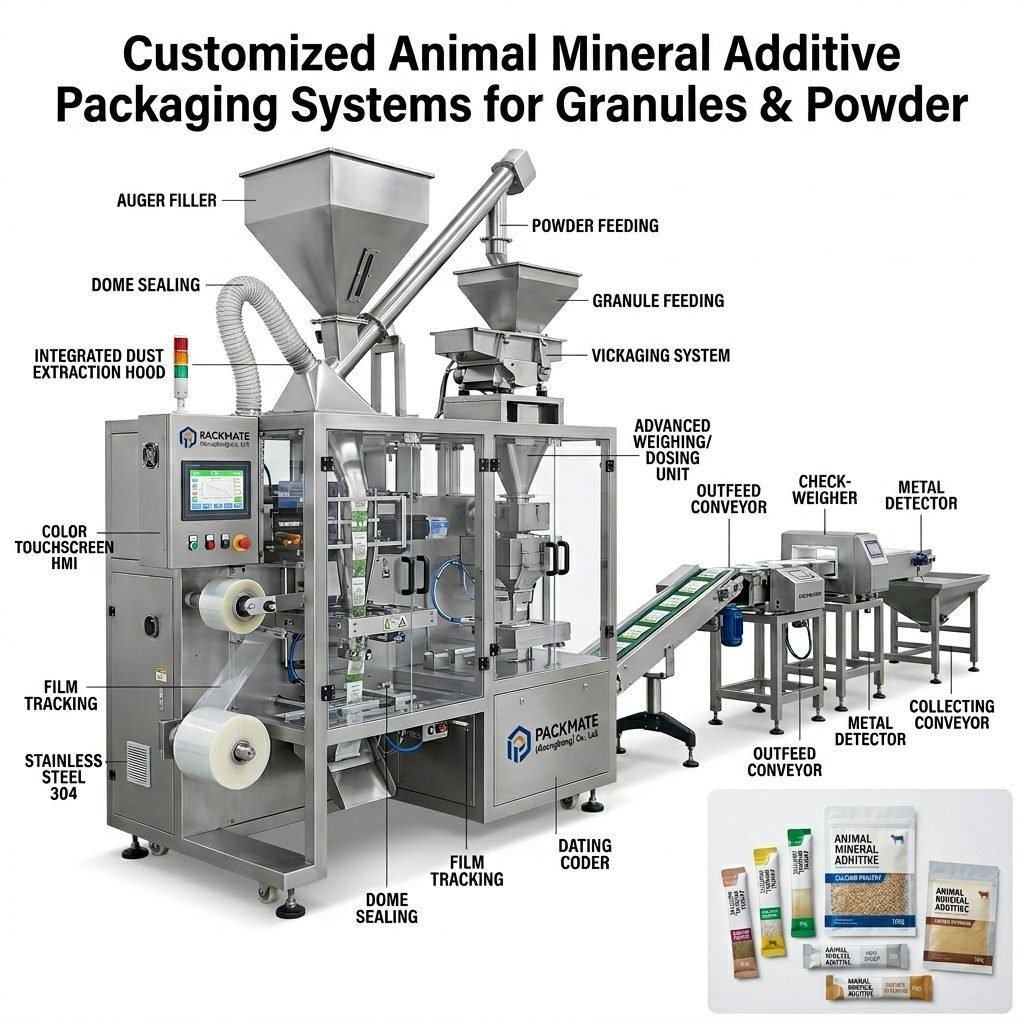
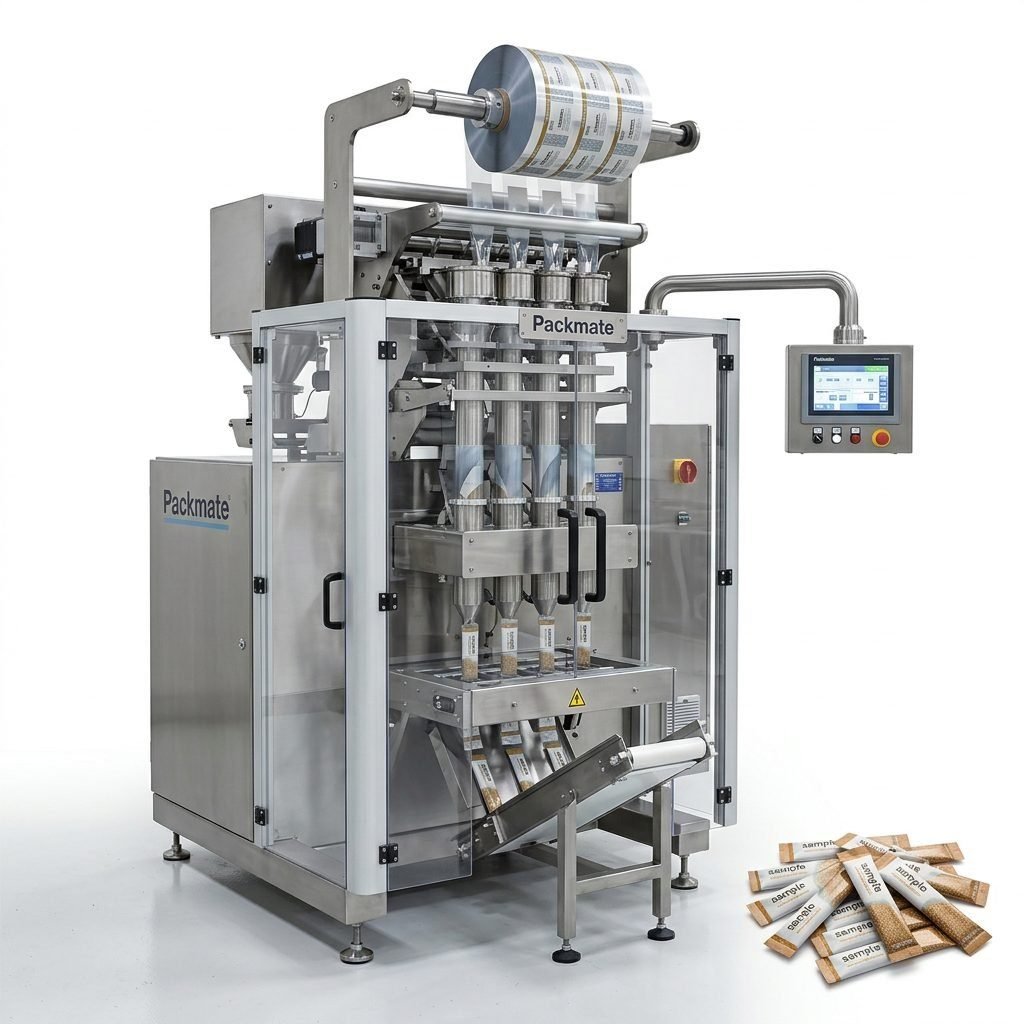
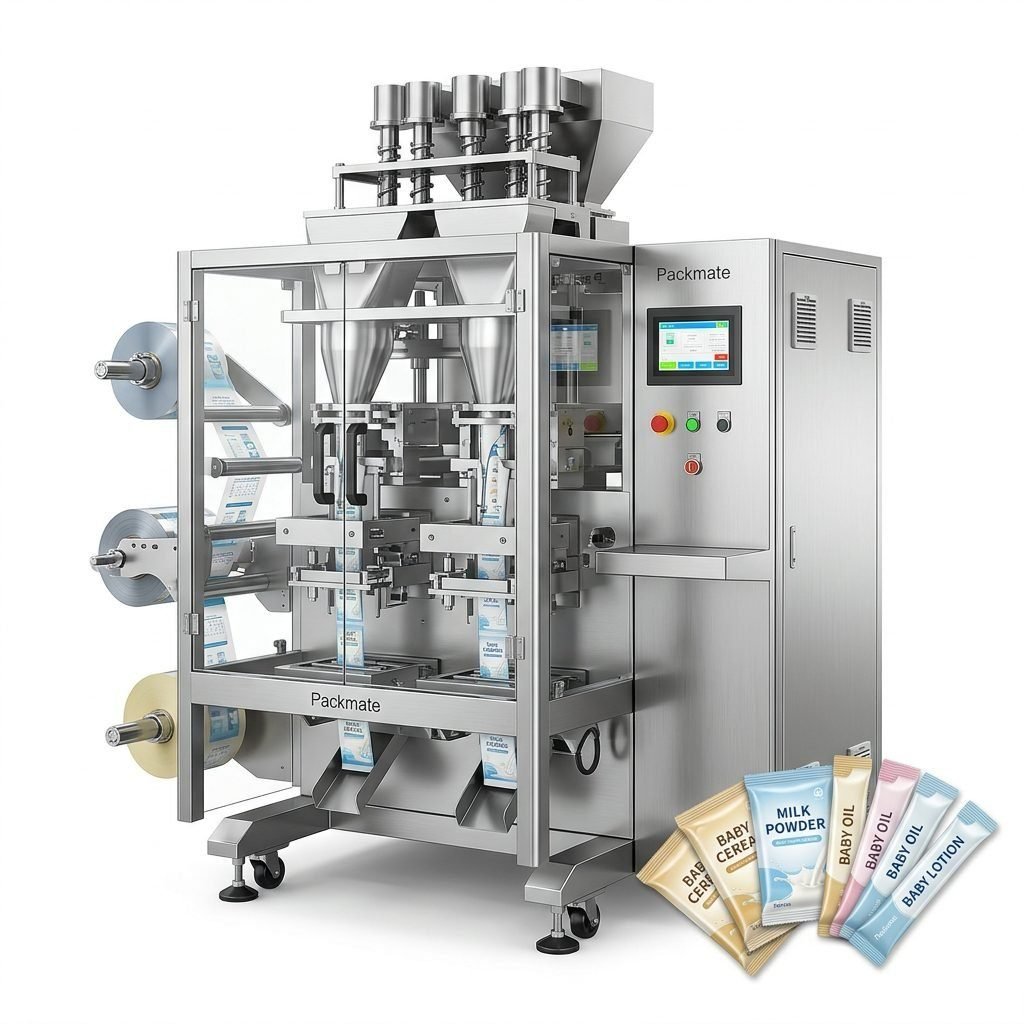
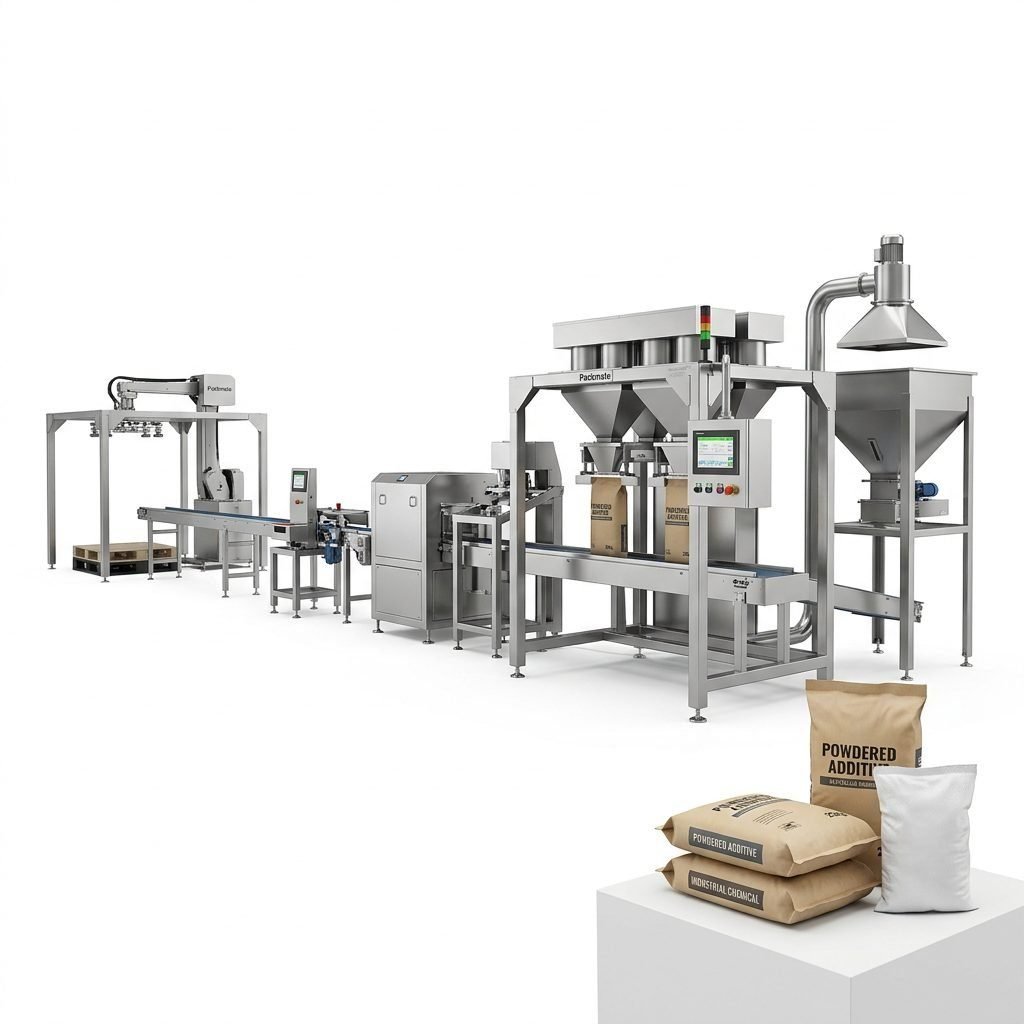
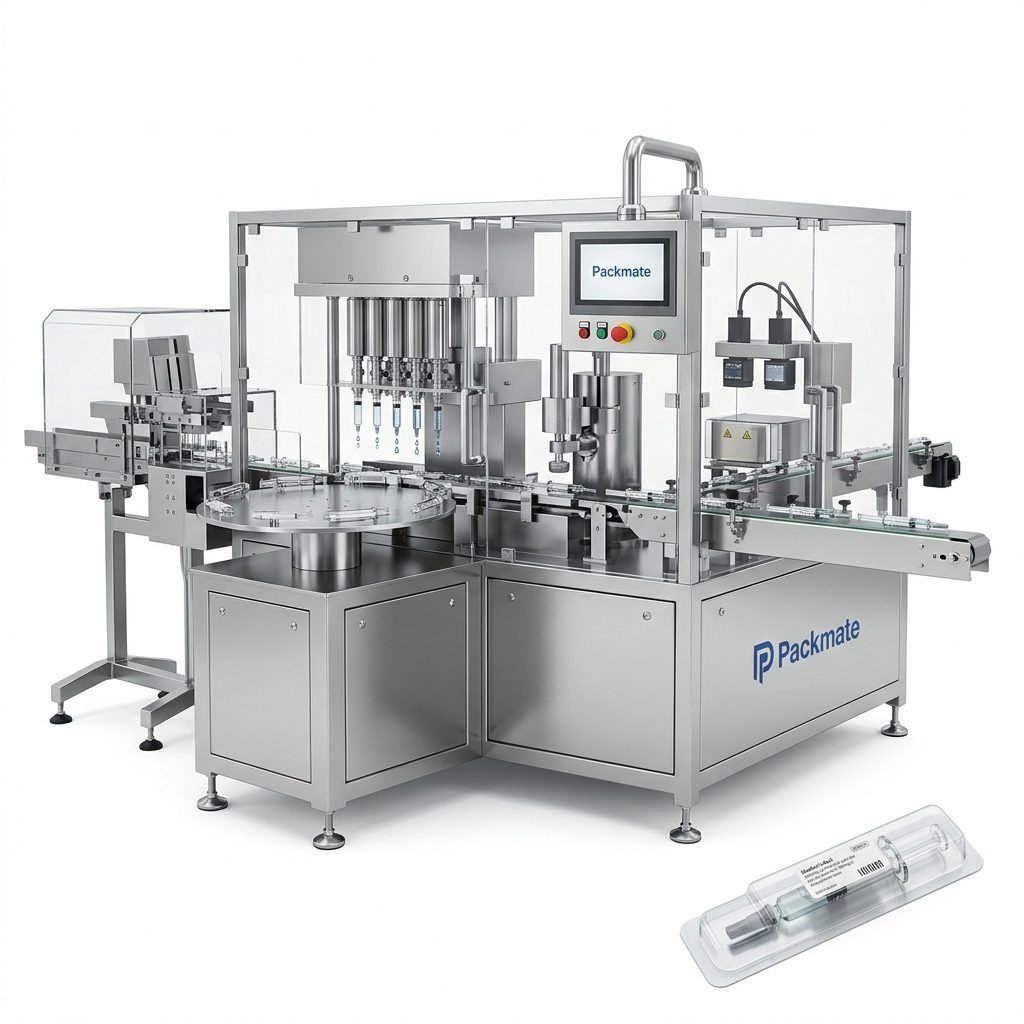
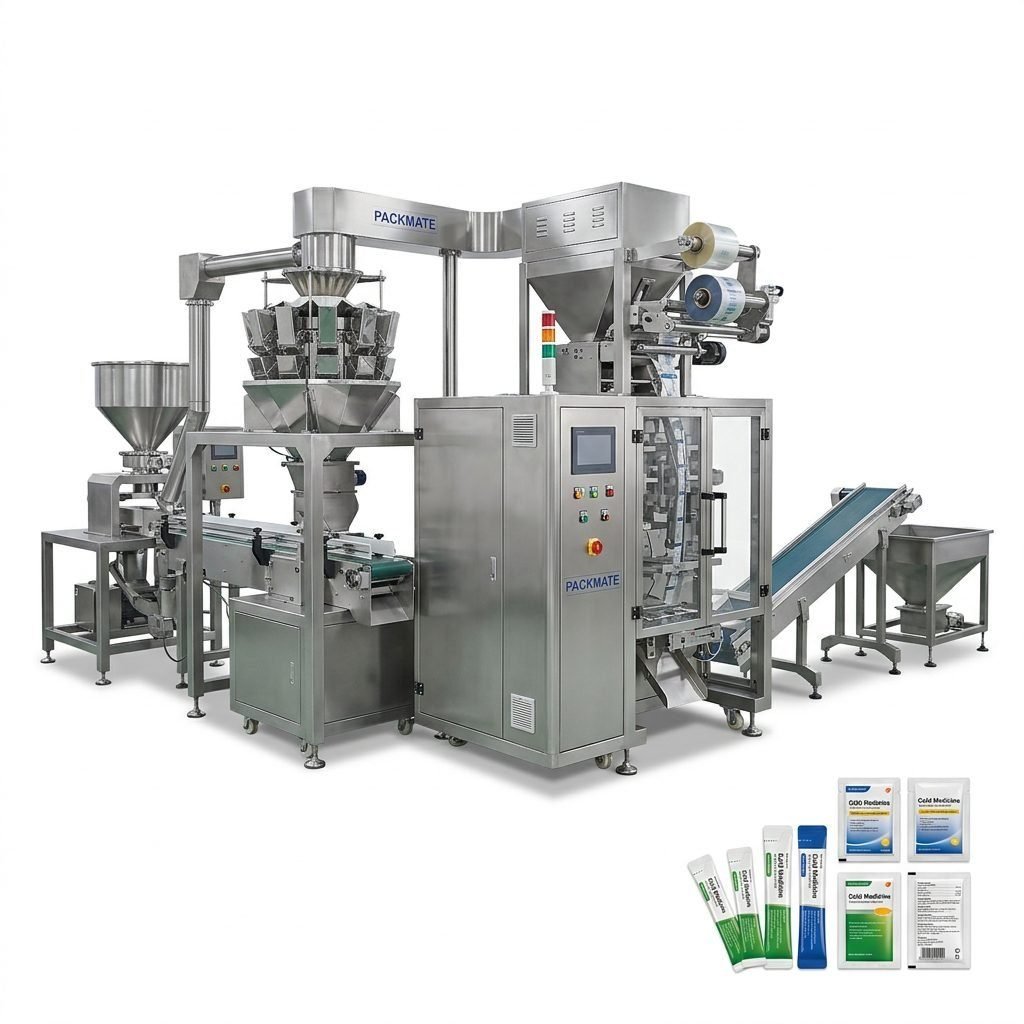
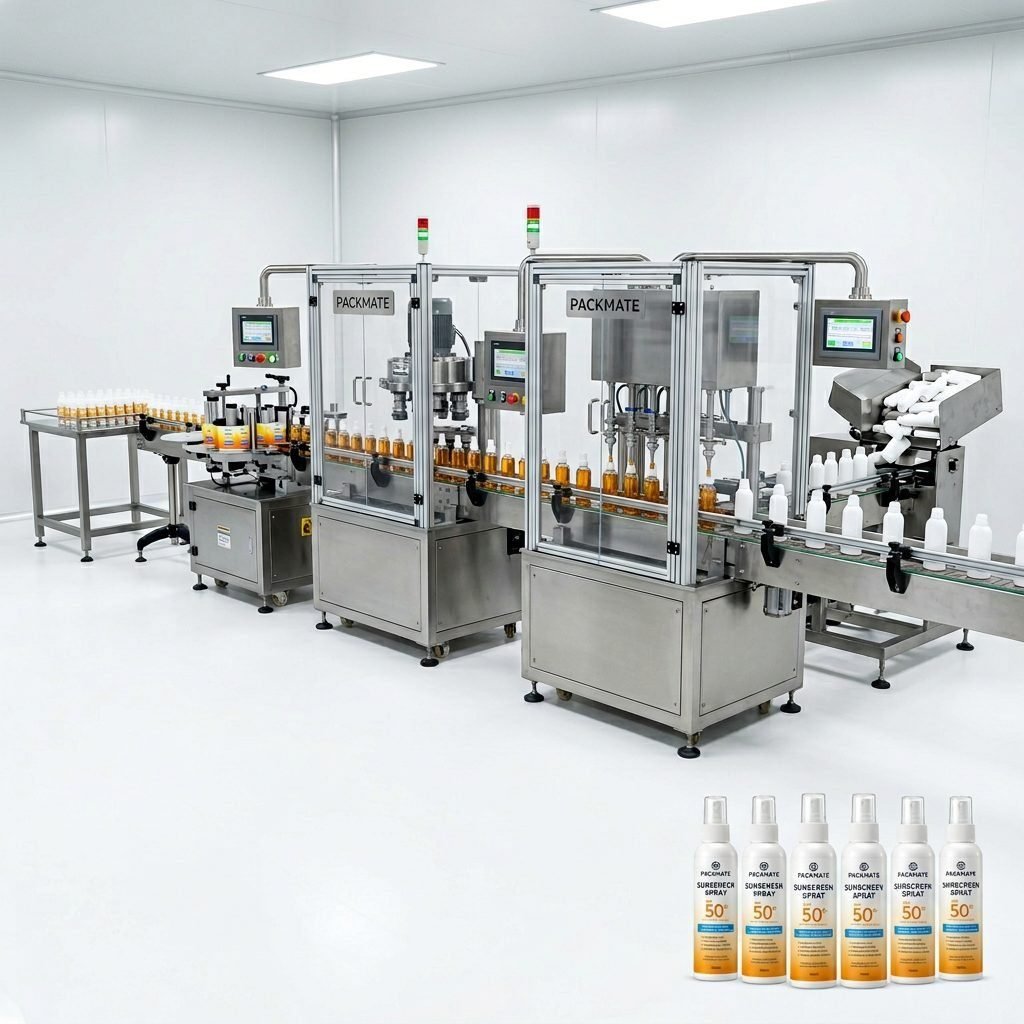
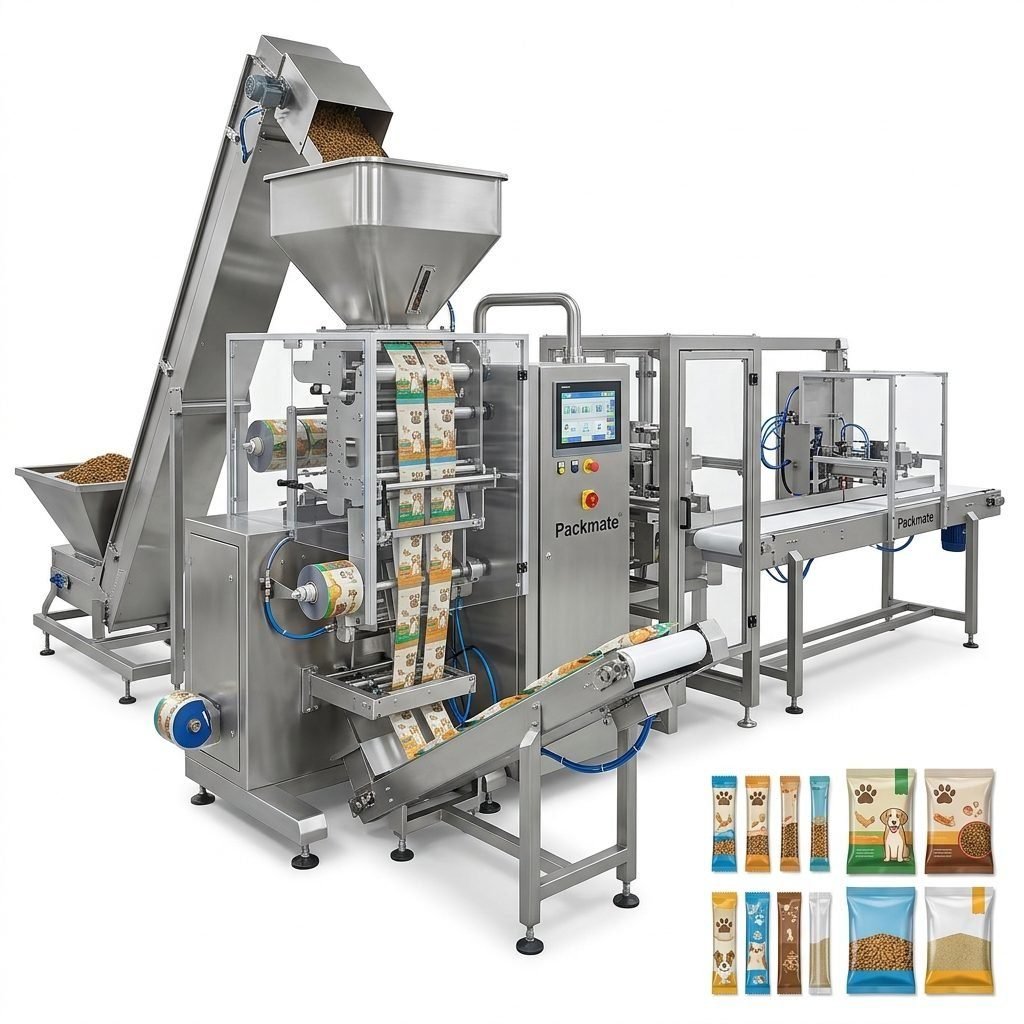
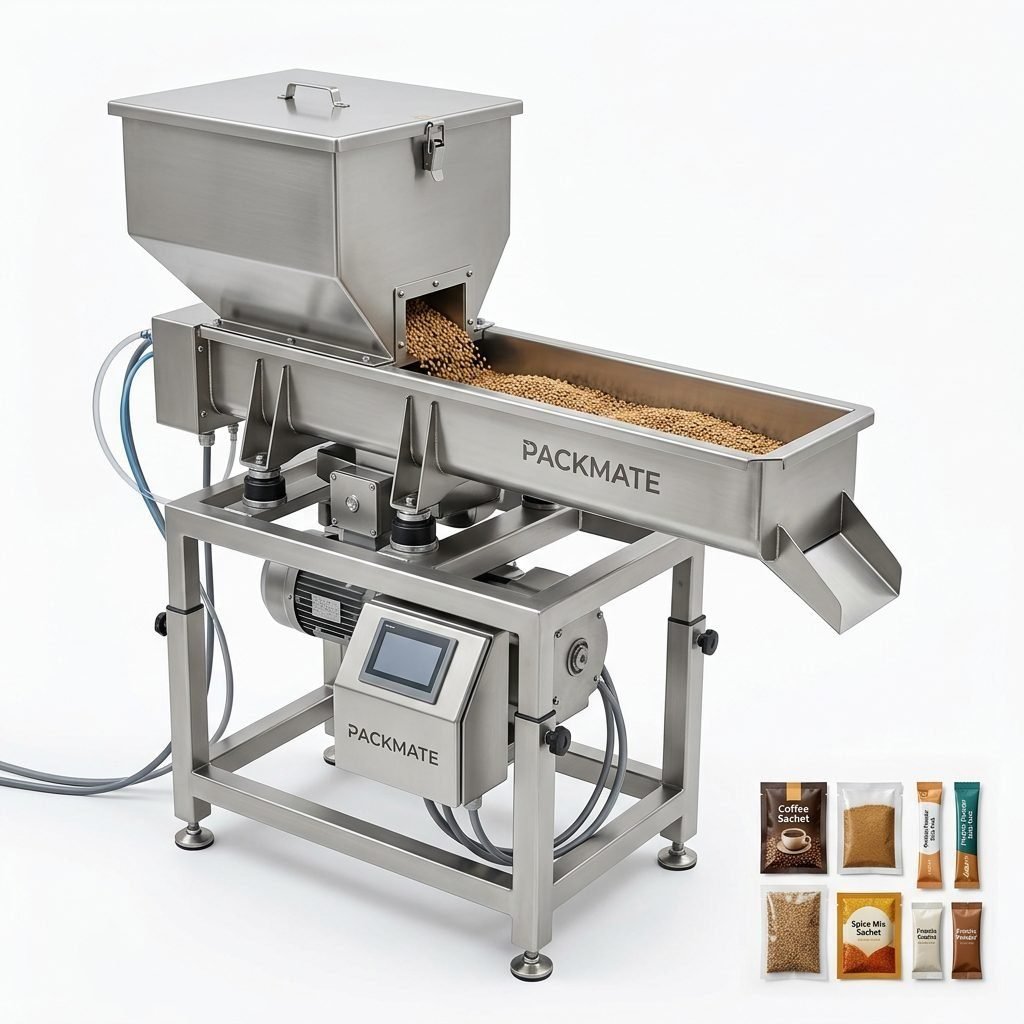
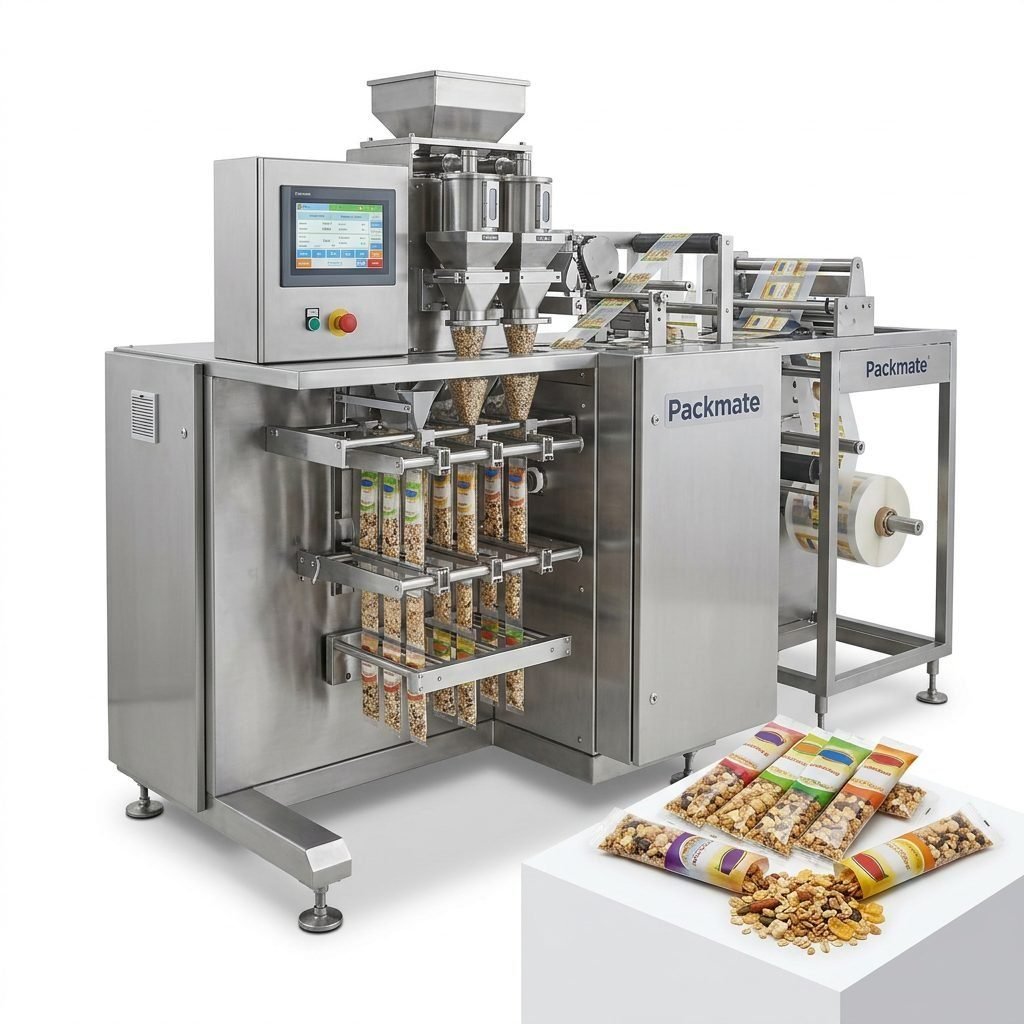
In the fast-paced world of baby care product manufacturing, efficiency and reliability are not just goals—they are imperatives. The packaging of diapers represents a critical final step in the production line, where speed, hygiene, and precision directly impact brand reputation and consumer trust. Selecting the right diapers packaging machine is therefore a strategic decision that can define a company’s operational success.
The Core of Modern Diaper Production: Automated Packaging Lines
Modern diaper packaging has evolved far beyond simple bagging. Today’s solutions involve integrated systems that handle counting, stacking, film feeding, sealing, coding, and final cartoning—all with minimal human intervention. This automation is crucial for maintaining the high hygiene standards required for baby products while achieving the production volumes necessary to meet global demand. An efficient machine ensures consistent package integrity, protecting the product from contamination and moisture.
Key Advantage: The primary benefit of a top-tier packaging line is its remarkable throughput with unwavering accuracy. Machines capable of handling 80 to over 150 packs per minute are now standard for large-scale manufacturers, turning potential bottlenecks into seamless flow.
Essential Features of High-Performance Diaper Packers
When evaluating bag and pouch packaging machines for diapers, several non-negotiable features come to the forefront. Versatility in pack size and format is paramount, as product lines often include everything from newborn sizes to toddler training pants. The machinery must adjust quickly between runs with minimal downtime. Furthermore, advanced servo-driven technology provides the precision needed for delicate film handling and crisp, secure seals on various materials, from polybags to stand-up pouches.
Another critical aspect is integration capability. The best packaging machines are designed to communicate seamlessly with upstream production (e.g., diaper manufacturing lines) and downstream systems (like robotic palletizers). This creates a cohesive, data-rich production environment where efficiency can be monitored and optimized in real-time.
Material Handling and Sustainability Considerations
The global shift towards sustainable practices has significantly impacted packaging. Manufacturers are increasingly using thinner, recyclable, or bio-based films. A sophisticated diaper packaging machine must be engineered to handle these newer, sometimes more challenging materials without compromising seal strength or machine speed. Features like precise temperature control for sealing jaws and adaptive tension control for film unwinding become even more critical in this context.
Operational Insight: Investing in machinery with low waste and high material utilization algorithms is no longer just an economic choice—it’s an environmental and brand imperative. Machines that optimize film usage per pack directly reduce material costs and environmental footprint.
The Role of Turnkey Solution Providers
For many manufacturers, navigating the complexities of machinery selection, integration, and after-sales support is a daunting task. This is where partnering with an experienced provider like Packmate Machinery offers a distinct advantage. With over 30 years of expertise in packaging automation, such companies offer more than just a machine; they provide a complete turnkey solution.
This encompasses initial consultation, custom machine design to fit specific plant layouts and product specs, installation, comprehensive operator training, and reliable long-term service support. Having a single point of contact for the entire packaging line ensures compatibility between all components and significantly reduces project risk and time-to-market.
Future-Proofing Your Investment: Smart Packaging 4.0
The future of diaper packaging is intelligent. The next generation of machines is equipped with IoT sensors and connectivity for predictive maintenance, collecting data on component wear and tear to schedule service before a breakdown occurs. Furthermore, integration with Manufacturing Execution Systems (MES) allows for unparalleled traceability—every pack can be linked to its production batch, time, and machine parameters, which is invaluable for quality control and recall management.
Choosing a machine with an open architecture that allows for these smart upgrades is essential for protecting your capital investment and staying competitive in a market that increasingly values data-driven transparency and agility.
Conclusion: Efficiency as a Competitive Edge
Ultimately, the choice of a diapers packaging machine is a strategic investment in brand integrity and market responsiveness. An efficient, reliable, and adaptable packaging line minimizes operational costs, maximizes output, ensures product quality, and supports sustainability goals. By focusing on core features like high-speed precision, material versatility, and smart integration capabilities, manufacturers can secure a critical advantage in the demanding baby care industry.
Frequently Asked Questions (FAQs)
What is the typical production speed range for a modern diaper packaging machine?
Speeds can vary based on configuration, but high-end, multi-lane stick pack and sachet machines or dedicated baggers can typically output between 80 to 160 packs per minute. The exact speed depends on pack size, material, and the level of automation (e.g., with automatic cartoning).
Can one machine handle different diaper sizes and packaging formats?
Yes, most advanced machines are designed for quick changeover. With servo-driven adjustments and pre-set recipes stored in the PLC, operators can switch between different product sizes (e.g., from size 3 to size 6) and packaging types (e.g., polybag to stand-up pouch) often in under 15-20 minutes, minimizing downtime.
How important is after-sales service and technical support?
It is critically important. Packaging machinery is a long-term investment. Reliable technical support, readily available spare parts, and comprehensive training are essential for maintaining high machine uptime. Providers like Packmate with a strong global service network ensure that help is available when needed, safeguarding your production continuity.
What are the key factors in reducing packaging material waste?
Key factors include machine precision in film feeding and cutting, advanced software that optimizes the film layout for each pack size (nesting), and the use of high-quality, consistent raw film material. Machines with automatic defect detection can also reject poorly sealed packs before they waste further downstream resources.
Are there packaging solutions suitable for both large-scale factories and smaller operations?
Absolutely. The market offers a range of solutions, from compact, semi-automatic machines ideal for smaller batches or start-ups to fully integrated, high-speed lines for mass production. Reputable manufacturers will assess your specific volume needs, floor space, and budget to recommend the most efficient and scalable solution. You can explore various options on the main Packmate Machinery website.