In the fast-paced world of modern manufacturing, efficiency and product integrity are paramount. For industries handling sensitive products—from premium coffee and spices to pharmaceuticals and electronic components—maintaining freshness and preventing contamination is a constant challenge. This is where advanced packaging technology steps in, and at the forefront of this innovation is the double vacuum chamber packaging machine. This comprehensive guide delves into everything you need to know about this powerful equipment, from its core functionality to critical buying considerations.
What is a Double Vacuum Chamber Packaging Machine?
At its essence, a double vacuum chamber packaging machine is a sophisticated piece of equipment designed to remove air from a package before sealing it. The “double chamber” refers to its operational design: while one chamber is actively sealing a product under vacuum, the other chamber can be loaded with the next product. This alternating cycle creates a continuous, non-stop packaging process, dramatically increasing output compared to single-chamber models.
The primary goal is to create a modified atmosphere inside the package, typically by removing oxygen. This process, known as vacuum packaging or Modified Atmosphere Packaging (MAP), significantly extends shelf life by inhibiting the growth of aerobic bacteria and fungi, prevents oxidation (which causes rancidity in fats and discoloration in foods), and protects products from moisture, dust, and physical compression during transport.
Core Components and How It Works
Understanding the key parts of a double vacuum chamber machine demystifies its operation:
Dual Vacuum Chambers: These are the sealed compartments where the packaging magic happens. They are typically made from durable stainless steel for hygiene and corrosion resistance.
Vacuum Pump: The heart of the system. It evacuates air from the chamber. The pump’s power and efficiency determine the ultimate vacuum level achievable and the cycle speed.
Heat Sealing Bar: This component melts the inner layer of the packaging film to create a hermetic seal after the air is removed. Consistent, reliable sealing is critical for package integrity.
Control System: Modern machines feature programmable logic controllers (PLCs) and touchscreen interfaces. Operators can set precise parameters for vacuum time, sealing time, and temperature, ensuring repeatable results.
The workflow is a continuous loop: (1) Load product into open bag in Chamber A, (2) Close lid to seal chamber, (3) Activate vacuum cycle to remove air, (4) Heat seal the bag, (5) Release vacuum and open lid, (6) While Chamber A is in its sealing phase, Chamber B is being loaded. The process then alternates, creating a seamless production flow.
Key Advantages Over Single-Chamber Machines
Why invest in a double-chamber system? The benefits are substantial for medium to high-volume operations:
Doubled Productivity: The most significant advantage. By eliminating idle time during loading/unloading, output can be 50-100% higher than a single-chamber machine with the same cycle time.
Labor Efficiency: The rhythmic, alternating cycle allows an operator to develop an efficient loading rhythm for both chambers, optimizing manpower.
Consistent Quality: Automated, programmable cycles ensure every package receives the exact same vacuum and seal treatment, eliminating human error and guaranteeing uniform product quality.
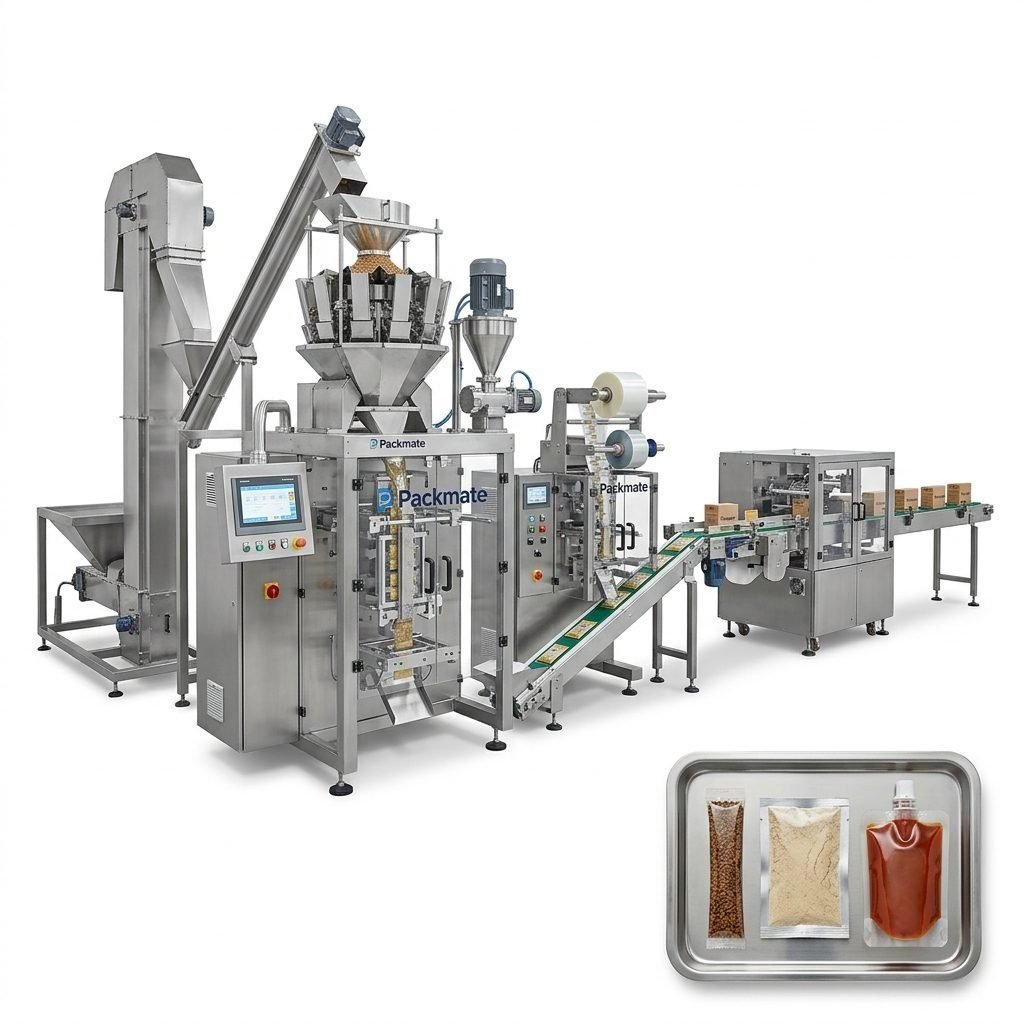
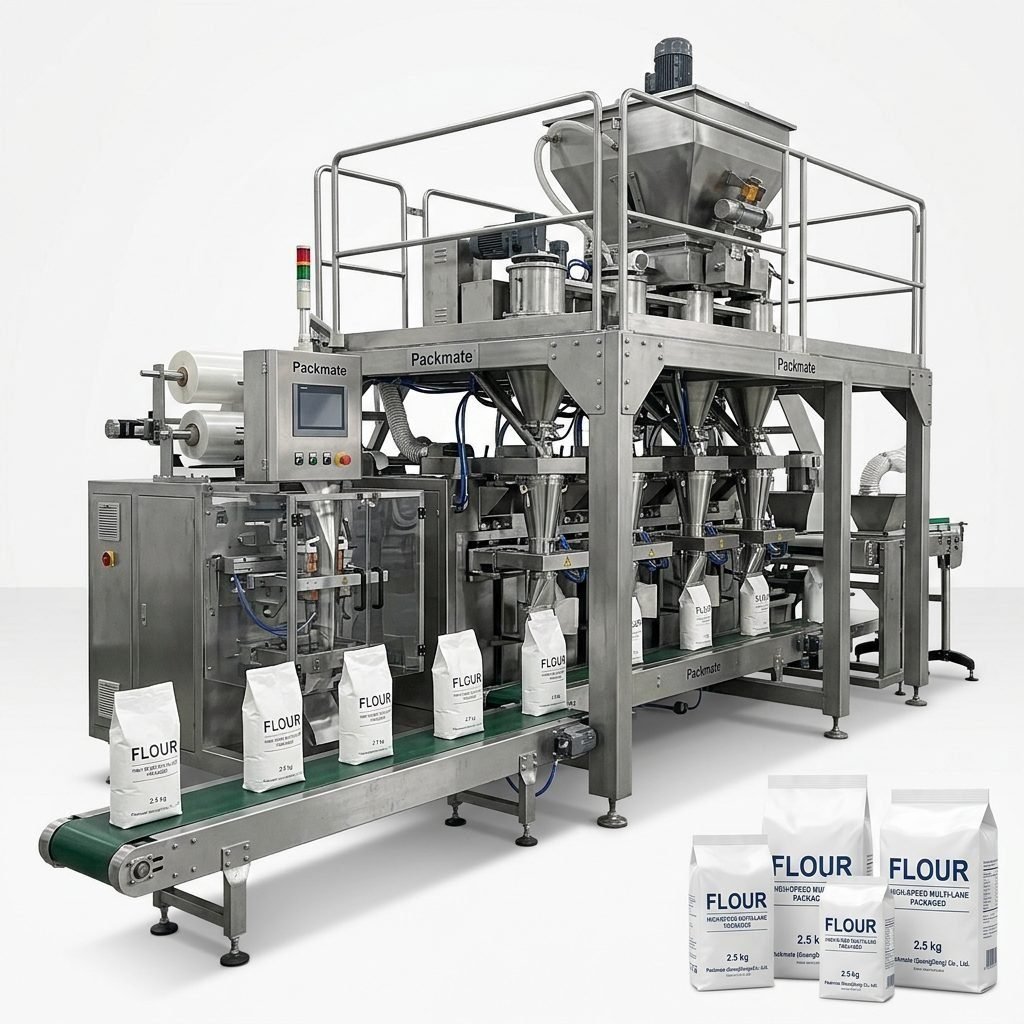
Versatility: These machines can handle a wide range of products, including powders, granules, solids, and semi-solids. They are compatible with various bag types and sizes, making them ideal for companies with diverse product lines. For businesses looking to expand their capabilities, exploring a full filling & packaging line that integrates a double vacuum chamber can be a strategic move.
Critical Buying Tips for Your Investment
Selecting the right double vacuum chamber machine requires careful evaluation. Here are the essential factors to consider:
1. Assess Your Production Needs
Start with a clear analysis of your current and projected future requirements. Consider your average daily output, product types, and bag dimensions. A machine that is too small will create bottlenecks, while an oversized one represents an unnecessary capital outlay. Understanding your volume is the first step toward choosing between a standard model or a more integrated system like a weighing & packaging system.
2. Evaluate Technical Specifications
Look beyond the basic description. Scrutinize the vacuum pump power and ultimate vacuum level (measured in mbar or inHg). A stronger pump achieves a deeper vacuum faster. Check the chamber size and sealing bar length to ensure they accommodate your largest anticipated package. The construction material (food-grade stainless steel is preferred) and the reliability of key components like the pump and sealing bar are indicators of long-term durability.
3. Prioritize Ease of Use and Maintenance
A user-friendly machine reduces training time and operator error. A clear touchscreen interface with pre-set programs and recipe memory is invaluable. Consider how easy it is to change film rolls, clean the sealing bar, and access components for routine maintenance. Downtime is costly, so a machine designed for easy servicing will pay for itself over time.
4. Consider the Manufacturer’s Reputation and Support
This is perhaps the most crucial tip. Your relationship with the manufacturer begins after the sale. Investigate the company’s history, expertise, and commitment to quality. A manufacturer with decades of experience, like Packmate Machinery, brings invaluable knowledge to the table. Review their warranty terms, availability of spare parts, and technical support services. Can they provide on-site installation, training, and prompt troubleshooting? A reliable partner ensures your investment is protected. You can often gauge a company’s expertise by reviewing their project cases and industry applications.
5. Plan for the Total Cost of Ownership
The purchase price is just the initial investment. Factor in ongoing costs for energy consumption, maintenance, spare parts, and packaging materials. A slightly more expensive machine with higher energy efficiency and lower maintenance needs will often have a lower total cost of ownership over a 5-10 year period.
Applications Across Industries
The versatility of double vacuum chamber machines makes them indispensable in numerous sectors:
Food Industry: Perfect for preserving meats, cheeses, dried fruits, nuts, coffee, spices, and ready-to-eat meals. It locks in freshness and flavor while extending marketability.
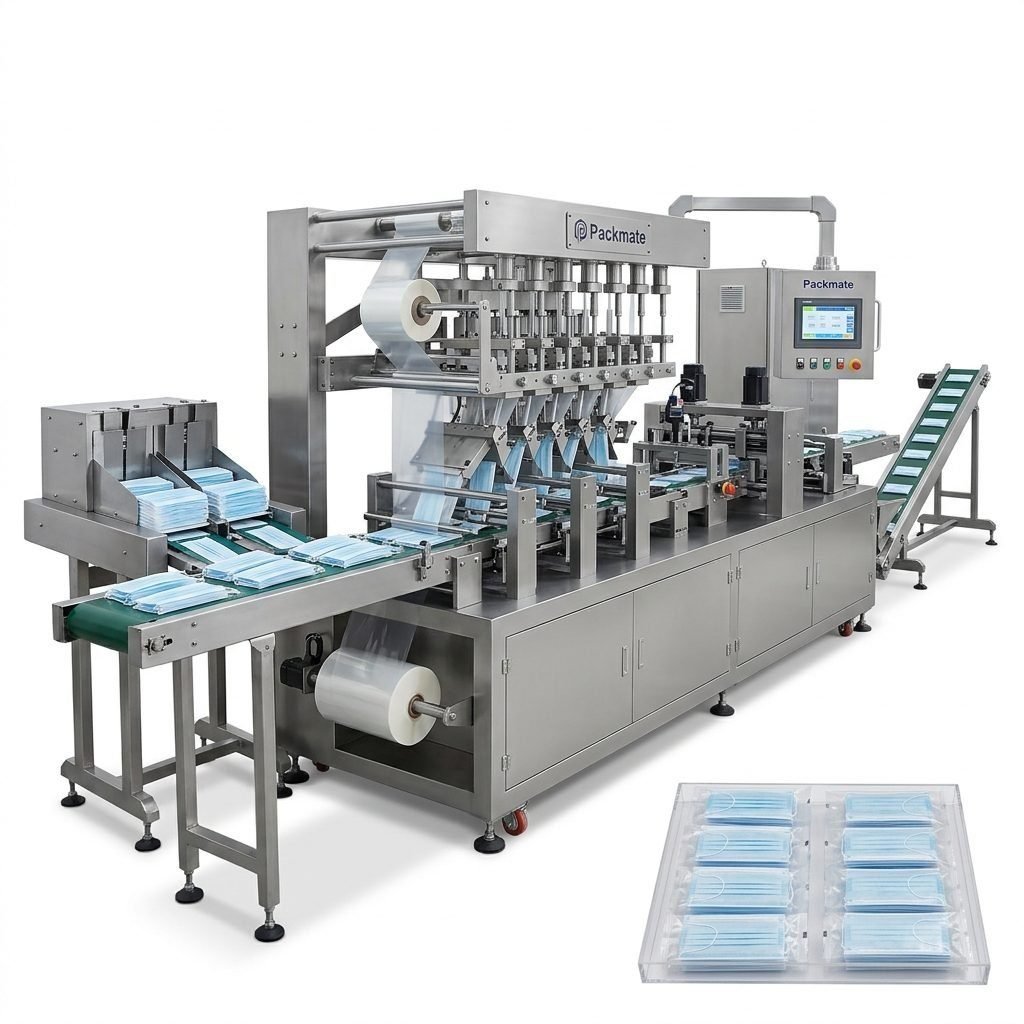
Pharmaceutical & Healthcare: Used to package sterile components, diagnostic kits, and hygroscopic raw materials where moisture and oxygen barrier are critical.
Electronics: Protects sensitive components like circuit boards and semiconductors from corrosion caused by atmospheric moisture and dust.
Industrial Goods: Preserves metal parts, tools, and precision instruments from rust and degradation during storage and shipping.
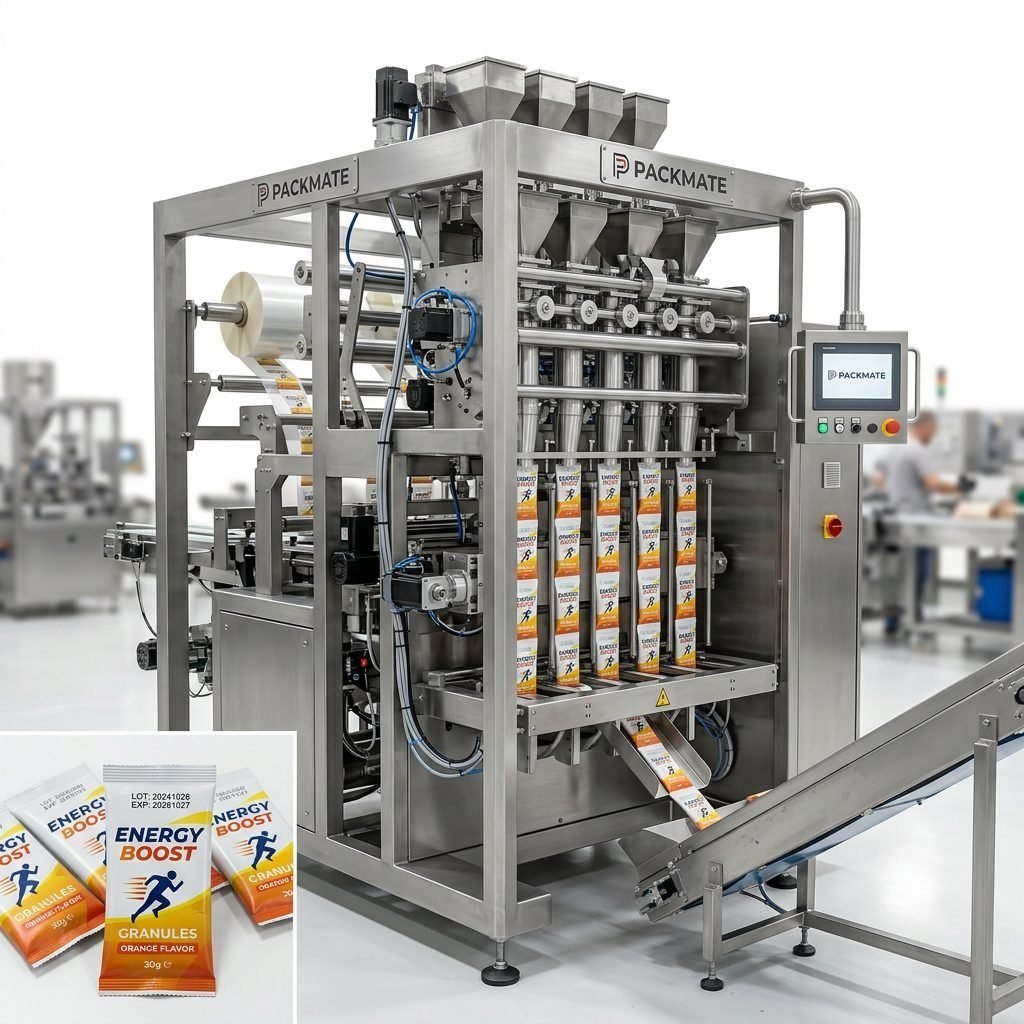
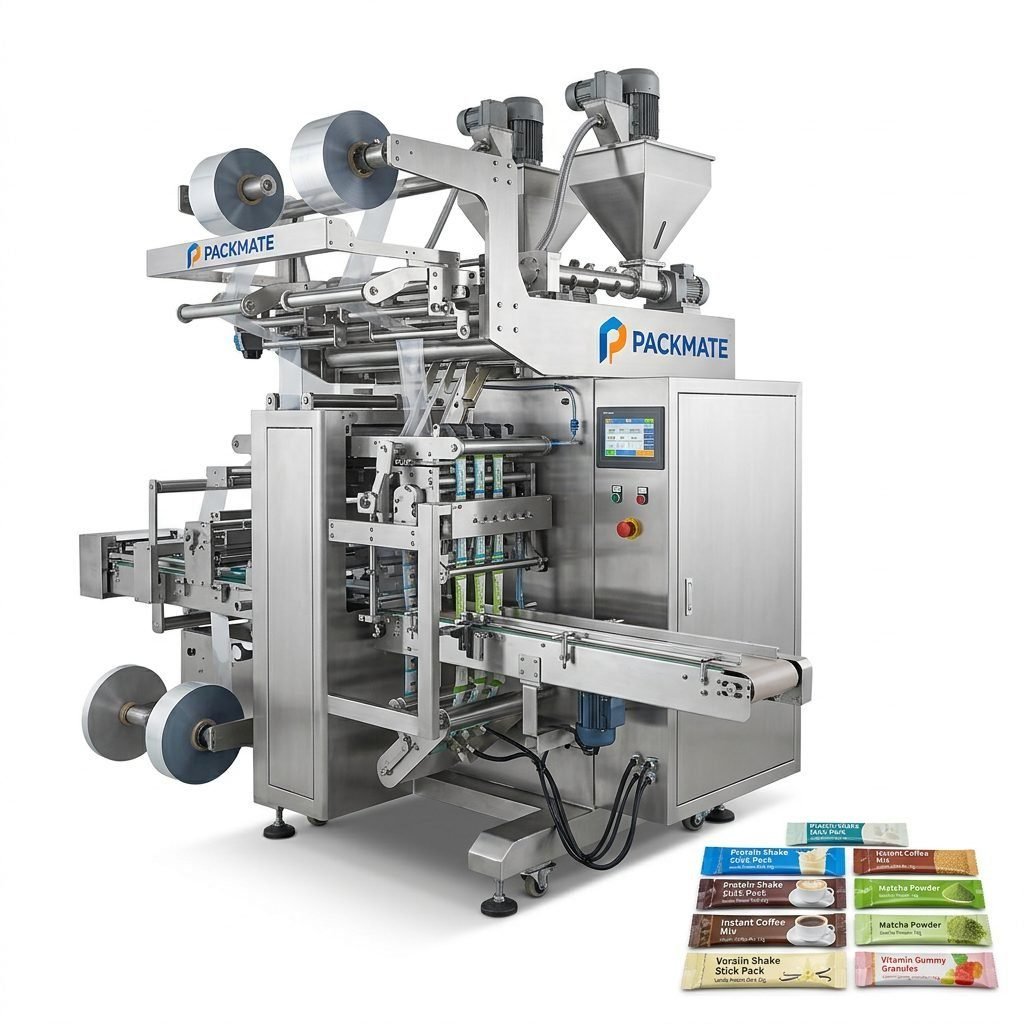
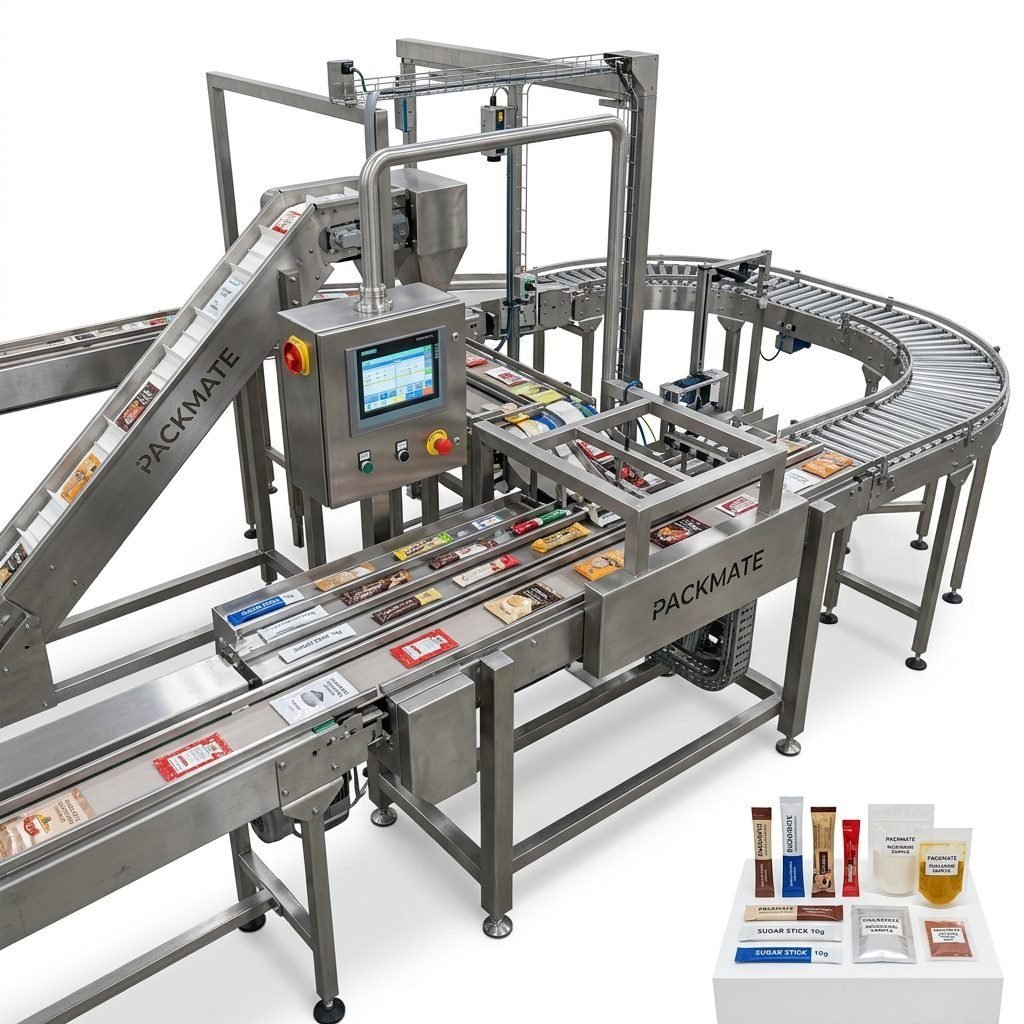
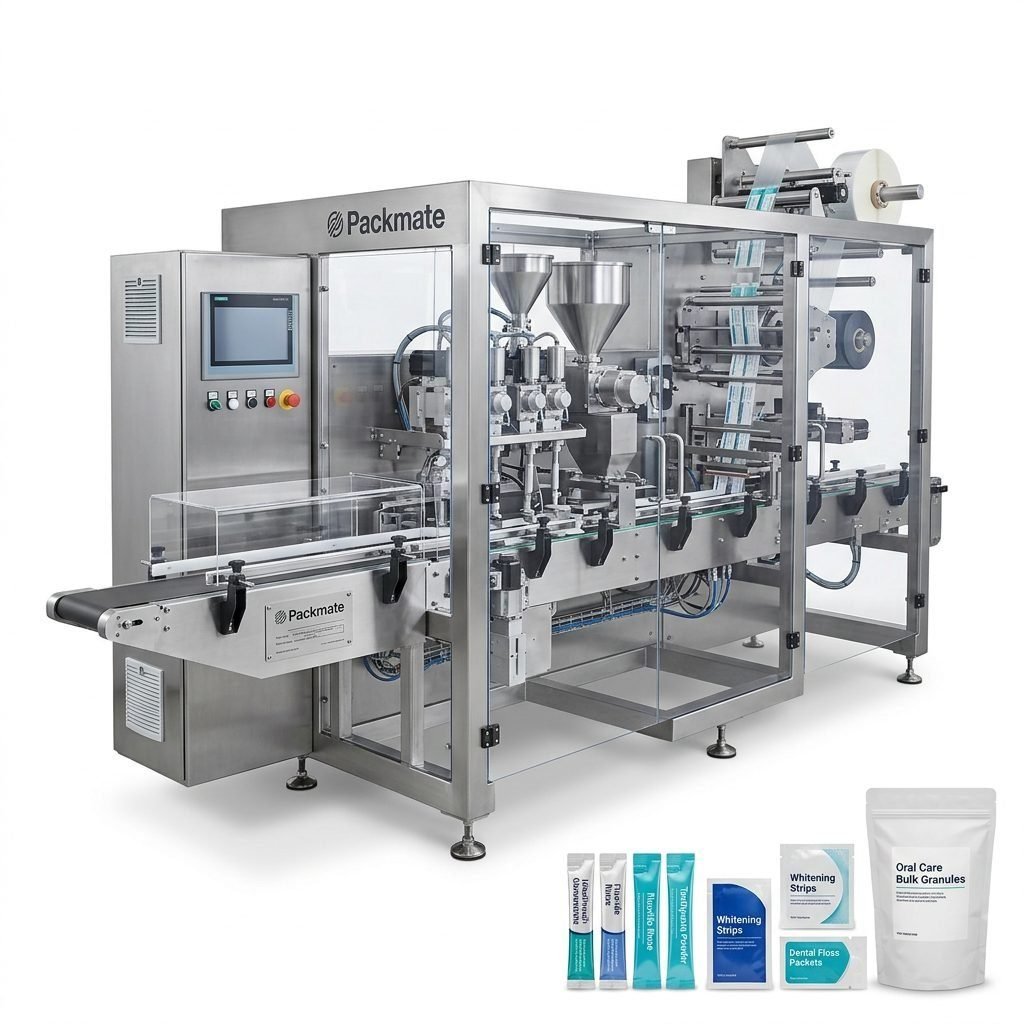
For specialized needs, such as packaging small-format products like powders or granules in single-serve portions, the technology behind these vacuum chambers is also foundational in advanced sachet & stick pack machines.
Conclusion
A double vacuum chamber packaging machine is a strategic investment for any business serious about product quality, shelf life, and production efficiency. By understanding its operation, recognizing its advantages over simpler systems, and meticulously evaluating your options based on production needs, technical specs, and manufacturer support, you can make an informed decision that will drive your packaging operations forward for years to come. The right machine not only packages your product—it protects your brand’s reputation for quality and reliability.
Frequently Asked Questions (FAQs)
What is the main difference between a single and double vacuum chamber machine?
The core difference is productivity. A single-chamber machine must complete its entire vacuum and seal cycle, open, be unloaded and reloaded before starting the next cycle, leading to significant idle time. A double-chamber machine uses two chambers that work alternately, allowing one to be loaded while the other is sealing, resulting in continuous, non-stop operation and much higher output.
What types of packaging materials can be used with these machines?
These machines are designed for use with thermoplastic vacuum bags or pouches. Common materials include multilayer films like PET/PE, NY/PE, or AL/PE, which provide excellent barrier properties against oxygen and moisture. The inner layer must be a heat-sealable material like polyethylene (PE). It’s crucial to consult with both your machine supplier and bag manufacturer to ensure material compatibility with your machine’s sealing system.
How do I maintain a double vacuum chamber packaging machine?
Regular maintenance is key to longevity. Daily tasks include cleaning the sealing bar and chamber of any debris or residue. Weekly or monthly checks should involve inspecting the vacuum pump oil level (for oil-lubricated pumps), checking the sealing bar for even wear, and ensuring all gaskets and seals are intact to prevent vacuum leaks. Always follow the specific maintenance schedule outlined in the machine’s manual provided by the manufacturer.
Can these machines handle liquid or oily products?
They can, but with important considerations. For liquids or very oily products, there is a risk of the product being drawn into the vacuum pump during evacuation, which can cause severe damage. Special precautions are needed, such as using a liquid trap or a barrier filter in the vacuum line, and potentially programming a gentler, slower vacuum cycle. It is essential to discuss your specific product with the machine supplier before purchase.
What safety features should I look for?
Prioritize machines with robust safety mechanisms. These should include emergency stop buttons, safety interlocks that prevent the chamber from opening during a vacuum cycle, thermal protection for the sealing bar, and overload protection for the motor and pump. A well-designed machine prioritizes operator safety to prevent accidents.