Modified Atmosphere Packaging (MAP) machines are revolutionizing how we preserve and present food and other perishable products. By replacing the air inside a package with a protective gas mixture, these systems dramatically extend shelf life, maintain freshness, and enhance product safety. This comprehensive guide explores the various types of MAP machines, their wide-ranging applications, and provides essential tips for making an informed purchase decision.
Understanding Modified Atmosphere Packaging Technology
At its core, Modified Atmosphere Packaging is a preservation technique that involves altering the gaseous environment surrounding a product within its packaging. This is achieved by flushing out the ambient air and replacing it with a specific, controlled mixture of gases—typically nitrogen (N₂), carbon dioxide (CO₂), and oxygen (O₂). The precise blend is tailored to the product’s biological and chemical needs, inhibiting microbial growth and slowing oxidation. The machine’s role is to perform this gas-flushing and sealing process with high speed, precision, and consistency, which is critical for commercial viability and food safety.
Key Benefit: The primary advantage of MAP is shelf-life extension. Products like fresh meat, salads, or baked goods can see their freshness window extended by 50% to 400%, reducing food waste and expanding distribution reach without relying heavily on preservatives.
Primary Types of Modified Atmosphere Packaging Machines
The MAP machine market offers solutions for operations of all scales, from artisanal producers to high-speed industrial lines. Choosing the right type is the first step toward a successful packaging operation.
1. Chamber or Tray Sealing Machines
These are the most common entry-level and mid-range MAP systems. The product, placed on a pre-formed tray or in a pouch, is positioned inside a sealed chamber. The machine then performs a vacuum cycle to remove air, flushes in the desired gas mixture, and finally heat-seals a lidding film over the tray or seals the pouch. They are versatile, relatively affordable, and perfect for batch processing of products like fresh cuts of meat, cheese, and ready-to-eat meals.
2. Horizontal Form-Fill-Seal (HFFS) MAP Machines
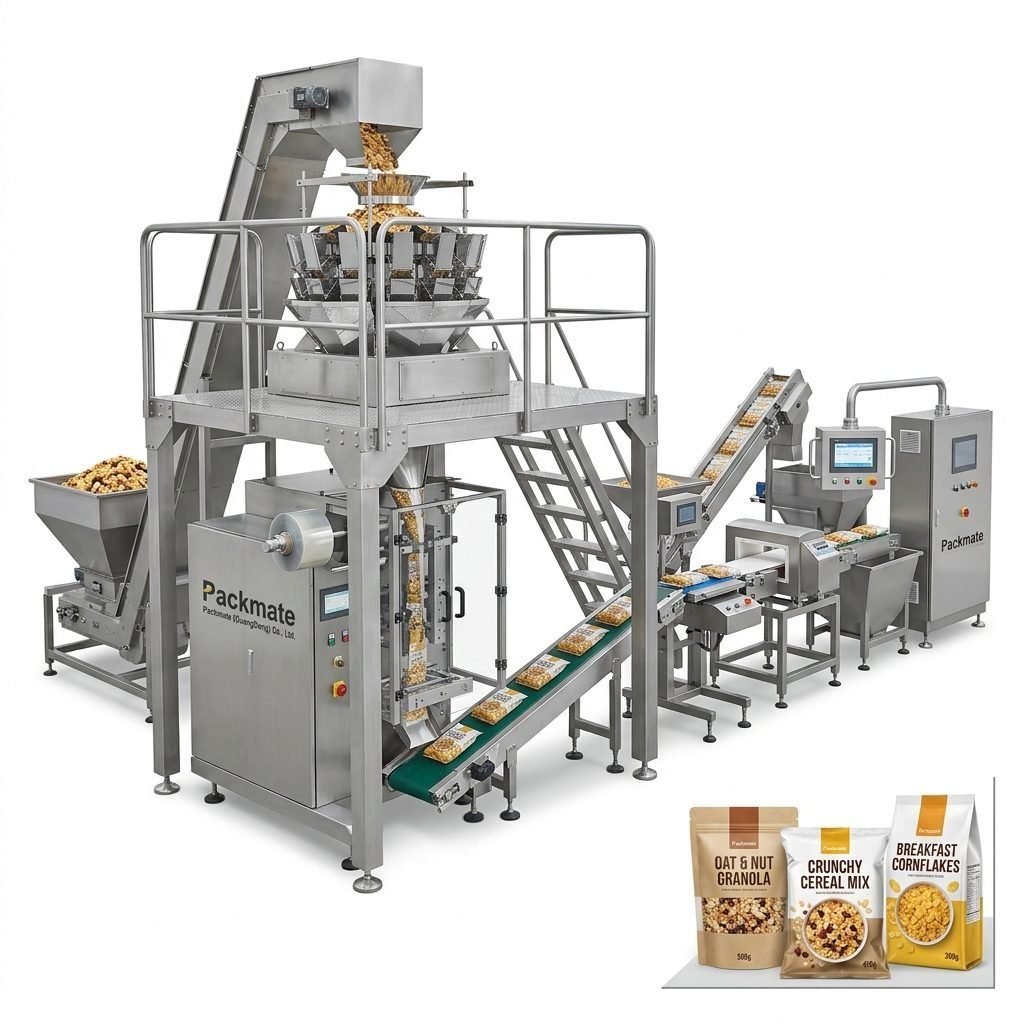
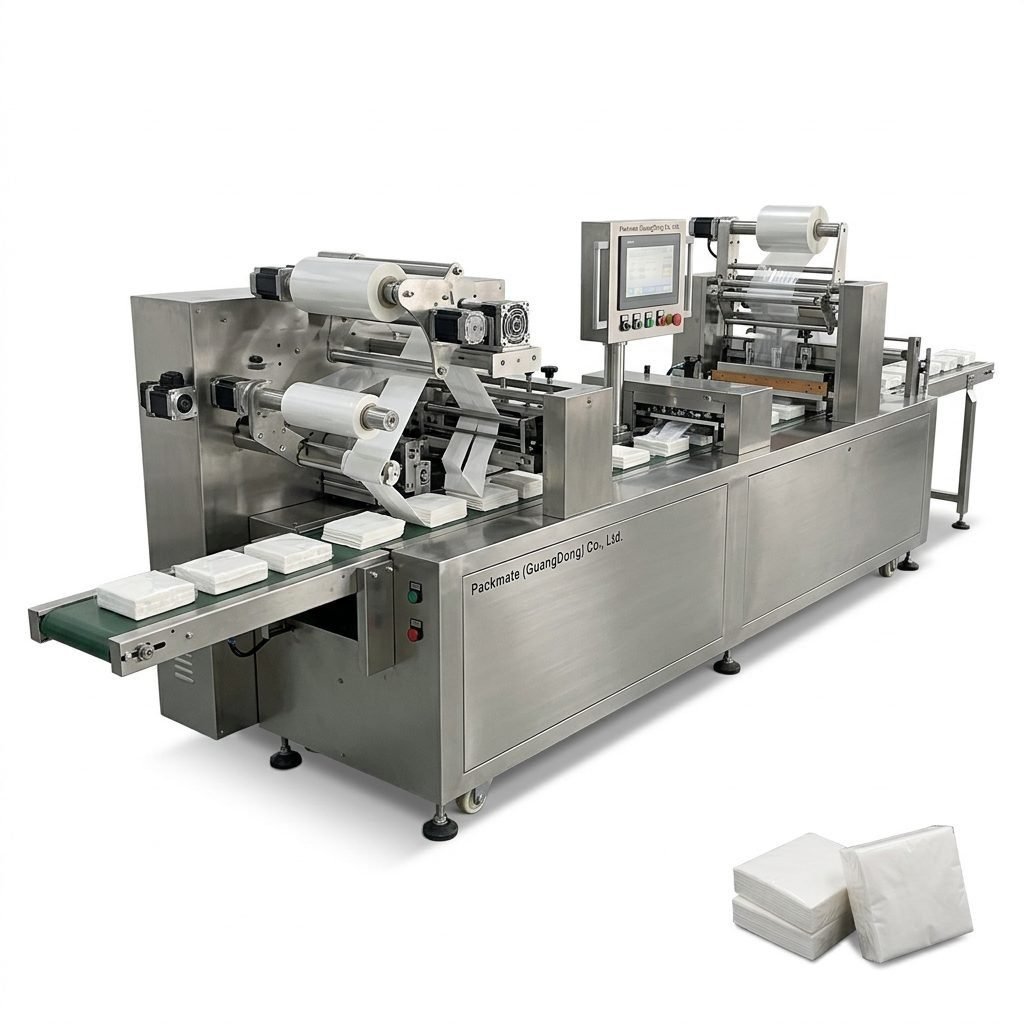
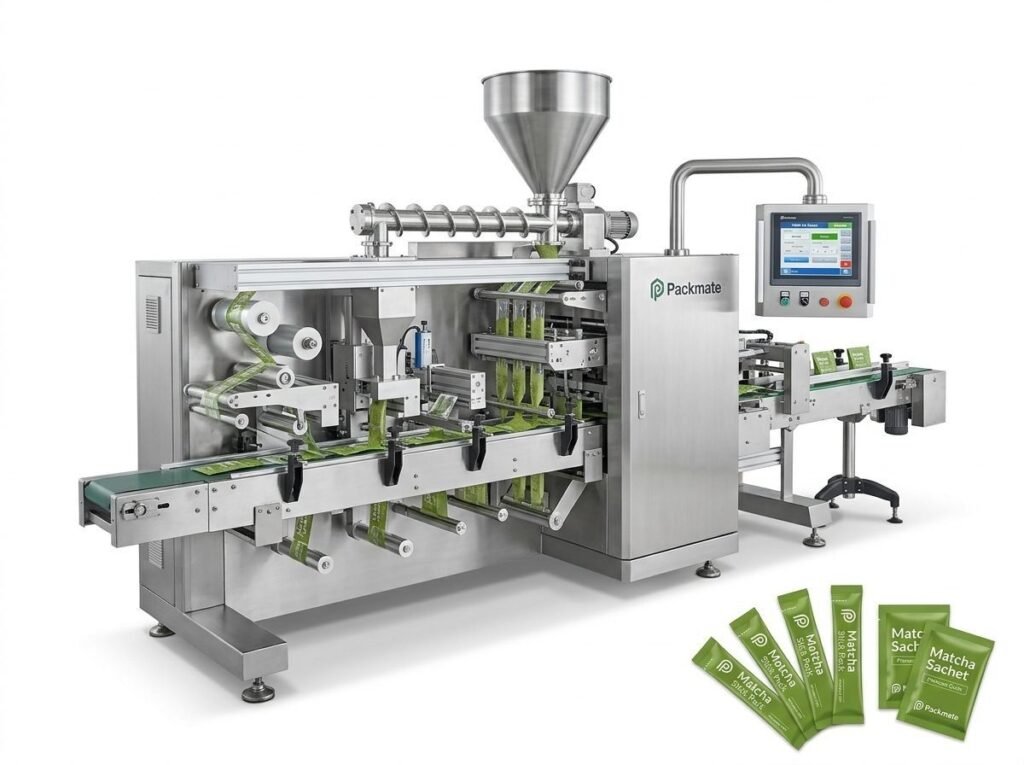
For high-volume production, horizontal form-fill-seal machines with integrated MAP capabilities are the industry standard. These sophisticated systems form the package from a roll of film, fill it with the product, flush it with the gas mixture, and seal it—all in one continuous, automated motion. They are incredibly efficient for packaging snacks, coffee, grated cheese, and dried fruits. Leading manufacturers like Packmate Machinery offer advanced HFFS lines that integrate weighing and gas flushing seamlessly.
3. Vertical Form-Fill-Seal (VFFS) MAP Machines
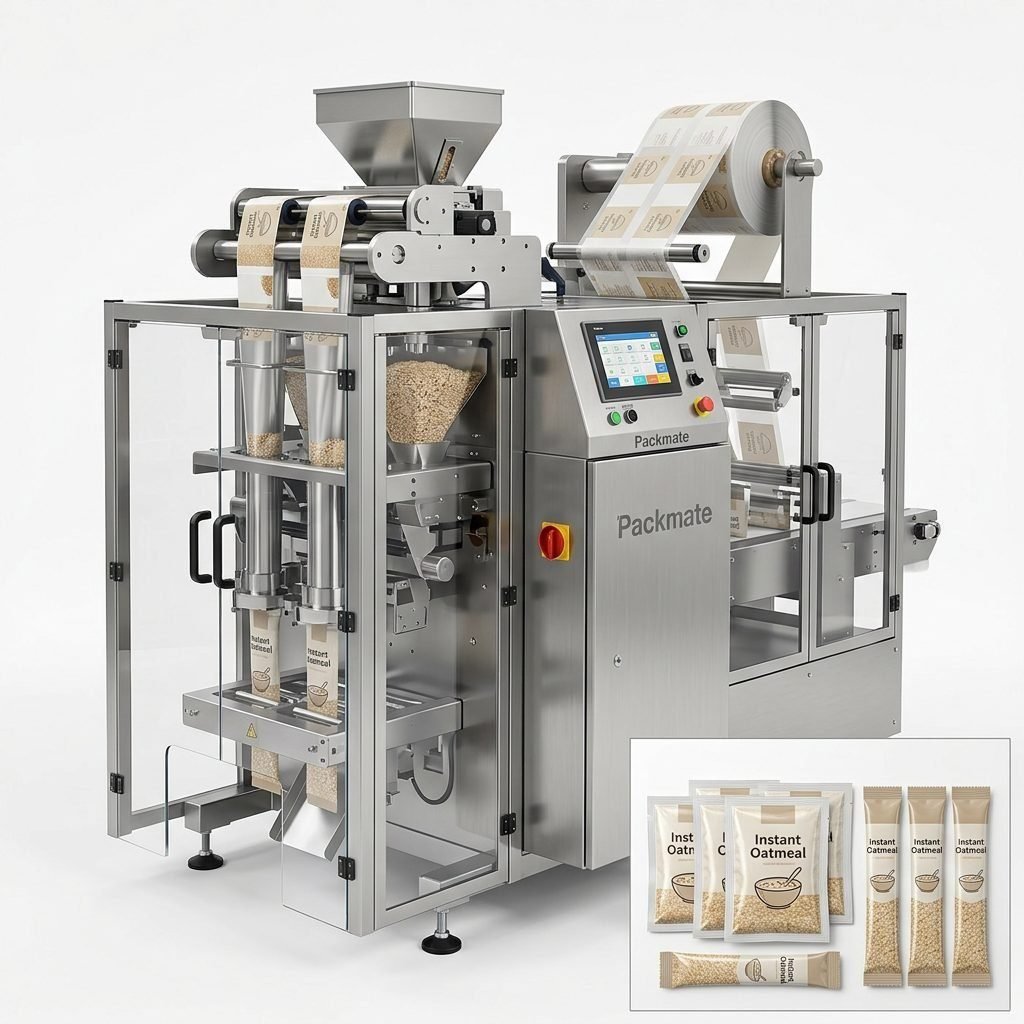
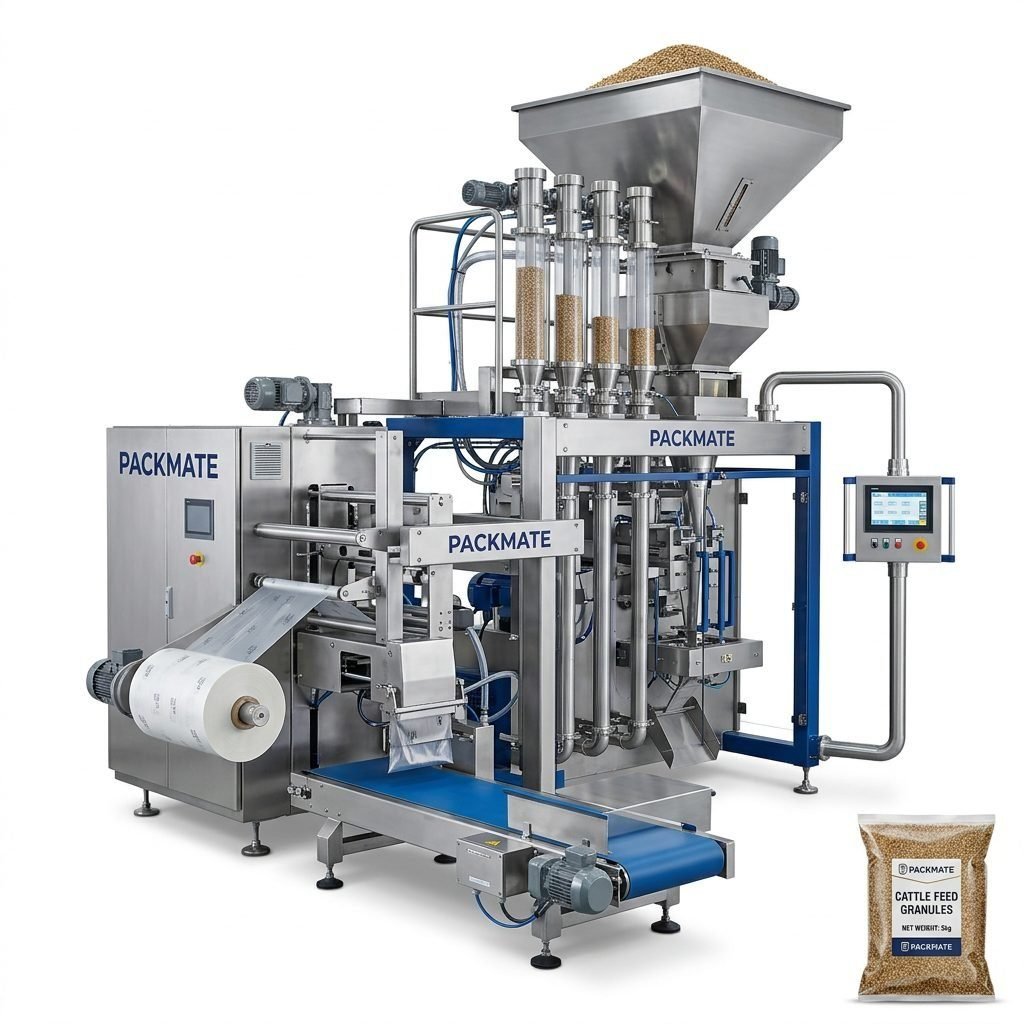
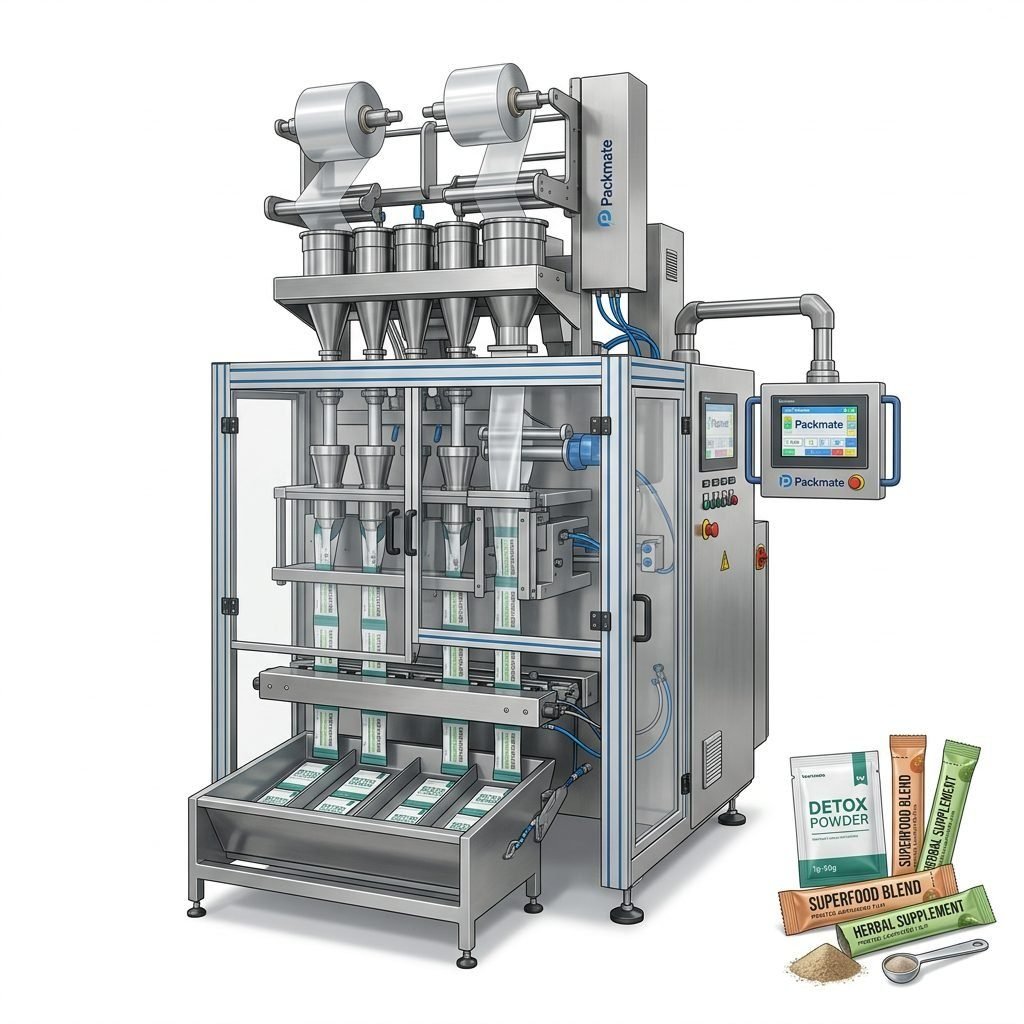
Similar to HFFS but operating on a vertical plane, VFFS machines are ideal for free-flowing granular, powdered, or liquid products. They form a tube from the film, fill it from the top, and then create transverse seals to form individual pillows or pouches. When equipped with MAP, a gas-flushing nozzle is integrated just before the final seal. This type is widely used for ground coffee, nuts, potato chips, and powdered supplements.
4. Snorkel-Type or Nozzle Flushing Machines
This method involves inserting one or more gas injection “snorkels” into an open bag or pouch containing the product. The gas is injected, displacing the air, and the snorkel is withdrawn just before sealing. It’s often used for bulk packaging of products like large bags of salad or cereal, or as an accessory to existing bagging equipment. While less precise than chamber systems, it is a cost-effective way to add MAP benefits to certain operations.
Choosing Between Machine Types: A Quick Reference
- Chamber Machines: Best for pre-formed trays, moderate volumes, and product flexibility.
- HFFS Machines: Best for very high speed, flat-bottom bags, and fully automated lines.
- VFFS Machines: Best for granular/powdered goods and pillow-style pouches.
- Snorkel Machines: Best for large bag packaging or retrofitting existing systems.
Critical Applications Across Industries
MAP is not a one-trick pony; its applications span numerous sectors where freshness, appearance, and longevity are paramount.
Food & Beverage: This is the largest application area. MAP is used for fresh meat and poultry (low O₂), fresh pasta and salads (high O₂), baked goods (CO₂/N₂ mix), cheese, dried snacks, and coffee. It keeps meat looking red, prevents salad wilting, and stops chips from going stale.
Pharmaceutical & Healthcare: Sterility and stability are critical. MAP machines package medical devices, diagnostic kits, and hygroscopic drugs in an inert nitrogen atmosphere to prevent moisture damage and oxidation, ensuring product efficacy over its entire shelf life.
Specialty Products: The technology is also used for premium products like gourmet spices, tea leaves, and high-end pet food to lock in aroma and flavor. For specialized needs, such as tobacco-free nicotine pouches, companies like Packmate provide dedicated nicotine packaging machines with precise atmosphere control.
Essential Buying Tips for Your MAP Machine
Investing in a MAP machine is a significant decision. Here are key factors to consider to ensure you select the right equipment for your needs.
1. Define Your Product and Output Requirements
Start with the basics: What are you packaging, and how much? The product’s form (solid, granular, liquid), sensitivity, and desired package type (tray, pouch, bag) dictate the machine type. Your required production speed (packages per minute) will separate entry-level from industrial machines. A clear output target is essential.
2. Evaluate Gas Flushing Precision and Residual Oxygen Levels
The machine’s effectiveness hinges on its ability to achieve and maintain a low Residual Oxygen (RO₂) level inside the package. High-performance machines can achieve RO₂ levels below 0.5% or even 0.1% for very sensitive products. Inquire about the gas exchange efficiency, flushing system design, and the machine’s proven RO₂ capabilities for a product similar to yours.
3. Prioritize Hygiene, Construction, and Ease of Cleaning
For food and pharmaceutical use, hygienic design is non-negotiable. Look for machines with stainless steel contact surfaces, smooth welds, and minimal crevices where product or bacteria can accumulate. Easy access for cleaning and maintenance (CIP – Clean-in-Place features) saves tremendous time and reduces contamination risk.
4. Assess Integration and Automation Capabilities
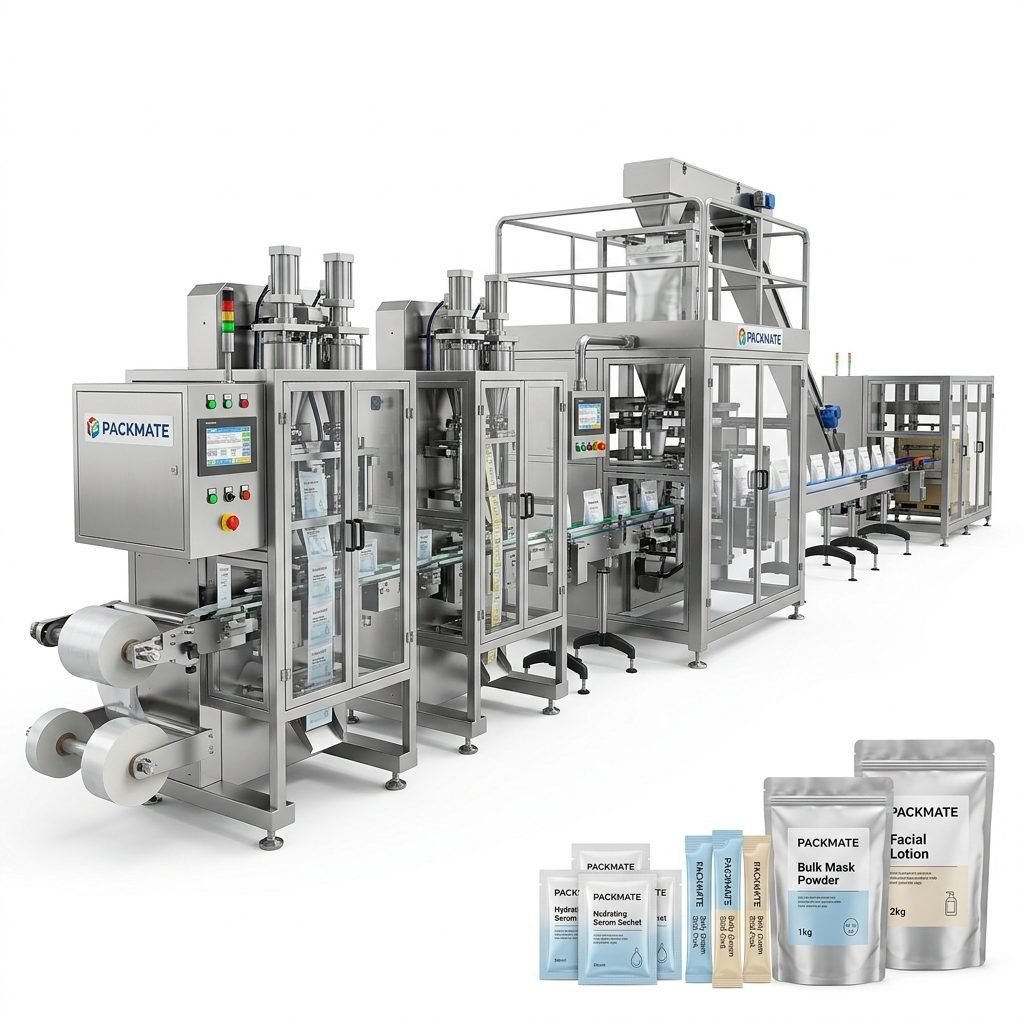
Your MAP machine shouldn’t be an island. Consider how it will integrate with your upstream filling equipment (like weighing systems) and downstream labeling or case packing lines. Look for machines with standard communication interfaces (PLC, HMI) and the ability to be part of a complete packaging line solution.
5. Scrutinize After-Sales Support and Service
The machine’s quality is only half the equation. The manufacturer’s support is the other. Choose a supplier with a strong reputation for reliable technical support, readily available spare parts, comprehensive operator training, and solid warranty terms. A company with a long history, like Packmate Machinery with over two decades of experience, often provides the stability and expertise needed for long-term success.
Checklist Before Finalizing Your Purchase
✔ Request a product sample test on the machine.
✔ Verify energy consumption and gas usage efficiency.
✔ Check compliance with relevant safety and industry standards (CE, FDA, etc.).
✔ Get detailed quotes including installation, training, and initial spare parts.
✔ Visit the manufacturer’s facility or an existing client’s site if possible.
Frequently Asked Questions (FAQs)
1. What is the main difference between MAP and vacuum packaging?
Vacuum packaging removes almost all air, creating a tight shrink around the product. MAP replaces the air with a specific gas mix. MAP is often better for delicate products (like soft cheeses or berries) that can be crushed by vacuum, and it can be more effective at inhibiting certain bacteria. For products like fresh red meat, MAP (with a high O₂ mix) preserves the bright red color better than vacuum packaging.
2. How much does a commercial MAP machine cost?
Costs vary widely based on type, speed, and automation. A basic single-chamber tray sealer can start from $10,000-$20,000. High-speed, fully automated horizontal form-fill-seal MAP lines can range from $100,000 to over $500,000. It’s crucial to view this as a long-term investment that reduces waste and opens new markets.
3. Which gas mixture should I use for my product?
The optimal gas mix is product-specific and often developed through testing. Common guidelines include: High O₂ (70-80%) for red meat (to retain color), High CO₂ (20-100%) for poultry, fish, and baked goods (to inhibit bacteria/mold), and High N₂ (100%) for oily snacks and chips (to prevent oxidation). Always consult with food scientists or your machine supplier for the best blend.
4. Can I retrofit my existing packaging machine with MAP technology?
In some cases, yes. Snorkel-type gas flushing systems can sometimes be added to existing vertical or horizontal baggers. However, for precision and low residual oxygen, a dedicated, integrated MAP machine is almost always superior. Retrofitting can be complex and may not yield the same performance as a purpose-built system.
5. How do I maintain a MAP machine to ensure consistent performance?
Regular maintenance is key. Daily cleaning of sealing jaws and gas nozzles, weekly checks of O-rings and seals for wear, and periodic calibration of gas flow meters and oxygen analyzers are essential. Always follow the manufacturer’s maintenance schedule and use only recommended spare parts to avoid downtime and ensure package integrity.