Choosing the right packaging machinery for consumer goods is a critical decision that impacts production efficiency, product presentation, and overall brand success. This complete guide delves into the world of packaging equipment, helping you navigate the options to find the best solutions for your specific needs.
Key Takeaway:
The optimal packaging machinery balances speed, precision, versatility, and reliability to meet modern consumer demands and production goals.
Essential Types of Packaging Machinery
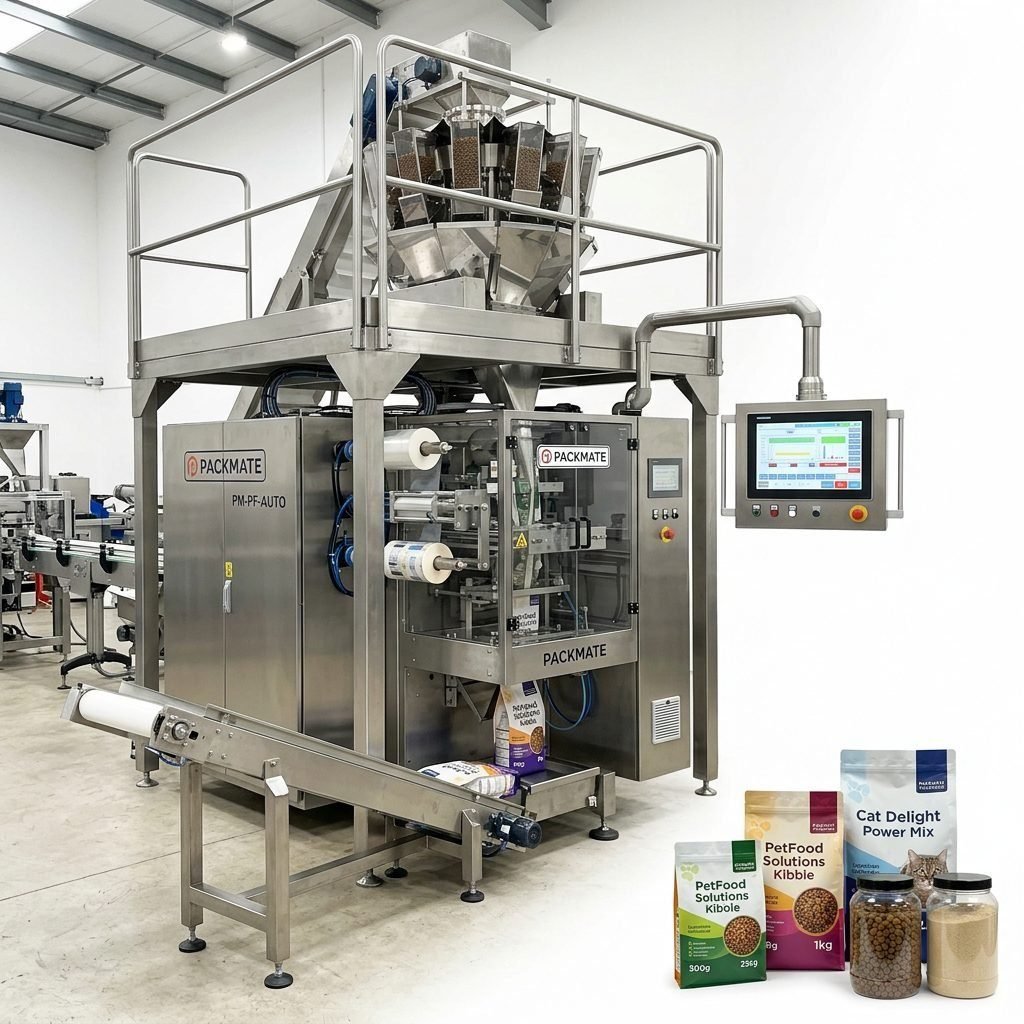
The consumer goods sector encompasses a vast array of products, from food and beverages to pharmaceuticals and cosmetics. Consequently, packaging machinery must be equally diverse. Primary categories include filling machines, sealing machines, labeling systems, and wrapping machines. Each type serves a distinct function in the packaging line.
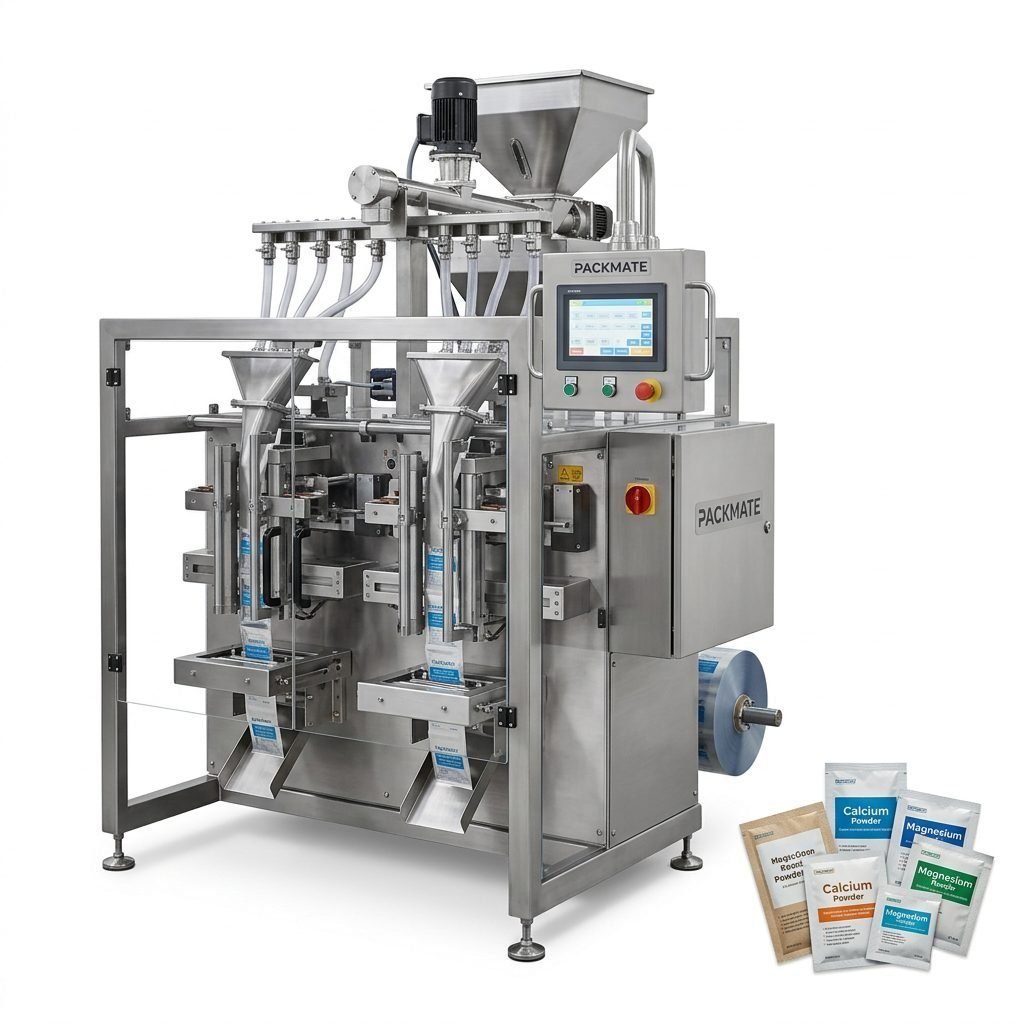
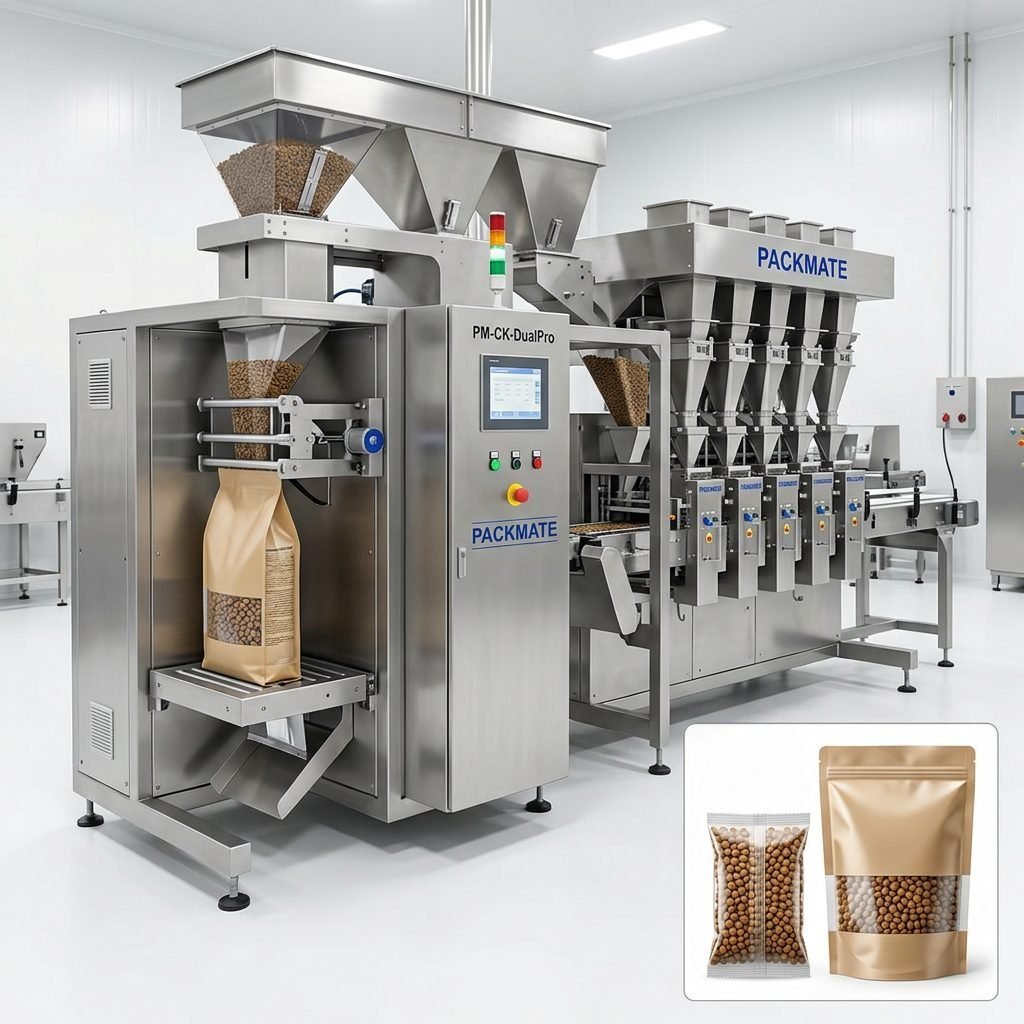
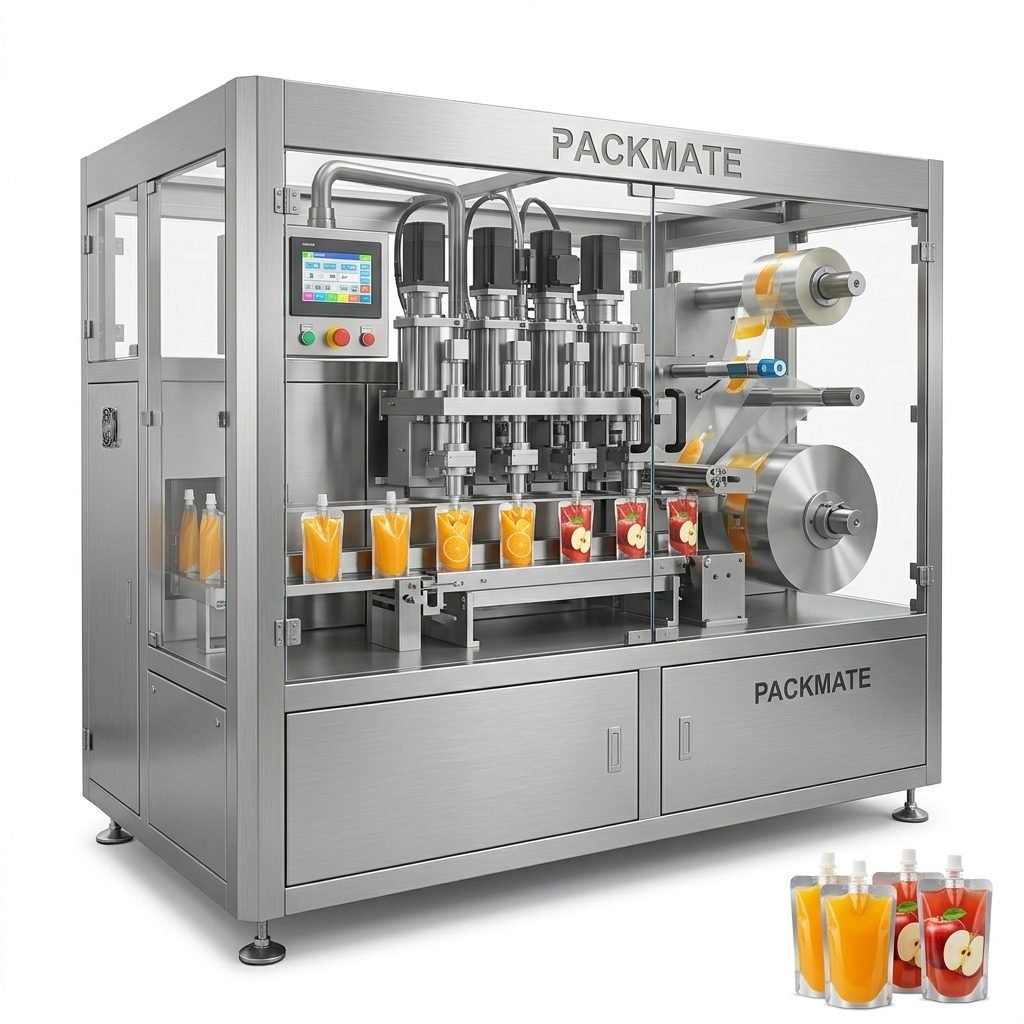
For businesses handling granules, powders, and liquids, precision filling is paramount. Volumetric cup fillers, auger fillers, and liquid piston fillers ensure accurate dosing, minimizing product giveaway and maintaining consistency. Sealing technologies, such as heat sealing for flexible pouches or capping for bottles, guarantee product integrity and shelf life.
The Rise of Flexible Packaging Solutions
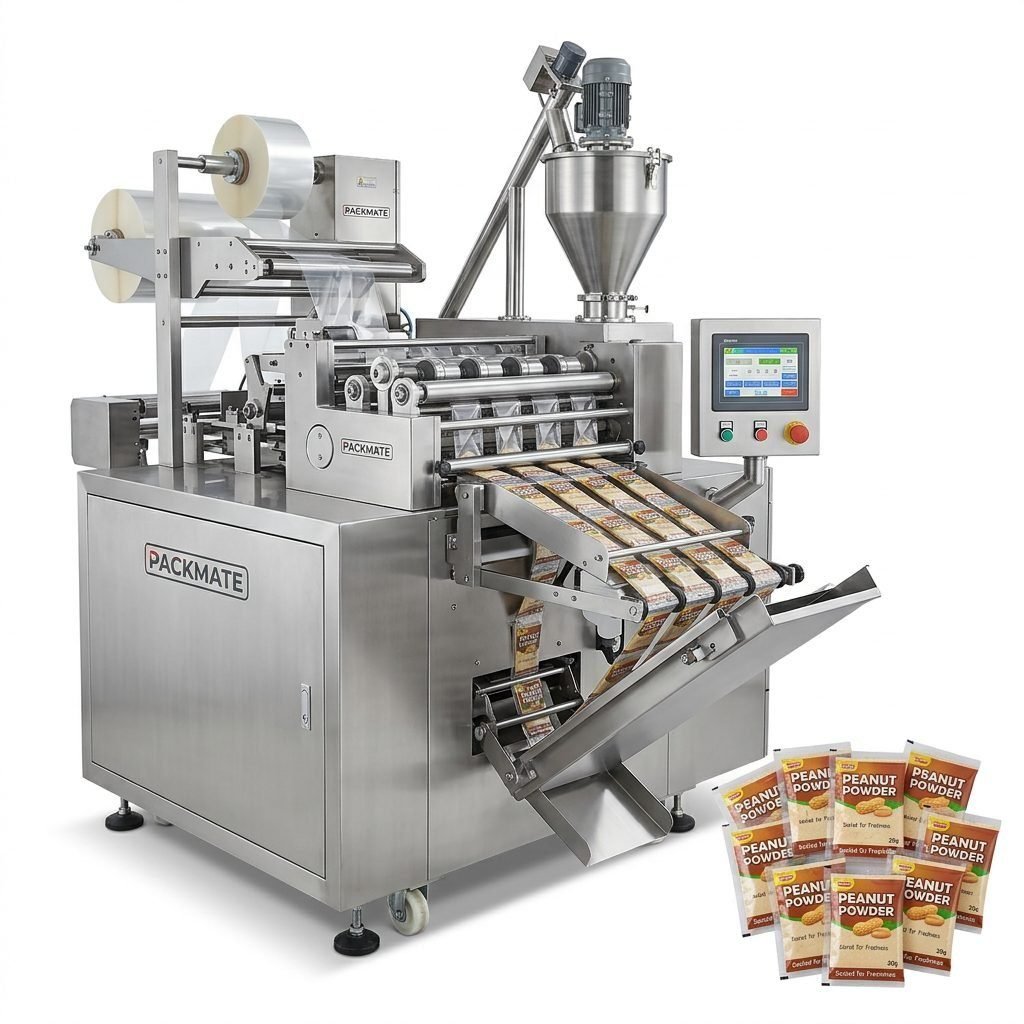
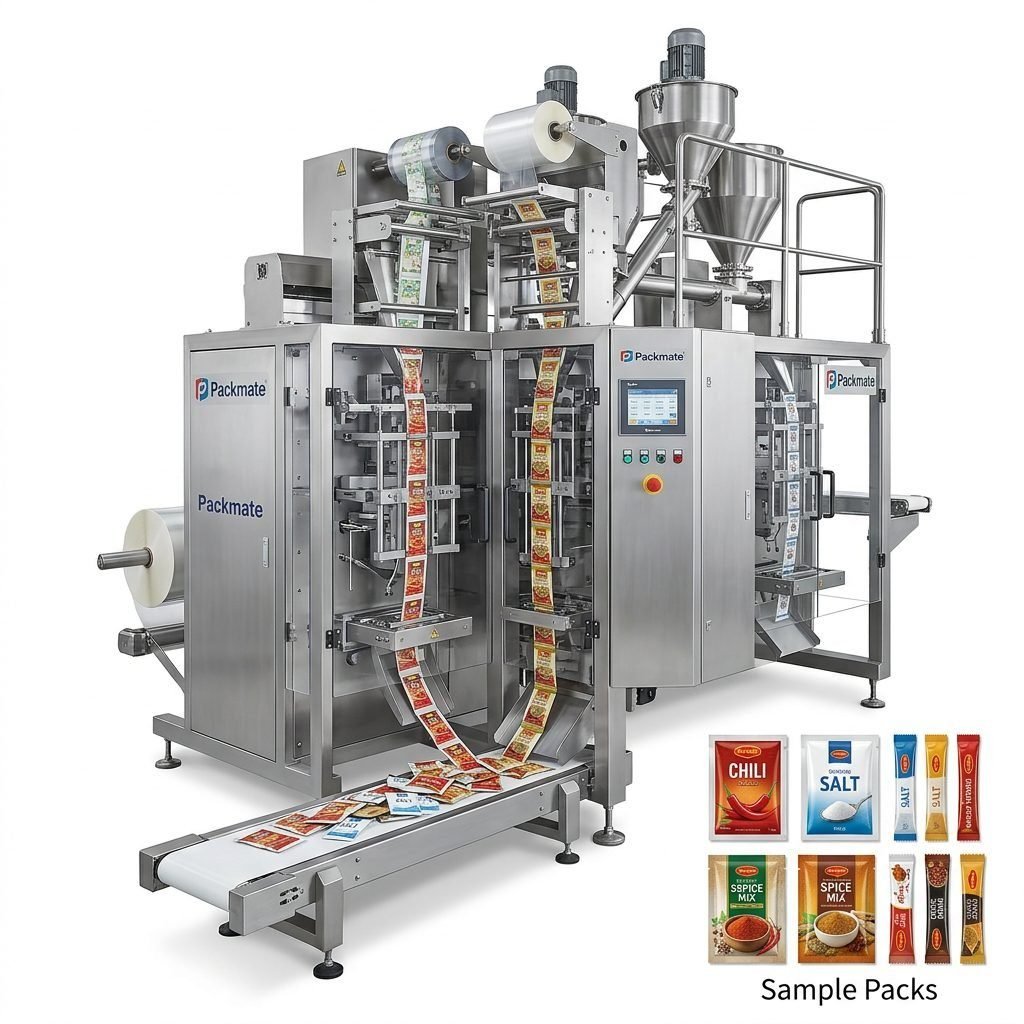
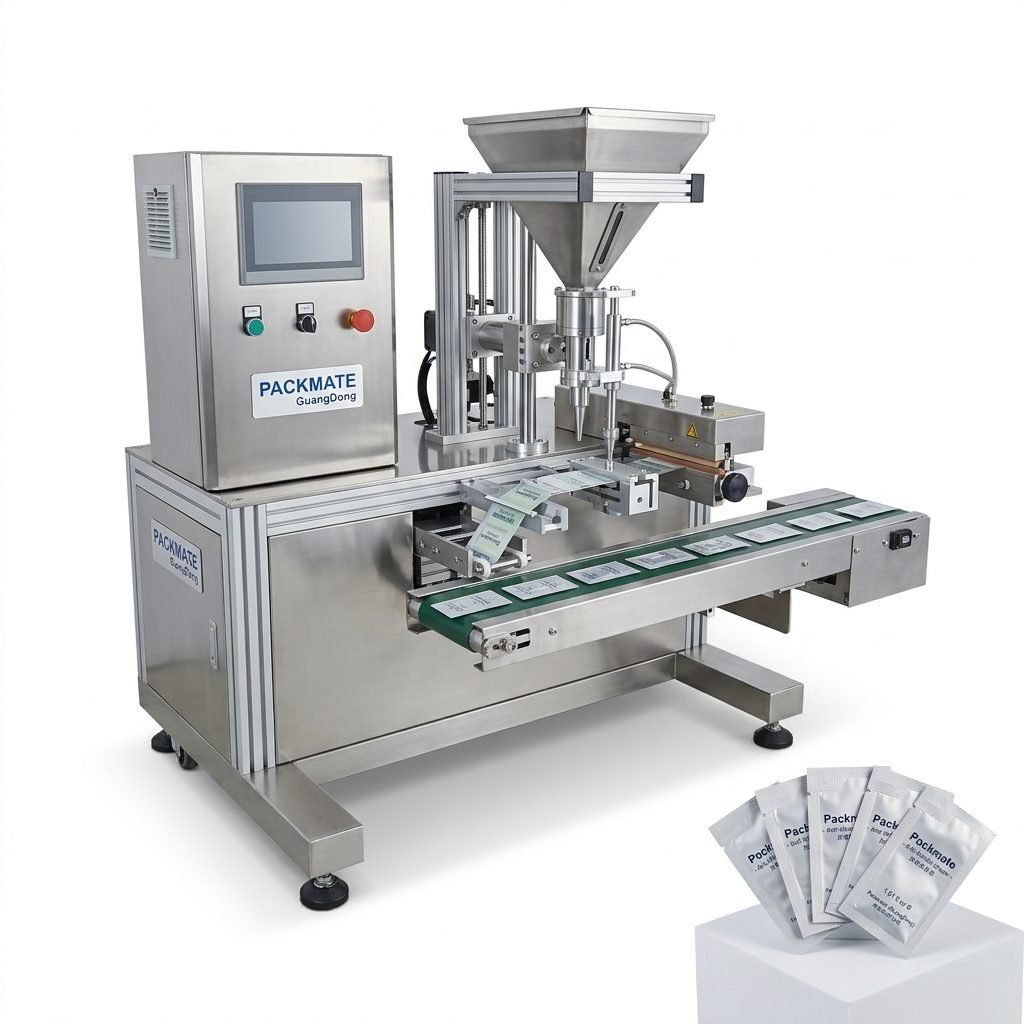
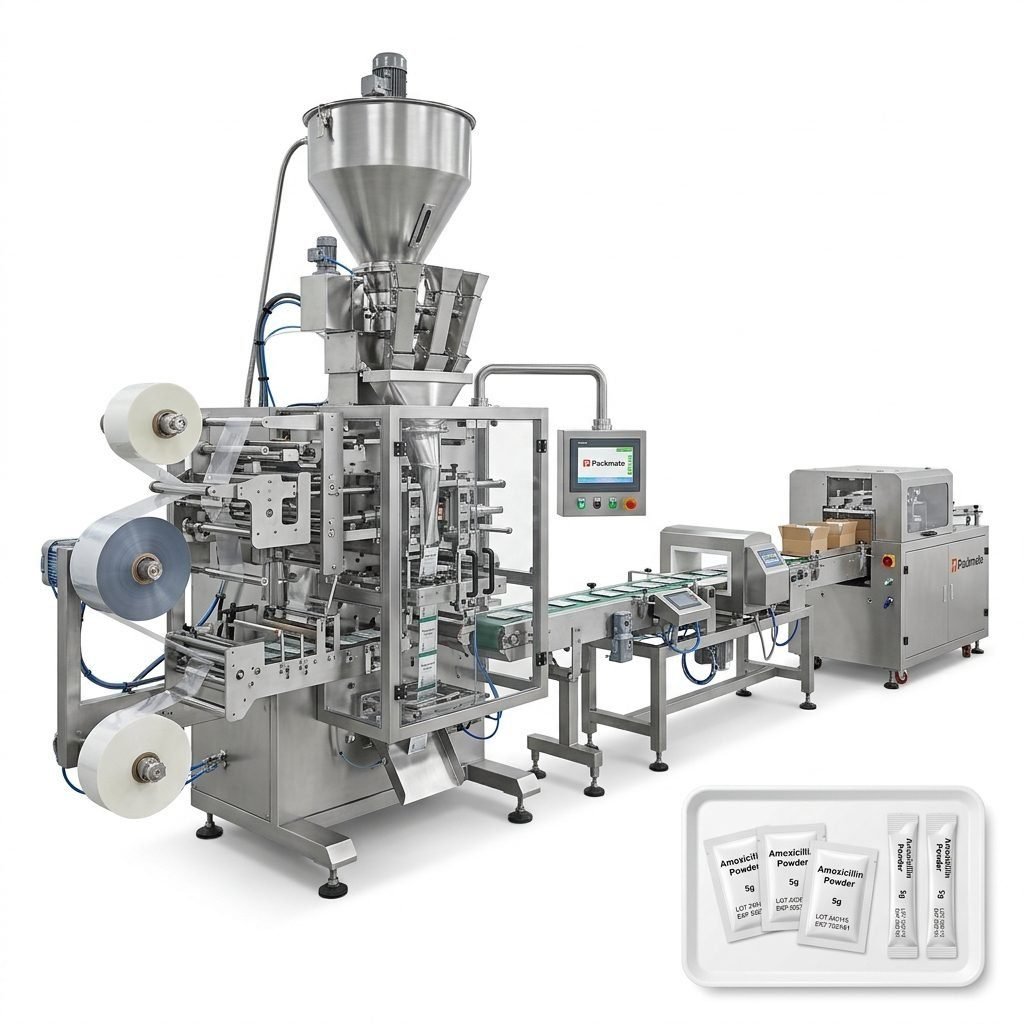
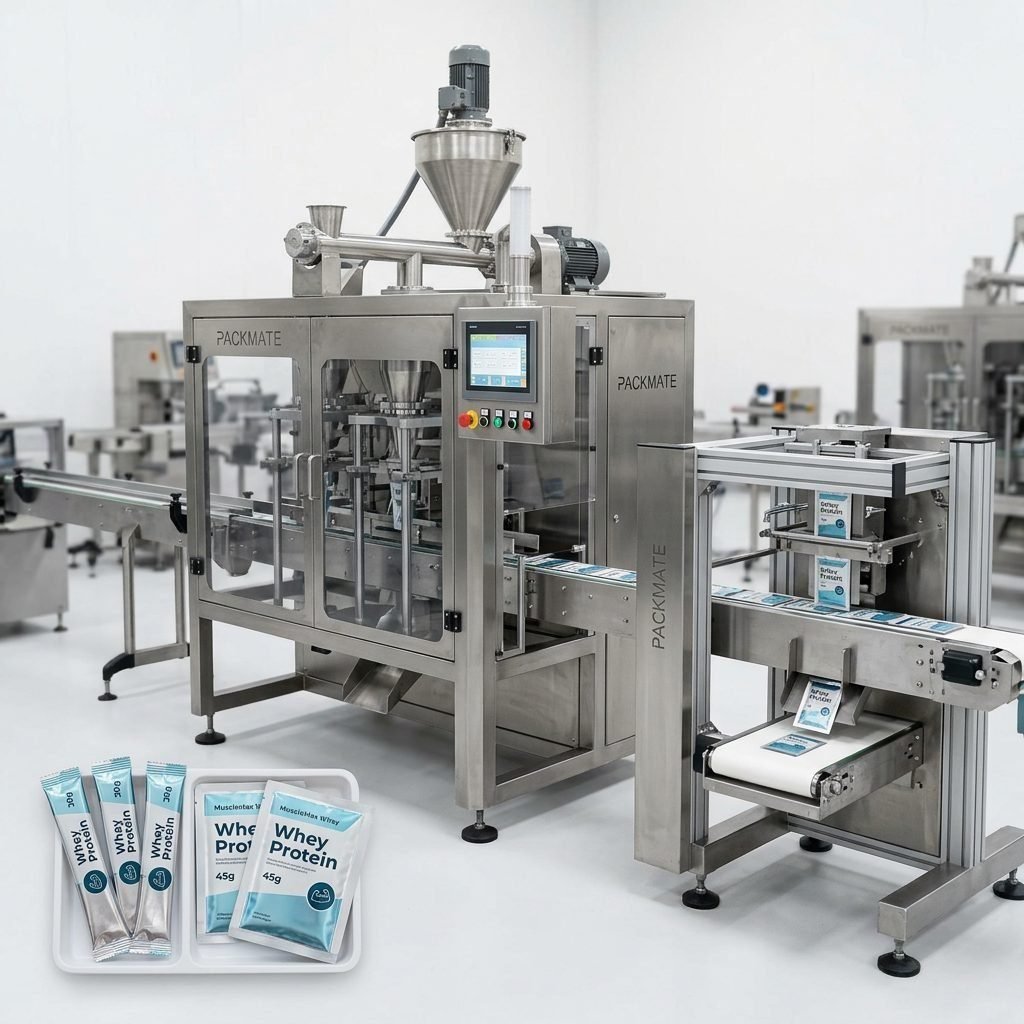
Flexible packaging, including sachets and stick packs, has surged in popularity due to its cost-effectiveness, lightweight nature, and consumer convenience. Machinery for this segment, like sachet & stick pack machines, often features multi-lane designs for high-speed production. These machines are ideal for single-serve portions of condiments, instant beverages, supplements, and skincare products, aligning perfectly with on-the-go lifestyles.
Why Automation is Non-Negotiable
In today’s competitive market, manual packaging is rarely viable. Automated filling & packaging lines offer unparalleled advantages: dramatically increased output, superior hygiene standards, consistent package quality, and reduced labor costs. Investing in automation is an investment in scalability and brand reputation.
Key Selection Criteria for Your Business
Selecting the best machinery requires a thorough analysis of your operation. Consider these core factors:
1. Product Characteristics
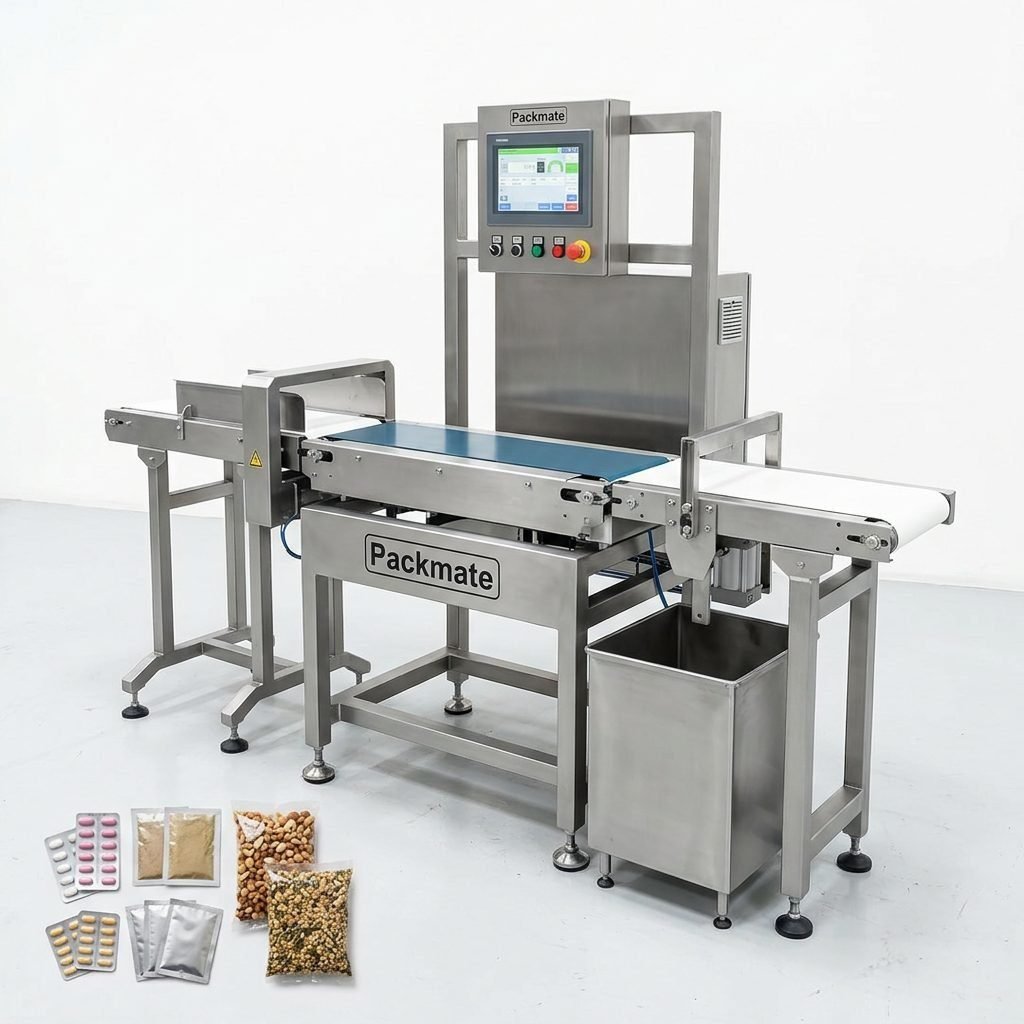
The physical form of your product dictates the machine type. Is it a free-flowing powder, a viscous paste, or a fragile solid? Equipment like weighing & packaging systems are crucial for non-uniform products where weight accuracy is critical for compliance and cost control.
2. Production Speed & Volume
Match the machine’s capacity (packages per minute) with your current and projected demand. A high-speed, 10-lane stick pack machine is overkill for a startup, while a single-lane machine will bottleneck a growing brand.
3. Flexibility and Changeover
Consumer trends change rapidly. Can the machine handle different package sizes and materials with quick changeovers? Versatile machinery protects your investment against future product line expansions.
4. Integration and Support
The best machine is one that integrates seamlessly into your existing line or forms the heart of a new turnkey solution. Partner with a manufacturer that provides comprehensive support, from installation and training to reliable after-sales service and access to auxiliary packaging equipment.
The Manufacturer’s Role: Beyond the Machine
Your machinery supplier should be a strategic partner. A company with deep industry experience, like Packmate Machinery, brings invaluable expertise. With over 30 years in designing intelligent packaging equipment, such a partner understands the nuanced challenges of packaging food, pharmaceuticals, and health products. Their journey from a small workshop to a manufacturer with a 20,000㎡ facility underscores a commitment to innovation and reliability. This history of solving technical challenges translates into robust, efficient machines for your operation.
Future-Proofing Your Packaging Line
Technology is reshaping packaging. Look for machinery with capabilities for smart data tracking, IoT connectivity for predictive maintenance, and designs that accommodate sustainable, recyclable materials. A forward-thinking manufacturer continuously evolves its product range to meet these future demands, ensuring your investment remains relevant.
Conclusion
Identifying the best packaging machinery is a multifaceted process that hinges on understanding your product, production goals, and the total cost of ownership. By prioritizing precision, speed, flexibility, and partnering with an experienced, reliable manufacturer, you can build a packaging operation that enhances product appeal, ensures quality, and drives business growth. The right equipment is not just a tool; it’s a cornerstone of your brand’s promise to the consumer.
Frequently Asked Questions (FAQs)
What is the most important factor when choosing packaging machinery?
The most critical factor is aligning the machine’s capabilities with your specific product characteristics and required output volume. A machine perfect for coffee beans may fail miserably with cosmetic cream.
How do I know if I need a full automated line or just a single machine?
If you are packaging a product at scale (thousands of units per day) and require multiple steps (filling, sealing, labeling), an integrated automated line is far more efficient. For low-volume or manual processes, start with a key machine like a filler or sealer.
Can one machine handle different package sizes?
Many modern machines are designed with quick-changeover features, allowing them to accommodate a range of pre-made pouch sizes or stick pack dimensions. This flexibility is essential for product line diversification.
What kind of after-sales support should I expect?
Reputable manufacturers offer comprehensive support including installation supervision, operator training, readily available spare parts, and technical service. Always inquire about warranty terms and service network responsiveness.
Is it worth investing in higher-speed machinery for future growth?
Yes, within reason. It’s prudent to choose a machine that can operate at 20-30% above your current needs to accommodate growth. However, vastly over-specifying can lead to unnecessary capital expense and operational complexity.