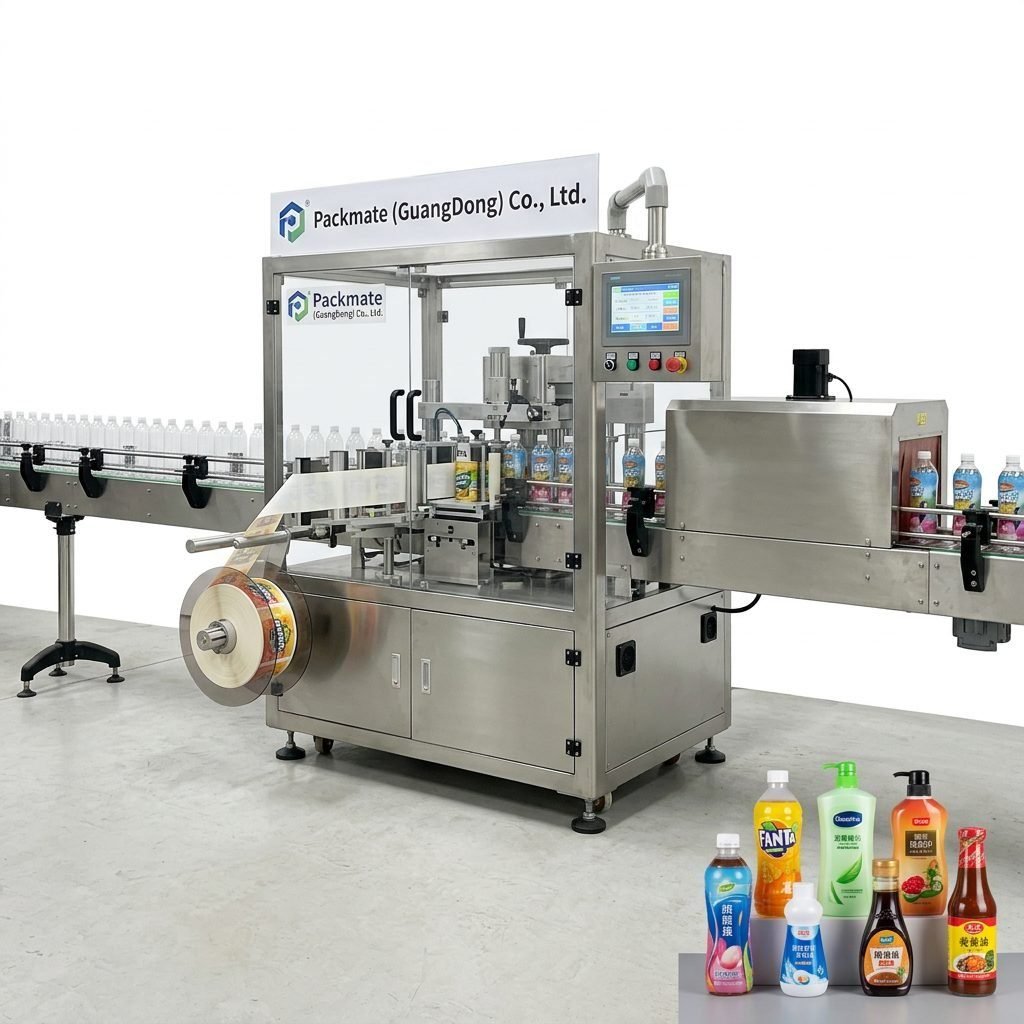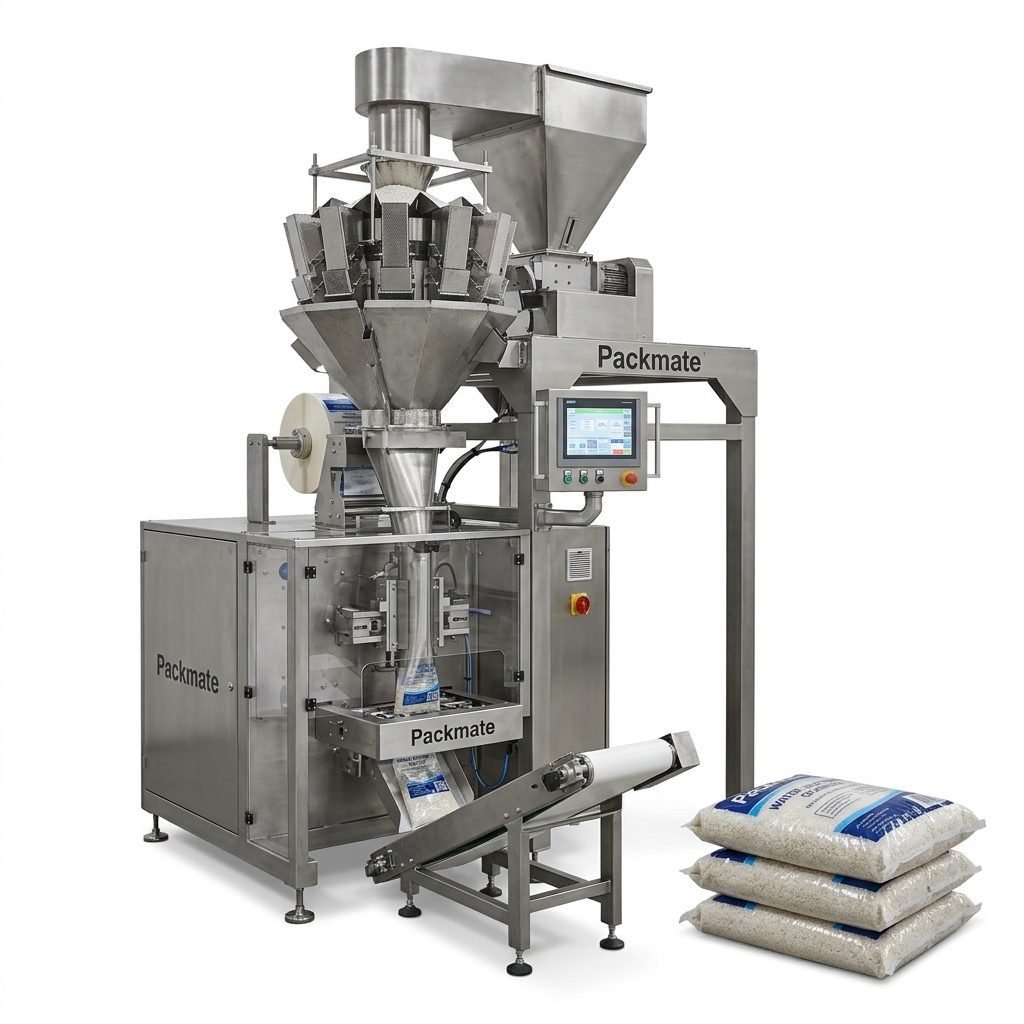
In the competitive landscape of modern manufacturing, the efficiency of your production line can be the defining factor between profitability and stagnation. At the heart of this efficiency lies a critical component: packaging machinery and equipment. Selecting the right machinery is not merely a purchase; it’s a strategic investment that streamlines operations, ensures product integrity, and maximizes output. This article delves into the top categories of packaging machinery essential for building a robust and efficient production line, highlighting how technological innovation drives productivity.
Core Philosophy
An efficient line is a symphony of synchronized components. It integrates speed, precision, reliability, and flexibility to minimize downtime and waste while adapting to varying product demands. The goal is to create a seamless flow from product formation to the final packaged unit, ready for distribution.
1. Weighing & Filling Systems: The Foundation of Accuracy
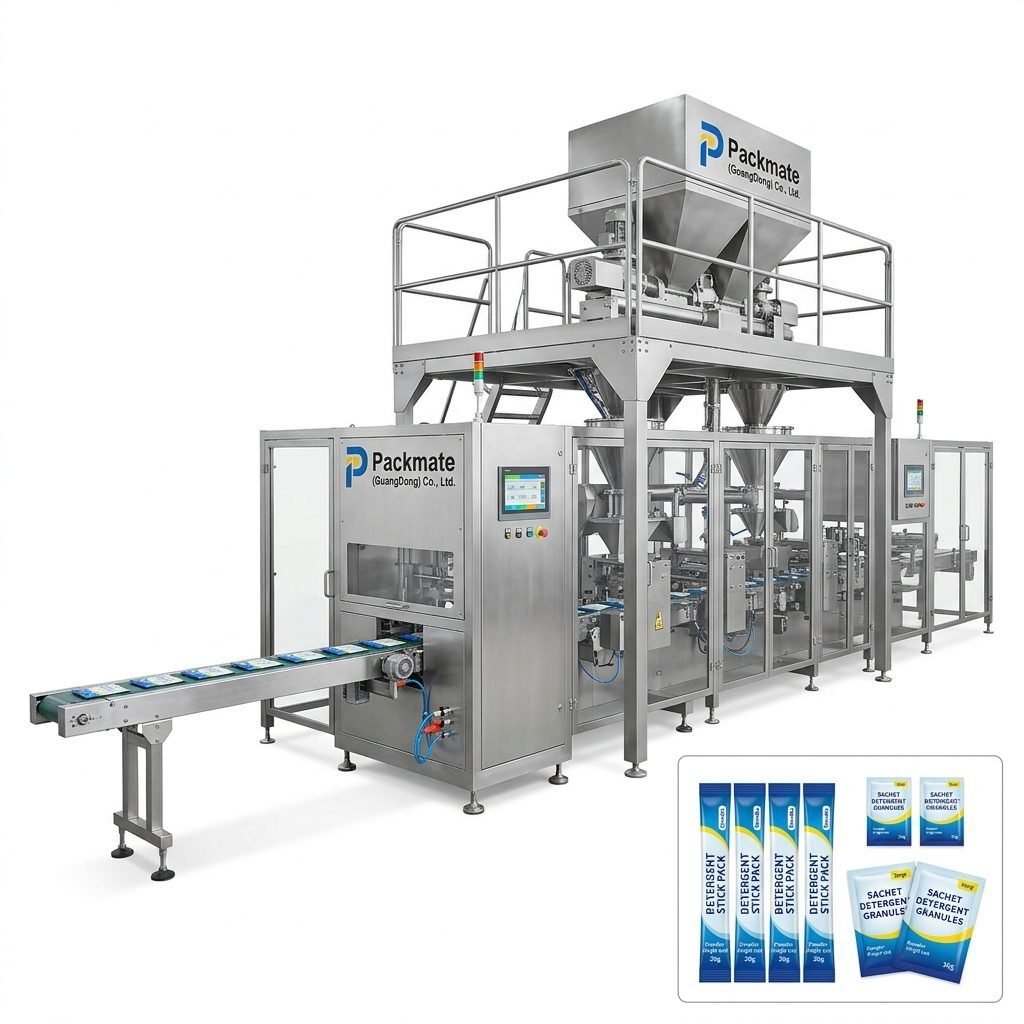
Precision is paramount, especially when packaging valuable commodities like food ingredients, pharmaceuticals, or chemicals. Inaccurate fills lead to product giveaway, regulatory non-compliance, and customer dissatisfaction. Modern weighing and packaging systems utilize multi-head weighers and auger filler technologies to deliver unparalleled speed and accuracy.
These systems are often the first point of contact between the product and the packaging process. Advanced models feature touch-screen controls for recipe management, self-diagnostic functions, and quick-change parts to facilitate cleaning and product switchovers, which is crucial for lines handling multiple SKUs.
2. Form-Fill-Seal (FFS) Machines: Versatility and Speed
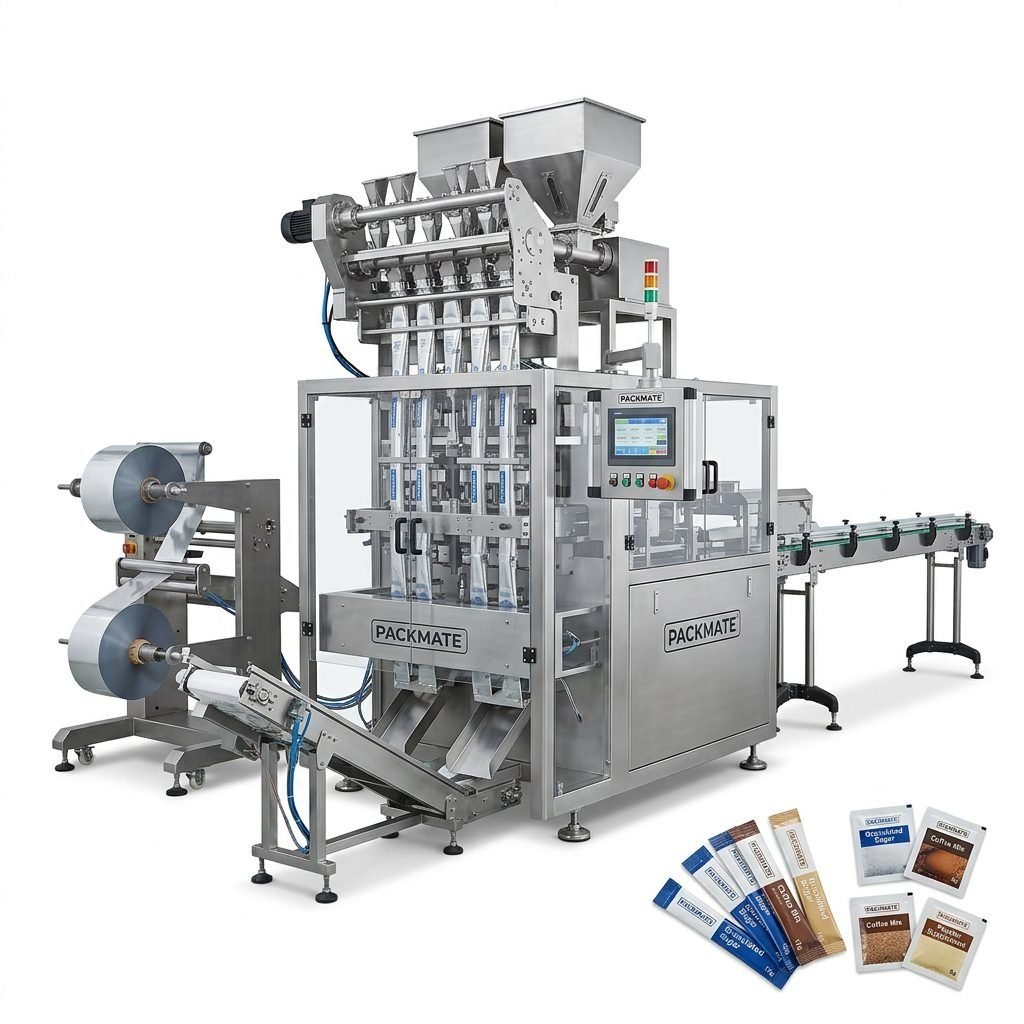
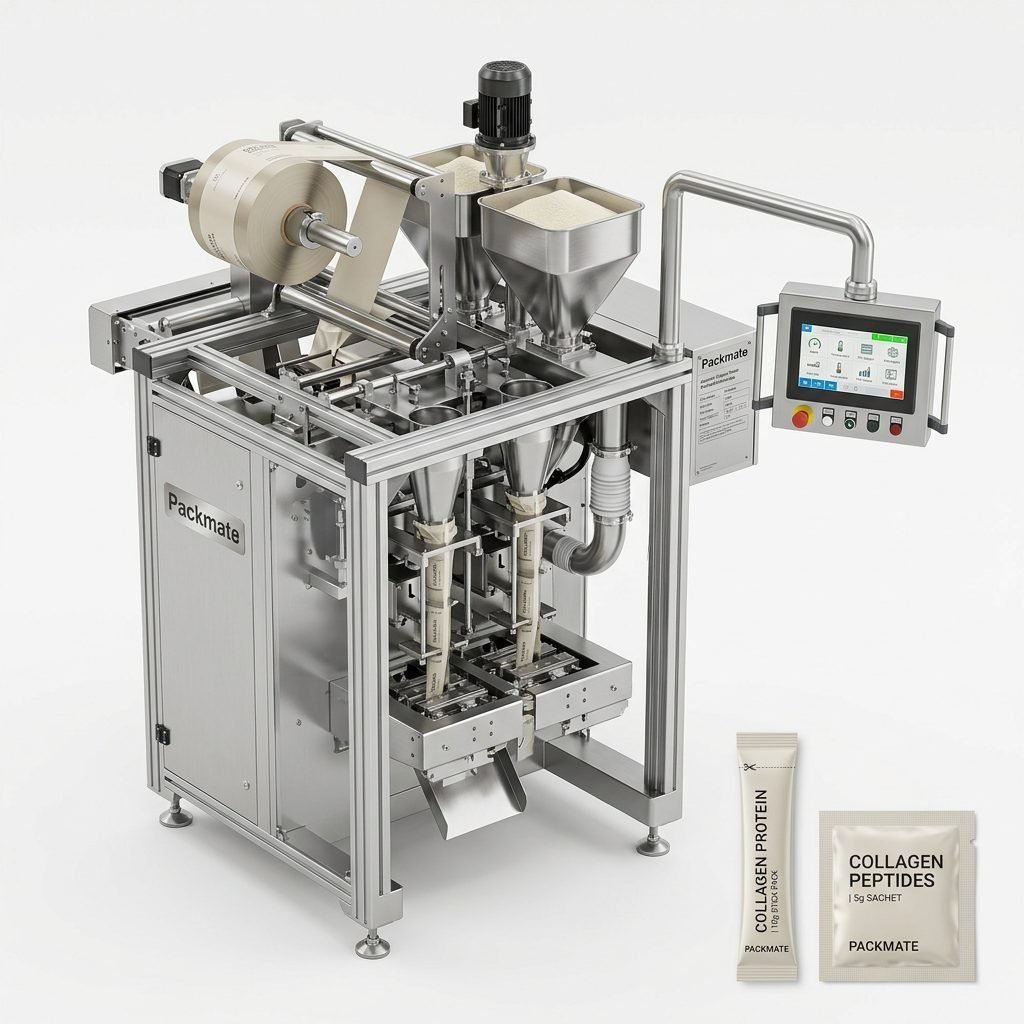
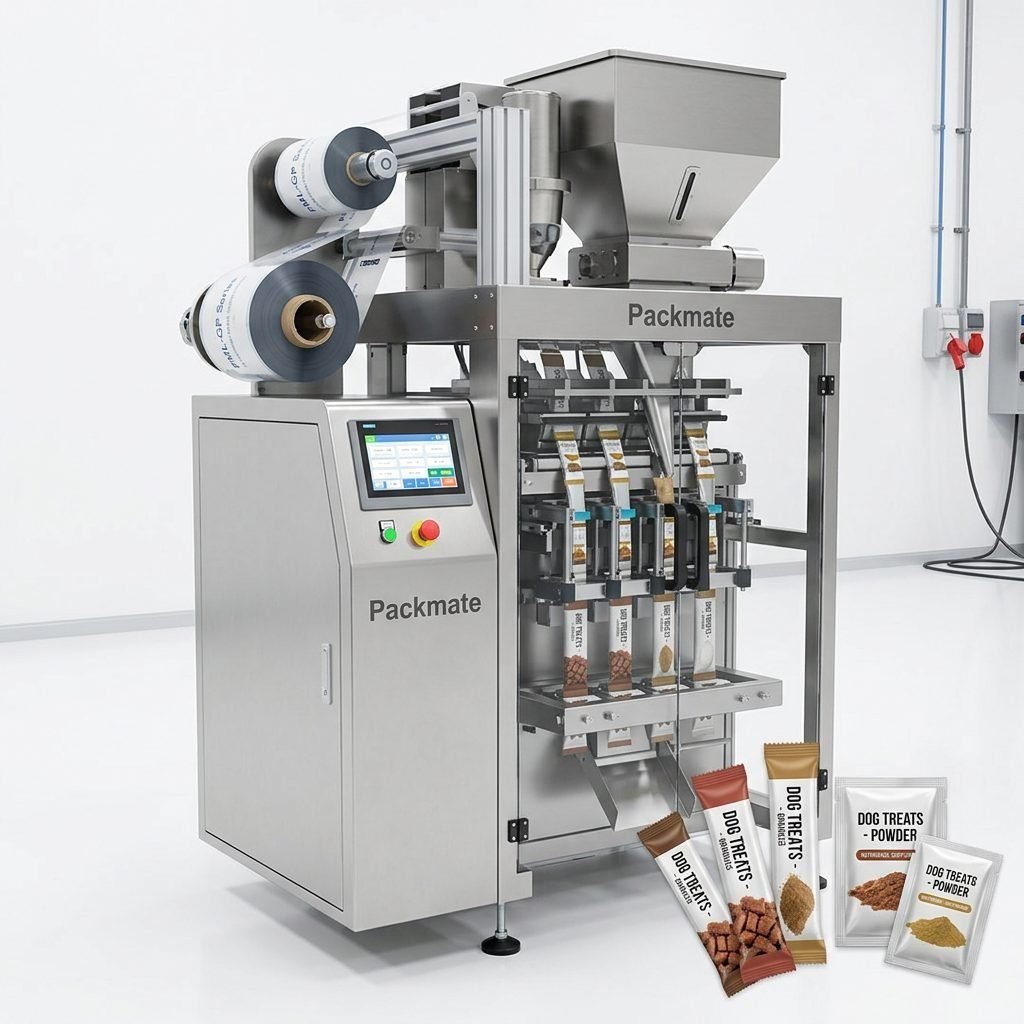
Form-Fill-Seal machines represent a pinnacle of packaging automation. They create the package from a roll of film, fill it with the product, and seal it—all in one continuous operation. This technology is ideal for producing sachets, stick packs, and pouches for a vast range of products from instant coffee to shampoo.
Key Advantage: FFS machines drastically reduce material handling and minimize floor space. By integrating weighing systems directly, they create a compact, high-speed packaging cell. For businesses looking to package powders, granules, or liquids into small, convenient units, exploring sachet and stick pack machines is a logical step toward efficiency.
3. Bag & Pouch Packaging Machines
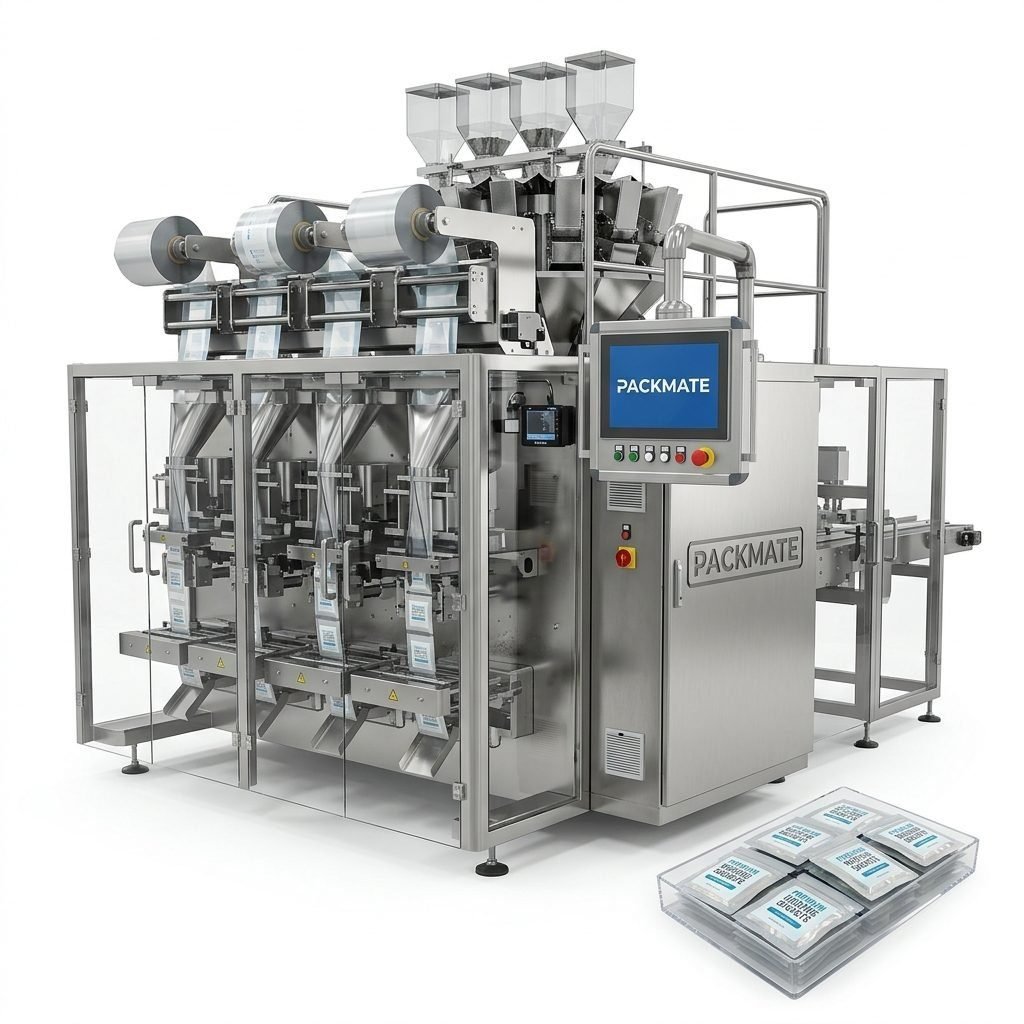
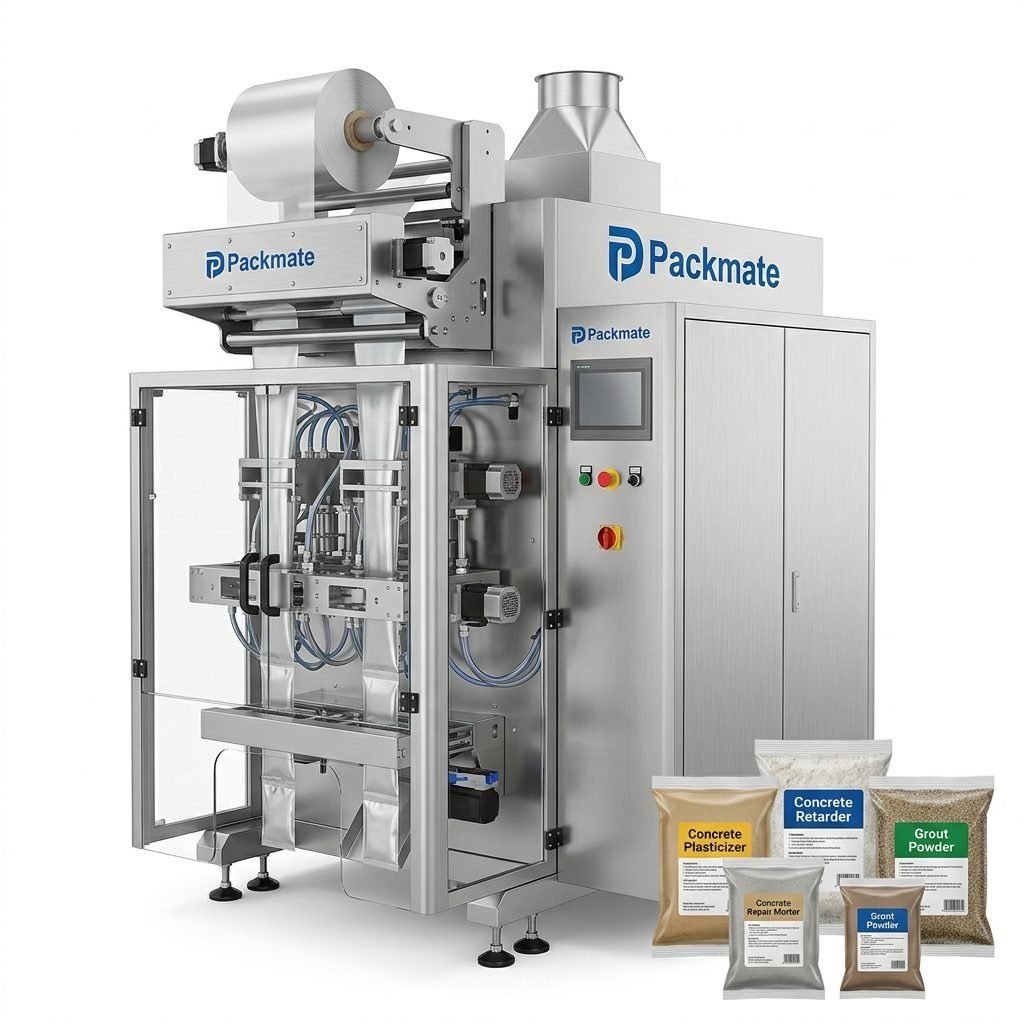
For larger volumes or products requiring more robust packaging, dedicated bag and pouch machines are indispensable. This category includes vertical and horizontal baggers capable of handling everything from granular snacks to frozen vegetables. These machines offer features like gas flushing for modified atmosphere packaging (MAP) to extend shelf life, and precision zipper application for resealable pouches.
The flexibility in bag size and style, coupled with high-speed operation, makes them a cornerstone for food and industrial product lines. A reliable bag and pouch packaging machine ensures consistent seal integrity, which is critical for product safety and brand reputation.
Integration is Key: Complete Packaging Lines
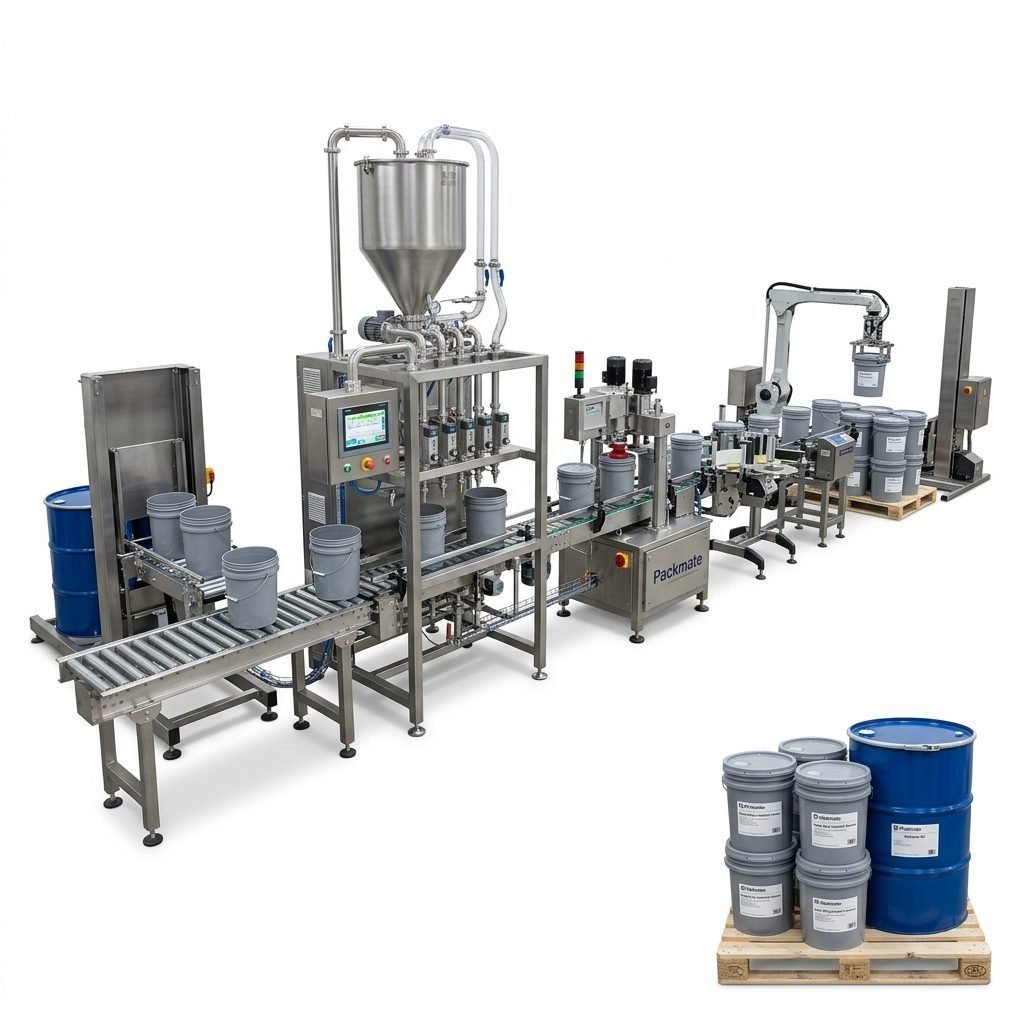
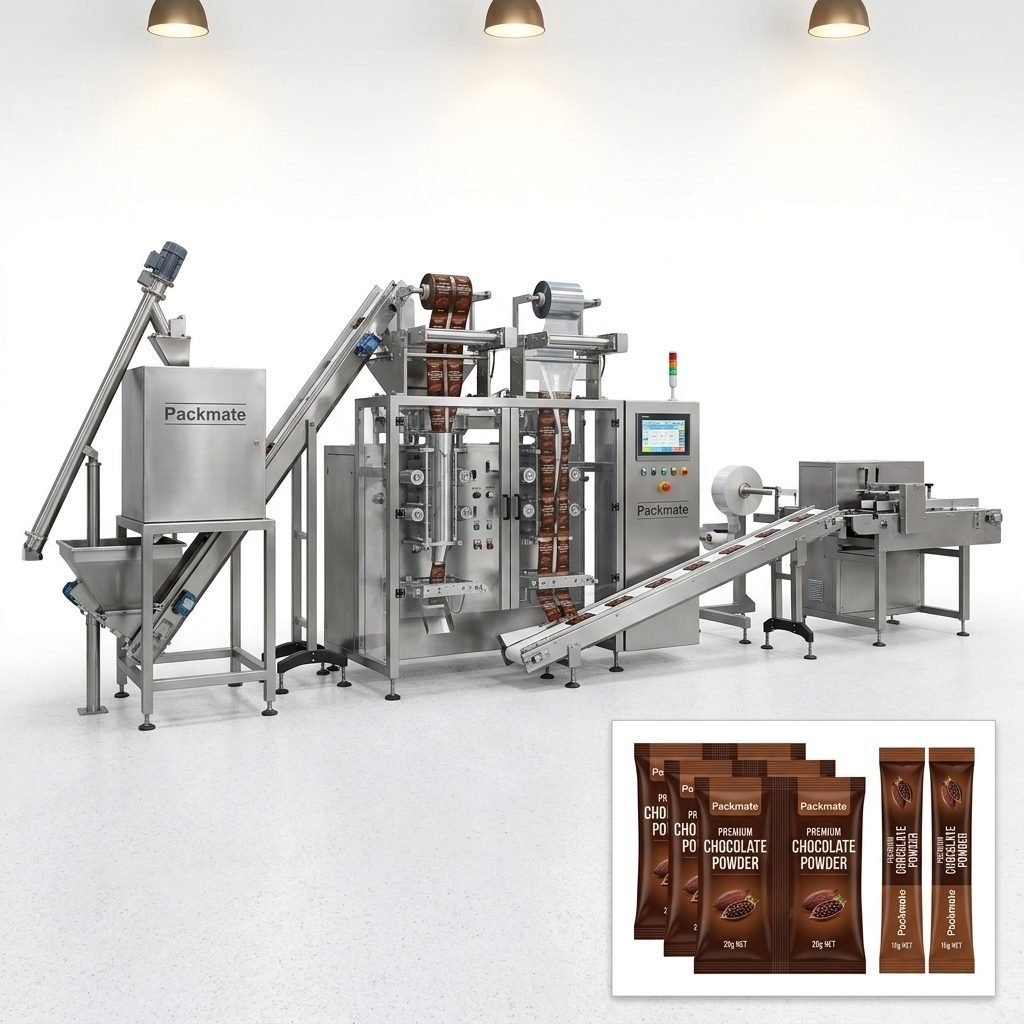
While individual machines are powerful, true efficiency is unlocked through integration. A complete filling and packaging line combines multiple processes—such as conveying, filling, sealing, coding, and cartoning—into a single, coordinated system. This eliminates manual transfer points, reduces labor costs, and creates a consistent, high-throughput workflow.
Leading manufacturers, like Packmate Machinery, specialize in providing these turnkey solutions. With over 30 years of expertise, they understand how to synchronize equipment for optimal performance, whether for granules, powders, or liquids. Their 20,000㎡ modern facility is dedicated to designing, testing, and manufacturing such integrated systems.
4. Auxiliary and Support Equipment
No production line is complete without the supporting cast. Auxiliary equipment ensures smooth operation and addresses secondary packaging needs.
- Checkweighers: Provide 100% weight verification to ensure every package meets specified limits, crucial for compliance and cost control.
- Metal Detectors & X-ray Systems: Essential for food safety, they identify and reject contaminated products to protect consumers and brands.
- Coders & Labelers: Apply batch codes, expiry dates, and branding information accurately and at high speed.
- Conveyors & Accumulation Tables: Manage product flow between machines, preventing bottlenecks and allowing for buffer storage.
Investing in robust auxiliary packaging equipment closes the loop on automation, creating a truly hands-off operation from start to finish.
The Packmate Advantage: From Vision to Reality
The journey of Packmate Machinery, founded on a passion for automation by Mr. Jiang Sha, mirrors the evolution of efficient packaging itself. From a small workshop in 1993 to a formal company in 2003 and now a leading manufacturer in Zhongshan, Guangdong, their story is one of solving technical challenges to enhance reliability. Today, with over 50 machine models and a focus on intelligent solutions for the food, pharmaceutical, and health industries, they embody the innovation necessary for modern production lines. Their commitment to quality and collaboration ensures clients receive not just machinery, but a partnership for productivity.
5. Specialized Machinery for Niche Markets
Efficiency also means having the right tool for a specific job. Certain products demand specialized equipment. For instance, the growing snus and nicotine pouch market requires machines that can handle delicate, moisture-sensitive products with extreme precision and hygiene standards. Specialized snus packaging machines are engineered to meet these unique requirements, featuring gentle handling mechanisms and often integrated portioning and canning systems.
Identifying and investing in such specialized equipment, like those found in nicotine packaging solutions, can provide a significant competitive edge in emerging or highly regulated markets.
Choosing the Right Partner
Selecting top packaging machinery goes beyond comparing specifications. It involves choosing a manufacturer with a proven track record, deep industry knowledge, and the capability to provide comprehensive support. Consider their history, the scale of their manufacturing and testing facilities, their portfolio of successful case studies, and their commitment to after-sales service and parts availability. A partner who understands your entire production goal will deliver a solution that drives efficiency for years to come.
Frequently Asked Questions (FAQs)
1. What is the most important factor when choosing packaging machinery for a new production line?
The most critical factor is matching the machine’s capabilities to your specific product and output requirements. Consider product characteristics (size, shape, flowability), required packaging speed, bag/pouch type, and future scalability. A detailed consultation with an experienced manufacturer is essential.
2. How can I improve the efficiency of my existing packaging line?
Start by conducting a line audit to identify bottlenecks, such as manual hand-off points or machines with high downtime. Upgrading key components (like a faster weigher or a more reliable sealer), adding automation (like robotic case packing), or integrating better auxiliary equipment (like a checkweigher) can yield significant improvements without a full line replacement.
3. What are the benefits of a turnkey packaging solution versus buying individual machines?
A turnkey solution offers a single point of responsibility, guaranteed compatibility between all line components, optimized synchronization for maximum throughput, and typically faster commissioning. It reduces project management burden and technical risk, leading to a quicker return on investment.
4. How important is after-sales service and technical support?
It is paramount. Packaging machinery is a long-term investment. Reliable access to spare parts, remote diagnostics, on-site technician support, and operator training ensures minimal disruption, maintains line efficiency, and protects your investment over its entire lifecycle.
5. Can packaging machinery handle frequent product changeovers?
Yes, modern machinery is designed with flexibility in mind. Look for features like tool-less changeover, digital recipe storage (where all machine settings are saved per product), and quick-release parts. These features drastically reduce downtime when switching between different products or package sizes, enhancing overall line efficiency.