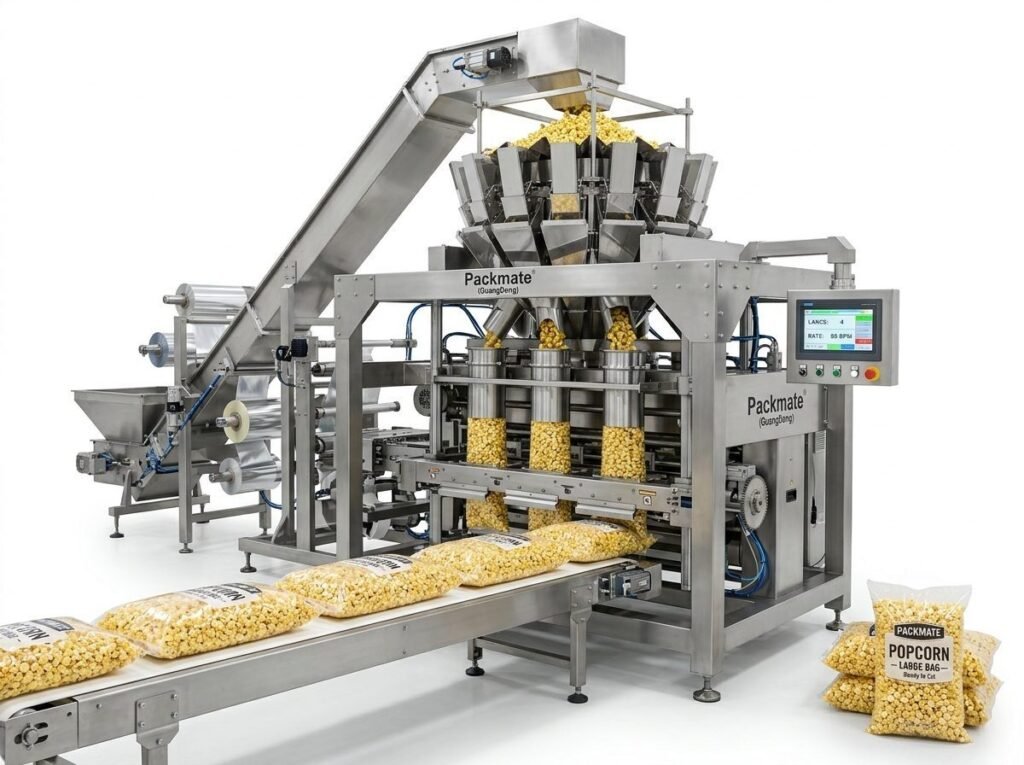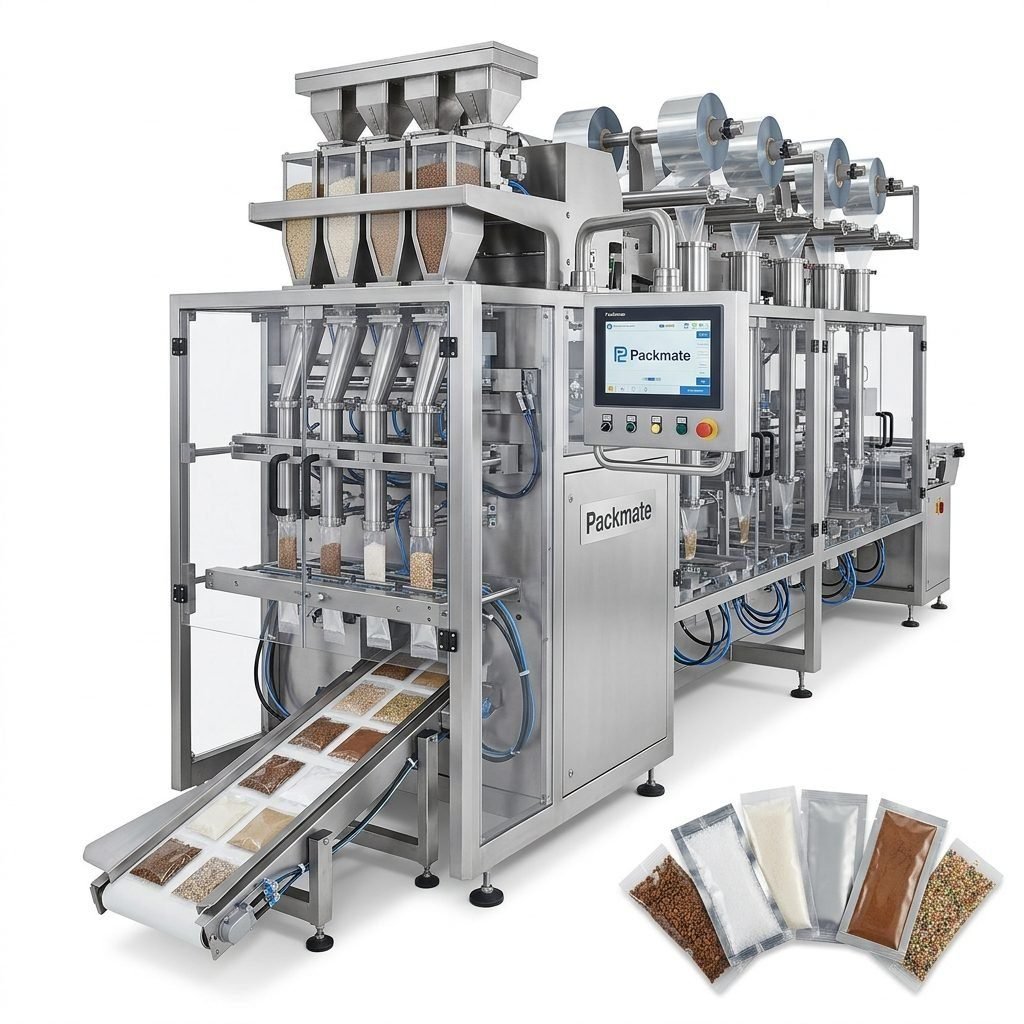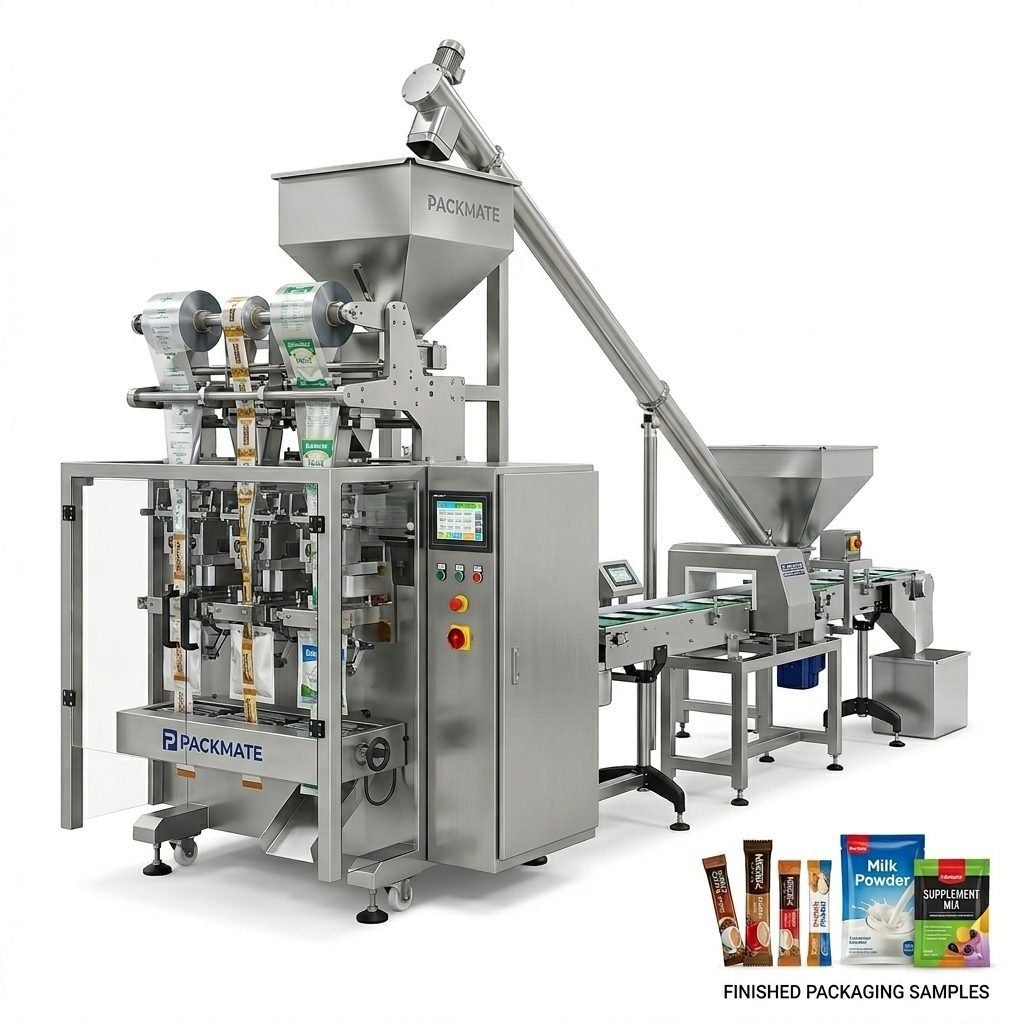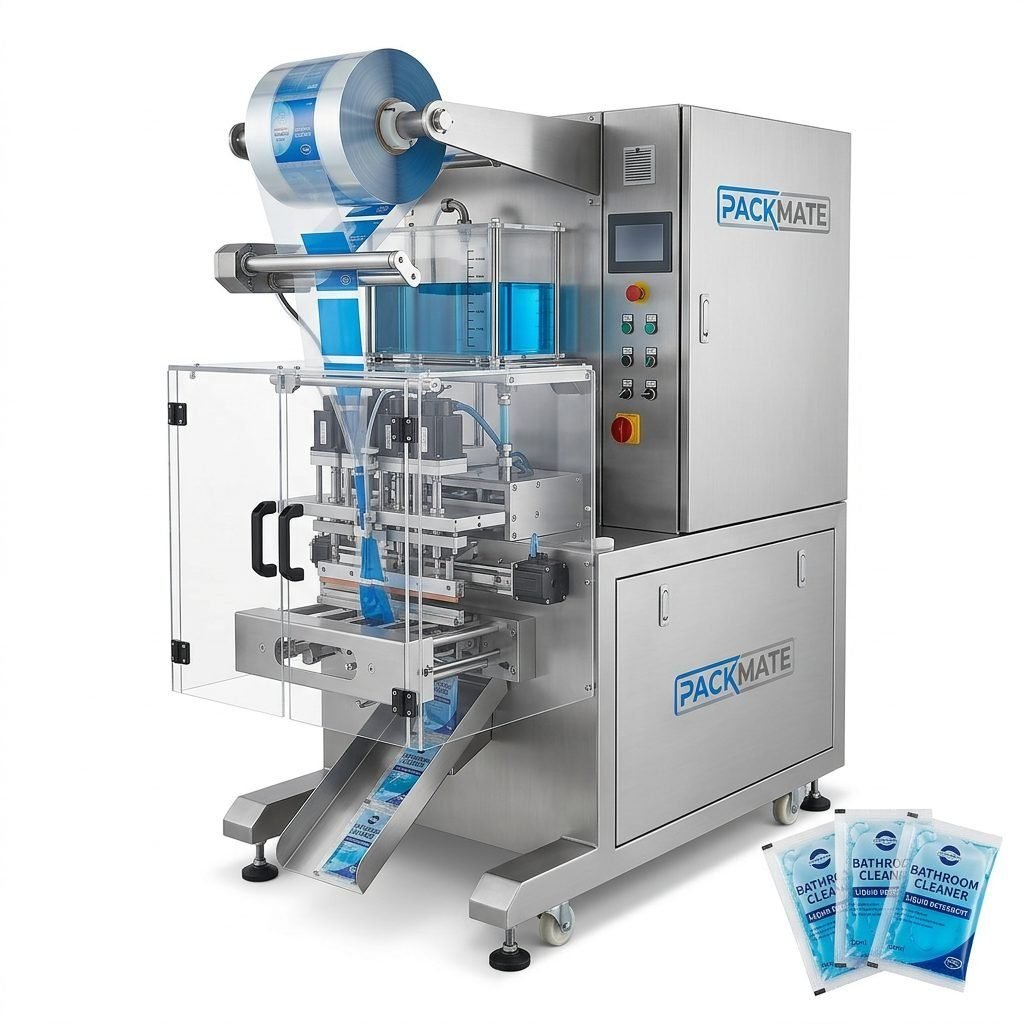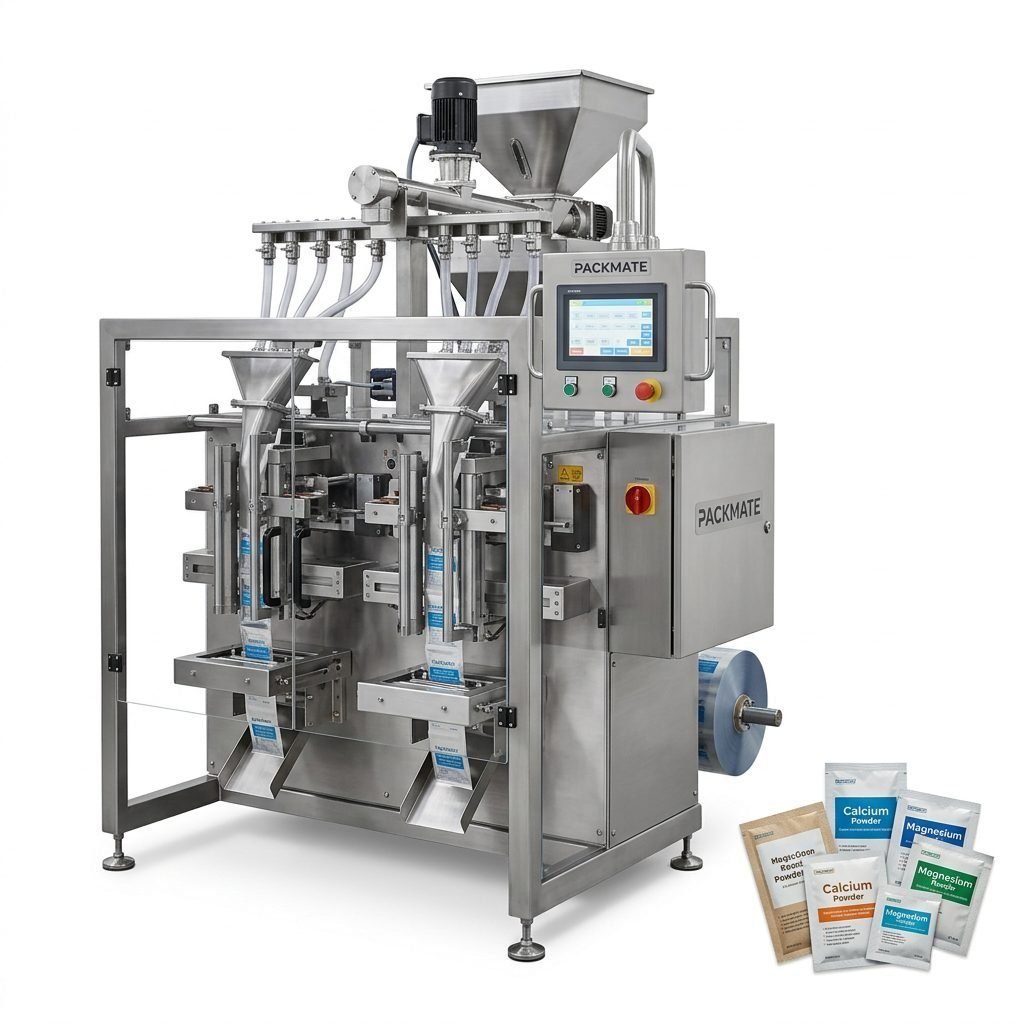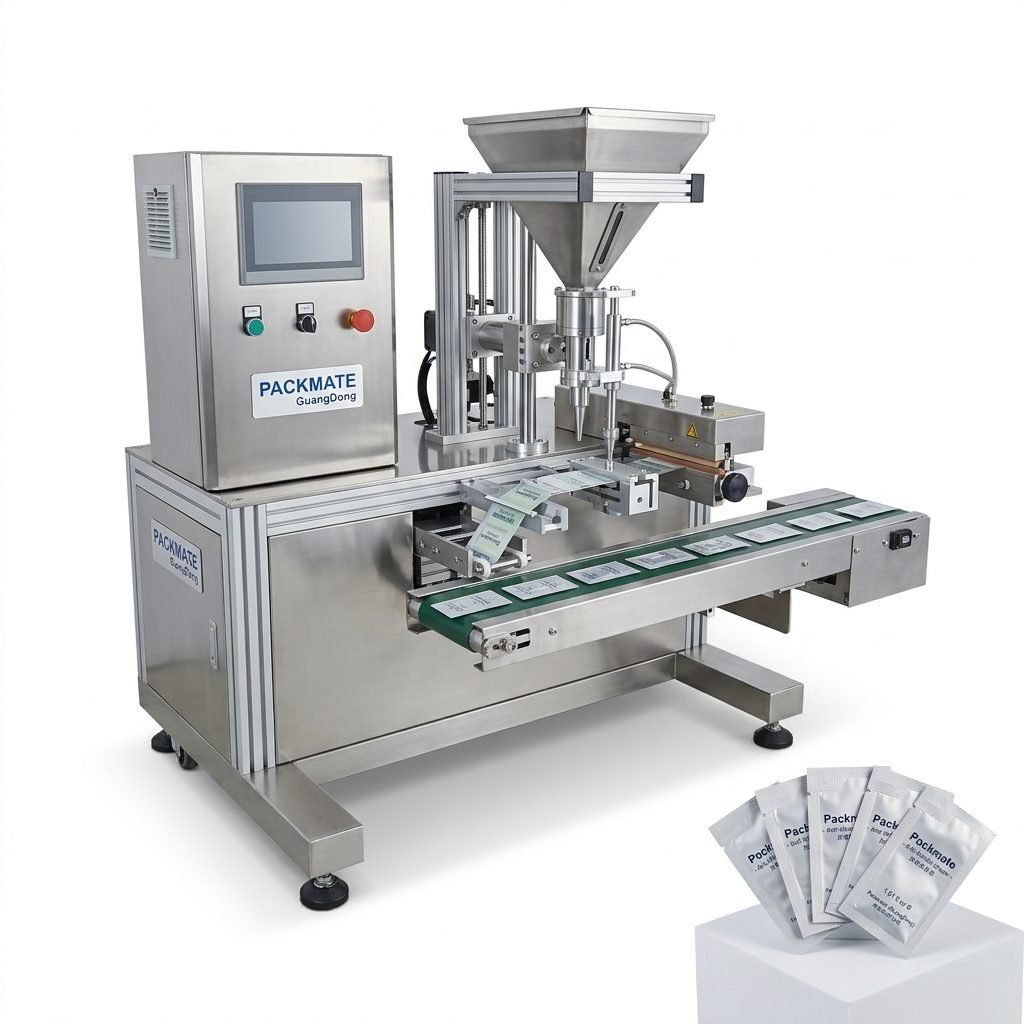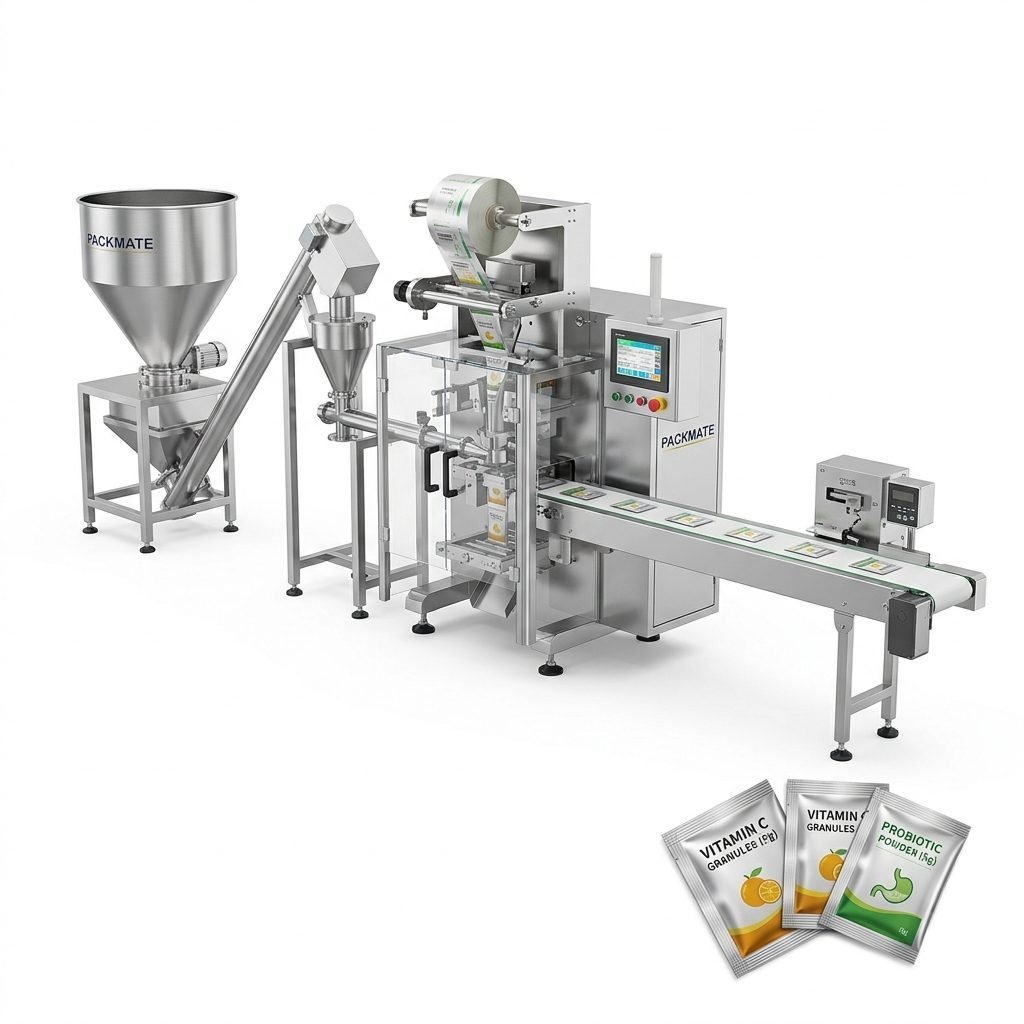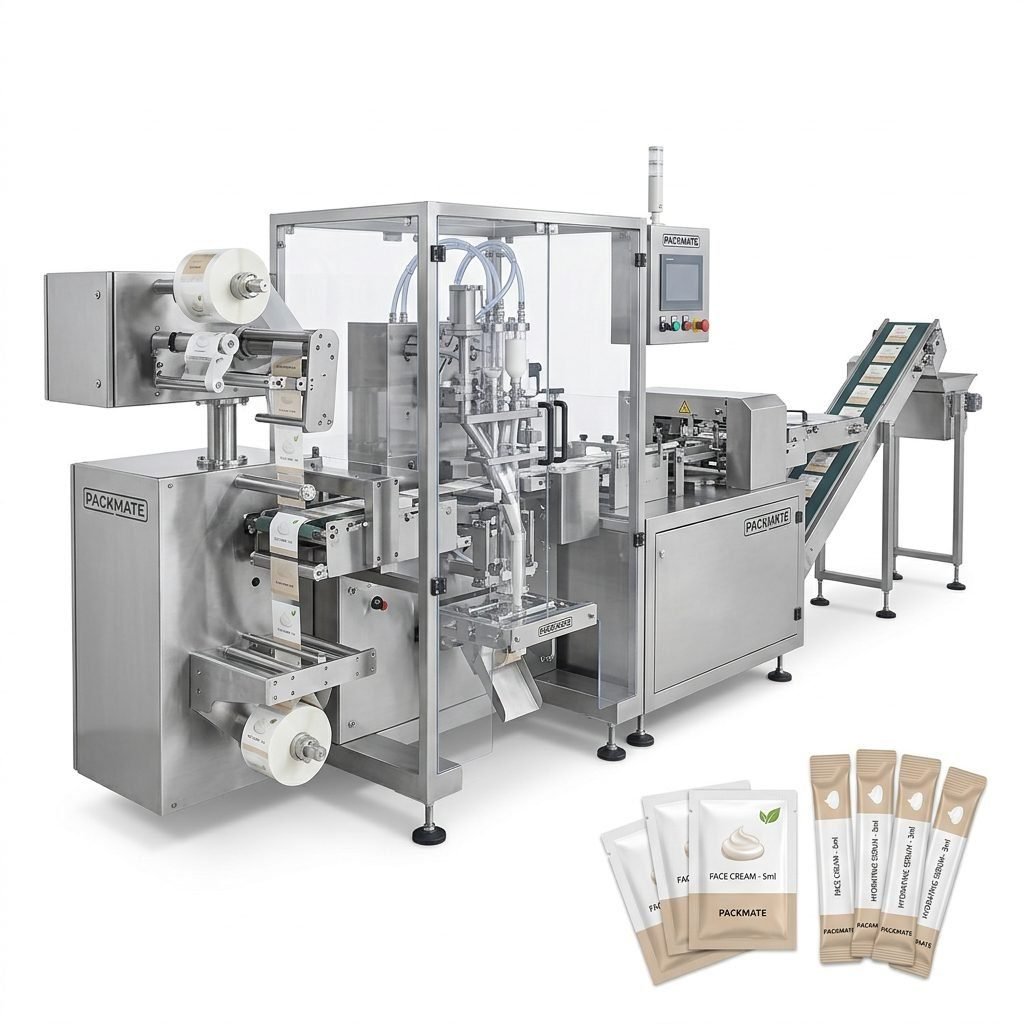
The coffee capsule market has experienced exponential growth globally, driven by consumer demand for convenience, consistency, and quality. For producers, this surge presents both an opportunity and a challenge: how to efficiently and reliably package premium coffee into capsules at scale. This is where the specialized coffee capsule packaging machine becomes the cornerstone of a successful operation. Selecting the right equipment is not merely a purchase; it’s a strategic investment that impacts product integrity, production speed, and overall brand reputation.
Understanding Coffee Capsule Packaging Machinery
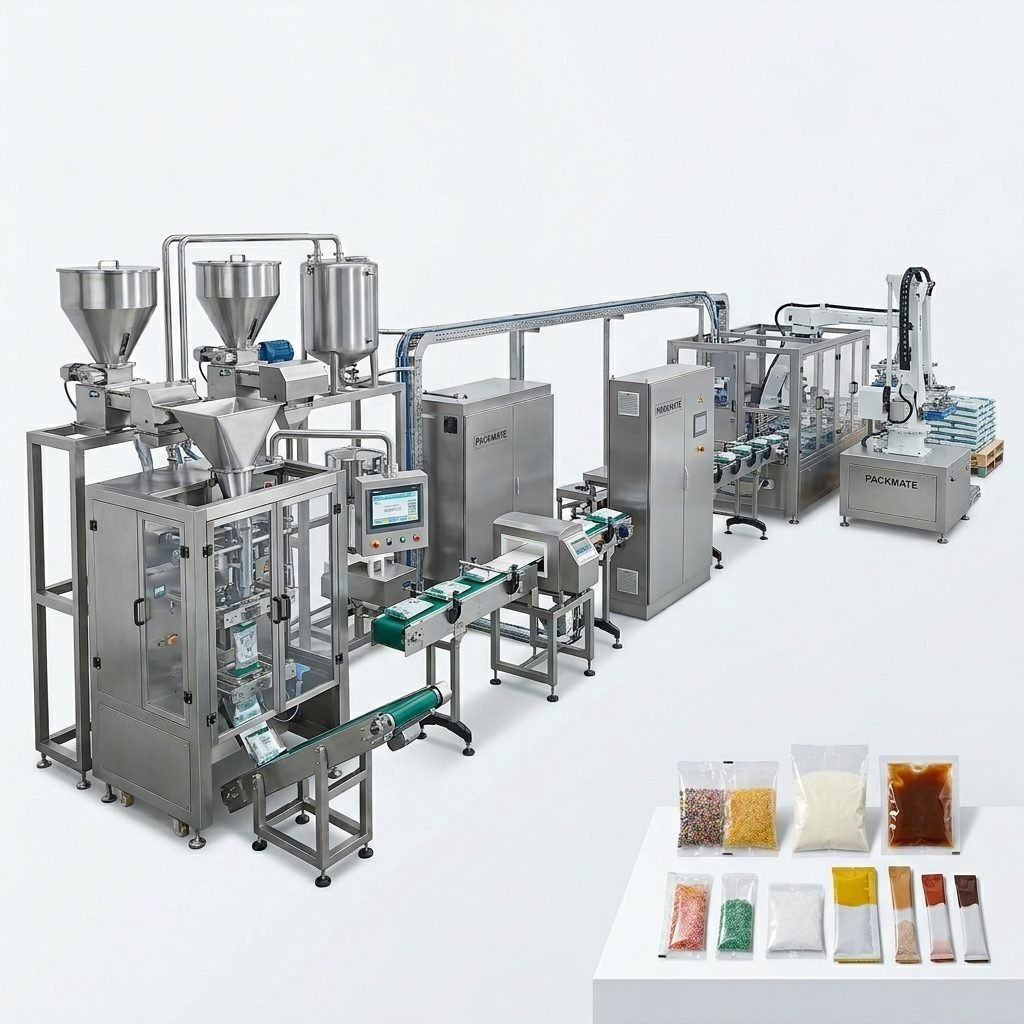
At its core, a coffee capsule packaging machine is an integrated system designed to form, fill, and seal individual coffee portions into their respective capsule formats, such as Nespresso-compatible pods or other proprietary systems. These machines handle a delicate balance of precision dosing of ground coffee, often with nitrogen flushing to preserve freshness, and hermetic sealing to lock in aroma and flavor. Modern machines are highly automated, linking with upstream grinders and downstream cartoning systems to create a seamless filling & packaging line.
Key Machine Components & Functions:
Capsule Feeding & Forming: Systems that accurately orient and present empty capsule bodies (usually aluminum or plastic) to the filling station. Some machines also form capsules from roll stock material.
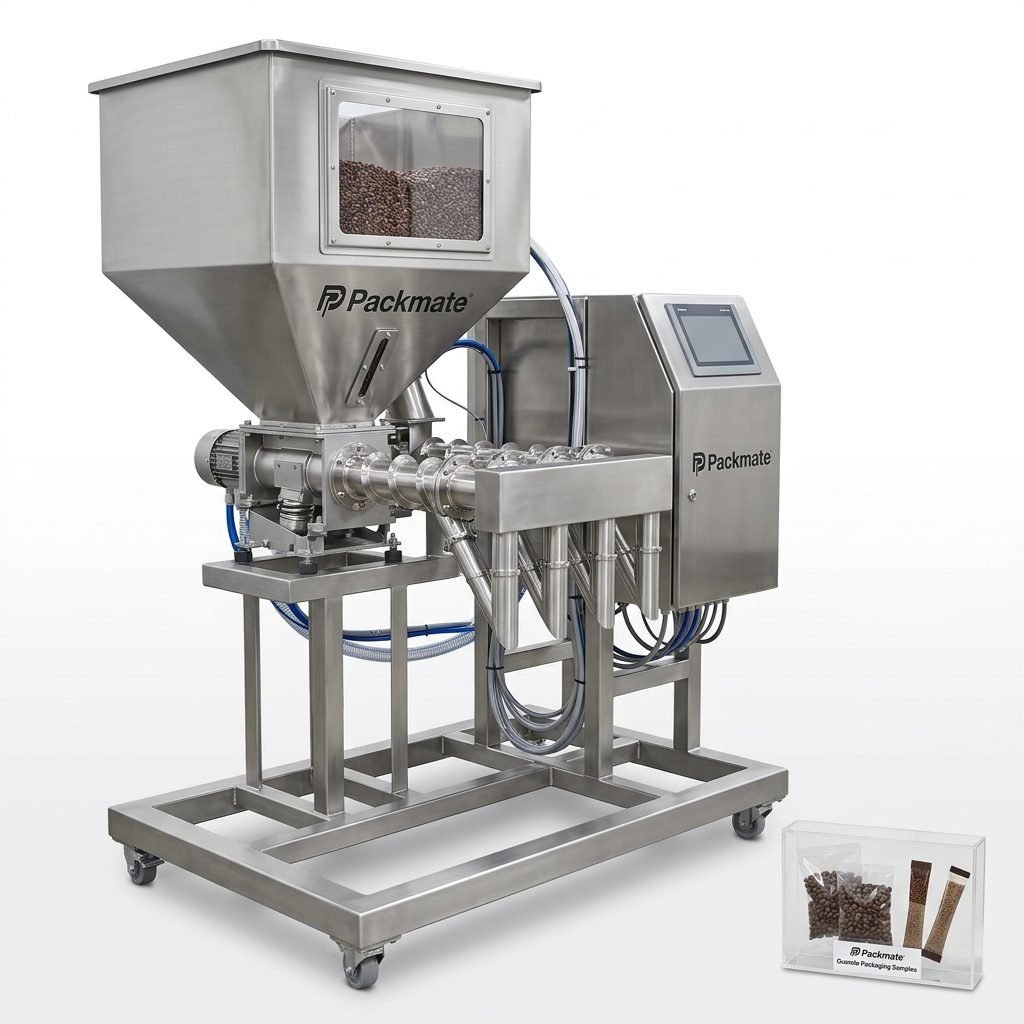
Precision Filling Station: Utilizes auger or cup filler technology to dose a specific weight of coffee grounds into each capsule. Weight accuracy is critical for consistent brew strength and regulatory compliance.
Gas Flushing System: Injects an inert gas like nitrogen into the capsule before sealing to displace oxygen, dramatically extending shelf life and preserving the coffee’s volatile aromatic compounds.
Sealing & Crimping Unit: Applies the foil lid or membrane to the capsule body and creates an airtight seal. This process must be perfectly consistent to prevent leakage and contamination.
Quality Control Integration: Advanced lines include checkweighers and vision inspection systems to reject under/over-filled capsules or those with sealing defects, ensuring every unit meets quality standards.
Choosing the Right Machine: A Strategic Guide
Investing in a capsule packaging line requires careful consideration of several factors beyond the initial price tag. Your choice will define your production capabilities for years to come.
1. Production Capacity & Speed
Output requirements vary widely. A small artisan roaster may need a semi-automatic machine producing a few hundred capsules per hour, while a large brand requires a fully automatic, multi-lane system with speeds exceeding 10,000 capsules per hour. Assess your current demand and forecasted growth to select a machine that won’t become a bottleneck. For high-speed, multi-lane applications, technology from sachet & stick pack machines often informs the engineering principles for efficient small-portion packaging.
2. Capsule Format & Material Compatibility
Not all machines are universal. You must choose equipment engineered for your specific capsule type: size, shape (e.g., round, oblong), and material (aluminum, compostable plastic, biodegradable materials). The machine must handle the material’s properties during forming, feeding, and sealing without causing damage or deformation. Switching formats on some machines may require significant tooling changes.
3. Level of Automation
Automation levels range from manual loading of capsules to fully robotic lines with automatic palletizing. Higher automation reduces labor costs, minimizes human error, and increases overall line efficiency. Consider integration with upstream processes (coffee grinding, blending) and downstream auxiliary packaging equipment like cartoners and case packers for a true turnkey solution.
The Critical Role of Nitrogen Flushing
Oxygen is the primary enemy of roasted coffee, leading to staling and loss of flavor. A built-in nitrogen flushing system is non-negotiable for premium capsule products. The machine must achieve a very low residual oxygen level (often below 2-3%) inside the sealed capsule. The efficiency of this system directly correlates with the declared shelf life of your product. When evaluating machines, scrutinize the gas flushing technology and its proven performance metrics.
4. Flexibility and Changeover
If you plan to produce multiple coffee varieties or capsule formats, quick changeover capability is vital. Look for machines with recipe memory, easy-to-adjust parts, and tool-less changeover features where possible. This minimizes downtime when switching between products, making your operation more agile and responsive to market demands.
5. Supplier Expertise and Support
The machine manufacturer is a long-term partner. Evaluate their industry experience, reputation for reliability, and the comprehensiveness of their after-sales support. Can they provide installation, training, and readily available spare parts? A supplier with a strong track record in food-grade packaging, like Packmate Machinery, brings invaluable expertise in hygiene standards, machine durability, and optimizing production line layouts. Reviewing their project cases can provide real-world insights.
Implementing Your Packaging Line: Best Practices
Successful implementation goes beyond unpacking the machine. Follow these best practices to ensure a smooth launch and sustained operation.
Site Preparation: Ensure your facility has the necessary infrastructure: stable power, clean compressed air, adequate ventilation, and a level, vibration-free floor with sufficient space for the machine and material flow.
Operator Training: Comprehensive training for operators and maintenance technicians is crucial. They should understand not just how to run the machine, but also how to perform basic troubleshooting, routine cleaning, and preventive maintenance.
Quality Assurance Protocol: Establish a rigorous QA protocol from day one. This includes regular checks on fill weight, seal integrity, and residual oxygen levels. Data from integrated checkweighers and inspectors should be logged and analyzed for continuous improvement.
Preventive Maintenance Schedule: Adhere strictly to the manufacturer’s recommended maintenance schedule. Regularly cleaning, lubricating, and inspecting wear parts prevents unplanned downtime and extends the machine’s service life.
Future Trends in Capsule Packaging
The industry continues to evolve. Sustainability is a dominant force, pushing demand for machines capable of handling compostable and biodegradable capsule materials. Connectivity and Industry 4.0 are also key; future machines will offer enhanced data collection, predictive maintenance alerts, and seamless integration with factory-wide Manufacturing Execution Systems (MES) for unparalleled production transparency and control.
Frequently Asked Questions (FAQs)
What is the typical production speed range for a coffee capsule machine?
Speeds vary dramatically based on automation. Semi-automatic machines may produce 500-2,000 capsules per hour, while high-end, fully automatic multi-lane lines can achieve speeds from 6,000 to over 15,000 capsules per hour. The right speed depends entirely on your production volume requirements.
How important is nitrogen flushing, and can it be added later?
It is critically important for product quality and shelf life. While some machines may offer it as an optional module, retrofitting can be complex and expensive. It is highly recommended to choose a machine with an integrated, high-performance nitrogen flushing system from the outset.
What are the main maintenance requirements for these machines?
Daily cleaning to remove coffee oils and dust is essential. Regular maintenance includes lubricating moving parts, checking and replacing sealing jaws or gaskets, calibrating the weighing system, and inspecting pneumatic components. Following the manufacturer’s detailed schedule is paramount.
Can one machine package different sizes or shapes of capsules?
Many machines are designed for format flexibility, but it usually requires a changeover of specific parts like forming tools, filling nozzles, and sealing dies. The time and complexity of this changeover vary by machine design; some allow quick changes, while others are more dedicated to a single format.
What should I look for in a machine supplier?
Prioritize suppliers with proven experience in food and beverage packaging, a strong portfolio of working machines, transparent communication, and a robust global support network for spare parts and service. Their ability to provide a complete, integrated solution and thorough training is as important as the machine itself.