In today’s fast-paced food and pharmaceutical industries, preserving product quality, extending shelf life, and ensuring safety during transport are paramount. Vacuum packaging machines have become an indispensable solution, offering a reliable method to remove air from packaging and create a protective environment for contents. This guide explores the various types of vacuum packaging machines, their core benefits, and how they can revolutionize your packaging operations.
Understanding Vacuum Packaging Technology
At its core, vacuum packaging is the process of mechanically removing air from a package before it is sealed. This creates a low-oxygen environment that significantly slows down the growth of aerobic bacteria and fungi, which are primary causes of food spoilage and degradation. The technology is not just for food; it’s critical for pharmaceuticals, electronics, and other sensitive goods where moisture and air exposure must be minimized.
Key Principle: By removing oxygen, vacuum packaging inhibits oxidation and microbial growth. This process is often combined with modified atmosphere packaging (MAP), where specific gas mixtures are introduced after vacuuming to further preserve color, texture, and freshness.
Primary Types of Vacuum Packaging Machines
The market offers a diverse range of vacuum packaging equipment, each suited to different production scales, product types, and packaging materials. Choosing the right type is crucial for efficiency and product integrity.
1. Chamber Vacuum Machines
These are the most common type for industrial and commercial use. The product and open bag are placed inside a sealed chamber. The machine closes the lid, removes air from the entire chamber, and then heat-seals the bag. Finally, it reintroduces air to the chamber to release the atmospheric pressure on the sealed package.
- Best For: Liquids, powders, and moist products (like soups, sauces, or marinated meats) as the vacuum process is gentle and prevents liquid from being sucked out.
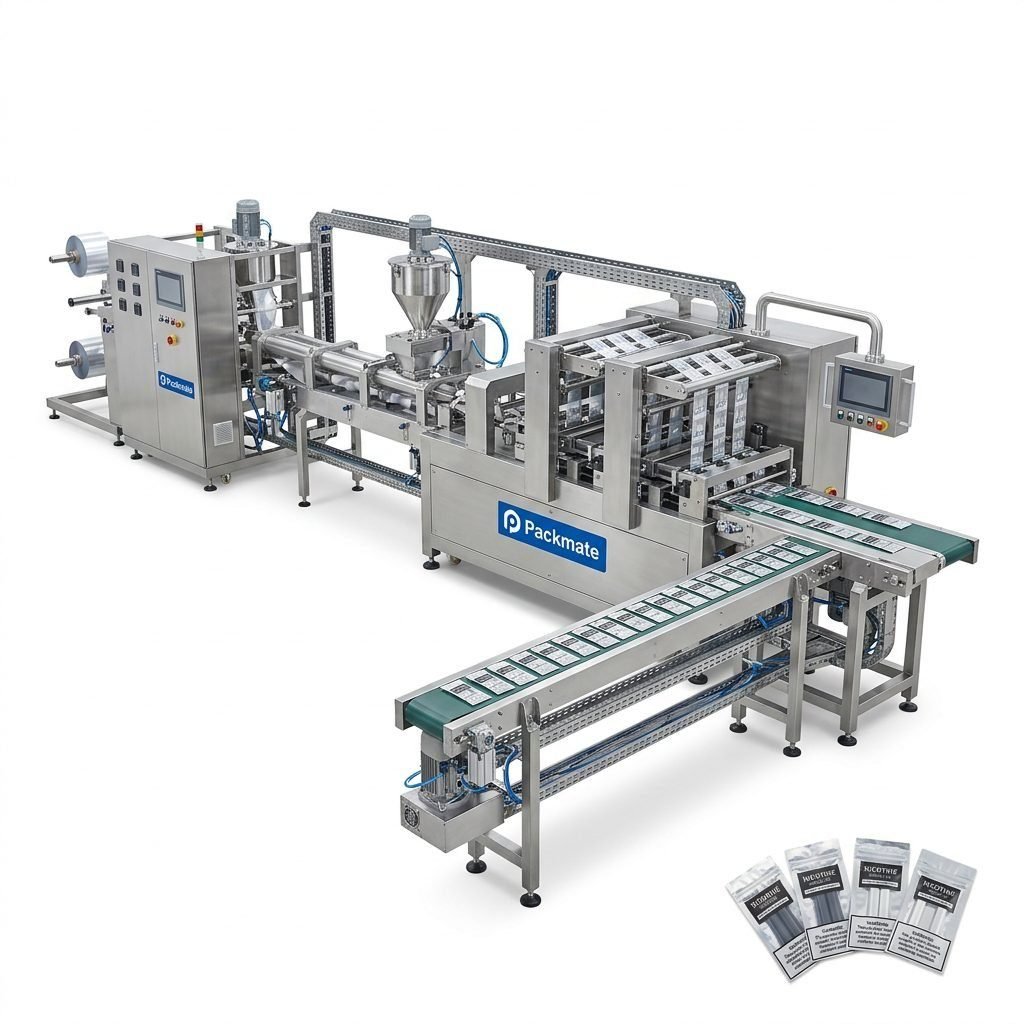
- Output: Ideal for medium to high-volume production. Many models, like the advanced filling & packaging lines offered by industry leaders, integrate chamber technology for seamless automation.
2. External (Nozzle) Vacuum Sealers
These machines use a suction nozzle that is inserted into the open bag. Air is extracted directly through the nozzle, after which the bag is heat-sealed. They do not require a closed chamber.
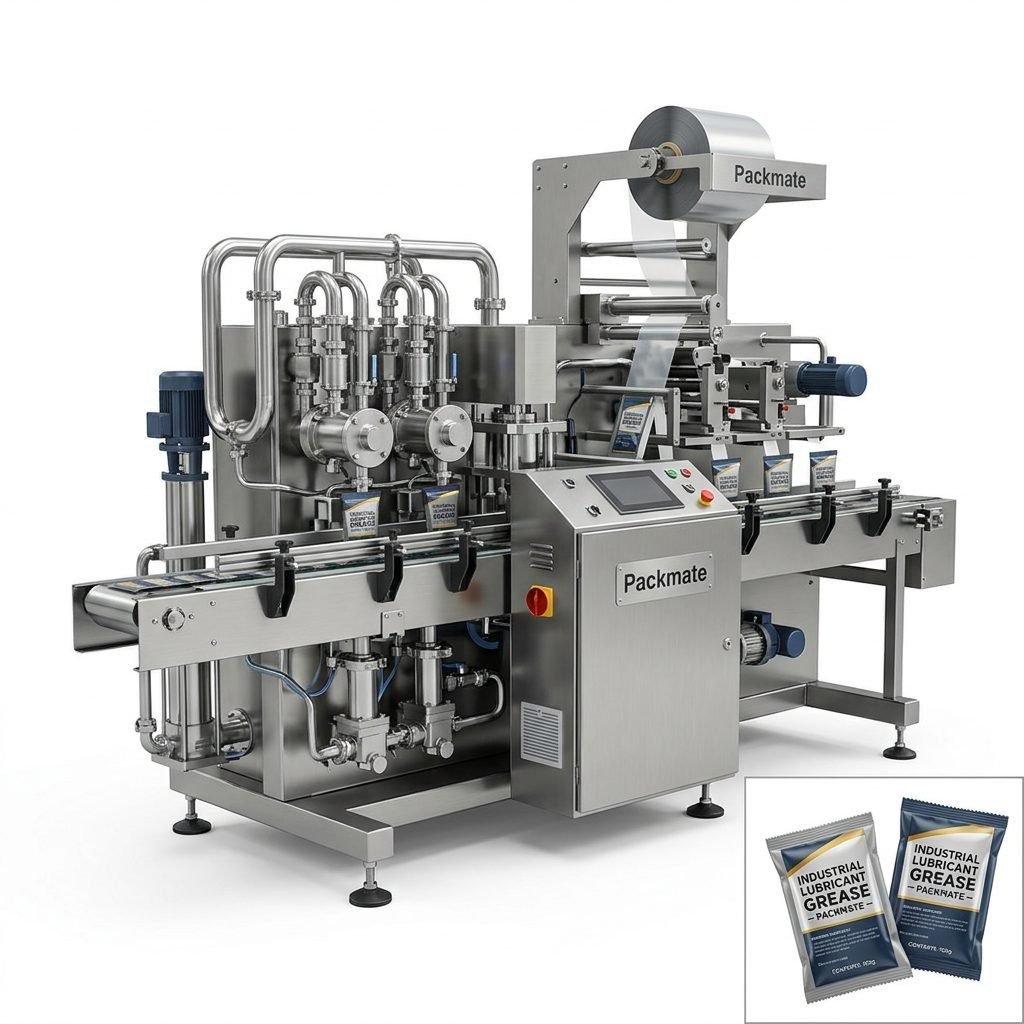
- Best For: Dry products, pre-bagged items, and operations where speed and space are constraints. They are often used for bag & pouch packaging of snacks, grains, or hardware.
- Output: Typically suited for lower to medium-volume tasks or as part of a flexible packaging station.
3. Double Chamber Vacuum Machines
Essentially two chamber machines in one unit. While one chamber is in the vacuum-and-seal cycle, the other can be loaded with the next product. This design virtually eliminates downtime, dramatically increasing output.
- Best For: High-volume production lines in food processing plants, central kitchens, and large-scale manufacturing facilities.
4. Tray Sealing Machines
These are specialized for sealing pre-formed plastic trays or containers with a lidding film. They often perform vacuuming and gas flushing (MAP) in one cycle. The result is the familiar “store-ready” packaging for fresh meats, cheeses, and prepared meals.
- Best For: Retail-ready food products, pharmaceuticals, and electronics that require rigid container protection.
5. Automatic Rotary Vacuum Machines
The pinnacle of high-speed automation. Products are transported on a rotary carousel through multiple stations for bag placement, vacuuming, sealing, and cutting. They are integrated systems designed for maximum throughput.
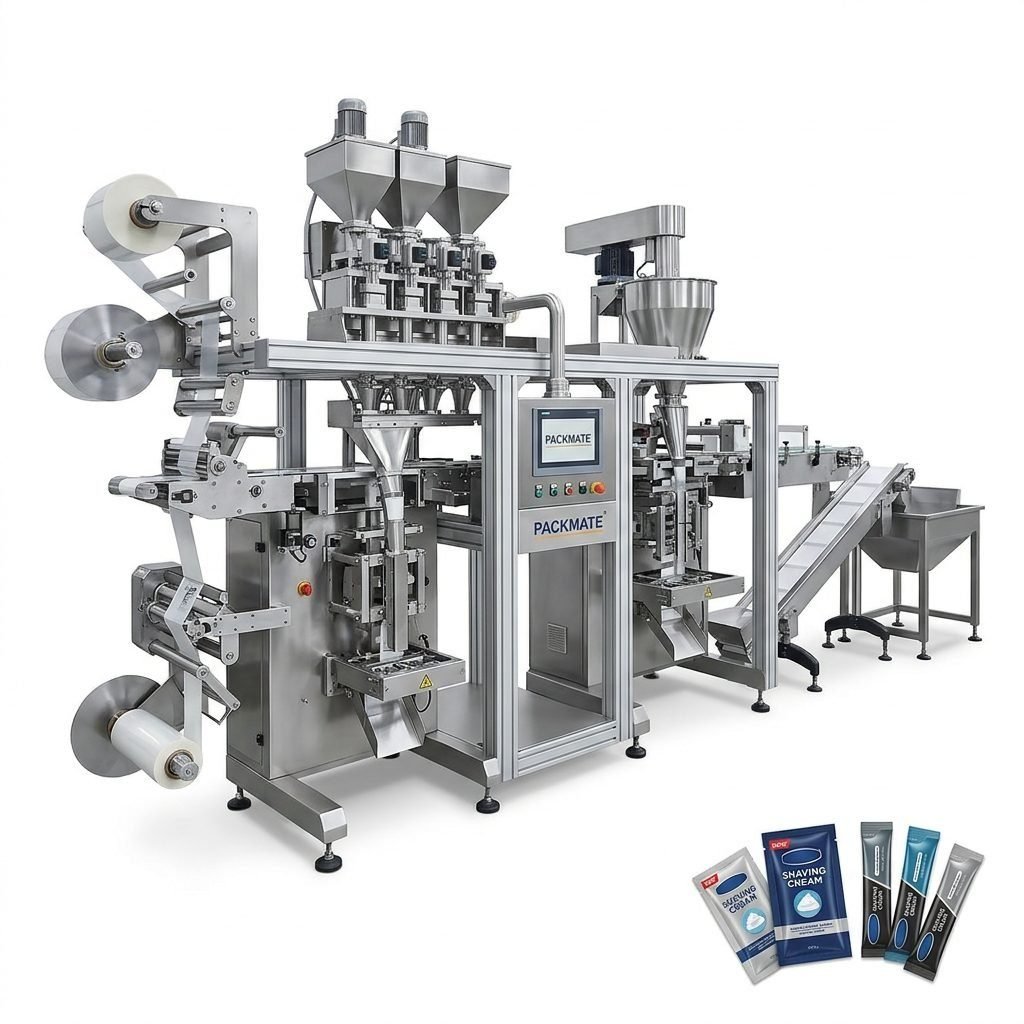
- Best For: Extremely high-volume applications, such as large-scale snack food producers or contract packagers. This technology is often seen in complete weighing & packaging systems.
The Multifaceted Benefits of Vacuum Packaging
Investing in a vacuum packaging system delivers a compelling return on investment through tangible operational and product quality improvements.
Extended Shelf Life
This is the most significant benefit. By removing oxygen, the primary agent in oxidation and spoilage, vacuum packaging can extend the shelf life of products by 3 to 5 times compared to conventional packaging. This reduces waste, allows for broader distribution, and improves inventory management.
Enhanced Product Protection & Safety
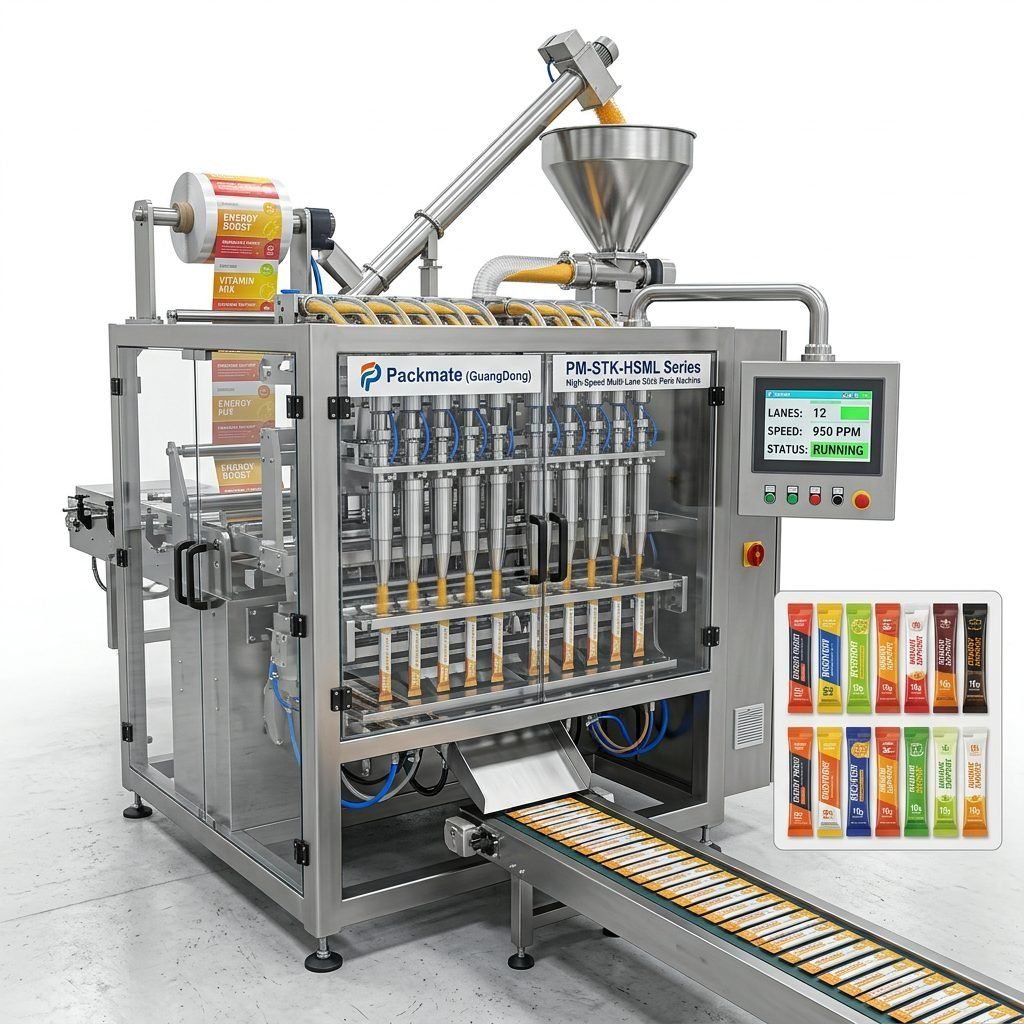
Vacuum packaging provides a robust barrier against contaminants, moisture, and odors. It prevents freezer burn, protects against physical crushing or puncturing during handling, and inhibits the growth of pathogens, ensuring safer products for consumers. This is especially critical in the sachet & stick pack format for sensitive pharmaceuticals or supplements.
Improved Space and Cost Efficiency
Vacuum-sealed products are compact and rigid, allowing for more efficient use of storage and shipping space. This translates to lower warehousing and transportation costs. Furthermore, by reducing product spoilage, companies save significantly on inventory loss.
Preservation of Quality and Freshness
Beyond just longevity, vacuum packaging helps retain the original flavor, aroma, color, and nutritional value of food. Meats stay tender, coffee stays aromatic, and dried herbs retain their potency far longer.
Brand Enhancement and Marketability
A professionally vacuum-sealed product conveys quality, hygiene, and care. The tight, clear packaging allows the product to be visible while appearing premium and well-protected, which can positively influence purchasing decisions at the retail level.
Choosing the Right Machine: Key Considerations
Selecting a vacuum packaging machine requires careful analysis of your specific needs. Partnering with an experienced manufacturer like Packmate Machinery, with over 30 years in intelligent packaging solutions, can provide invaluable guidance. Key factors include:
- Product Type: Is it dry, moist, liquid, powdered, or granular?
- Production Volume: What is your required output per hour or day?
- Packaging Material: What type of barrier bags or films will you use?
- Space and Utility Constraints: What is your available floor space and power supply?
- Automation Level: Do you need a standalone machine or a fully integrated line?
Modern manufacturers offer turnkey solutions, providing not just the machine but also material guidance, installation, training, and after-sales support to ensure a smooth integration into your operation.
Frequently Asked Questions (FAQs)
1. What is the main difference between a chamber vacuum sealer and an external vacuum sealer?
The core difference lies in the process. A chamber sealer places the entire bag inside a sealed chamber to remove air, making it ideal for liquids and moist products. An external sealer uses a nozzle to suck air out from the bag’s opening, which is faster for dry products but can draw out liquids or fine powders.
2. Can I use any plastic bag with a vacuum packaging machine?
No. You must use bags specifically designed for vacuum sealing. These are made from multi-layer materials with strong barrier properties (often nylon and polyethylene) and have a textured surface on one side to allow air channels for proper evacuation. Using standard bags will result in poor seals and ineffective vacuuming.
3. How does vacuum packaging extend the shelf life of food?
It works through two main mechanisms: 1) Oxygen Removal, which drastically slows down oxidation and the growth of aerobic spoilage bacteria, and 2) Moisture Barrier, which prevents dehydration or the uptake of ambient moisture, maintaining texture and weight.
4. Is vacuum packaging safe for all types of food?
While excellent for preservation, caution is needed with certain foods. Fresh mushrooms, garlic in oil, and some raw vegetables packed anaerobically can create risks for botulism if not properly refrigerated or treated. Always follow food safety guidelines. For sensitive products, combining vacuum with gas flushing (MAP) is a safer industrial practice.
5. What maintenance does a commercial vacuum packaging machine require?
Regular maintenance is key to longevity and consistent seals. This typically includes daily cleaning of the heat seal bar and chamber to remove debris, weekly checks of the vacuum pump oil level (if applicable), and periodic replacement of the sealing gaskets and Teflon tape on the seal bar. Reputable suppliers provide detailed maintenance schedules and support.