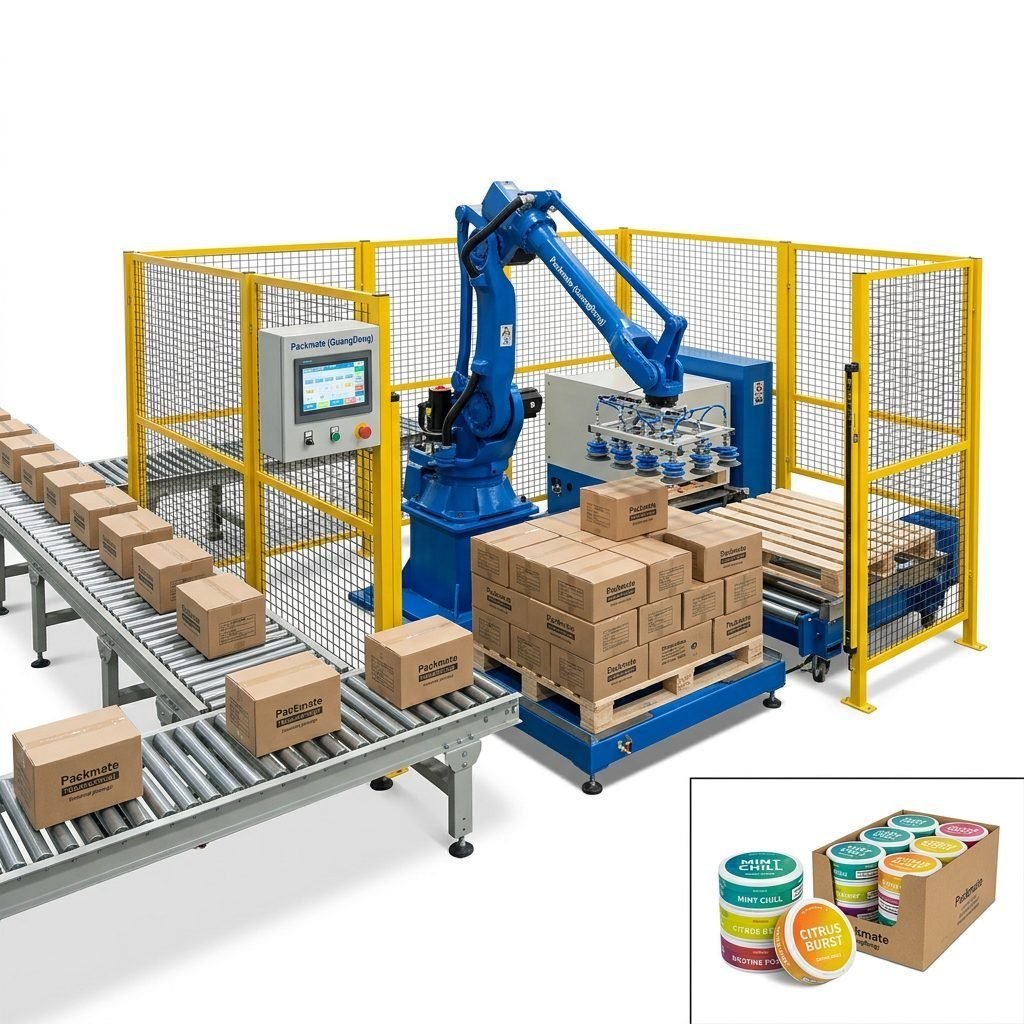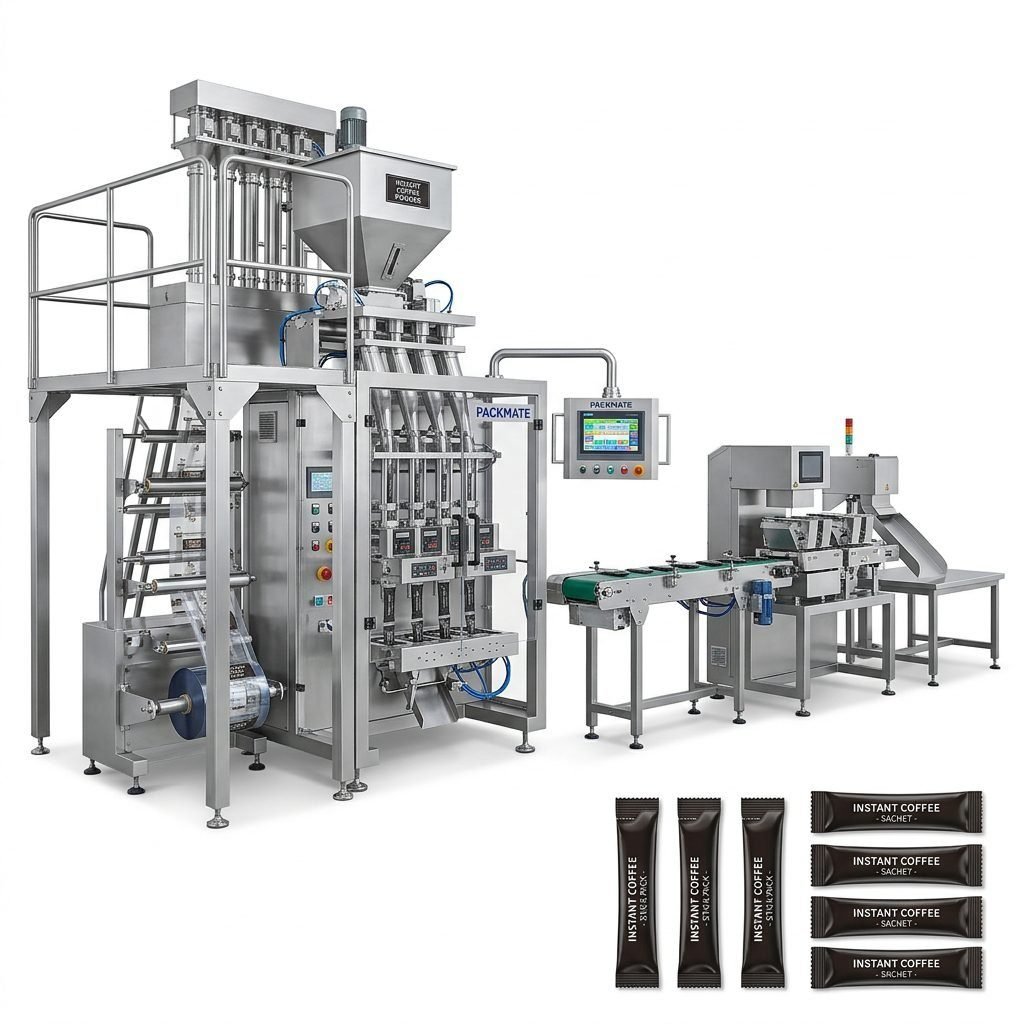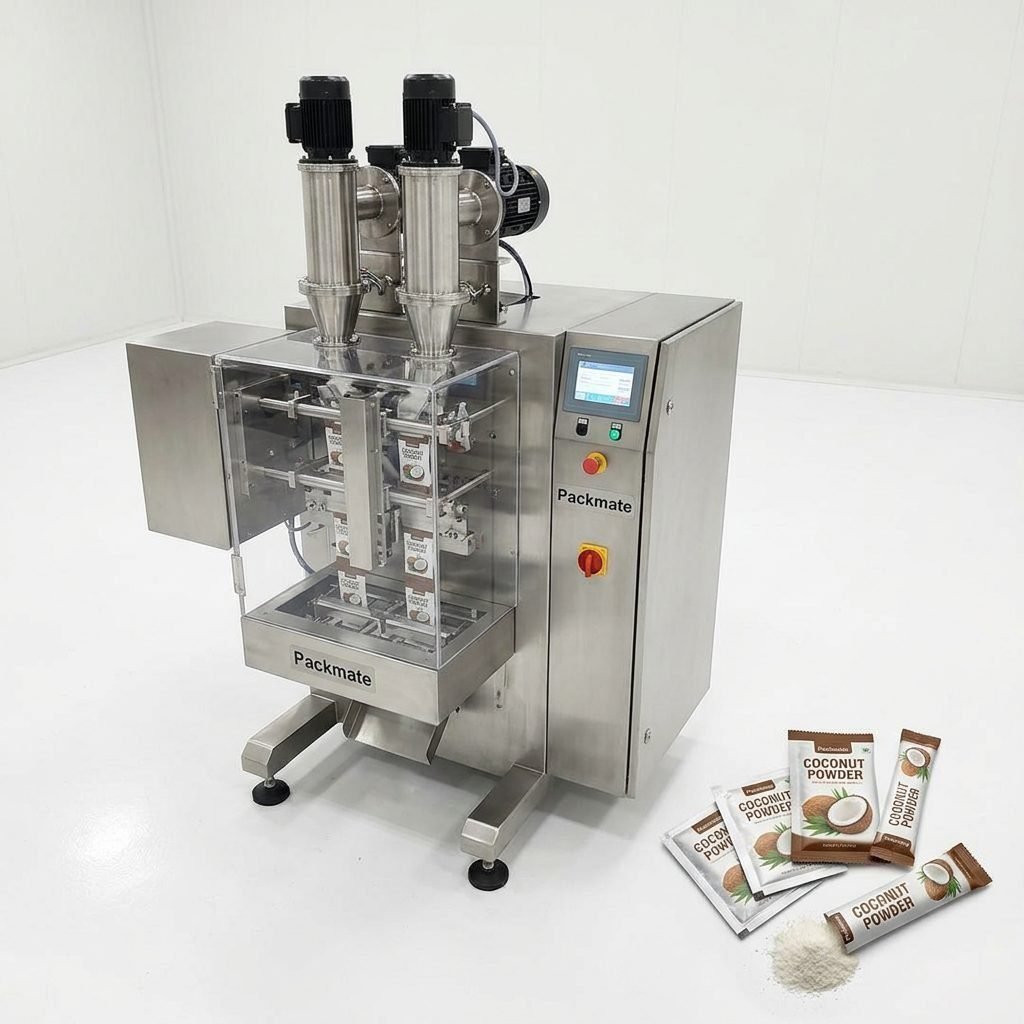
In today’s fast-paced snack industry, efficient and reliable packaging is not just a final step—it’s a critical component of brand identity, product protection, and market success. Choosing the right snack packaging machine can significantly impact your production efficiency, product shelf life, and overall operational costs. This comprehensive guide will walk you through the various types of snack packaging machines, their key benefits, and essential tips for making a smart purchasing decision.
Understanding the Different Types of Snack Packaging Machines
The world of snack packaging is diverse, and so are the machines designed for it. Selecting the correct type depends heavily on your product form (solid, granular, powder, or liquid), required packaging speed, and the desired package style.
Vertical Form Fill Seal (VFFS) Machines
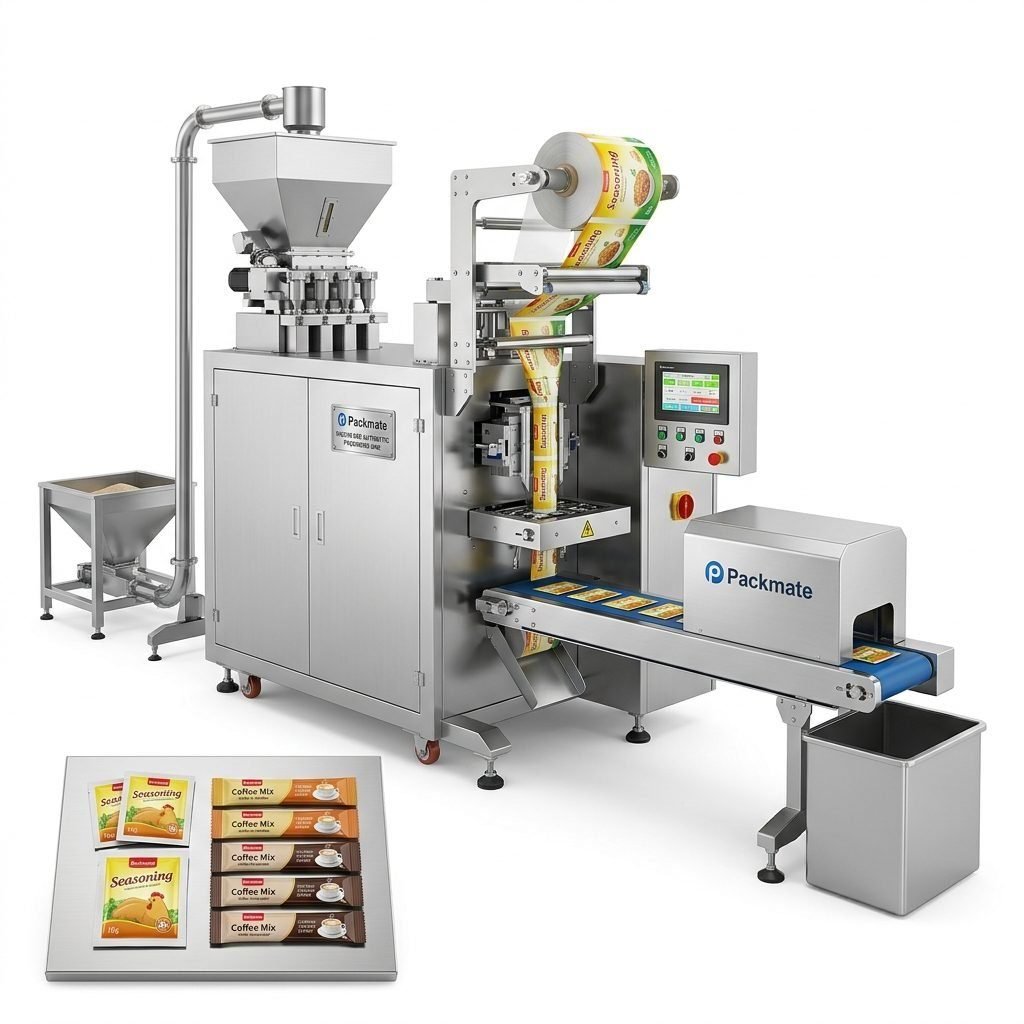
These are among the most common and versatile machines in snack packaging. A VFFS machine forms a bag from a roll of film, fills it with the product, and then seals it—all in a continuous vertical motion. They are ideal for packaging granular items like nuts, candies, chips, and powdered mixes. Their flexibility in bag size and relatively high speed make them a staple in many production lines.
Horizontal Form Fill Seal (HFFS) Machines
HFFS machines are typically used for more rigid structures or when a specific presentation is needed, such as flow-wrap packs for candy bars, biscuits, or protein bars. The film is formed horizontally around the product, creating a tight, neat finish that is excellent for retail display.
Premade Pouch Packaging Machines
For snacks that require a stand-up pouch, flat-bottom bag, or other complex, pre-printed pouch styles, premade pouch machines are the solution. These machines automate the opening, filling, and sealing of ready-made pouches. This method is perfect for high-end snack brands where graphic design and package shape are crucial marketing elements. You can explore various options in our range of Bag & Pouch Packaging Machines.
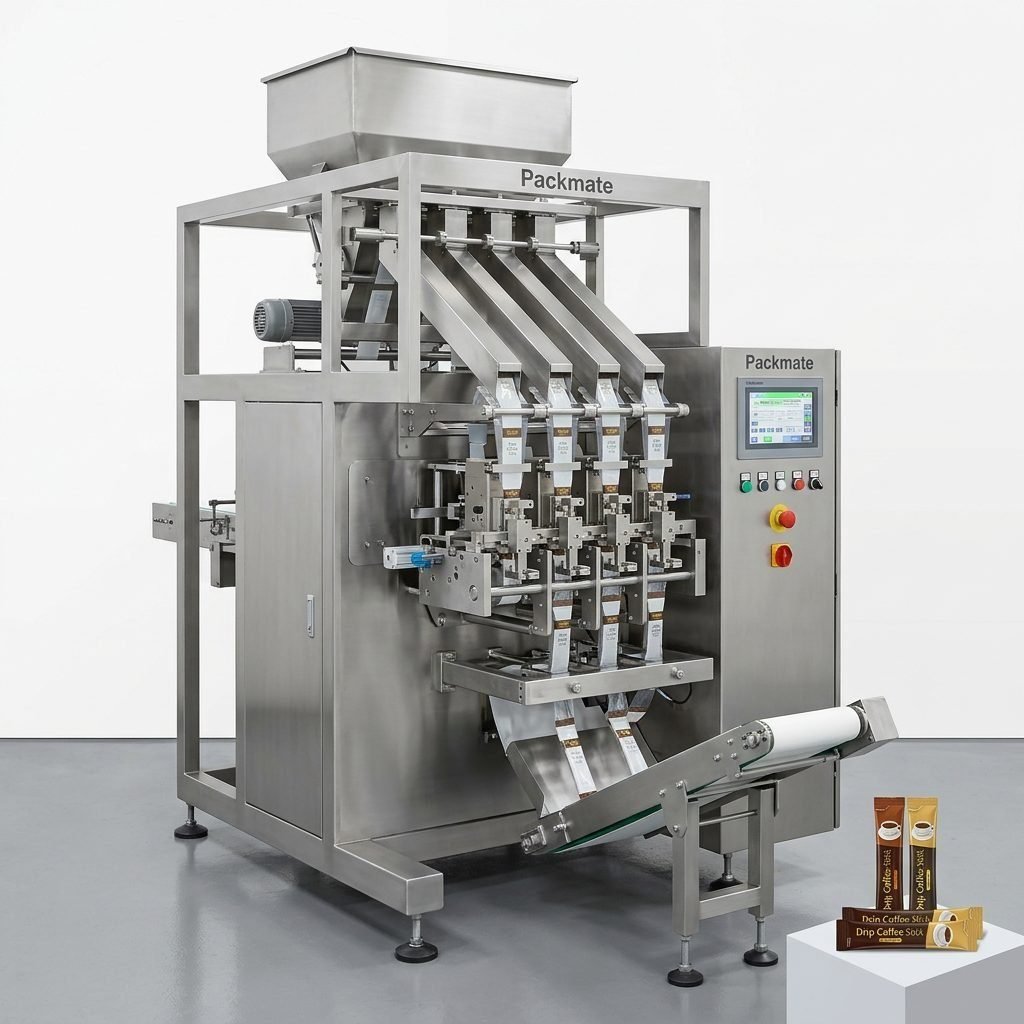
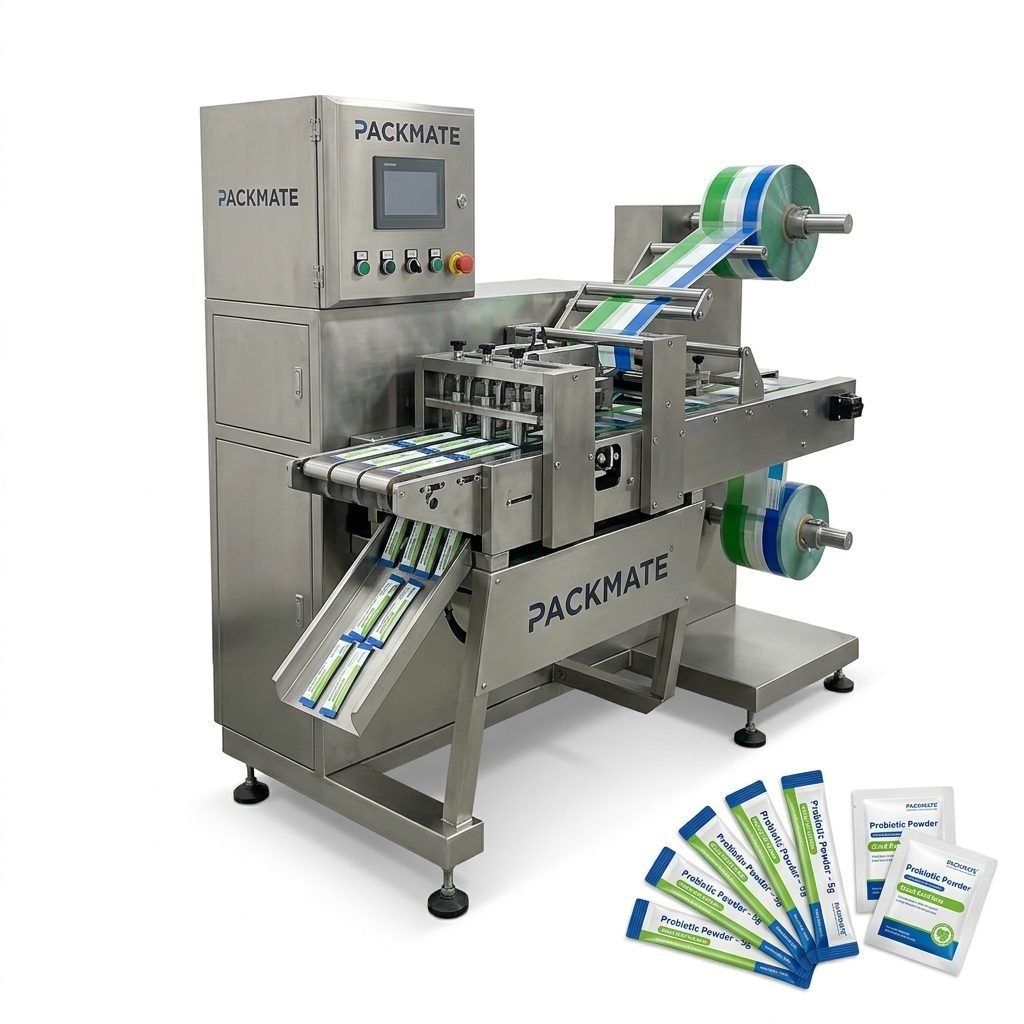
Stick Pack and Sachet Machines
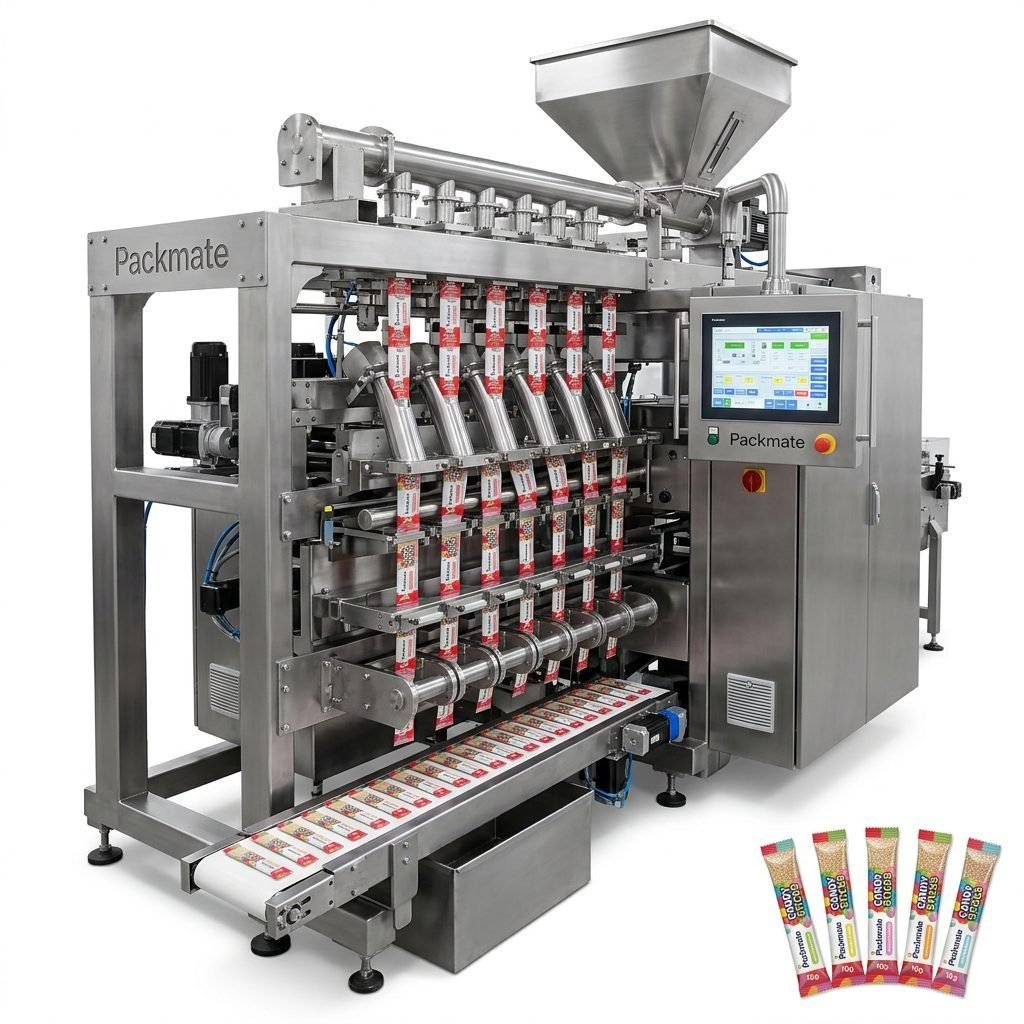
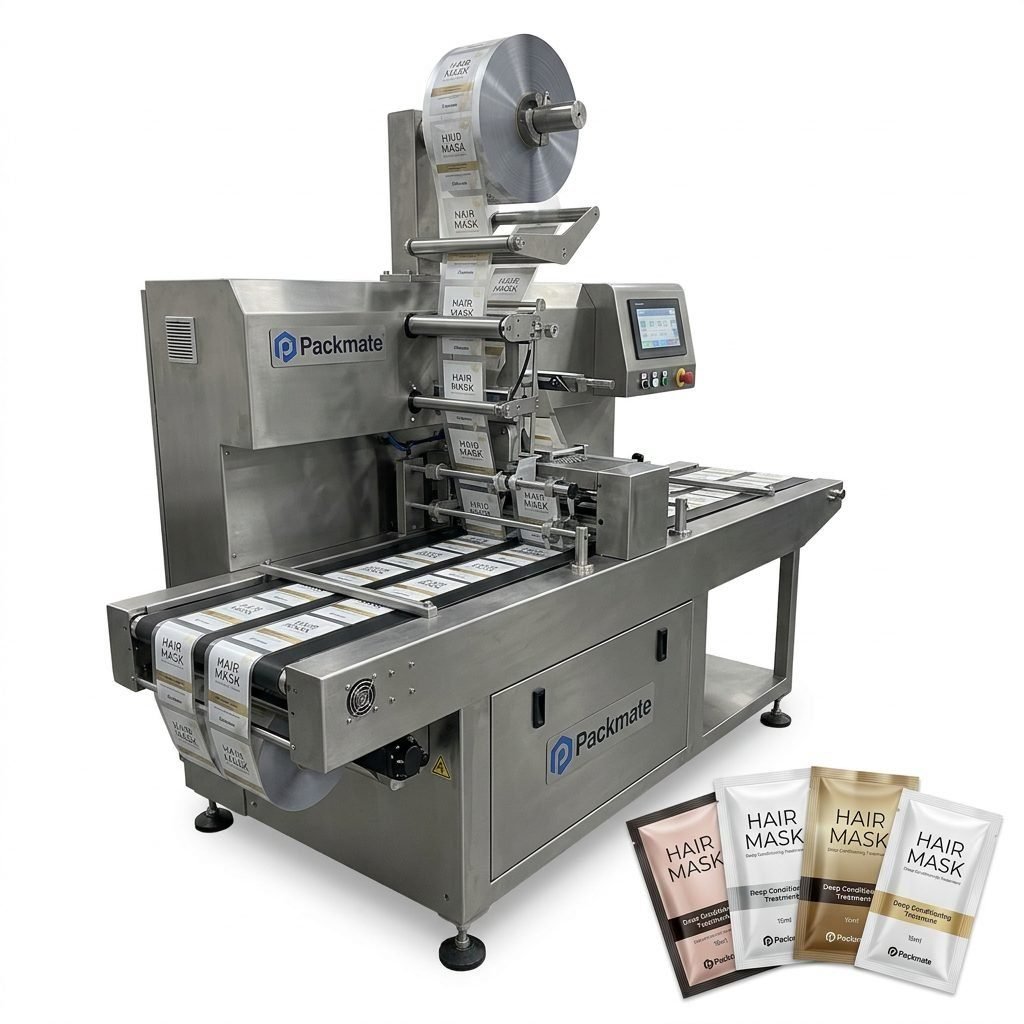
Designed for single-serve portions, stick pack and sachet machines are perfect for powders (like drink mixes, instant coffee), liquids (sauces, oils), or small granular snacks. They create slim, elongated packs that are space-efficient and convenient for consumers. Our specialized Sachet & Stick Pack Machines offer multi-lane configurations for high-volume output of these popular formats.
Weighing and Combination Scales
While not strictly packaging machines, precision weighing systems are integral to the packaging process. Multi-head weighers and combination scales ensure each bag contains the exact, legally required weight of product, minimizing giveaway and ensuring compliance. This technology is often integrated directly with VFFS or pouch machines for a seamless operation.
Key Benefits of Automating Your Snack Packaging
Investing in an automated snack packaging machine goes beyond just speeding up production. The advantages permeate every aspect of your business, from the factory floor to the supermarket shelf.
Enhanced Productivity and Speed: Automation dramatically increases output compared to manual packaging. Modern machines can form, fill, and seal hundreds of packs per minute, allowing you to scale production to meet market demand efficiently.
Superior Consistency and Quality: Machines eliminate human error in sealing, filling, and labeling. Every package is uniform, with perfect seals that protect product freshness and extend shelf life. This consistency builds strong brand trust with consumers.
Significant Cost Reduction: While the initial investment is notable, automation reduces long-term labor costs, minimizes product waste from overfilling or poor seals, and optimizes material usage. The return on investment is often realized faster than anticipated.
Improved Hygiene and Safety: Automated, enclosed systems limit direct human contact with the snack product, which is crucial for meeting stringent food safety standards like HACCP, FDA, or GMP. This is a non-negotiable benefit in the food industry.
Operational Flexibility: Many contemporary machines offer quick changeover features, allowing you to switch between different bag sizes, materials, or products with minimal downtime. This agility is key for manufacturers producing a diverse snack portfolio.
Essential Buying Tips for Your Snack Packaging Machine
Purchasing a packaging machine is a major capital decision. Asking the right questions and focusing on key criteria will ensure you select equipment that serves your business for years to come.
1. Precisely Define Your Product and Packaging Needs
Start with the basics. What is the physical form of your snack? What are its characteristics (oily, dusty, fragile)? What packaging material do you plan to use (laminate, poly, paper)? What are your target pack sizes and daily output? Having clear, detailed answers is the foundation of a successful search.
2. Prioritize Machine Quality and Durability
Look for robust construction from materials like stainless steel, especially for parts in contact with food. A well-built machine from a reputable manufacturer like Packmate Machinery will have a longer lifespan, require less maintenance, and provide more stable performance, protecting your investment. Our 22+ years of company development and modern 20,000㎡ facility are testaments to our commitment to quality engineering.
3. Evaluate the Control System and Ease of Use
The machine’s brain is its PLC (Programmable Logic Controller) and HMI (Human-Machine Interface). A user-friendly, intuitive touchscreen control panel simplifies operation, recipe changes, and troubleshooting. Ensure the software is stable and that operators can be trained on it relatively easily.
4. Consider Integration and Future-Proofing
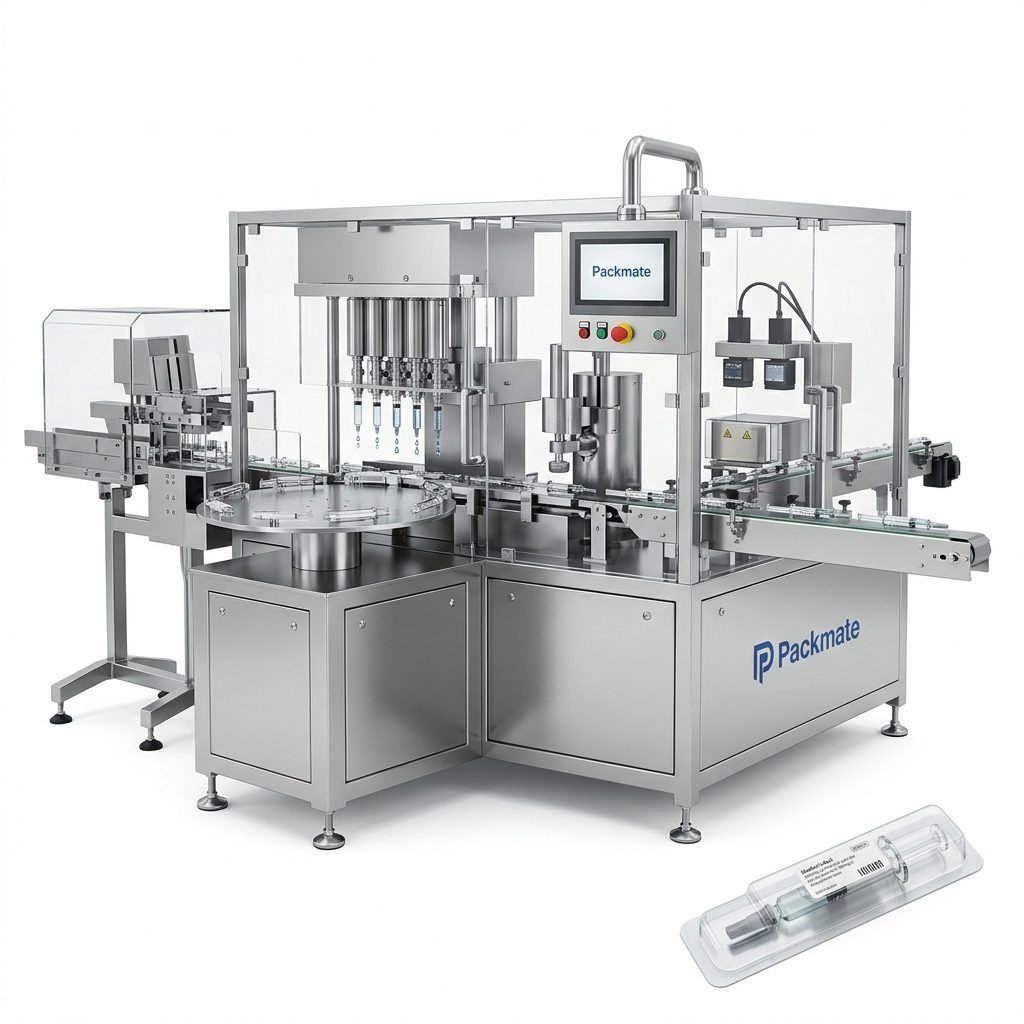
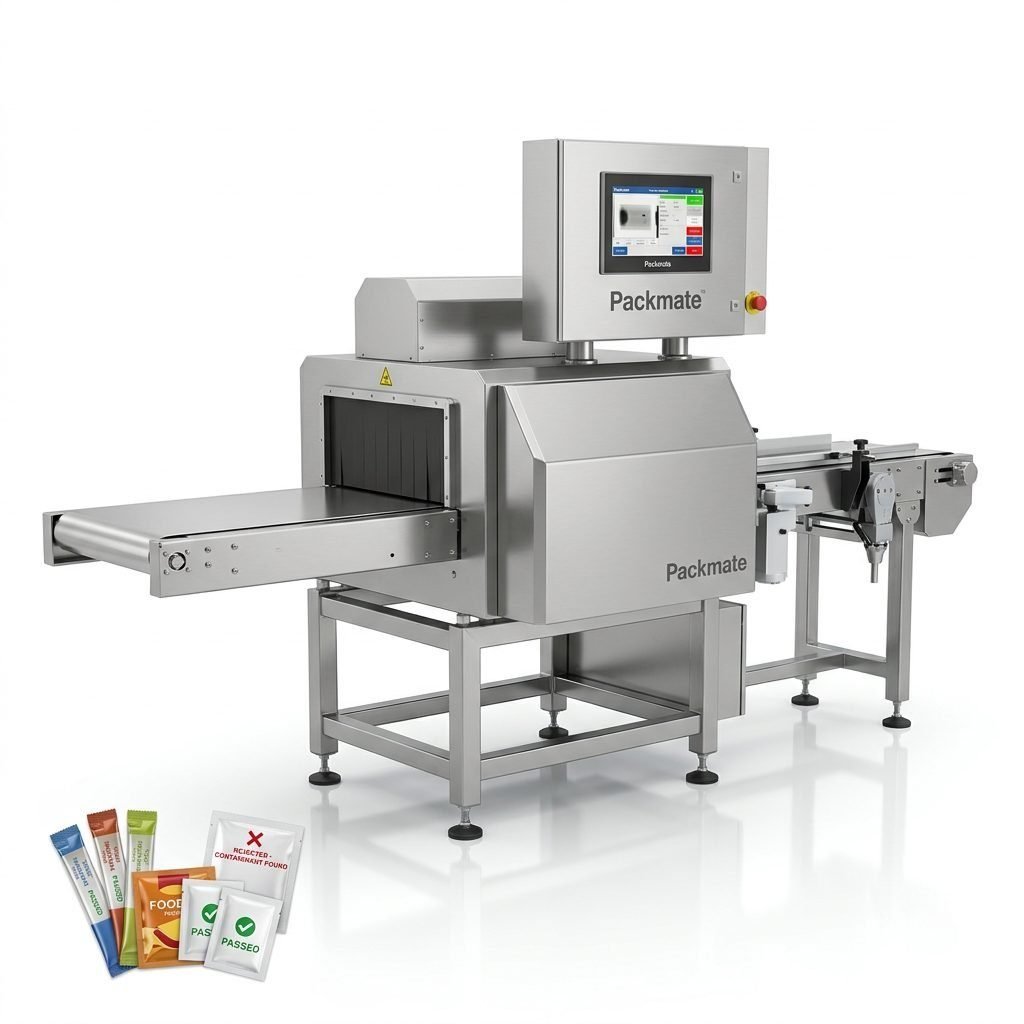
Will the machine need to integrate with existing upstream (mixers, ovens) or downstream (cartoners, case packers) equipment? Consider its communication capabilities (e.g., Ethernet, Profibus). Also, think about future needs—could you see yourself adding a gas flushing system for extended freshness or a vision inspection system later? Choosing a modular or upgradeable machine provides valuable flexibility.
5. Scrutinize After-Sales Support and Service
The relationship with your supplier doesn’t end at delivery. Comprehensive after-sales support is critical. Inquire about the availability of installation supervision, operator training, spare parts inventory, and technical support. A supplier with a strong global service network can be a lifesaver during unexpected downtime. Learn more about our commitment to customer success on our Service page.
6. Request a Live or Video Product Test
Never buy a packaging machine based solely on specifications. Always request a product test using your actual snack (or a close substitute) and your intended packaging material. This test will reveal the machine’s true performance regarding speed, accuracy, seal quality, and any potential handling issues with your specific product.
Frequently Asked Questions (FAQs)
What is the typical lead time for a snack packaging machine?
Lead times vary based on machine complexity, customization, and manufacturer workload. For standard models, it can range from 8 to 16 weeks. Customized or large Filling & Packaging Lines may require 16-24 weeks. Always confirm the timeline with your supplier during the quotation process.
Can one machine handle different types of snacks?
Many machines offer flexibility, but there are limits. A machine designed for fine powder may struggle with large, oily chips. The key is “quick changeover” capability. Discuss your full product range with the supplier to see if a single machine can be adapted or if you might need dedicated lines for vastly different products.
How important are certifications for food packaging machinery?
Extremely important. For food contact, machines should be constructed with food-grade materials and designed for easy cleaning. Certifications like CE (for the European market) demonstrate compliance with safety standards. Reputable manufacturers will have their certifications readily available for review.
What are the most common maintenance requirements?
Regular daily cleaning is paramount. Lubrication of moving parts (as per the manual), inspection and replacement of wear parts like sealing jaws, cutter blades, and film pull belts are common. A good preventive maintenance schedule, often provided by the manufacturer, will maximize uptime and machine life.
What training is provided with a new machine?
A professional supplier should provide comprehensive training for your operators, maintenance technicians, and engineers. This typically covers safe operation, daily setup and changeover procedures, basic troubleshooting, and routine maintenance tasks. Training can occur at their facility, your factory during installation, or via remote sessions.