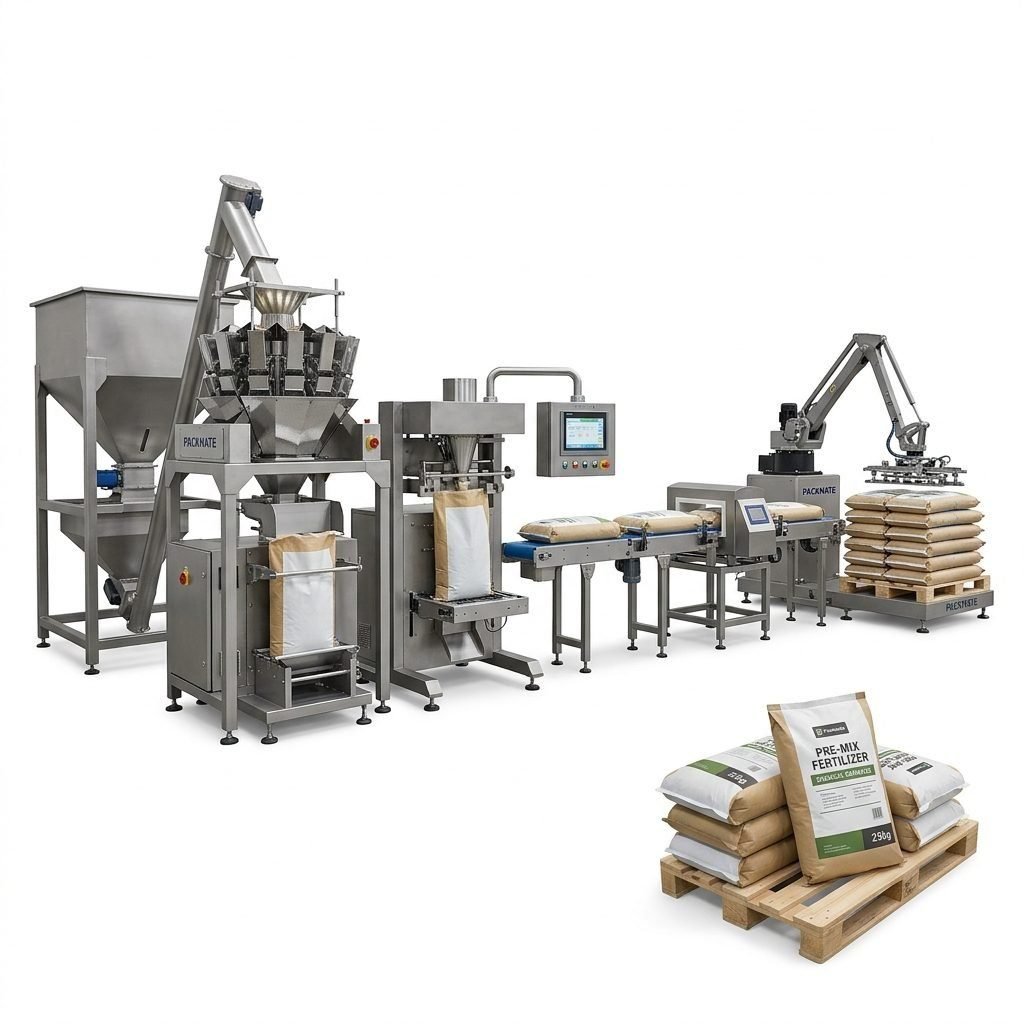
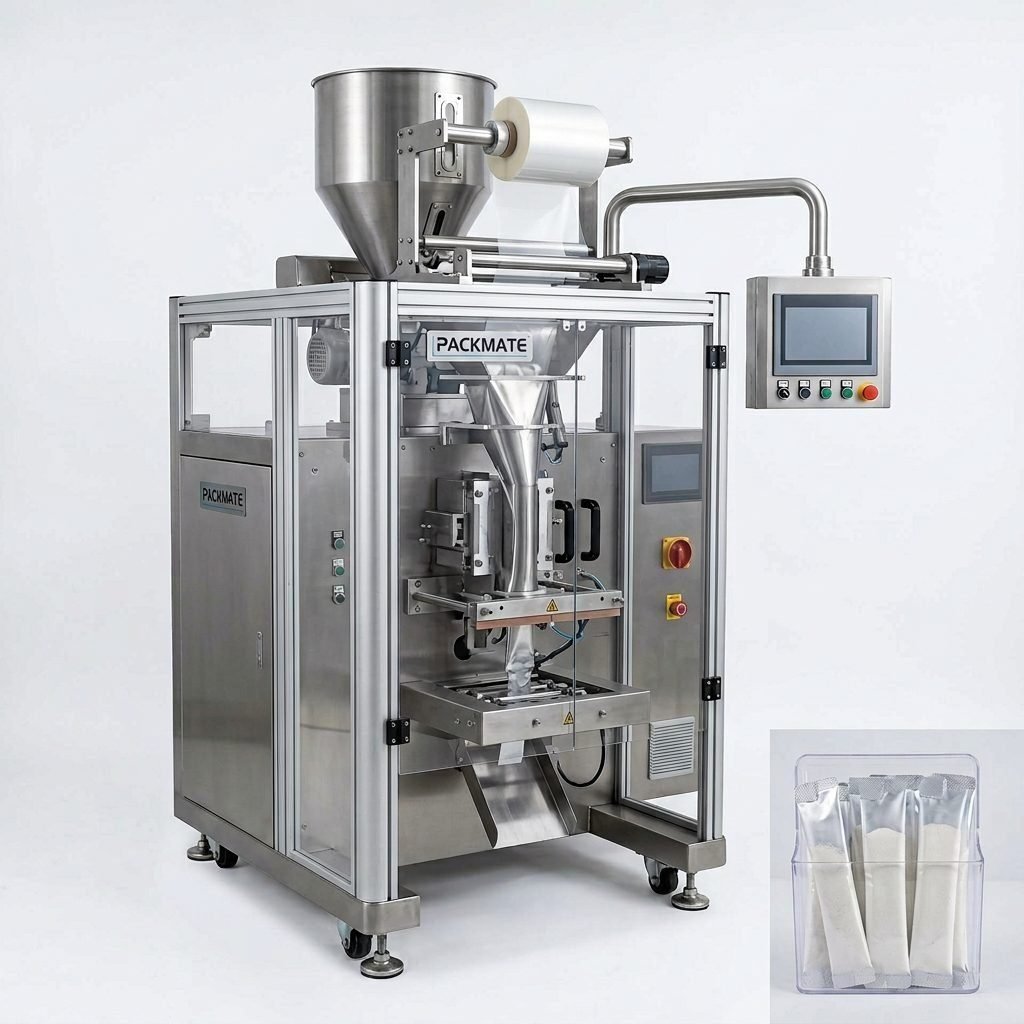
Selecting the right spice packaging machinery is a critical decision for any food producer, distributor, or brand owner. The right equipment not only ensures product freshness and shelf appeal but also directly impacts production efficiency, operational costs, and scalability. This comprehensive guide delves into the various types of spice packaging machines available, analyzes the key factors influencing their costs, and provides actionable buying tips to help you make an informed investment.
Understanding Different Types of Spice Packaging Machinery
The packaging process for spices can vary significantly based on the product form (whole, ground, flakes), target market, and desired package style. Here’s a breakdown of the primary machinery types.
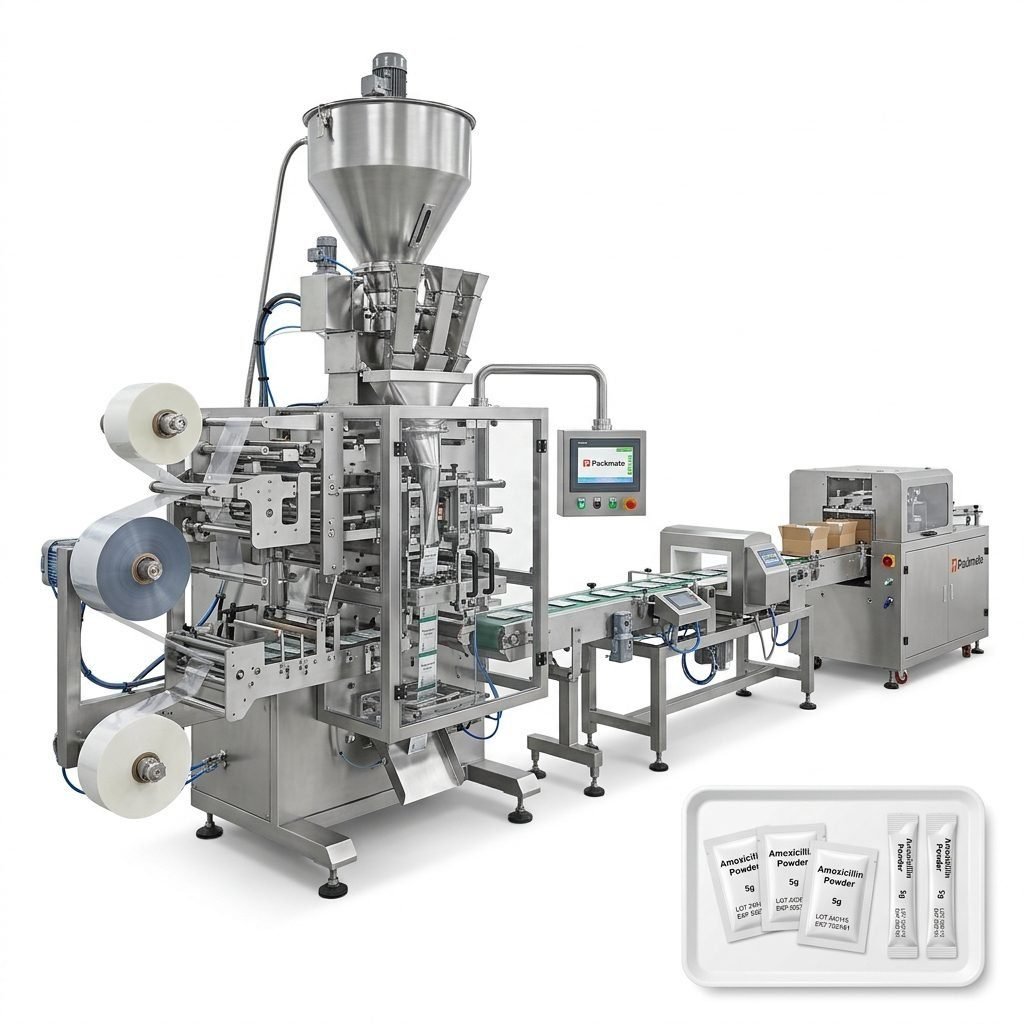
Vertical Form Fill Seal (VFFS) Machines
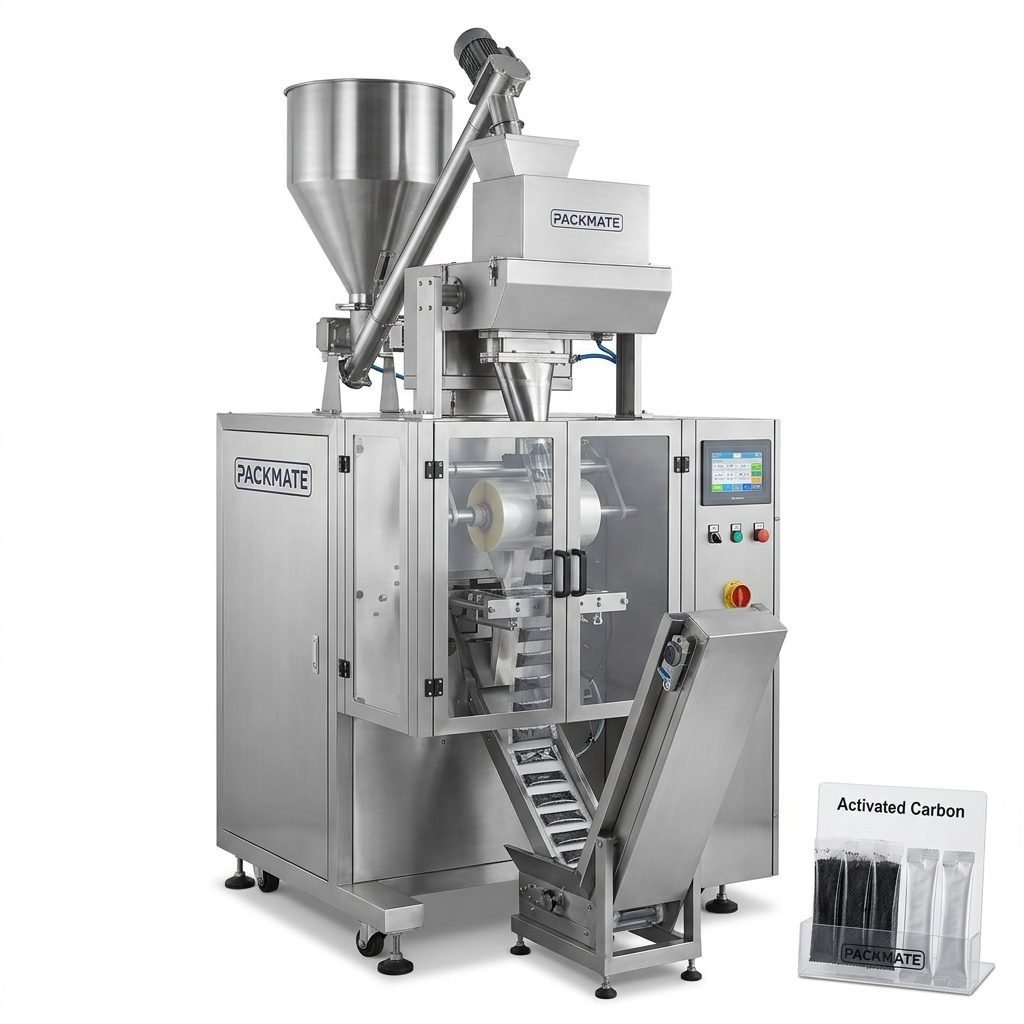
These are the workhorses of the spice industry for creating bags from a roll of film. A VFFS machine forms a tube from the film, fills it with the measured spice product, and then seals and cuts it to create individual pouches. They are highly versatile and can handle a wide range of package sizes and materials, from small sachets to larger retail bags. Their speed and efficiency make them ideal for high-volume production lines.
Pre-Made Pouch Machines
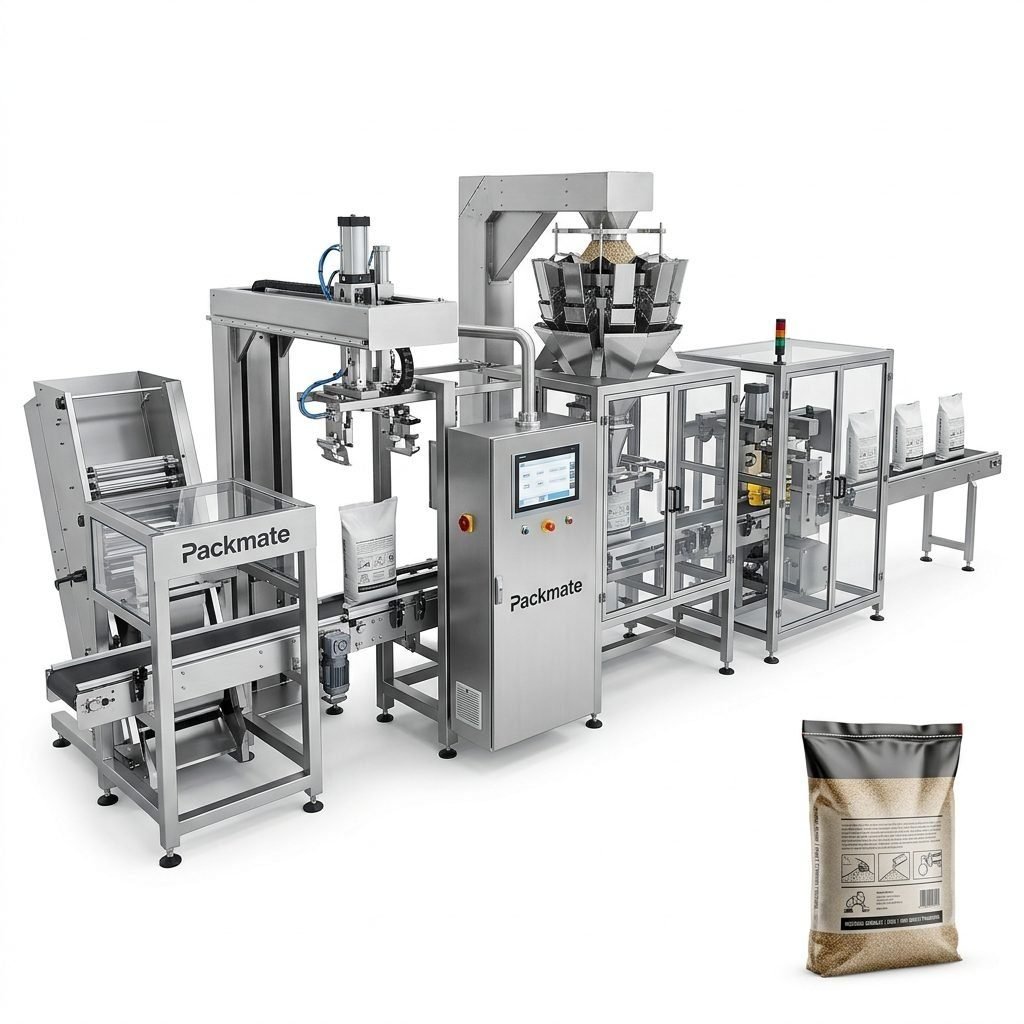
Unlike VFFS machines, these systems use pre-manufactured, flat pouches. The machine opens the pouch, fills it with product, and then seals it. This method is often preferred for premium packaging where print quality and material consistency are paramount, as the pouches can be pre-printed with complex graphics. They are excellent for stand-up pouches, gusseted bags, and other specialty shapes that enhance shelf presence.
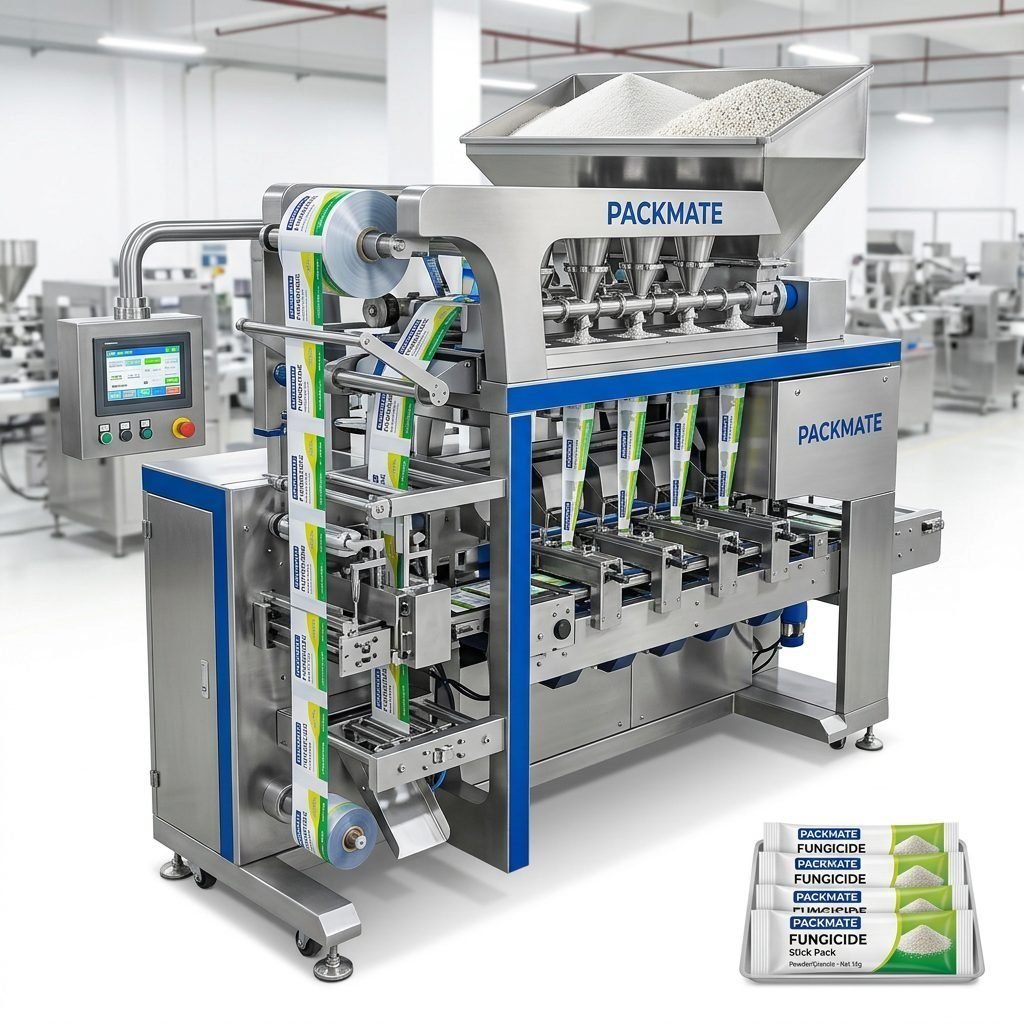
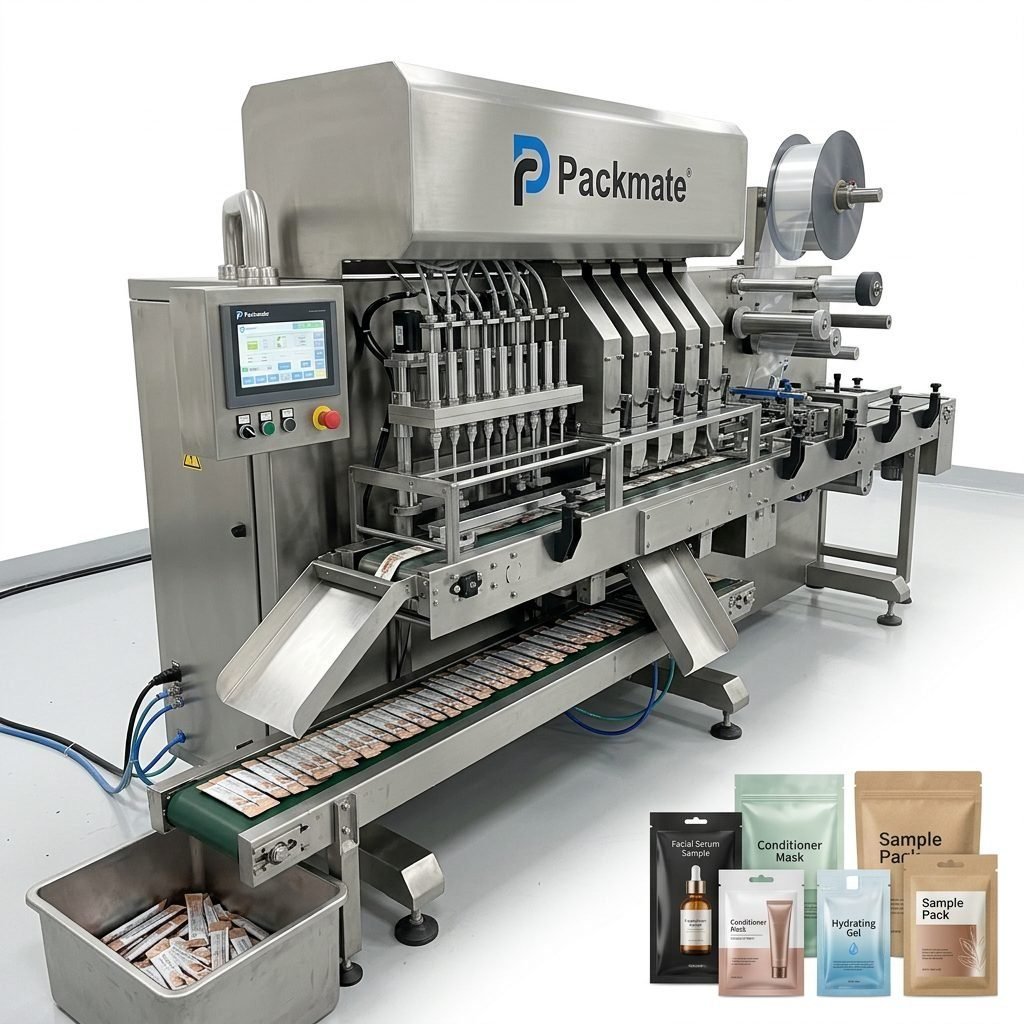
Stick Pack and Sachet Machines
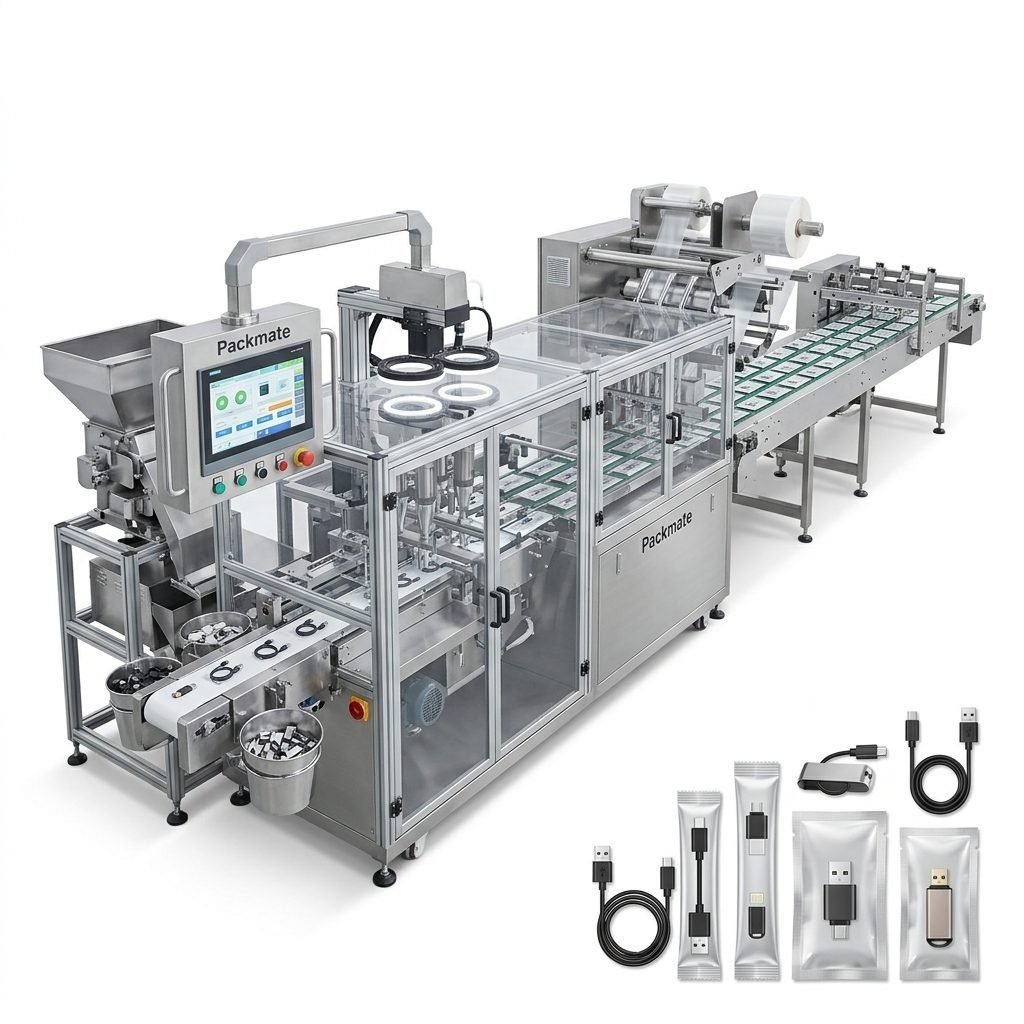
For single-serve portions, sample sizes, or recipe-specific quantities, stick pack and sachet machines are perfect. They produce long, narrow packets or small rectangular pouches. These machines are commonly used for packaging spices like paprika, cinnamon, or curry powder for food service, hotels, or meal kits. Multi-lane versions can dramatically increase output by packaging several sticks or sachets simultaneously.
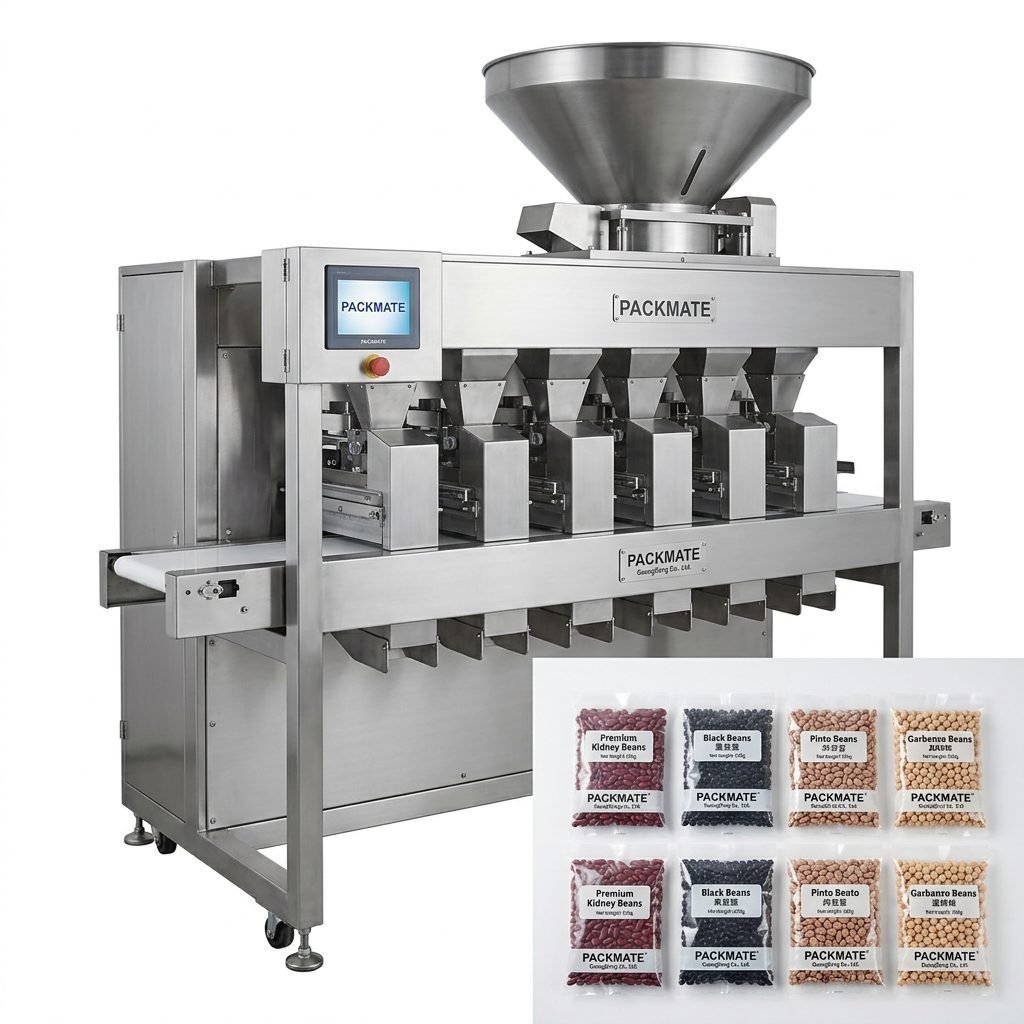
Weighing and Dosing Systems
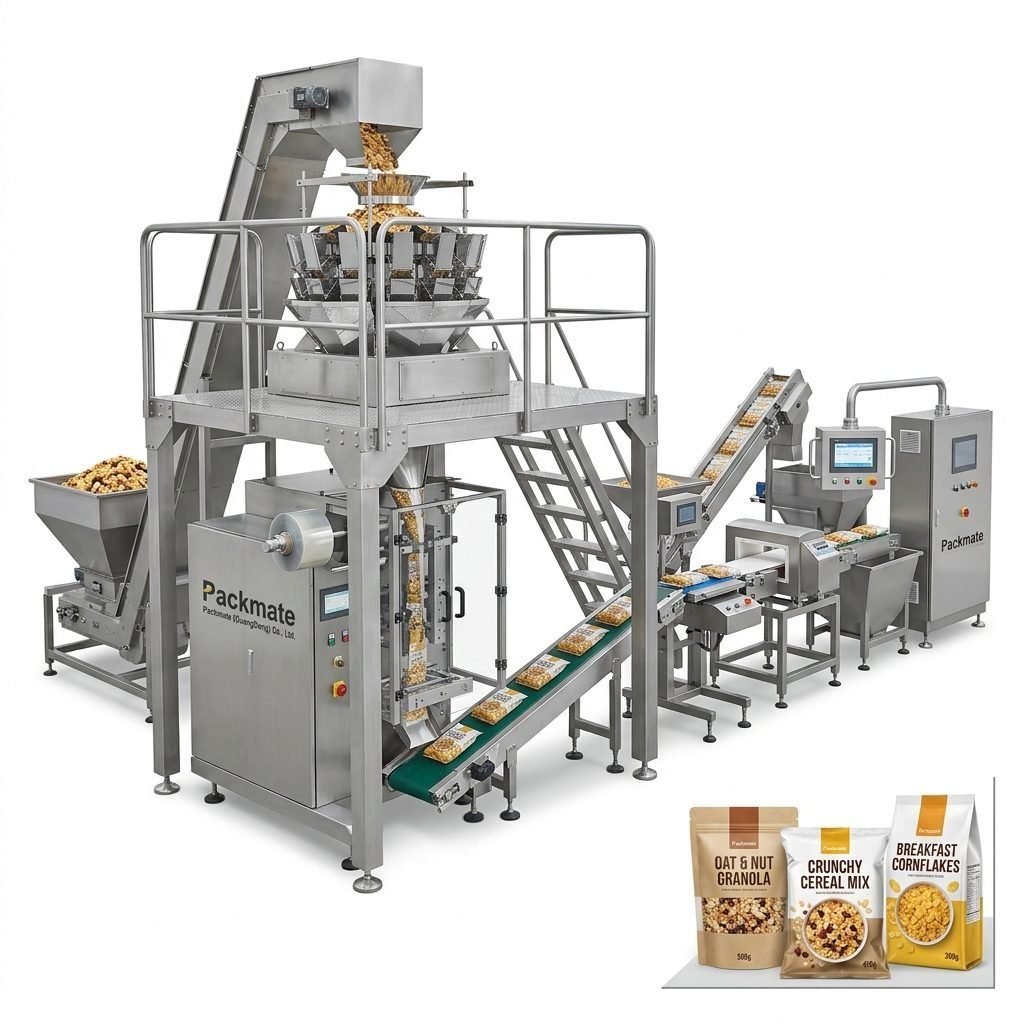
Accurate portion control is non-negotiable in spice packaging. Integrated weighing systems, such as multi-head weighers or auger filler systems, ensure each package contains the precise weight declared on the label. This is crucial for regulatory compliance and customer trust. The choice between a volumetric auger filler (best for fine powders) and a weight-based system depends on the spice’s characteristics and the required accuracy.
Key Factors Influencing Spice Packaging Machine Costs
The price of spice packaging equipment is not a single figure but a spectrum influenced by several interconnected factors. Understanding these will help you budget effectively.
Automation Level: A basic, semi-automatic machine requiring manual bag placement will cost significantly less than a fully automated, integrated packaging line with automatic bag feeding, filling, sealing, and cartoning. The investment in higher automation pays back through reduced labor costs and increased throughput.
Machine Speed and Output: The production capacity, measured in packs per minute (PPM), is a primary cost driver. A machine capable of 60 PPM will have a different price point than one designed for 200 PPM. It’s essential to align the machine’s speed with your current and projected future demand to avoid under or over-investing.
Material Compatibility and Sealing Technology: Spices require packaging that provides an excellent barrier against moisture, light, and air to preserve aroma and prevent caking. Machines equipped with advanced sealing systems (like constant heat sealers) to handle multi-layer laminates or metallized films will be more costly than those for basic polyethylene bags.
Brand, Origin, and Support: Established manufacturers with a proven track record, like Packmate Machinery, often command a premium due to their reliability, innovation, and comprehensive after-sales support. This includes training, warranty, and access to spare parts, which reduces long-term downtime risks.
Essential Buying Tips for Your Investment
Purchasing a packaging machine is a long-term commitment. Follow these strategic tips to ensure you select the best partner and equipment for your needs.
1. Define Your Requirements Precisely
Before contacting suppliers, have clear answers to: What spices are you packaging (powder, granules, flakes)? What is your target package size and style (pouch, stick pack, canister)? What is your required output (bags per shift)? What packaging material do you plan to use? A detailed specification sheet will help suppliers provide accurate quotations and recommendations.
2. Prioritize Flexibility and Future-Proofing
The market evolves. Choose a machine that offers some degree of flexibility in package size adjustment and material handling. Consider if the machine can be easily integrated with upstream (e.g., mixing) or downstream (e.g., labeling, cartoning) equipment later. Investing in a modular system from a provider of complete turnkey solutions can facilitate future expansion.
3. Insist on a Live Product Test
Never buy based on specifications alone. Arrange to send your actual spice product and packaging material to the manufacturer for a live test run. This is the only way to verify the machine’s performance regarding filling accuracy, sealing integrity, dust control, and overall speed with your specific materials.
4. Evaluate Total Cost of Ownership (TCO)
Look beyond the initial purchase price. Calculate the TCO by factoring in estimated energy consumption, maintenance costs, required operator skill level, and expected lifespan. A slightly more expensive machine with higher efficiency and lower maintenance can have a much lower TCO over five years.
5. Scrutinize After-Sales Service and Support
The relationship with your supplier begins after installation. Investigate their service network, availability of technical support (remote and on-site), spare parts inventory, and training programs. A reliable partner ensures minimal operational disruption and maximizes your machine’s uptime.
Frequently Asked Questions (FAQs)
What type of packaging machine is best for powdered spices like turmeric or chili powder?
For fine powders, a Vertical Form Fill Seal (VFFS) machine equipped with an auger filler is typically the best choice. The auger system provides precise, dust-minimized filling. It’s crucial to pair it with a machine that has excellent dust extraction features and can handle the specific flow characteristics of your powder to ensure accurate dosing and a clean sealing area.
How much does a basic automatic spice packaging machine cost?
Costs vary widely based on configuration, but a entry-level, single-line automatic VFFS machine for standard spice pouches can start in the range of $20,000 to $50,000. More advanced systems with multi-head weighers, gas flushing for freshness, or higher speeds can range from $80,000 to $200,000 or more. Always request a detailed quote based on your specific requirements.
Can one machine handle different types of spices and package sizes?
Yes, many machines are designed with changeover flexibility. Look for models with quick-change parts for the forming tube, auger, and sealing jaws. However, switching between vastly different product forms (e.g., whole peppercorns to fine powder) may require more extensive adjustments or different filling heads. Discuss your product range with the supplier during the testing phase.
What are the key maintenance routines for a spice packaging machine?
Daily cleaning to remove spice dust and residue is paramount. Regular maintenance includes lubricating moving parts, checking and replacing worn sealing jaws or cutting blades, calibrating the weighing system, and inspecting electrical components. Following the manufacturer’s maintenance schedule, available from their service department, is essential for longevity and consistent performance.
How do I ensure the packaging keeps my spices fresh for longer?
Freshness depends on both the machine and the material. For optimal shelf life, choose a machine capable of integrating gas flushing (nitrogen flushing) to remove oxygen from the package before sealing. Pair this with high-barrier packaging films that block moisture, light, and oxygen. The machine must provide a consistent, hermetic seal every time to maintain the modified atmosphere inside the pouch.