In today’s competitive market, ensuring product freshness and extending shelf life are paramount for businesses across the food, pharmaceutical, and health industries. This is where airtight packaging machines become a critical investment. These sophisticated systems create a hermetic seal, protecting contents from oxygen, moisture, contaminants, and physical damage. Choosing the right machine is not just about sealing a package; it’s about preserving quality, enhancing brand reputation, and optimizing operational efficiency. This comprehensive guide delves into the key features, significant benefits, and essential buying considerations for top-tier airtight packaging machines.
Core Features of Advanced Airtight Packaging Machines
Modern airtight packaging equipment is engineered with precision and versatility in mind. Understanding these core features will help you identify a machine that aligns with your specific production needs.
Precision Sealing Technology
The heart of any airtight packaging machine is its sealing mechanism. Look for machines that offer consistent, reliable heat sealing with accurate temperature and pressure control. Advanced models feature programmable logic controllers (PLCs) that ensure every seal is perfect, whether using flat sealers, band sealers, or impulse sealers for different film materials. The quality of the seal directly determines the package’s barrier integrity.
Versatile Material Compatibility
A top-performing machine should handle a wide range of packaging films, including laminates, metallized films, and high-barrier plastics. This flexibility allows you to choose the most cost-effective and protective material for your product without being locked into a single supplier or film type.
Integrated Gas Flushing (Modified Atmosphere Packaging – MAP)
For ultimate freshness preservation, many high-end airtight packagers integrate gas flushing systems. This technology replaces the air inside the package with a protective gas mixture (like nitrogen or carbon dioxide) before sealing, dramatically slowing down oxidation and microbial growth. This is especially crucial for snack foods, coffee, and processed meats.
High-Speed Automation and Multi-Lane Design
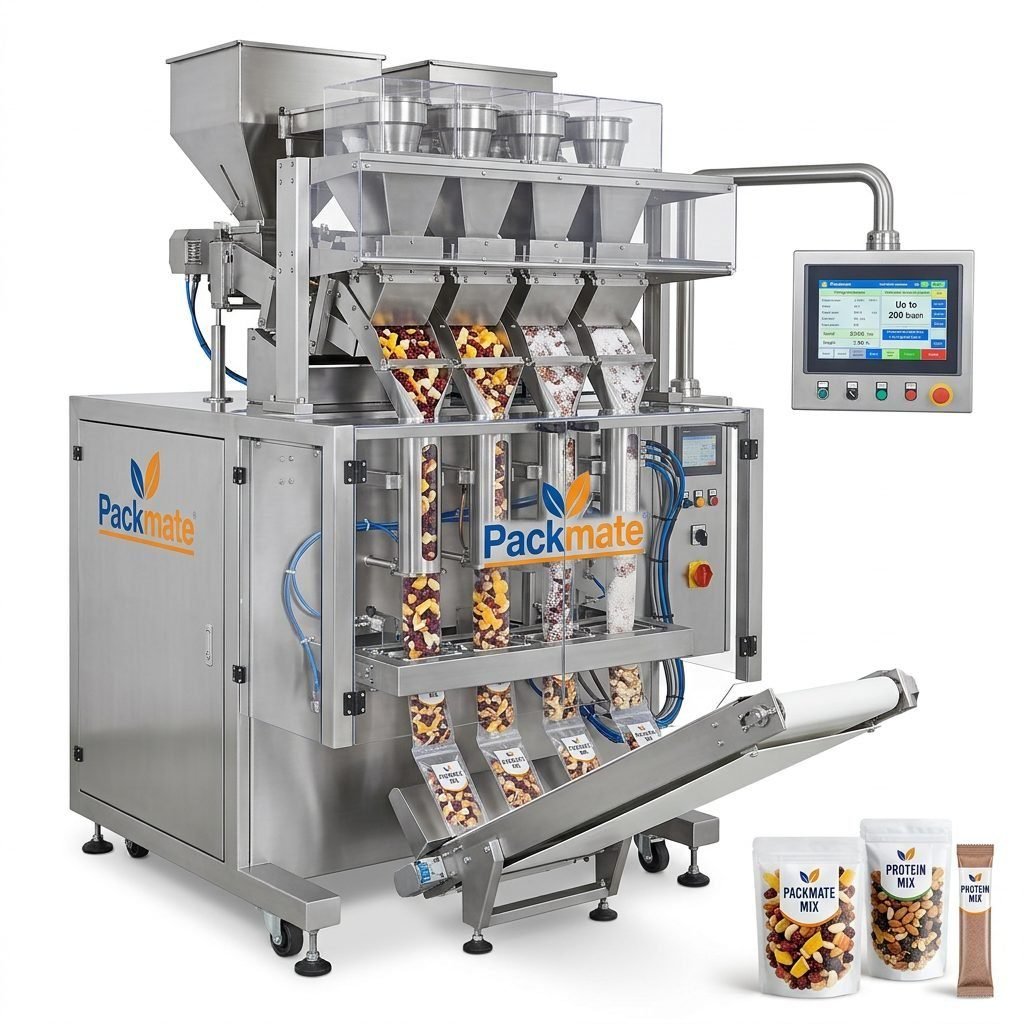
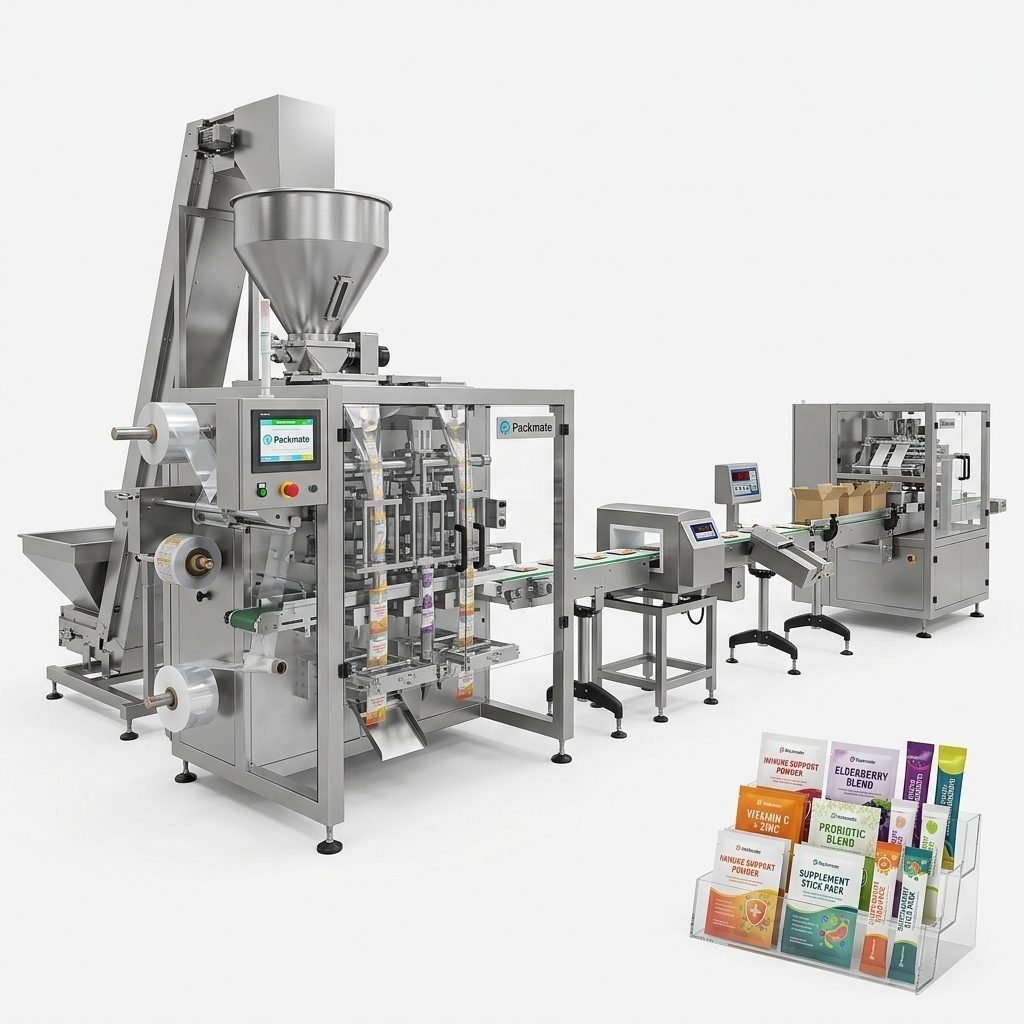
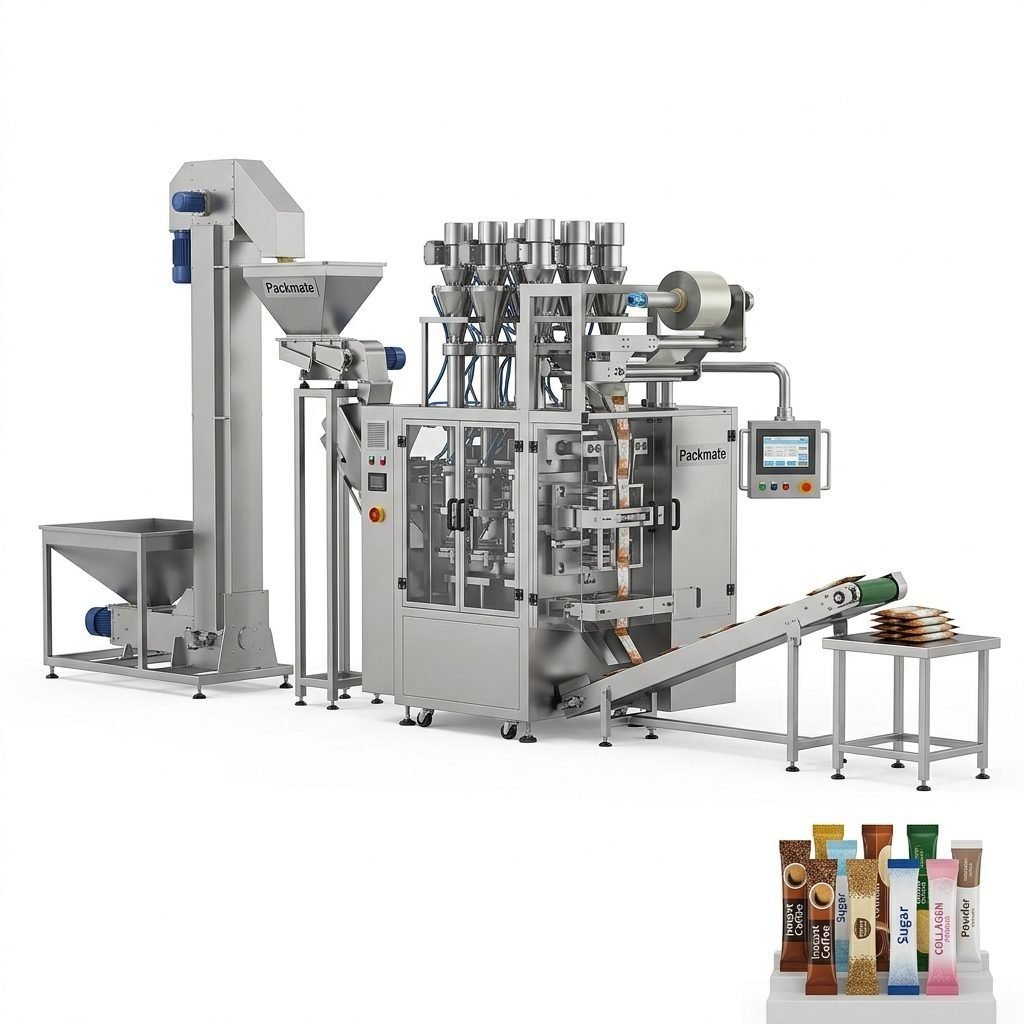
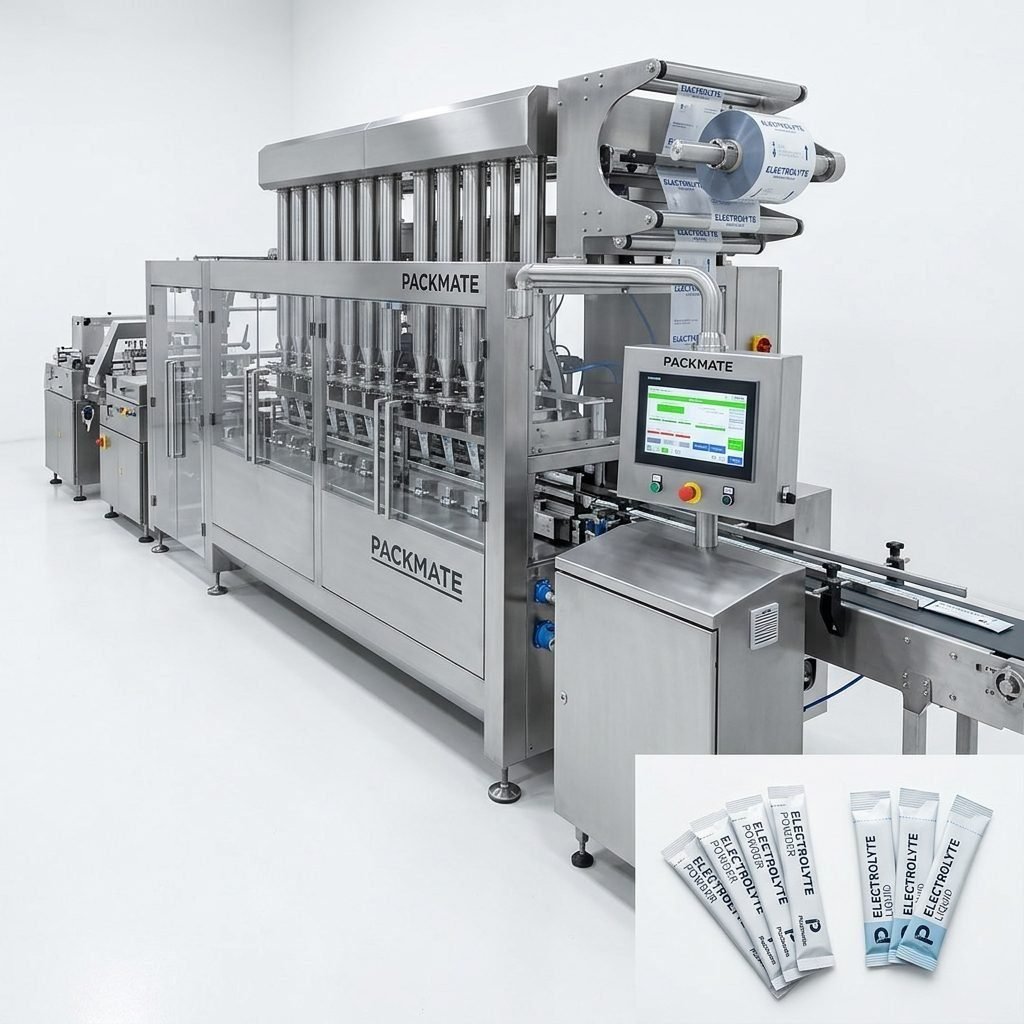
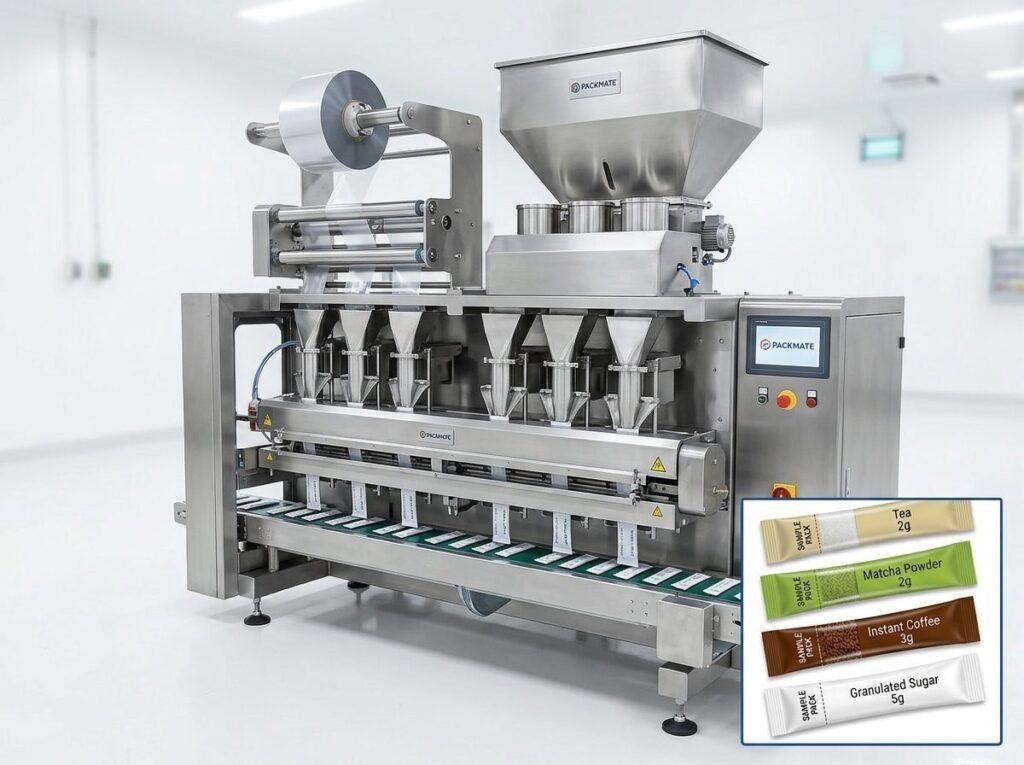
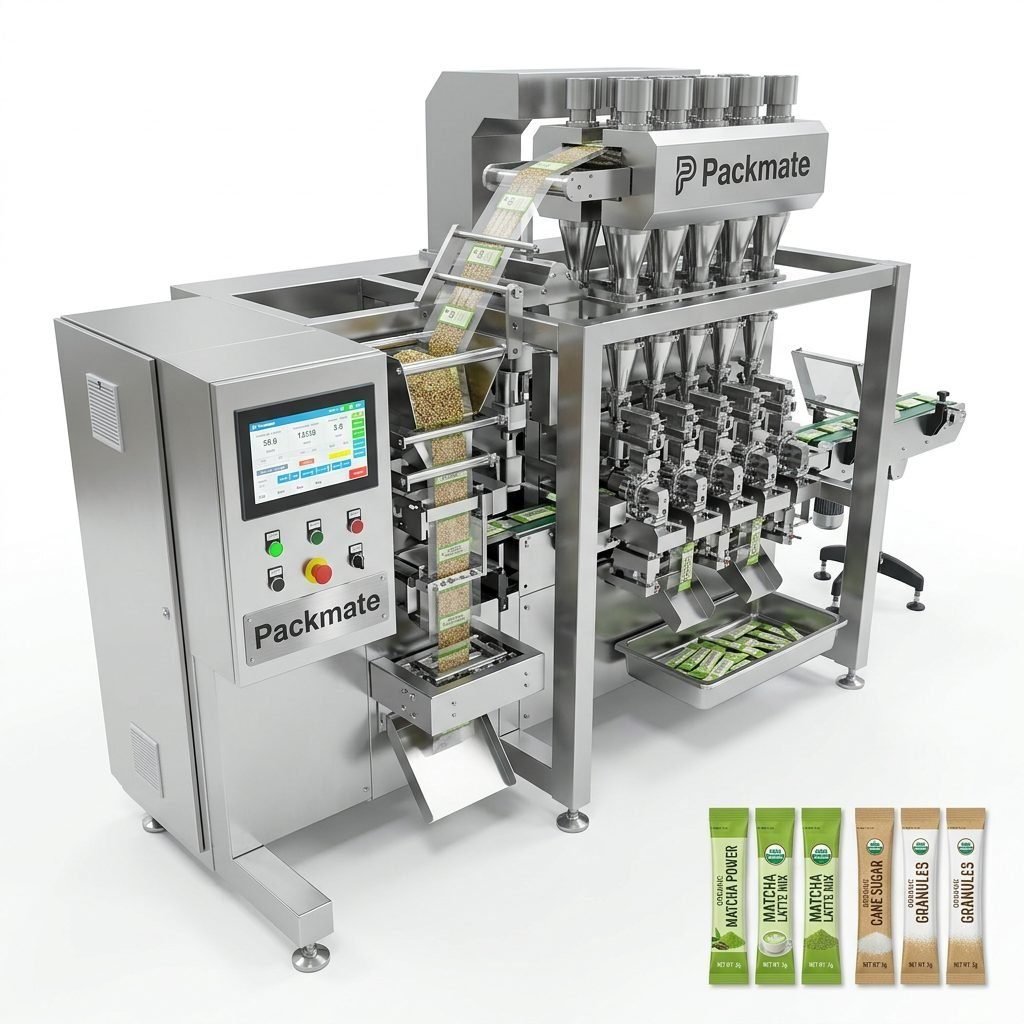
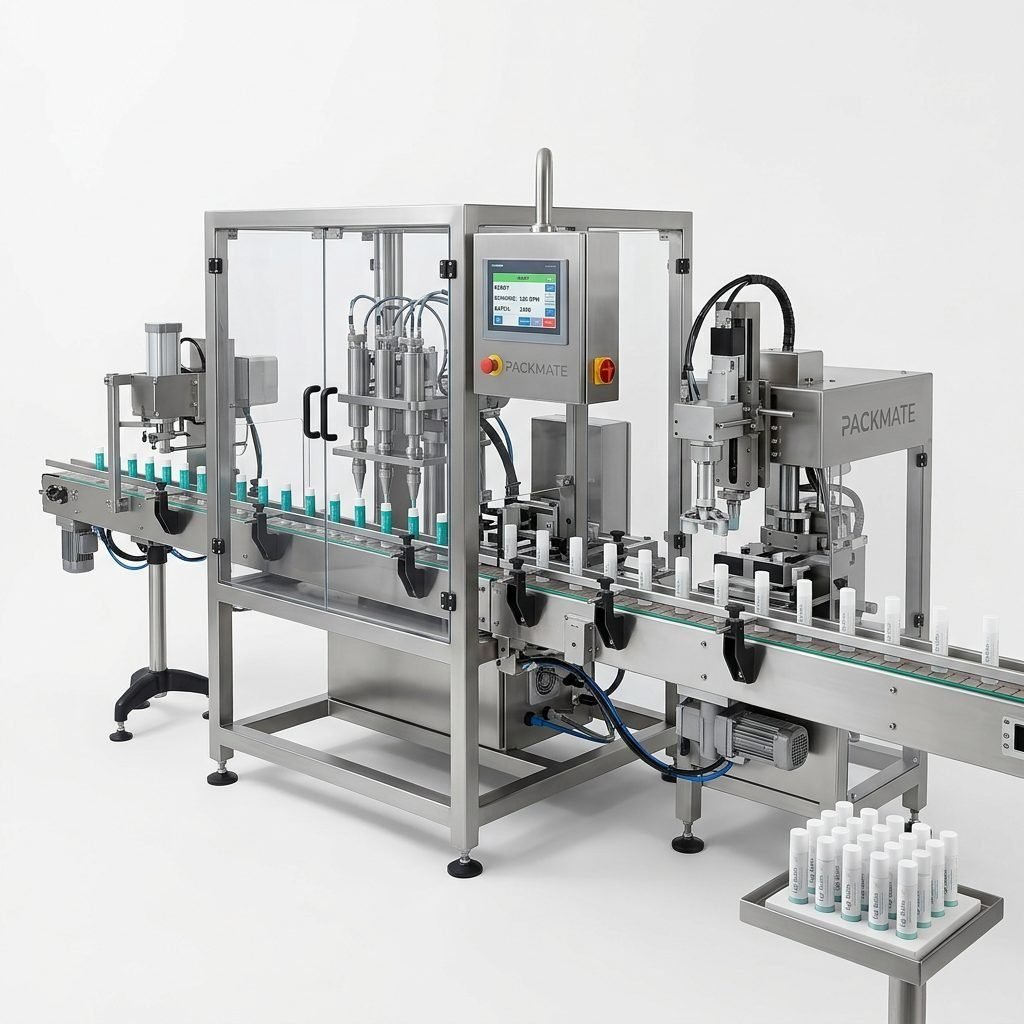
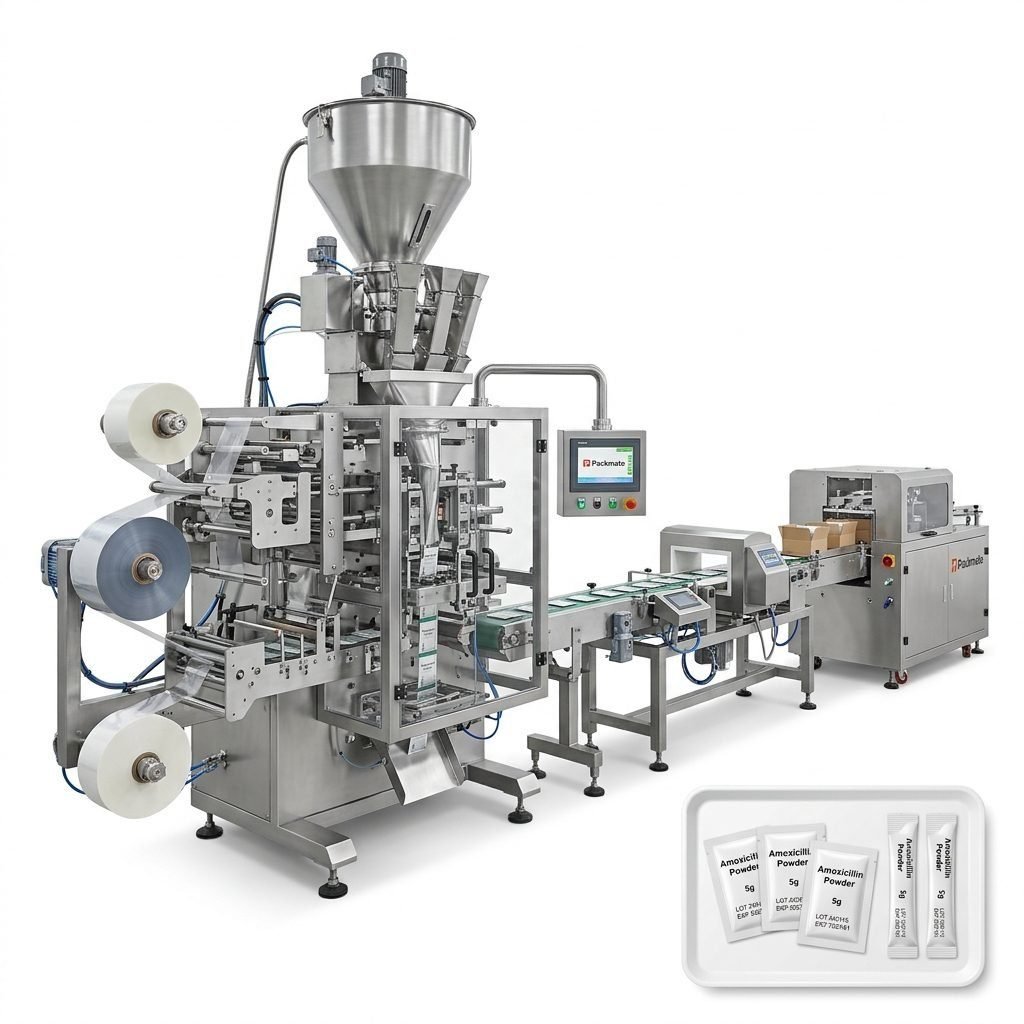
To meet high-volume demands, leading manufacturers like Packmate Machinery design machines with multi-lane capabilities. This means the machine can form, fill, and seal multiple packages simultaneously, significantly boosting output. Automated feeding, weighing, and conveying systems minimize manual intervention and maximize throughput.
Key Feature Checklist:
Precision Control: PLC touchscreen interface for easy operation and parameter setting.
Hygienic Design: Stainless steel construction and easy-clean surfaces for food and pharma safety.
Quick Changeover: Tool-less adjustments for different package sizes to reduce downtime.
Quality Monitoring: Sensors to detect seal integrity and reject faulty packages automatically.
Tangible Benefits for Your Business
Investing in a reliable airtight packaging solution delivers a strong return on investment through multiple channels, impacting both your product and your bottom line.
Extended Product Shelf Life & Reduced Waste
The primary benefit is a dramatic extension of product freshness. By creating an oxygen and moisture barrier, these machines slow down degradation processes. This reduces spoilage, minimizes product returns, and allows for broader distribution logistics. Less waste translates directly into higher profitability and more sustainable operations.
Enhanced Product Protection and Safety
Airtight seals are a formidable defense against external contaminants, including dust, bacteria, and insects. This is non-negotiable in industries like pharmaceuticals and nutraceuticals, where product purity is critical. It ensures compliance with stringent health and safety regulations and protects your brand from liability issues.
Improved Operational Efficiency
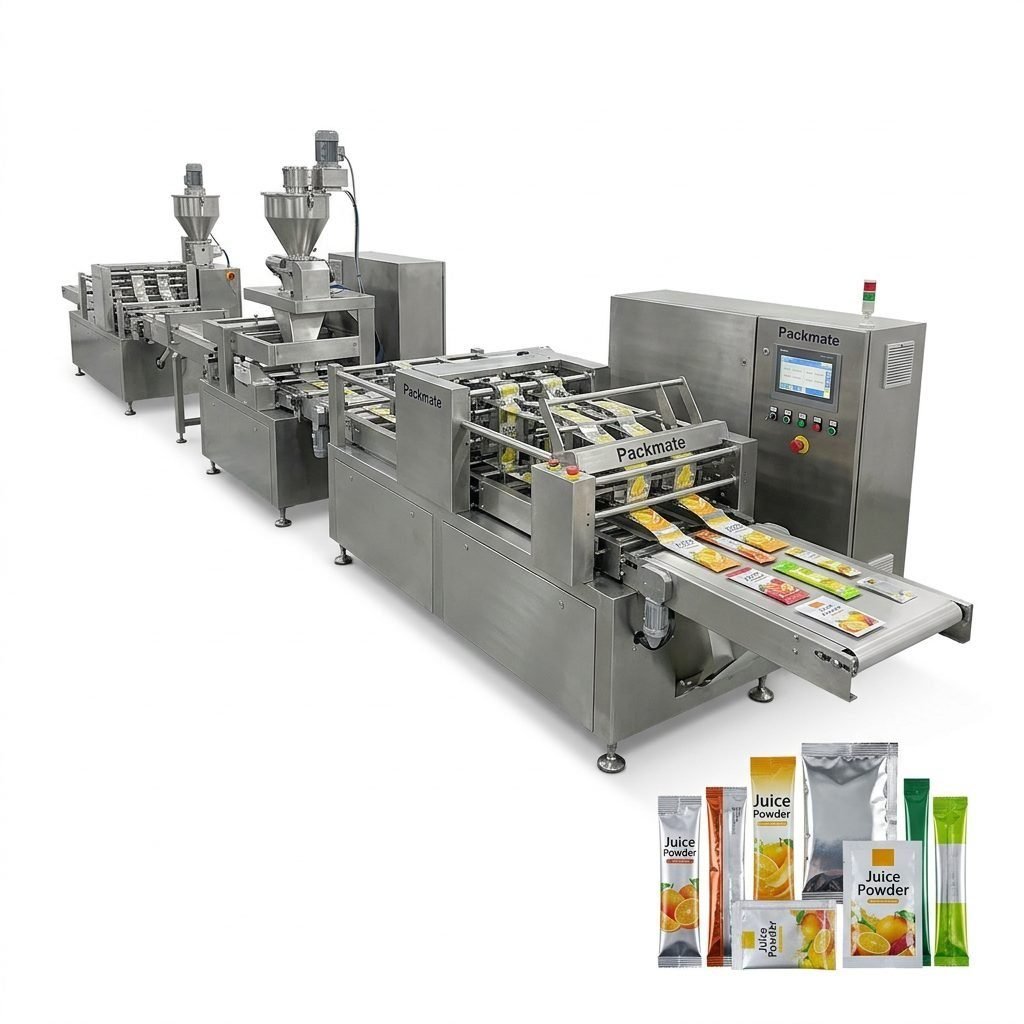
Automated filling and packaging lines streamline the entire packaging process. They operate at consistent speeds with minimal supervision, reducing labor costs and human error. High-speed machines can handle large order volumes efficiently, helping you scale production up or down based on demand.
Stronger Brand Presentation
A perfectly sealed, wrinkle-free package looks professional and high-quality on the shelf. It communicates to consumers that you care about the integrity of your product. This superior presentation can justify a premium price point and foster greater customer trust and loyalty.
Essential Buying Guide: How to Choose the Right Machine
Selecting the perfect airtight packaging machine requires careful analysis of your current and future needs. Rushing this decision can lead to costly mismatches.
1. Define Your Product and Packaging Requirements
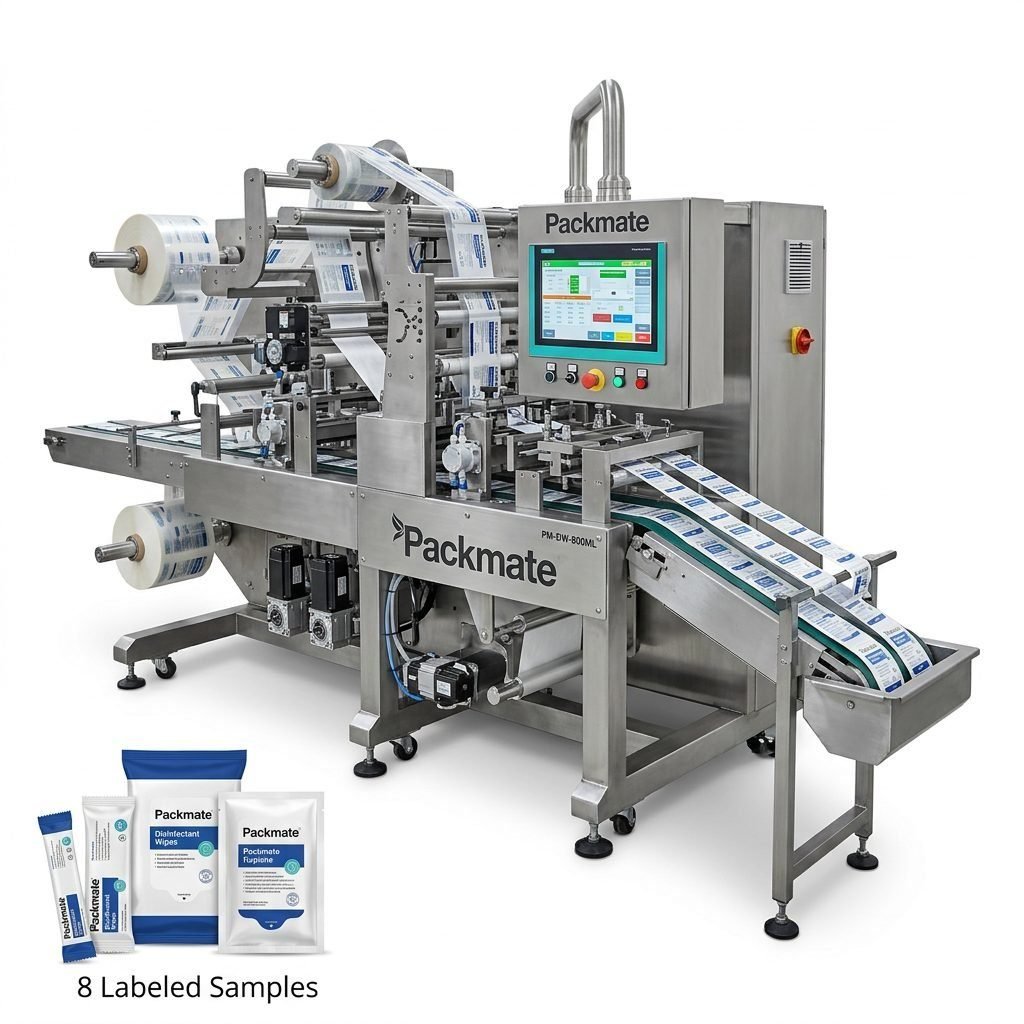
Start with the basics: What are you packaging? Is it granules, powders, liquids, or solids? The product’s form dictates the filling system. Next, determine your desired package type—such as sachets, stick packs, or pouches—and the material you plan to use. Provide potential suppliers with detailed samples.
2. Evaluate Production Speed and Capacity Needs
Calculate your required output in packages per minute (PPM) or per hour. Consider both your average daily volume and peak season demands. A machine that is too slow creates bottlenecks, while an overly complex, high-speed machine may be an unnecessary capital expenditure for a small operation. Plan for growth but be realistic.
3. Prioritize Ease of Use and Maintenance
Look for a user-friendly interface with clear diagnostics. Machines designed for easy cleaning and maintenance reduce downtime. Ask about the availability of spare parts, technical documentation, and the supplier’s support structure. A reliable after-sales service team is as important as the machine itself.
4. Assess the Manufacturer’s Expertise and Support
Partner with an established manufacturer with a proven track record. For instance, Packmate (GuangDong) Co., Ltd. brings over 30 years of expertise in building intelligent packaging solutions. A manufacturer with a strong history, like Packmate’s journey from a small workshop in 1993 to a modern 20,000㎡ facility, typically offers more reliable machines, comprehensive turnkey solutions, and valuable industry insight. Check their case studies and client testimonials.
5. Consider Total Cost of Ownership (TCO)
Look beyond the initial purchase price. Factor in long-term costs like energy consumption, required maintenance, part replacement cycles, and potential upgrade paths. A slightly more expensive machine from a reputable brand that offers higher efficiency, durability, and lower maintenance can be far more economical over a 5-10 year period.
Frequently Asked Questions (FAQs)
What types of products are best suited for airtight packaging machines?
Airtight packaging is ideal for a vast range of products where freshness, dryness, or sterility is crucial. This includes coffee and tea, spices, dried fruits and nuts, snack foods, pharmaceutical powders and tablets, nutraceuticals, pet food, and industrial components sensitive to moisture.
Can one machine handle different package sizes and materials?
Yes, most modern machines are designed with changeover flexibility. Look for models with quick-change tooling and programmable settings that allow operators to switch between different package dimensions and compatible film materials with minimal downtime, often in under 15-20 minutes.
How important is after-sales service when purchasing this equipment?
Extremely important. Packaging machines are long-term investments. Ensure your supplier offers comprehensive after-sales support, including installation supervision, operator training, readily available spare parts, and responsive technical support—either remotely or on-site. This service ensures maximum uptime and a longer machine lifespan.
What is the difference between a standard seal and an airtight seal?
A standard seal closes the package but may still allow micro-gaps for air and moisture transmission over time. An airtight (hermetic) seal is created under precisely controlled heat and pressure, fusing the packaging layers to form a continuous, impermeable barrier that meets specific leak-test standards, offering superior protection.
Are there automated solutions for small to medium-sized businesses (SMBs)?
Absolutely. The market offers a spectrum of machines, from semi-automatic tabletop sealers perfect for lower volumes or pilot projects to fully automated, compact inline systems designed for SMBs. Manufacturers like Packmate provide scalable solutions that balance automation level with investment cost.